









Bedwetting in children is common and often resolves naturally, but it can cause stress for both kids and parents. Effective bedwetting solutions include understanding causes, building healthy routines, and using protective sleep products like Bedwetting Diapers. With the right approach, most children overcome bedwetting gradually. The key is combining emotional support with practical nighttime protection.
Waking up to wet sheets night after night can be exhausting — for both parents and children. The good news is that bedwetting is rarely a sign of something serious, and there are practical steps that genuinely help.
This guide walks you through the causes of bedwetting, age-by-age guidance, behavioural strategies, and how to choose the right nighttime protection — so your family can get back to restful sleep.
- Why Do Kids Wet the Bed?
- Is Bedwetting Normal at a Certain Age?
- What Are the Most Effective Bedwetting Solutions?
- How Can Parents Support a Child Emotionally?
- What Should I Look for When Choosing Bedwetting Products?
- Which Type Works Best for Nighttime Protection?
- Comparison Table: Bedwetting Solutions
- Conclusion & Best Way Forward
- Key Takeaways
- FAQs
- References
Why Do Kids Wet the Bed?
Bedwetting (nocturnal enuresis) usually happens because a child's bladder control is still developing. It's rarely due to laziness or behaviour.
Common causes include:
- Deep sleep patterns
- Small bladder capacity
- Delayed hormone regulation (ADH)
- Genetics (family history)
- Occasional stress or routine changes
Bedwetting is typically a developmental phase, not a medical problem, and most children outgrow it with time.
Is Bedwetting Normal at a Certain Age?
Yes, it's completely normal up to age 5 and even beyond for some children.
- Ages 3–5: Very common
- Ages 5–7: Still normal occasionally
- Ages 7+: May need structured intervention
Dr Anita Sharma, Paediatrician (MBBS, MD Paediatrics), explains:
"Bedwetting beyond age 5 is still common. Intervention is needed only if it persists frequently or affects the child's confidence."
What Are the Most Effective Bedwetting Solutions?
The best solutions combine behavioural strategies with practical protection.
1. Build a Night Routine
- Limit fluids before bedtime
- Encourage bathroom use before sleep
- Maintain consistent sleep timings
2. Positive Reinforcement
- Avoid punishment or shame
- Use reward charts for dry nights
3. Protective Sleep Solutions
- Use absorbent, leak-proof products
- Reduce laundry stress
What Parents Should Know
Consistency matters more than quick fixes. Most solutions work gradually over weeks, not overnight.
How Can Parents Support a Child Emotionally?
Emotional support is just as important as physical solutions.
- Reassure your child that it's common
- Avoid comparisons with siblings
- Involve them in small responsibilities (like changing sheets) without blame
What Should I Look for When Choosing Bedwetting Products?
Choosing the right product can significantly reduce stress for both parent and child.
Key Criteria:
- Absorbency: Can it handle overnight wetting?
- Leak Protection: Does it prevent mattress damage?
- Skin Safety: Is it rash-free and breathable?
- Ease of Use: Simple for kids to wear/remove
- Reusability & Value: Cost-effective over time
What to Look For
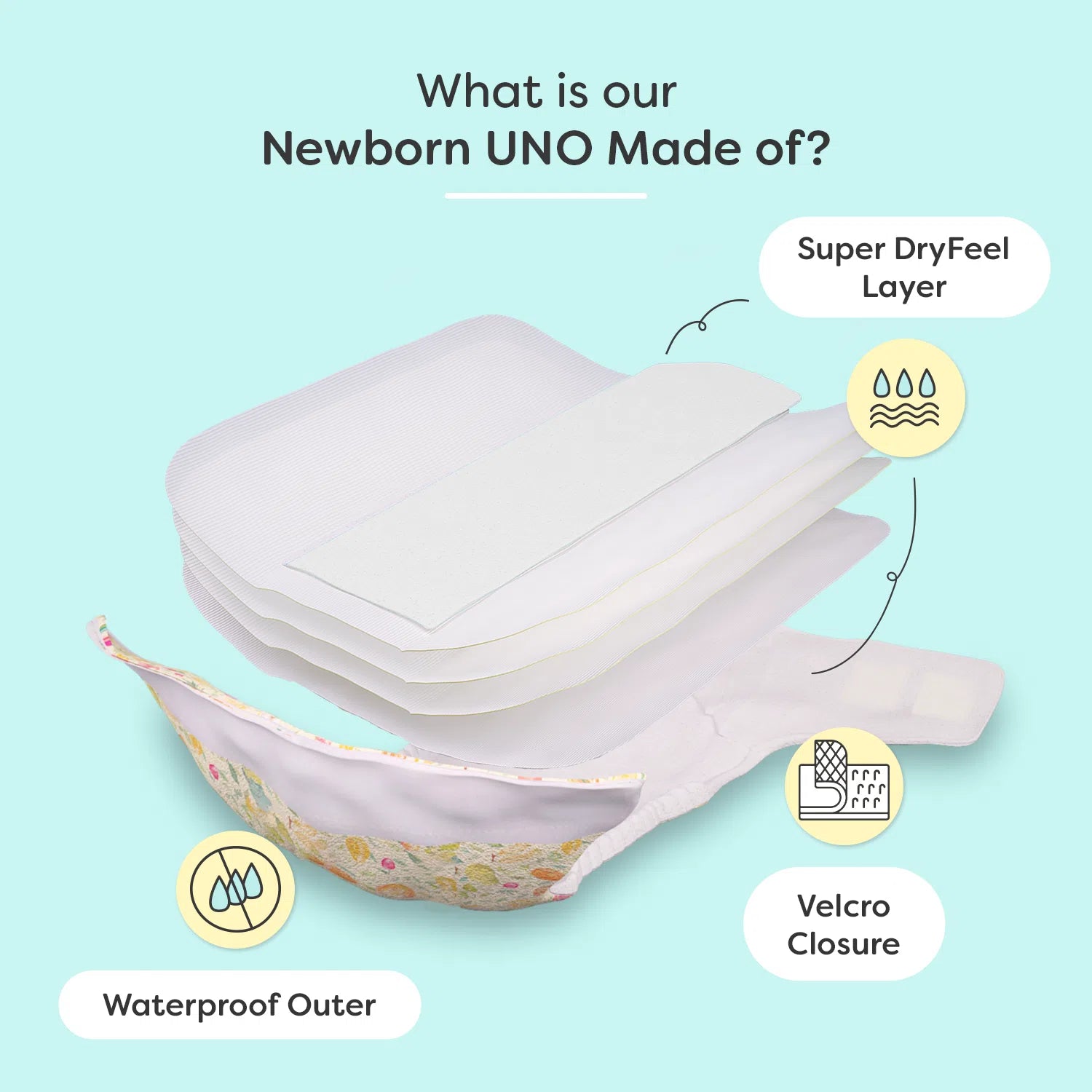
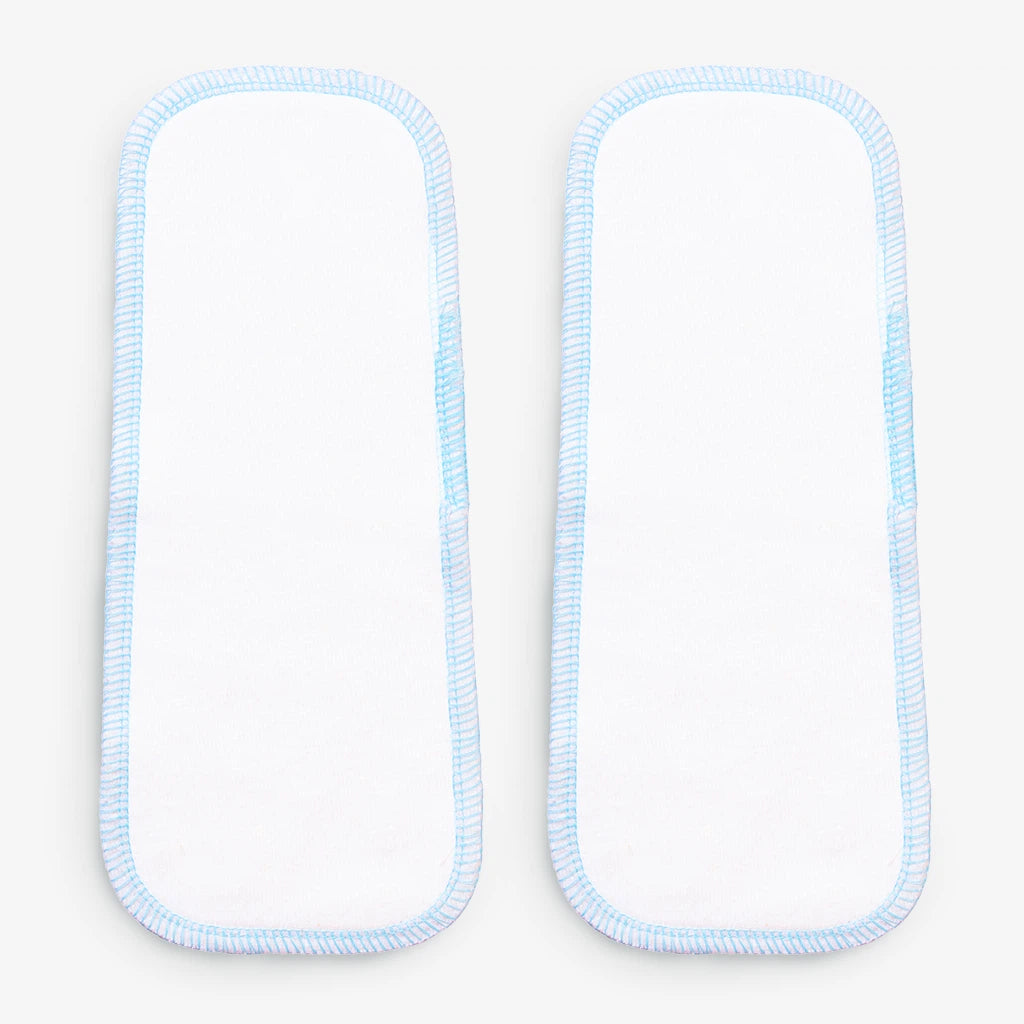
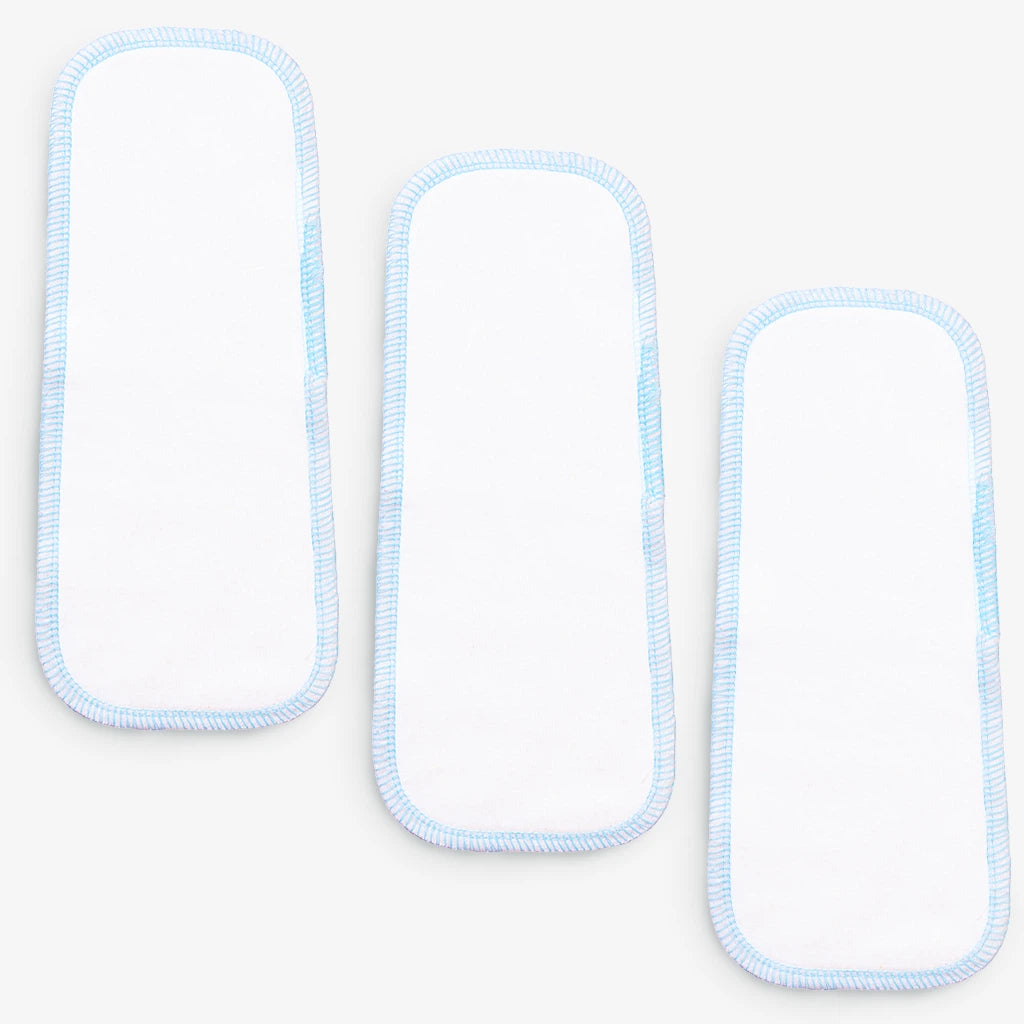
Look for products with a leak-proof inner layer, soft fabric, and high absorbency that still feels comfortable through the night.

Which Type Works Best for Nighttime Protection?
Different families prefer different solutions depending on the child's needs.
Option 1: Disposable Diapers
- Easy to use
- Higher long-term cost
- May cause skin irritation in some cases
Option 2: Mattress Protectors
- Protect bedding
- Don't keep the child dry
Option 3: Reusable Cloth-Based Solutions
- Absorbent and eco-friendly
- Gentle on skin
- Cost-effective over time
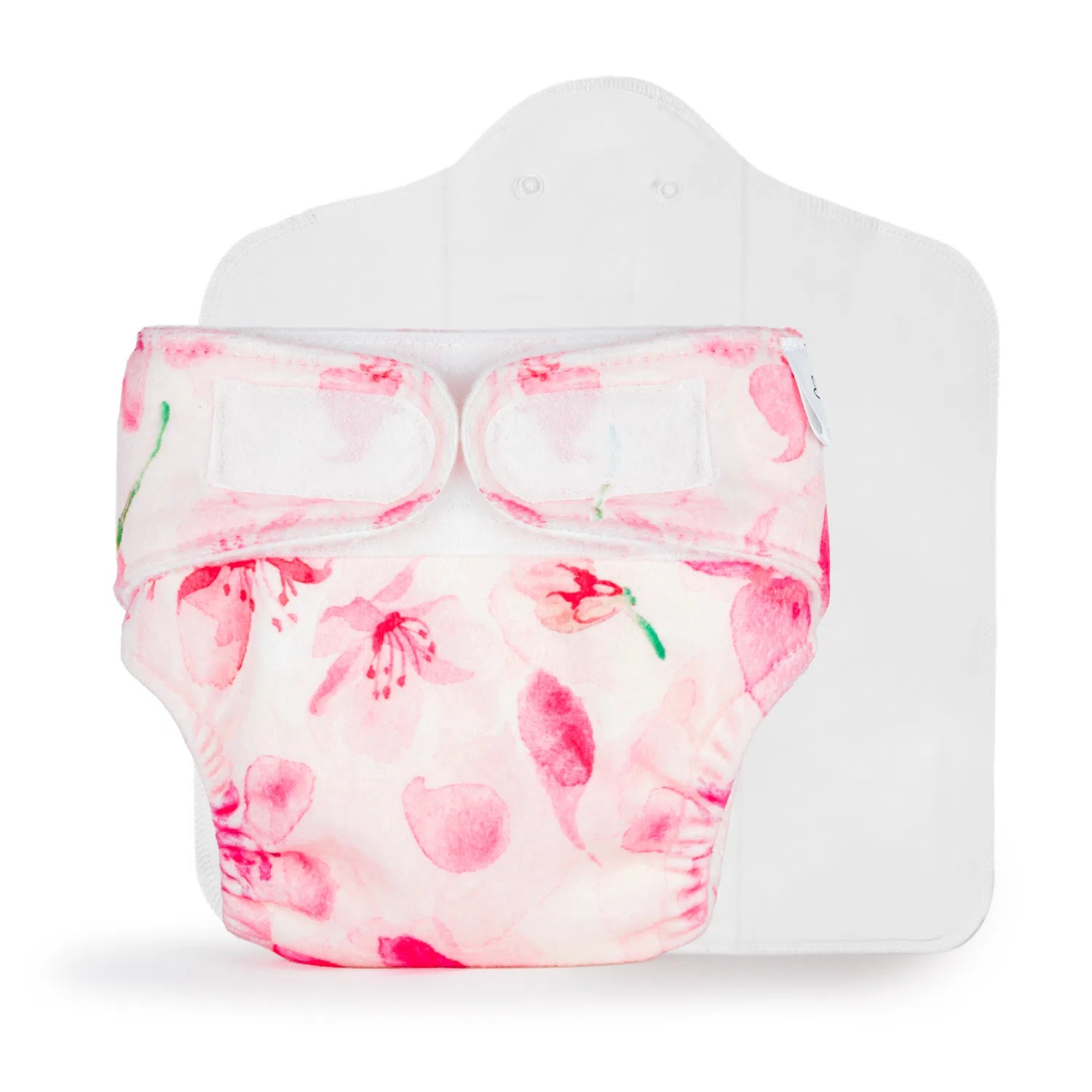
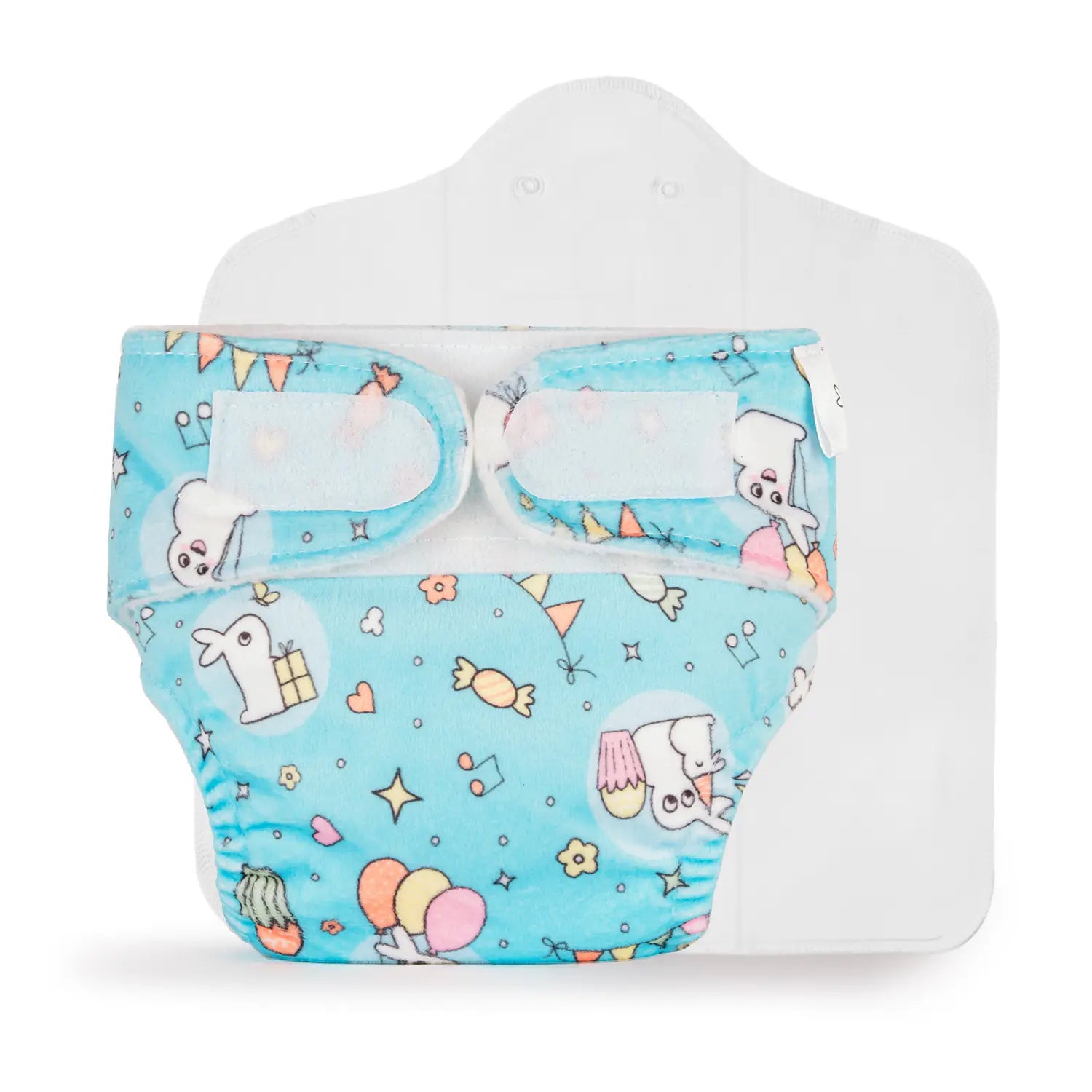
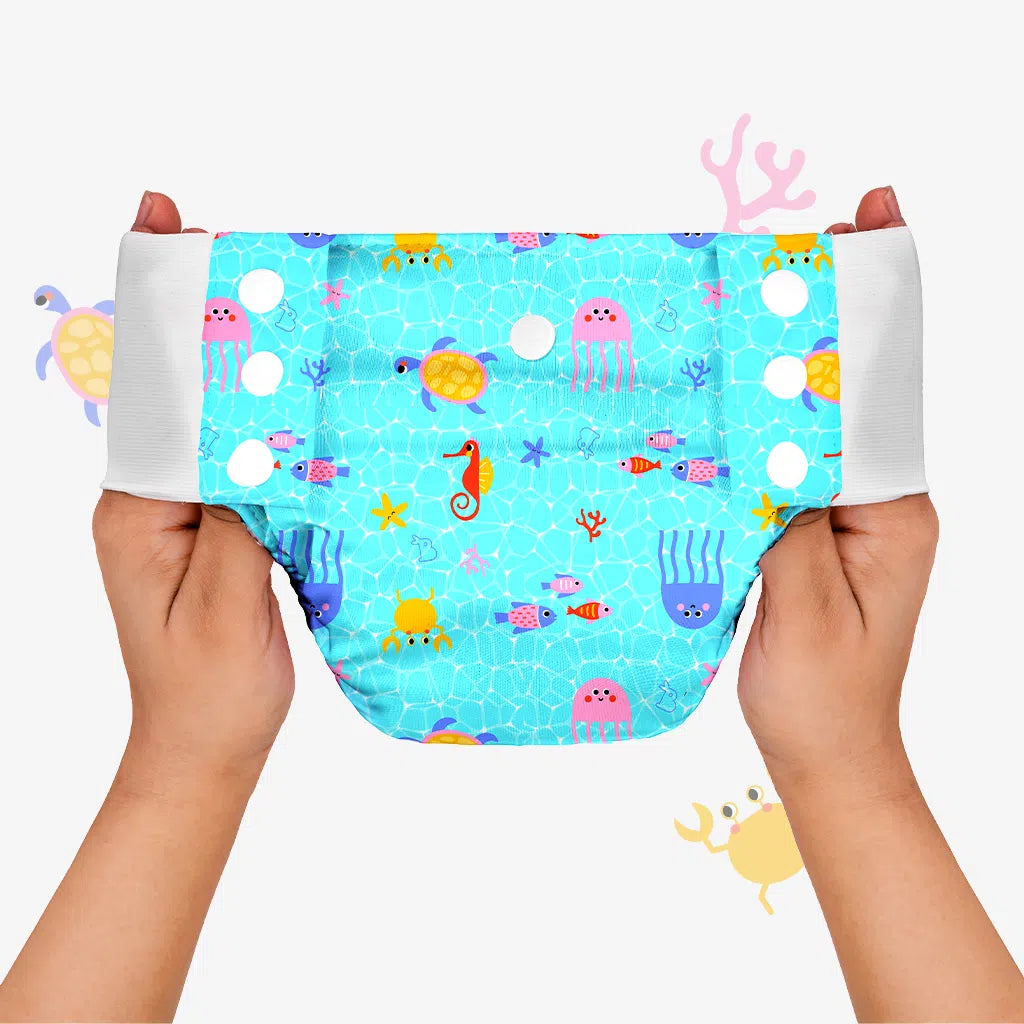
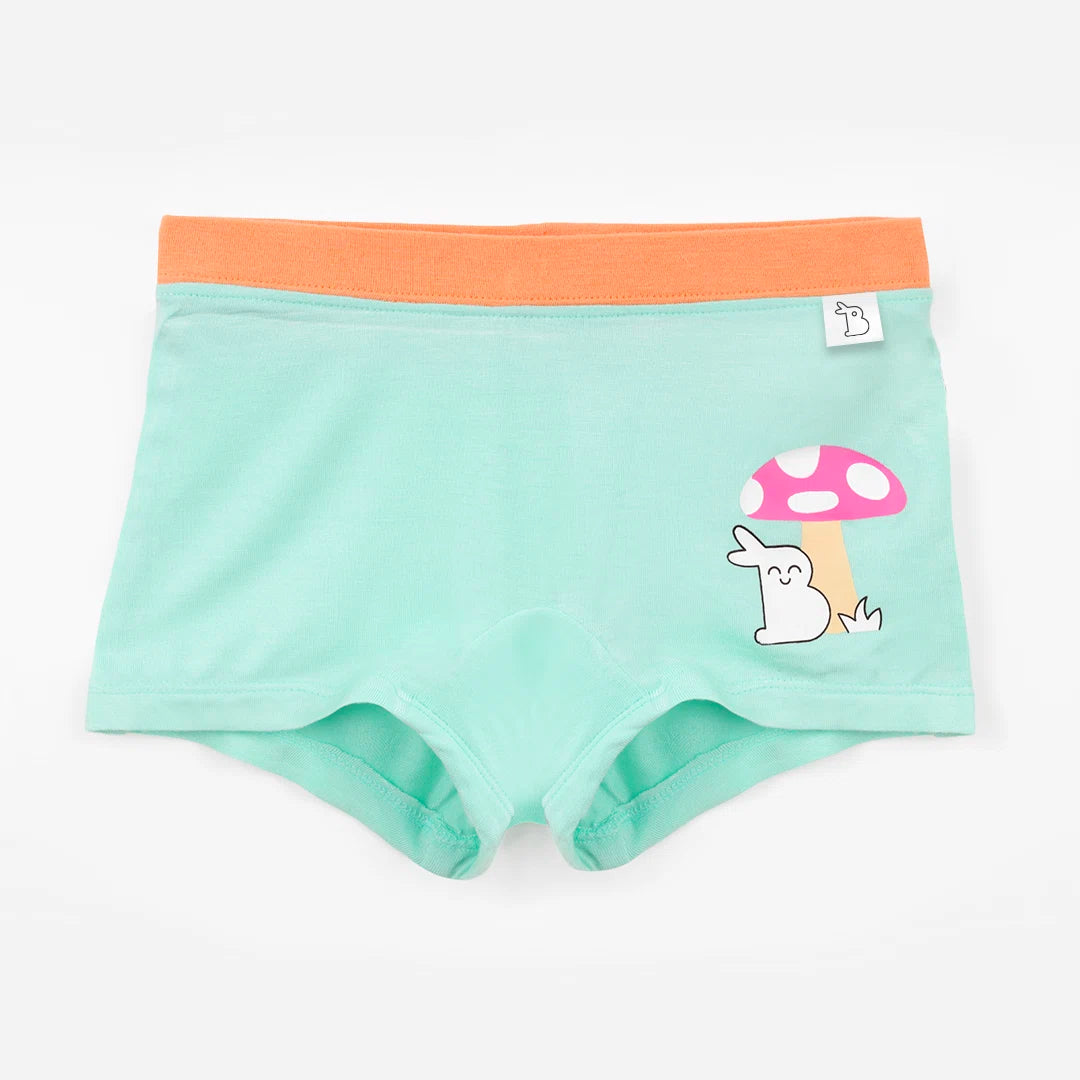
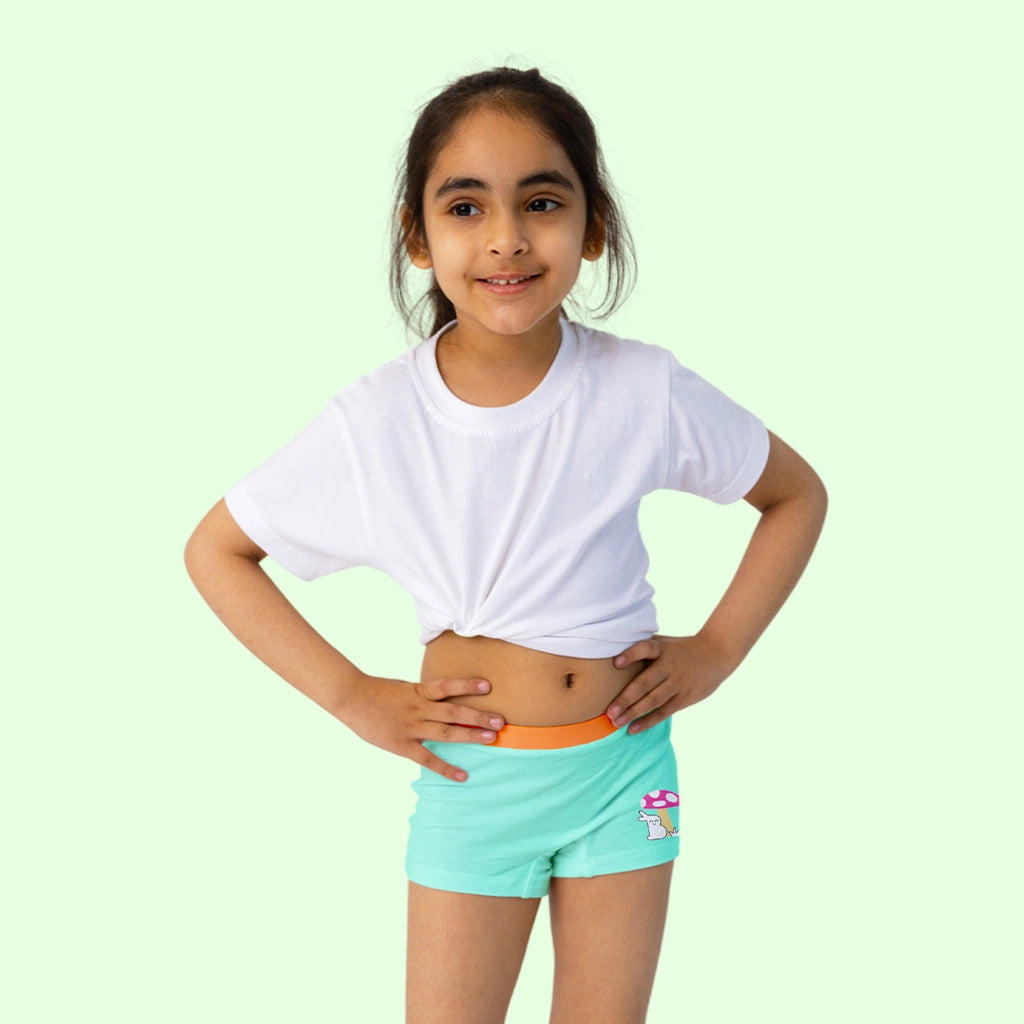
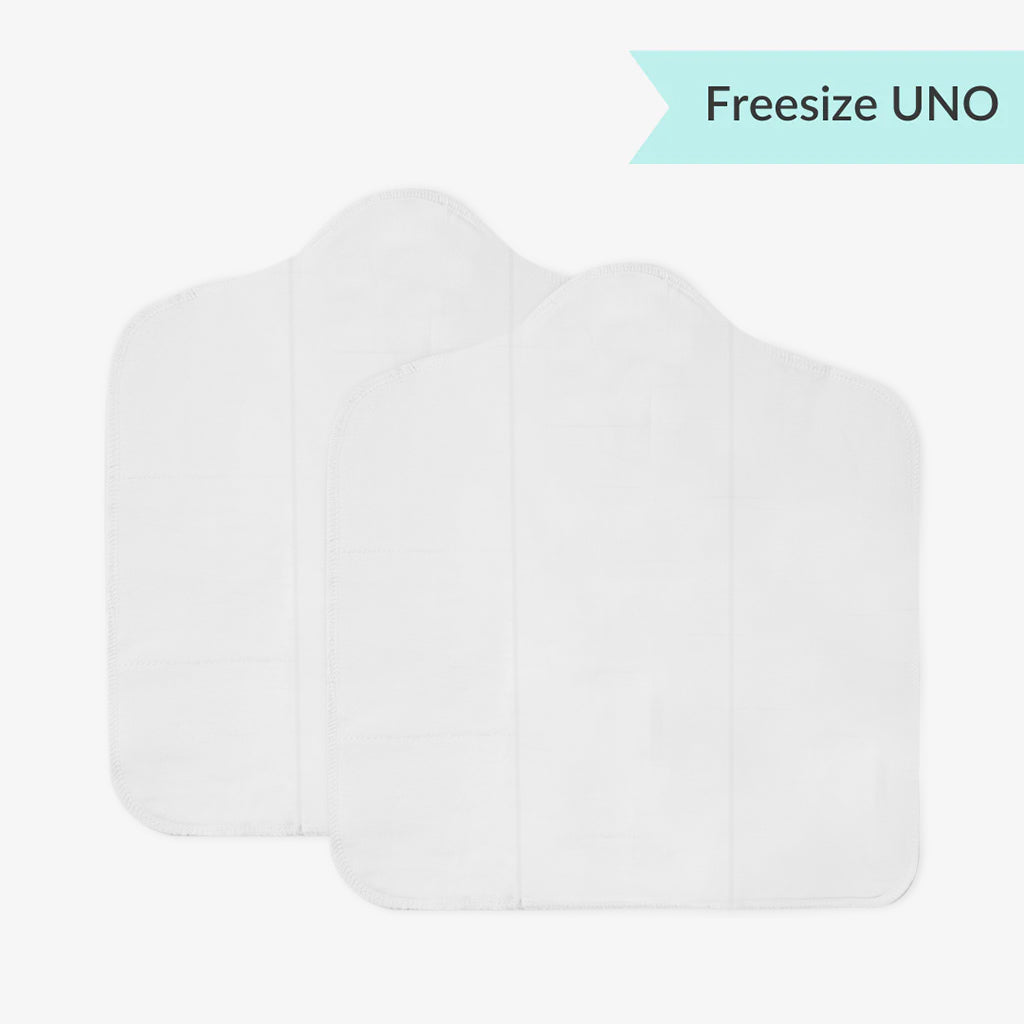
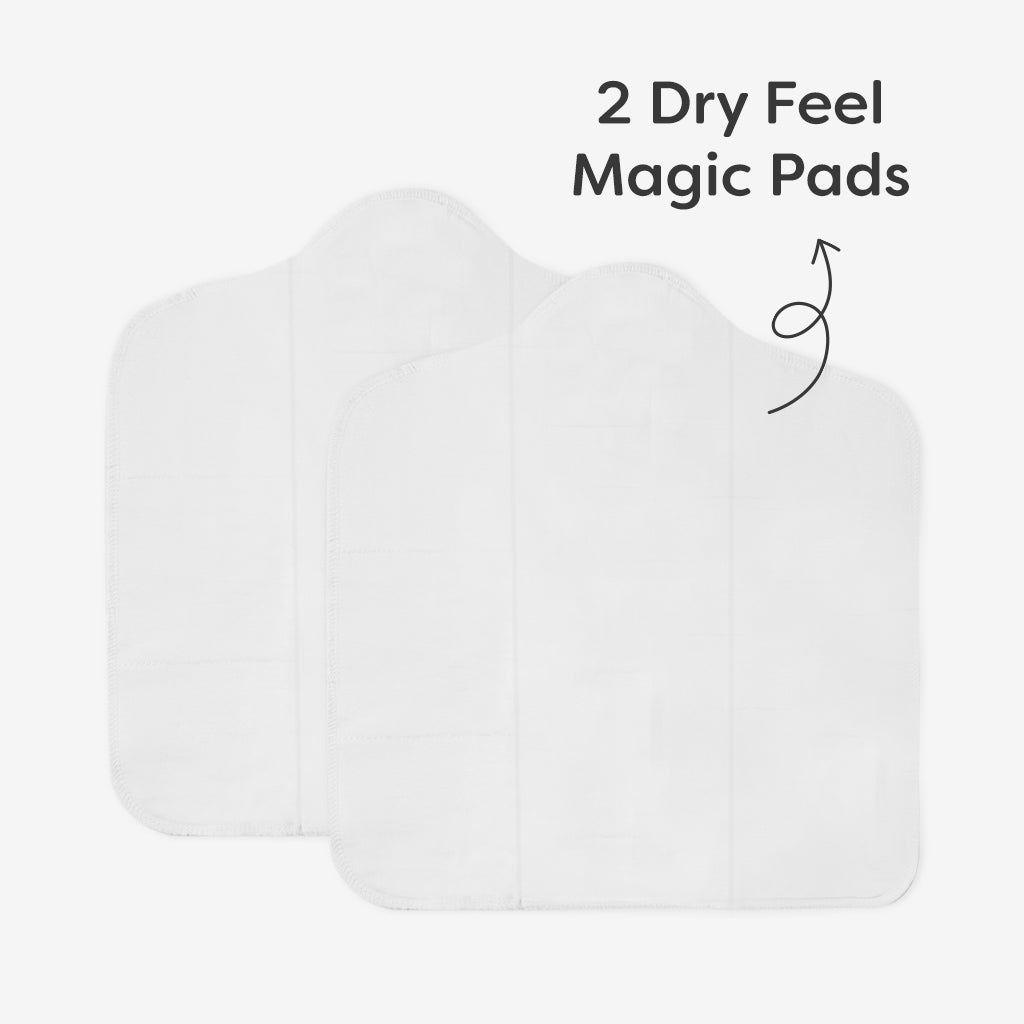
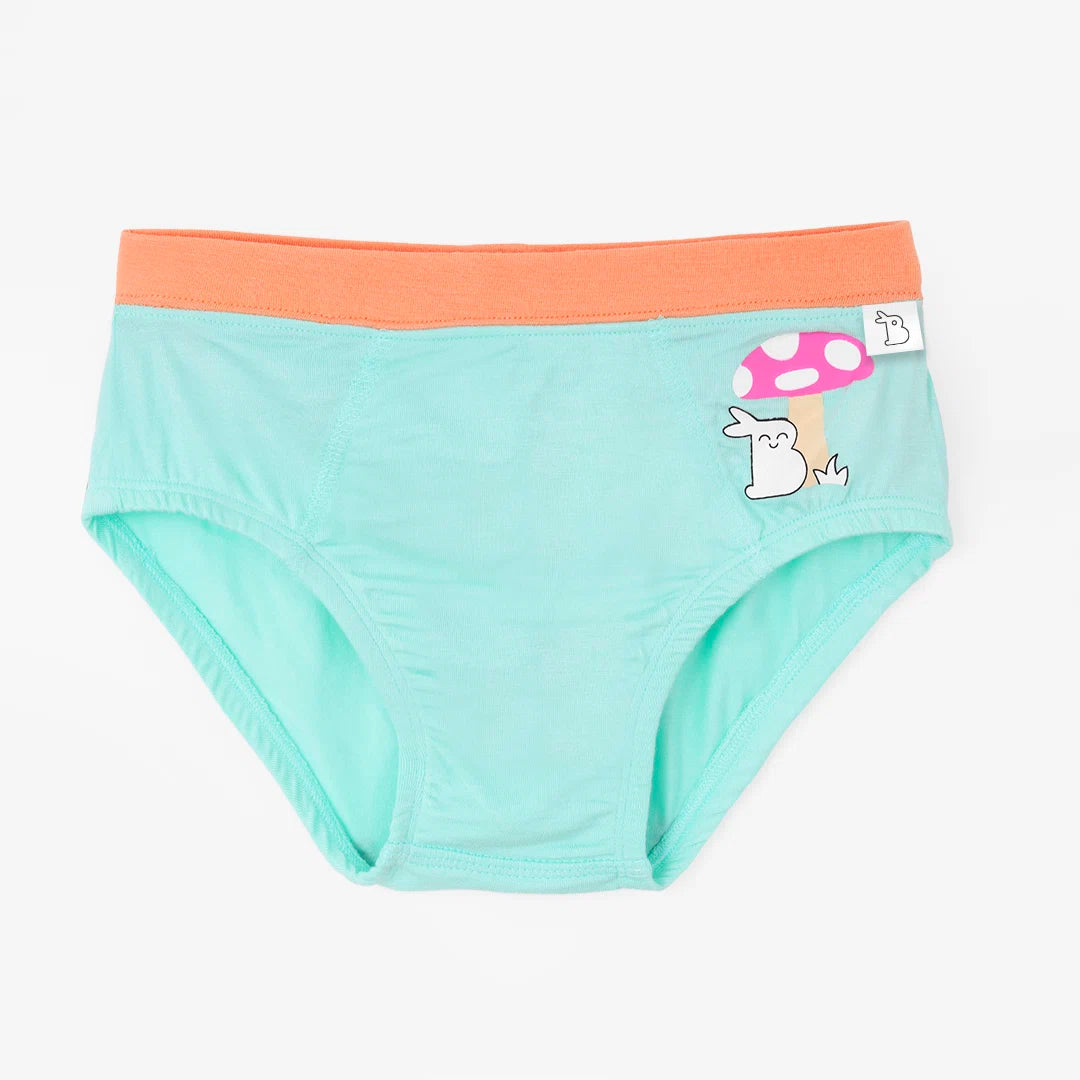
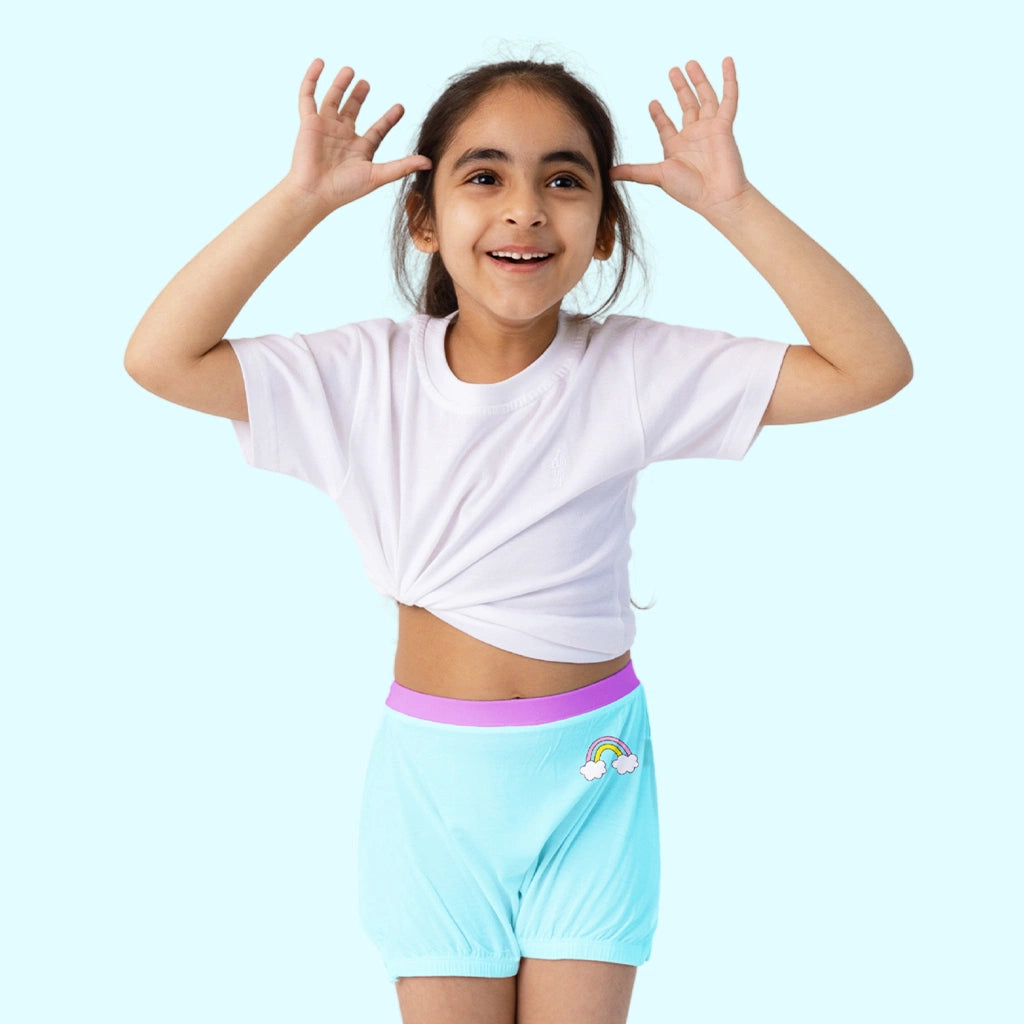
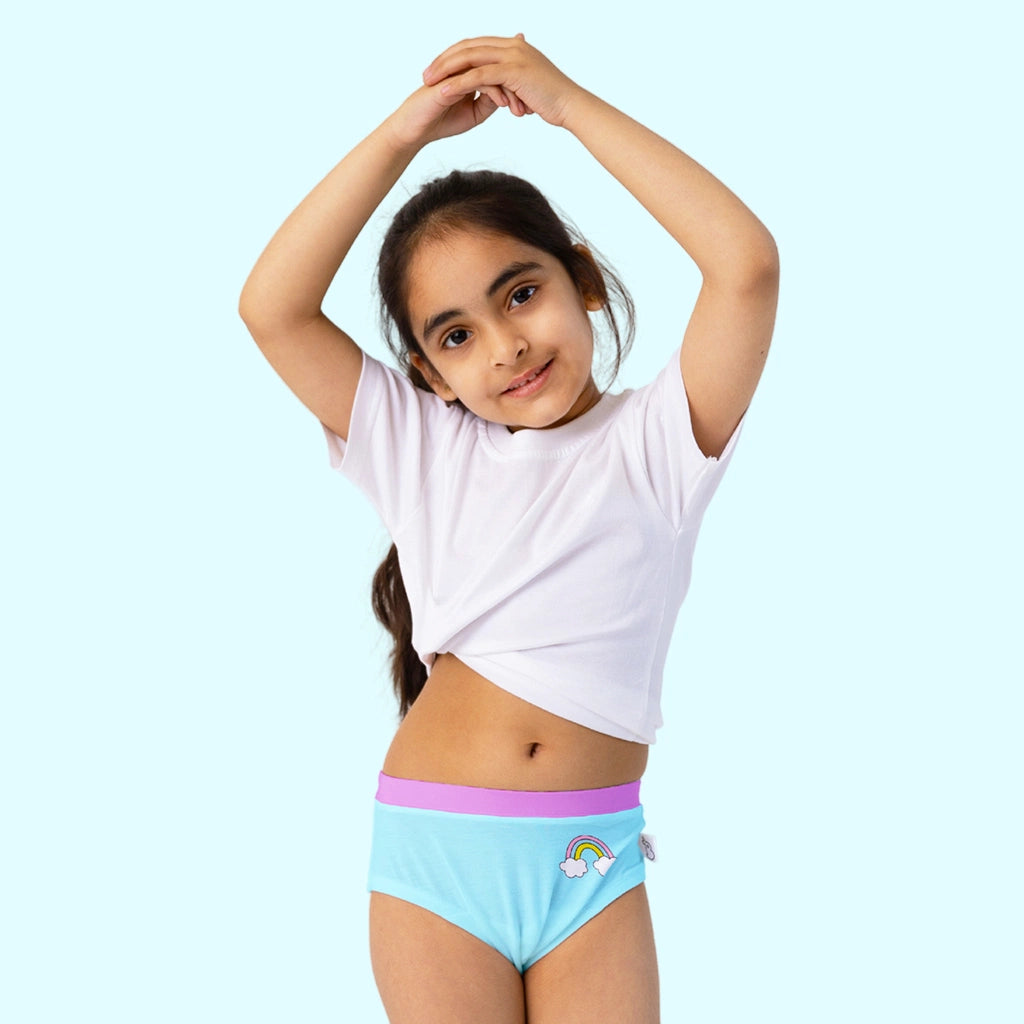
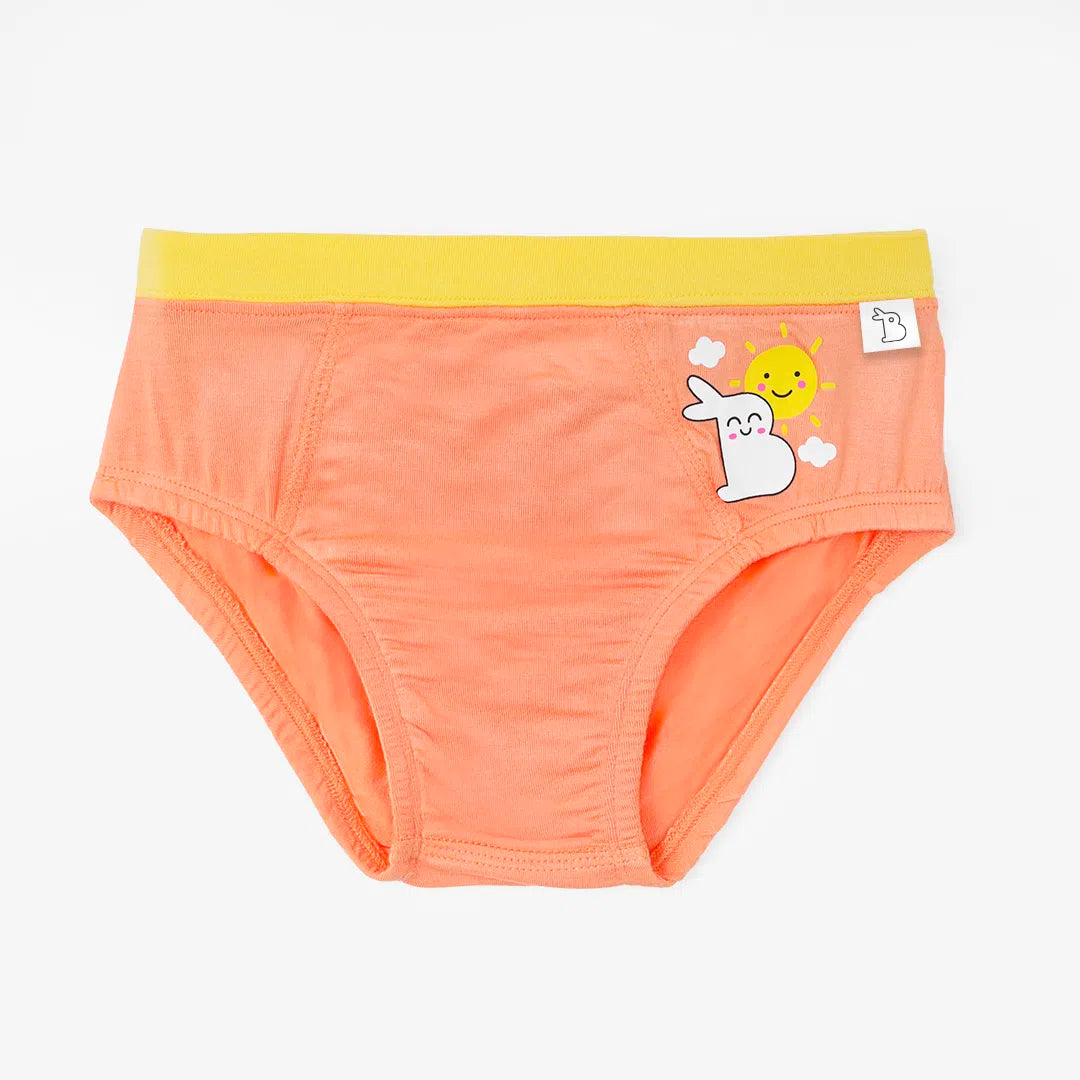
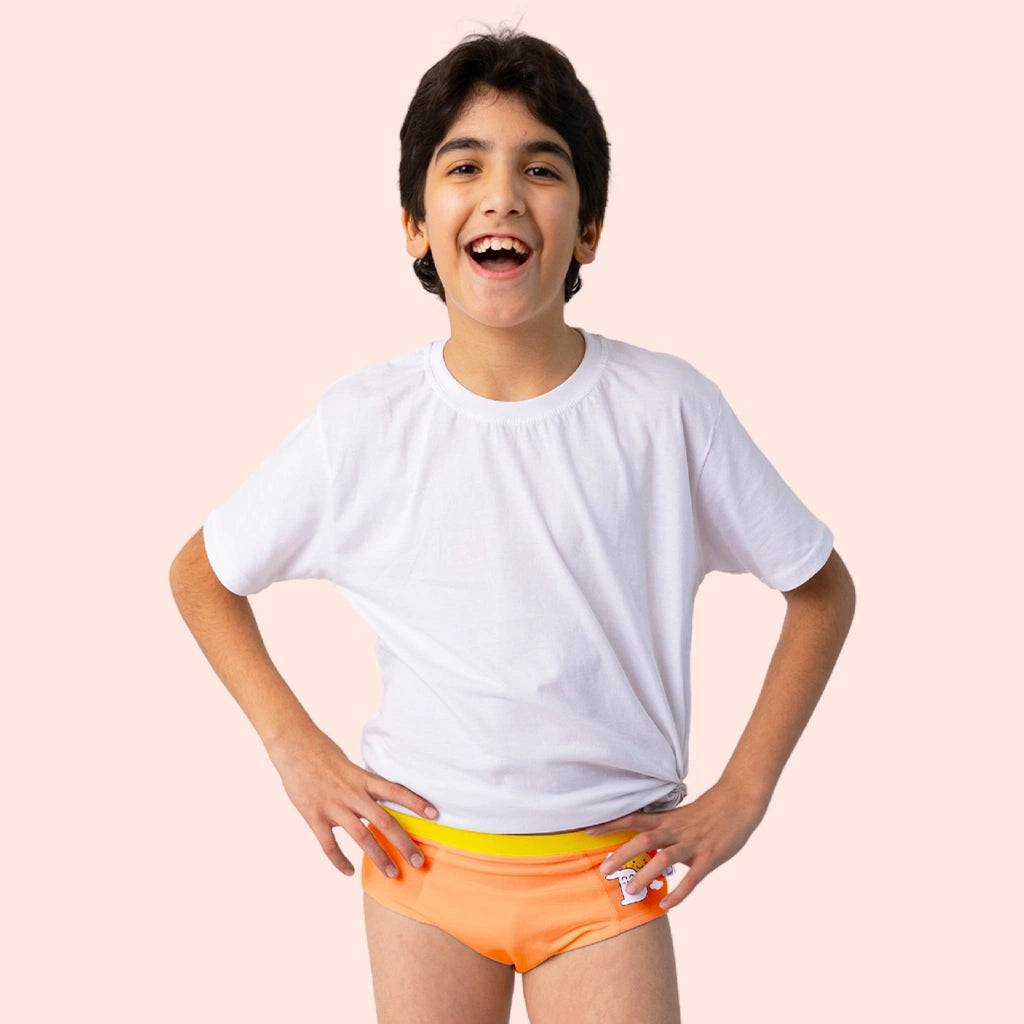
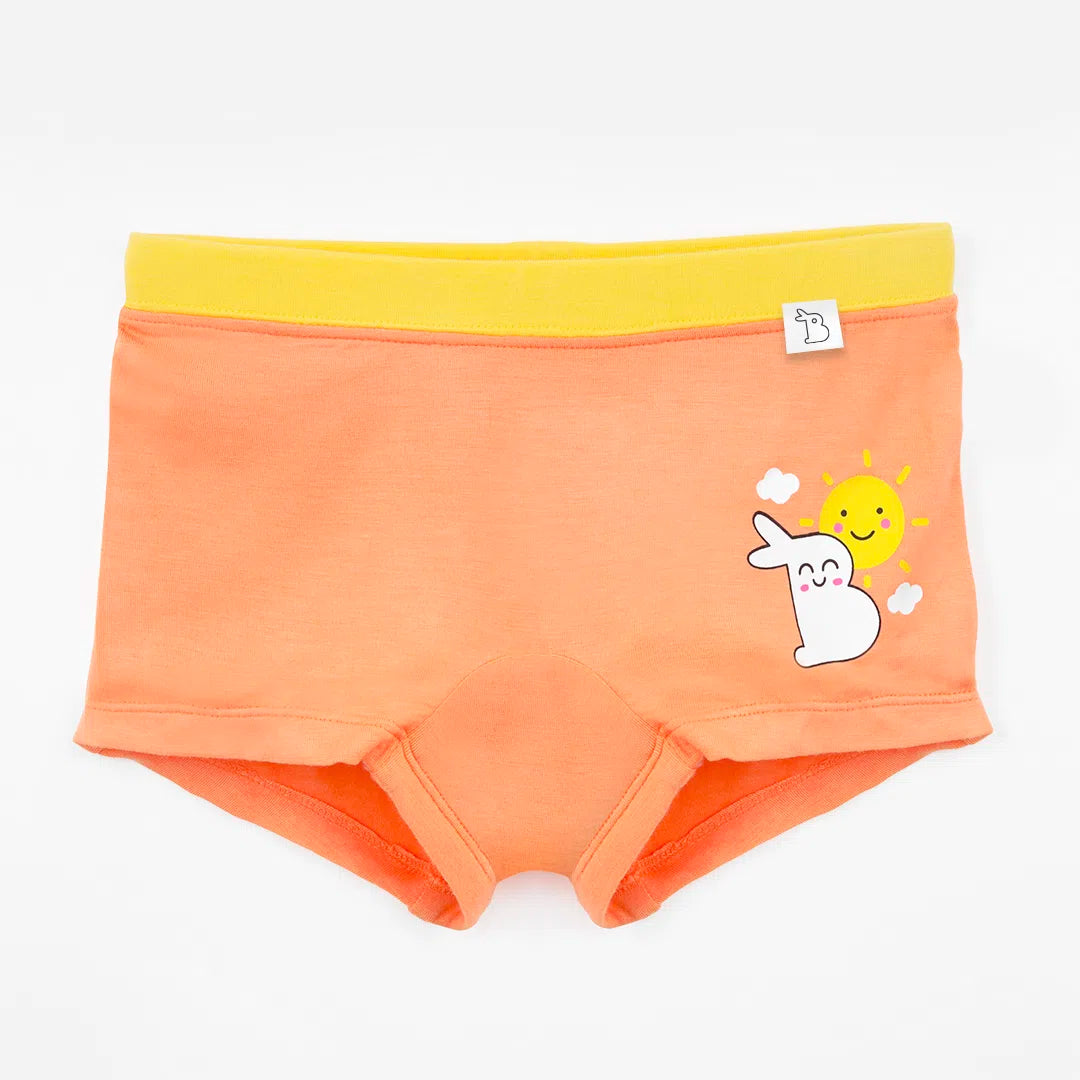
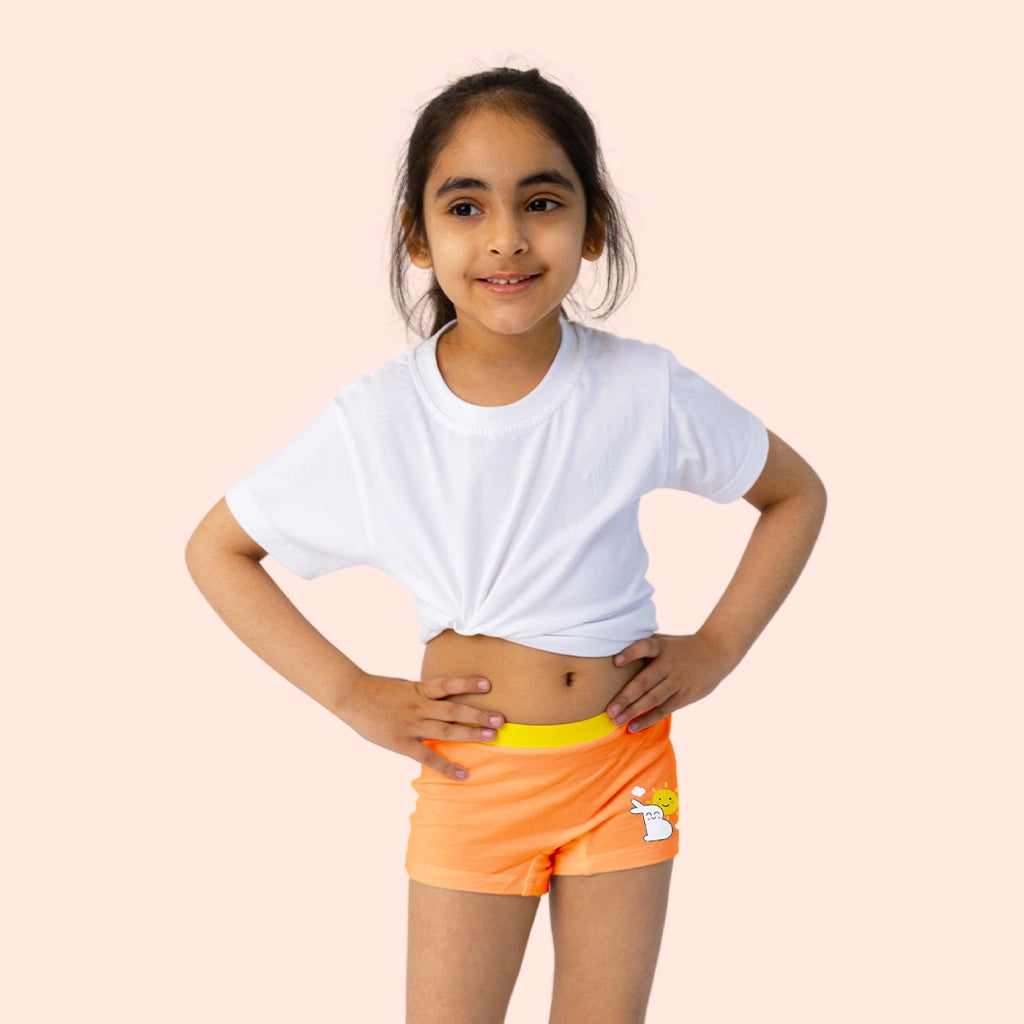
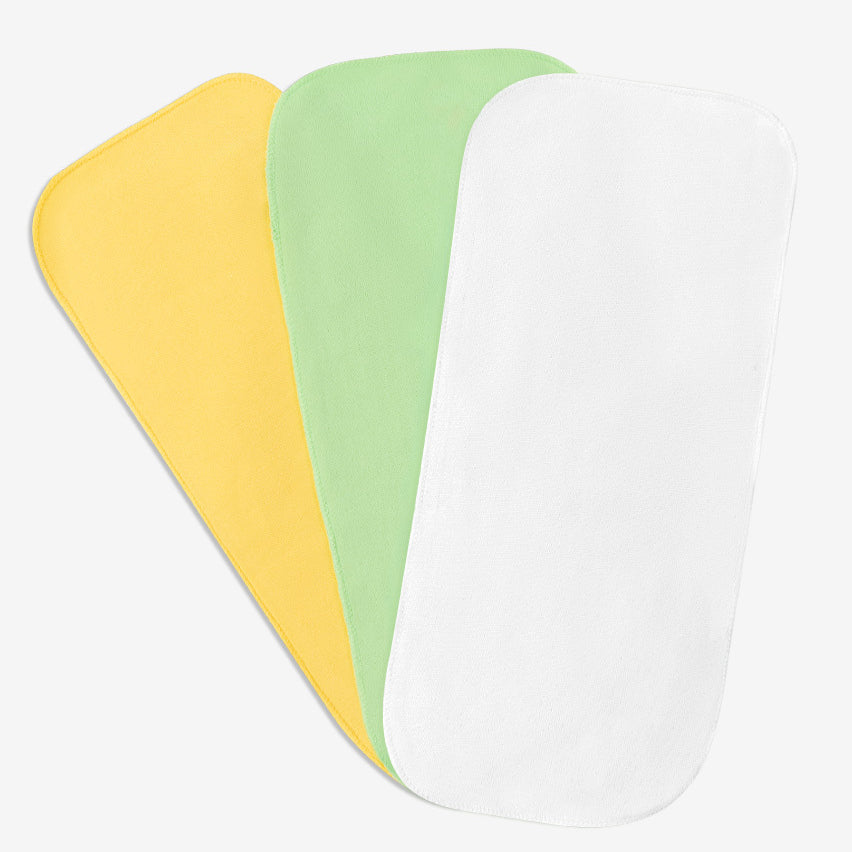
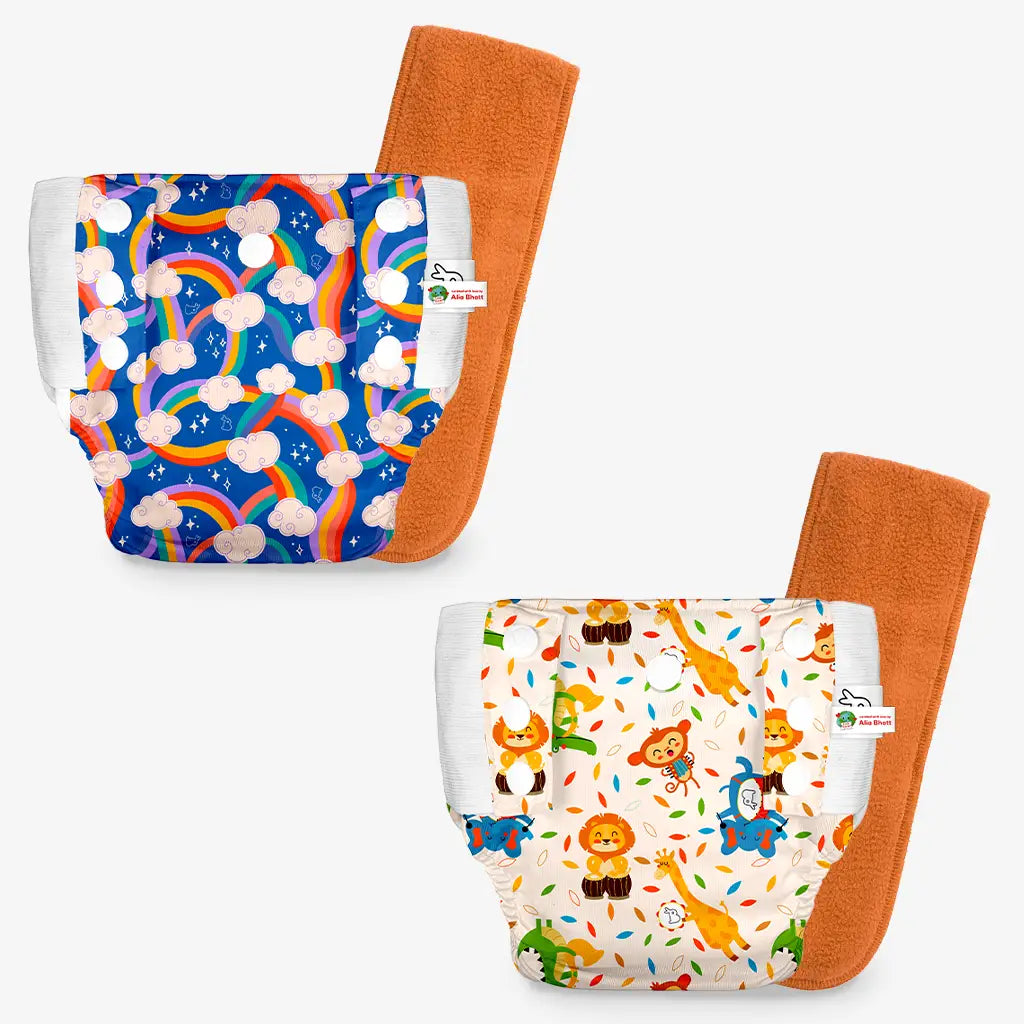
SuperBottoms Pick: Bedwetting Diaper — Reliable Night Protection
Designed for older kids experiencing bedwetting, these provide high absorbency with a leak-proof layer, helping keep nights dry and stress-free.
Comparison Table: Bedwetting Solutions
| Feature | Disposable Diapers | Mattress Protector | Reusable Cloth Diaper (e.g., SuperBottoms) |
|---|---|---|---|
| Absorbency | High | None | High |
| Skin Safety | Moderate | High | High (fabric-based) |
| Leak Protection | High | Medium | High |
| Comfort | Medium | High | High |
| Cost Over Time | Expensive | Moderate | Cost-effective |
| Eco-Friendly | No | Yes | Yes |
Is It Worth Switching to Reusable Bedwetting Solutions?
For many parents, yes, especially for long-term use.
Reusable options offer:
- Better skin comfort
- Lower recurring costs
- Sustainable choice
Reusable solutions are ideal for ongoing bedwetting as they balance comfort, cost, and effectiveness.
When Should You See a Doctor?
Consult a paediatrician if:
- Bedwetting continues beyond age 7 regularly
- There is a sudden onset after dryness
- The child shows signs of pain or discomfort
Conclusion & Best Way Forward
Bedwetting is a temporary phase, but the right approach can make a big difference.
Problem: Nighttime accidents are causing stress and disrupted sleep
Solution: Combine routine-building, emotional support, and reliable nighttime protection
Choosing a high-absorbency, reusable solution can reduce stress while supporting your child's comfort and confidence.
Find the right fit → Explore SuperBottoms Bedwetting Diaper range
Key Takeaways
- Bedwetting is common and usually resolves naturally
- Emotional reassurance is as important as physical solutions
- The right product can significantly ease nightly stress
|
Limited Time Offers + Special Gift Sets! Now or never Super SALE is live on the SuperBottoms website! Take advantage of unbeatable value deals on our UNO Cloth Diapers, Baby Essentials, and more. Looking for the perfect present for a newborn or a toddler? Explore our thoughtfully curated Gift Sets & Combos - safe, skin-friendly, and oh-so-cute! A bundle of love for little ones and a delight for parents. HURRY - Deals and Gift Packs are live only till stocks last. Don't miss the chance to stock up and share the joy! |
FAQs
1. What causes bedwetting in kids?
It's usually due to developing bladder control, deep sleep, or genetics.
2. At what age should bedwetting stop?
Most children outgrow it by age 5–7, but some take longer.
3. Should I wake my child at night to use the bathroom?
This can help temporarily, but it isn't a long-term solution.
4. Can bedwetting be prevented completely?
Not always, but routines and supportive products can reduce frequency.
5. Are reusable bedwetting products effective?
Yes, they offer good absorbency, comfort, and long-term value.
6. Do bedwetting products cause rashes?
Breathable, fabric-based options reduce the risk compared to plastic-heavy disposables.
7. Where can I buy bedwetting solutions in India?
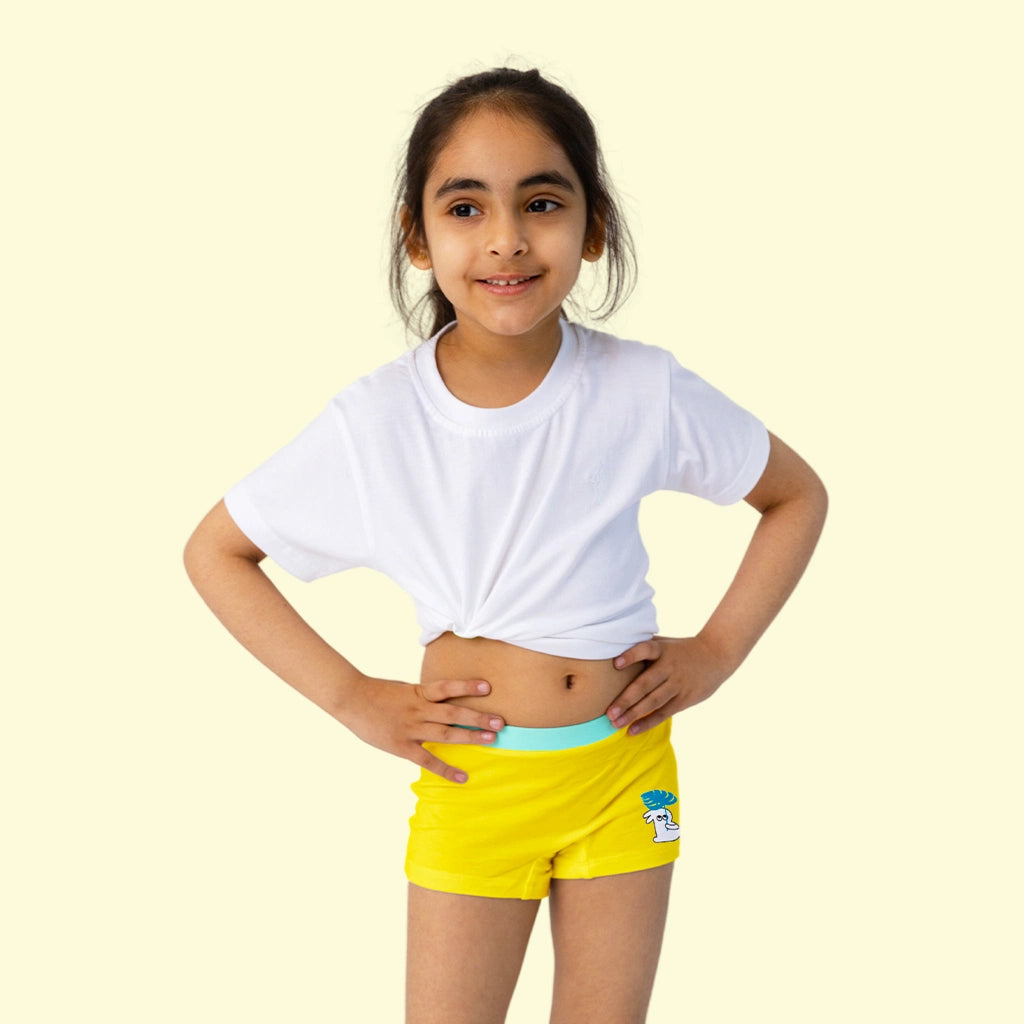
You can explore reusable, kid-friendly options online, including SuperBottoms Bedwetting Diapers designed for children aged 4–14 years.
8. Is SuperBottoms worth the price?
For frequent bedwetting, the reusability and durability often make it more cost-effective over time.
References
- Bedwetting in children
- Bedwetting solutions: Expert pediatrician offers help for kids
- Bedwetting (Nocturnal Enuresis) Causes & Treatment
Hi there, new parents! SuperBottoms brings you doctor-recommended cloth diapers - the best rash-free diapering solution for your baby's sensitive and delicate skin. Unlike disposable diapers loaded with chemicals, our newborn cloth diapers, when used and washed properly, can help eliminate the risk of diaper rashes. SuperBottoms offers a wide range of safe, skin-friendly essentials for the whole family - including Reusable Cloth Diapers, Diaper Pants, DryFeel langots for diaper-free time, Padded Underwear for potty training, SuperSoft Underwear for everyday comfort, Joggers for playful days, and Period Underwear for women. Not just for everyday use, SuperBottoms products also make the best gifting choice for babies - thoughtful, eco-friendly, practical, and loved by parents. Now available on Amazon, Myntra, Flipkart, FirstCry, Zepto, Swiggy and Blinkit.