





This article will cover the following topics:
- Bedwetting is often developmental
- Understand common bedwetting causes
- Build supportive nighttime routines
- Choose practical accident protection
- Know when medical advice helps
Waking up to wet sheets can be tiring for the whole family, but bedwetting is rarely something a child does deliberately. The goal is not to blame or rush them, but to understand why it happens and make nights easier while nighttime bladder control develops.
Why Do Kids Wet the Bed?
Bedwetting, or nocturnal enuresis, is involuntary urination during sleep. It is common in childhood and can happen because the child's bladder control, nighttime urine production and ability to wake when the bladder is full are still developing. Genetics, constipation, stress and certain medical conditions can also contribute.
What causes nighttime wetting?
Common factors include:
- Developing brain–bladder communication
- Producing more urine overnight
- Deep sleep or difficulty waking
- Family history of bedwetting
- Constipation
- Stress or major routine changes
- Less commonly, conditions such as diabetes or urinary problems
What Parents Should Know
Bedwetting in kids is not laziness, defiance or poor toilet training. Punishment can increase distress, while reassurance and positive routines are recommended.
AAP guidance notes that many children continue to wet the bed after daytime toilet training and that most eventually develop nighttime control. (American Academy of Paediatrics)
What Can Parents Do About Bedwetting?
The most useful approach combines healthy daytime habits, a predictable bedtime routine and practical protection.
1. Keep daytime hydration adequate
Do not severely restrict water to prevent nighttime accidents. Children need adequate fluids, particularly in India's warm climate. Instead, encourage regular drinking during the day and avoid caffeine-containing drinks.
2. Encourage regular toilet visits
Encourage your child to use the toilet regularly during the day and immediately before bed. NHS guidance suggests regular daytime toilet visits, typically around 4–7 times daily.
3. Make nighttime bathroom access easy
A night-light, accessible toilet or child-friendly potty can remove practical barriers. Easy-to-remove sleepwear can also help an older toddler or child respond independently.
4. Avoid punishment and shame
Stay neutral when accidents happen. Praise behaviours your child can control, such as using the toilet before bed, responding to an alarm, or helping with clean-up, rather than making dry nights the measure of success.
5. Check for constipation
Constipation can contribute to bladder-control problems. If your child has hard stools, infrequent bowel movements or soiling alongside bedwetting, discuss it with a healthcare professional.
6. Consider a bedwetting alarm
A moisture alarm detects urine and wakes the child when wetting begins. For children who need active treatment, alarms are a recognised first-line option after basic fluid, toileting and behavioural advice.
Expert Guidance: Howard J. Bennett, MD, FAAP, whose AAP guide focuses on childhood bedwetting, emphasises structured behavioural strategies and alarms as part of helping children work toward nighttime dryness.
7. Protect the mattress
A waterproof mattress protector and spare bedding can make accidents much easier to manage. This protects the bed without making the child feel that they have done something wrong.
8. Use protective underwear when appropriate
For younger children managing occasional accidents, toddlers' padded underwear can provide a middle step between diapers and regular underwear. For older children or heavier nighttime wetting, purpose-designed bedwetting products may be more appropriate.

Which Bedwetting Solution Should You Choose?
The right option depends on the child's age, wetting pattern and level of protection required.
|
Option |
Best for |
Main benefit |
Limitation |
|---|---|---|---|
|
Waterproof mattress cover |
Any age |
Protects bedding |
Does not prevent wetness on child |
|
Padded underwear |
Small accidents |
Underwear-like, light protection |
Not designed for heavy overnight wetting |
|
Bedwetting diaper |
Frequent/heavier wetting |
Greater overnight protection |
Feels more like a diaper |
|
Moisture alarm |
Active bedwetting treatment |
Helps develop waking response |
Requires consistency and family involvement |
What to look for
Prioritise fit, comfort, skin-friendly materials, breathability, appropriate protection and ease of washing. Do not choose a product simply because it offers the highest absorbency.
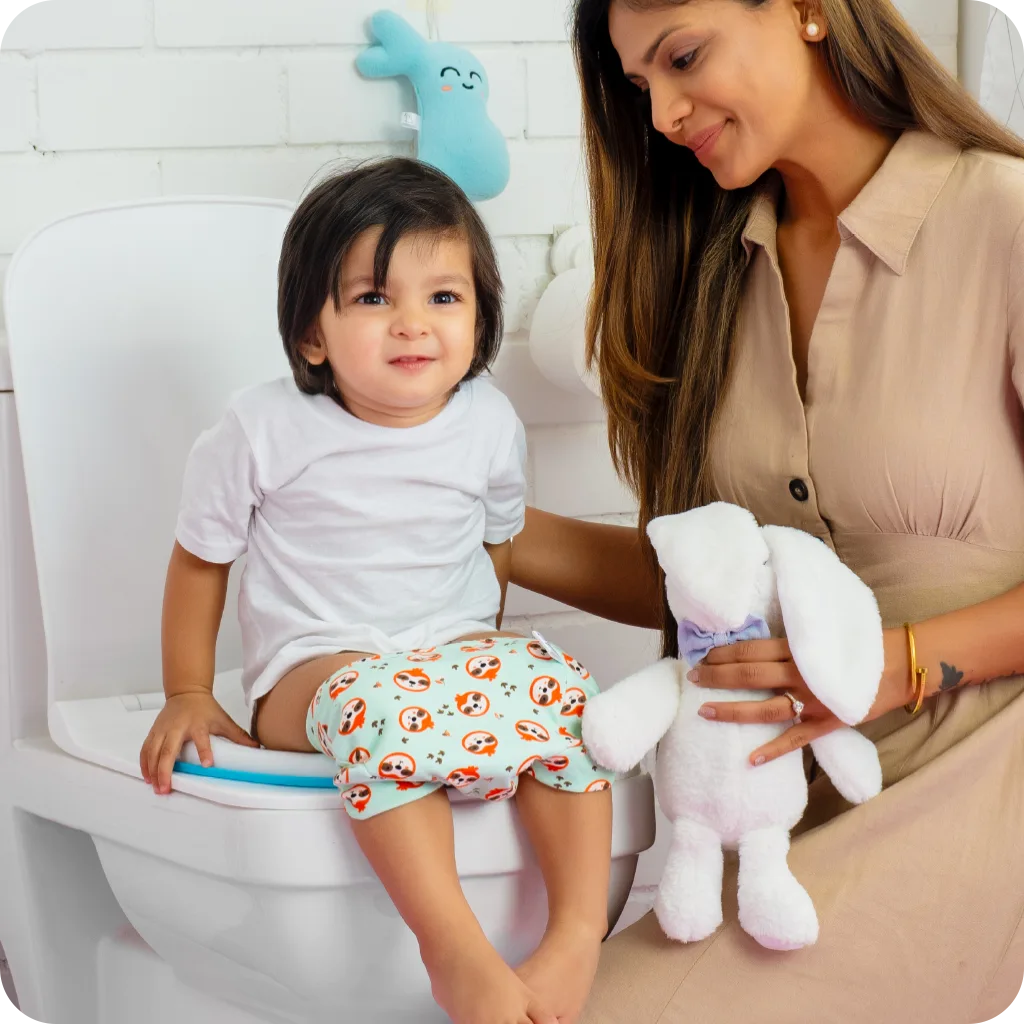
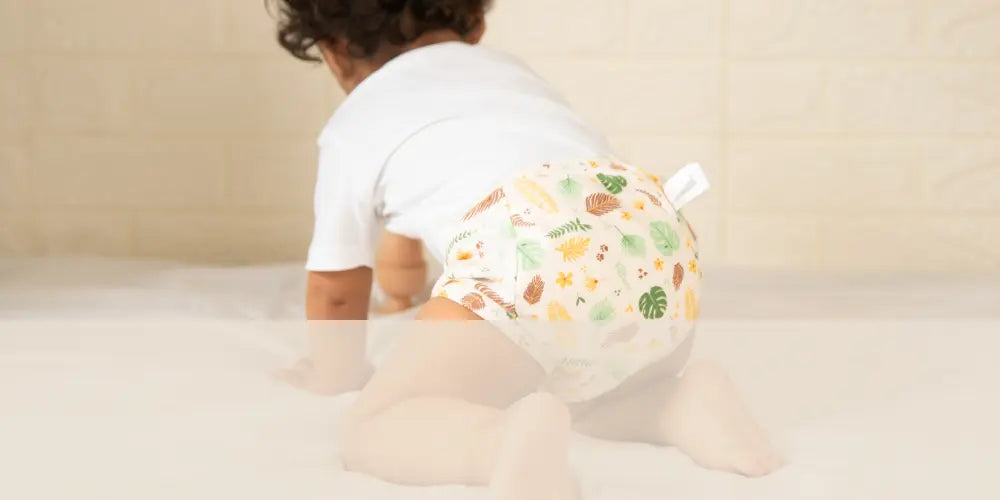
For toddlers transitioning from diapers, SuperBottoms Padded Underwear is designed for children aged 9 months–4 years and provides three-layer padding for small accidents. It is better viewed as daytime/light accident protection rather than a solution for heavy overnight wetting.
For children aged 4–14 who need more overnight protection, the SuperBottoms Bedwetting Diaper range is specifically designed for nighttime wetting.
When Should You See a Paediatrician?
Talk to a paediatrician if bedwetting suddenly returns after your child has stayed dry for six months, or if wetting is accompanied by pain or burning while urinating, unusual thirst, daytime accidents, constipation, blood or cloudy urine, or other concerning symptoms.
Occasional bedwetting alone does not necessarily mean something is wrong. But persistent or newly developing symptoms deserve professional assessment.
A common mistake to avoid
Do not routinely wake or carry your child to the toilet every night expecting this to teach long-term nighttime bladder control. NHS guidance does not recommend this as a long-term solution.
Parent Checklist
☐ Keep daytime hydration adequate
☐ Encourage regular toilet visits
☐ Toilet before bedtime
☐ Keep the bathroom accessible
☐ Check for constipation
☐ Use waterproof bedding
☐ Choose protection for actual wetting levels
☐ Praise effort, not just dry nights
☐ Never shame or punish accidents
☐ Seek medical advice for sudden or concerning changes
Key Takeaways
- Bedwetting is often developmental, not behavioural.
- Healthy routines and positive support matter.
- Choose protection based on wetting needs.
FAQs
Is bedwetting normal for young children?
Yes. Bedwetting is common in childhood, particularly during the years when nighttime bladder control is still developing.
Should I stop giving my child water at night?
Do not restrict fluids excessively. Encourage adequate hydration during the day and avoid caffeine-containing drinks.
Are padded underwear good for bedwetting?
They can help manage small accidents, particularly during the transition from diapers to underwear. They are not designed to replace dedicated overnight bedwetting protection for heavy wetters.
When should I worry about bedwetting?
Speak with a paediatrician if wetting suddenly returns after six months of dryness or occurs with symptoms such as pain, daytime wetting, unusual thirst, constipation or blood in the urine.