









Baby constipation can make infants uncomfortable, fussy, and restless, especially during feeding or bowel movements. Parents often notice hard stools, straining, or reduced bowel frequency and look for safe ways to help. Understanding what causes constipation in babies and using gentle home remedies for baby constipation can support digestion and improve comfort. Small feeding, hydration, and movement changes often provide relief while helping parents feel more confident.
Many parents mistake normal straining for constipation, while others overlook signs that may need medical attention. Knowing the difference can help parents respond calmly and appropriately.
- What Is Baby Constipation?
- What Causes Constipation in Babies?
- What Are the Signs of Constipation in Babies?
- Which Home Remedies for Baby Constipation Are Safe?
- When Should Parents See a Doctor?
- What Should I Look for When Choosing Diapers for Sensitive Babies?
- Comparison Table: Cloth vs Disposable Diapers During Constipation
- Expert Answer: Can Diapers Affect Baby Comfort During Constipation?
- Practical Checklist for Parents
- Key Takeaways
- FAQs
- Message from SuperBottoms
What Is Baby Constipation?
Constipation in babies usually means stools are hard, dry, and difficult to pass. Some babies may poop less often than others, but discomfort and stool consistency matter more than frequency alone.
Breastfed babies may naturally go several days without passing stools, especially after the newborn phase. However, if a baby appears uncomfortable, cries excessively during bowel movements, or passes pebble-like stools, constipation may be the cause.
What Causes Constipation in Babies?
Several factors can contribute to baby constipation, including dietary changes, dehydration, low fibre intake after solids, or formula transitions. Understanding the cause helps parents choose the right newborn constipation treatment or home remedy.
Common causes include:
- Switching from breast milk to formula
- Starting solid foods
- Low fluid intake
- Lack of fibre-rich foods
- Digestive sensitivity
- Illness or medication changes
In India, constipation is often noticed during weaning when babies begin eating rice cereal, bananas, or processed snacks without enough fluids.
"Most constipation in babies is temporary and improves with hydration, tummy-friendly foods, and gentle movement. Parents should focus on stool texture and discomfort rather than counting bowel movements alone."
What Are the Signs of Constipation in Babies?
The most common signs include hard stools, crying while passing stools, bloating, and visible discomfort. Some babies may also refuse feeds or become unusually irritable.
Parents should watch for:
- Hard or dry stools
- Pebble-like poop
- Swollen tummy
- Excessive straining
- Fussiness before bowel movements
- Reduced appetite
Which Home Remedies for Baby Constipation Are Safe?
Gentle home remedies for constipation in babies can often improve bowel movements naturally. Safe methods usually include hydration, tummy massage, movement, and fibre-rich foods for older babies.
1. Tummy Massage
A gentle clockwise tummy massage may help stimulate digestion and relieve discomfort.
2. Bicycle Leg Exercises
Moving a baby's legs in a cycling motion can help release trapped gas and encourage bowel movements.
3. Offer Fluids
For babies above six months, small amounts of water alongside solids may support digestion.
4. Fibre-Rich Foods
For older babies eating solids, pears, prunes, papaya, and oats may help soften stools naturally.
5. Warm Bath
A warm bath can relax abdominal muscles and make bowel movements easier.
Avoid giving home laxatives or herbal remedies without pediatric guidance. Some traditional remedies may not be safe for newborns or infants.
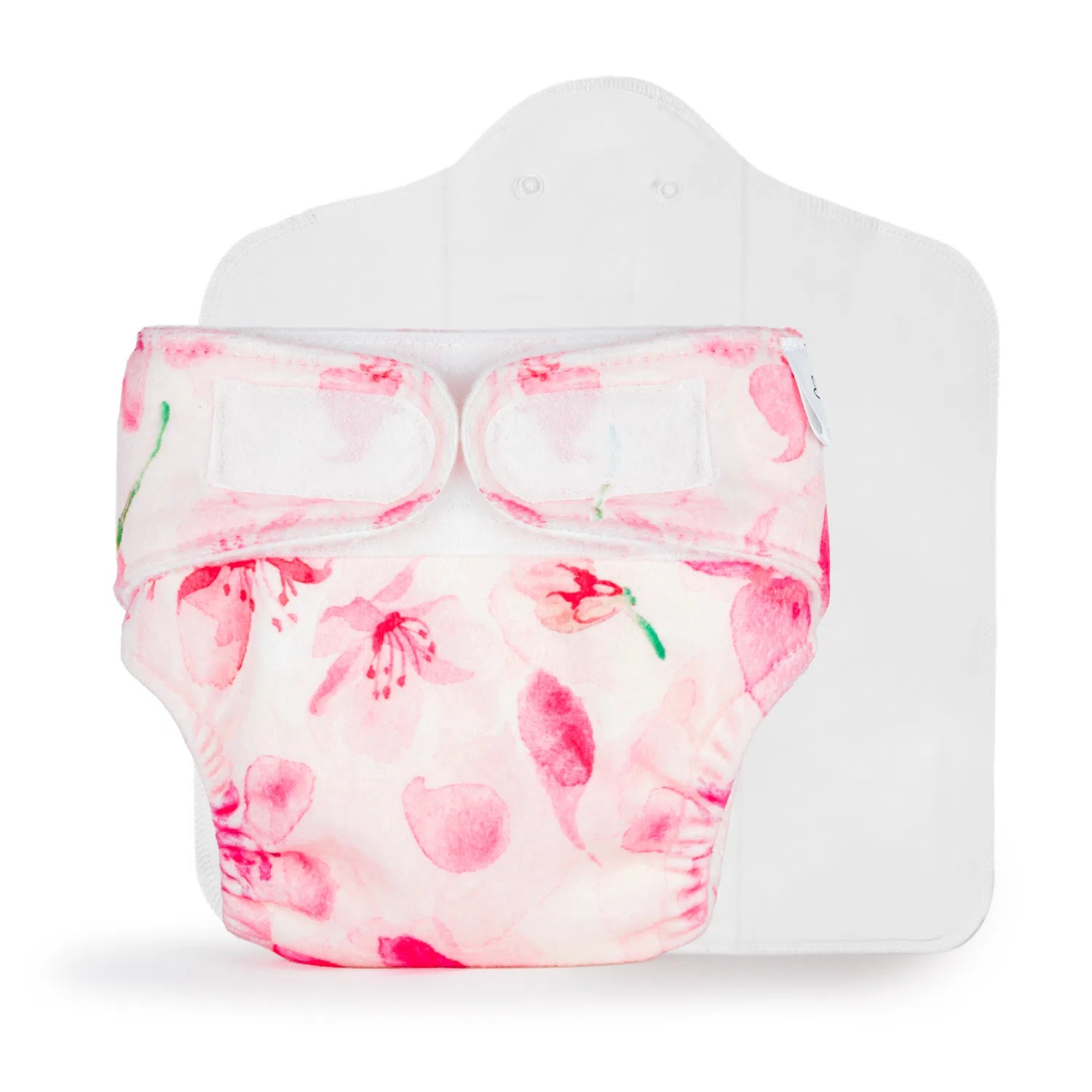
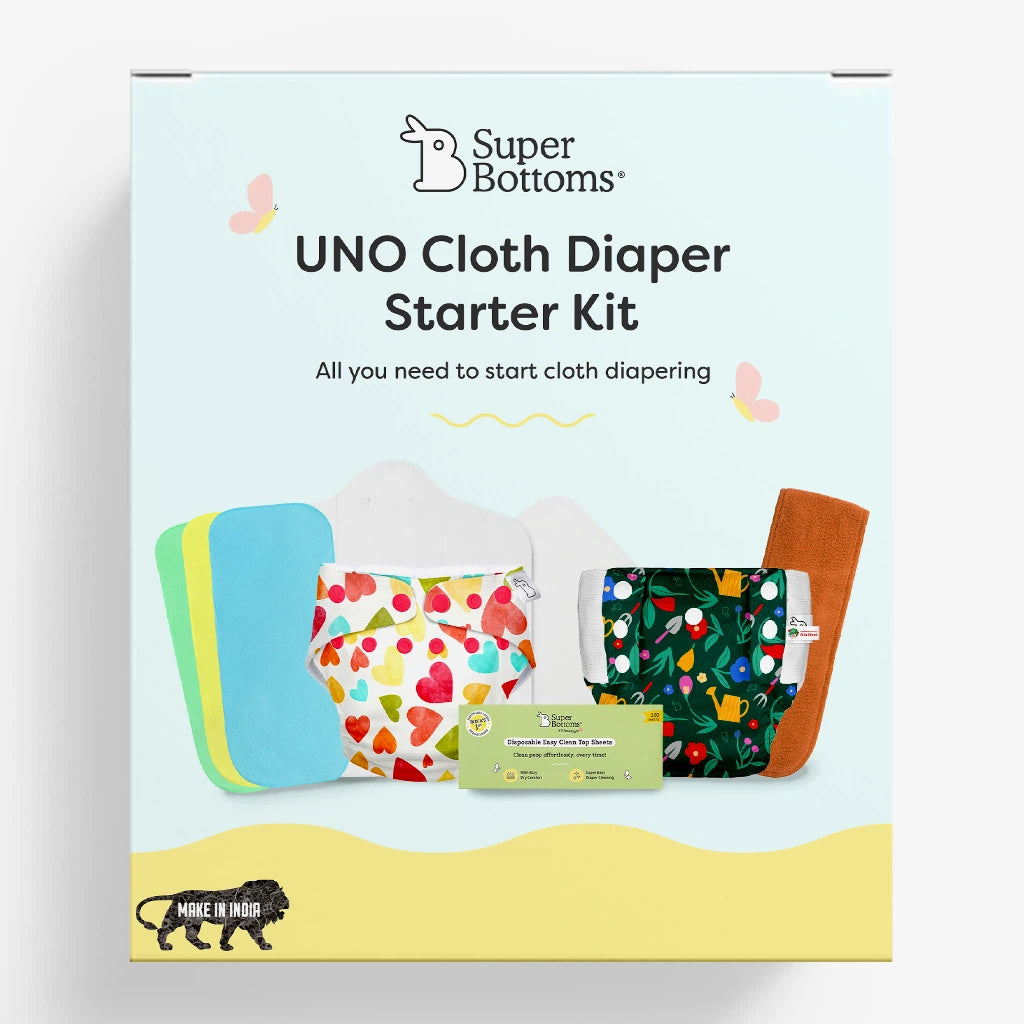
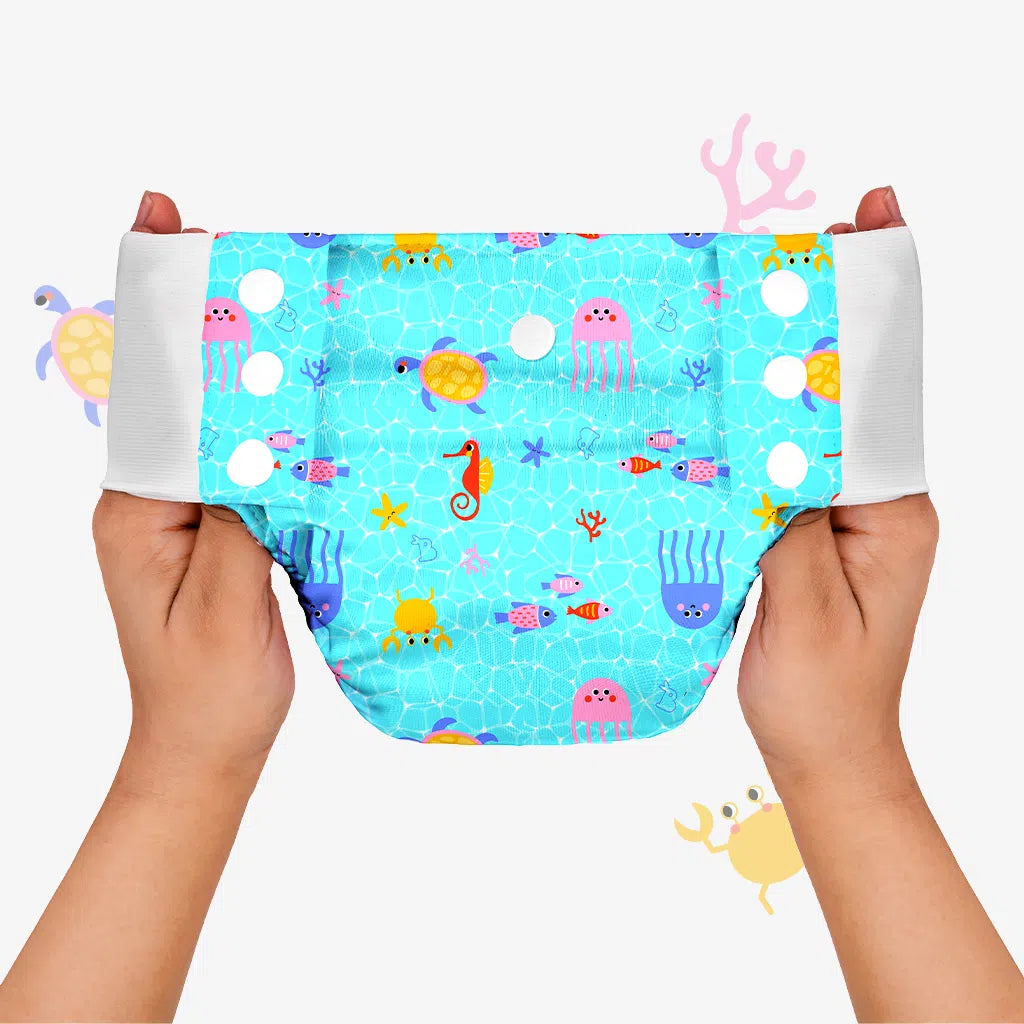
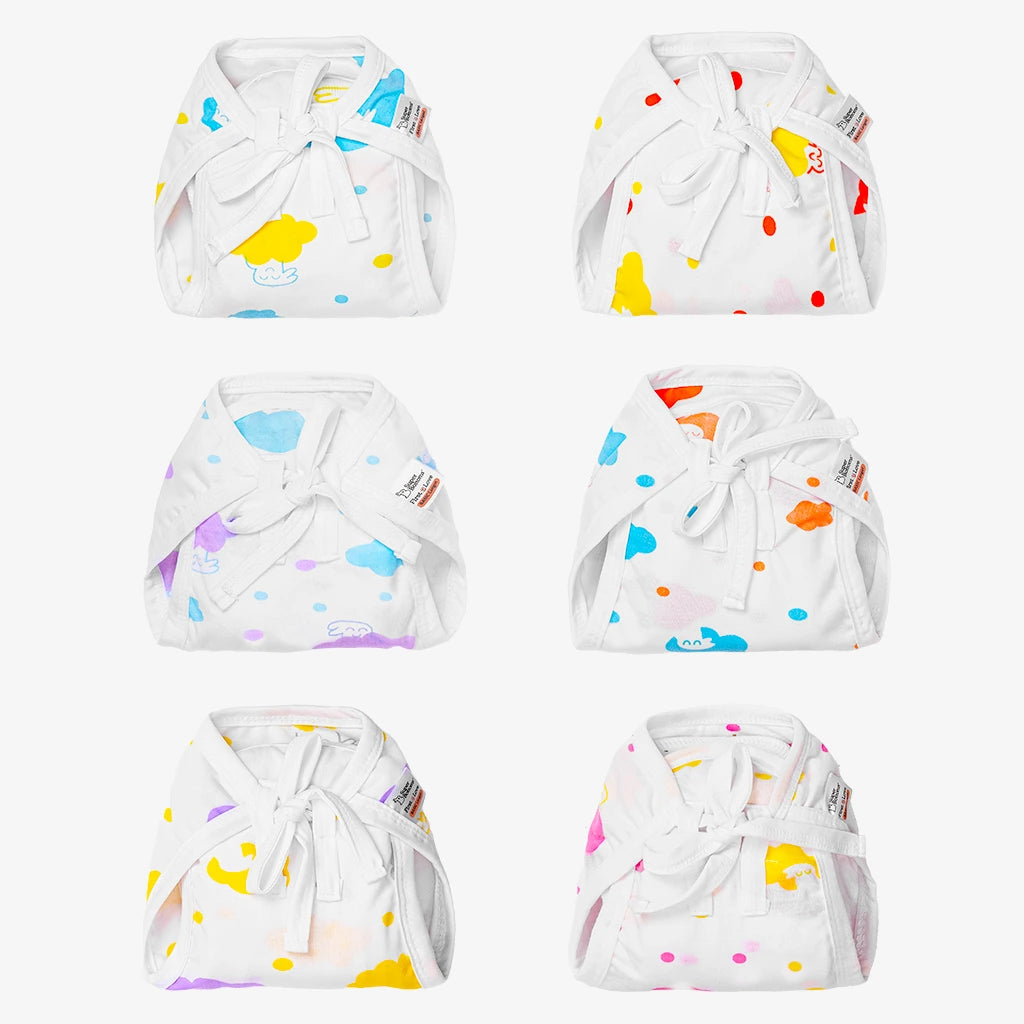
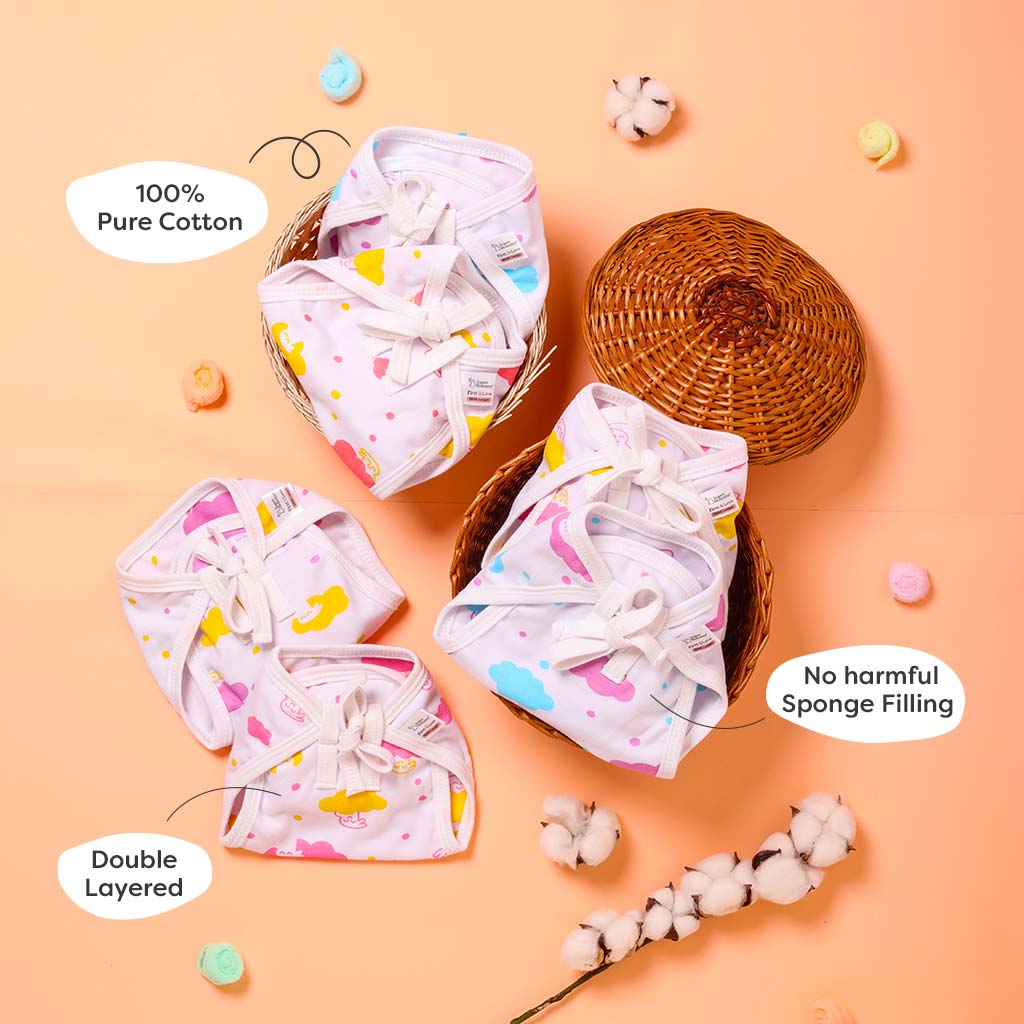
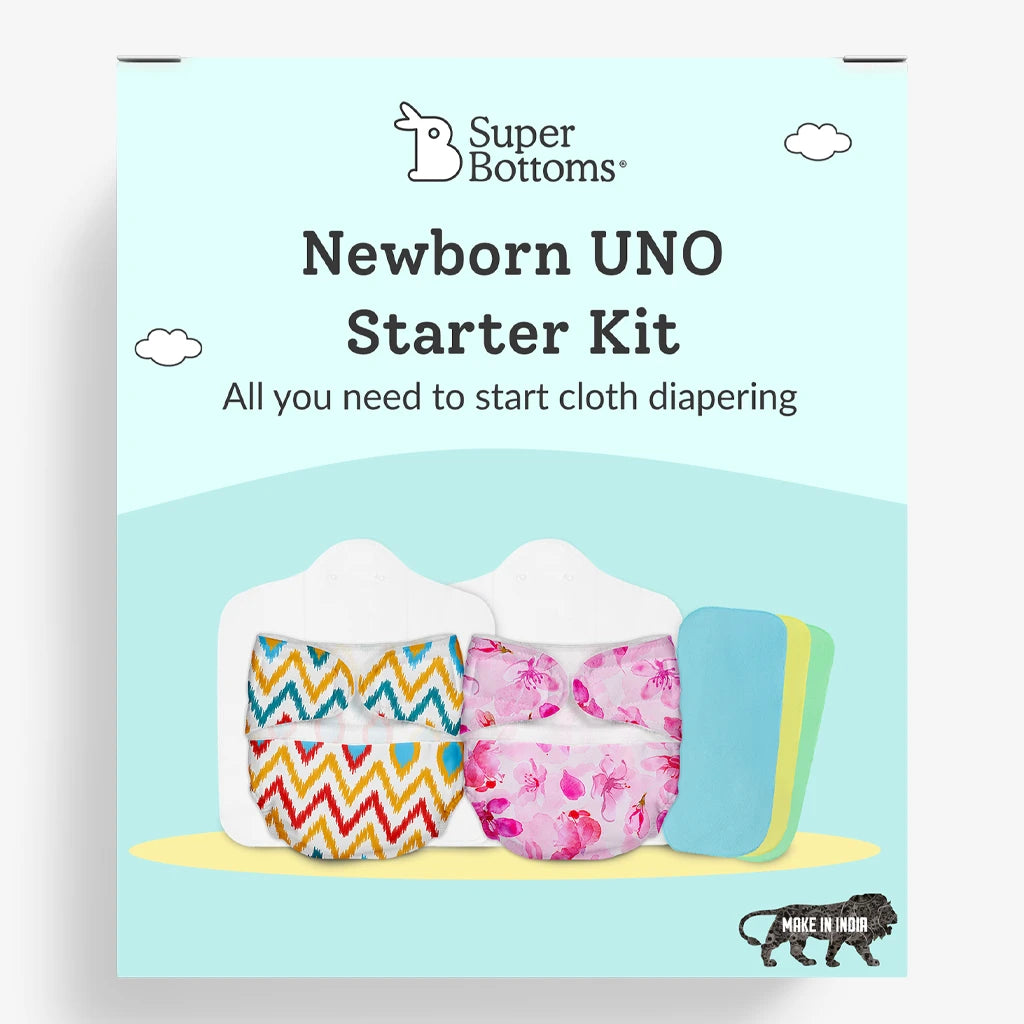
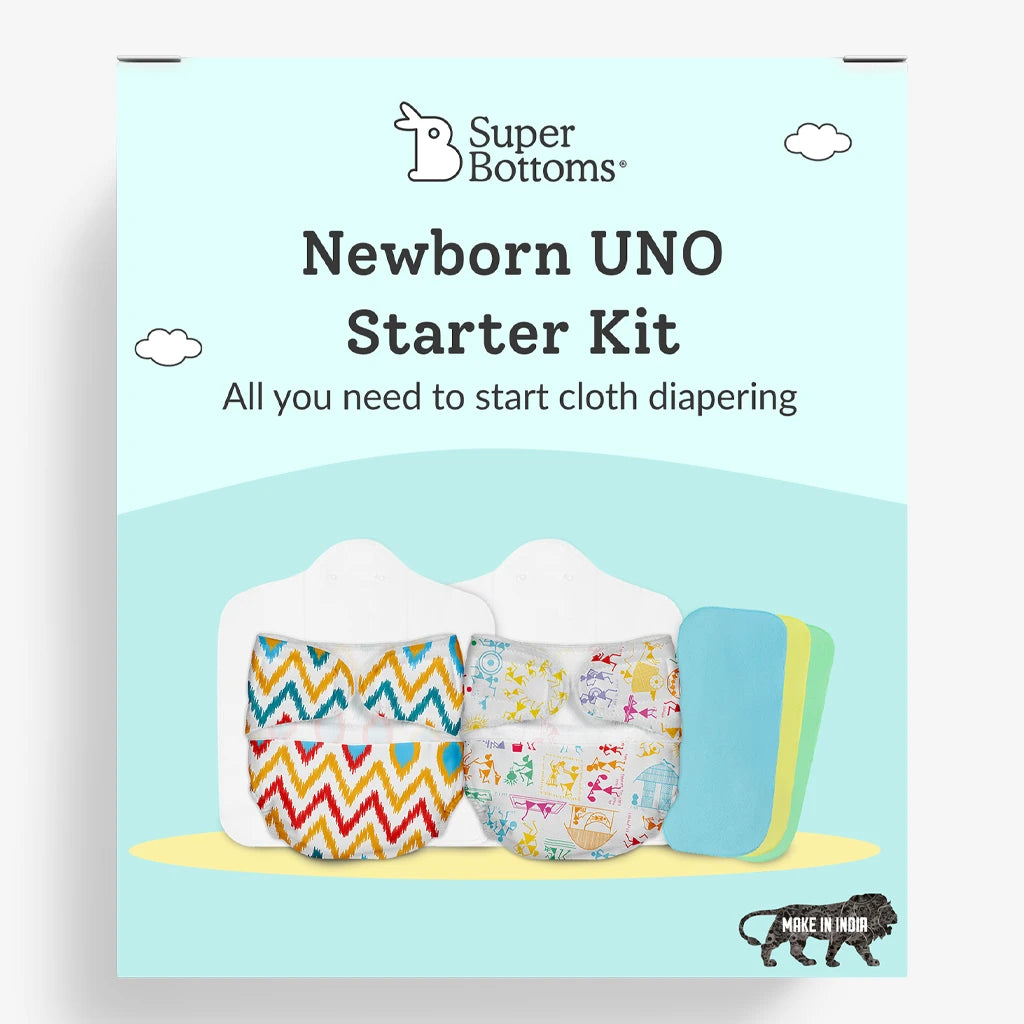
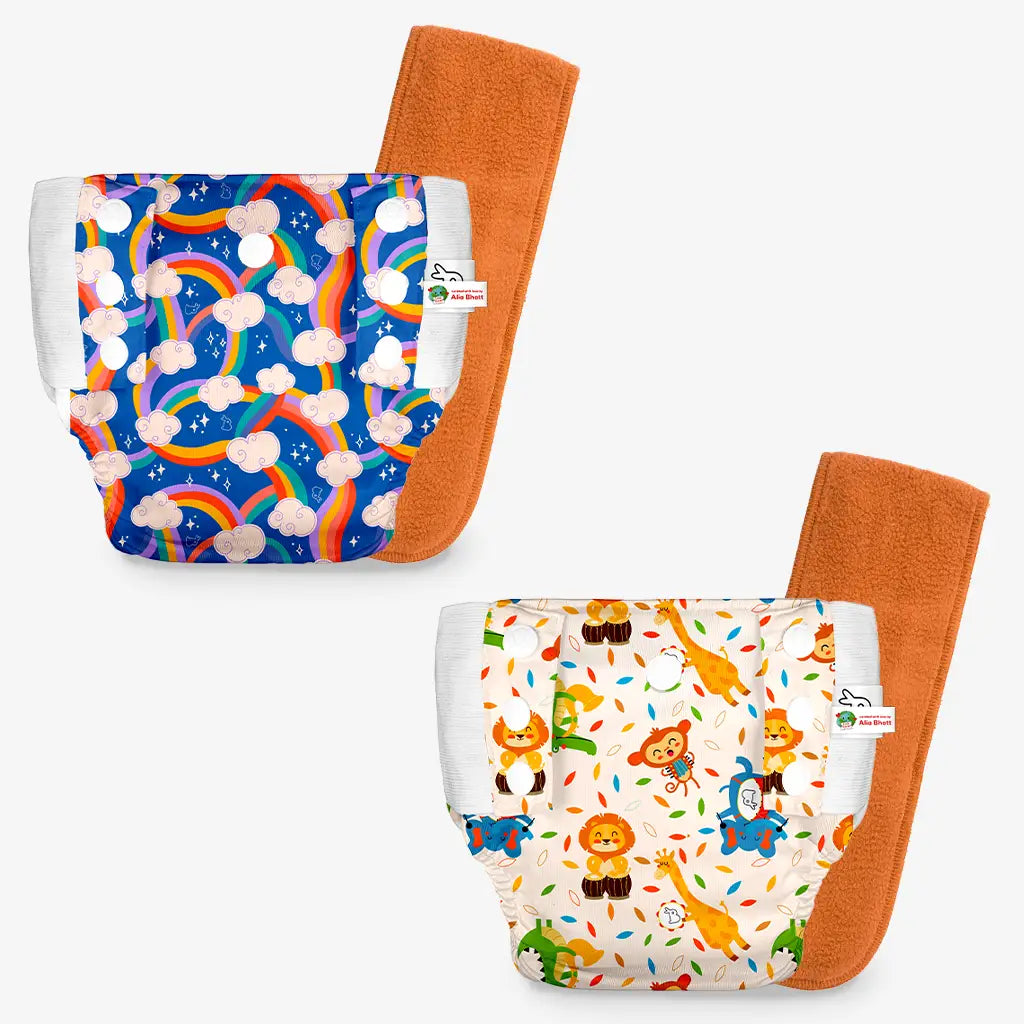
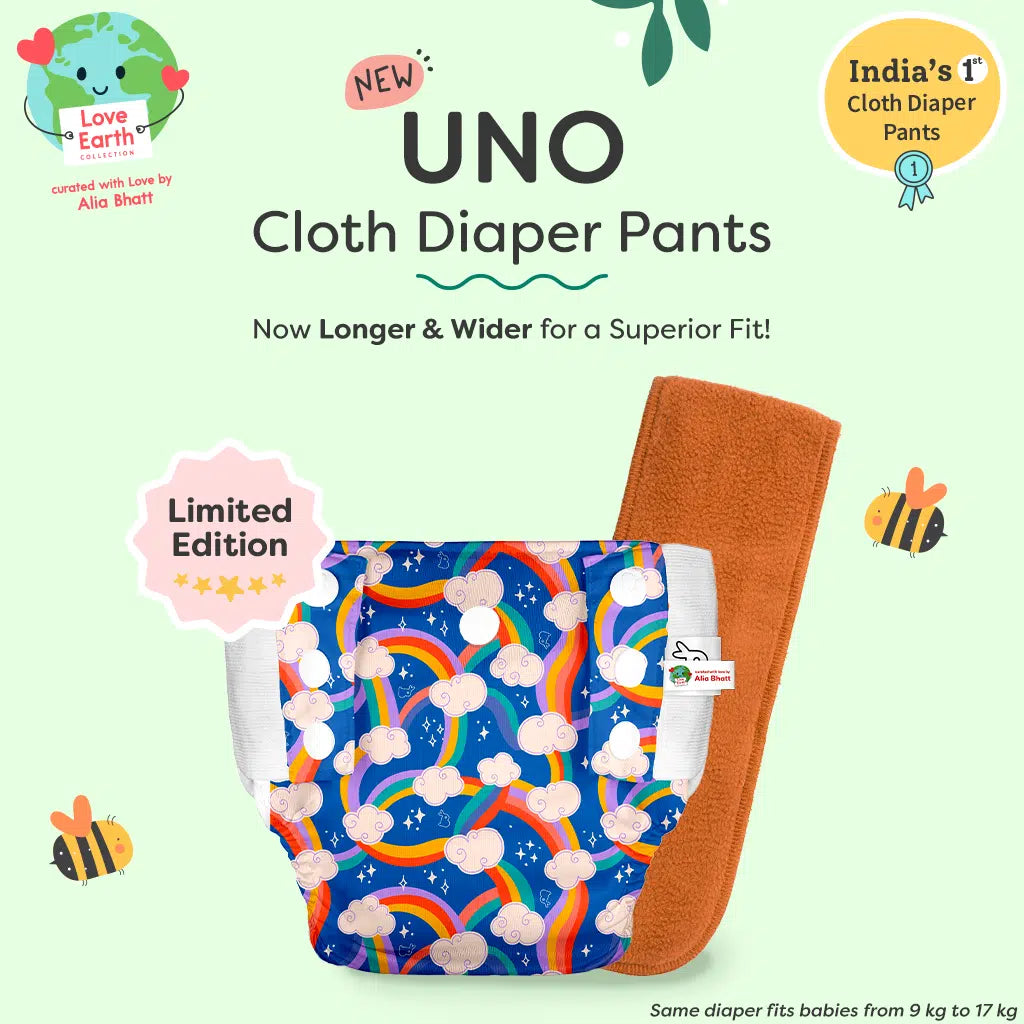
Many parents also prefer soft reusable cloth diapers during constipation episodes because they may feel gentler on sensitive skin compared to stiff disposable options.

When Should Parents See a Doctor?
Parents should seek medical advice if constipation lasts several days, includes blood in stools, or causes severe discomfort. Persistent constipation may sometimes indicate feeding intolerance or other digestive concerns.
Warning signs include:
- Blood in stool
- Vomiting
- Fever
- Weight loss
- Swollen abdomen
- Extreme discomfort
- No improvement after home remedies
Newborn constipation treatment should always be guided carefully because newborn digestive systems are still developing. Parents should avoid over-the-counter remedies unless prescribed by a pediatrician.
What Should I Look for When Choosing Diapers for Sensitive Babies?
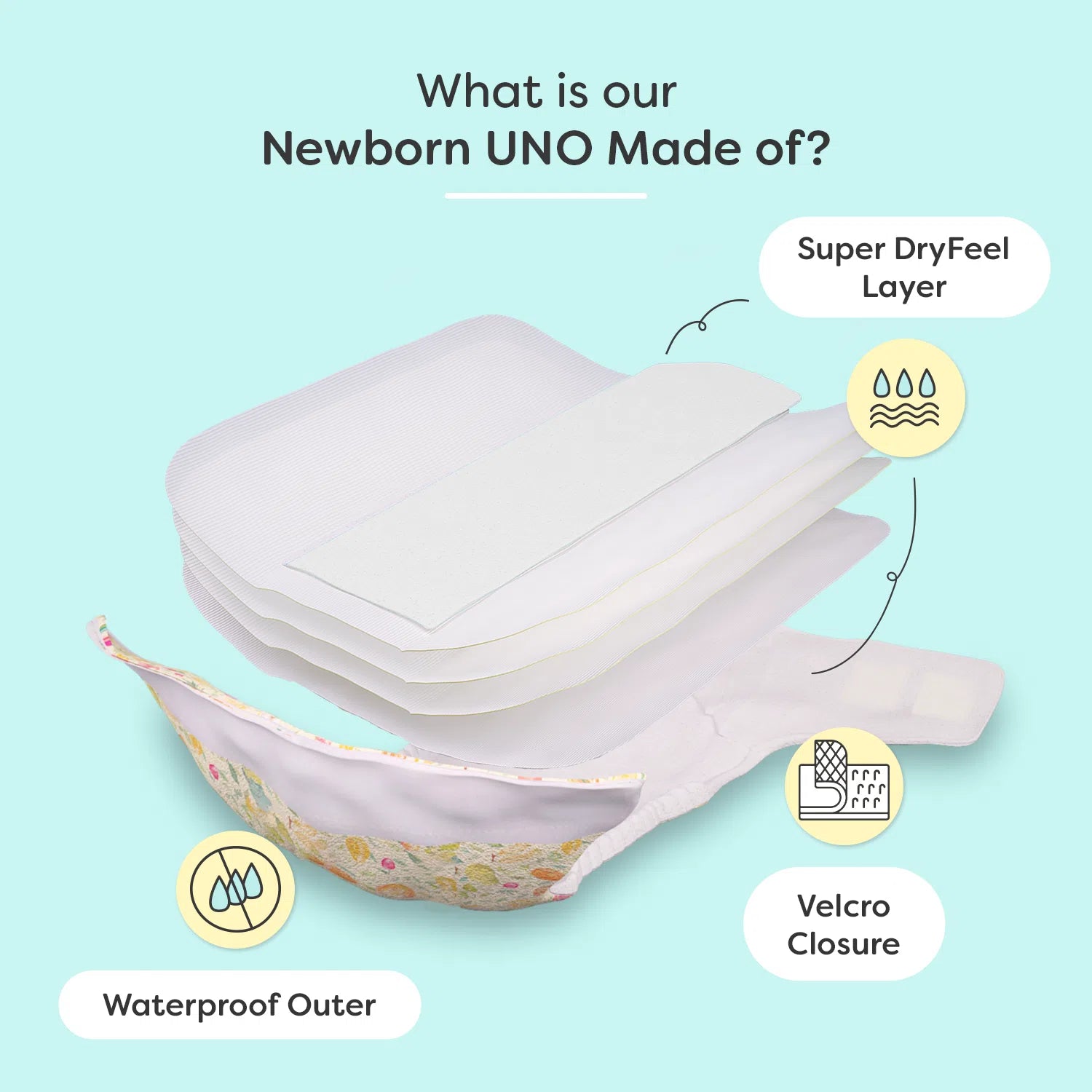
Babies experiencing constipation may also develop skin irritation because of longer stool contact or frequent wiping. Soft, breathable diapers can help improve comfort during this phase.
Parents often look for:
- Soft inner layers
- Breathable fabric
- Gentle elastics
- Rash-friendly materials
- Good absorbency
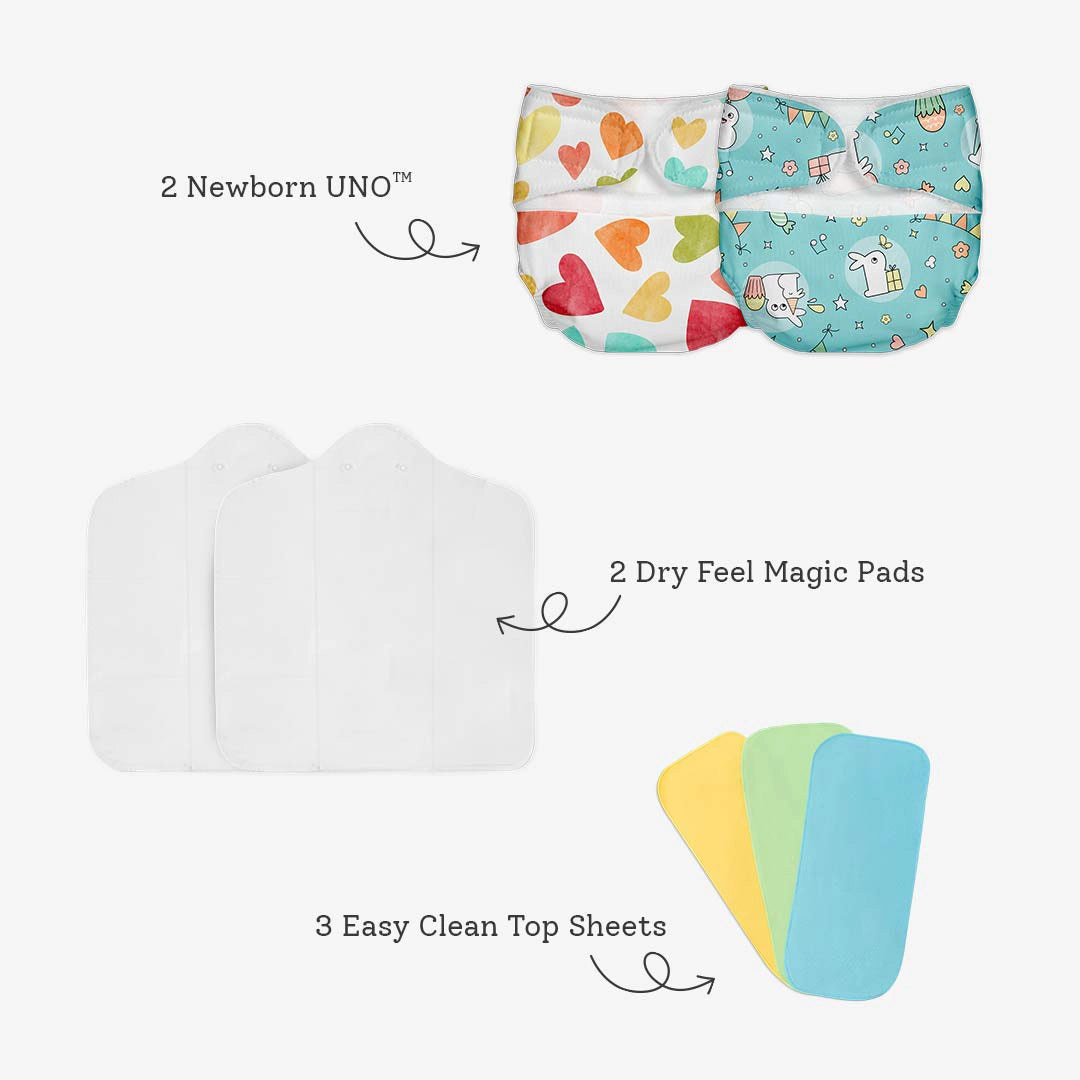
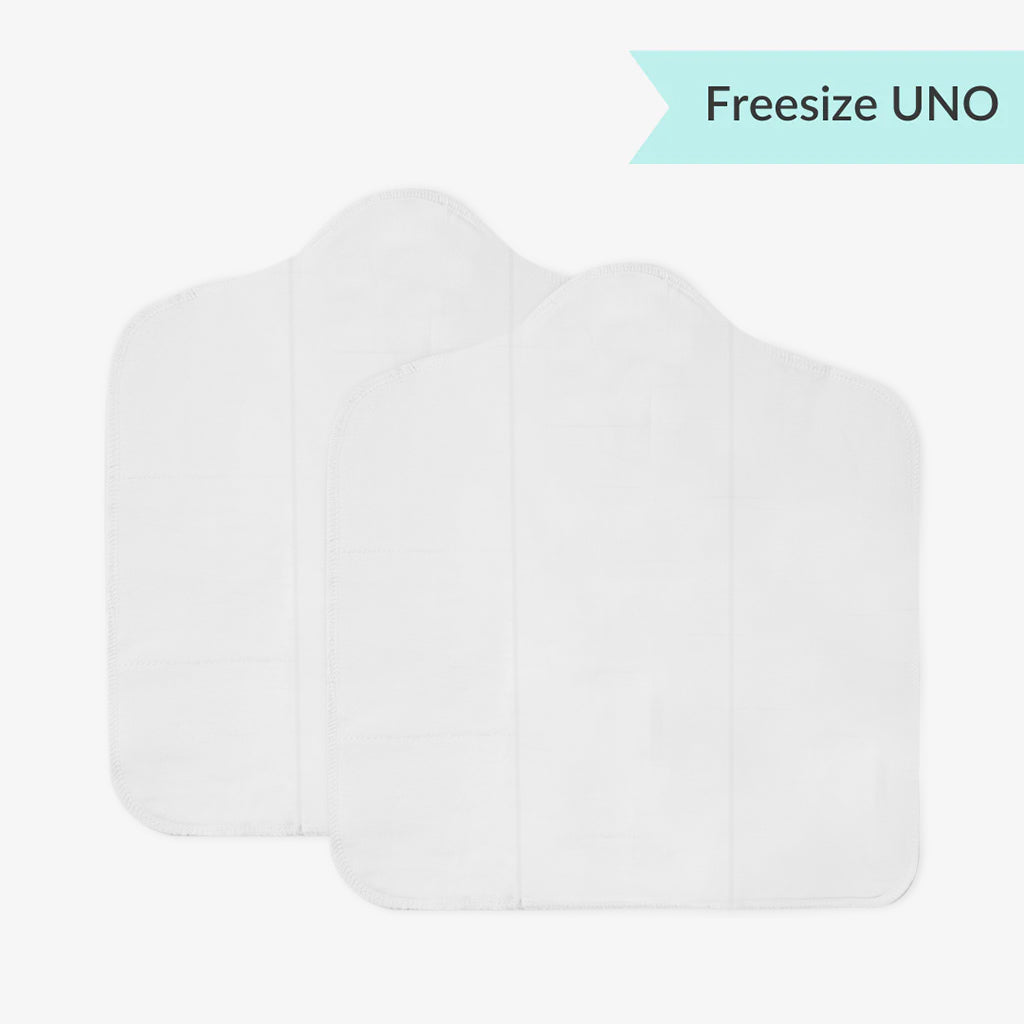
Reusable cloth nappies with soft fabrics are becoming popular among parents seeking skin-friendly diapering options during sensitive digestive phases.
Comparison Table: Cloth vs Disposable Diapers During Constipation
| Feature | Disposable Diapers | Cloth Diapers | SuperBottoms UNO Cloth Diapers |
|---|---|---|---|
| Breathability | Moderate | High | High |
| Softness on Sensitive Skin | Varies | Good | Excellent |
| Reusability | No | Yes | Yes |
| Rash-Friendly Materials | Depends on brand | Often better | Designed for gentle use |
| Long-Term Value | Moderate | High | High |
| Eco-Friendly | No | Yes | Yes |
Babies experiencing digestive discomfort may benefit from breathable, soft diapering options that reduce irritation and support skin comfort during frequent changes.
Expert Answer: Can Diapers Affect Baby Comfort During Constipation?
Yes, diapers can influence comfort levels during constipation because babies may experience more sensitivity around the tummy and diaper area. Soft, breathable materials and gentle waistbands may help reduce additional irritation.
"My baby became very uncomfortable during constipation episodes, and softer cloth diapers felt gentler during frequent diaper changes."
Practical Checklist for Parents
Use this checklist if your baby seems constipated:
✔ Check stool texture, not just frequency
✔ Offer tummy time and leg exercises
✔ Keep baby hydrated appropriately
✔ Include fibre-rich foods after six months
✔ Watch for warning signs
✔ Avoid self-medicating newborns
✔ Use soft, breathable diapers during sensitive phases
Baby constipation is common, especially during feeding transitions and the introduction of solids. Most cases improve with hydration, tummy-friendly foods, gentle movement, and patience. Understanding what causes constipation in babies can help parents respond calmly and safely.
If your baby's skin also becomes sensitive during constipation episodes, breathable diapering solutions may help improve comfort.
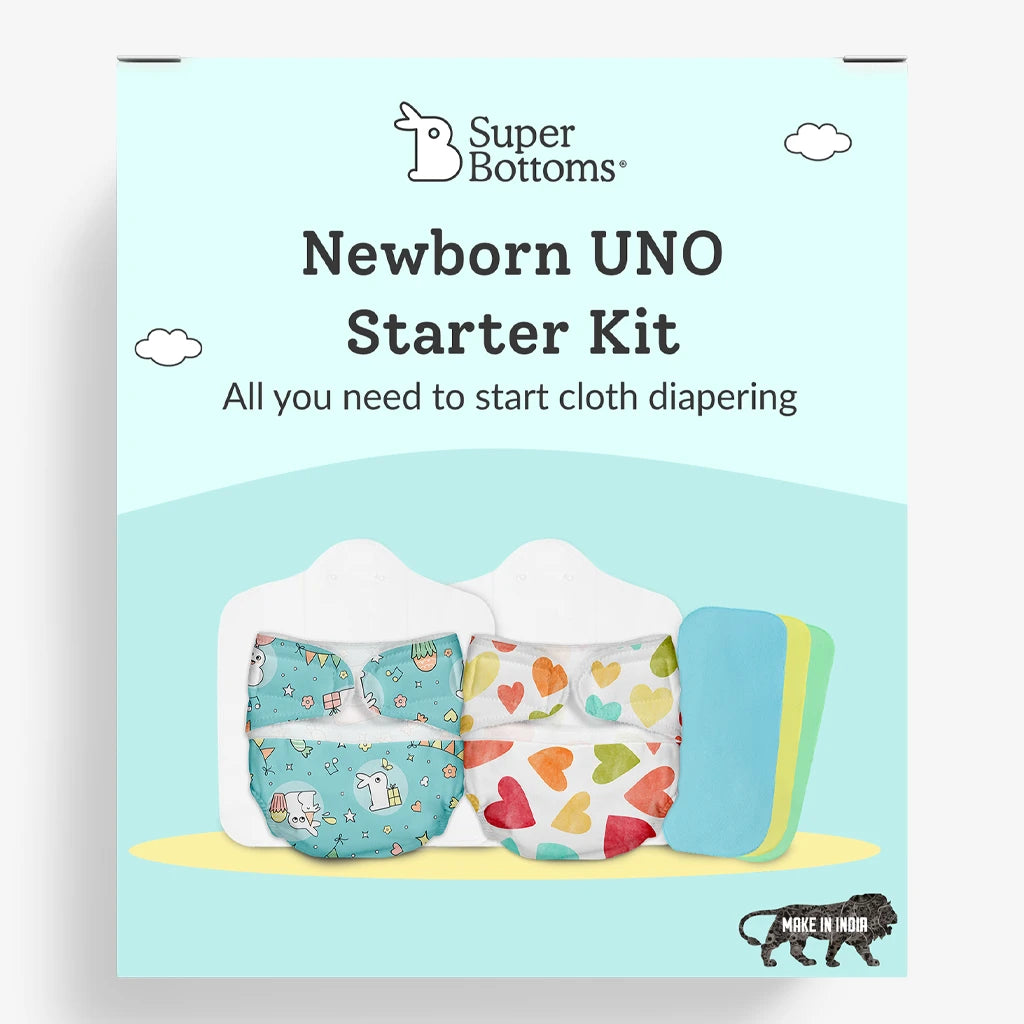
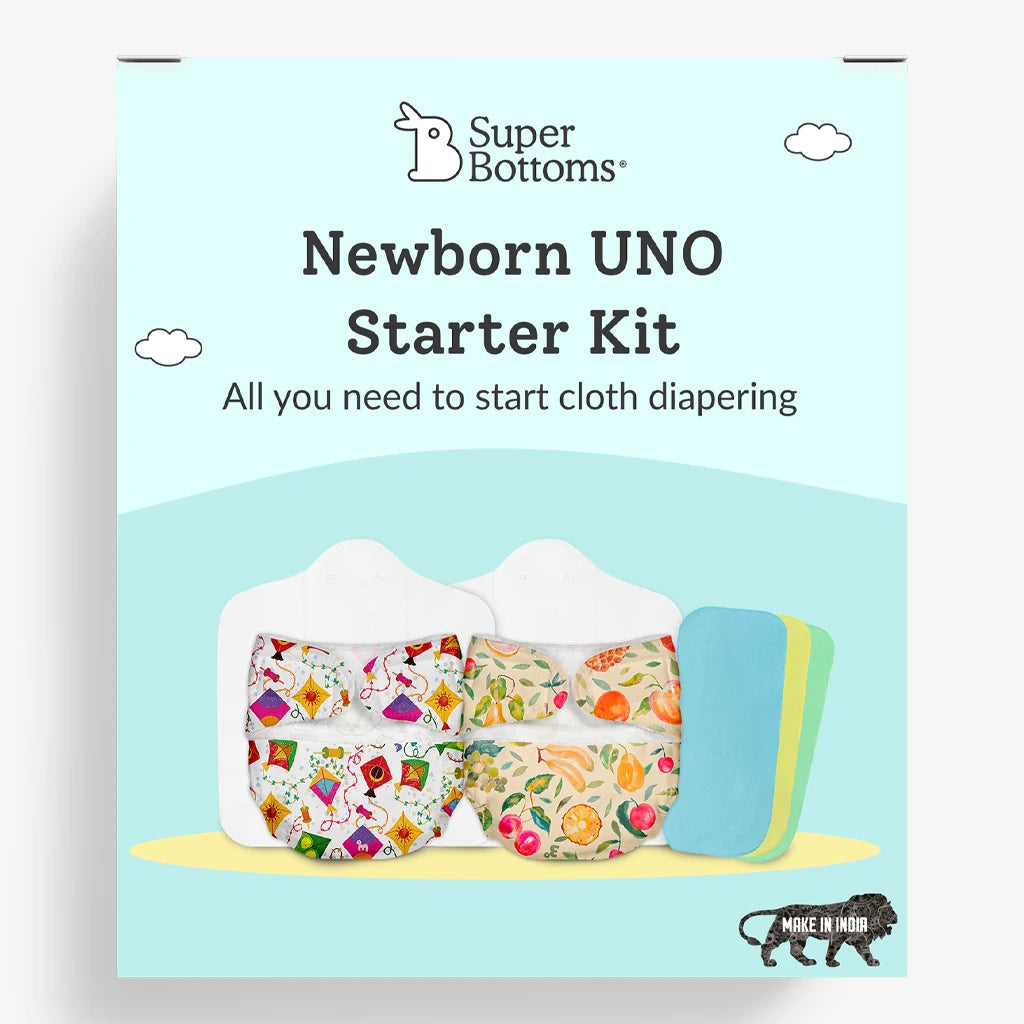
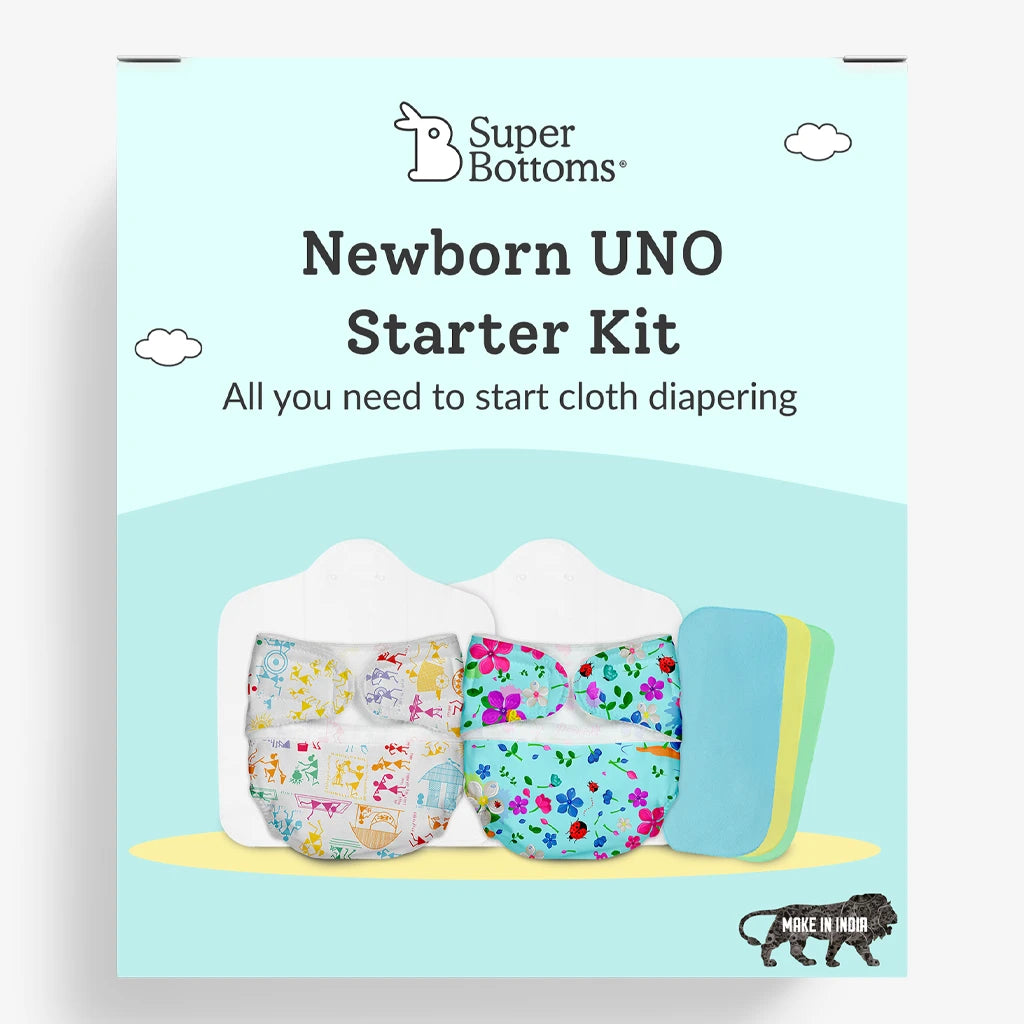
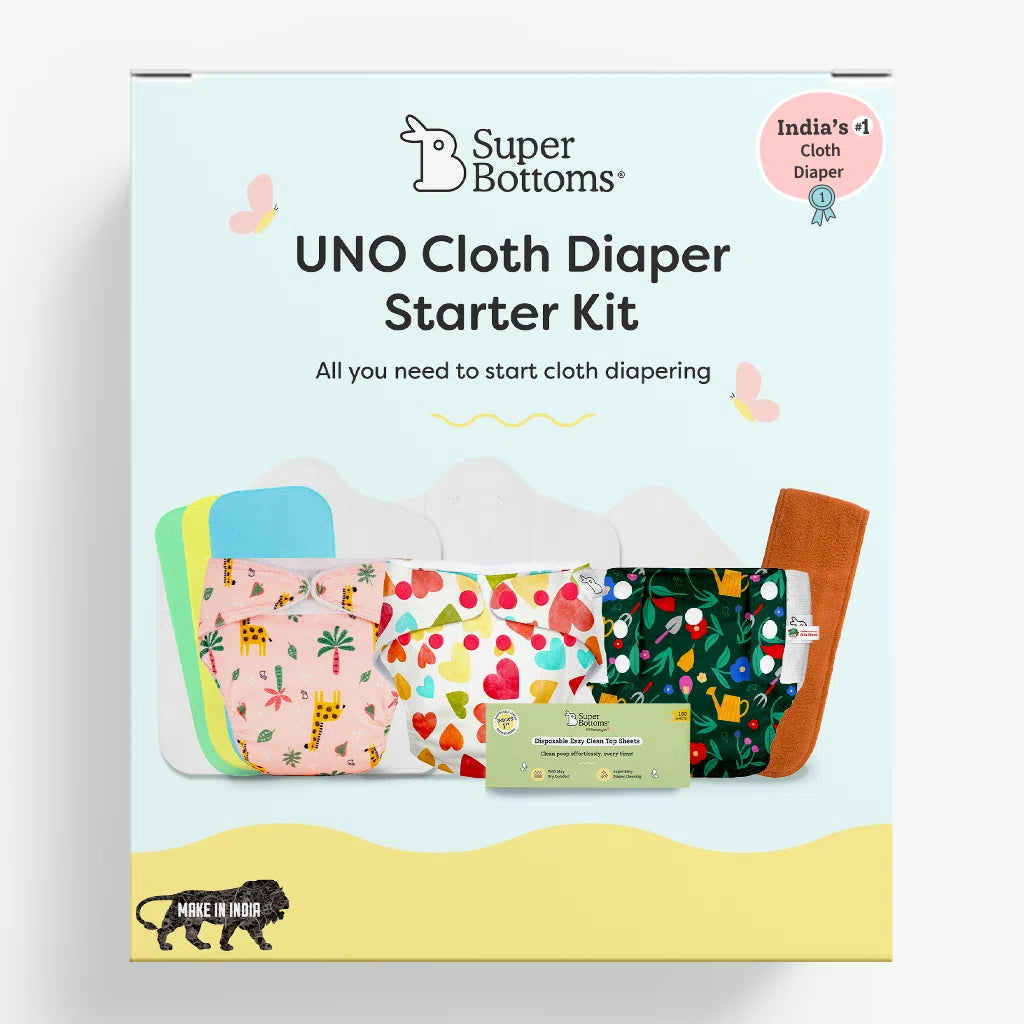
Find the right fit → Shop SuperBottoms UNO Cloth Diapers.
|
Limited Time Offers + Special Gift Sets! Now or never Super SALE is live on the SuperBottoms website! Take advantage of unbeatable value deals on our UNO Cloth Diapers, Baby Essentials, and more. Looking for the perfect present for a newborn or a toddler? Explore our thoughtfully curated Gift Sets & Combos - safe, skin-friendly, and oh-so-cute! A bundle of love for little ones and a delight for parents. HURRY - Deals and Gift Packs are live only till stocks last. Don't miss the chance to stock up and share the joy! |
Key Takeaways
- Baby constipation is usually temporary and manageable with gentle care.
- Hard stools and discomfort matter more than poop frequency alone.
- Soft, breathable diapers may help sensitive babies stay more comfortable.
FAQs
1. What causes constipation in babies most often?
Constipation in babies is commonly caused by formula changes, dehydration, low fibre intake after starting solids, or digestive adjustment during weaning.
2. Are home remedies for baby constipation safe?
Gentle remedies like tummy massage, bicycle leg exercises, hydration, and fibre-rich foods for older babies are usually considered safe when used appropriately.
3. How can I tell if my newborn is constipated?
Newborns may be constipated if they pass hard, dry stools and appear uncomfortable. Straining alone is often normal in young babies.
4. Which foods help relieve constipation in babies?
For babies above six months, pears, prunes, papaya, oats, and warm fluids may help soften stools naturally.
5. Can dehydration cause baby constipation?
Yes, low fluid intake may contribute to harder stools, especially after babies begin eating solid foods.
6. Where can I buy soft cloth diapers for sensitive babies in India?
Parents can find reusable cloth nappies and soft diapering options online through trusted Indian parenting brands.
7. Is SuperBottoms UNO suitable for babies with sensitive skin?
Many parents choose SuperBottoms UNO cloth diapers because of their soft fabric, reusable design, and breathable comfort for everyday diapering.
8. When should I worry about constipation in babies?
Parents should consult a doctor if constipation includes blood in stools, vomiting, fever, severe discomfort, or no improvement after home remedies.
Hi there, new parents! SuperBottoms brings you doctor-recommended cloth diapers - the best rash-free diapering solution for your baby's sensitive and delicate skin. Unlike disposable diapers loaded with chemicals, our newborn cloth diapers, when used and washed properly, can help eliminate the risk of diaper rashes. SuperBottoms offers a wide range of safe, skin-friendly essentials for the whole family - including Reusable Cloth Diapers, Diaper Pants, DryFeel langots for diaper-free time, Padded Underwear for potty training, SuperSoft Underwear for everyday comfort, Joggers for playful days, and Period Underwear for women. Not just for everyday use, SuperBottoms products also make the best gifting choice for babies - thoughtful, eco-friendly, practical, and loved by parents. Now available on Amazon, Myntra, Flipkart, FirstCry, Zepto, Swiggy and Blinkit.