






In this article, we will discuss:
- 12 month baby food chart
- Indian meals for one-year-olds
- Balanced toddler nutrition and feeding
- Safe textures and choking prevention
- Practical meal planning for parents
What should a one-year-old eat every day?
Turning one opens up more opportunities to explore family foods, but deciding what to serve at each meal can still feel confusing. A flexible 12-month baby food chart can help you plan balanced Indian meals without preparing a separate dish for every feeding.
The goal is variety, nourishment and a positive relationship with food—not finishing every bite.
What changes at 12 months?
At 12 months, most babies can gradually eat a wider variety of appropriately prepared family foods. Breastfeeding can continue, and pasteurised whole cow’s milk can generally be introduced as a drink after the first birthday, unless your paediatrician advises otherwise.
Babies develop at different rates, so food texture, appetite and portion sizes should reflect individual readiness. According to the World Health Organization’s complementary feeding guidance, children aged 6–23 months need diverse foods, responsive feeding and continued support while learning to eat.
Three principles help parents plan meals:
- Variety: Offer cereals, pulses, vegetables, fruits and suitable protein-rich foods.
- Texture: Progress towards soft, chopped family foods as chewing skills develop.
- Responsive feeding: Recognise hunger and fullness instead of forcing a child to finish a portion.
What parents should know
A one-year-old does not need a completely separate menu from the family. You can adapt everyday Indian meals by reducing added salt, avoiding added sugar and modifying textures to suit your child's abilities.
12 month baby food chart: A 7-day Indian meal plan
A balanced 12 month baby food chart should include three main meals, with one or two nutritious snacks according to your child's appetite. Offer a mix of grains, pulses, vegetables, fruits and protein-rich foods, alongside continued breastfeeding if desired.
Use this sample Indian meal plan as a starting point and adjust portions, textures and timings to suit your family.
|
Day |
Breakfast |
Lunch |
Evening snack |
Dinner |
|
Monday |
Vegetable upma |
Moong dal khichdi with curd |
Ripe banana |
Soft roti with dal and lauki |
|
Tuesday |
Idli with mild sambar |
Rice, dal and cooked carrots |
Plain yoghurt with fruit |
Vegetable dalia |
|
Wednesday |
Besan chilla |
Soft rice with rajma mash |
Steamed pear |
Vegetable dosa with curd |
|
Thursday |
Ragi porridge |
Vegetable pongal |
Soft paneer pieces |
Moong dal khichdi |
|
Friday |
Vegetable poha |
Rice, fish or dal, and vegetables |
Mashed chikoo |
Soft paneer paratha |
|
Saturday |
Egg bhurji with soft toast fingers |
Curd rice with cooked vegetables |
Ripe papaya |
Soft vegetable pulao with dal |
|
Sunday |
Oats porridge with banana |
Chicken or chickpea curry with soft rice |
Plain yoghurt |
Vegetable uttapam with curd |
For vegetarian families, replace eggs, fish and chicken with options such as paneer, lentils, beans or well-cooked chickpeas. All foods must be prepared in a texture your child can manage.

How to use this food chart
- Breakfast: Include a grain-based food and, where practical, a protein source.
- Lunch and dinner: Combine a staple such as rice or roti with dal, vegetables and another suitable protein source.
- Snacks: Offer soft fruit, plain yoghurt or appropriately prepared vegetables.
- Drinks: Offer water with meals and continue breastfeeding if desired.
This is a flexible menu, not a strict schedule. Follow your child's hunger and fullness cues rather than insisting on fixed quantities.
What are the best foods for a one-year-old baby?
The best foods for a one-year-old are varied, nutrient-dense and prepared in age-appropriate textures. Familiar Indian ingredients can provide a useful mix of energy, protein, iron, calcium, vitamins and healthy fats.
|
Food group |
Suitable options |
How to serve |
|
Grains |
Rice, oats, ragi, dalia, wheat |
Soft porridge, upma or khichdi |
|
Pulses and beans |
Moong dal, masoor dal, rajma, chickpeas |
Thoroughly cooked and mashed as needed |
|
Vegetables |
Pumpkin, spinach, carrots, peas |
Soft-cooked, mashed or finely chopped |
|
Fruits |
Banana, papaya, mango, pear |
Ripe, soft and appropriately cut |
|
Protein-rich foods |
Egg, paneer, fish, chicken, tofu |
Fully cooked, boneless and soft |
|
Dairy |
Plain yoghurt, pasteurised cheese, milk |
Unsweetened and age-appropriate |
|
Healthy fats |
Ghee, vegetable oils, smooth nut butter |
Small amounts mixed or spread thinly |
Expert guidance
WHO recommends dietary diversity during complementary feeding, including fruits and vegetables daily and frequent pulses, nuts and seeds where suitable. The practical takeaway is to rotate foods across the week rather than relying mainly on rice, roti or porridge.
What about milk after the first birthday?
Breastfeeding can continue for two years or beyond. Pasteurised whole cow's milk can generally become a main drink from 12 months, alongside a varied diet. Offer water regularly, preferably in an open cup or suitable training cup.
Avoid allowing milk to replace meals. If your child has a milk allergy, poor growth, a restrictive diet or a medical condition, ask your paediatrician about appropriate alternatives and nutritional needs.
How much and how often should a 12-month-old eat?
Most one-year-olds can work towards three meals and one or two snacks daily. The amount they eat varies with appetite, activity, growth and milk intake, so there is no single portion size that suits every child.
A useful starting approach is:
- Serve a small portion and offer more if your child remains hungry.
- Include different food groups across the day.
- Allow enough time for self-feeding and exploration.
- Stop when your child shows signs of fullness, such as turning away or closing their mouth.
The American Academy of Paediatrics’ sample menu for a one-year-old offers a reference for meal variety, but your child's needs may differ.
Which foods should parents avoid at 12 months?
At this age, food preparation matters as much as food choice. Continue avoiding choking hazards, limit added sugar and salt, and prepare meals hygienically.
- Choking hazards: Avoid whole nuts, popcorn, hard raw carrot, whole grapes and large chunks of meat. Cut or mash foods appropriately.
- Excess salt: Avoid adding unnecessary salt, stock cubes and salty packaged snacks.
- Added sugar: Skip sweetened drinks, sugary desserts and sweetened yoghurt as everyday foods.
- Unsafe preparation: Cook eggs, meat and fish thoroughly, remove bones, and use pasteurised dairy products.
- Allergens: Common allergens can be introduced in age-appropriate forms. Seek medical advice if your child has a known allergy or a relevant history of severe allergic reactions.
The CDC's choking prevention guidance recommends suitable food sizes and textures, upright seating and close supervision during meals. Never leave a child unattended while eating.
How can parents make mealtimes easier?
Meal planning is only one part of caring for a one-year-old. Self-feeding often means spills, food on clothes and frequent changes, particularly as toddlers become more mobile.
Choose practical essentials according to your family's routine rather than buying products you may not need.
Look for:
- Comfort: Soft, well-fitting clothing that allows movement.
- Material: Breathable fabrics that suit your child's skin and the weather.
- Practicality: Items that are easy to wash and reuse.
- Value: Consider durability and cost per use, not only the initial price.
- Age suitability: Check the recommended age, size and intended use.
For families managing frequent outfit changes, reusable everyday clothing can be useful alongside a practical laundry routine.
💡 SuperBottoms PickExplore SuperBottoms' reusable and everyday baby essentials if you are looking for options to support busy family routines. Choose products based on the child's age, fit, care instructions and your actual needs. |
Parent checklist for feeding a one-year-old
Use this checklist when planning meals for the week.
- Include grains, pulses, vegetables and fruits.
- Offer suitable protein sources regularly.
- Prepare food in soft, manageable textures.
- Serve meals while your child sits upright.
- Offer water and continue breastfeeding if desired.
- Limit added salt and avoid added sugar.
- Follow hunger and fullness cues.
- Discuss growth, allergies or feeding difficulties with your paediatrician.
What is the practical solution?
Problem: Planning separate meals every day can feel exhausting, especially when a toddler's appetite changes.
Solution: Build meals around familiar family foods, prepare a few ingredients in advance and rotate options throughout the week.
Why it helps: A flexible routine supports dietary variety without making every meal a separate cooking task.
A useful 12 month baby food chart offers variety without turning mealtimes into a battle. Start with familiar Indian foods, include different nutrient-rich ingredients, prepare textures safely and let your child guide how much they eat. If you have concerns about growth, allergies or feeding skills, consult your paediatrician.

Key takeaways
- Offer three meals and one or two snacks, adjusting to appetite.
- Prioritise dietary variety, safe textures and responsive feeding.
- Keep meal planning flexible and seek medical advice when needed.
FAQs
1. What is the best Indian food for a 12-month-old baby?
Soft khichdi, idli, dalia, vegetable upma, curd rice, cooked vegetables, fruit and suitable protein-rich foods are useful options. Vary meals to provide a broader range of nutrients.
2. Can a one-year-old eat roti and rice?
Yes. Offer soft roti in manageable pieces, with dal or another moist accompaniment, and serve rice cooked until soft. Adapt the texture to your child's chewing and swallowing abilities.
3. How many meals should a 12-month-old eat daily?
Most children can work towards three meals and one or two nutritious snacks daily. Breastfeeding can continue, and individual appetite and nutritional needs vary.
4. Should I force-feed my one-year-old if they refuse food?
No. Offer nutritious foods calmly, respect fullness cues and try again another time. If refusal is persistent or accompanied by poor growth, swallowing difficulties or other concerns, consult your paediatrician.
Message from SuperBottoms
Hi there, new parents! SuperBottoms brings you doctor-recommended cloth diapers, a trusted rash-free diapering solution specially designed for your baby's sensitive, delicate skin.
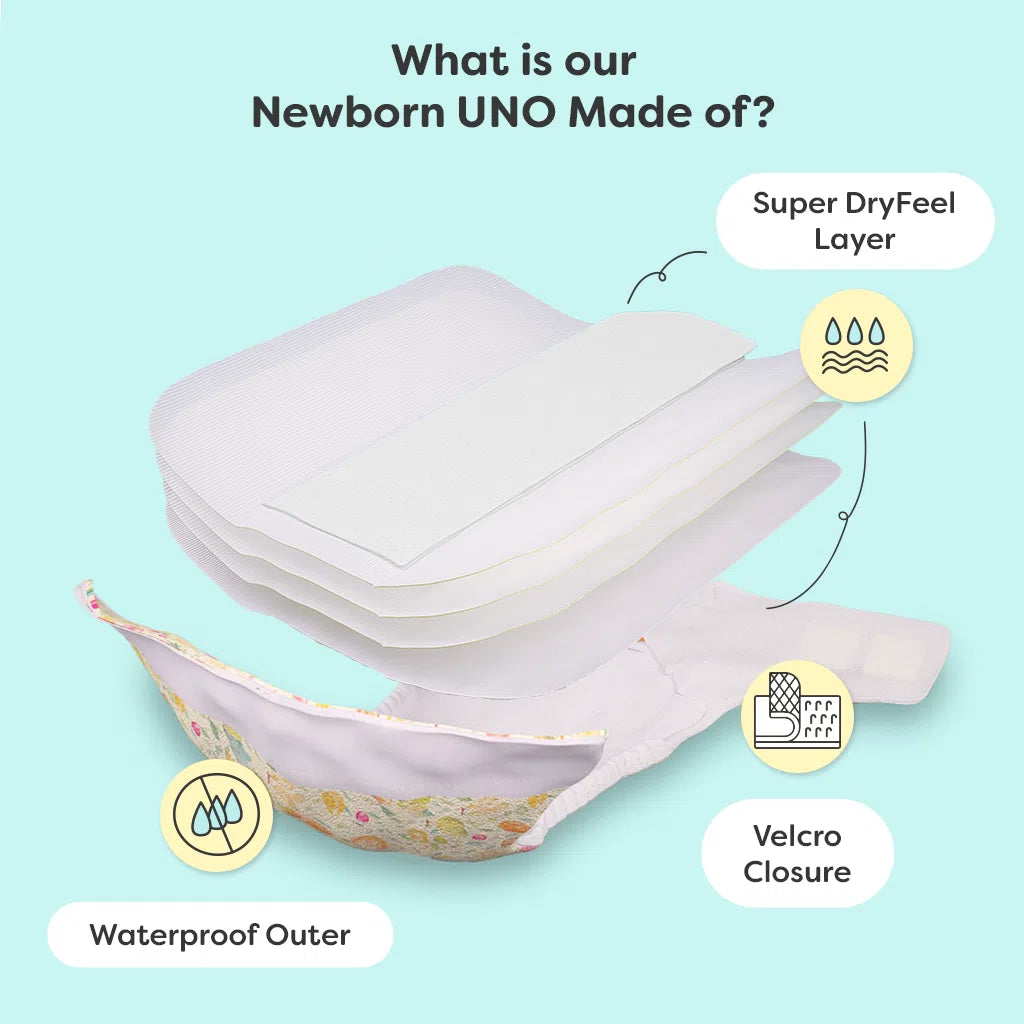
From Newborn UNO and Regular UNO to UNO Luxe, SuperBottoms offers reusable diapering solutions for every stage of your child's growth.
Our range also includes Diaper Pants, DryFeel langots for diaper-free time, Padded Underwear for potty training, as well as SuperSoft Underwear, Cycling Shorts and Joggers for growing kids.
Our collection also includes Period Underwear and bladder-leak solutions for women, along with everyday baby-care essentials.
SuperBottoms products also make thoughtful gifts for babies and new parents - practical, reusable and designed around the real needs of parents.
SuperBottoms products are now available on Amazon, Flipkart, FirstCry, Myntra, Nykaa, Blinkit, and Zepto.