






About Dr Nikita Deshpande (Author)

Dr Nikita Deshpande, PT, is a Pediatric Physiotherapist and Founder of BabySteps Pediatric Development Centre, Pune. With specialised training in pediatric neurorehabilitation, NDT, and Sensory Integration, she is dedicated to supporting children’s development through evidence-based, family-centered care.
In this article, we will discuss:
- Skipping crawling can be normal
- Babies crawl in different ways
- Movement matters beyond one milestone
- Encourage supervised floor-based play
- Know when to seek advice
“My baby never crawled. They just started standing and walking. Should I be worried?”
If your baby skips crawling, it is natural to wonder whether something important has been missed. Crawling is often treated as a major baby development milestone, but babies do not all follow the same sequence.
The reassuring answer is that skipping crawling does not automatically mean there is a developmental problem. What matters more is how your baby moves, explores, uses both sides of the body and progresses across other skills.
When do babies crawl?
Most babies begin crawling around 7–10 months, although there is considerable variation in how and when babies become mobile. Some crawl on hands and knees, while others belly-crawl, bottom-scoot, roll or use another movement pattern. (HealthyChildren.org)
Before crawling, babies typically build skills such as tummy-time strength, rolling, sitting and reaching.
What parents should know
Developmental milestones are guides, not deadlines. A baby may develop skills in a different order and still progress typically.
Current CDC milestone guidance also encourages parents to look at development across movement, communication, learning and social-emotional skills rather than treating one skill in isolation.
Why do some babies skip crawling?
So, why do some babies skip crawling? Sometimes, they simply discover another way to move.
A baby may prefer:
|
Movement pattern |
What it may look like |
|---|---|
|
Belly crawling |
Pulling forward while staying close to the floor |
|
Bottom shuffling |
Moving forward while sitting |
|
Rolling |
Rolling repeatedly to reach a toy |
|
Cruising |
Moving sideways while holding furniture |
|
Walking |
Moving to standing and walking without traditional crawling |
The AAP notes that not every infant crawls in the traditional way. Alternative movement patterns can still allow babies to explore their surroundings and prepare for walking.
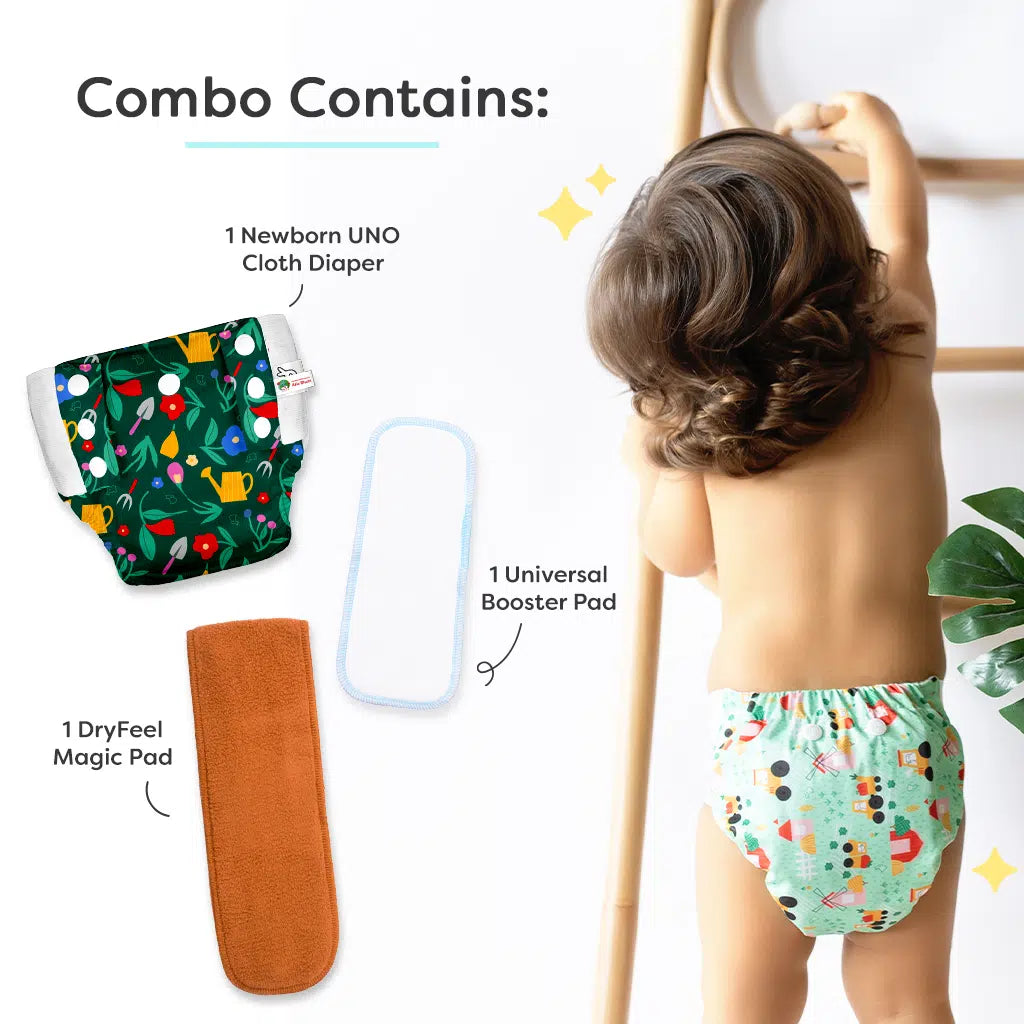
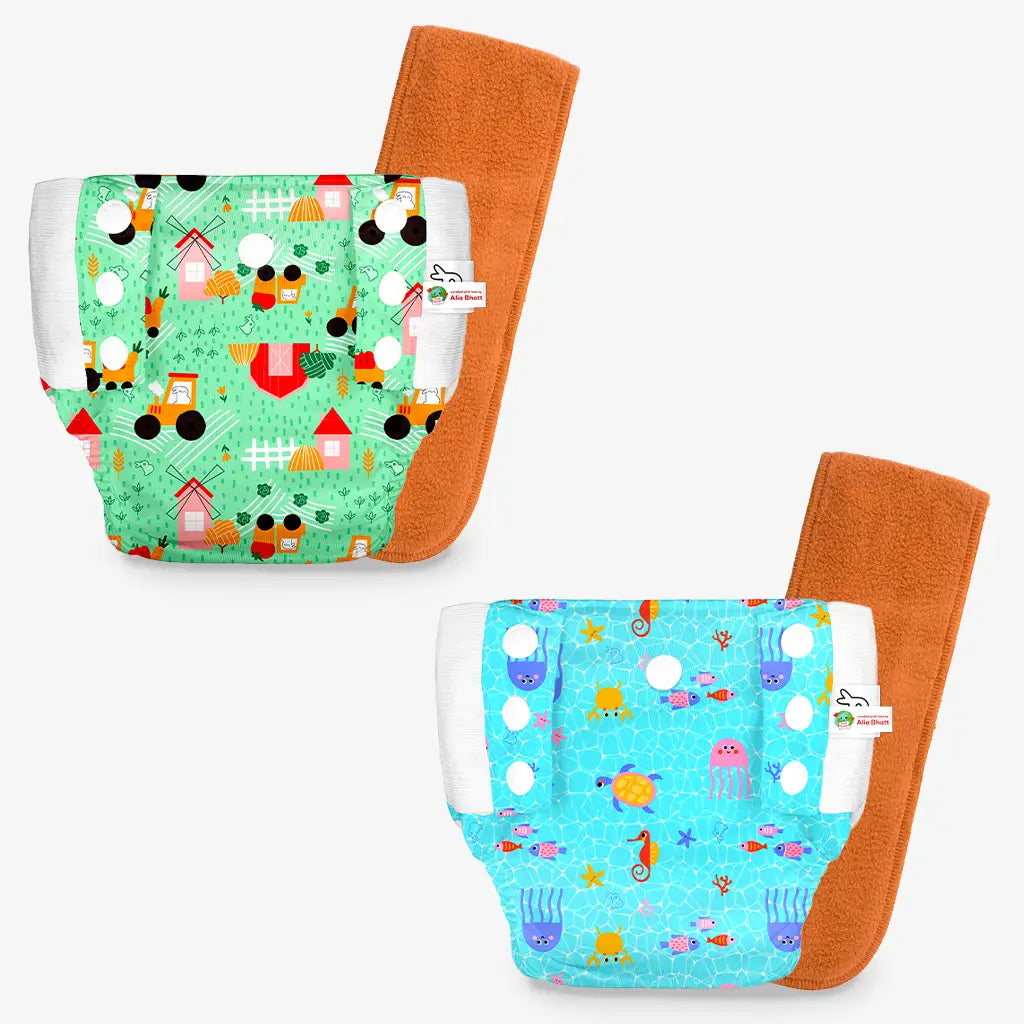
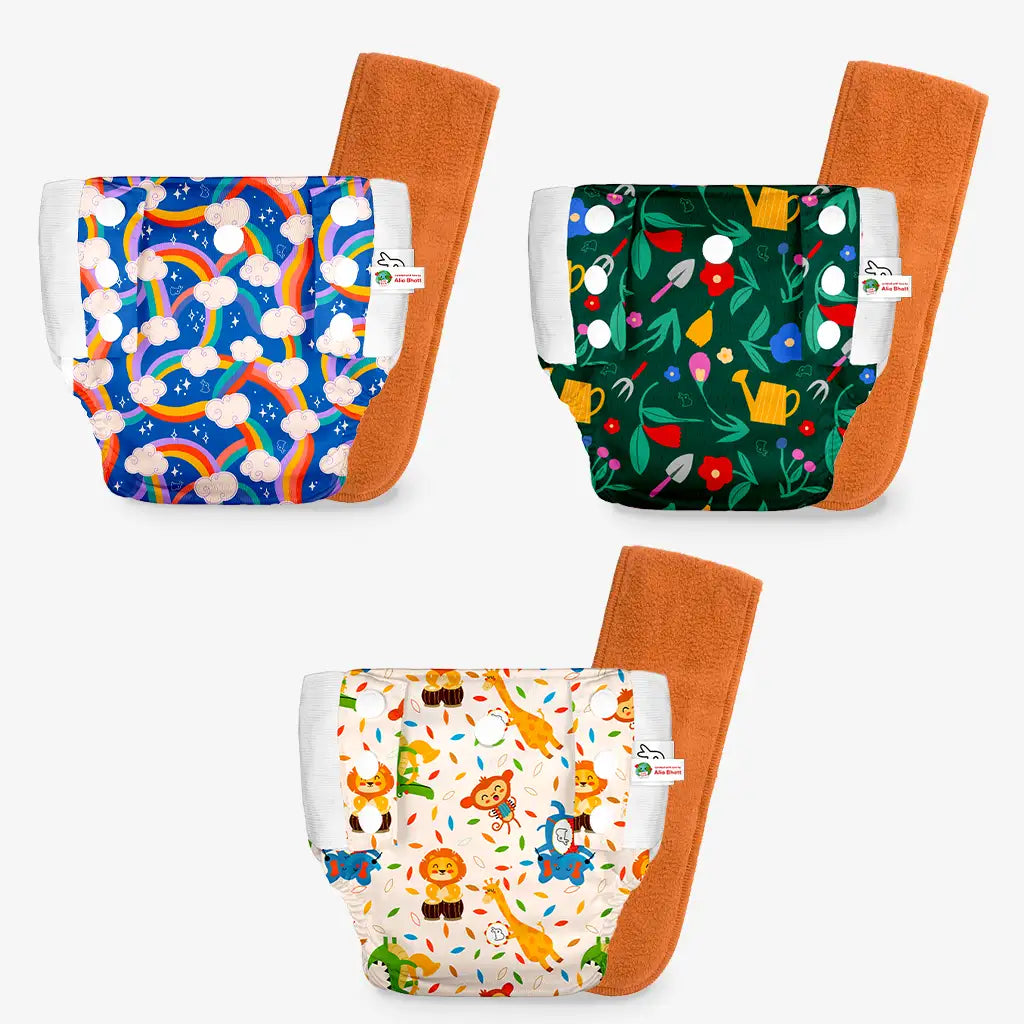
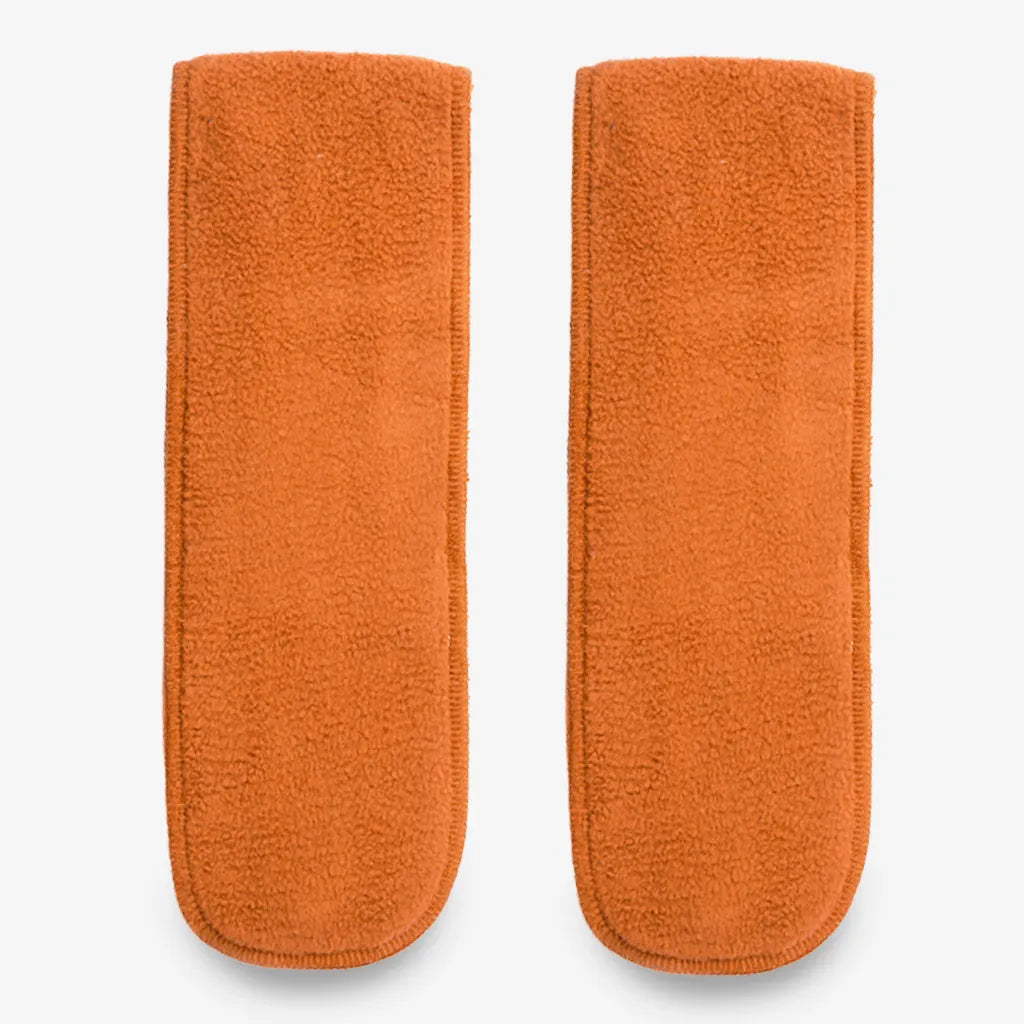
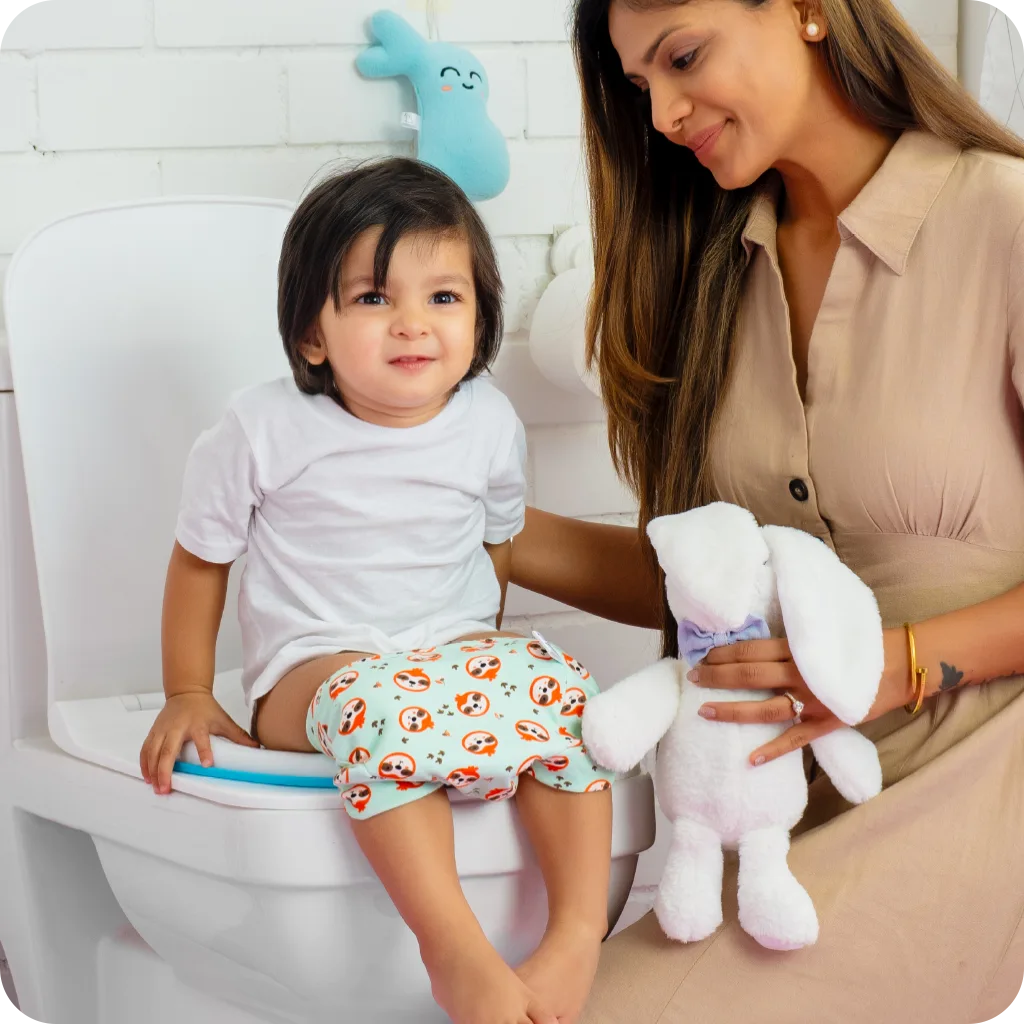
💡 SuperBottoms Pick: UNO Cloth Diaper PantsFor active babies who are crawling, cruising or learning to walk, UNO Cloth Diaper Pants offer a comfortable pant-style fit with easy movement. Designed for babies 9–17 kg, they combine a waterproof outer with a DryFeel Magic Pad for everyday reusable diapering. |
Does skipping crawling affect development?
Skipping crawling does not by itself mean that a child will have developmental difficulties. There is no good evidence that simply missing traditional crawling causes later problems such as reading difficulties. Instead, healthcare professionals look at the child's overall movement, coordination, strength, symmetry and progress.
Crawling does, however, provide useful opportunities to practise:
- Weight-bearing through the arms and hands
- Core and hip strength
- Balance and weight shifting
- Coordination between both sides of the body
- Reaching and exploring from different positions
Expert guidance
Dr Nikita Deshpande, PT, Founder & Paediatric Physiotherapist at BabySteps Paediatric Development Centre, Pune, advises looking beyond whether a child crawled and paying attention to movement quality, strength, symmetry and overall progress.
Can babies walk without crawling first?
Yes, babies can walk without crawling first. Some pull themselves up, cruise along furniture and progress towards independent walking without spending much time crawling.
Walking does not make crawling a requirement, nor does skipping crawling automatically predict future difficulties. However, giving babies opportunities for floor-based movement remains useful because different movement experiences help build strength and coordination. The WHO recommends frequent interactive floor-based activity for infants, including supervised tummy time while awake.
How to encourage baby to crawl
If your baby is not crawling, you do not need to force them into a particular movement pattern. Instead, create opportunities for active, supervised floor play.
Try:
- Offer tummy time regularly while your baby is awake and supervised.
- Place a favourite toy nearby but just beyond easy reach.
- Get down on the floor and interact face-to-face.
- Create a safe, open play space for rolling, reaching and moving.
- Let your baby practise freely rather than keeping them in restrictive equipment for long periods.
Make movement playful rather than turning crawling into a task.
What should parents look at?
Instead of asking only, “When will my baby crawl?”, observe:
- Are they becoming more mobile?
- Can they move into and out of different positions?
- Do they use both sides of their body?
- Are they gaining strength and control?
- Are they continuing to acquire new skills?
When to seek professional advice
There is no single age at which a baby not crawling automatically means something is wrong. However, speak with your paediatrician if you are concerned about your baby's overall development, particularly if you notice:
- Very little interest in moving or exploring
- Persistent stiffness or unusual floppiness
- Difficulty bearing weight
- Consistent use of only one side of the body
- Difficulty with other age-appropriate movement skills
- Loss of a skill your baby previously had
The AAP similarly recommends discussing concerns when a child does not appear to be moving normally.

Parent checklist
☐ Provide supervised floor play every day
☐ Give your baby opportunities to move freely
☐ Encourage reaching and exploring
☐ Watch for symmetrical movement
☐ Track overall development, not just crawling
☐ Discuss persistent concerns with your paediatrician
Skipping crawling is not automatically a cause for concern. Some babies crawl differently, use another way to move or move quickly from sitting to standing and walking.
The bigger picture is your baby's overall development and progression. Give them safe opportunities to move, explore and practise different skills—and seek professional advice if something about their movement concerns you.
Key takeaways
- Skipping crawling can be normal.
- Overall movement matters more than one milestone.
- Persistent movement concerns deserve professional advice.
FAQs
Is it normal to skip crawling?
Yes. Some babies use alternative movement patterns or move directly towards standing and walking. What matters is their overall development and movement progression.
When do babies crawl?
Many babies begin crawling around 7–10 months, but timing and crawling styles vary. Some babies may crawl later or use another way of moving.
Does skipping crawling affect development?
Not necessarily. Skipping traditional crawling alone does not indicate a developmental problem. Healthcare professionals consider strength, coordination, symmetry and other developmental skills.
When should I see a doctor if my baby is not crawling?
Talk to your paediatrician if your baby shows little interest in movement, seems unusually stiff or floppy, uses one side consistently, loses skills or you have concerns about overall development.