






About Richu Elin Abraham (Author)

Richu Elin Abraham is a counselling psychologist specialising in mental health support for pregnant women and new mothers. She helps women navigate the emotional and psychological challenges of pregnancy and early motherhood, including stress, anxiety, and postpartum adjustments. Through personalised counselling, she creates a safe space for mothers to express their concerns, develop coping strategies, and build resilience. Her goal is to empower and support them as they transition into motherhood with confidence and well-being.
Postpartum depression is a common but often misunderstood mental health condition that can affect mothers after childbirth. Many women experience emotional overwhelm, exhaustion, guilt, and pressure to "do everything perfectly" during early motherhood. Understanding the signs, seeking timely support, and creating a manageable postpartum routine can improve recovery and emotional wellbeing. Small lifestyle changes, shared caregiving, and choosing practical baby-care essentials can also reduce daily stress for new parents.
- What Is Postpartum Depression?
- Why Do New Mothers Feel So Much Pressure?
- What Are the Signs of Postpartum Depression?
- How Is Postpartum Depression Different from Baby Blues?
- How Can New Mothers Reduce Everyday Stress?
- Which Baby-Care Choices Help Reduce Mental Load?
- What Should I Look for When Choosing Everyday Baby Essentials?
- Comparison Table: Disposable vs Reusable Baby Diapering Options
- When Should You Seek Professional Help?
- Key Takeaways
- FAQs
- Message from SuperBottoms
- References
What Is Postpartum Depression?
Postpartum depression (PPD) is a mood disorder that can develop after childbirth, affecting emotional, mental, and physical well-being. Unlike temporary "baby blues," postpartum depression can last for weeks or months and may interfere with daily life, bonding with the baby, sleep, appetite, and confidence in parenting.
In India and globally, conversations around postpartum depression are becoming more common, but many mothers still hesitate to seek help because of stigma, family expectations, or the pressure to appear happy after childbirth.
Expert Answer
Why Do New Mothers Feel So Much Pressure?
Modern motherhood often comes with unrealistic expectations. Social media, family advice, cultural traditions, and constant comparison can create pressure to breastfeed perfectly, recover quickly, maintain the household, and care for the baby without help.
Common motherhood pressures include:
- Lack of sleep and physical recovery
- Pressure to "bounce back"
- Fear of being judged as a parent
- Isolation during the postpartum phase
- Balancing work and childcare
- Constant worry about the baby's health and comfort
For many parents, even small daily tasks like frequent diaper changes, laundry, and managing leaks can feel overwhelming during recovery.
What Parents Should Know
What Are the Signs of Postpartum Depression?
Postpartum depression symptoms can vary from mild to severe. Some symptoms may appear gradually.
Common signs include:
- Persistent sadness or crying
- Feeling emotionally numb
- Anxiety or panic attacks
- Irritability or anger
- Difficulty bonding with the baby
- Changes in sleep or appetite
- Feelings of guilt or hopelessness
- Loss of interest in daily activities
- Extreme fatigue
- Thoughts of self-harm or harming the baby (requires urgent medical attention)
If symptoms last beyond two weeks or interfere with daily functioning, professional support is important.
How Is Postpartum Depression Different from Baby Blues?
Many mothers experience "baby blues" in the first few days after childbirth. This usually improves within two weeks.
| Feature | Baby Blues | Postpartum Depression |
|---|---|---|
| Duration | A few days to 2 weeks | Weeks to months |
| Intensity | Mild mood swings | Persistent emotional distress |
| Daily Functioning | Usually manageable | Can affect caregiving and routine |
| Medical Support Needed | Often not required | Often recommended |
| Sleep & Anxiety | Mild disruption | Severe exhaustion and anxiety possible |
Understanding the difference helps families recognise when additional support is necessary.
How Can New Mothers Reduce Everyday Stress?
Reducing postpartum stress does not require perfection. Practical systems and support matter more than doing everything flawlessly.
Helpful strategies include:
- Accepting help from family and friends
- Prioritising sleep whenever possible
- Eating nourishing meals regularly
- Avoiding comparison on social media
- Creating a simple baby-care routine
- Using comfortable, skin-safe baby products
- Sharing caregiving responsibilities
- Speaking openly about emotions
Even small conveniences can reduce mental load during recovery. Products that simplify diapering, reduce laundry stress, and prevent leaks may help parents feel more in control during demanding newborn months.
Expert Answer

Which Baby-Care Choices Help Reduce Mental Load?
Many parents underestimate how much daily baby-care systems affect postpartum stress. Frequent diaper leaks, skin rashes, discomfort, and constant laundry can add to the frustration during an already exhausting phase.
When evaluating baby-care essentials, parents often prioritise:
- Skin safety
- Comfort for long wear
- Ease of cleaning
- Leak protection
- Cost-effectiveness over time
- Sustainability
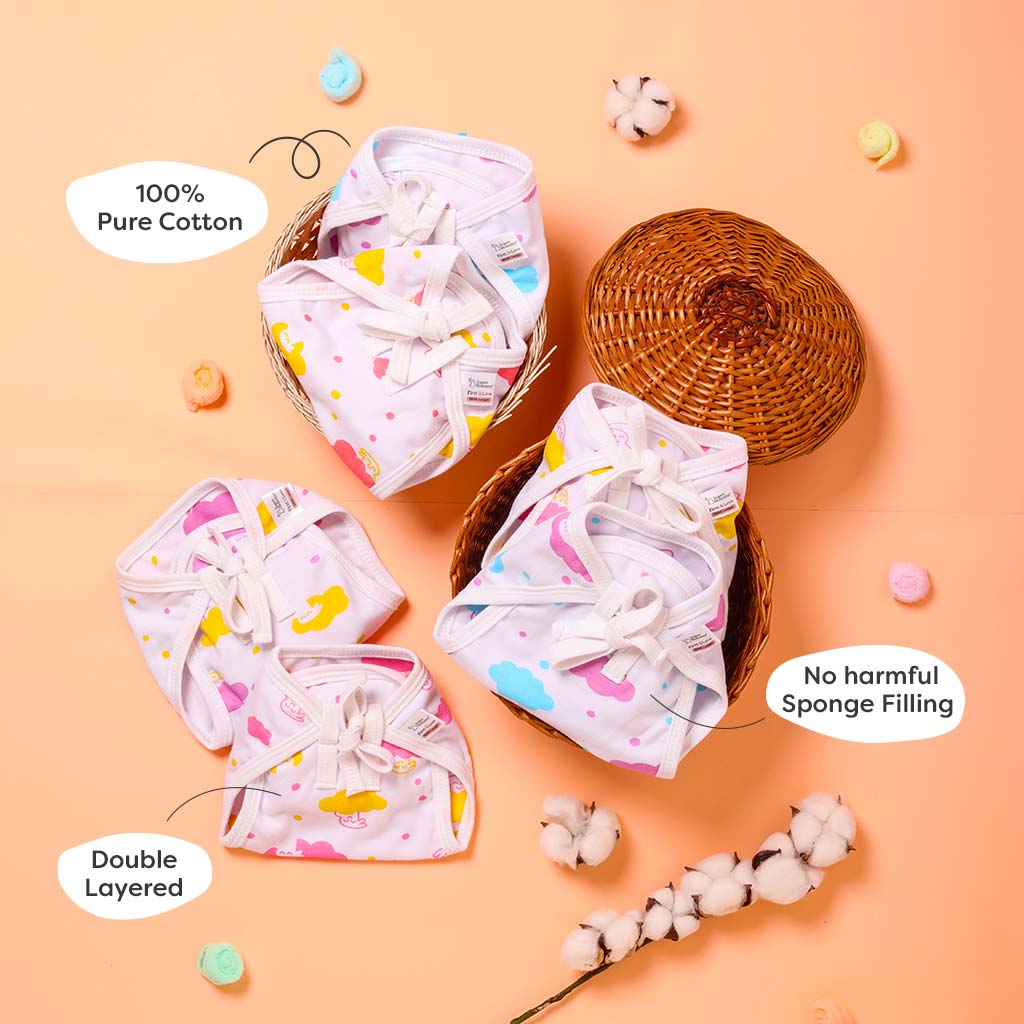
Reusable cloth nappies and modern cloth diapers have become increasingly popular among Indian parents looking for gentle, reusable, and practical diapering solutions.
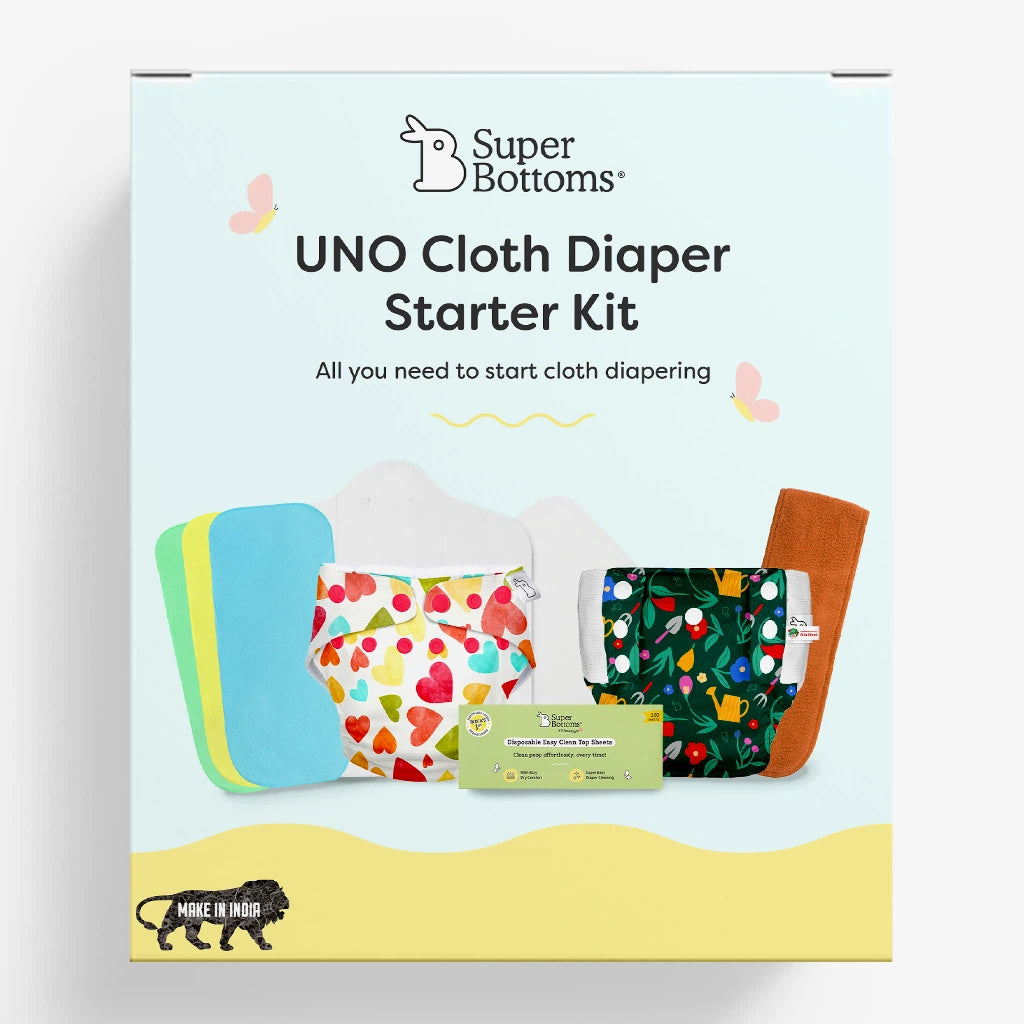
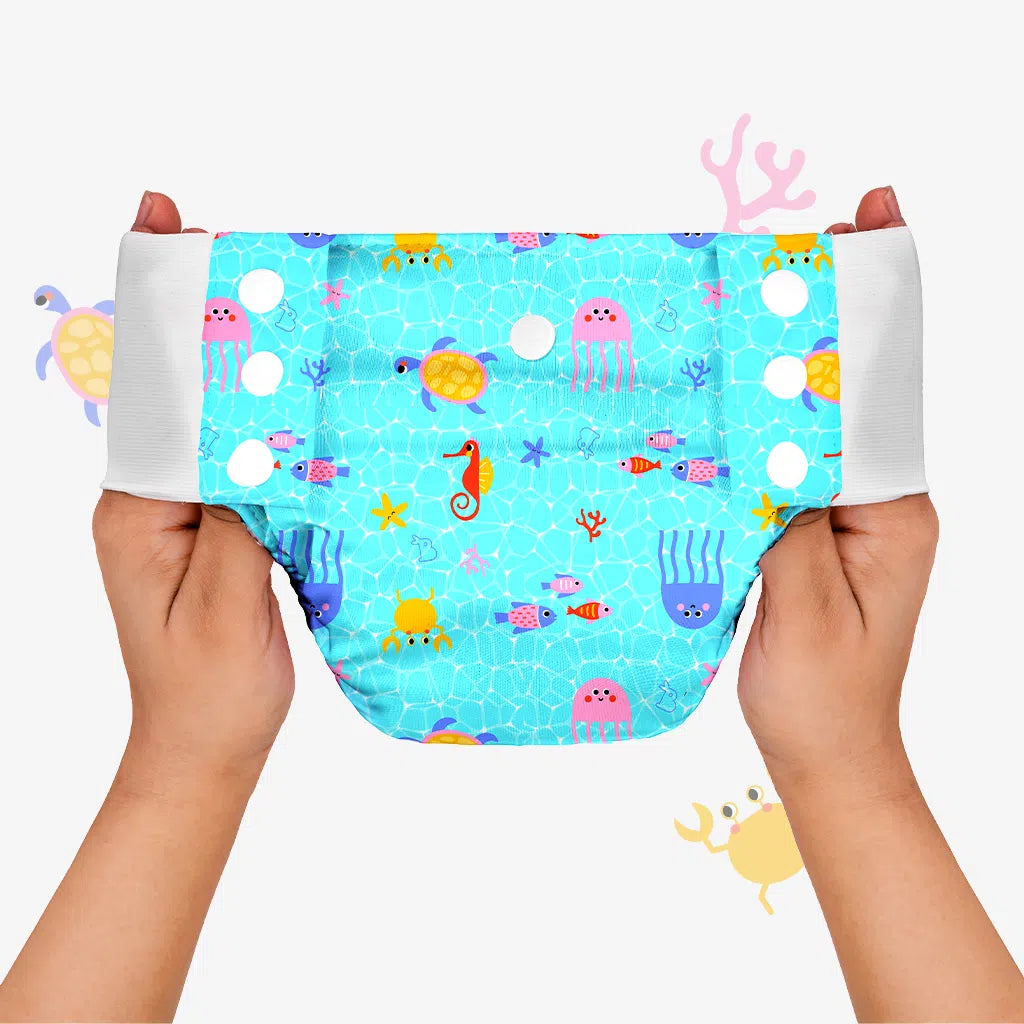
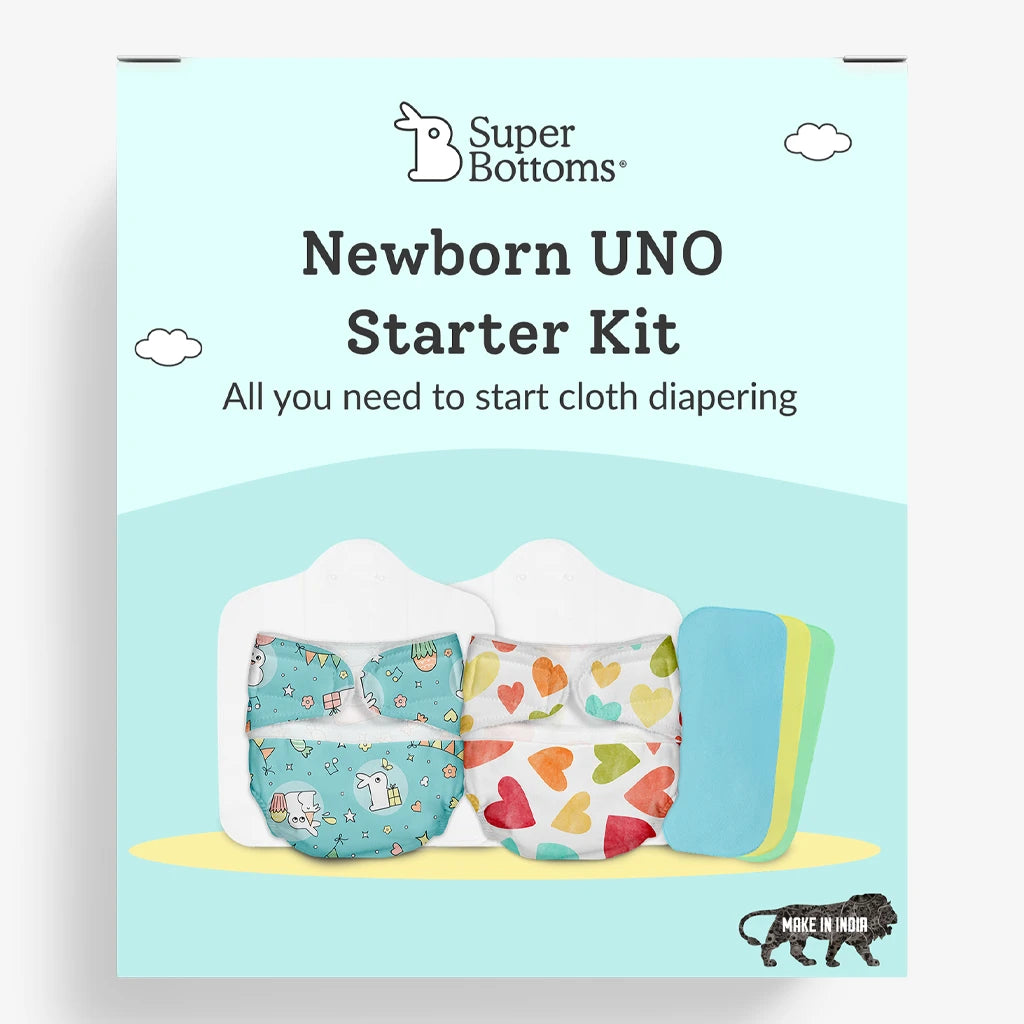
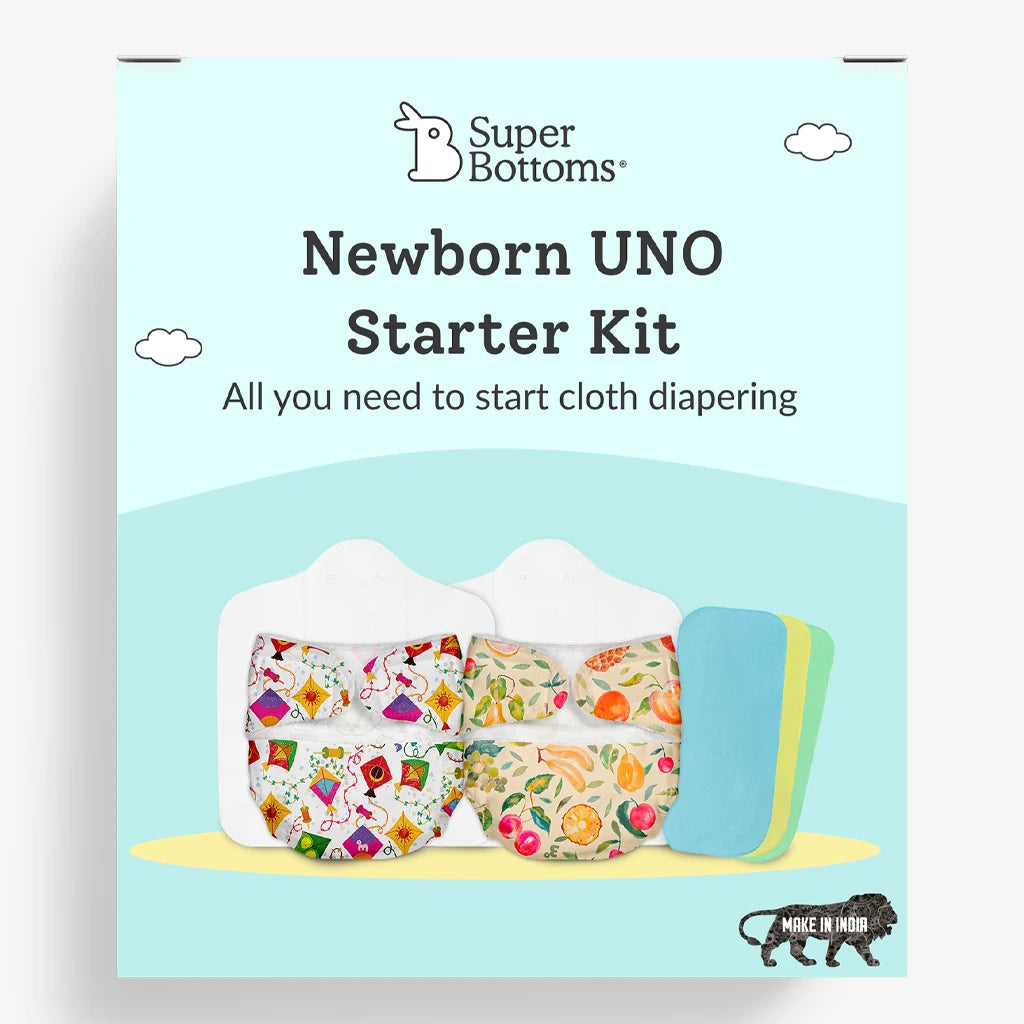
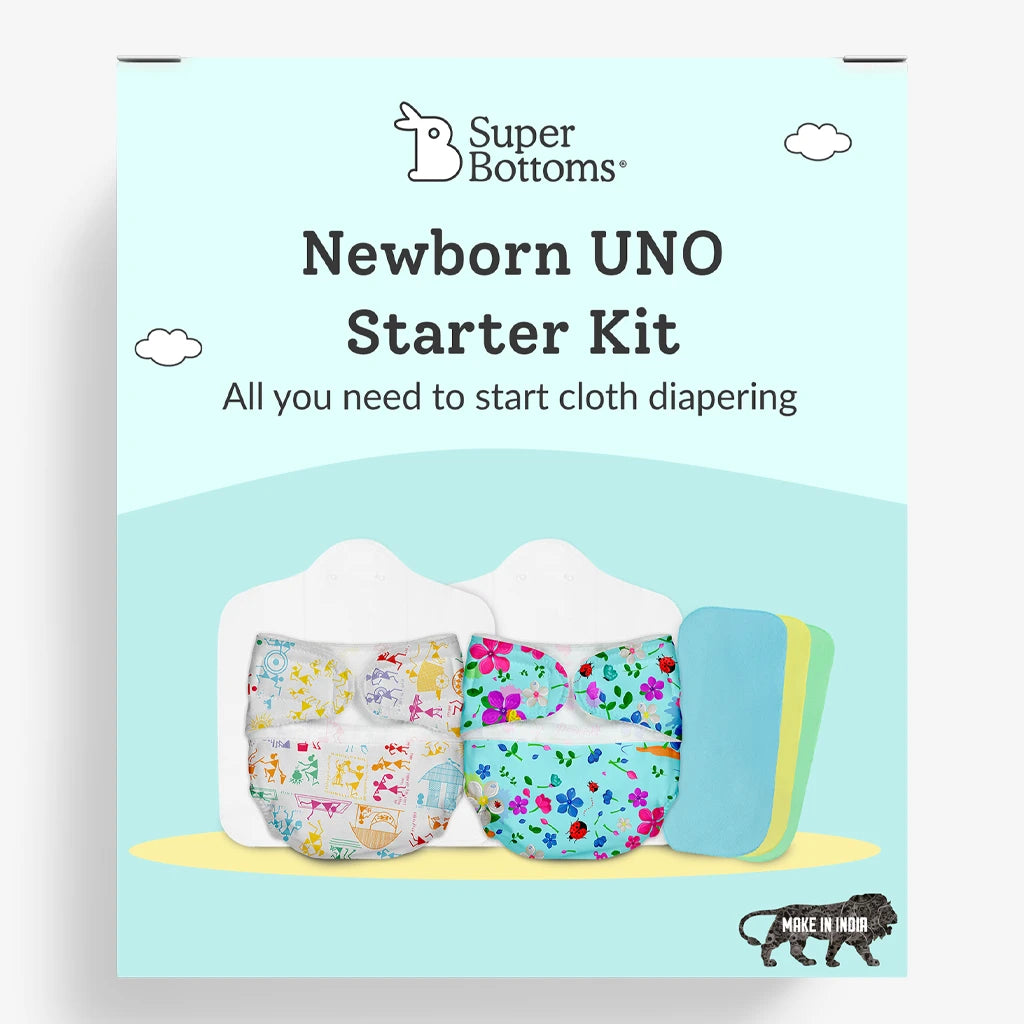
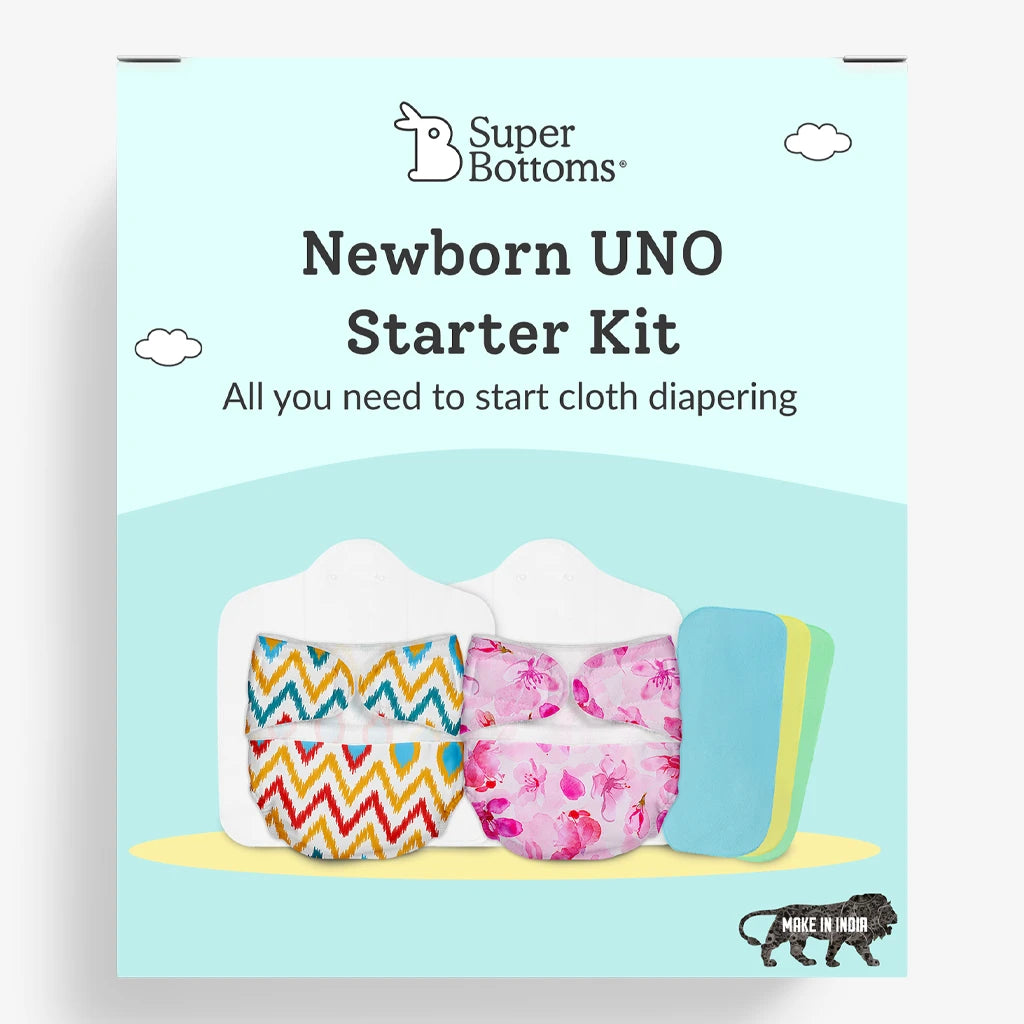
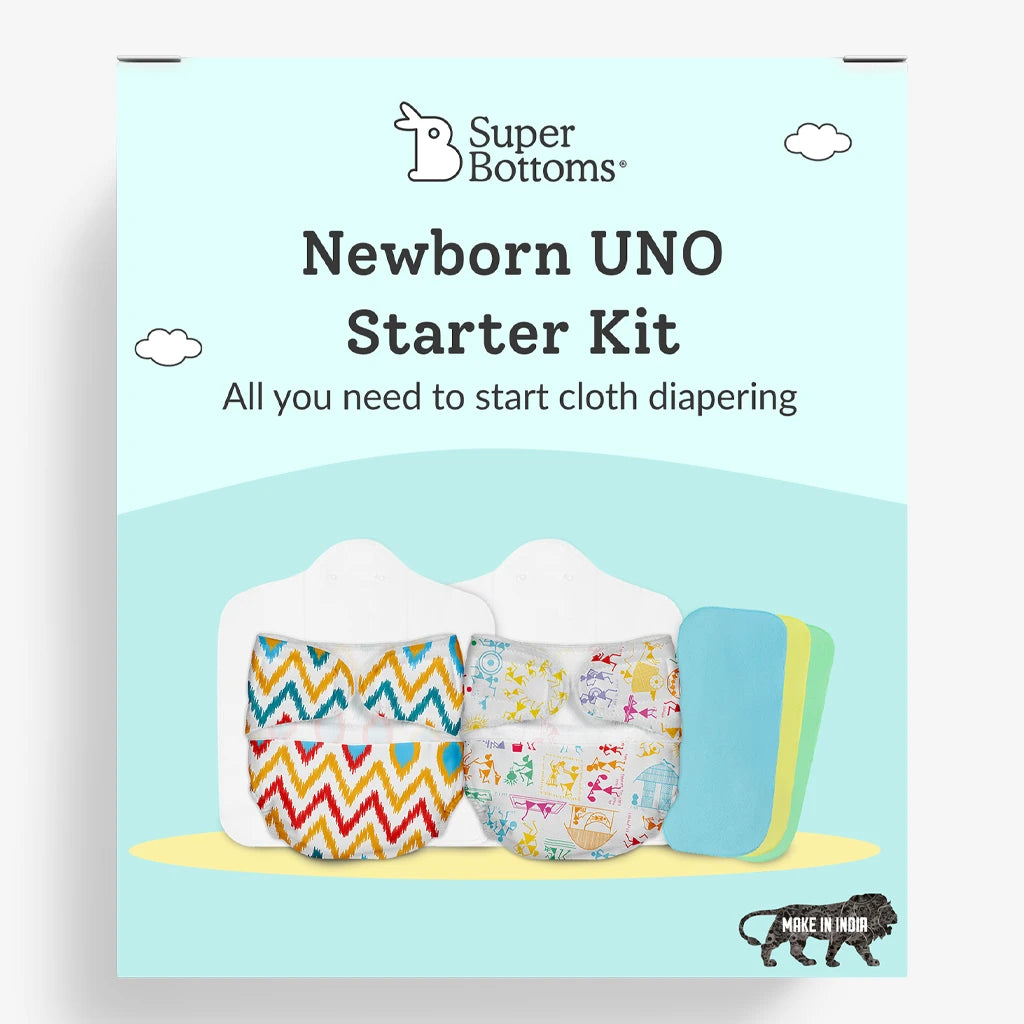
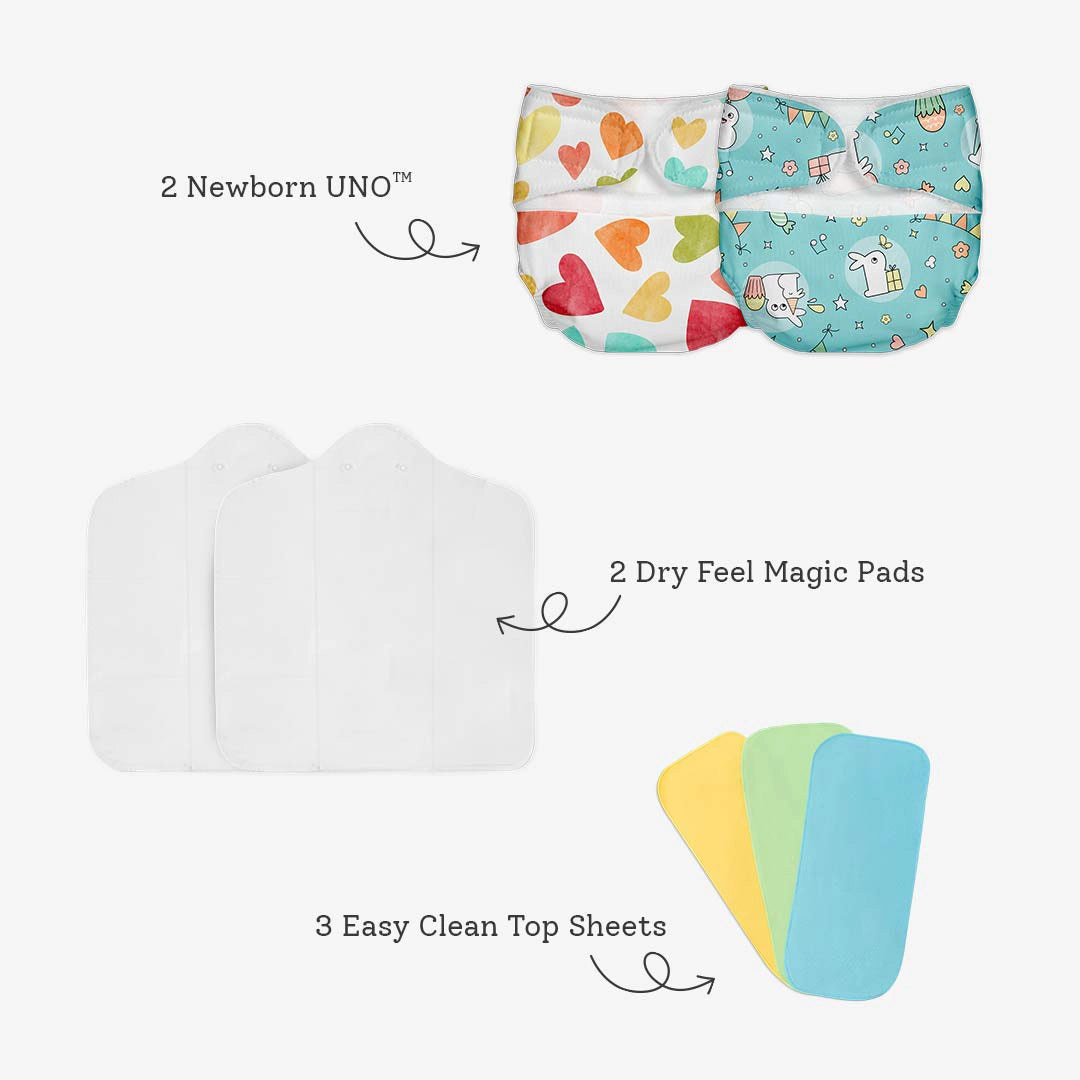
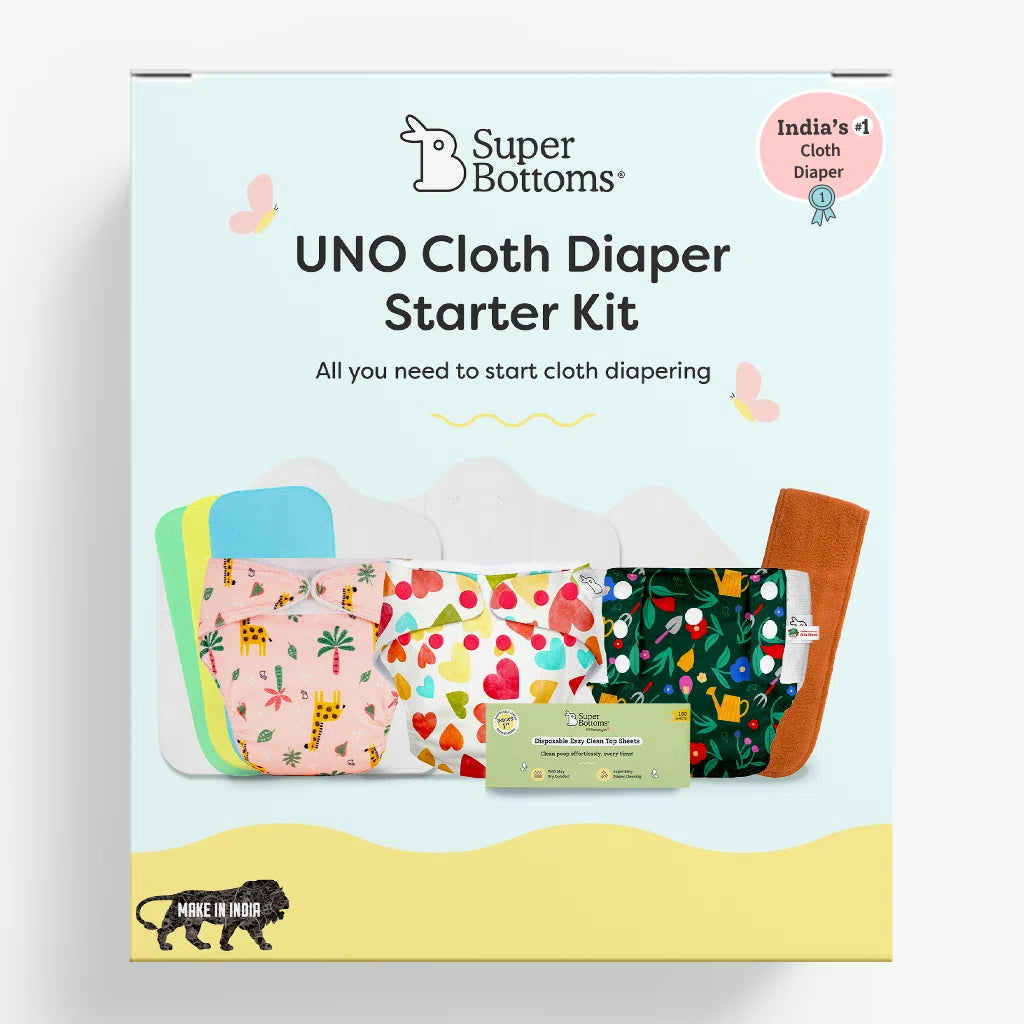
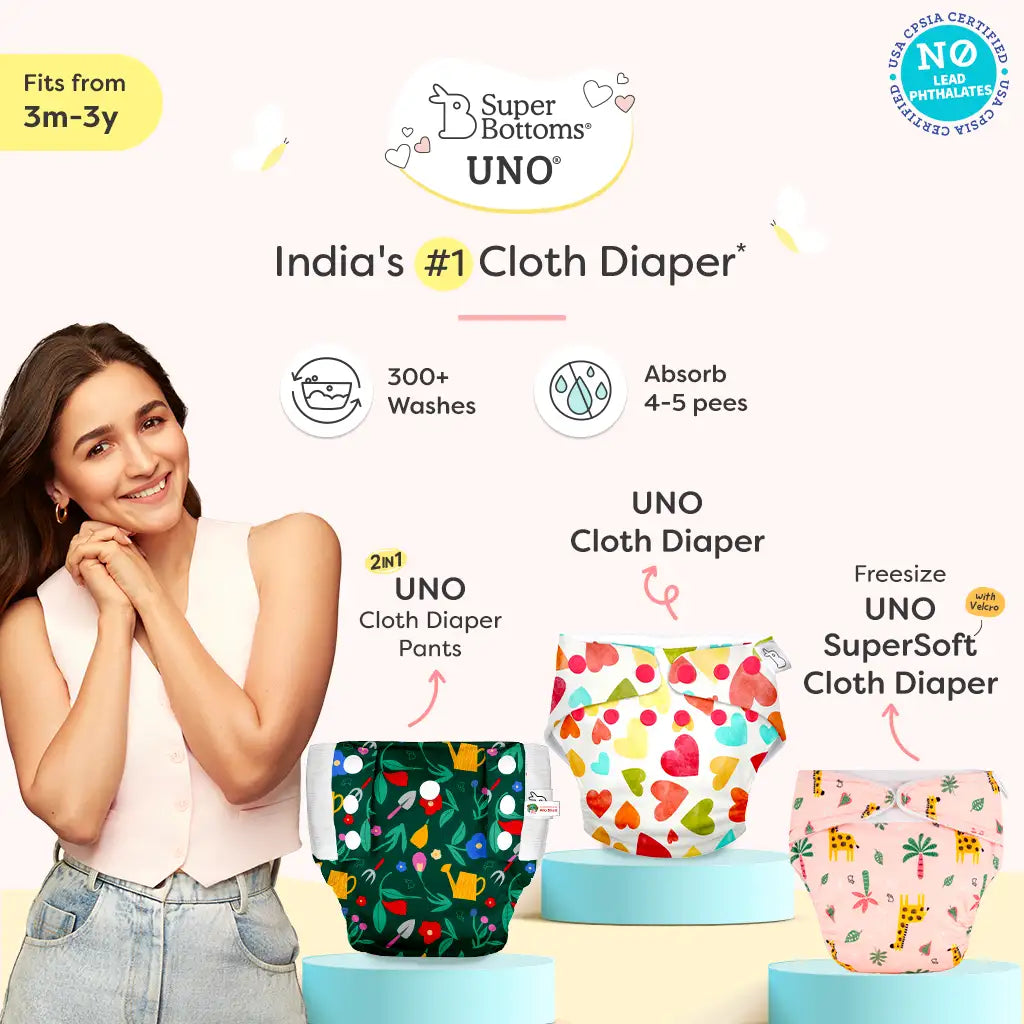
SuperBottoms Pick: UNO Cloth Diapers
What Should I Look for When Choosing Everyday Baby Essentials?
Parents should focus on function and comfort first, especially during the postpartum phase when convenience matters.
What to Look For
— Soft, breathable fabric
— Absorbency for day and night use
— Gentle materials for sensitive skin
— Ease of washing and reuse
— Adjustable sizing
— Leak protection
— Long-term value
Products that reduce frequent outfit changes and discomfort can make caregiving more manageable for tired parents.
A mother from Bengaluru shared, "Switching to reusable cloth nappies with better absorbency reduced nighttime stress because we had fewer leaks and less emergency laundry."
You can also check product details → on reusable diapering options before deciding what fits your family's routine best.
Comparison Table: Disposable vs Reusable Diapering Options
| Criteria | Disposable Diapers | Traditional Cloth Nappies | SuperBottoms UNO |
|---|---|---|---|
| Reusable | No | Yes | Yes |
| Skin-Friendly Materials | Varies | Usually cotton | Soft cloth-based layers |
| Leak Protection | Moderate to high | Moderate | Designed for leak protection |
| Long-Term Cost Value | Lower upfront, recurring cost | Affordable | Cost-effective over time |
| Laundry Requirement | Minimal | Higher | Moderate |
| Eco-Friendly | Limited | Better | Reusable alternative |
| Adjustable Fit | Limited | Limited | Freesize design |
This comparison helps parents evaluate convenience, comfort, sustainability, and long-term usability fairly.
Is It Worth Switching to Reusable Cloth Diapers?
For many families, reusable cloth diapers are worth considering because they can reduce recurring diaper expenses and may feel gentler on a baby's skin.
However, the best option depends on:
- Lifestyle
- Washing access
- Baby's skin sensitivity
- Travel frequency
- Budget
- Daytime vs nighttime usage
Some parents prefer a mixed approach, using disposable diapers occasionally and reusable diapers at home.
What Parents Should Know
When Should You Seek Professional Help?
Parents should seek professional support if postpartum depression symptoms:
- Last longer than two weeks
- Feel overwhelming daily
- Affect bonding or caregiving
- Include panic attacks or hopelessness
- Cause withdrawal from loved ones
- Include thoughts of self-harm
Support may include therapy, counselling, support groups, lifestyle adjustments, or medical treatment.
If you are supporting a new mother, listening without judgment can make a significant difference.
Postpartum depression and motherhood pressure are real challenges that many women face silently. Recovery becomes easier when mothers receive emotional support, practical help, and realistic expectations instead of pressure to "do it all."
Simplifying daily caregiving routines, prioritising rest, and choosing comfortable, practical baby-care products can reduce stress during the postpartum period.
If managing diapering feels overwhelming during recovery, reusable and easy-to-manage options like SuperBottoms UNO Cloth Diapers may help simplify everyday baby care.
Find the right fit → Shop SuperBottoms UNO.
|
Limited Time Offers + Special Gift Sets! Now or never Super SALE is live on the SuperBottoms website! Take advantage of unbeatable value deals on our UNO Cloth Diapers, Baby Essentials, and more. Looking for the perfect present for a newborn or a toddler? Explore our thoughtfully curated Gift Sets & Combos - safe, skin-friendly, and oh-so-cute! A bundle of love for little ones and a delight for parents. HURRY - Deals and Gift Packs are live only till stocks last. Don’t miss the chance to stock up and share the joy! |
Key Takeaways
- Postpartum depression is common and treatable with timely support.
- Motherhood pressure often increases emotional stress during recovery.
- Practical caregiving systems and supportive baby-care choices can help reduce daily mental load.
FAQs
1. What causes postpartum depression?
Postpartum depression may result from hormonal changes, sleep deprivation, emotional stress, physical recovery, and lack of support after childbirth.
2. How long does postpartum depression last?
It varies. Some mothers recover within weeks, while others may need longer-term emotional or medical support.
3. Can postpartum depression go away without treatment?
Mild symptoms may improve with support and rest, but persistent symptoms should be evaluated by a healthcare professional.
4. Is postpartum depression common in India?
Yes. Many women in India experience postpartum mental health challenges, though awareness and diagnosis are still improving.
5. How can partners support mothers with postpartum depression?
Partners can help by sharing caregiving duties, encouraging rest, listening without judgment, and supporting professional care if needed.
6. Are reusable cloth diapers safe for newborns?
Yes, when made from soft, breathable, skin-friendly materials and changed regularly, reusable cloth diapers can be safe and comfortable for newborns.
7. Where can I buy reusable cloth diapers in India?
Parents can purchase reusable cloth diapers online through baby-care brands and parenting websites across India, including SuperBottoms' official website.
8. Is SuperBottoms worth the price?
Many parents find reusable diaper systems cost-effective over time because they can be washed and reused repeatedly, reducing recurring diaper purchases.
Message from SuperBottoms
Hi there, new parents! SuperBottoms brings you doctor-recommended cloth diapers, a trusted rash-free diapering solution specially designed for your baby's sensitive, delicate skin.
From Newborn UNO and Regular UNO to UNO Luxe, SuperBottoms offers reusable diapering solutions for every stage of your child's growth.
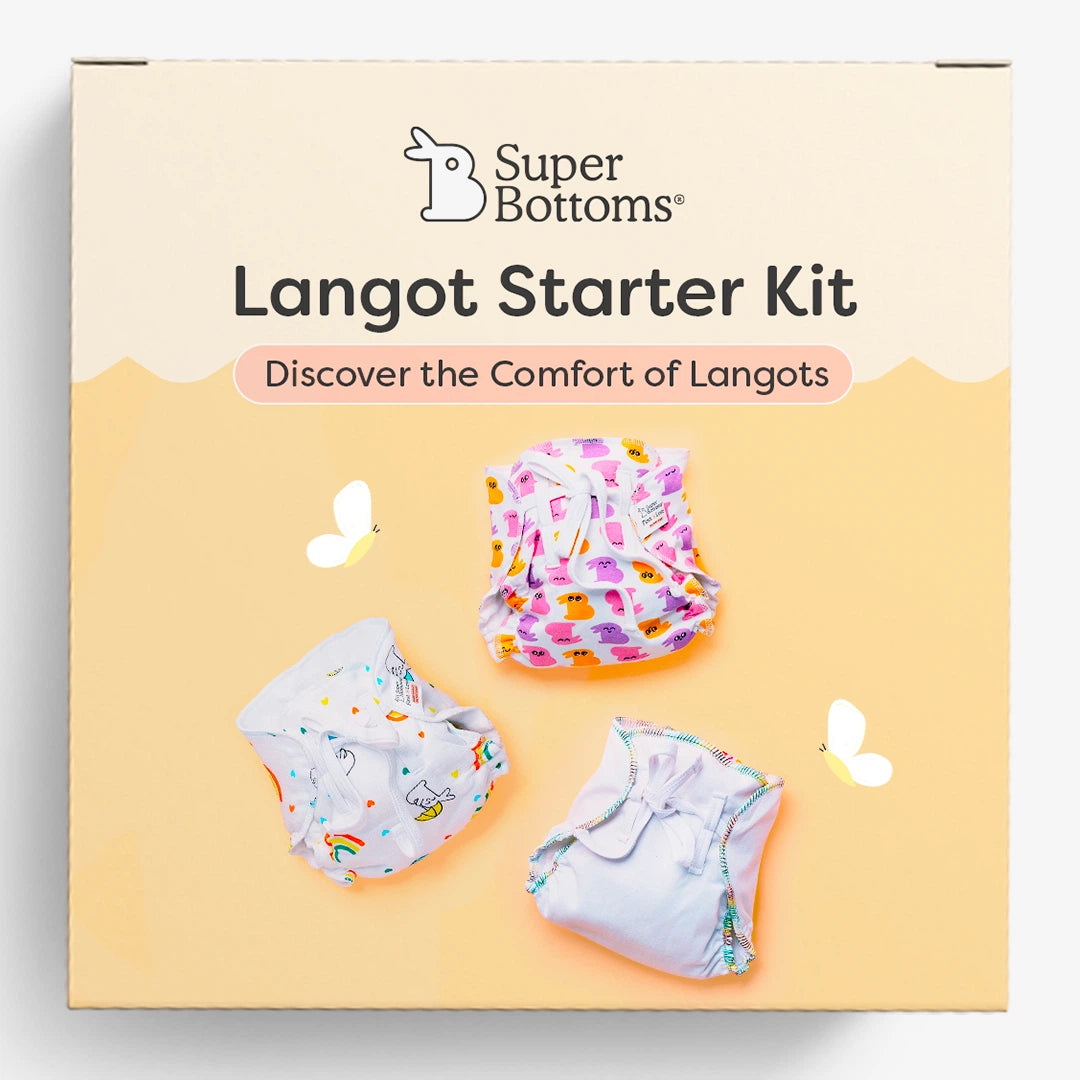
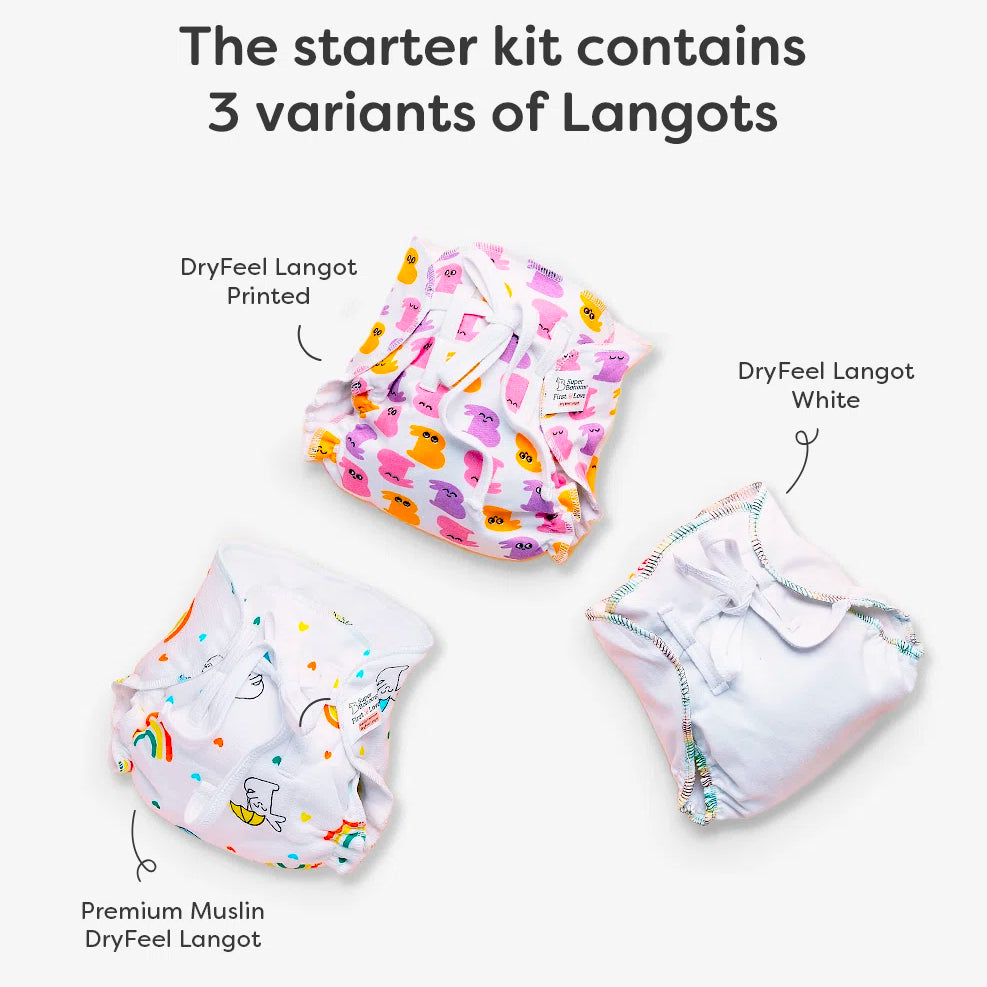
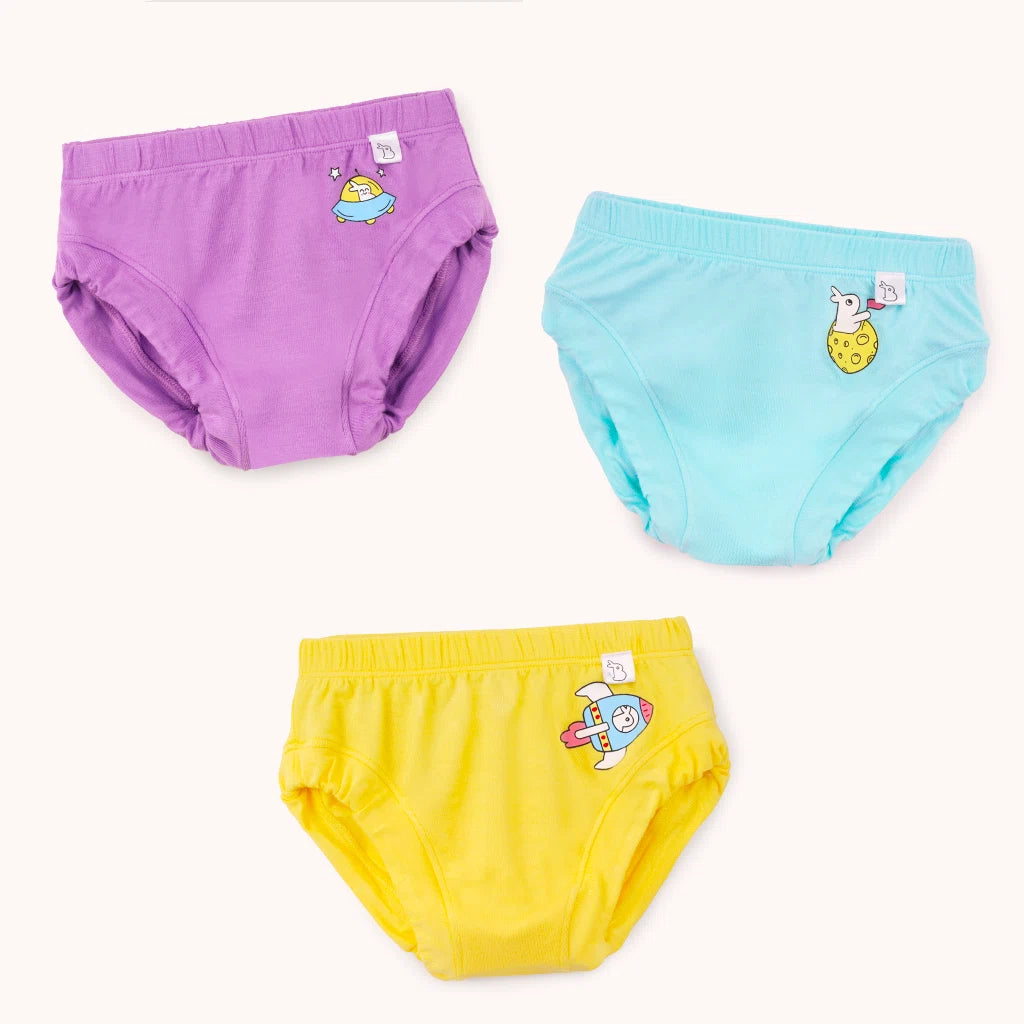
Our range also includes Diaper Pants, DryFeel langots for diaper-free time, Padded Underwear for potty training, as well as SuperSoft Underwear, Cycling Shorts and Joggers for growing kids.
Our collection also includes Period Underwear and bladder-leak solutions for women, along with everyday baby-care essentials.
SuperBottoms products also make thoughtful gifts for babies and new parents - practical, reusable and designed around the real needs of parents.
SuperBottoms products are now available on Amazon, Flipkart, FirstCry, Myntra, Nykaa, Blinkit, and Zepto.