






About Seema Pandey (Author)

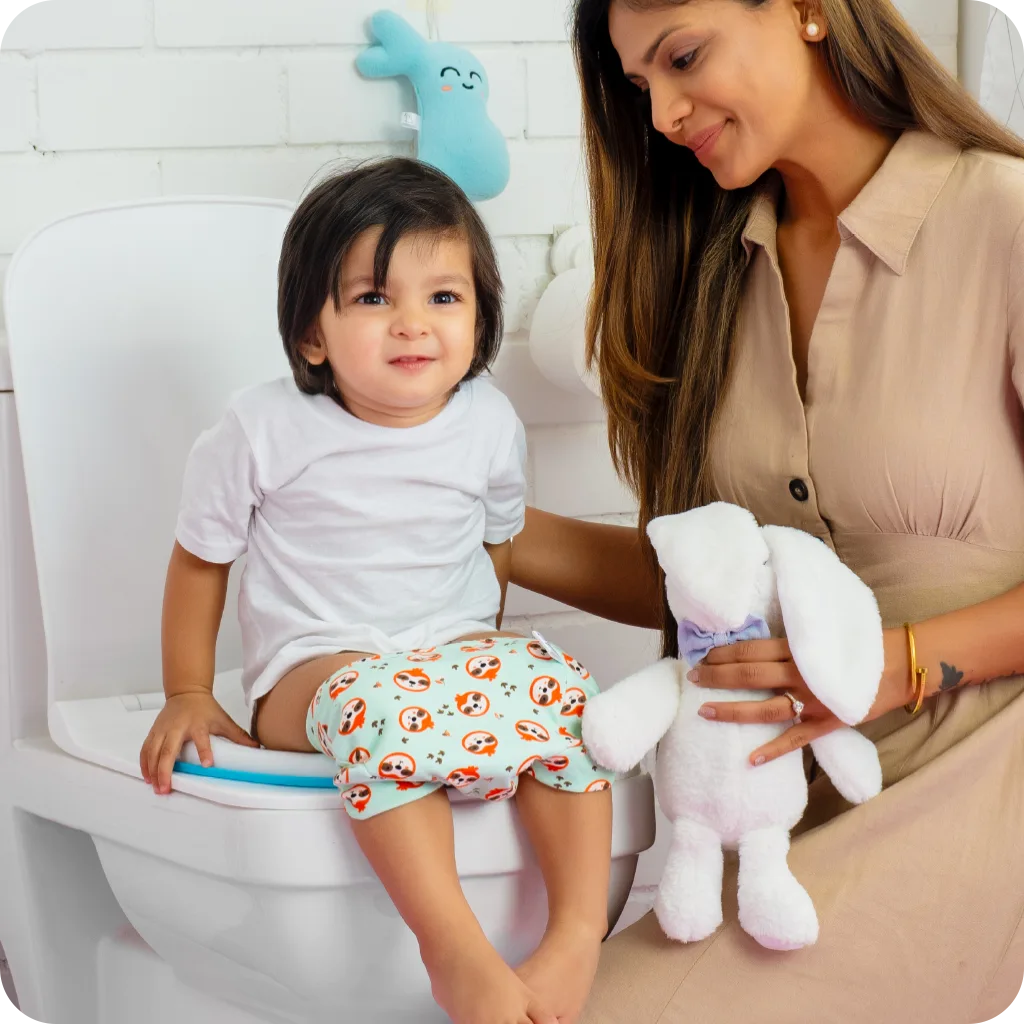
Seema Pandey is a Parenting and Mental Wellness Coach who supports parents in raising emotionally healthy and happy children through mindful parenting practices. Her work focuses on guiding families across every stage—from prepartum and postpartum care to mental health counselling for parents. She believes that when parents feel emotionally balanced, supported, and empowered, children naturally thrive.
Pregnancy and postpartum mental health challenges can affect emotional well-being, sleep, bonding, and daily functioning. Hormonal changes, exhaustion, anxiety, and lifestyle shifts may contribute to stress, mood swings, or postpartum depression. Early support, healthy routines, open conversations, and practical parenting solutions can improve recovery and confidence. Parents who feel emotionally supported and physically comfortable often cope better during the transition into parenthood.
NOTE – This article is updated for 2026 with current maternal wellness recommendations and postpartum care insights relevant for Indian parents.
- Why does mental health change during pregnancy and postpartum?
- What are the common signs of emotional struggles in new mothers?
- How can parents support mental wellness after childbirth?
- What should families look for when choosing postpartum baby-care essentials?
- Which parenting products help reduce daily stress?
- Comparison table: Disposable vs reusable baby-care options
- When should someone seek professional help?
- Key takeaways
- FAQs
- Message from SuperBottoms
- References
Why Does Mental Health Change During Pregnancy and Postpartum?
Mental health during pregnancy and after childbirth changes because the body and mind go through enormous adjustments. Hormones fluctuate rapidly, sleep becomes irregular, responsibilities increase, and many parents experience fear, uncertainty, or pressure to "do everything right."
For some women, these feelings remain mild and temporary. For others, they may develop into prenatal anxiety, postpartum depression, or postpartum anxiety.
Common triggers include:
- Sleep deprivation
- Physical recovery after childbirth
- Breastfeeding challenges
- Financial or family pressure
- Lack of support
- Feeling overwhelmed with newborn care
- Unrealistic parenting expectations on social media
In India, many mothers also balance household expectations, returning to work, and advice from extended family, which can increase emotional stress.
Expert Answer
What Are the Common Signs of Emotional Struggles in New Mothers?
Many new mothers experience temporary "baby blues" for a few days after delivery. However, symptoms lasting beyond two weeks may require attention.
Signs to watch for include:
- Persistent sadness or crying
- Feeling emotionally numb
- Irritability or anger
- Anxiety or panic
- Difficulty bonding with the baby
- Loss of appetite
- Trouble sleeping even when the baby sleeps
- Constant guilt or self-doubt
- Feeling exhausted all the time
Partners and family members should also pay attention to withdrawal from social interaction or statements like "I can't do this anymore."
What Parents Should Know
How Can Parents Support Mental Wellness After Childbirth?
Small daily changes can improve emotional well-being significantly after delivery.
Prioritise Rest Whenever Possible
Lack of sleep strongly affects emotional regulation. Parents should try:
- Taking shifts during nighttime care
- Accepting help from trusted family members
- Sleeping when the baby naps
Build a Practical Support System
Support may include:
- Meal help
- Household assistance
- Emotional check-ins
- Help with diapering or baby routines
Eat Nourishing Foods and Stay Hydrated
Iron-rich foods, protein, fruits, and hydration support recovery and energy levels.
Reduce Parenting Overload
Simple baby-care systems can reduce mental fatigue. Choosing easy-to-clean, skin-safe, reusable baby essentials may lower stress around laundry, rashes, and frequent changes.
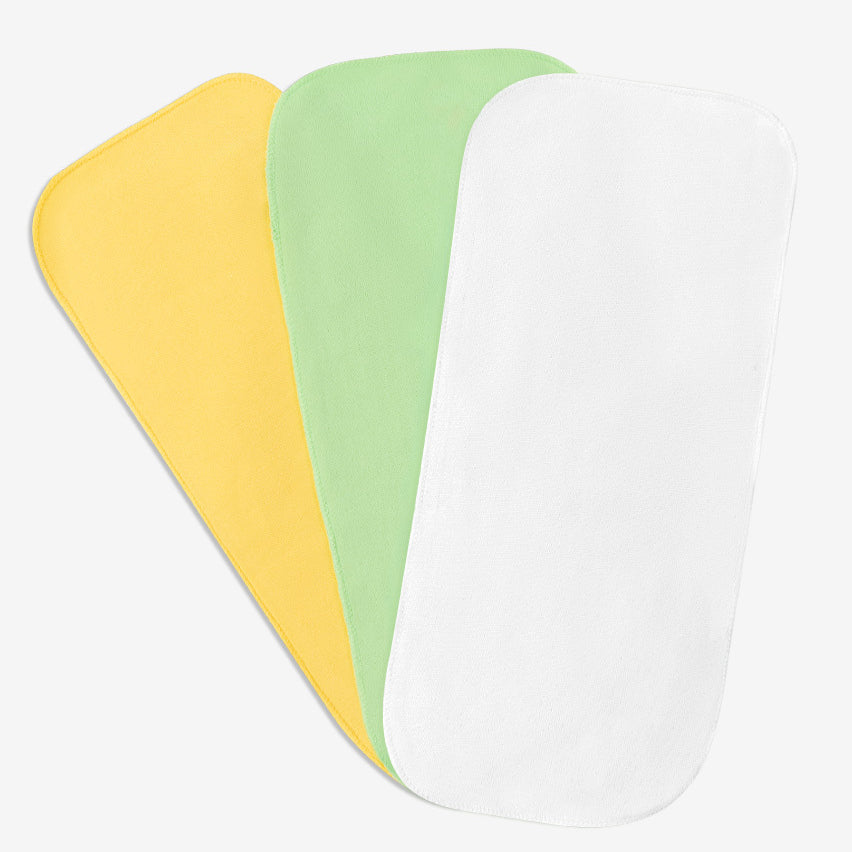
Parents looking for practical postpartum solutions can explore the range → of reusable cloth nappies and newborn essentials designed for comfort and convenience.
Expert Answer

What Should Families Look for When Choosing Postpartum Baby-Care Essentials?
Parents often focus entirely on the baby and forget that parenting products also affect caregiver stress levels.
When choosing baby-care products, families should consider:
| Criteria | Why It Matters |
|---|---|
| Skin safety | Reduces diaper rash worries |
| Absorbency | Prevents nighttime leaks |
| Ease of washing | Saves time and effort |
| Breathable materials | Improves baby comfort |
| Cost-effectiveness | Reduces long-term spending |
| Eco-friendliness | Helps environmentally conscious families |
What to Look For
Which Parenting Products Help Reduce Daily Stress?
The best parenting products are usually the ones that simplify routines consistently.
For many families, reusable cloth diapers become helpful because they:
- Reduce frequent purchases
- Feel softer on sensitive skin
- Lower the risk of overheating
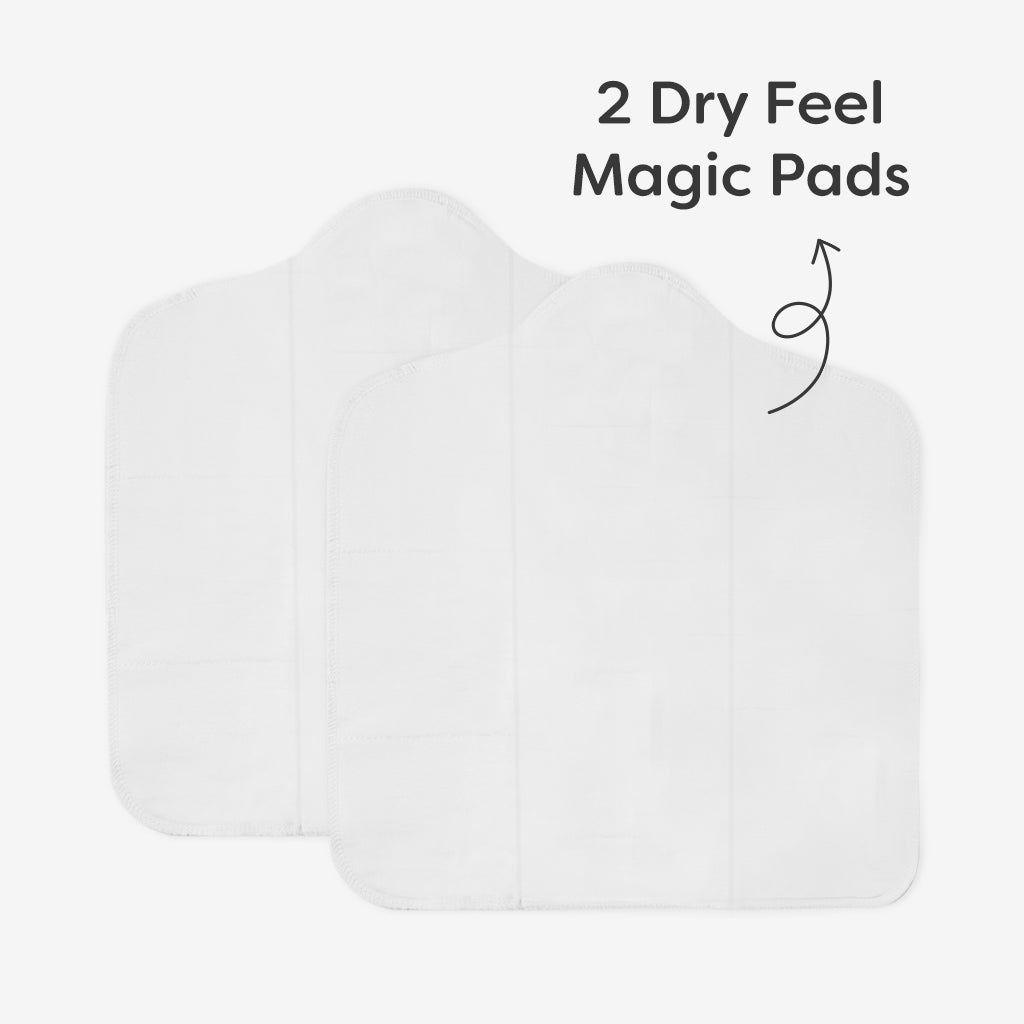
- Work well for day and nighttime use when paired correctly
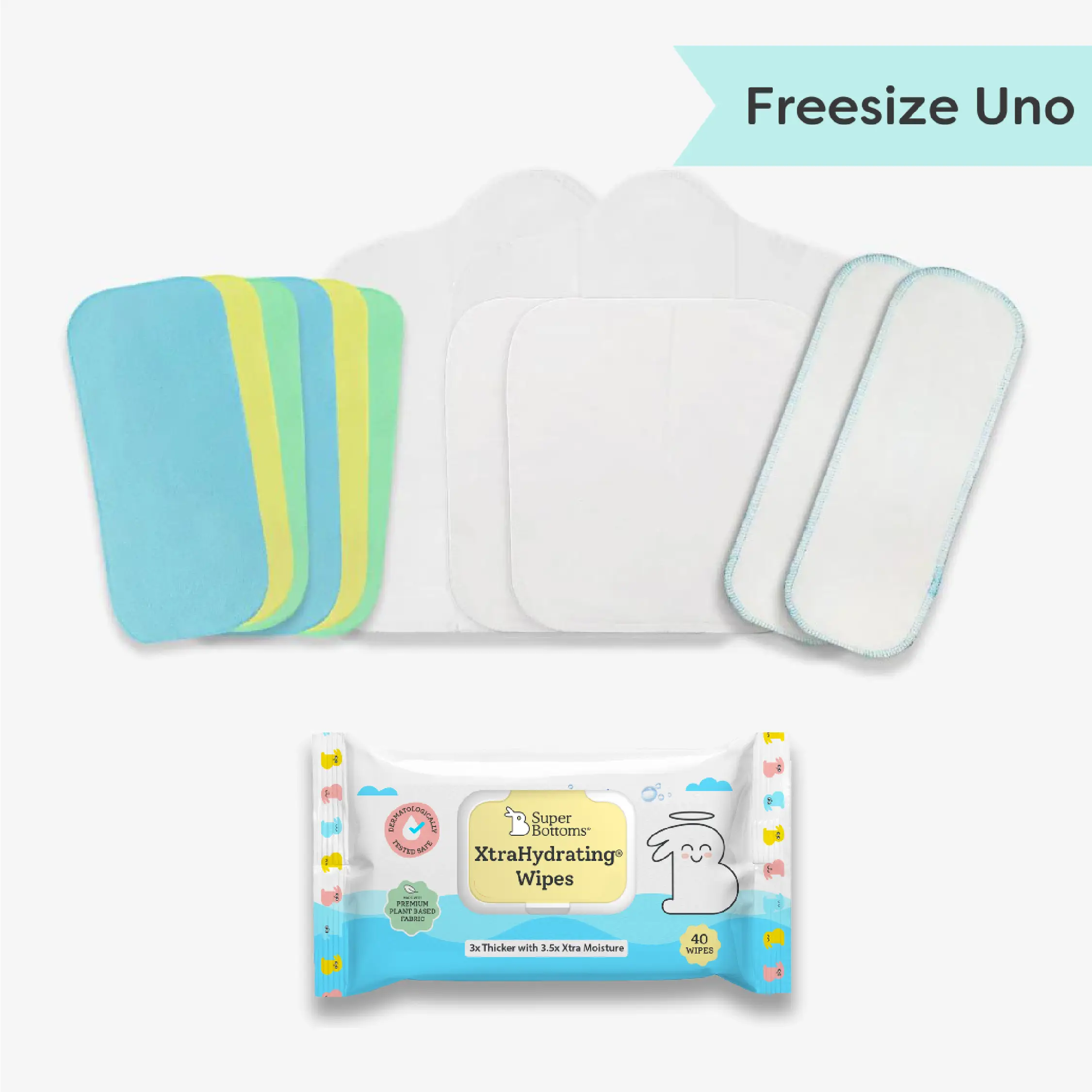
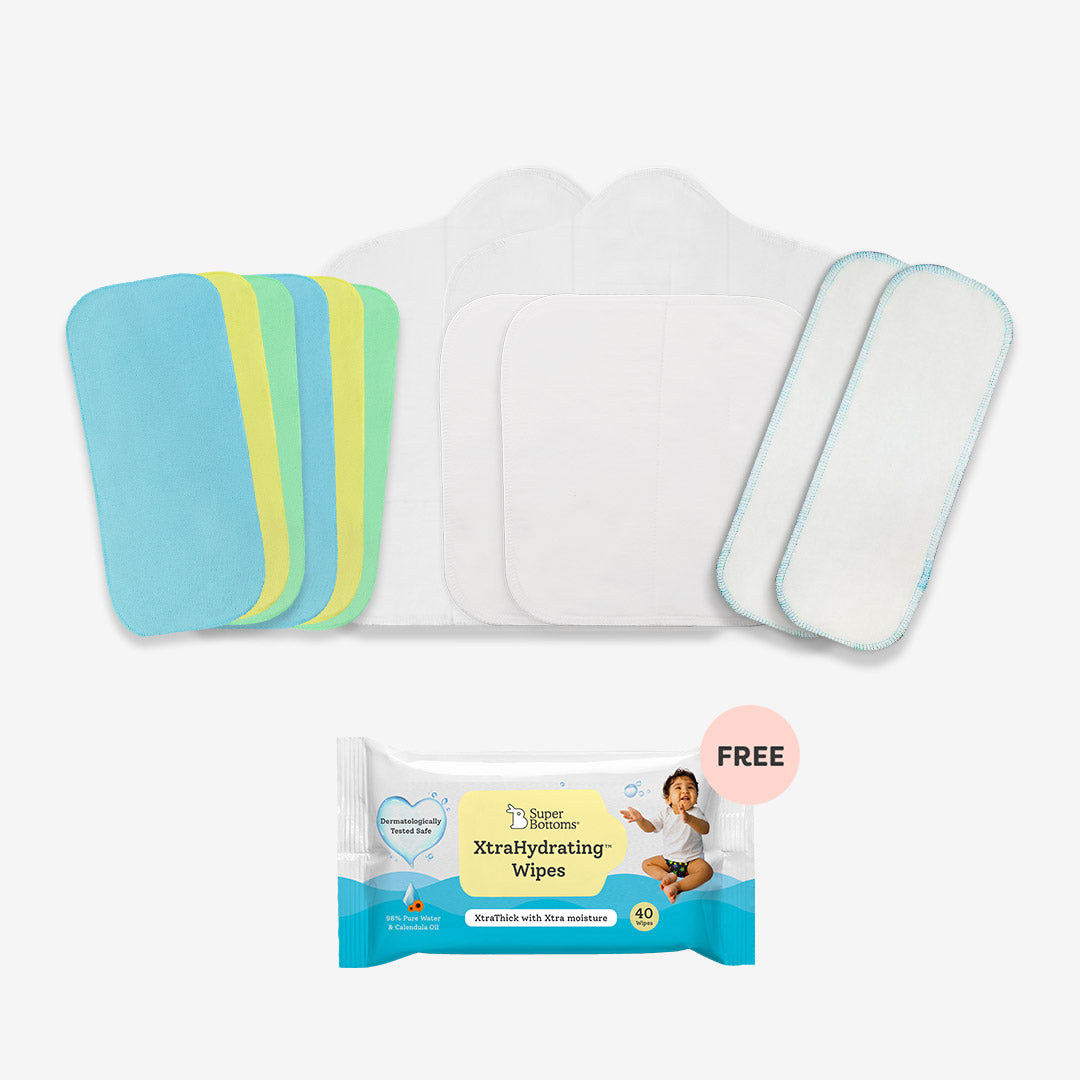
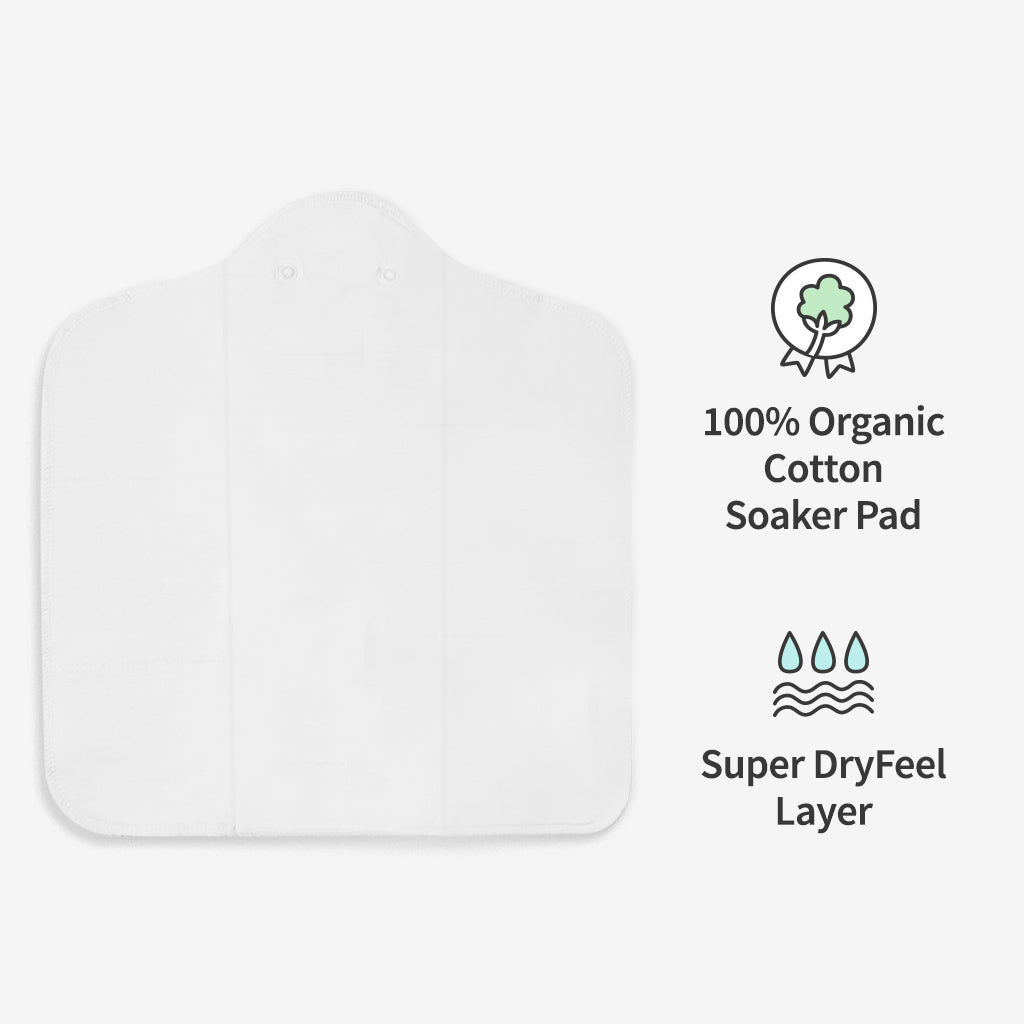
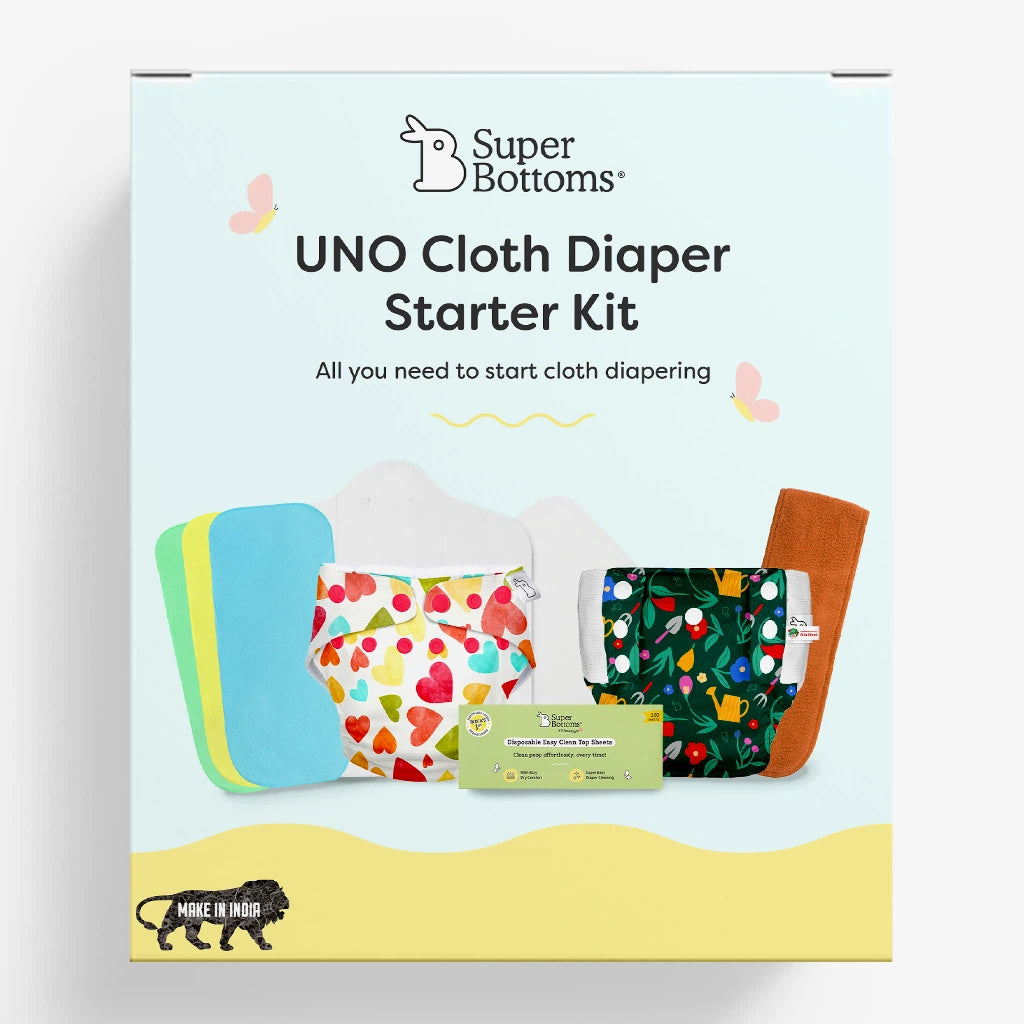
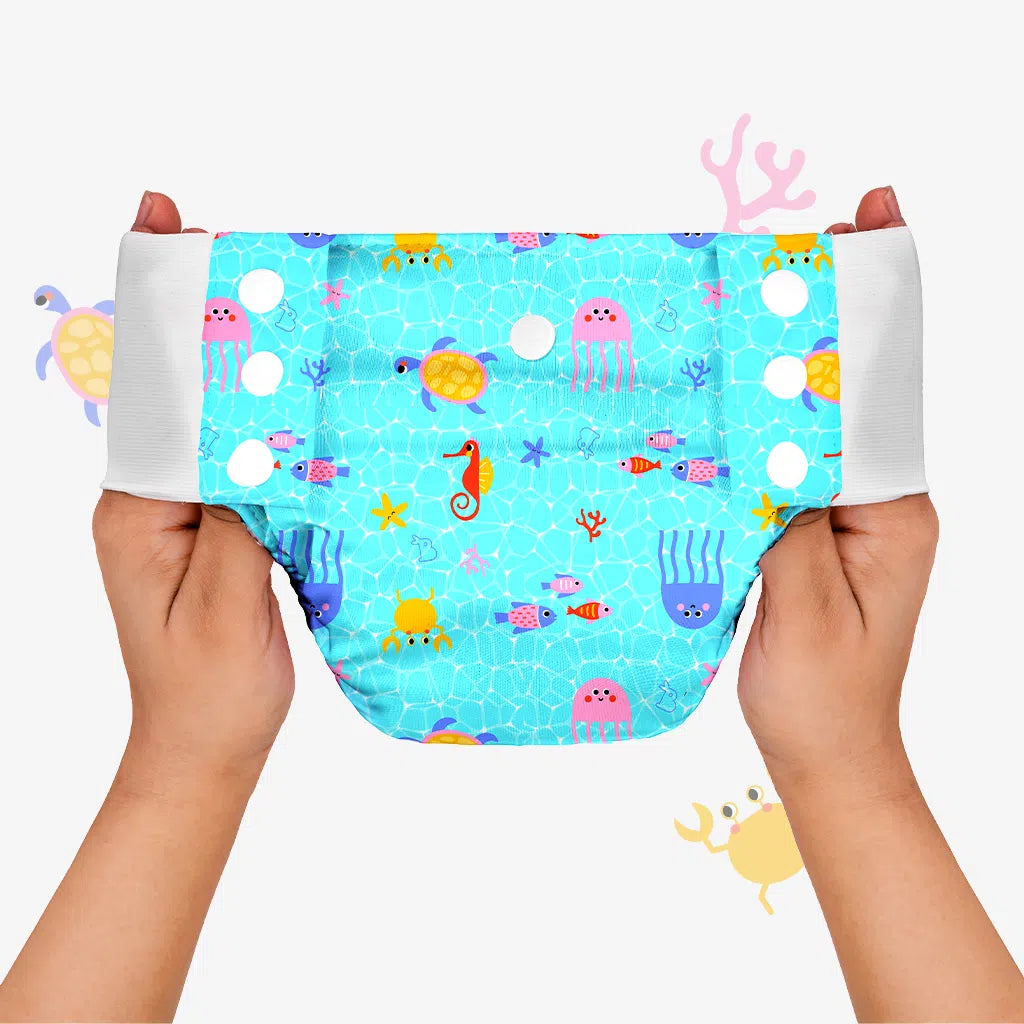
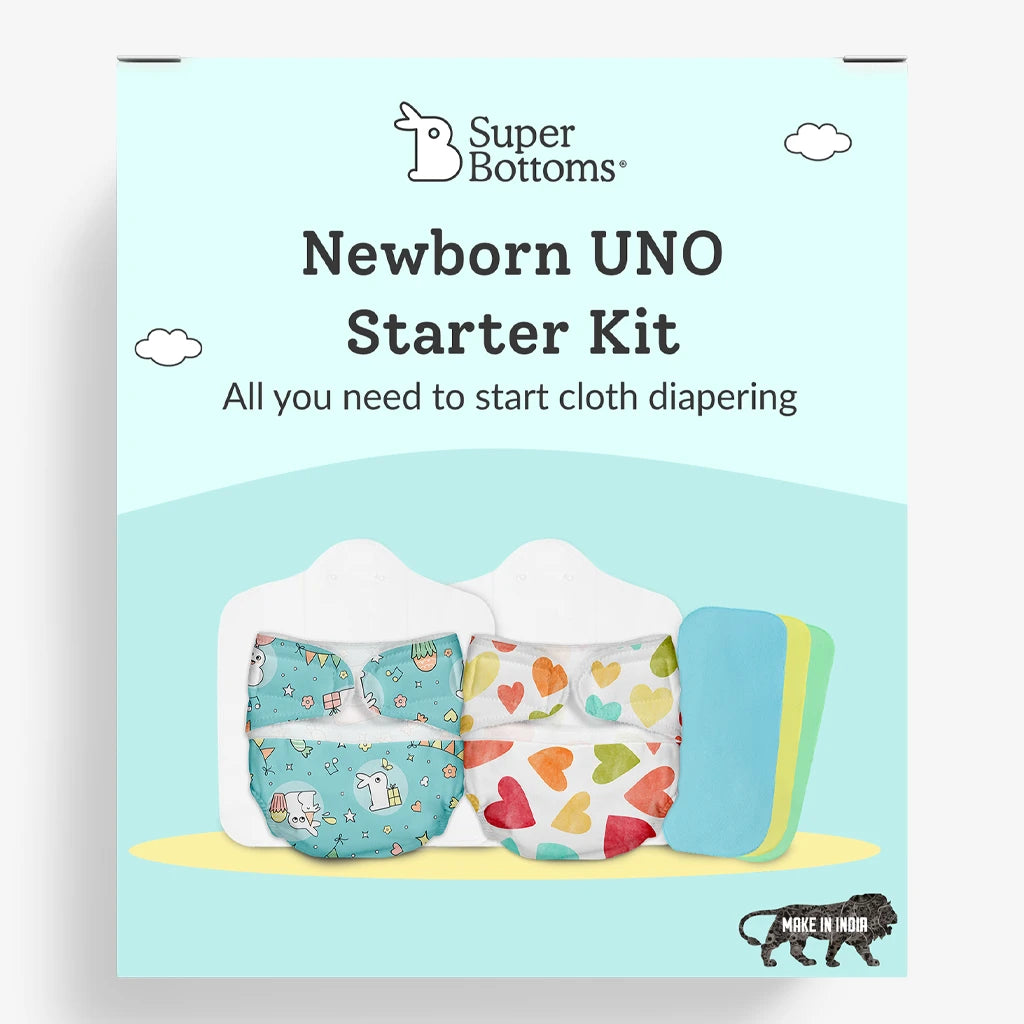
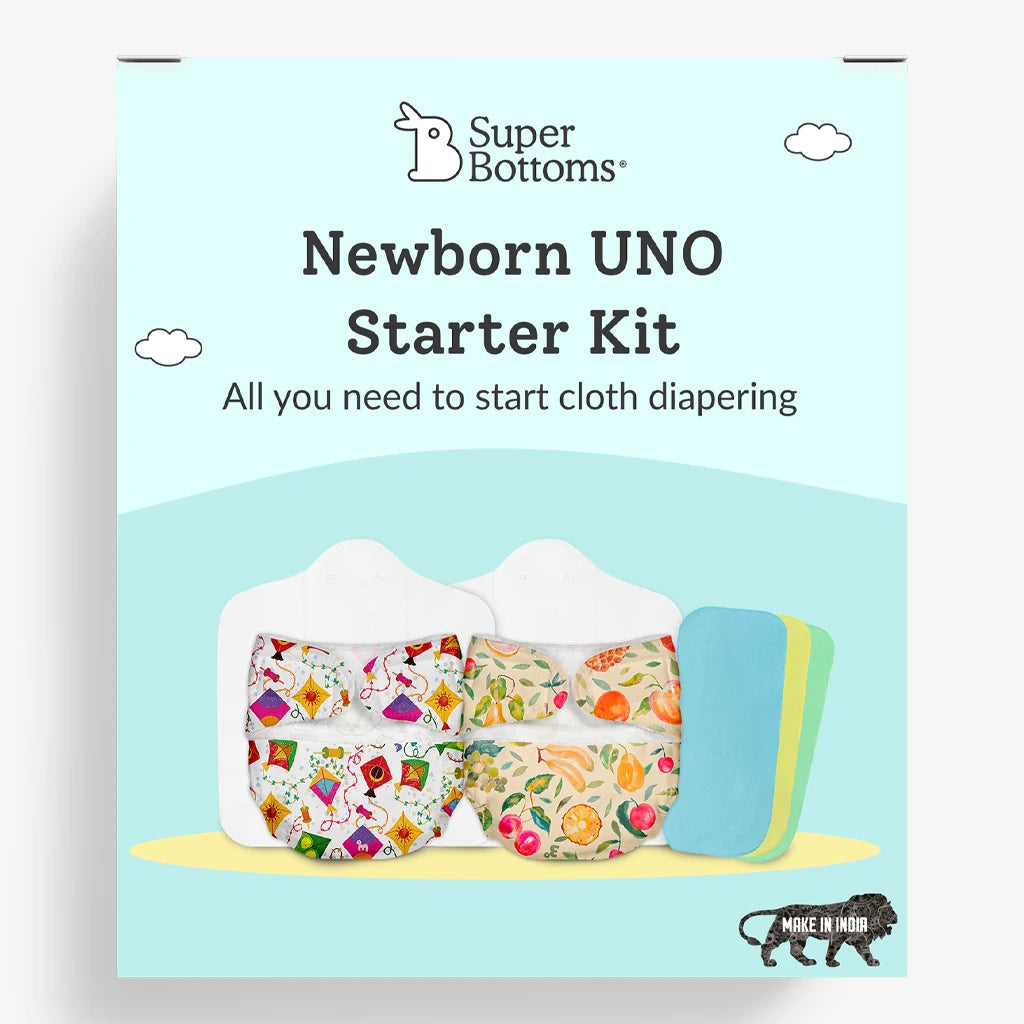
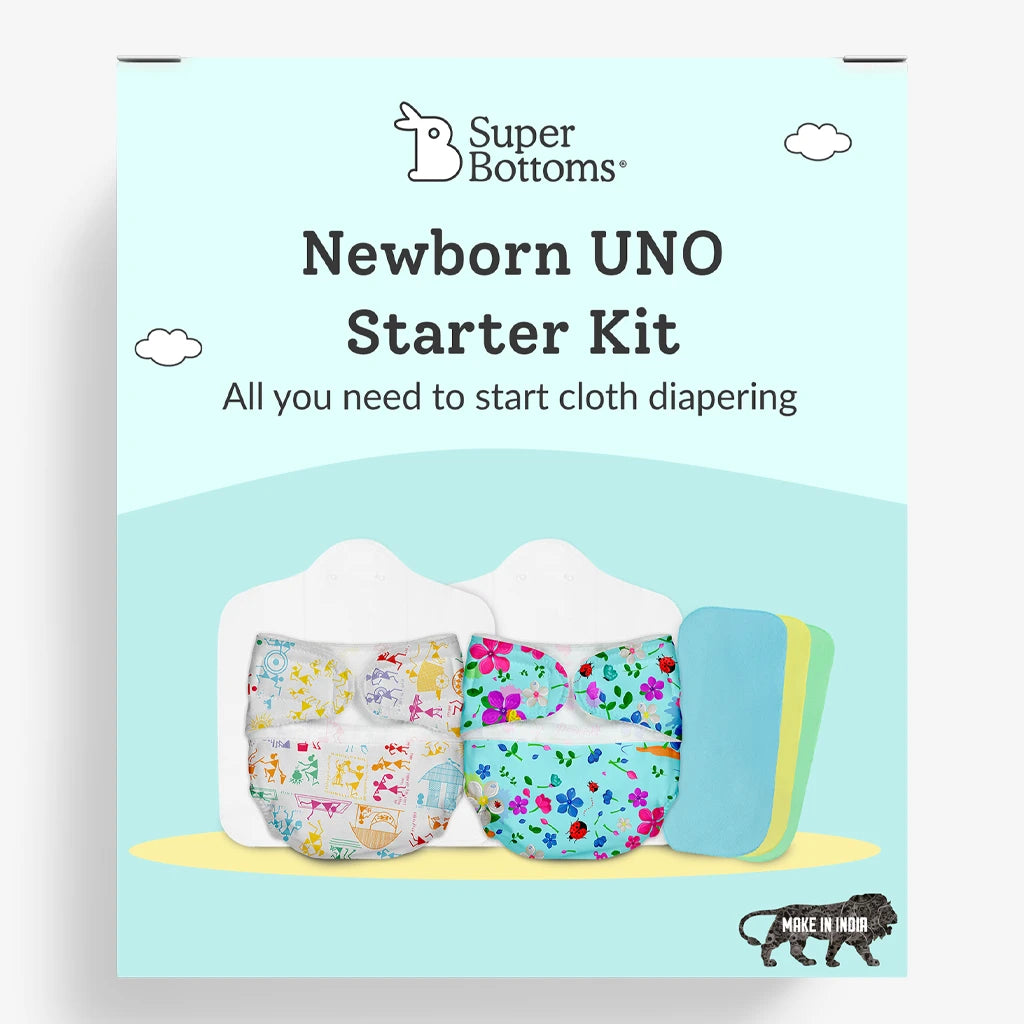
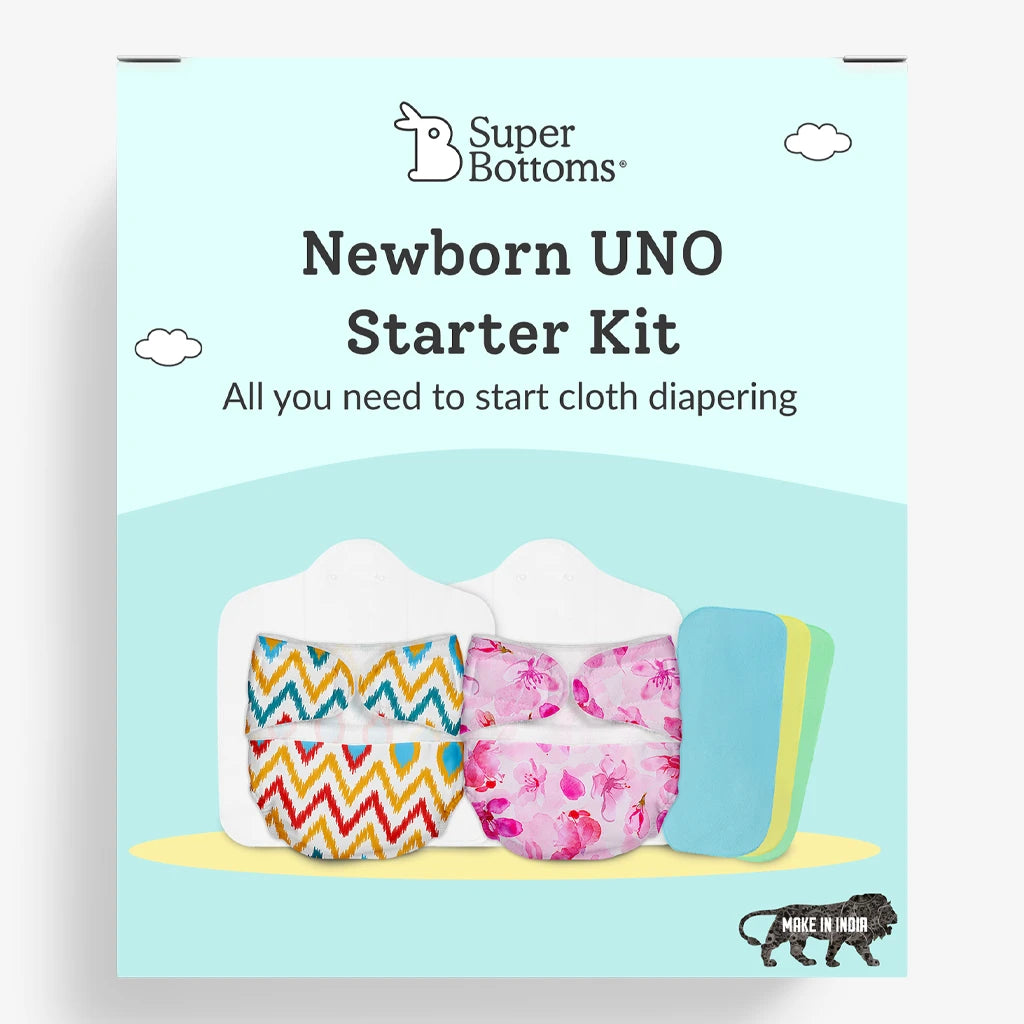
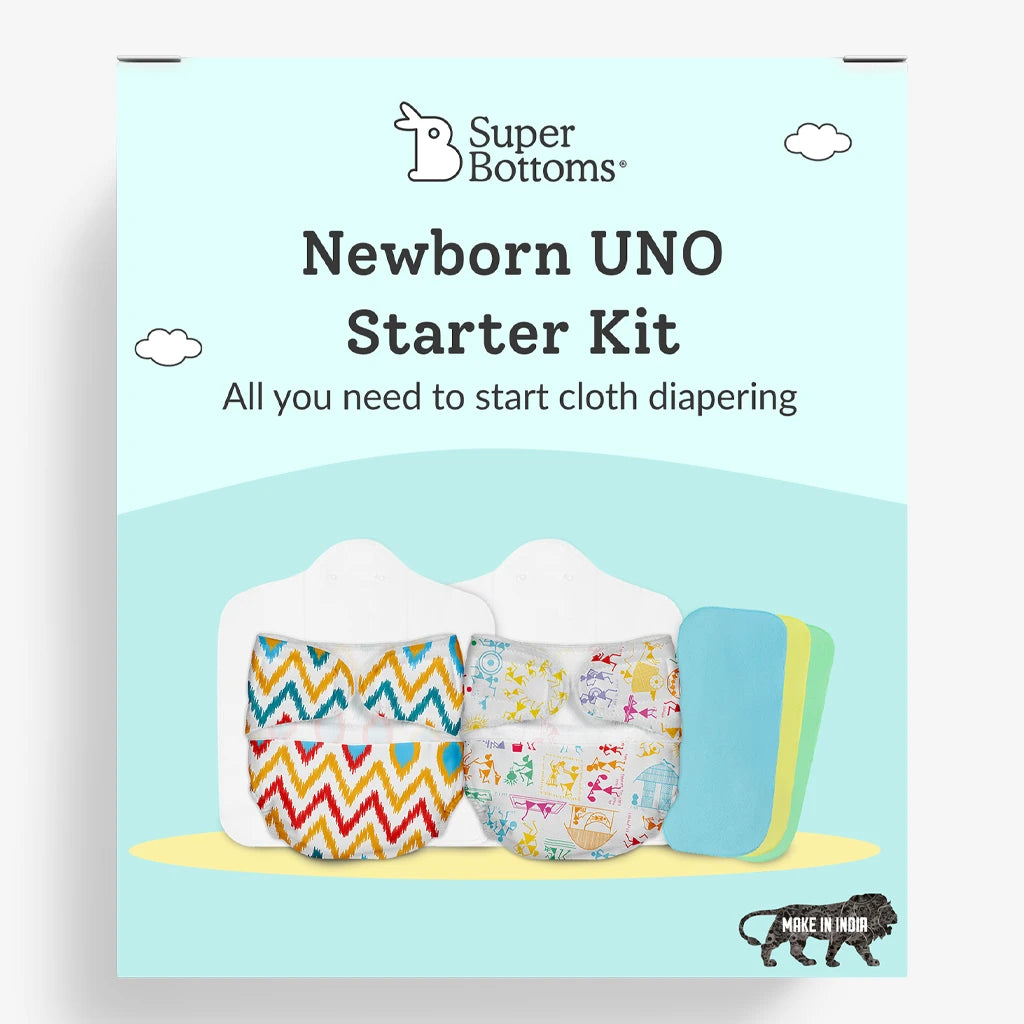
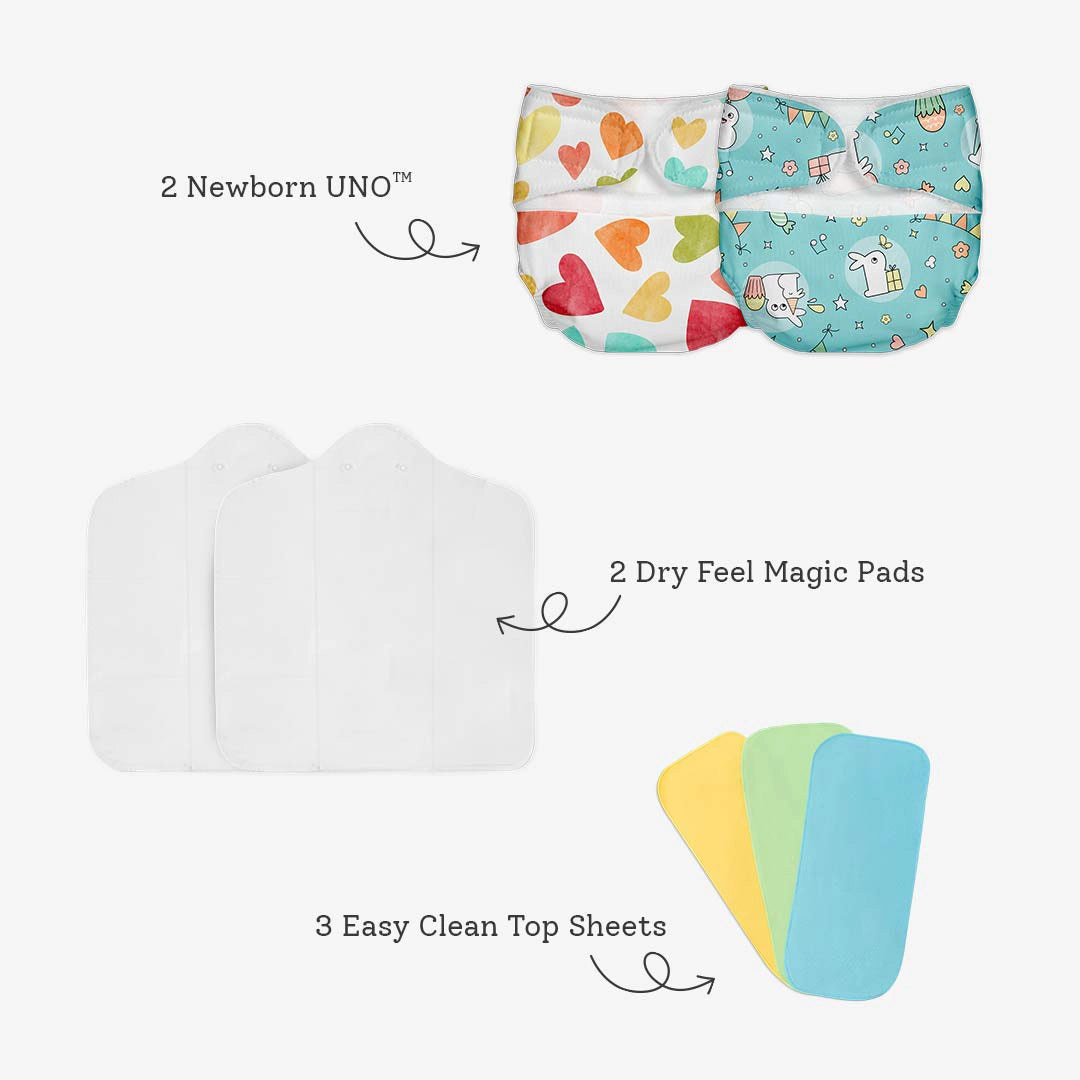
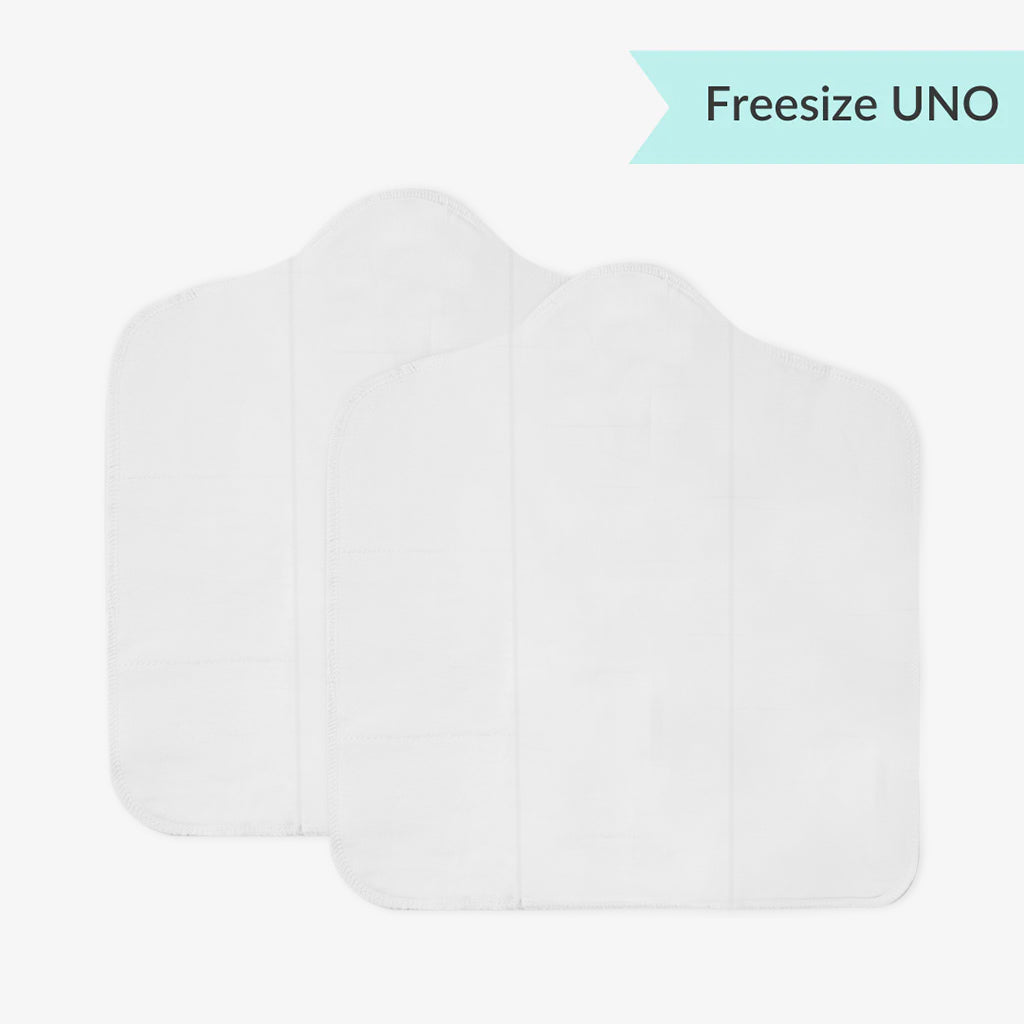
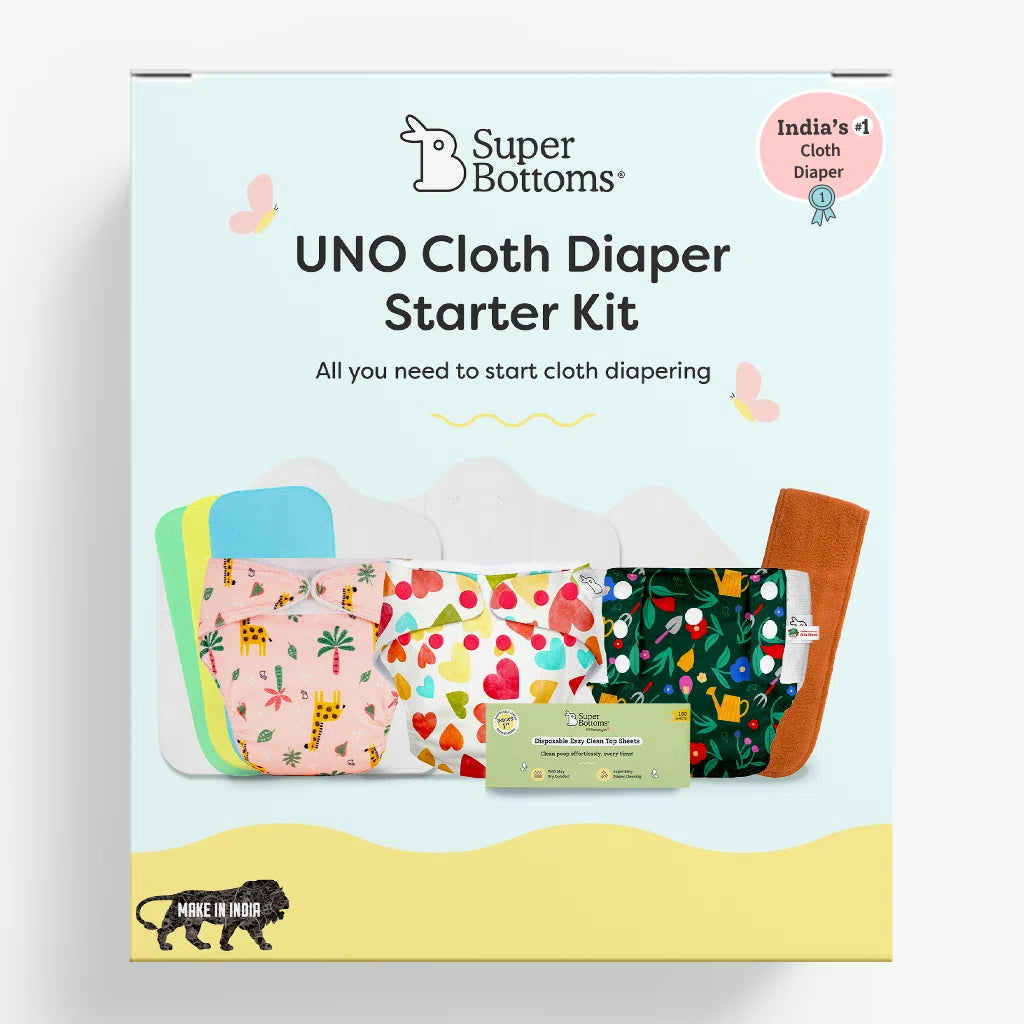
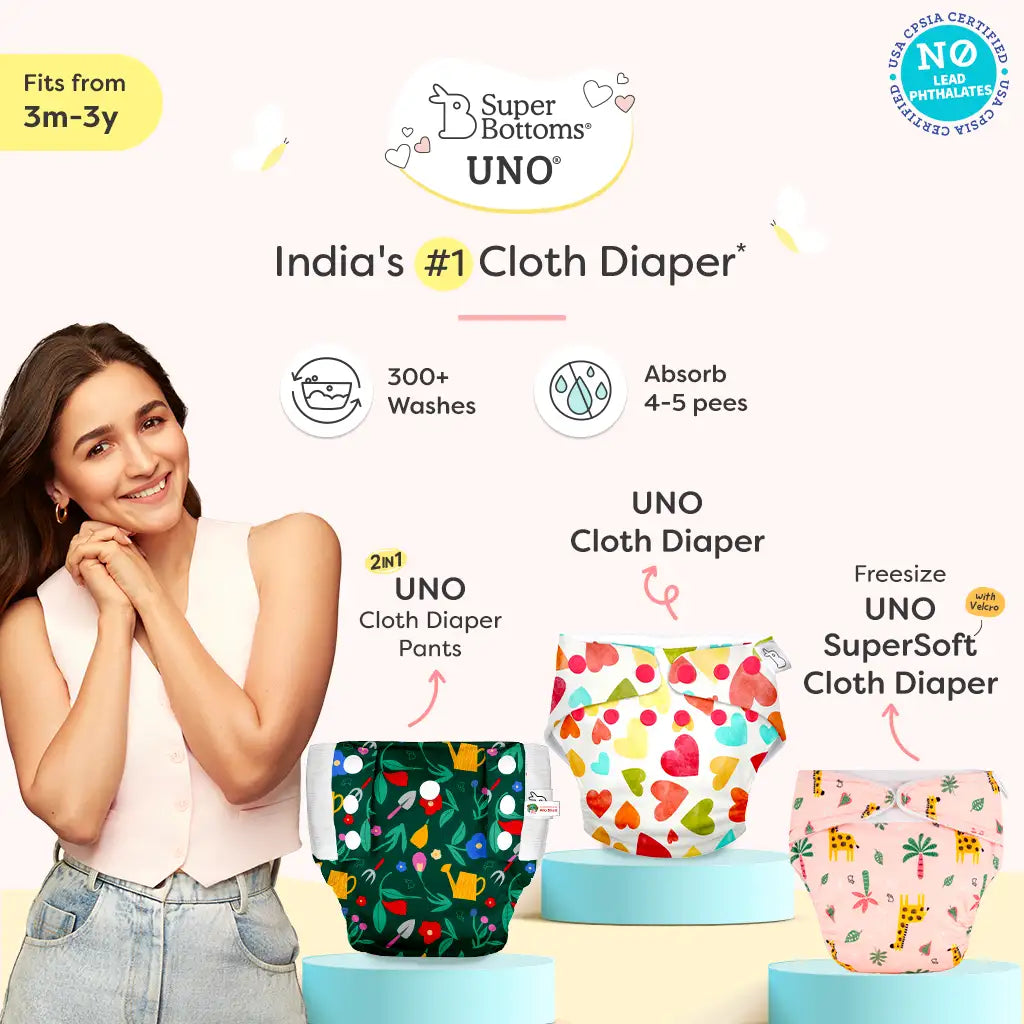
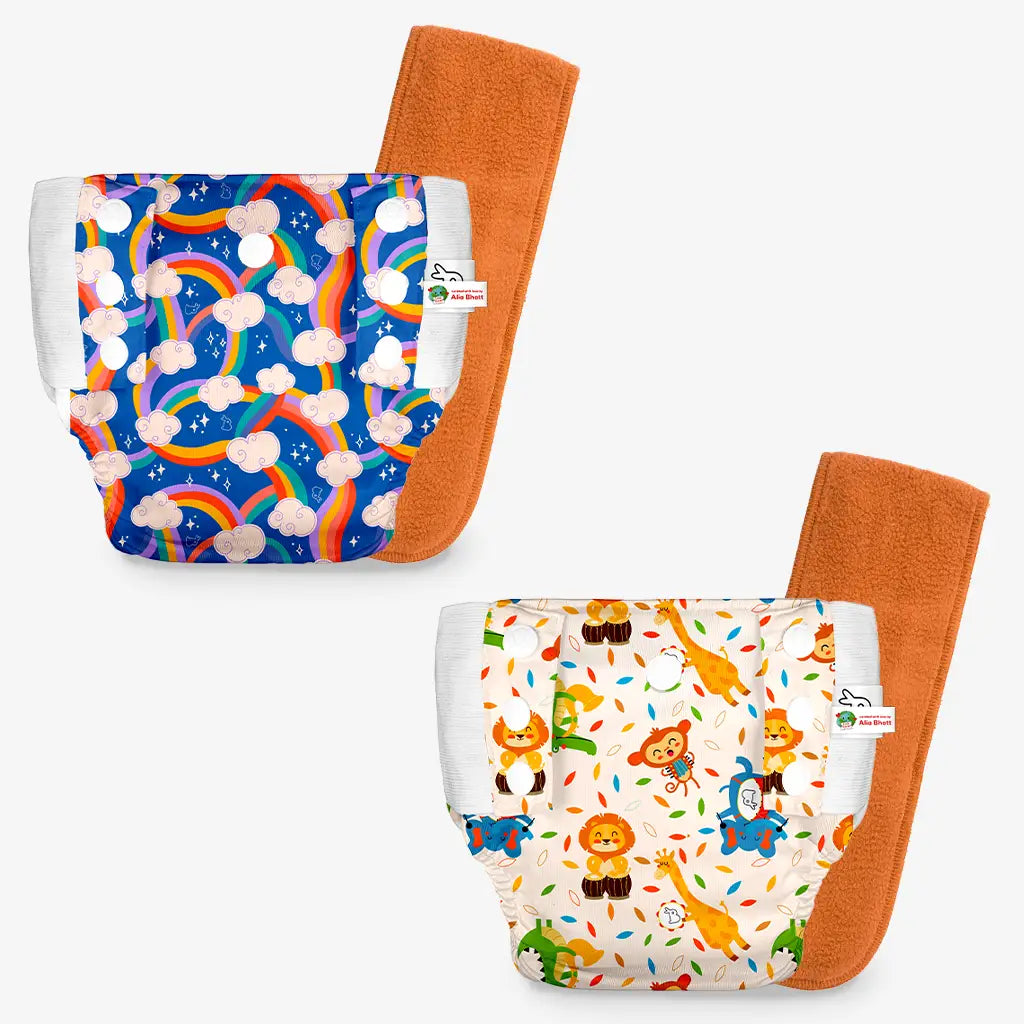
SuperBottoms Pick: UNO Cloth Diaper
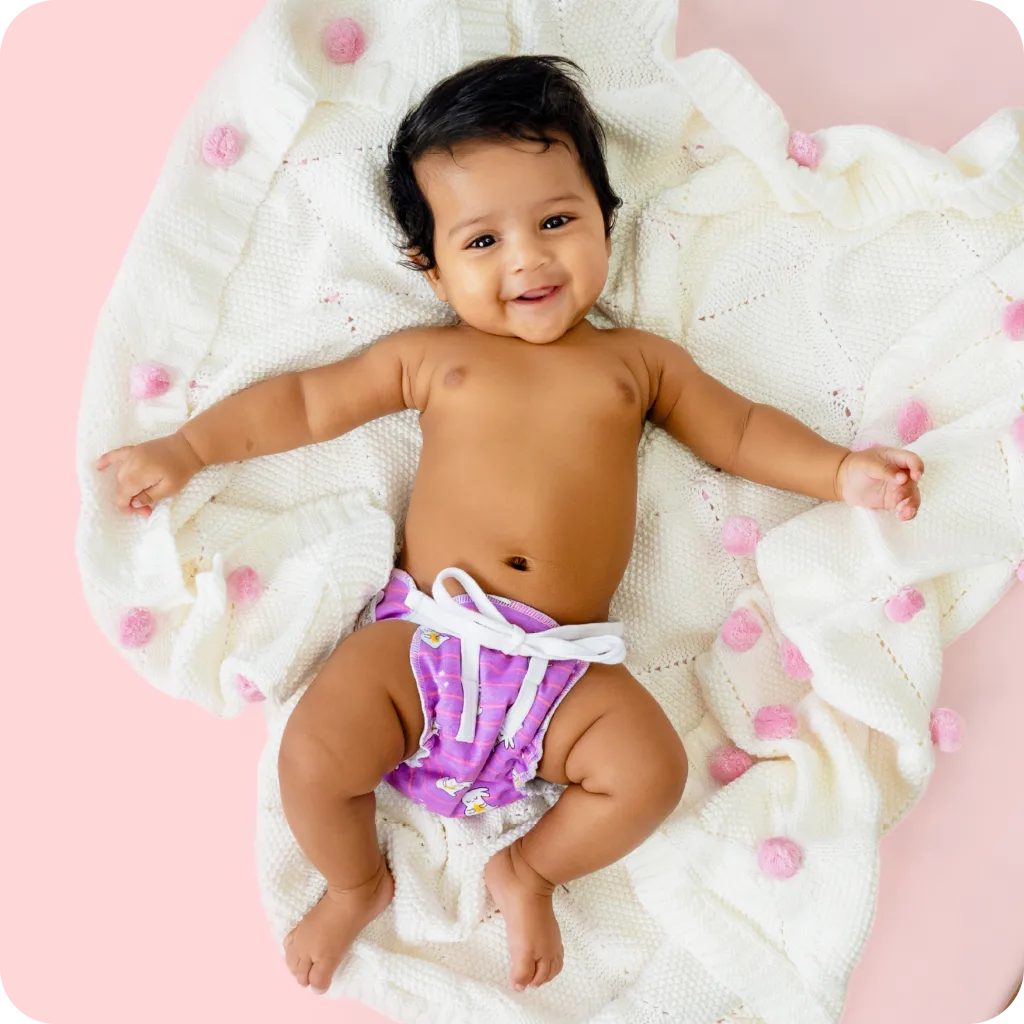
Parents transitioning from disposable diapers often appreciate having fewer midnight leaks and less diaper rash anxiety once they establish a comfortable diapering routine.
Is It Worth Switching to Reusable Cloth Diapers After Childbirth?
For many families, yes, especially when balancing comfort, budget, and sustainability.
Here is a fair comparison:
| Feature | Disposable Diapers | Reusable Cloth Diapers | SuperBottoms UNO |
|---|---|---|---|
| Initial Cost | Lower upfront | Higher upfront | Moderate starter investment |
| Long-Term Value | Ongoing expense | Reusable for months/years | Reusable and adjustable |
| Skin Breathability | Moderate | Usually better | Soft breathable fabric |
| Waste Generated | High | Lower | Lower |
| Night Absorbency | Depends on the brand | Depends on inserts | Designed for extended use |
| Washing Required | No | Yes | Yes |
| Suitable for Sensitive Skin | Varies | Often preferred | Gentle inner fabric |
This does not mean reusable options work for every family immediately. Some parents use a combination of disposable and cloth diapers depending on travel, nighttime use, or caregiver preferences.
What Parents Should Know
When Should Someone Seek Professional Help?
Parents should speak to a healthcare professional if symptoms:
- Last more than two weeks
- Interfere with bonding or daily life
- Include panic attacks or severe anxiety
- Lead to hopelessness
- Include thoughts of self-harm or harming the baby
Seeking therapy, counselling, or medical support early often leads to faster recovery and healthier family relationships.
In India, awareness around maternal mental health is improving, but many women still hesitate to ask for help due to stigma. Open conversations within families can encourage earlier support.
Mental health during pregnancy and postpartum deserves the same attention as physical recovery. Emotional wellness affects bonding, confidence, sleep, and the overall parenting experience. Supportive relationships, realistic expectations, rest, and practical parenting systems can reduce stress significantly.
For parents trying to simplify daily baby care while supporting comfort and skin safety, reusable diapering solutions can help create smoother routines during the postpartum phase.
Find the right fit → Shop SuperBottoms UNO.
|
Limited Time Offers + Special Gift Sets! Now or never Super SALE is live on the SuperBottoms website! Take advantage of unbeatable value deals on our UNO Cloth Diapers, Baby Essentials, and more. Looking for the perfect present for a newborn or a toddler? Explore our thoughtfully curated Gift Sets & Combos - safe, skin-friendly, and oh-so-cute! A bundle of love for little ones and a delight for parents. HURRY - Deals and Gift Packs are live only till stocks last. Don’t miss the chance to stock up and share the joy! |
Key Takeaways
- Postpartum emotional struggles are common and treatable.
- Rest, support, and simplified baby-care routines improve mental wellness.
- Skin-safe, reusable diapering systems may reduce parenting stress and long-term costs.
FAQs
1. Is it normal to feel emotional after childbirth?
Yes. Hormonal changes, lack of sleep, and recovery can cause emotional ups and downs after delivery. However, symptoms lasting more than two weeks should be discussed with a doctor.
2. What is the difference between baby blues and postpartum depression?
Baby blues are mild emotional changes that usually improve within days. Postpartum depression is more intense, lasts longer, and may affect daily functioning.
3. Can fathers also experience postpartum mental health issues?
Yes. Fathers and partners can also experience stress, anxiety, or depression after the arrival of a baby.
4. How can families support a new mother emotionally?
Providing rest, listening without judgment, helping with household work, and encouraging professional support can help significantly.
5. Which type works best for sensitive baby skin?
Many parents prefer soft reusable cloth diapers because breathable fabrics may reduce irritation compared to some disposable options.
6. Are reusable cloth diapers difficult to maintain?
Modern reusable diapers are much easier to use than traditional cloth nappies. Most come with absorbent inserts and washing instructions for daily use.
7. Is SuperBottoms worth the price?
For families planning long-term diapering, many parents find reusable options cost-effective because they can be washed and reused multiple times.
8. Where can I buy reusable cloth diapers in India?
Parents can purchase reusable cloth diapers online through brand websites and baby-care marketplaces. You can explore reusable diaper options at superbottoms.com.
Message from SuperBottoms
Hi there, new parents! SuperBottoms brings you doctor-recommended cloth diapers, a trusted rash-free diapering solution specially designed for your baby's sensitive, delicate skin.
From Newborn UNO and Regular UNO to UNO Luxe, SuperBottoms offers reusable diapering solutions for every stage of your child's growth.
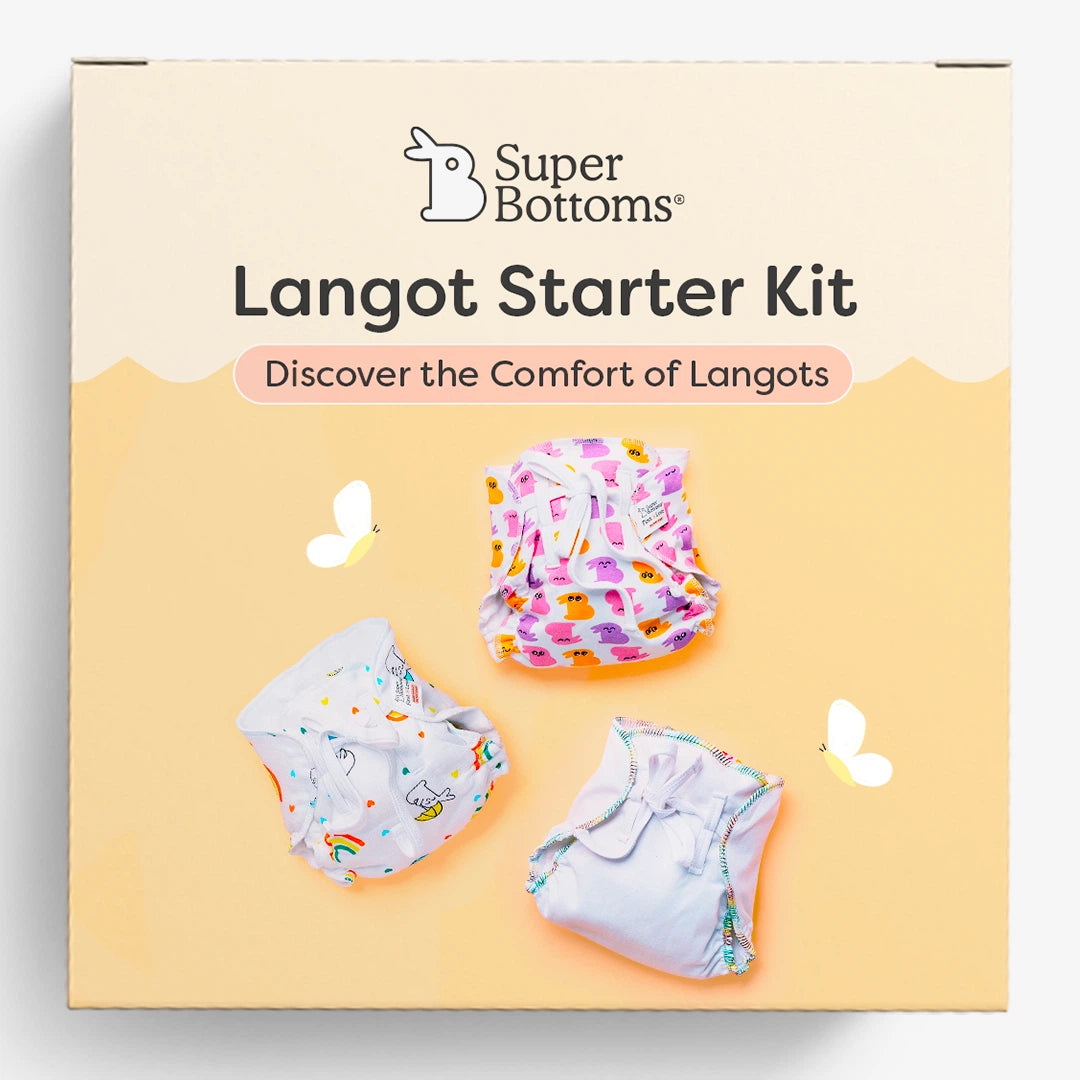
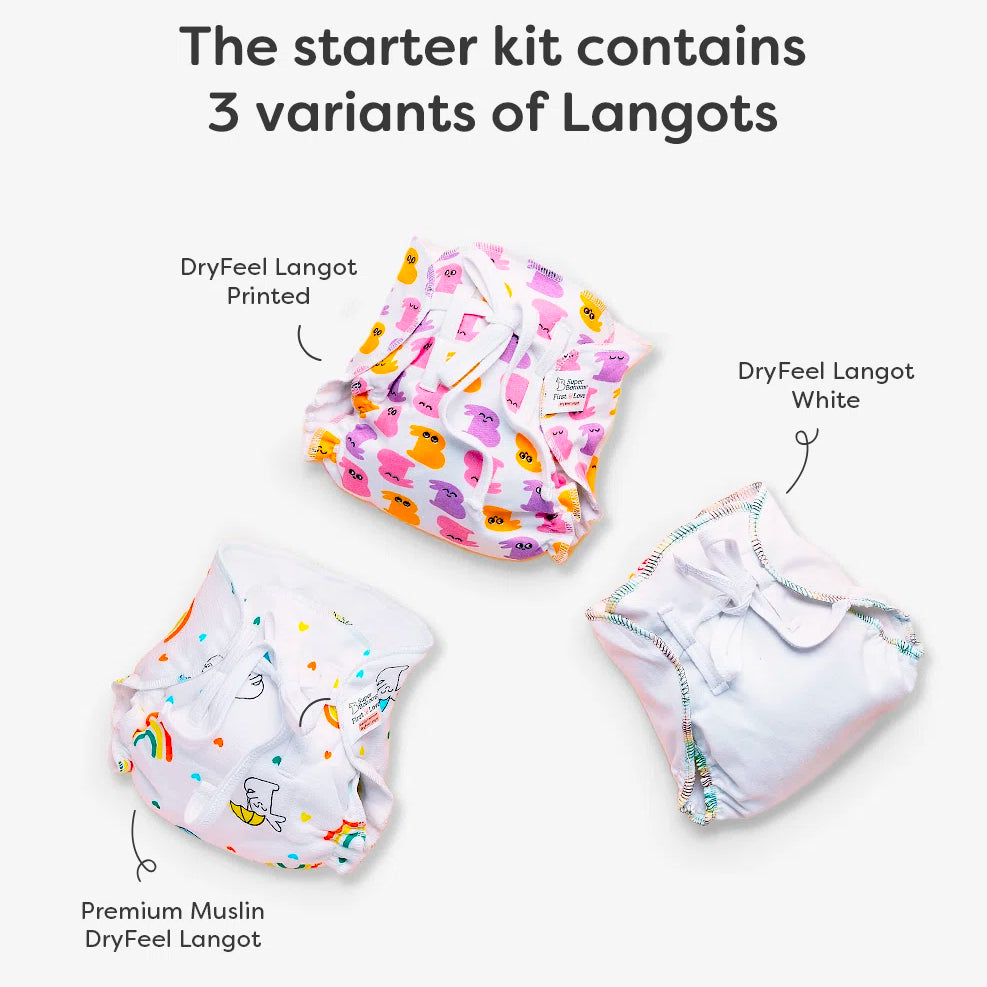
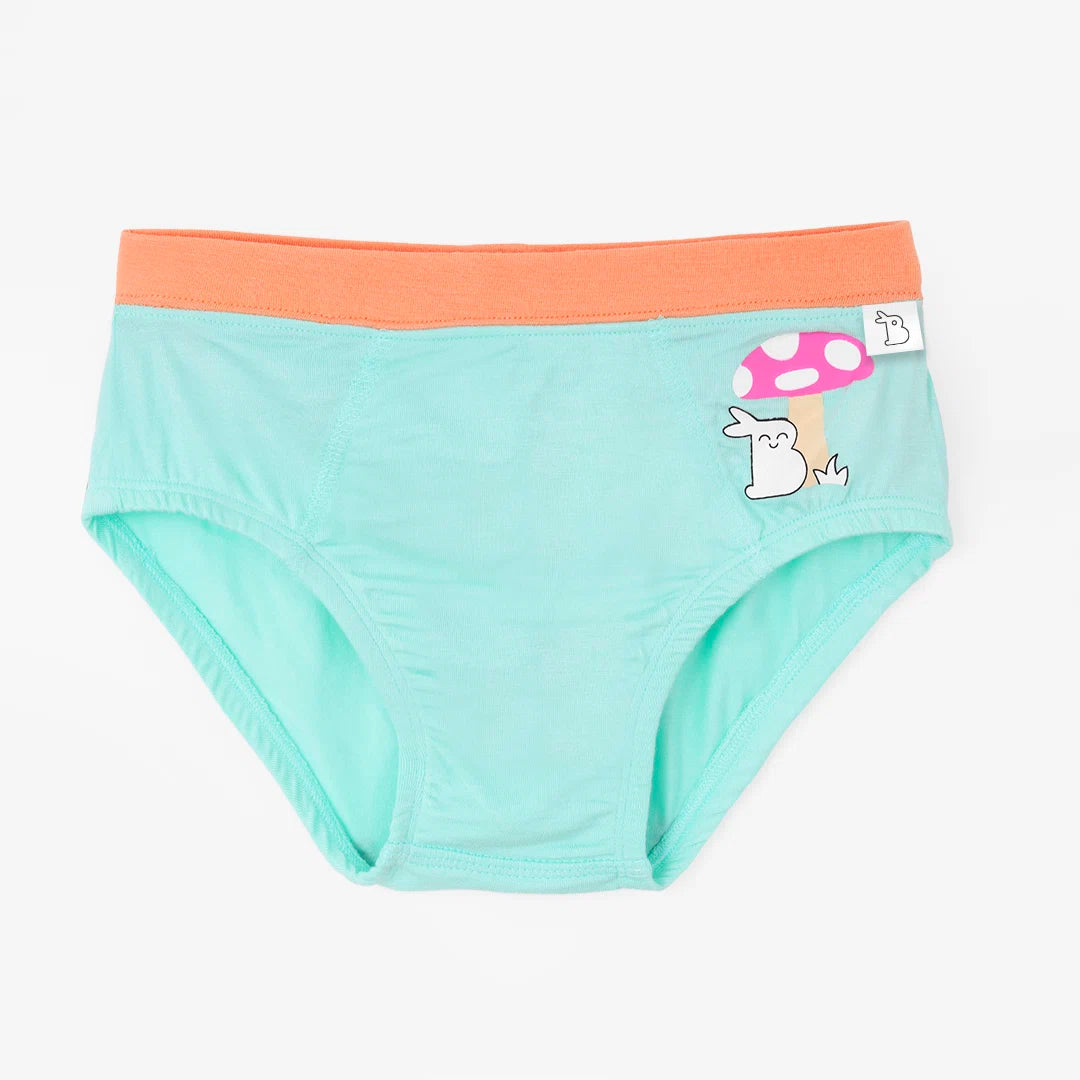
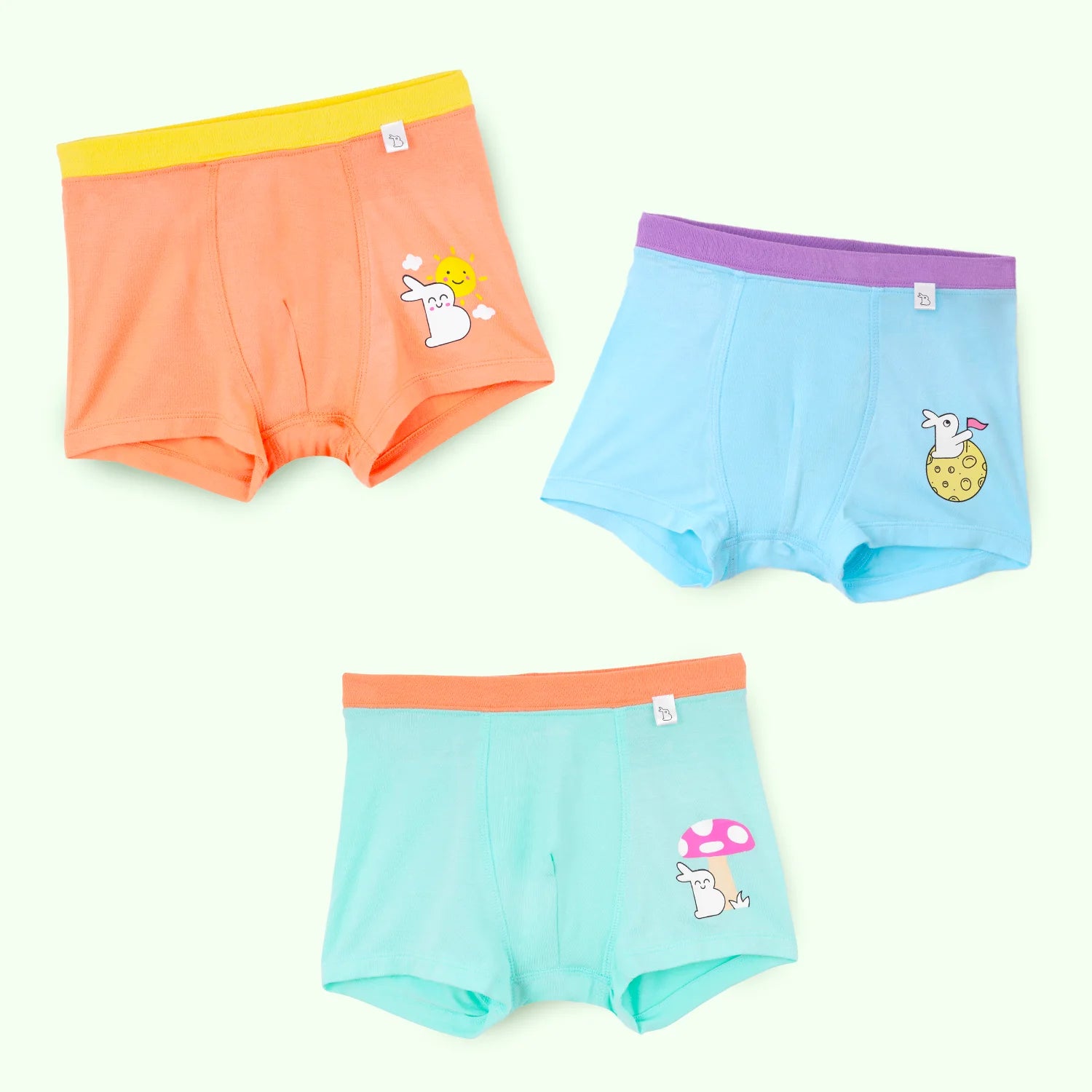
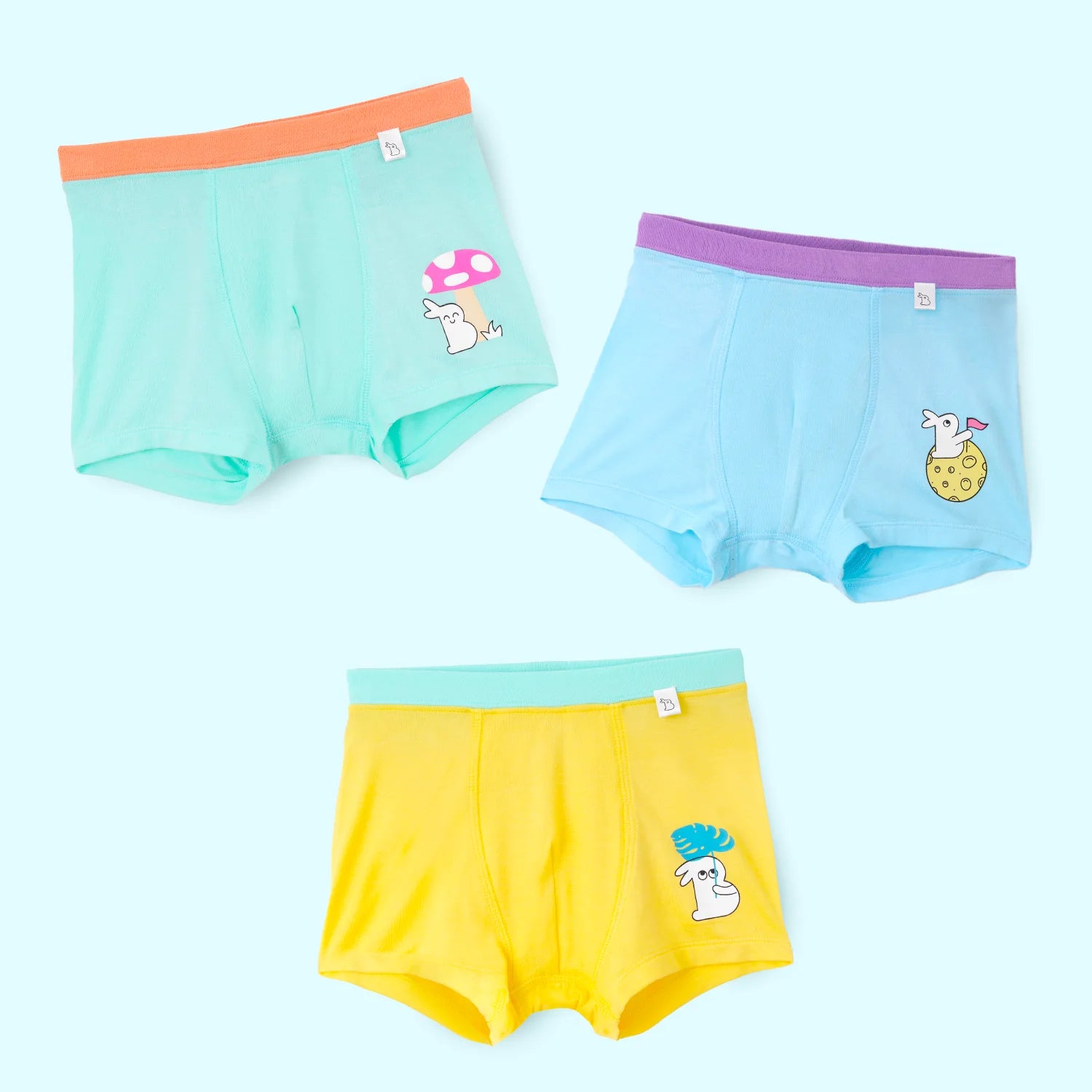
Our range also includes Diaper Pants, DryFeel langots for diaper-free time, Padded Underwear for potty training, as well as SuperSoft Underwear, Cycling Shorts and Joggers for growing kids.
Our collection also includes Period Underwear and bladder-leak solutions for women, along with everyday baby-care essentials.
SuperBottoms products also make thoughtful gifts for babies and new parents - practical, reusable and designed around the real needs of parents.
SuperBottoms products are now available on Amazon, Flipkart, FirstCry, Myntra, Nykaa, Blinkit, and Zepto.