






About Sarita Malpani (Author)

This article is contributed by our Pre-Natal Expert - Sarita Malpani - A CAPPA-certified Labor & Birth Doula and Montessorian with 15 years of experience in Montessori education. She integrates Montessori principles from conception onward, supporting both the child and the family. Her professional training as a doula has further enhanced her ability to empower women, providing them with confidence and guidance throughout their birth journey while also coaching them in nurturing their babies' development.
As a creative therapist, she designs personalised, non-medical and mindful therapeutic approaches to address women's anxiety, stress, and depression right from conception to the postpartum period.
Toddlers need consistent sleep routines to support healthy growth, emotional regulation, and brain development. However, bedtime resistance, night waking, and overstimulation can make sleep challenging for families. A healthy sleep routine for toddlers usually includes predictable timing, calming bedtime habits, a comfortable sleep environment, and age-appropriate sleepwear or diapers that prevent discomfort during the night. Small changes in routine can often improve sleep quality for both toddlers and parents.
- Why is a healthy sleep routine important for toddlers?
- How much sleep do toddlers need by age?
- What causes bedtime struggles in toddlers?
- How can parents create a calming bedtime routine?
- Which bedtime habits improve toddler sleep quality?
- What should I look for when choosing nighttime diapering products?
- Is it worth switching to reusable nighttime diapering options?
- Toddler sleep routine comparison table
- Key takeaways
- FAQs
- Message from SuperBottoms
- References
Why is a healthy sleep routine important for toddlers?
A healthy sleep routine helps toddlers feel secure, rested, and emotionally balanced. Sleep plays a major role in physical growth, learning, immunity, and behaviour regulation. When toddlers miss adequate sleep, they may become cranky, hyperactive, or struggle with concentration during the day.
Children between 1 and 3 years typically thrive when sleep schedules stay predictable, including consistent nap times and bedtime routines. Sleep consistency is often more important than occasional "perfect nights."
Expert Answer
A predictable bedtime routine helps toddlers transition from stimulation to relaxation. Research consistently shows that consistent sleep timing improves sleep duration and reduces bedtime resistance in young children. According to paediatric sleep expert Dr Jodi Mindell, "Simple and consistent bedtime routines can significantly improve toddler sleep outcomes and reduce parental stress."
How much sleep do toddlers need by age?
Most toddlers need:
| Age | Recommended Total Sleep |
|---|---|
| 1–2 years | 11–14 hours |
| 2–3 years | 10–13 hours |
| 3–5 years | 10–13 hours |
This includes naps and nighttime sleep combined.
Some toddlers naturally sleep slightly more or less, but persistent overtiredness can lead to frequent waking, tantrums, and bedtime struggles.
What Parents Should Know
Overtired toddlers often become more energetic instead of sleepy. Missing bedtime windows can increase cortisol levels, making it harder for children to fall asleep peacefully.
What causes bedtime struggles in toddlers?
Toddler sleep challenges are extremely common. The most frequent causes include:
- Inconsistent bedtime schedules
- Too much screen time before sleep
- Separation anxiety
- Hunger or discomfort
- Wet diapers are causing disturbed sleep
- Overstimulation before bedtime
- Sleep regressions during developmental milestones
In India, late family schedules and overstimulating evening environments can also affect toddler sleep patterns. Many parents notice improved sleep when bedtime becomes calmer and more structured.
A real parent insight shared by many families is that nighttime wake-ups often reduce once toddlers feel physically comfortable and dry through the night.

How can parents create a calming bedtime routine?
A calming bedtime routine should begin 30–45 minutes before sleep. The goal is to help toddlers transition gradually from active play to relaxation.
A simple toddler bedtime routine may include:
- Warm bath
- Gentle massage
- Changing into comfortable nightwear
- Brushing teeth
- Reading a short story
- Dim lighting
- Soft lullaby or cuddle time
Avoid loud play, sugary snacks, and screens close to bedtime.
What Parents Should Know
Toddlers respond well to repetition. Following the same bedtime steps every night creates emotional security and helps their body recognise sleep cues naturally.
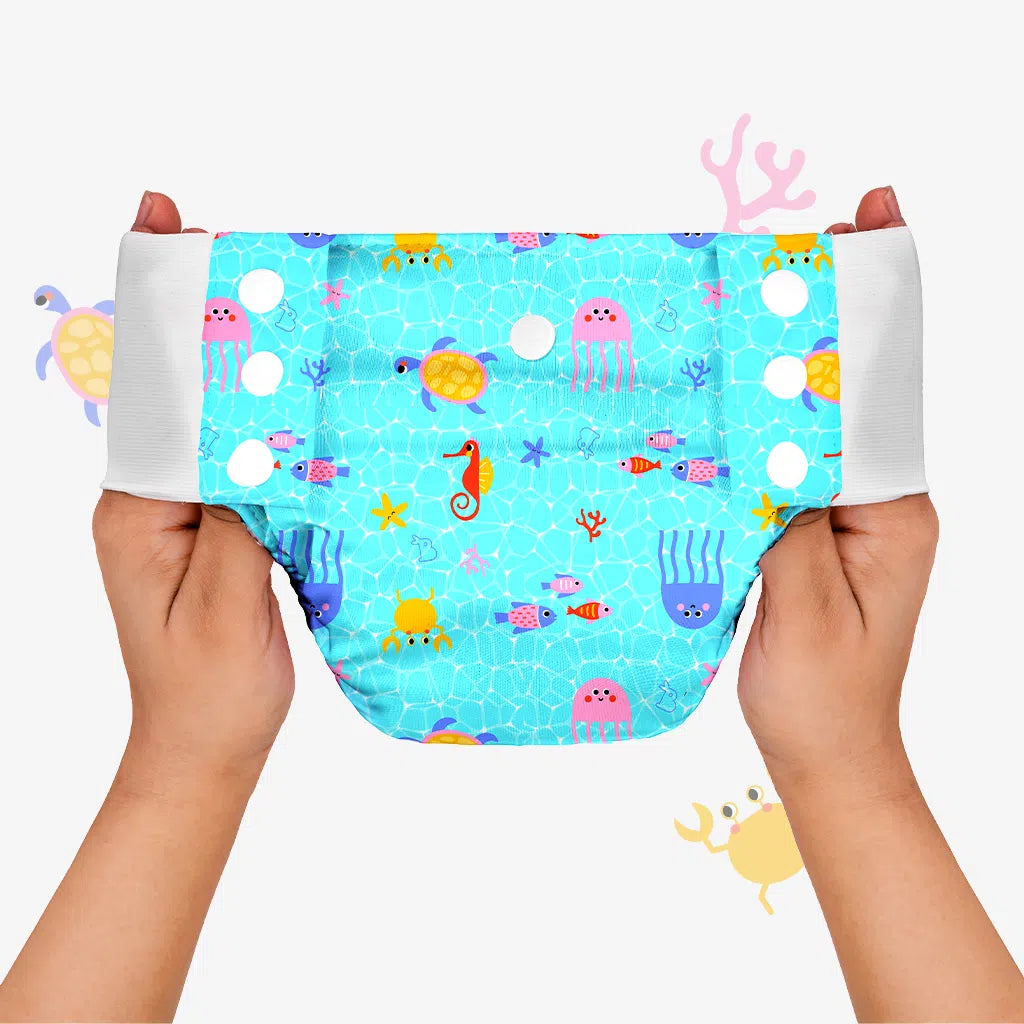
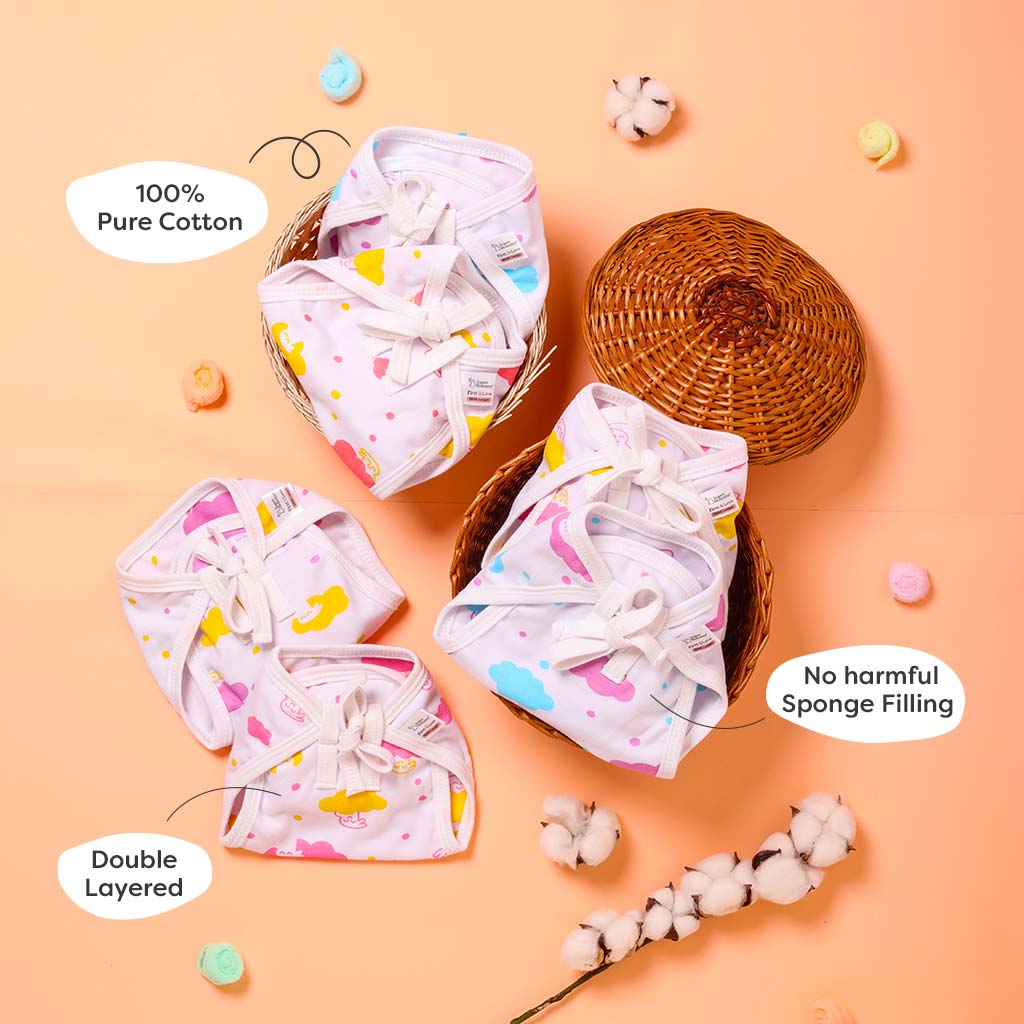
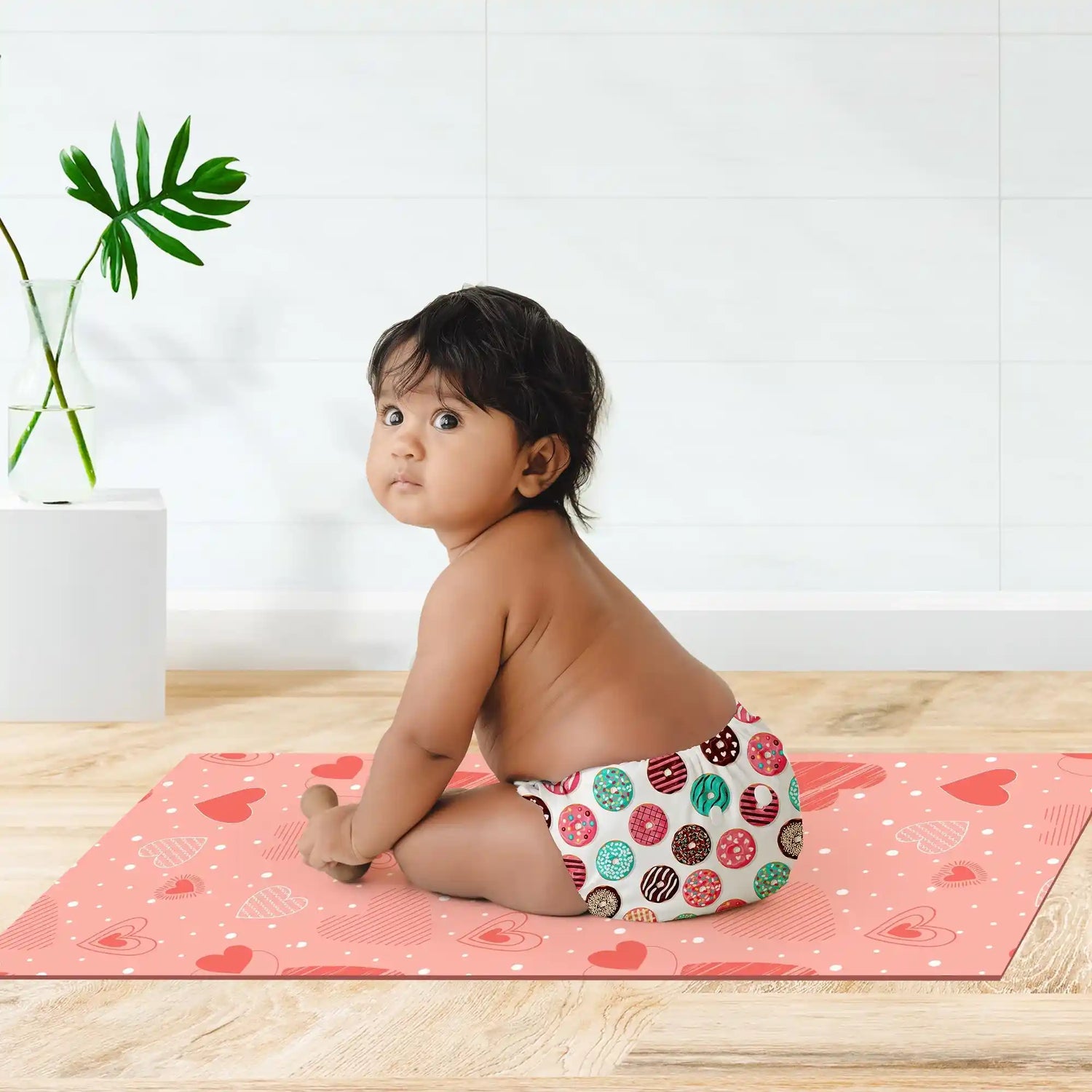
Parents looking to simplify nighttime changes often prefer soft, breathable, reusable cloth nappies or leak-proof inner layer designs that reduce discomfort during long sleep stretches.
You can explore the range of reusable nighttime diapering solutions designed for overnight comfort.
Which bedtime habits improve toddler sleep quality?
Several small habits can improve sleep quality significantly.
Keep the sleep environment comfortable
A cool, dark, and quiet room helps toddlers sleep longer and more deeply.
Offer emotional reassurance
Some toddlers resist sleep because they fear separation. Calm reassurance without overstimulation can help.
Limit fluids right before bedtime.
This may help reduce overnight waking for diaper changes while still keeping toddlers hydrated during the day.
Choose a comfortable nighttime diapering.
Nighttime discomfort from wetness or leaks can interrupt sleep cycles. Breathable, soft materials help reduce irritation and nighttime wake-ups.
What to Look For
When choosing nighttime diapering products for toddlers, parents should consider:
- Absorbency for overnight use
- Skin-safe fabrics
- Breathability
- Leak protection
- Ease of changing
- Long-term value
Products that balance comfort and absorbency often support better, uninterrupted sleep.
What should I look for when choosing nighttime diapering products?
The best nighttime options depend on your toddler's sleep habits, skin sensitivity, and wetting patterns.
| Criteria | Disposable Diapers | Standard Cloth Nappies | Reusable Cloth Diapers with Boosters |
|---|---|---|---|
| Overnight absorbency | Moderate to high | Moderate | High |
| Skin breathability | Lower | High | High |
| Reusability | No | Yes | Yes |
| Leak protection | Moderate | Moderate | High |
| Long-term value | Lower | Better | Best |
| Eco-friendly | Limited | Better | Strong |
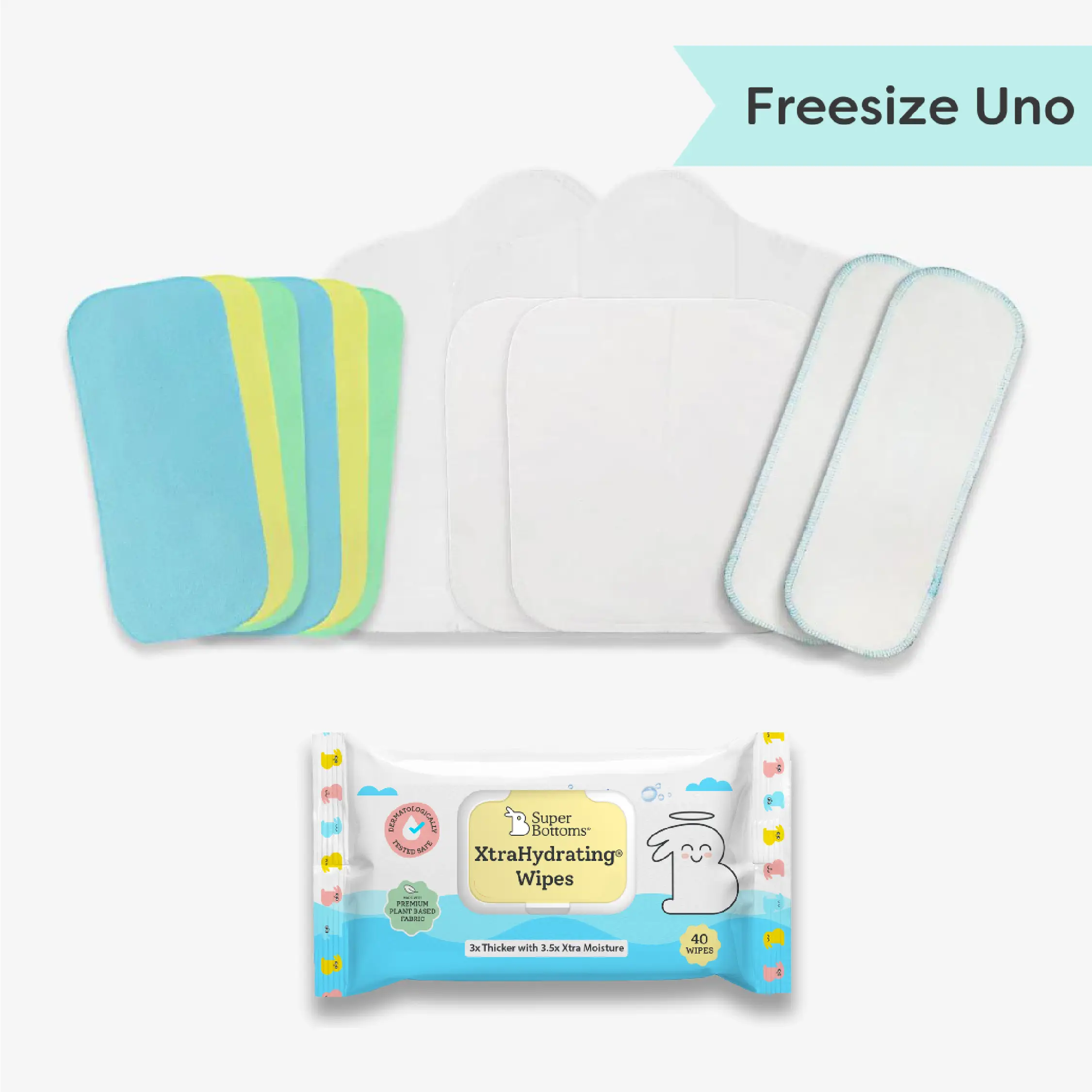
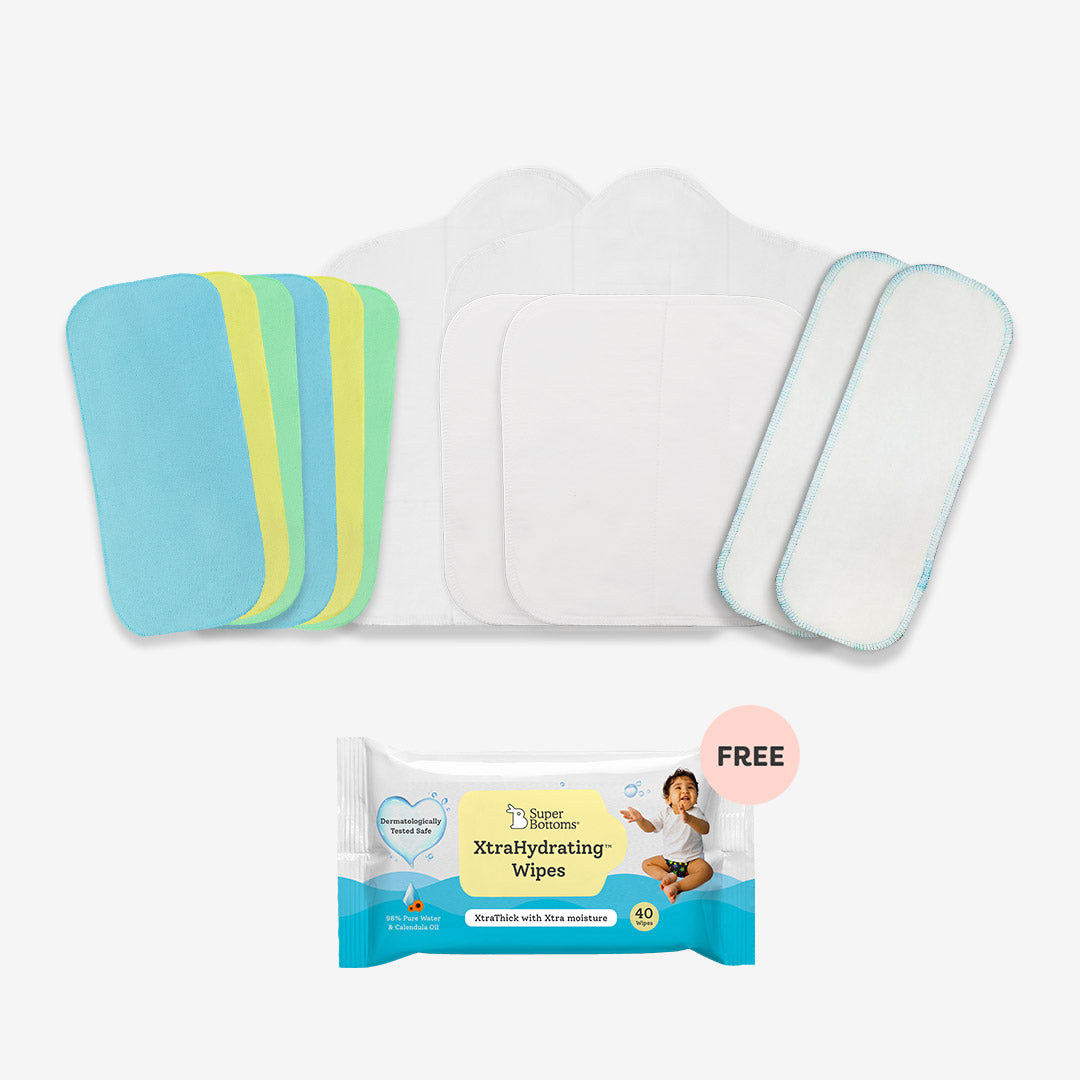
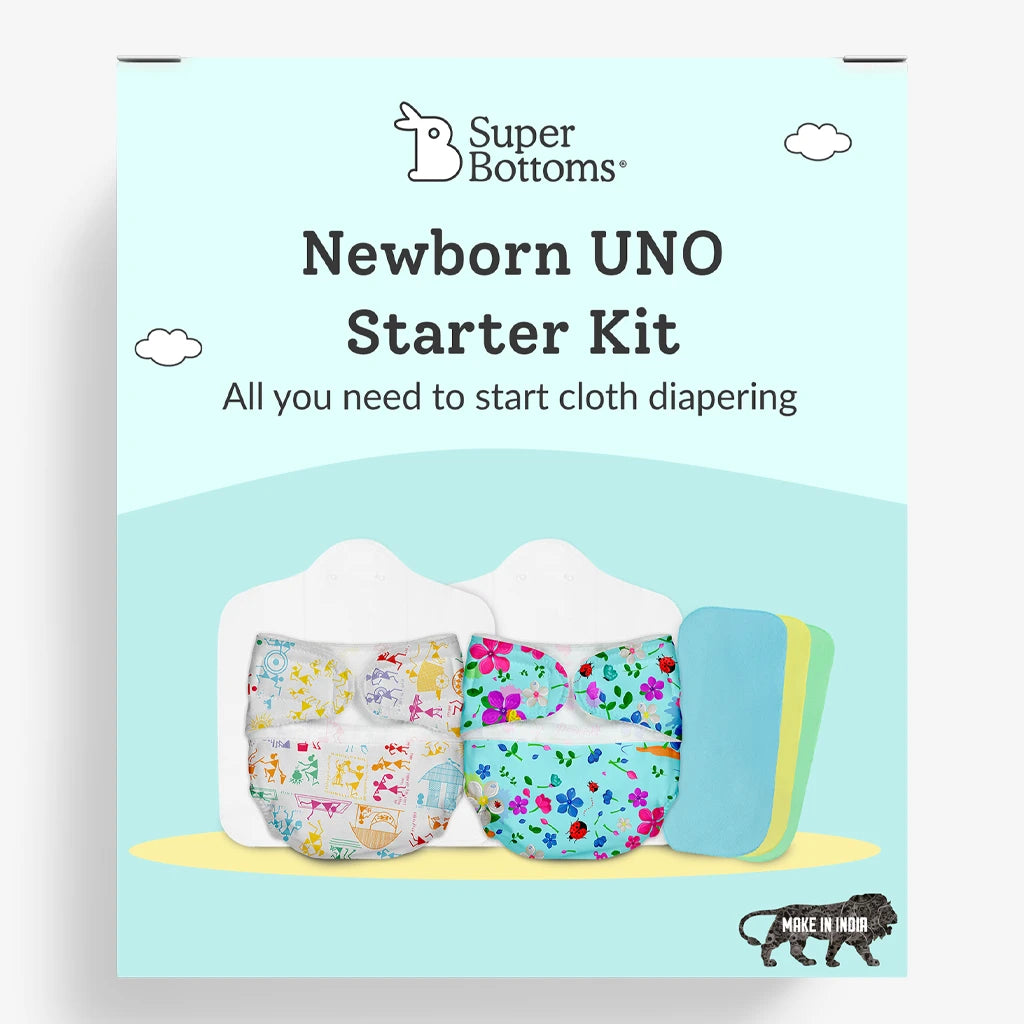
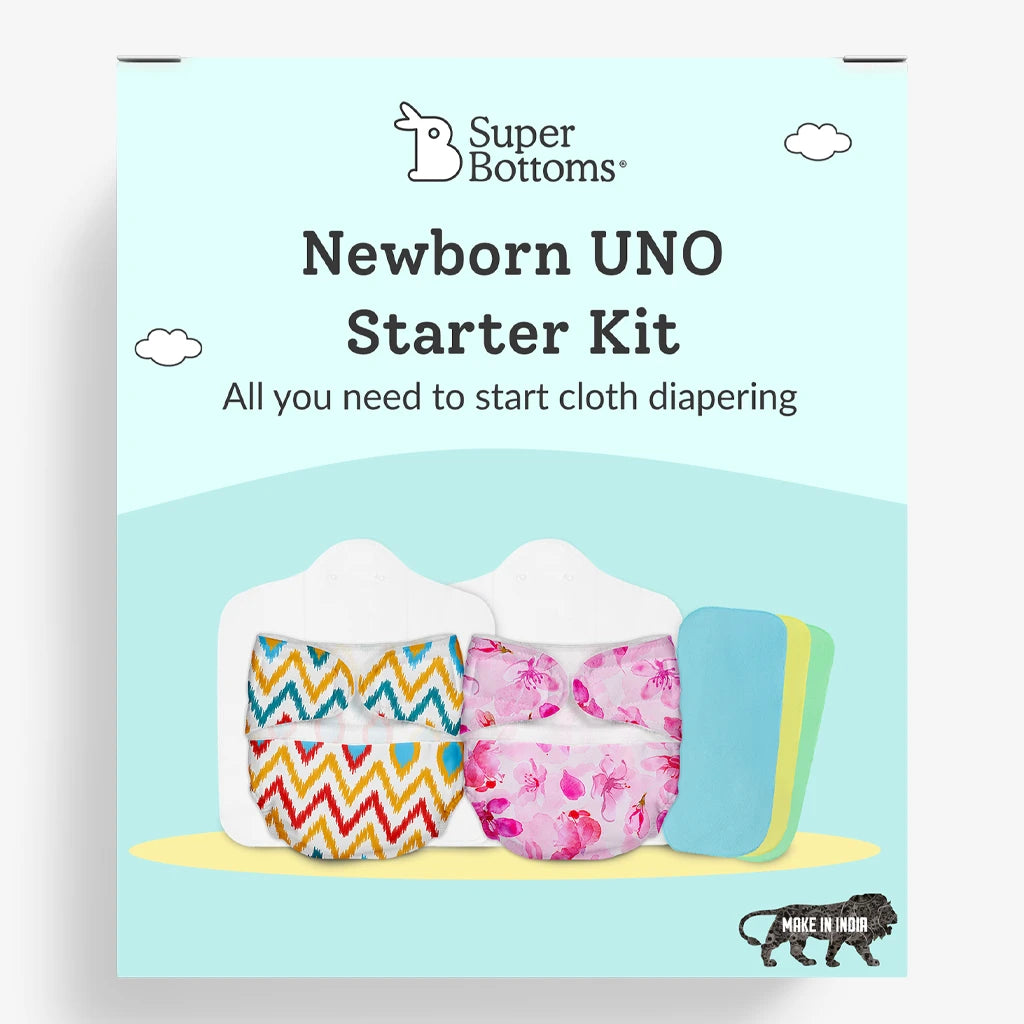
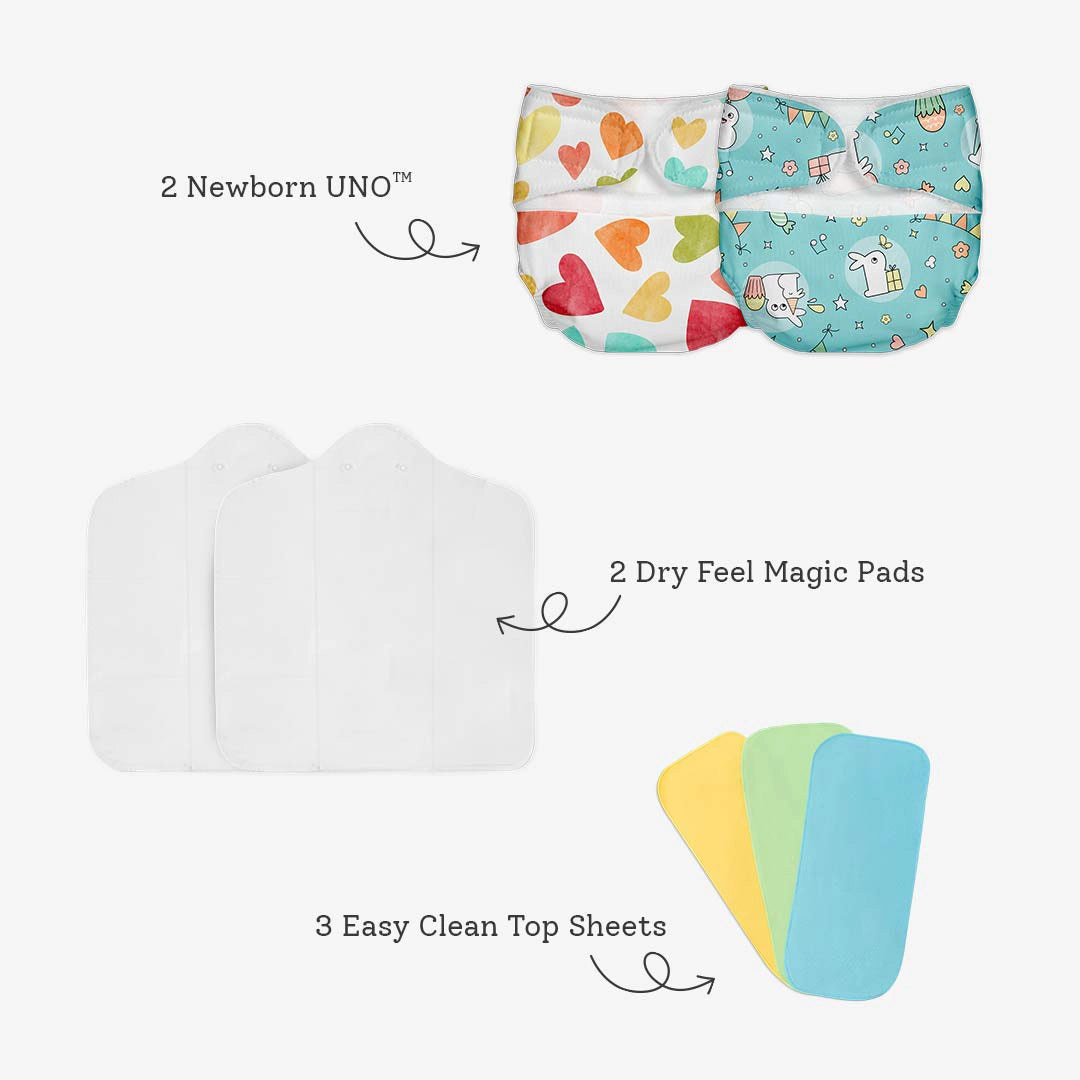
SuperBottoms Pick: UNO Cloth Diaper
Designed for comfortable overnight dryness with reusable absorbent layers and soft fabric.
UNO Cloth Diaper — Check product details to compare sizing, absorbency, and nighttime options.
Is it worth switching to reusable nighttime diapering options?
For many families, reusable cloth diapers become a practical long-term solution because they combine comfort, cost savings, and sustainability.
Modern reusable diapers are very different from older cloth nappies. Many now include:
- Adjustable sizing
- Leak-proof outer layers
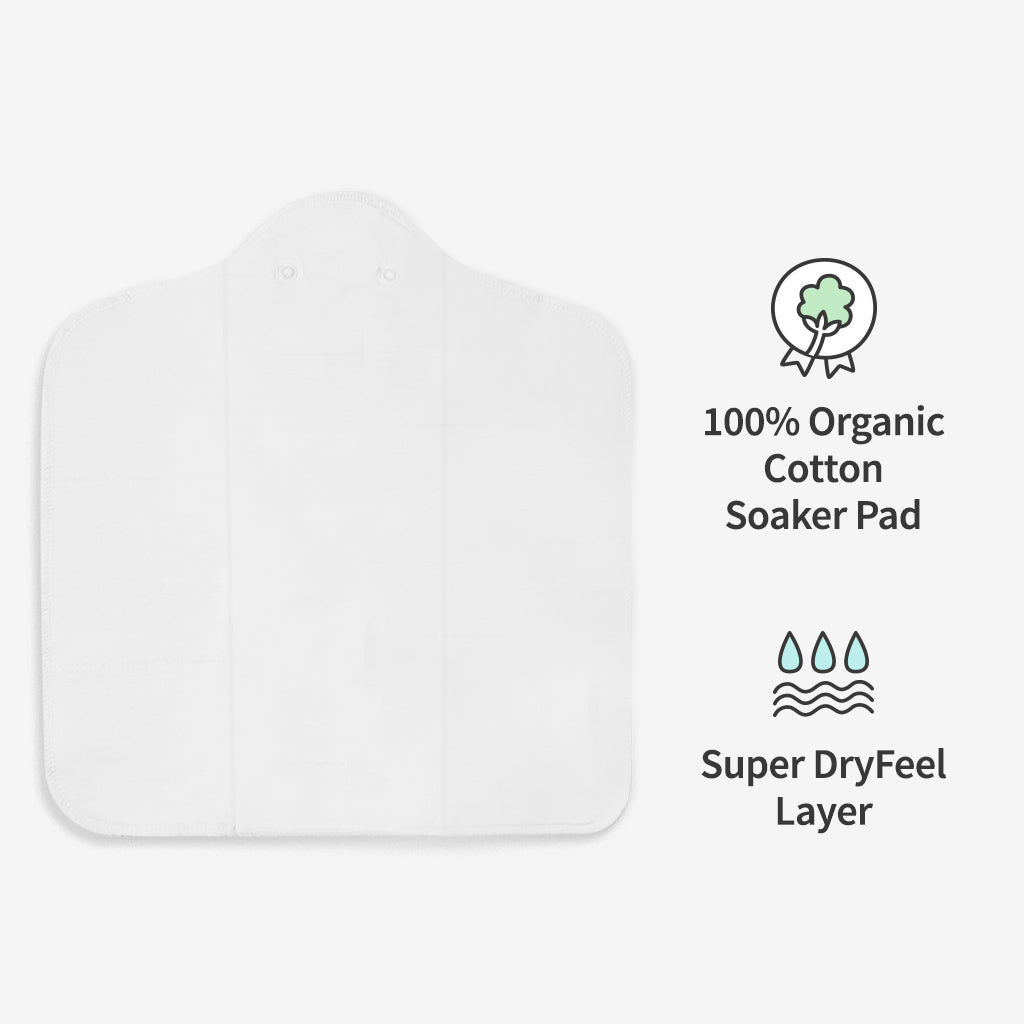
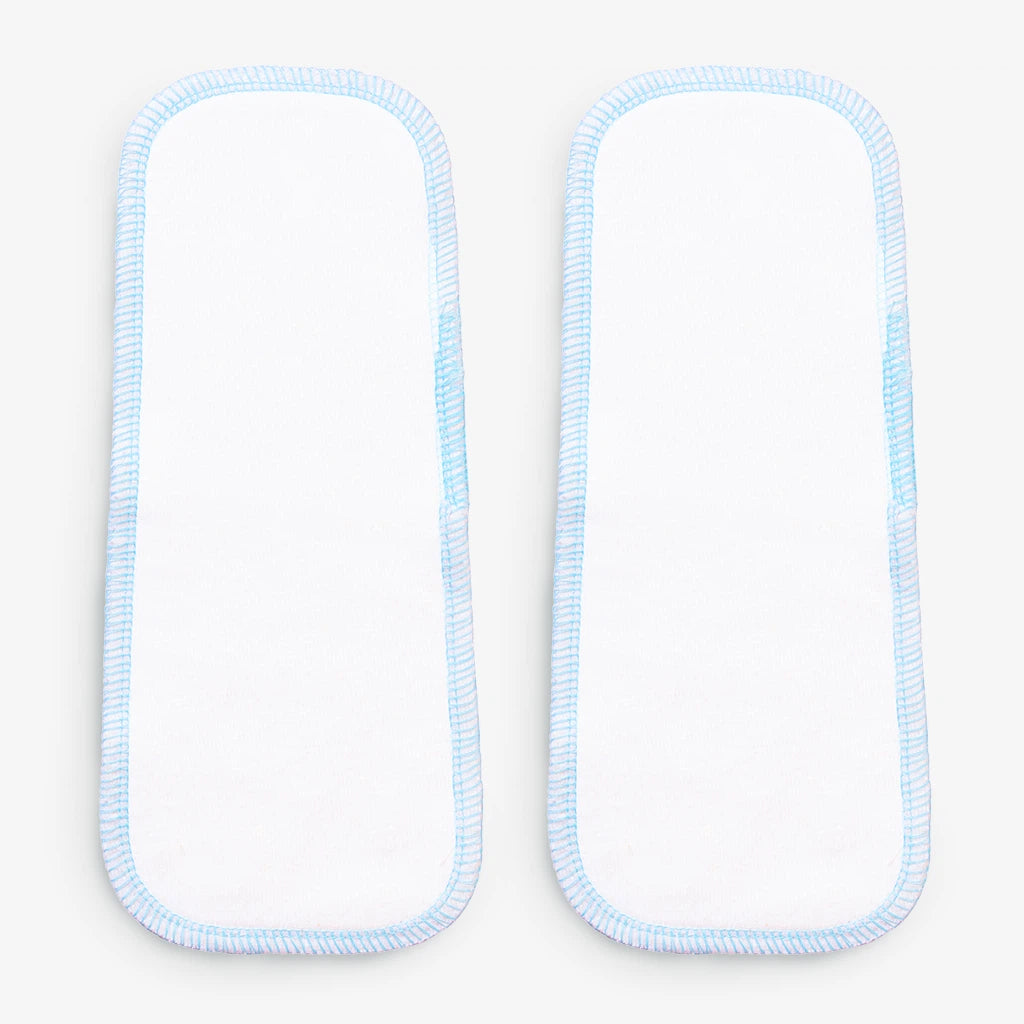
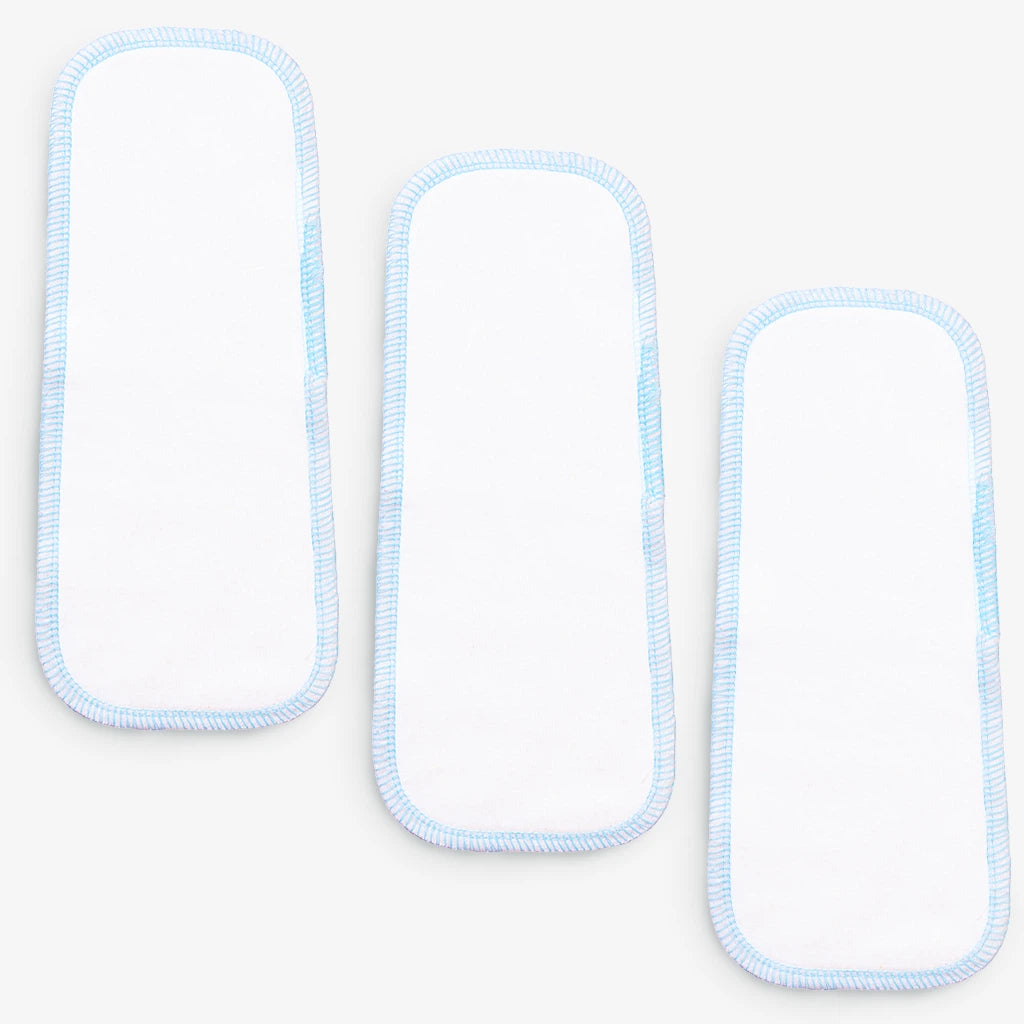
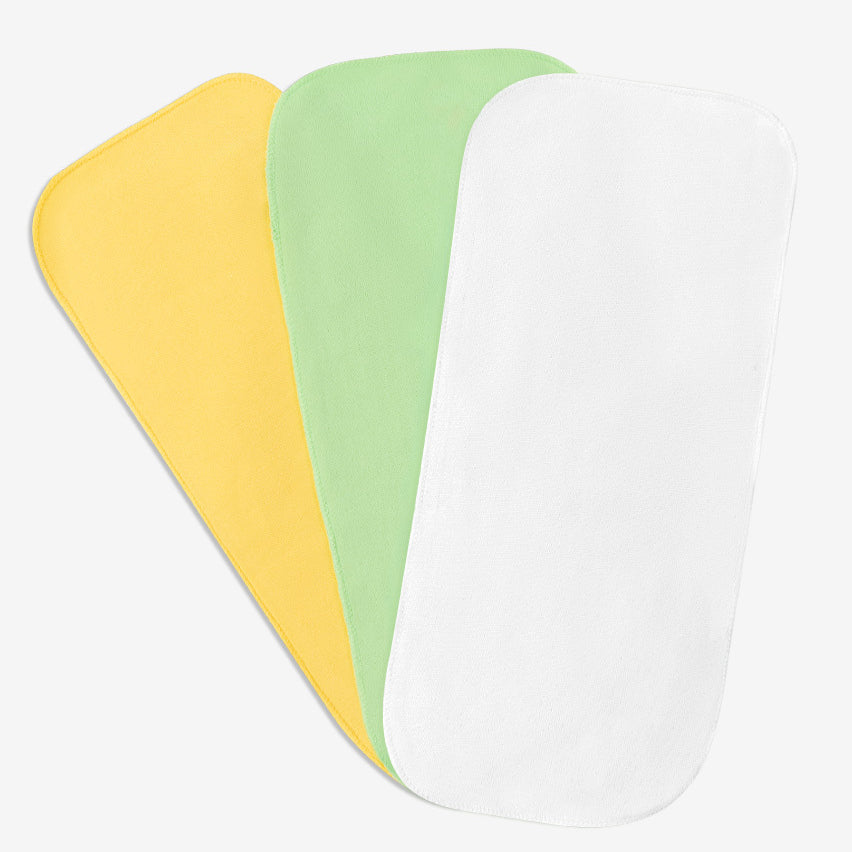
- Highly absorbent inserts
- Softer fabrics for sensitive skin
Families with toddlers prone to rashes often prefer breathable reusable materials over prolonged exposure to synthetic disposable layers.
Expert Answer
Skin irritation during sleep can disrupt rest quality in toddlers. Breathable fabrics and proper moisture management may help reduce nighttime discomfort for some children.
Parents transitioning gradually can start with nighttime use first before switching fully to reusable options.
You can explore reusable nighttime essentials for heavy wetters and longer sleep stretches.
Which type works best for different toddler sleep situations?
| Sleep Situation | Recommended Option |
|---|---|
| Heavy wetters | High-absorbency reusable diapers with boosters |
| Sensitive skin | Breathable cloth-based options |
| Travel or emergencies | Disposable diapers |
| Day-care use | Easy Snap-On reusable diapers |
| Overnight sleep training | Leak-resistant overnight reusable options |
This balanced approach helps parents choose what works best for their child instead of following one rigid solution.
How can parents handle toddler night waking?
Night waking is common, especially during developmental changes, illness, or teething.
Helpful strategies include:
- Respond calmly and briefly
- Keep lights dim
- Avoid stimulating conversation
- Maintain consistent sleep associations
- Ensure toddlers are dry and comfortable
Consistency matters more than perfection. Most sleep routines improve gradually over time.
A healthy sleep routine for toddlers is built through consistency, comfort, and calm bedtime habits. Predictable schedules, soothing routines, and comfortable nighttime diapering can all contribute to better sleep quality.
If nighttime discomfort, leaks, or frequent waking are affecting your toddler's sleep, breathable reusable diapering solutions may help support longer and more comfortable sleep stretches.
|
Limited Time Offers + Special Gift Sets! Now or never Super SALE is live on the SuperBottoms website! Take advantage of unbeatable value deals on our UNO Cloth Diapers, Baby Essentials, and more. Looking for the perfect present for a newborn or a toddler? Explore our thoughtfully curated Gift Sets & Combos - safe, skin-friendly, and oh-so-cute! A bundle of love for little ones and a delight for parents. HURRY - Deals and Gift Packs are live only till stocks last. Don’t miss the chance to stock up and share the joy! |
Key Takeaways
- Toddlers sleep best with predictable and calming bedtime routines.
- Comfortable nighttime diapering can reduce sleep disruptions caused by wetness or irritation.
- Reusable cloth diaper options can offer better breathability, value, and overnight comfort for many families.
FAQs
1. What is the best bedtime for toddlers?
Most toddlers sleep well with a bedtime between 7:00 PM and 8:30 PM, depending on naps and daily activity levels.
2. How long should a toddler bedtime routine be?
A bedtime routine usually works best when it lasts 20–45 minutes consistently every night.
3. Why does my toddler wake up crying at night?
Night waking may happen due to teething, overtiredness, discomfort, sleep regressions, or separation anxiety.
4. Can wet diapers disturb toddler sleep?
Yes. Wetness, leaks, or skin irritation can interrupt sleep and make toddlers uncomfortable overnight.
5. Are reusable cloth nappies good for overnight use?
Modern reusable cloth nappies with absorbent boosters can work well for overnight sleep when chosen correctly.
6. Is it worth switching to reusable nighttime diapers?
Many parents find reusable options more breathable, economical, and eco-friendly over time.
7. Where can I buy reusable cloth diapers in India?
Parents can purchase reusable cloth diapers through baby care websites, parenting stores, and brands like SuperBottoms.
8. Which diaper option is best for heavy wetters?
High-absorbency reusable diapers with additional booster pads are often preferred for toddlers who wet heavily overnight.
References
Hi there, new parents! SuperBottoms brings you doctor-recommended cloth diapers - the best rash-free diapering solution for your baby's sensitive and delicate skin. Unlike disposable diapers loaded with chemicals, our newborn cloth diapers, when used and washed properly, can help eliminate the risk of diaper rashes. SuperBottoms offers a wide range of safe, skin-friendly essentials for the whole family - including Reusable Cloth Diapers, Diaper Pants, DryFeel langots for diaper-free time, Padded Underwear for potty training, SuperSoft Underwear for everyday comfort, Joggers for playful days, and Period Underwear for women. Not just for everyday use, SuperBottoms products also make the best gifting choice for babies - thoughtful, eco-friendly, practical, and loved by parents. Now available on Amazon, Myntra, Flipkart, FirstCry, Zepto, Swiggy and Blinkit.