



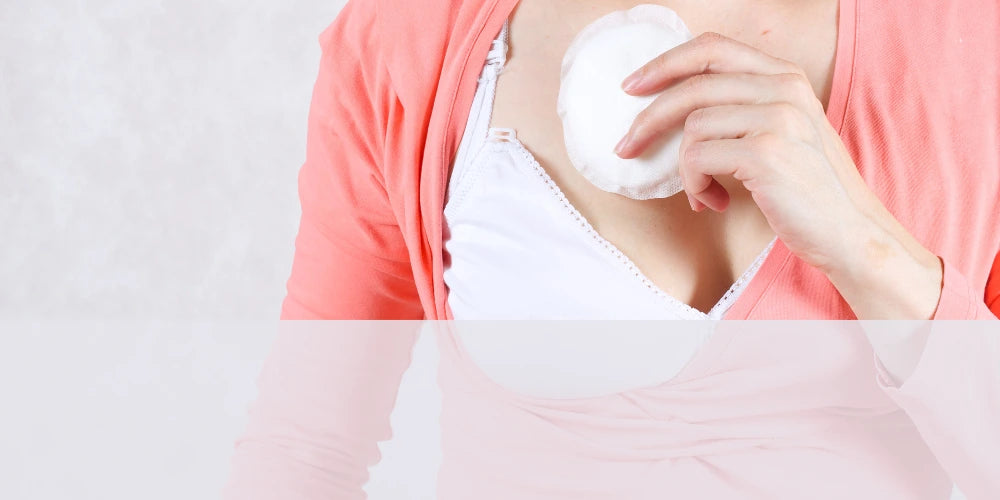
Breast pad usage varies widely across cultures, influenced by breastfeeding traditions, clothing styles, postpartum practices, and awareness of maternal care products. While some regions traditionally use cloth alternatives or layered fabrics, many modern parents now prefer absorbent breast pads for comfort, hygiene, and leak prevention. Choosing the right breast pad depends on absorbency, skin safety, reusability, and daily convenience.
- Why Do Breastfeeding Mothers Use Breast Pads?
- How Has Breast Pad Usage Evolved Across Cultures?
- What Should Mothers Look for When Choosing Breast Pads?
- Which Type Works Best for Different Situations?
- Breast Pad Comparison Table
- Are Reusable Breast Pads Worth Switching To?
- Key Takeaways
- FAQs
- Message from SuperBottoms
Why Do Breastfeeding Mothers Use Breast Pads?
Breast pads help absorb leaked breast milk and prevent stains, discomfort, and skin irritation during lactation.
Milk leakage is especially common in the first few postpartum months when supply is still regulating. Many mothers experience unexpected let-downs triggered by feeding schedules, baby cries, or hormonal shifts.
Breast pads help with:
- Preventing wet clothing
- Keeping nipples dry between feeds
- Reducing friction against sore nipples
- Supporting hygiene during long outings or work hours
Breastfeeding products like breast pads have become increasingly common as awareness around postpartum comfort grows globally.
Expert Answer
Breast milk leakage is a normal physiological response, particularly during early lactation.
According to Dr Neha Gupta, IBCLC & Lactation Consultant, "Leakage does not indicate oversupply or inadequate feeding; it is simply a common adjustment phase while the body regulates milk production."
How Has Breast Pad Usage Evolved Across Cultures?
Breast pad usage is shaped by cultural breastfeeding norms, family support systems, clothing preferences, and access to maternal products.
Historically, many cultures did not use commercially made breast pads.
Instead, mothers used:
- Folded cotton cloth
- Muslin layers
- Handkerchief inserts
- Soft reusable fabric squares
These methods functioned similarly to modern reusable breast pads.
In South Asia
In countries like India, breastfeeding has long been normalised, but postpartum accessories such as breast pads are relatively newer in mainstream parenting.
Traditionally, mothers often used:
- Cotton cloth inserts inside blouses
- Dupatta layering
- Extra blouse padding
With more working mothers and nursing-friendly fashion, modern parents increasingly prefer discreet breast pads for convenience.
In Western Countries
In North America and Europe, disposable breast pads became widely adopted alongside the commercialisation of breastfeeding accessories.
Common preferences include:
- Disposable breast pads for work or travel
- Reusable breast pads for eco-conscious parenting
- Overnight high-absorbency pads
Leak management is often integrated into maternity shopping checklists.
In East Asian Cultures
Countries like Japan and South Korea emphasise hygiene, minimal bulk, and skin comfort.
Parents often prefer:
- Ultra-thin absorbent pads
- Antibacterial materials
- Soft bamboo or cotton layers
Reusable options are gaining popularity due to sustainability awareness.
In African and Rural Communities
In several communities, practical cloth solutions remain common due to affordability and accessibility.
Reusable fabric inserts are often favoured because they are:
- Washable
- Cost-effective
- Easy to replace
This reflects an early version of today's reusable parenting products.
What Parents Should Know
Breast pad usage is not universal, but leak management is. Across cultures, mothers have always found ways to stay dry and comfortable, whether through traditional cloth or modern absorbent products.
What Should Mothers Look for When Choosing Breast Pads?
The best breast pads balance comfort, absorbency, and practicality.
Before buying, consider:
1. Absorbency
Choose based on leak volume.
- Light leakage: thin daily pads
- Moderate leakage: regular absorbent pads
- Heavy leakage/night use: multi-layer absorbent pads
2. Skin Safety
Breastfeeding skin is sensitive.
Look for:
- Cotton or bamboo lining
- Breathable materials
- No harsh chemicals or fragrances
3. Reusability vs Disposable
Ask:
- Do you prefer convenience?
- Are you comfortable washing frequently?
Reusable breast pads offer long-term value and less waste.
4. Shape & Fit
Good breast pads should:
- Stay in place
- Fit smoothly under bras
- Prevent bunching
A leak-proof inner layer improves confidence during longer wear.
What to Look For
Decision Criteria Checklist
✔ Soft on skin
✔ High absorbency
✔ Leak-proof backing
✔ Easy to wash or replace
✔ Comfortable under nursing bras

Which Type Works Best for Different Situations?
Different lifestyles need different solutions.
| Situation | Best Type |
|---|---|
| Home use | Reusable cotton breast pads |
| Office/work | Thin disposable breast pads |
| Heavy leakage | Multi-layer absorbent pads |
| Night use | Larger overnight breast pads |
| Sensitive skin | Organic cotton or bamboo pads |
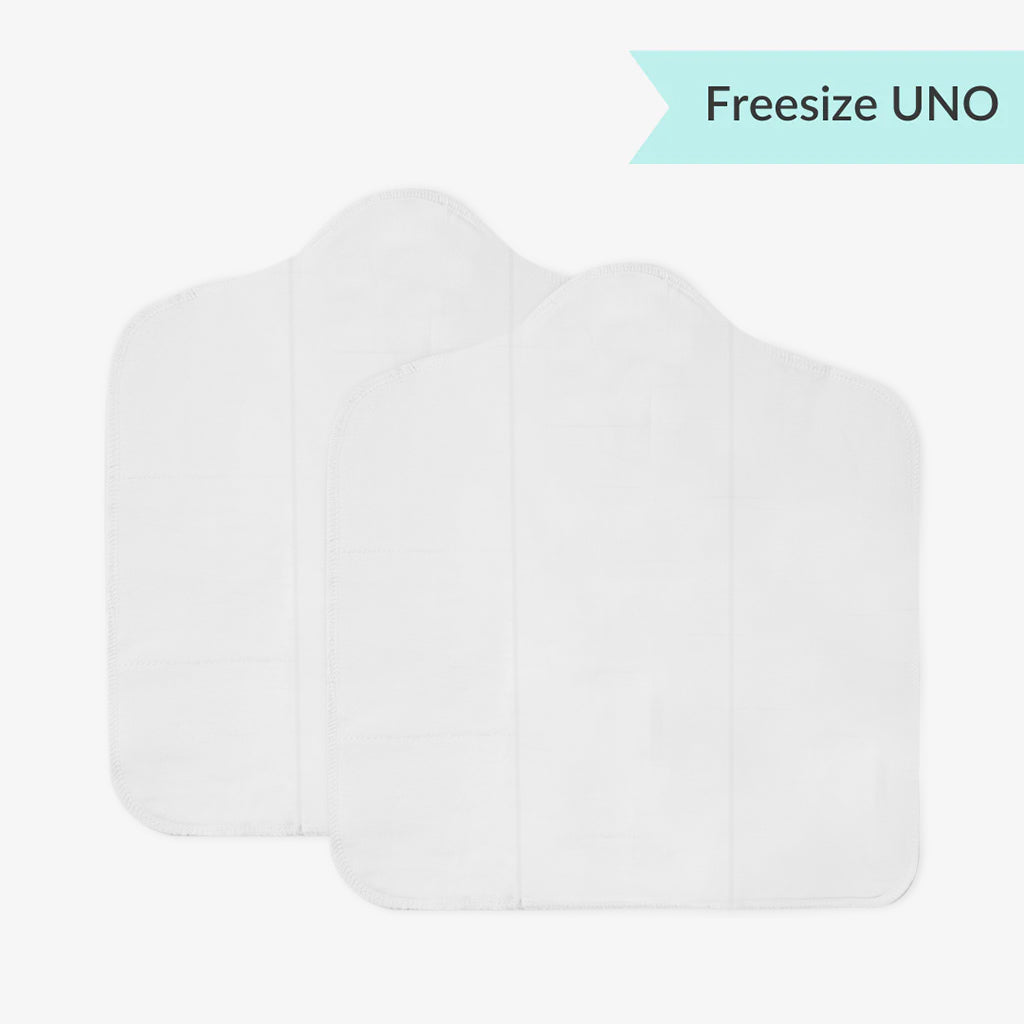
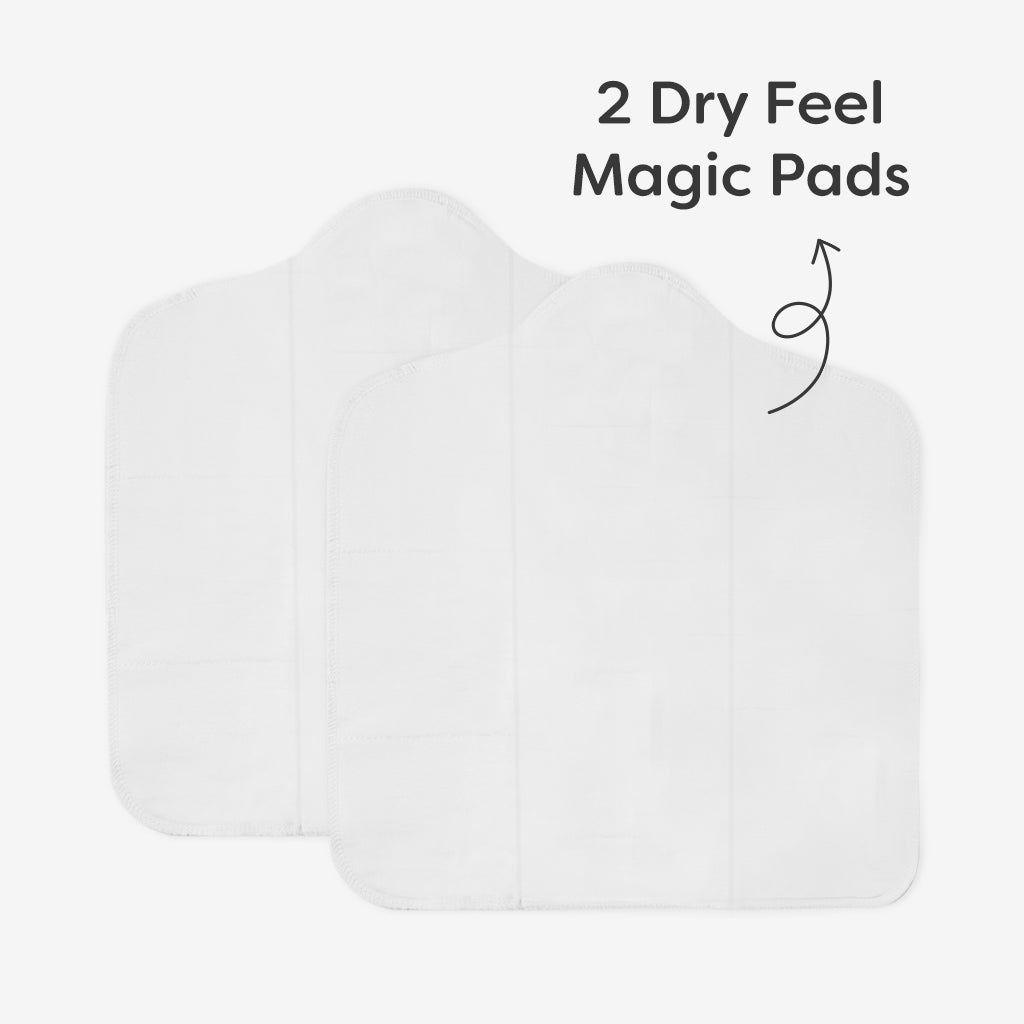
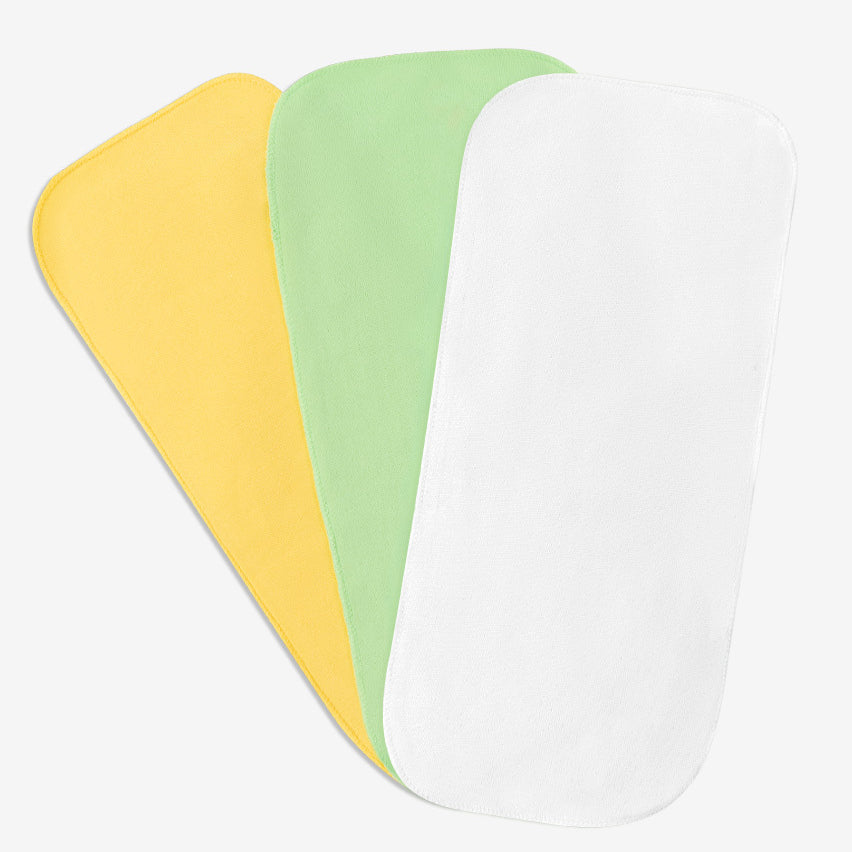
SuperBottoms Pick: Reusable Nursing Breast Pads
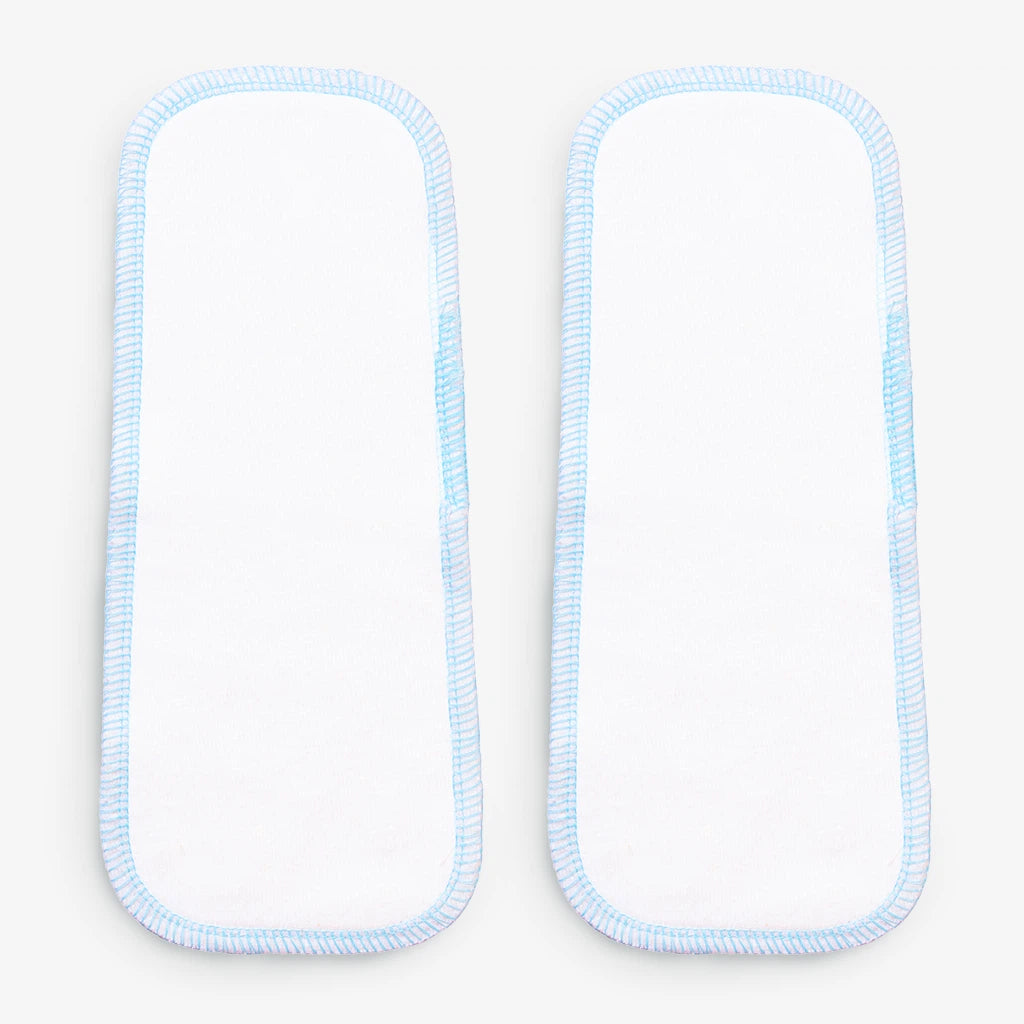
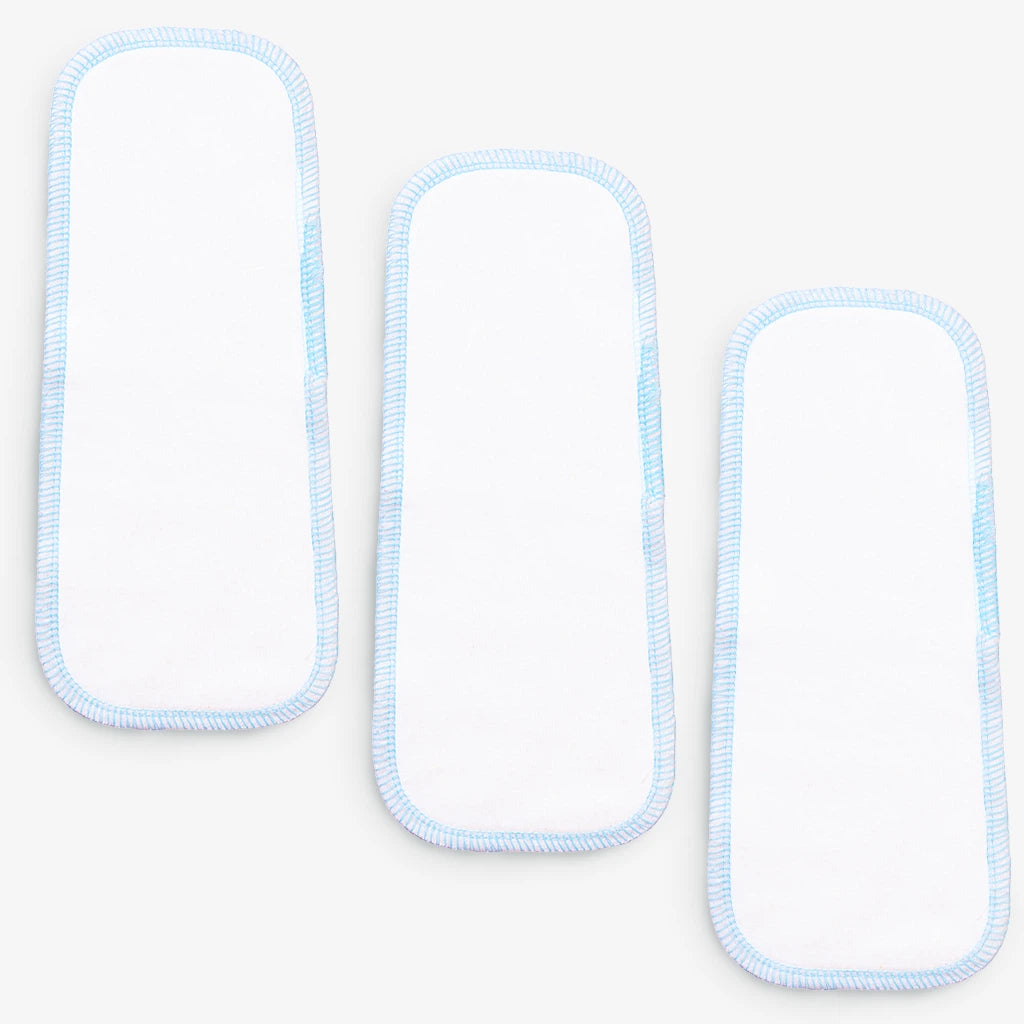
SuperBottoms Nursing Breast Pads help absorb leaks while staying gentle on sore nipples and sensitive skin.
Why they fit after the decision criteria:
- Soft fabric for comfort
- Reusable and washable
- Good absorbency for daily use
- Value over repeated disposable purchases
Explore the range → SuperBottoms Nursing Essentials
Breast Pad Comparison Table
| Feature | Disposable Pads | Traditional Cloth Inserts | SuperBottoms Reusable Breast Pads |
|---|---|---|---|
| Skin friendliness | Moderate | Good | Excellent |
| Absorbency | Good | Variable | Good |
| Leak protection | Good | Low-moderate | Good |
| Reusability | No | Yes | Yes |
| Cost over time | Higher | Low | Better long-term value |
| Sustainability | Low | High | High |
| Comfort | Moderate | Depends on fabric | High |
This comparison helps parents choose based on actual needs rather than marketing claims.
Are Reusable Breast Pads Worth Switching To?
For regular leakage, reusable breast pads are often worth switching to.
Benefits include:
- Lower long-term cost
- Reduced waste
- Softness after multiple washes
- Better comfort for extended wear
They are especially useful for mothers breastfeeding for several months.
Parents already using reusable cloth nappies or other sustainable baby products often find reusable breast pads easy to integrate into their routine.
Parent Insight
"I started with disposable breast pads during hospital recovery, but reusable ones became my daily choice after two weeks; they felt softer and were more economical." - Ritika S., Mumbai, mother of 2
Breast pad usage may differ across cultures, but the underlying need remains universal: comfort, dryness, and confidence during breastfeeding.
Traditional cloth methods, disposable options, and reusable breast pads all solve milk leakage differently.
For parents looking for a balance of comfort, absorbency, and long-term value, reusable breast pads can be a practical everyday solution.
|
Limited Time Offers + Special Gift Sets! Now or never Super SALE is live on the SuperBottoms website! Take advantage of unbeatable value deals on our UNO Cloth Diapers, Baby Essentials, and more. Looking for the perfect present for a newborn or a toddler? Explore our thoughtfully curated Gift Sets & Combos - safe, skin-friendly, and oh-so-cute! A bundle of love for little ones and a delight for parents. HURRY - Deals and Gift Packs are live only till stocks last. Don’t miss the chance to stock up and share the joy! |
Key Takeaways
- Breast pad practices differ globally, but leak management has always existed.
- The best breast pad depends on absorbency, skin comfort, and lifestyle needs.
- Reusable breast pads offer strong value for long-term breastfeeding journeys.
FAQs
1. Are breast pads necessary for all breastfeeding mothers?
No. Some mothers leak heavily while others experience little or no leakage.
2. How often should breast pads be changed?
Change breast pads whenever they feel damp to prevent irritation and bacterial growth.
3. Can wet breast pads cause skin issues?
Yes. Prolonged moisture can increase irritation and discomfort.
4. Are reusable breast pads hygienic?
Yes, if washed properly after use.
5. Which breast pads are best for sensitive skin?
Cotton or bamboo reusable breast pads are often gentler.
6. Are reusable breast pads worth the price?
For frequent use, yes. They usually offer better long-term value than repeated disposable purchases.
7. Where can I buy reusable breast pads in India?
Reusable breast pads are available online through maternity and baby care stores, including SuperBottoms.
8. What is the best breast pad option for heavy leakage?
Multi-layer absorbent breast pads or larger overnight reusable options work best.
Hi there, new parents! SuperBottoms brings you doctor-recommended cloth diapers - the best rash-free diapering solution for your baby's sensitive and delicate skin. Unlike disposable diapers loaded with chemicals, our newborn cloth diapers, when used and washed properly, can help eliminate the risk of diaper rashes. SuperBottoms offers a wide range of safe, skin-friendly essentials for the whole family - including Reusable Cloth Diapers, Diaper Pants, DryFeel langots for diaper-free time, Padded Underwear for potty training, SuperSoft Underwear for everyday comfort, Joggers for playful days, and Period Underwear for women. Not just for everyday use, SuperBottoms products also make the best gifting choice for babies - thoughtful, eco-friendly, practical, and loved by parents. Now available on Amazon, Myntra, Flipkart, FirstCry, Zepto, Swiggy and Blinkit.