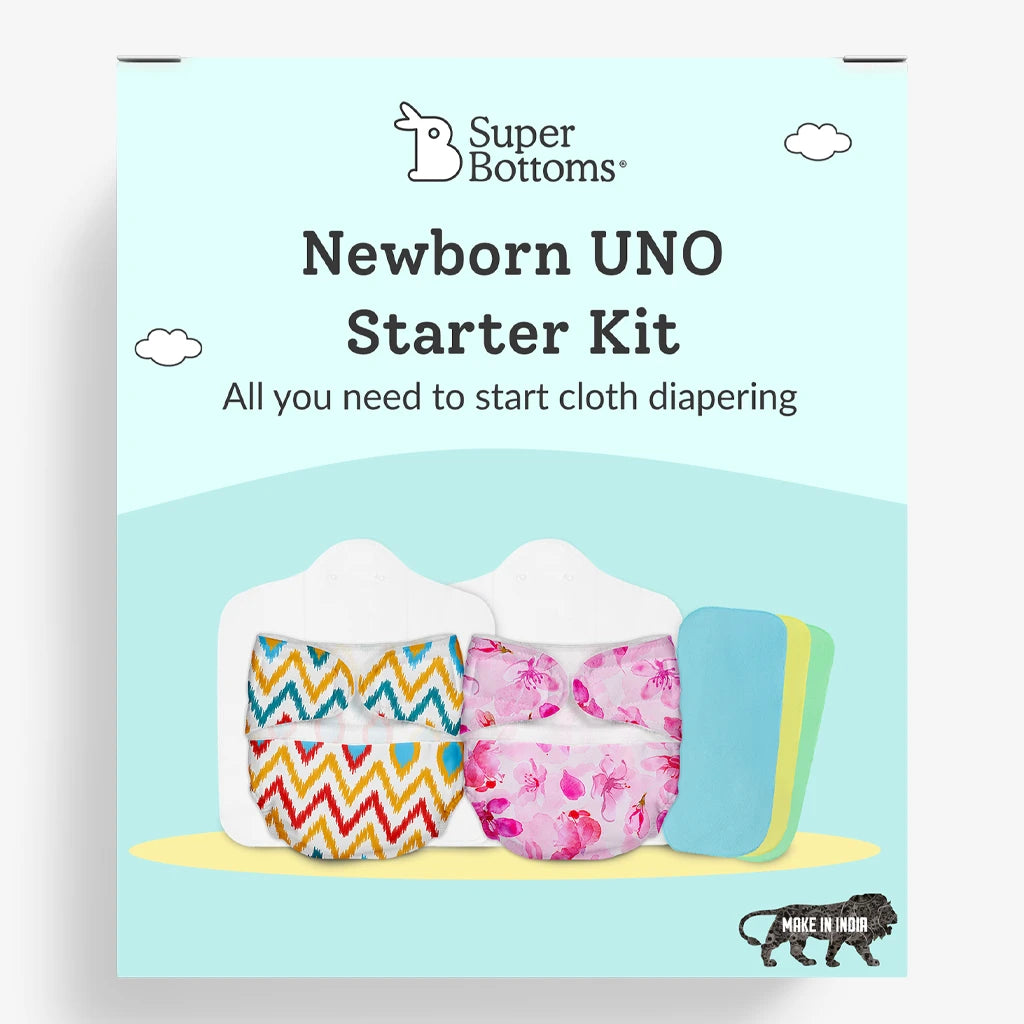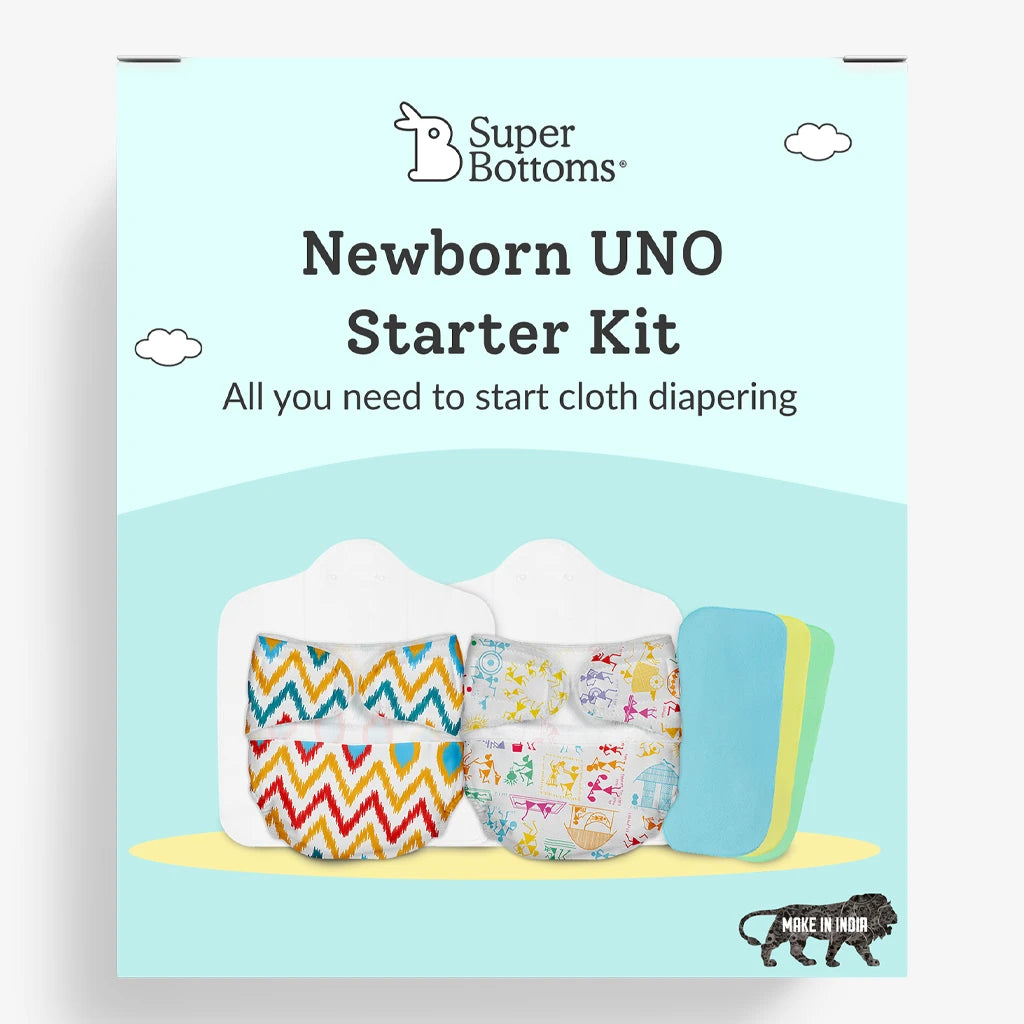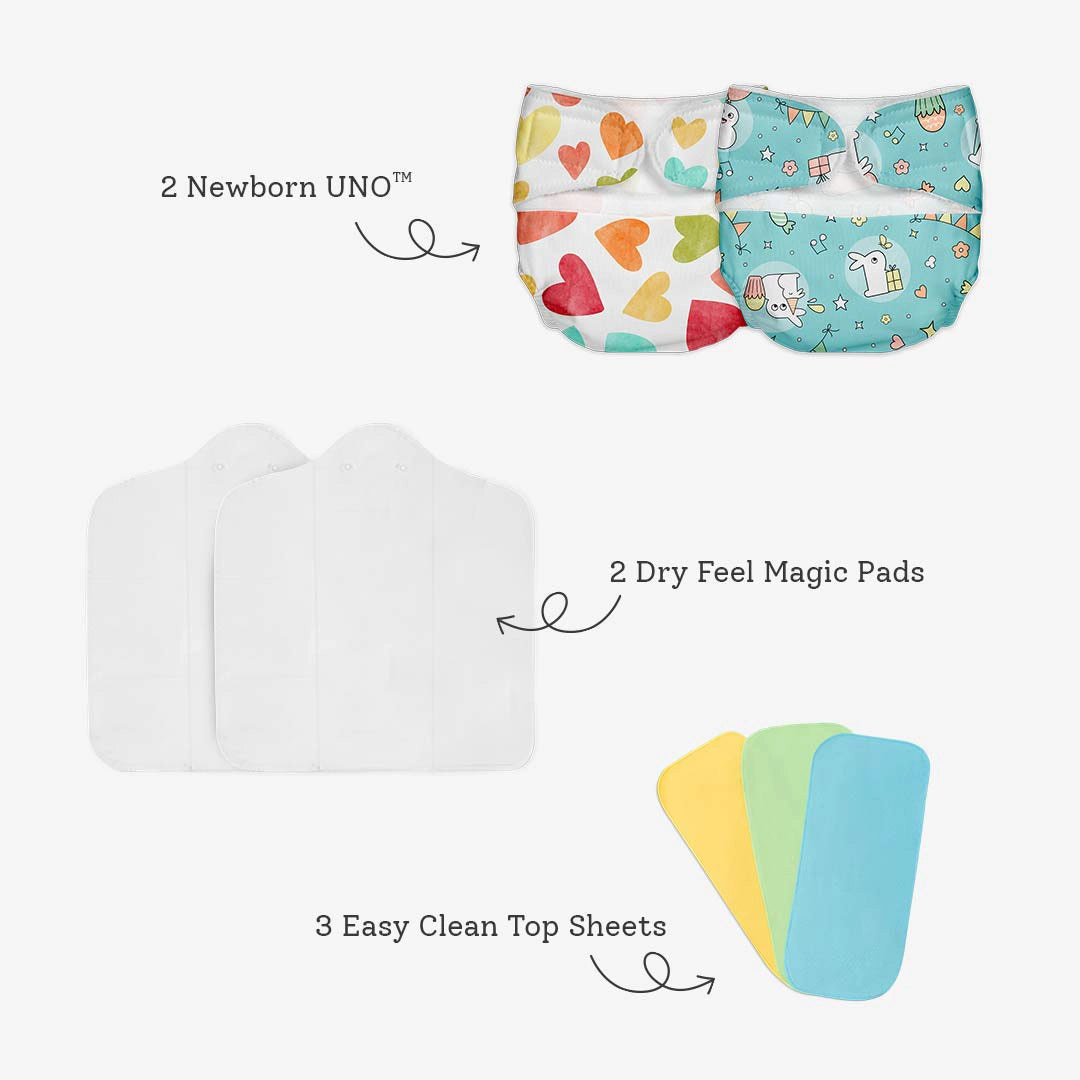









Parents comparing diapering options often weigh convenience, cost, skin comfort, and sustainability. Cloth diapers for babies have evolved significantly, offering reusable designs that improve absorbency, reduce waste, and support sensitive skin. For families evaluating cloth diaper vs disposable choices, the right solution depends on fit, usage patterns, and baby needs.
A surprising fact? A single baby may use thousands of disposable diapers before potty training. Many parents also assume reusable diaper systems are complicated—until they try modern versions designed for convenience.
- What Are Cloth Diapers, Exactly?
- Why Are More Parents in India Choosing Cloth Diapers?
- Cloth Diaper vs Disposable: What's the Real Difference?
- What Are the Benefits of Cloth Diapers?
- Is It Worth Switching to Cloth Diapers?
- What Should Parents Look for When Choosing the Best Baby Cloth Diapers?
- Comparison Table: Which Option Works Best?
- Are Cloth Diapers Good for Newborns?
- Can Cloth Diapers Work Overnight?
- Common Mistakes Parents Make When Switching to Cloth Diapers
- Key Takeaways
- FAQs
- Message from SuperBottoms
What Are Cloth Diapers, Exactly?
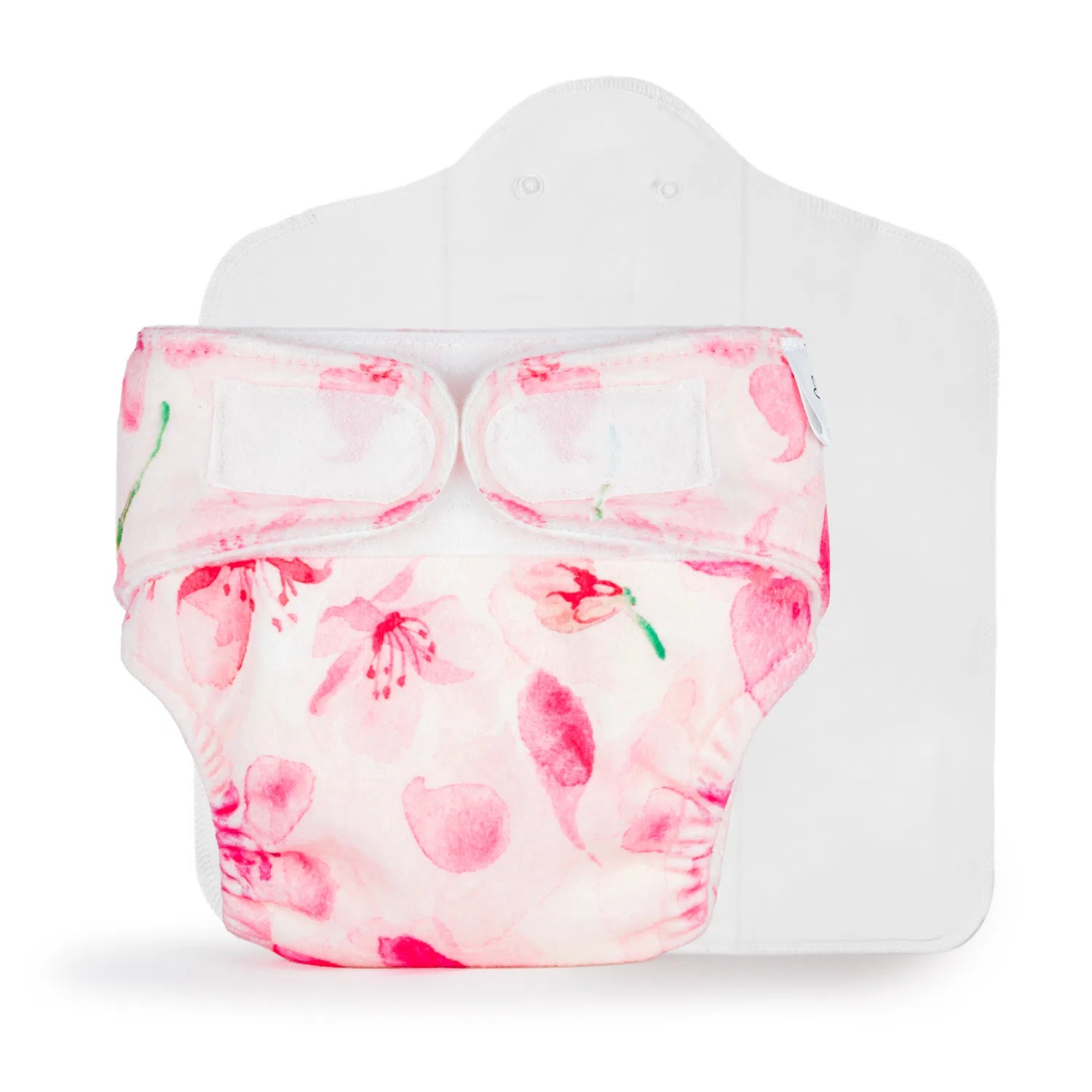
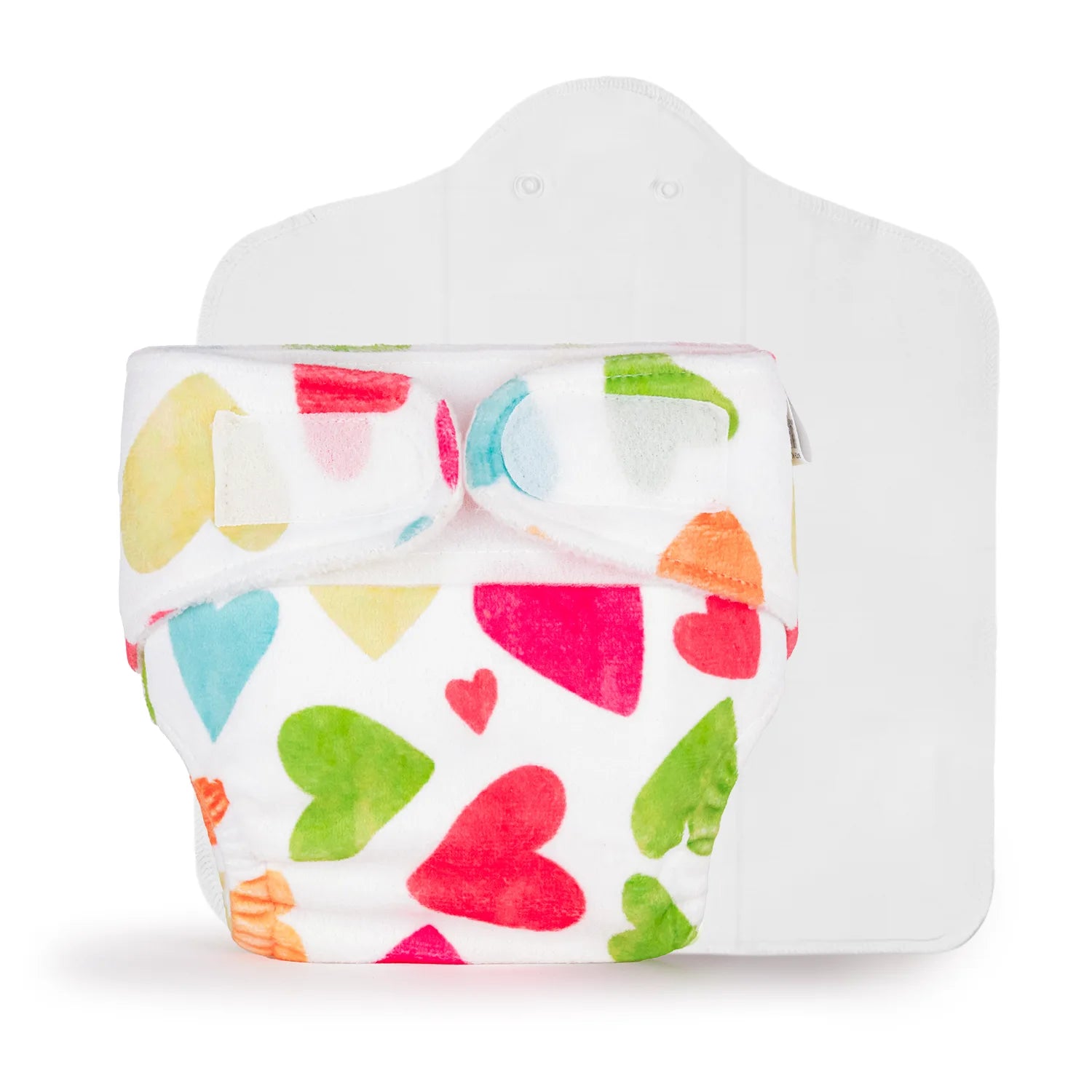
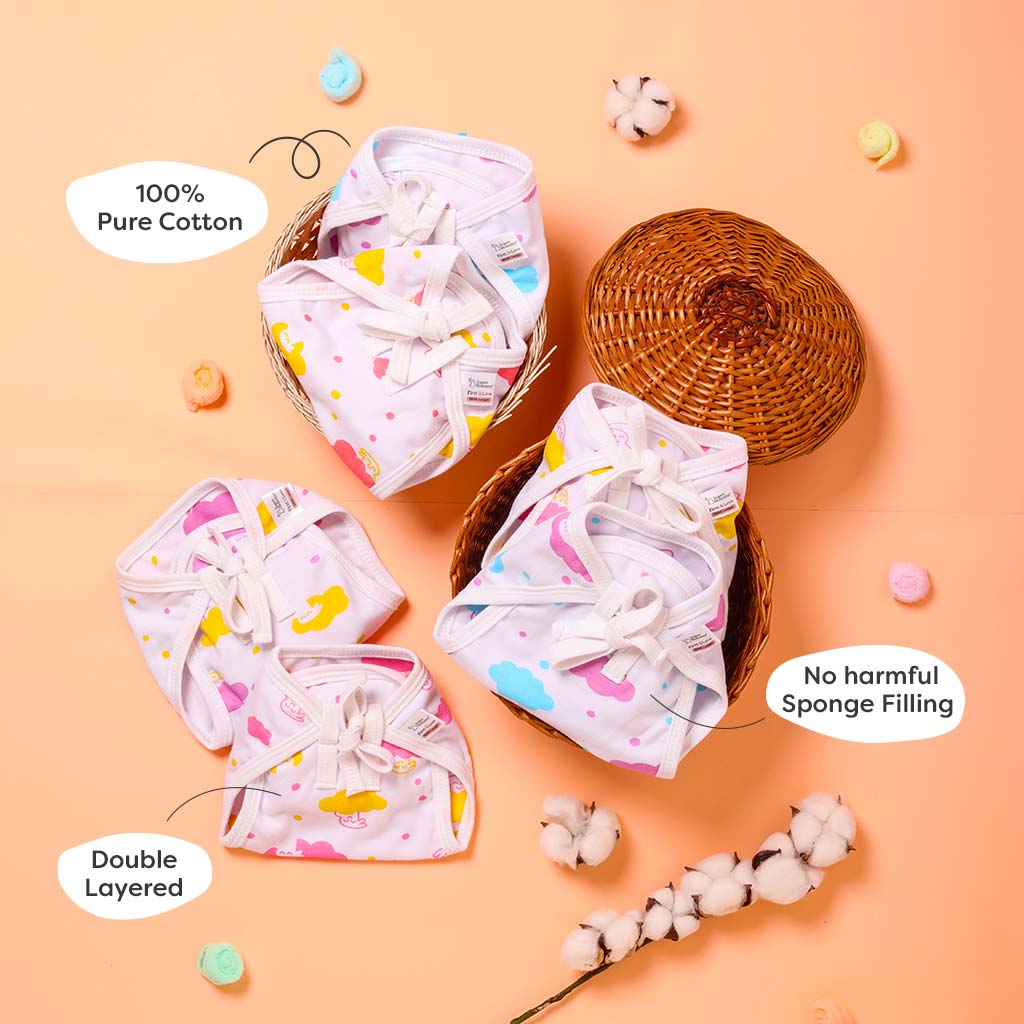
Cloth diapers are reusable diapering systems made from washable absorbent fabrics, often paired with waterproof outer layers or leak-resistant construction. Modern cloth diapers are very different from traditional folded nappies.
Today's cloth diaper India market includes:
- All-in-one diapers
- Pocket cloth diapers
- Hybrid reusable diaper systems
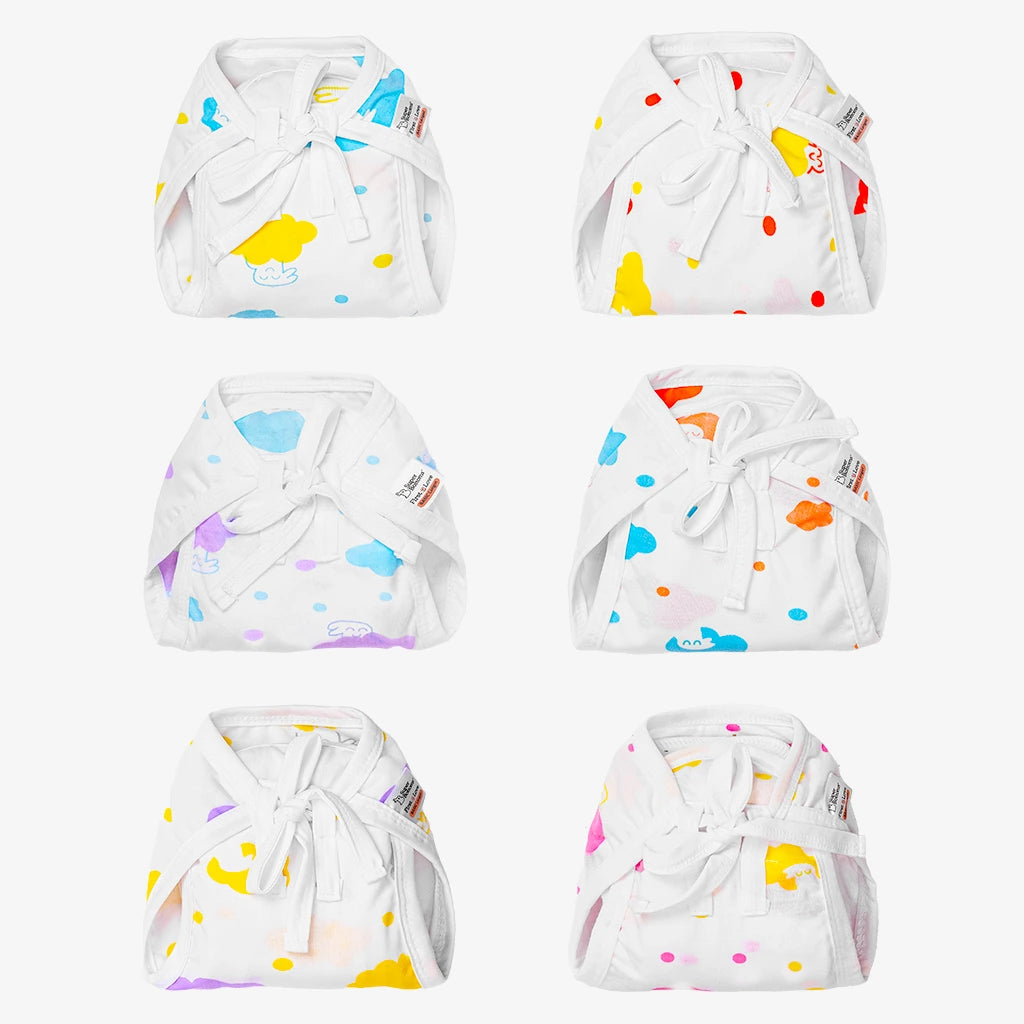
- Newborn cloth diapers
- Training-style reusable options
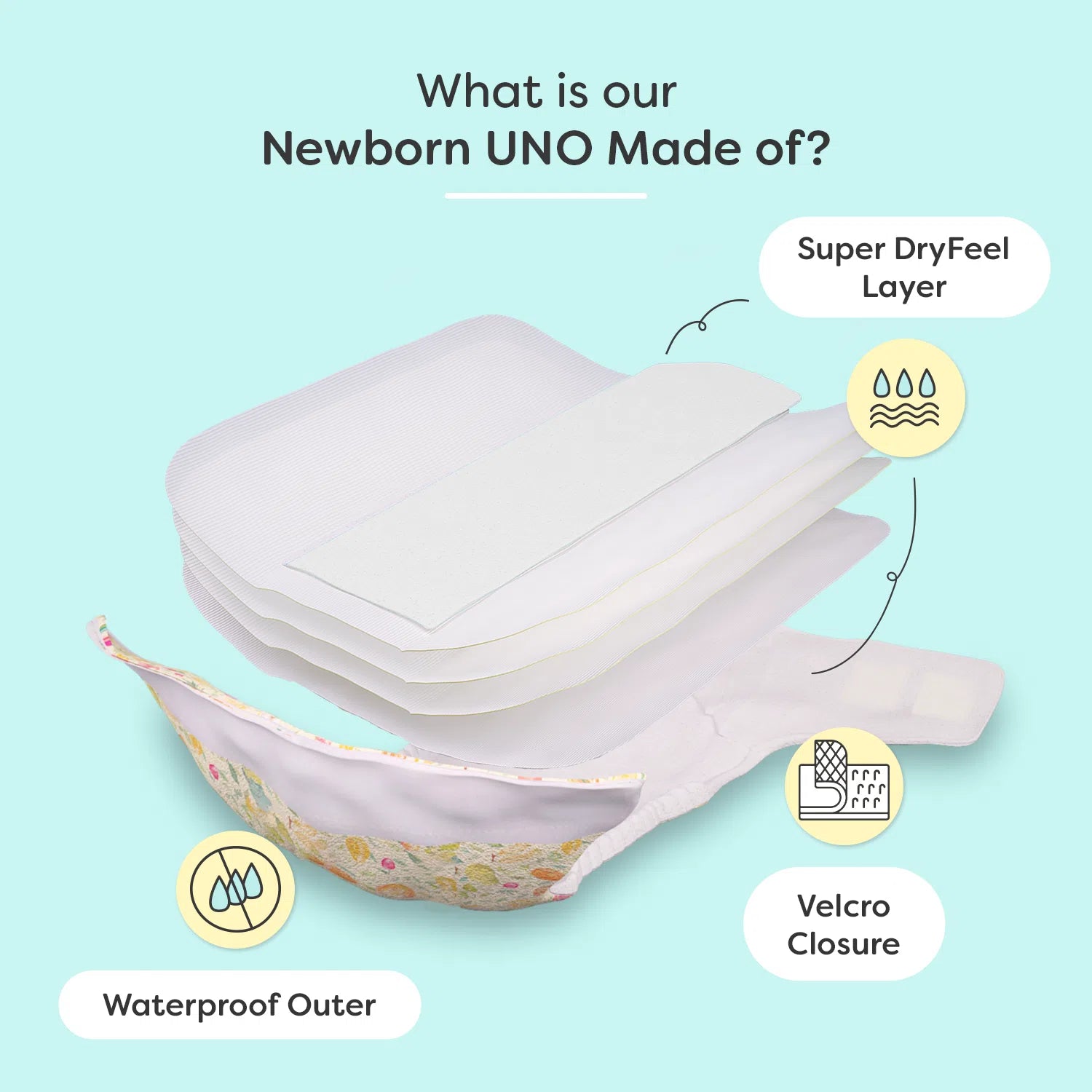
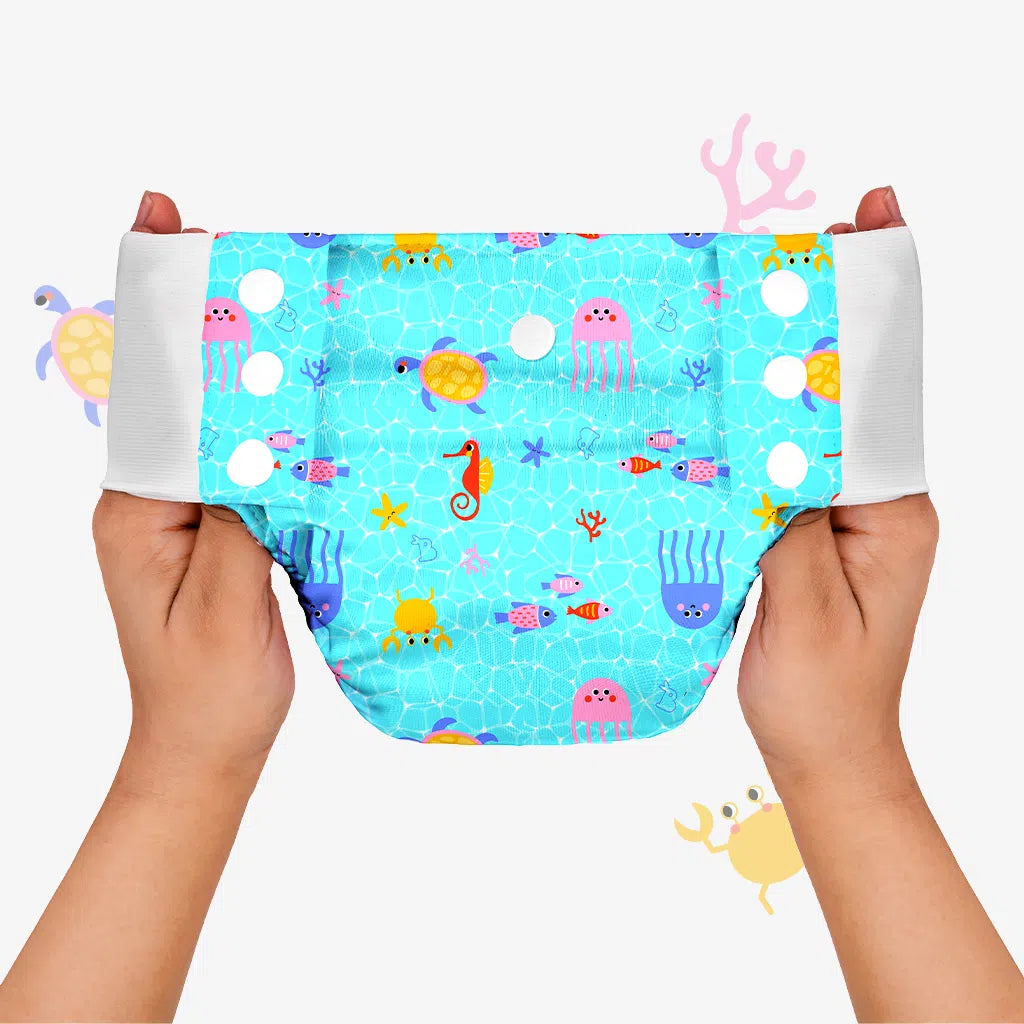
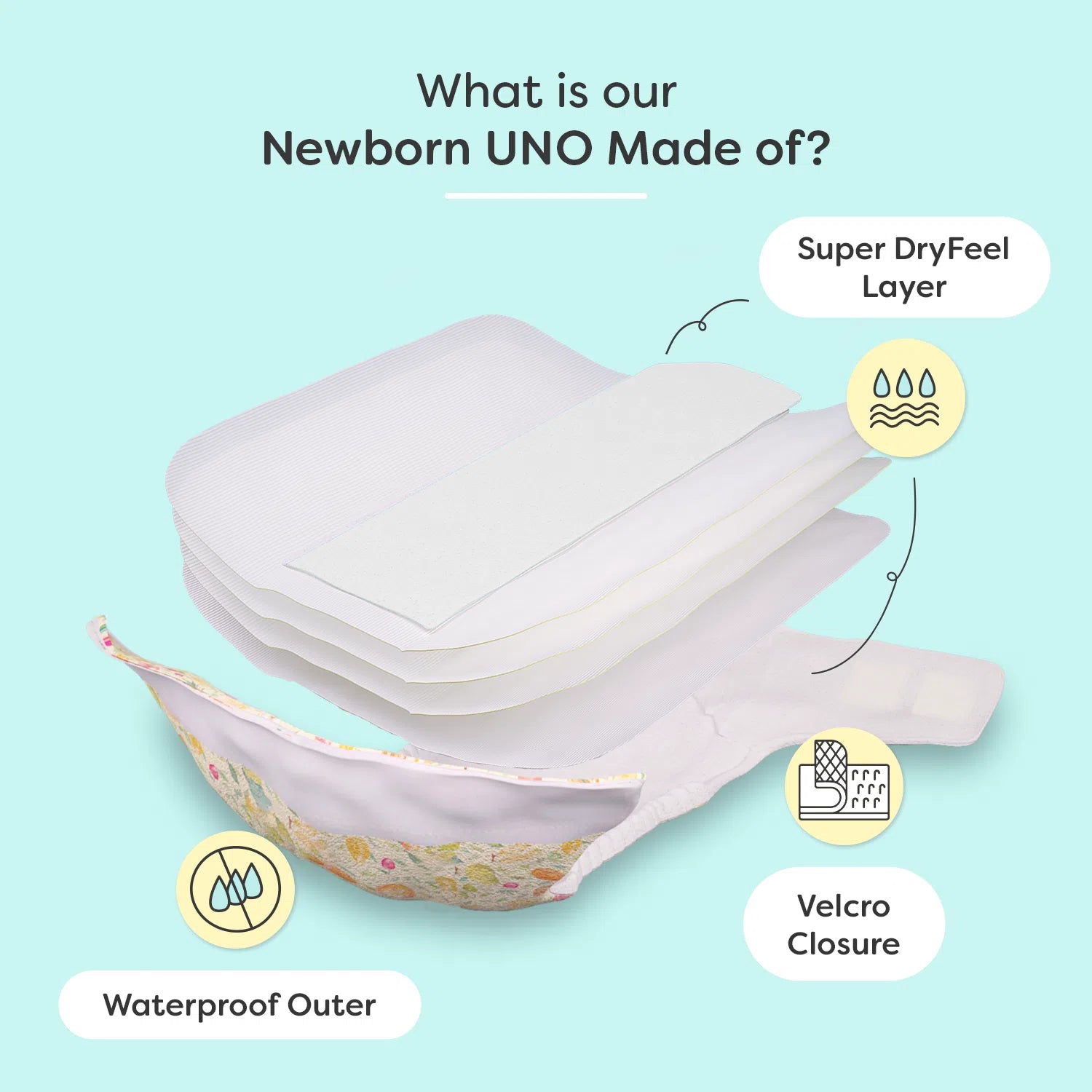
Unlike older cotton-only nappies, many modern versions include:
- Snap closures
- Adjustable sizing
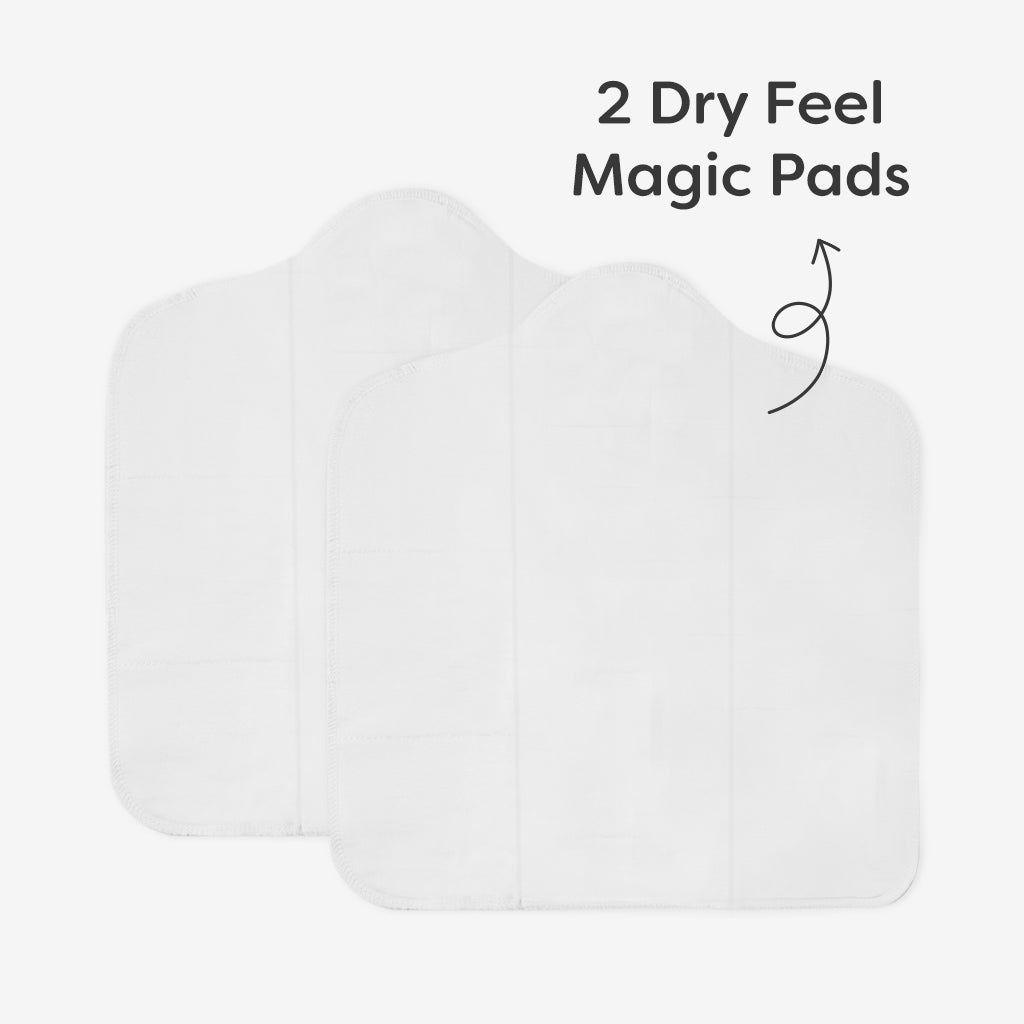
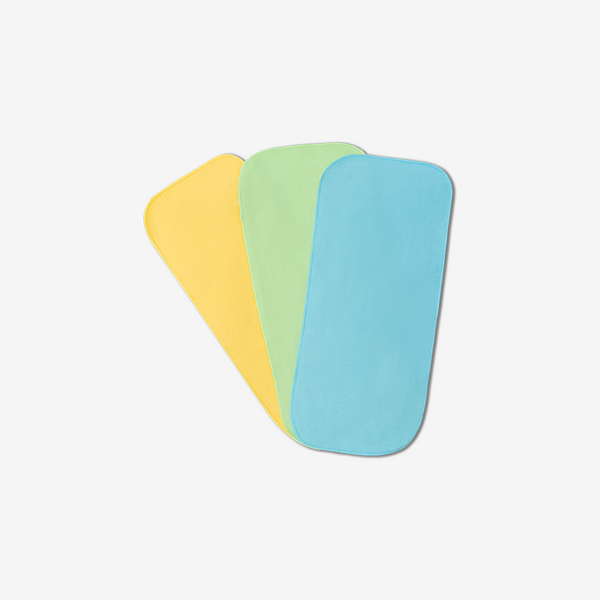
- Quick-dry inserts
- Leak-proof outer protection
- Stay-dry inner layers
This makes them far more practical for working parents and urban households.
Expert Answer
Why Are More Parents in India Choosing Cloth Diapers?
Indian parents are increasingly balancing affordability, skin safety, and waste reduction. Disposable baby diapers may feel convenient initially, but recurring monthly costs add up quickly.
Common parent concerns include:
- Frequent diaper rash
- Overnight leakage
- Chemical exposure concerns
- Rising diaper expenses
- Growing household waste
Reusable diaper systems address several of these concerns at once.
Many parents now prefer washable diapering solutions because they can:
- Reduce long-term spending
- Minimise frequent repurchasing
- Support babies with sensitive skin
- Lower landfill waste
Parent Insight
This reflects a common transition experience.
Cloth Diaper vs Disposable: What's the Real Difference?
The cloth vs disposable diaper debate is less about "good vs bad" and more about family priorities.
Here's the direct answer:
Disposable diapers prioritise convenience and quick disposal. Cloth diapers prioritise reusability, long-term value, and material control.
Major differences include:
| Feature | Cloth Diapers | Disposable Diapers |
|---|---|---|
| Reuse | Yes | No |
| Upfront Cost | Higher | Lower |
| Long-Term Cost | Lower | Higher |
| Waste Generation | Lower | Higher |
| Material Transparency | Often clearer | Varies |
| Laundry Required | Yes | No |
| Travel Convenience | Moderate | High |
| Skin Breathability | Often better | Product-dependent |
No option is universally perfect. Usage context matters.
What Are the Benefits of Cloth Diapers?
The benefits of cloth diapers go beyond sustainability.
1. Better Long-Term Cost Value
The upfront investment can feel higher, but reusable systems spread cost across months or years.
Disposable usage often means:
- Continuous monthly purchases
- Emergency reorders
- Increased spending for overnight variants
Reusable diaper systems may significantly reduce total diapering cost.
2. Potentially Better for Sensitive Skin
Some babies react to fragrances, dyes, or prolonged moisture exposure.
Cloth options often allow parents greater control over:
- Fabric selection
- Wash routine
- Skin-contact materials
That can matter for rash-prone babies.
What Parents Should Know
3. Reduced Waste Output
A baby may go through thousands of disposable diapers before toilet training.
Reusable systems reduce repeated single-use waste generation.
For environmentally conscious families, this is often a deciding factor.
4. Adjustable Fit as Baby Grows
Many modern reusable diaper systems include adjustable sizing.
That means fewer size transitions compared with disposable systems.
This helps improve:
- Product longevity
- Cost efficiency
- Inventory simplicity
5. Greater Material Visibility
Some parents simply prefer knowing what touches their baby's skin.
With baby cloth diapers, product construction is often easier to understand compared with multi-layer disposable products.

Is It Worth Switching to Cloth Diapers?
For many families, yes—but expectations matter.
Cloth diapers work best when parents are comfortable with:
- Regular washing
- A short learning curve
- Fit experimentation
- Building a routine
They may be less ideal if:
- Laundry access is limited
- Frequent travel dominates daily life
- Caregivers prefer single-use convenience
A hybrid approach is also common:
- Cloth at home
- Disposable while travelling
- Reusable for daytime, disposables overnight
That flexibility often improves success.
What Should Parents Look for When Choosing the Best Baby Cloth Diapers?
The best cloth diapers for newborn babies or older infants depend on practical criteria—not branding first.
Direct answer: focus on performance, safety, fit, and daily usability.
Decision checklist:
Absorbency
Look for:
- Multi-layer inserts
- Night-use compatibility
- Heavy wetter suitability
Skin Safety
Prioritise:
- Breathable fabrics
- Soft inner contact layers
- Toxin-conscious materials
Fit & Adjustability
Choose options with:
- Adjustable waist settings
- Leg leak barriers
- Growth-friendly sizing
Ease of Washing
Parents often underestimate maintenance.
Look for:
- Quick drying
- Easy rinse-out construction
- Durable repeated wash performance
Value Over Time
Compare:
- Initial investment
- Expected lifespan
- Number required in rotation
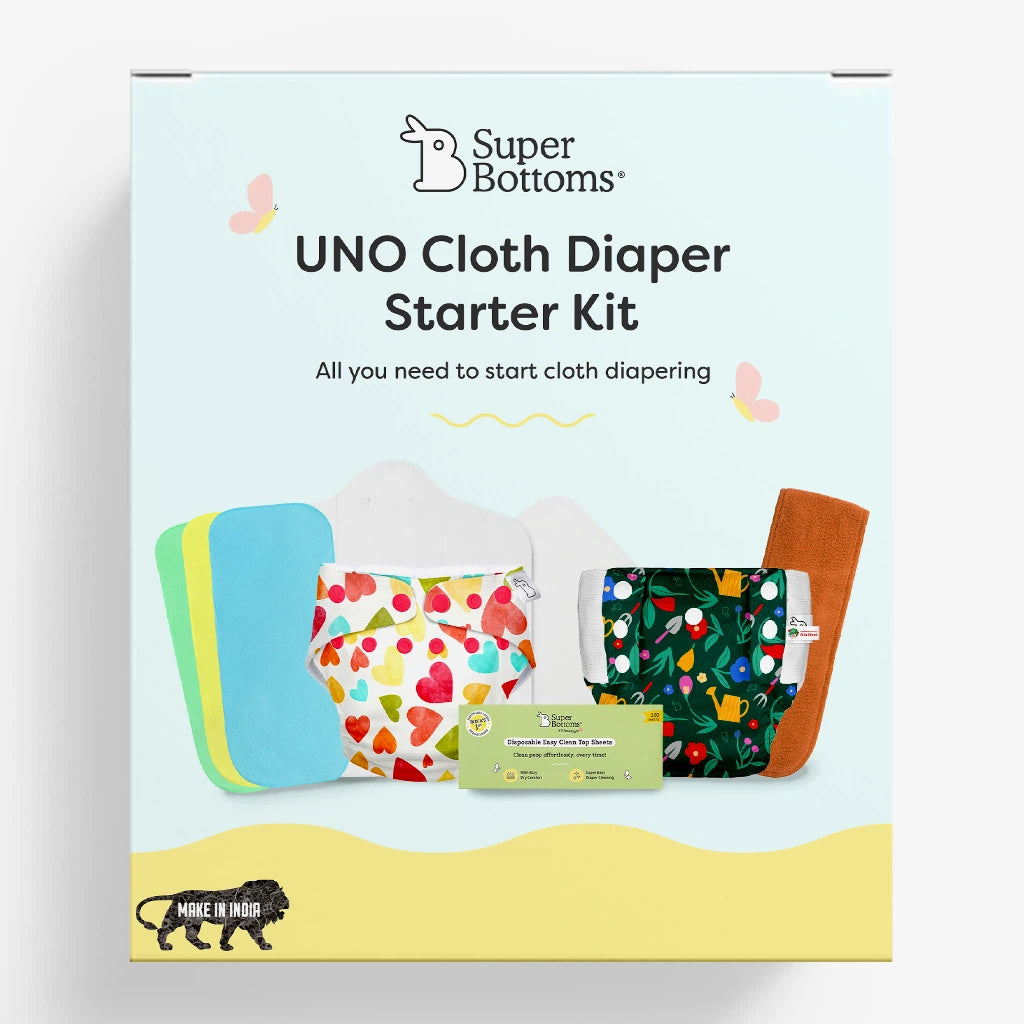
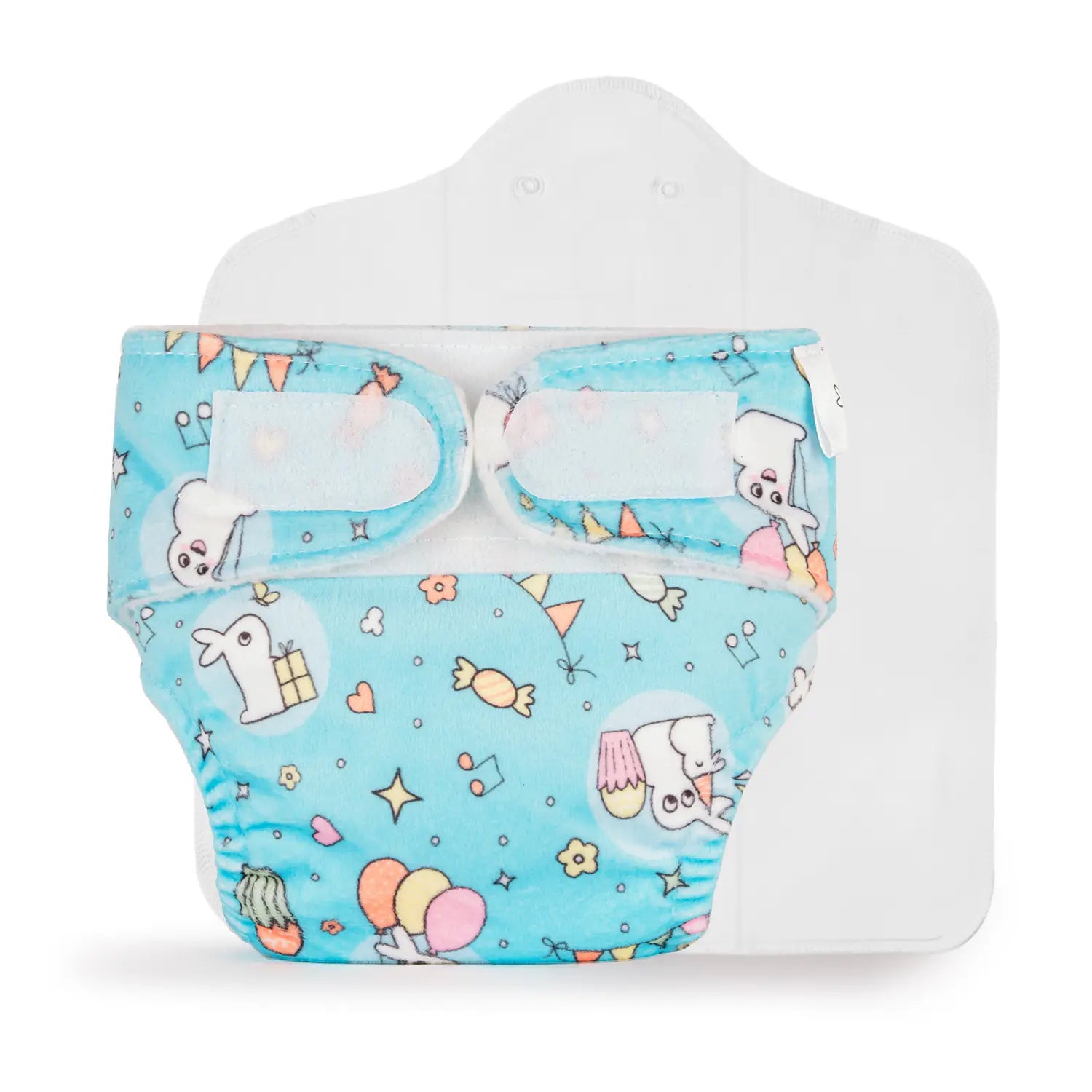
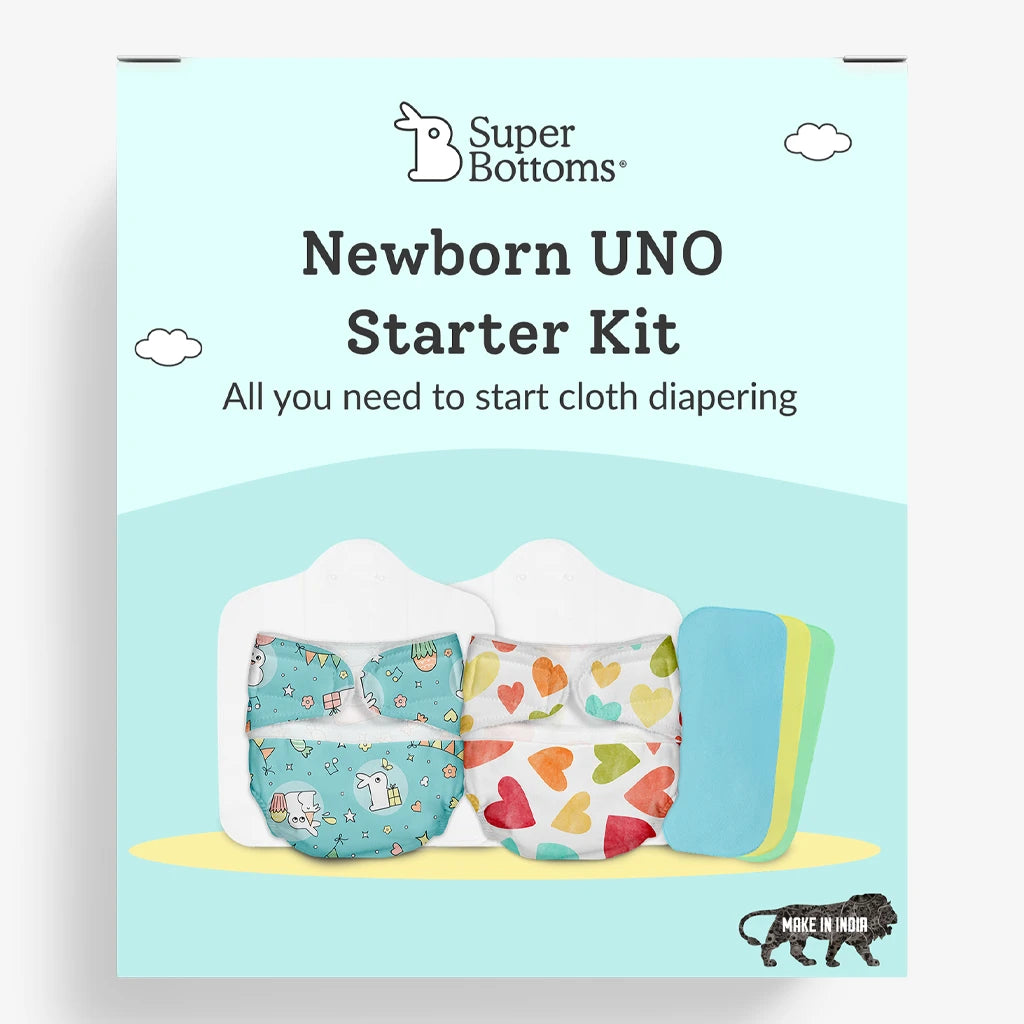
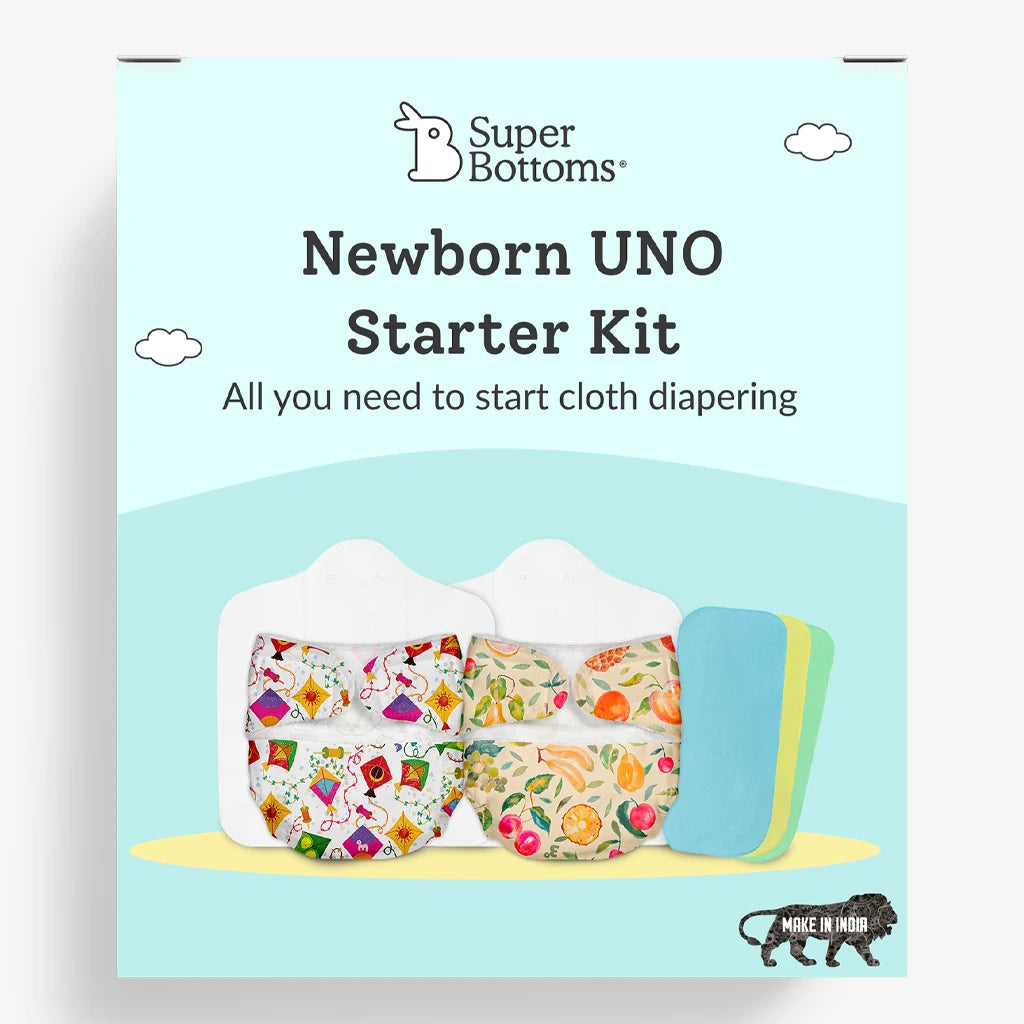
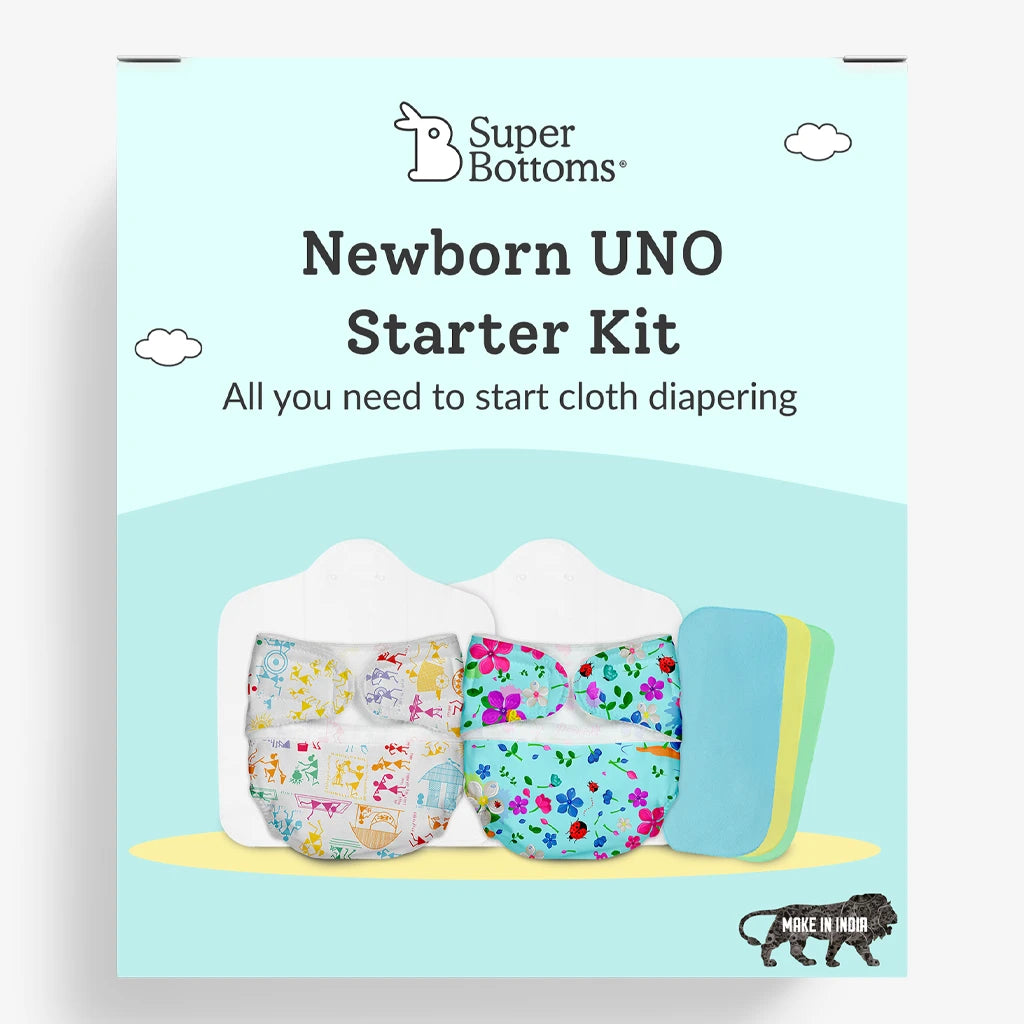
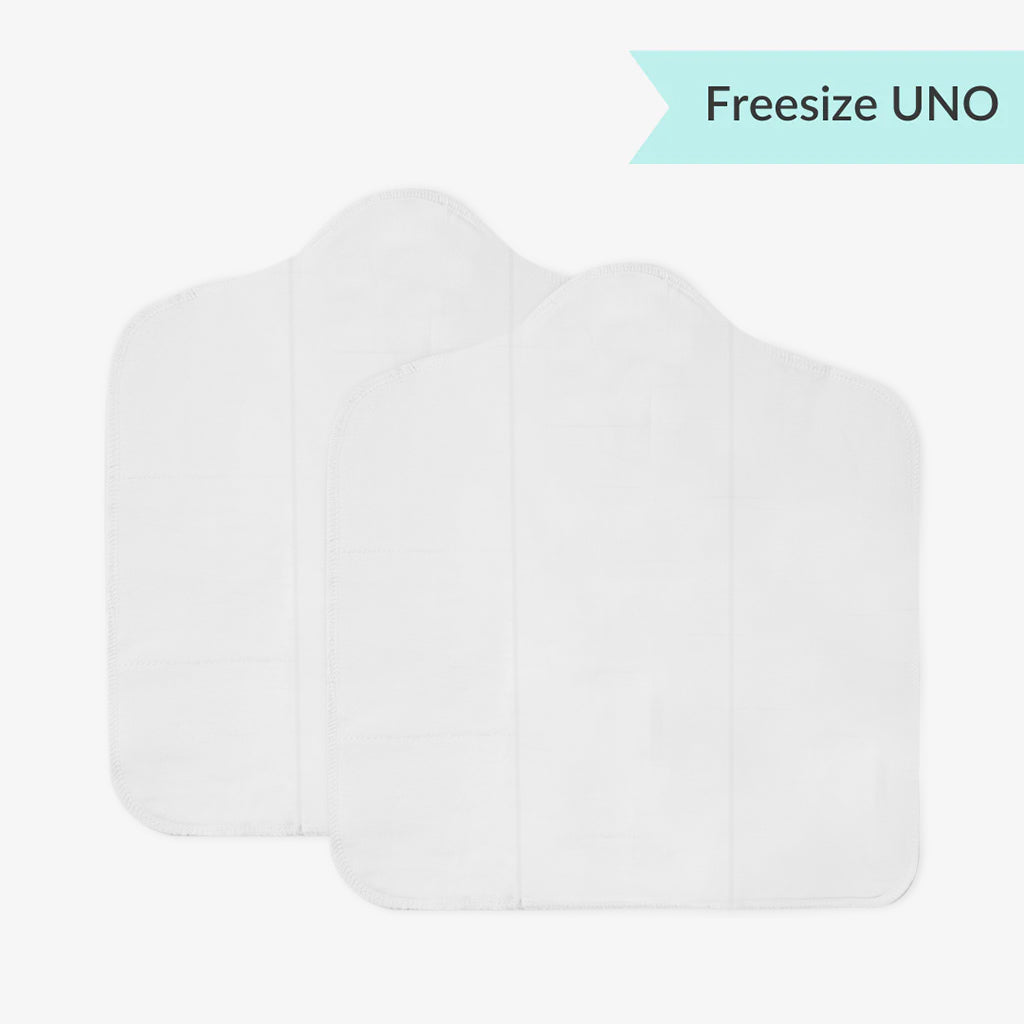
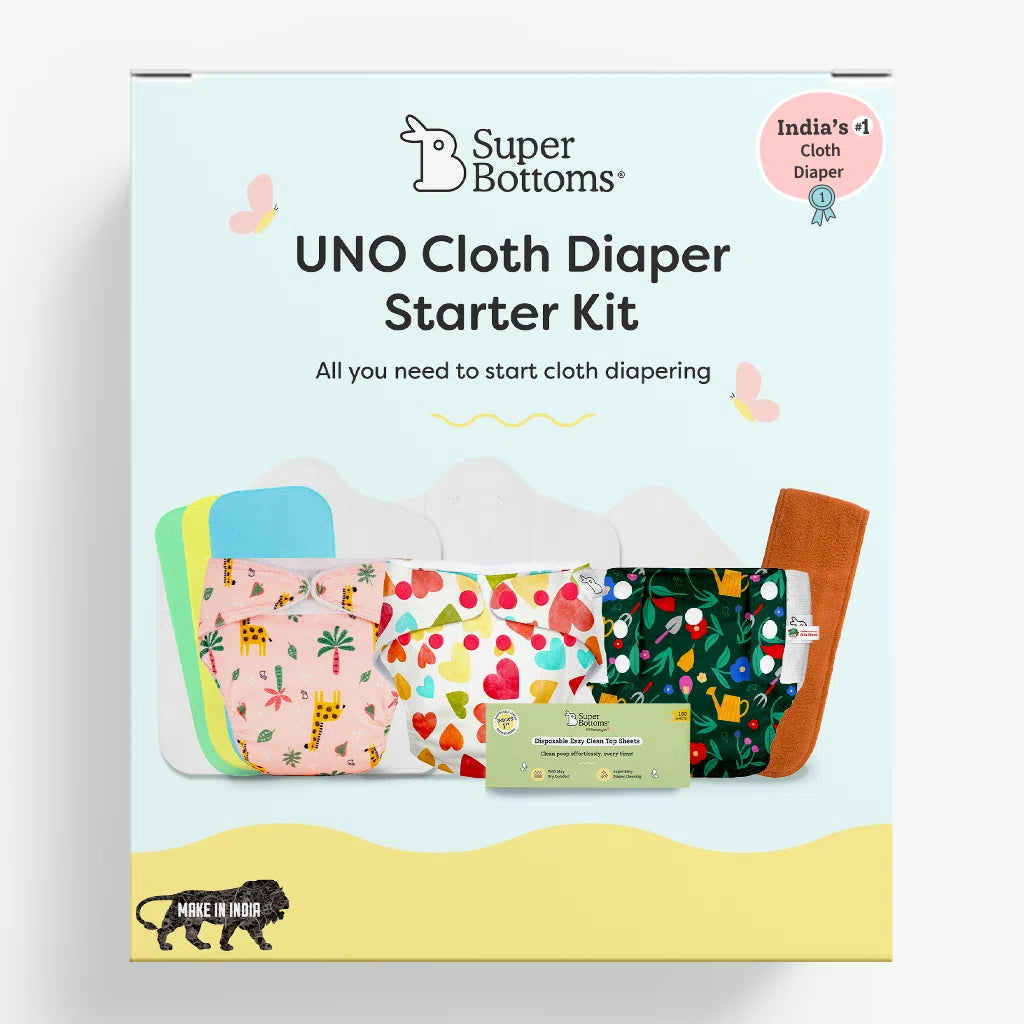
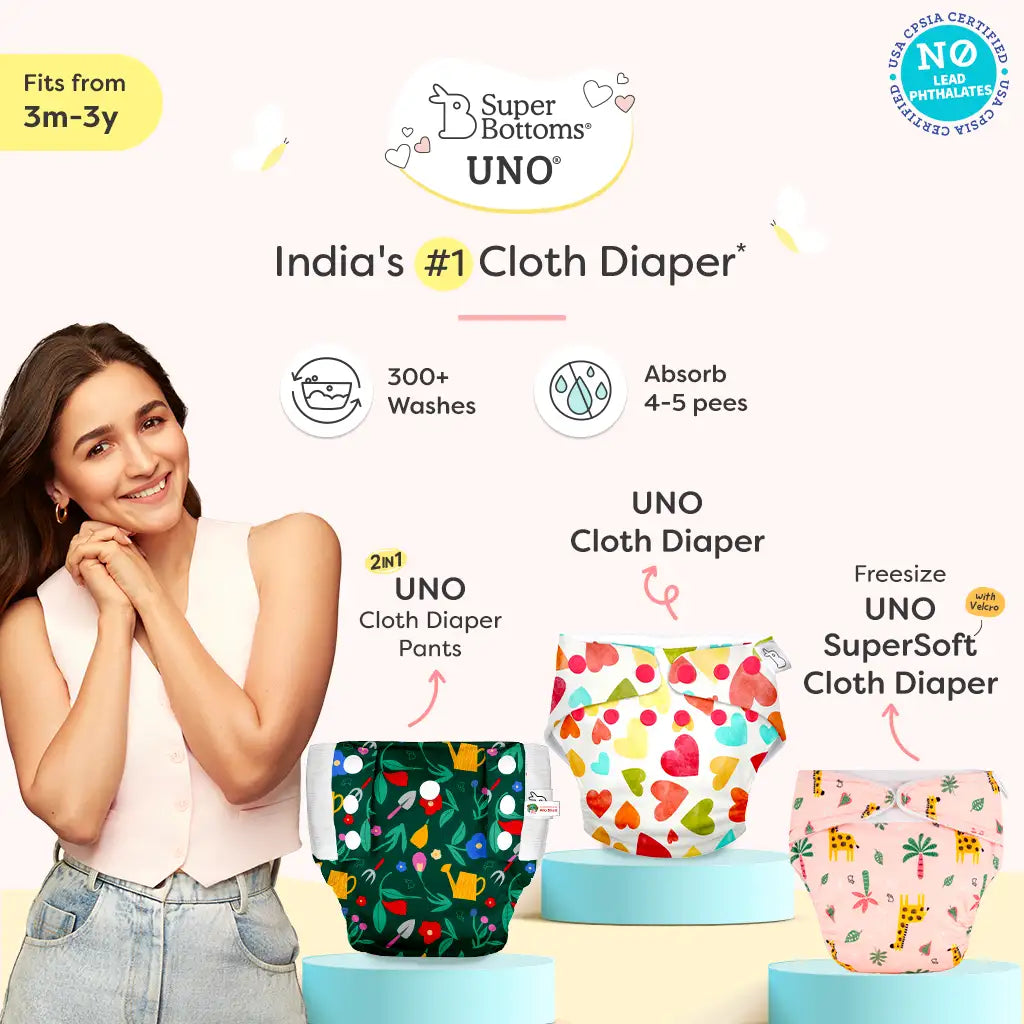
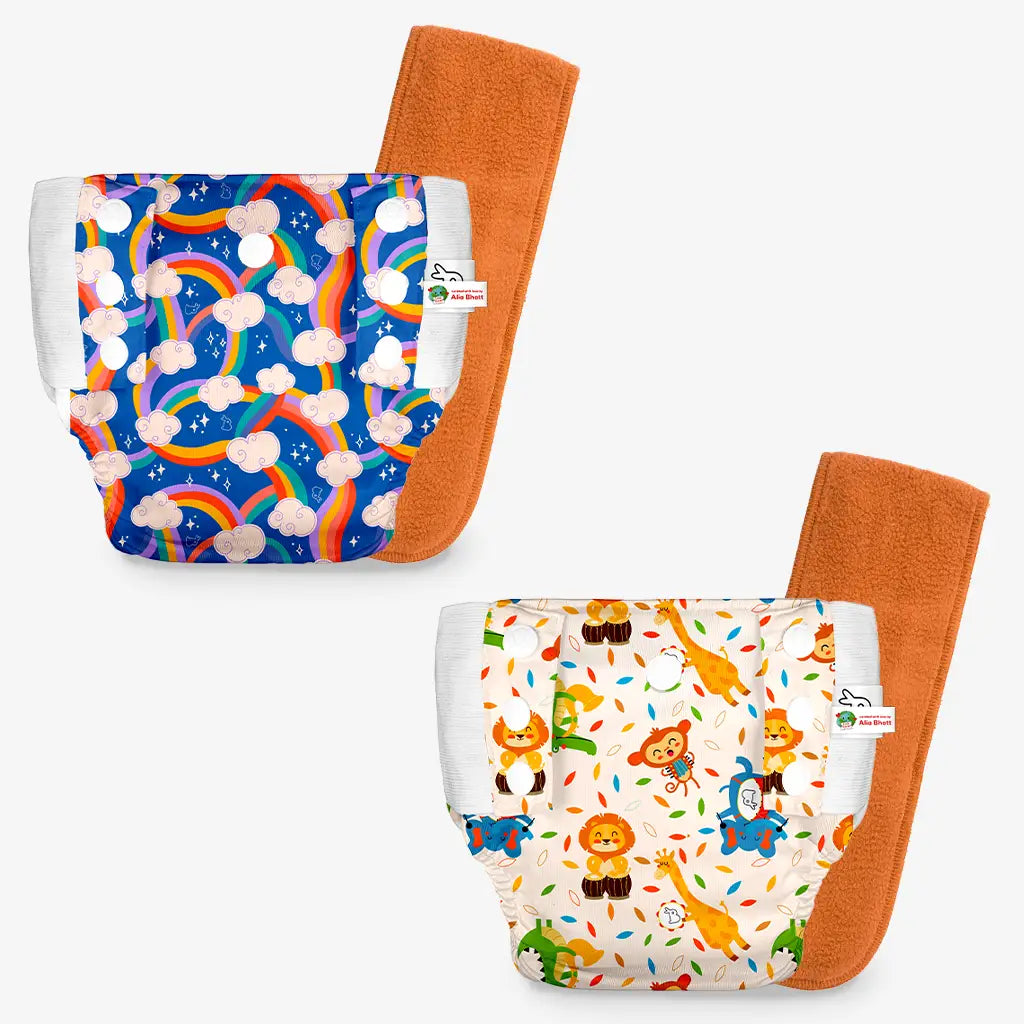
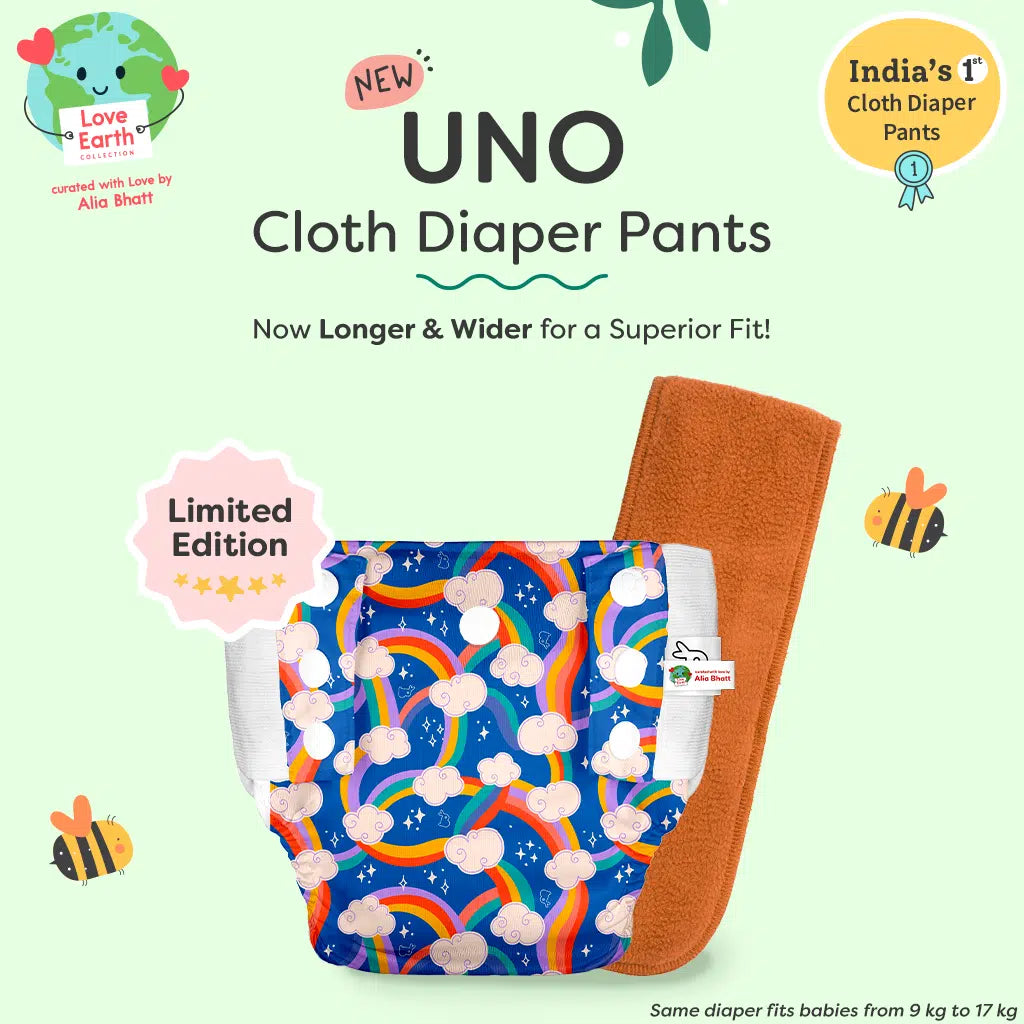
SuperBottoms Pick: UNO Cloth Diaper
What it aims to solve:
— Repeat disposable purchases
— Daytime leak anxiety
— Reusable diaper convenience concerns
Comparison Table: Which Option Works Best?
| Criteria | Traditional Cloth Nappy | Disposable Diaper | SuperBottoms UNO |
|---|---|---|---|
| Reusable | Yes | No | Yes |
| Leak Protection | Basic | Good | Strong |
| Adjustable Fit | Limited | Size-based | Yes |
| Travel Friendly | Moderate | High | Moderate |
| Skin Comfort | Variable | Product-dependent | Strong |
| Waste Reduction | Good | Poor | Good |
| Long-Term Value | Moderate | Lower | High |
Fair choice depends on household priorities.
Are Cloth Diapers Good for Newborns?
Yes, provided fit and absorbency match newborn needs.
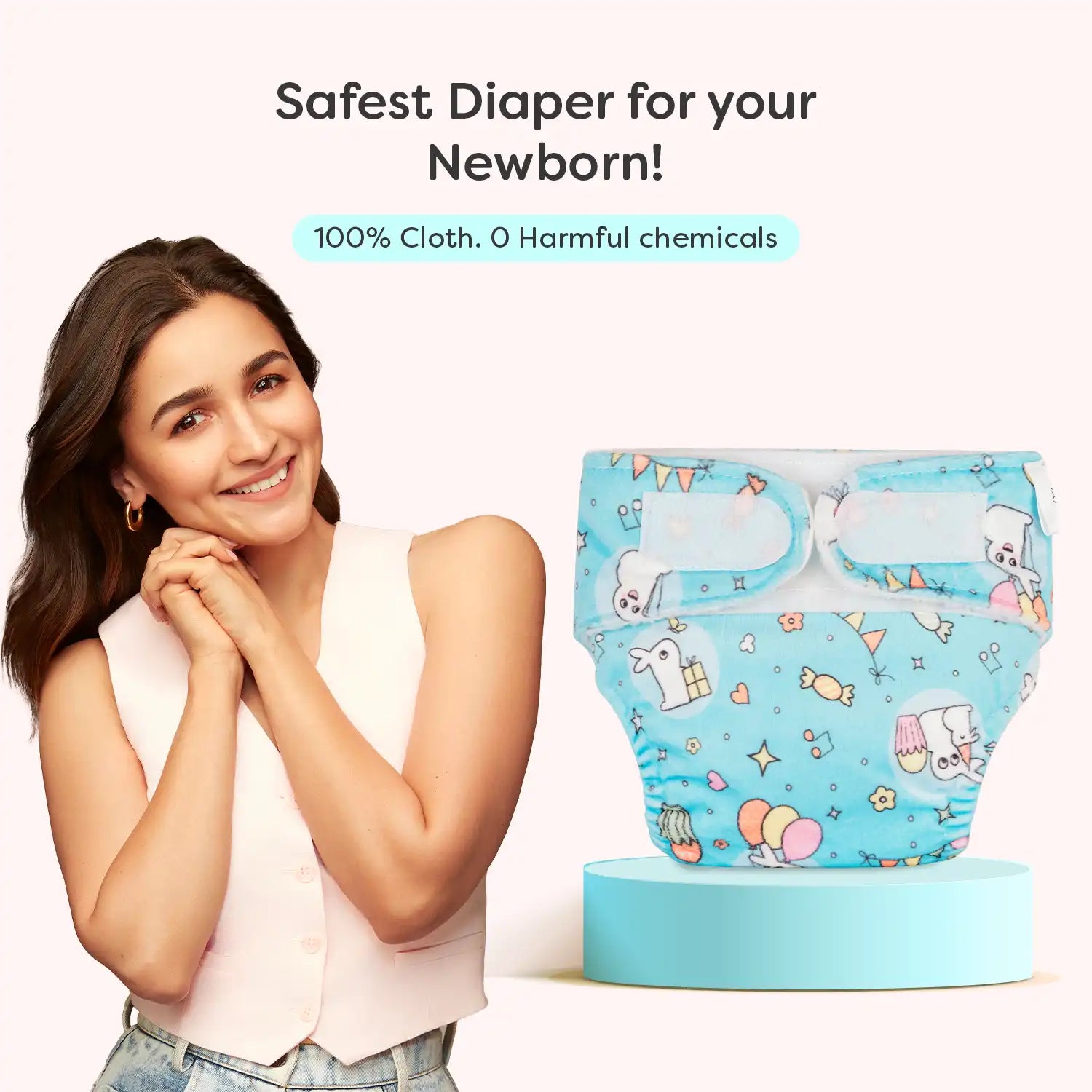
The best cloth diapers for newborns should offer:
- Gentle skin contact
- Snug leg fit
- Frequent-change suitability
- Soft breathable construction
Newborns require more frequent diaper changes, regardless of diaper type.
Can Cloth Diapers Work Overnight?
Yes, but overnight performance depends heavily on absorbency configuration, baby wetting patterns, and proper fit.
Night diapering needs differ from daytime use. Heavy wetters may need:
- Extra absorbent inserts
- Night-specific configurations
- Snug but comfortable fit checks
Some families use reusable diaper systems overnight successfully, while others prefer hybrid diapering.
What to Look For
— High absorbency layers
— Leak-resistant leg fit
— Moisture management
— Easy insert customisation
Common Mistakes Parents Make When Switching to Cloth Diapers
Switching is easier when expectations are realistic.
Frequent mistakes include:
Buying Too Few Diapers
A small stash creates washing stress.
Choosing Based Only on Price
Low-cost options may compromise absorbency, durability, or fit.
Poor Wash Routine
Improper washing may affect absorbency and hygiene. Learn the correct wash and care routine for cloth diapers to keep them effective longer.
Wrong Fit
Leaks often result from sizing or fit issues—not product failure.
Expecting Zero Learning Curve
Even the best baby cloth diapers require some adjustment.
Is It Worth Making the Switch?
If parents are dealing with repeated disposable purchases, diaper rash concerns, or sustainability questions, reusable diaper systems deserve serious consideration.
Cloth diapers are no longer the bulky, inconvenient products many parents imagine. Modern options are designed to support absorbency, comfort, and practical daily use.
For families wanting reusable convenience with modern design features, a structured cloth diaper system can make the transition smoother.
|
Limited Time Offers + Special Gift Sets! Now or never Super SALE is live on the SuperBottoms website! Take advantage of unbeatable value deals on our UNO Cloth Diapers, Baby Essentials, and more. Looking for the perfect present for a newborn or a toddler? Explore our thoughtfully curated Gift Sets & Combos - safe, skin-friendly, and oh-so-cute! A bundle of love for little ones and a delight for parents. HURRY - Deals and Gift Packs are live only till stocks last. Don't miss the chance to stock up and share the joy! |
Key Takeaways
- Cloth diapers for babies can offer long-term cost savings and lower waste.
- Cloth diaper vs disposable decisions depend on convenience, skin needs, budget, and lifestyle.
- The best baby cloth diapers prioritise absorbency, fit, washability, and skin safety.
Frequently Asked Questions
1. Are cloth diapers better than disposable diapers?
It depends. Cloth diapers offer reusability and long-term savings, while disposables offer maximum convenience.
2. How many cloth diapers does a baby need?
Usually:
- Newborn: 12–18
- Older baby: 8–12
- Hybrid users: fewer
3. Do cloth diapers cause diaper rash?
No. Rash usually happens due to prolonged wetness, poor fit, or infrequent diaper changes.
4. Are cloth diapers difficult to maintain?
Modern cloth diapers are easier than traditional nappies. Washing and drying become routine quickly.
5. Where can I buy cloth diaper India options?
Brand websites, baby care marketplaces, and parenting stores across India. SuperBottoms is a trusted choice for modern reusable diapering.
6. Is SuperBottoms worth the price?
For regular reusable diaper users, long-term value can outweigh repeated disposable diaper costs.
7. What are the benefits of cloth diapers vs disposable?
Key benefits include lower long-term cost, less waste, reusable convenience, and better material visibility.
8. Which are the best cloth diapers for newborn babies?
Look for soft fabric, snug newborn fit, reliable absorbency, and easy washing.
Hi there, new parents! SuperBottoms brings you doctor-recommended cloth diapers - the best rash-free diapering solution for your baby's sensitive and delicate skin. Unlike disposable diapers loaded with chemicals, our newborn cloth diapers, when used and washed properly, can help eliminate the risk of diaper rashes. SuperBottoms offers a wide range of safe, skin-friendly essentials for the whole family - including Reusable Cloth Diapers, Diaper Pants, DryFeel langots for diaper-free time, Padded Underwear for potty training, SuperSoft Underwear for everyday comfort, Joggers for playful days, and Period Underwear for women. Not just for everyday use, SuperBottoms products also make the best gifting choice for babies - thoughtful, eco-friendly, practical, and loved by parents. Now available on Amazon, Myntra, Flipkart, FirstCry, Zepto, Swiggy and Blinkit.