



Many parents exploring cloth diapering wonder whether a reusable cloth diaper can also function as a cover diaper. The answer depends on the diaper's design, absorbency system, and ease of reuse. This guide explains how cover diapers work, when they are useful, and how parents can use versatile cloth diaper systems more efficiently. One well-designed cloth diaper can often reduce laundry, improve flexibility, and simplify diapering routines.
- What Is a Cover Diaper?
- Can UNO Be Used as a Cover Diaper?
- Why Do Parents Use Cover Diapers?
- How Do You Use UNO as a Cover Diaper?
- Which Type Works Best for Different Situations?
- What Should I Look for When Choosing a Cover Diaper?
- Comparison Table: Cover Diaper Options
- Expert Insights and Parent Experiences
- Key Takeaways
- FAQs
- Message from SuperBottoms
What Is a Cover Diaper?
A cover diaper is a waterproof outer layer worn over an absorbent insert, prefold, flat, or fitted diaper. Its main job is to prevent leaks while allowing the absorbent material inside to do the actual moisture absorption.
Unlike disposable diapers, many cloth diaper systems separate absorbency from leak protection. This allows parents to reuse the outer cover if it remains clean while replacing only the wet insert.
For families looking for reusable cloth diapers, cover diaper systems can be economical, environmentally friendly, and highly customizable.
Expert Answer
A cover diaper is essentially a waterproof shell that keeps moisture from leaking onto clothing while allowing parents to change only the absorbent layer when needed. This can reduce overall laundry and extend the use of diaper covers.
Can UNO Be Used as a Cover Diaper?
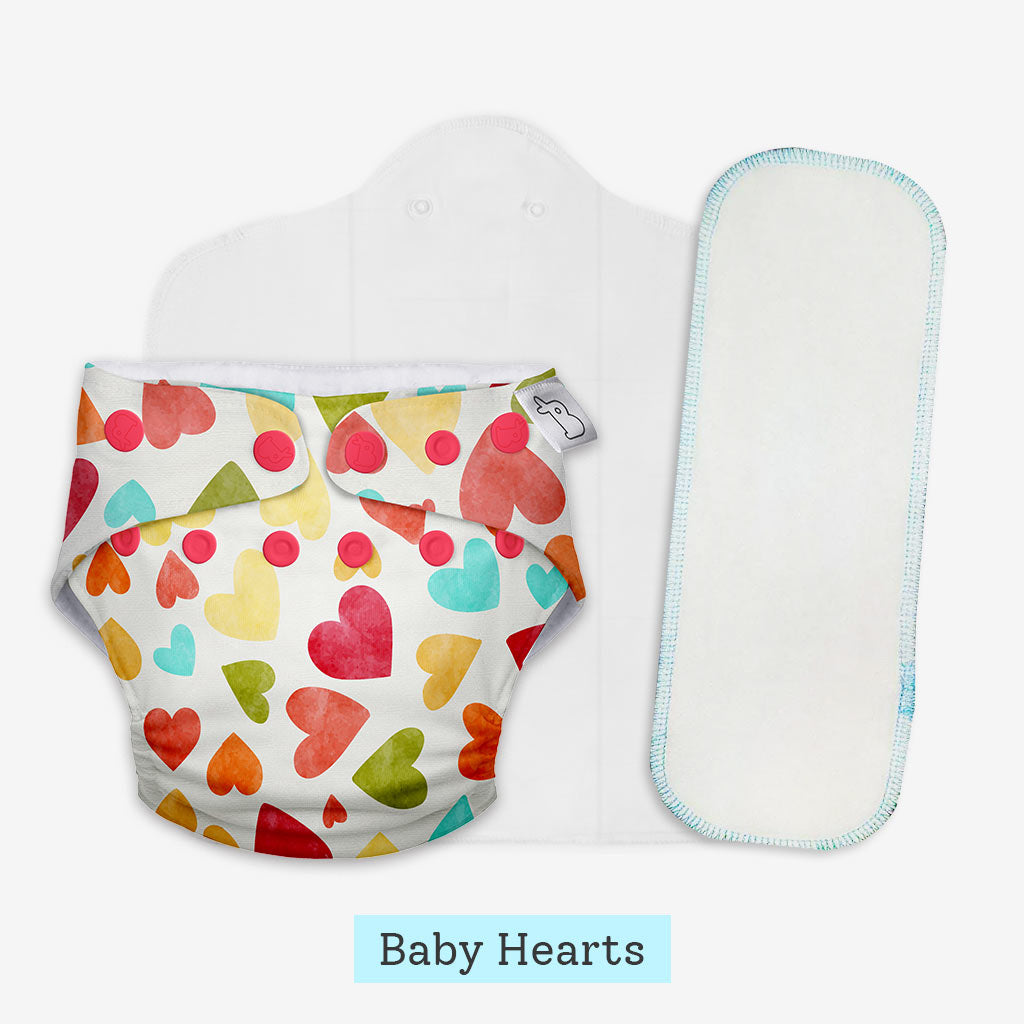
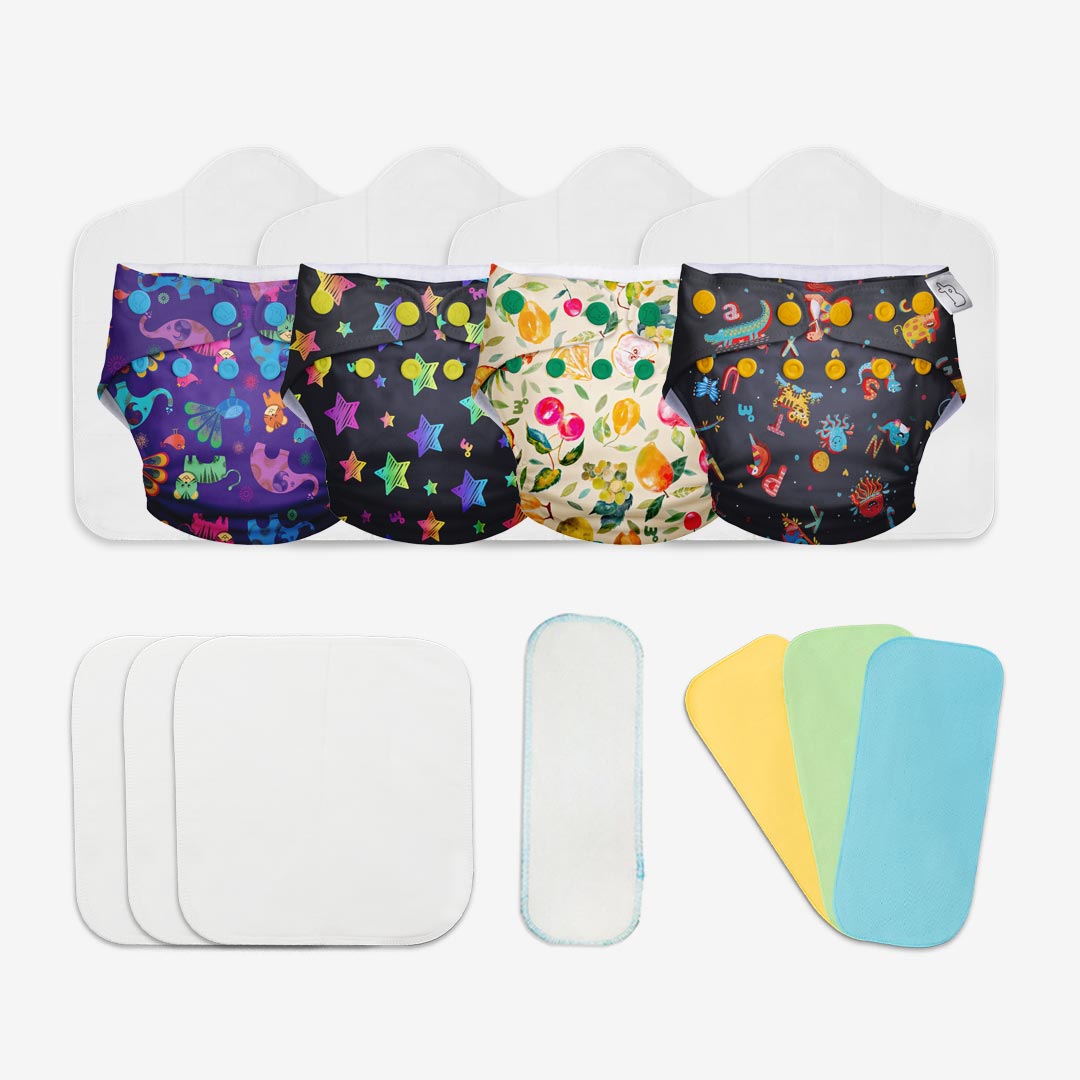
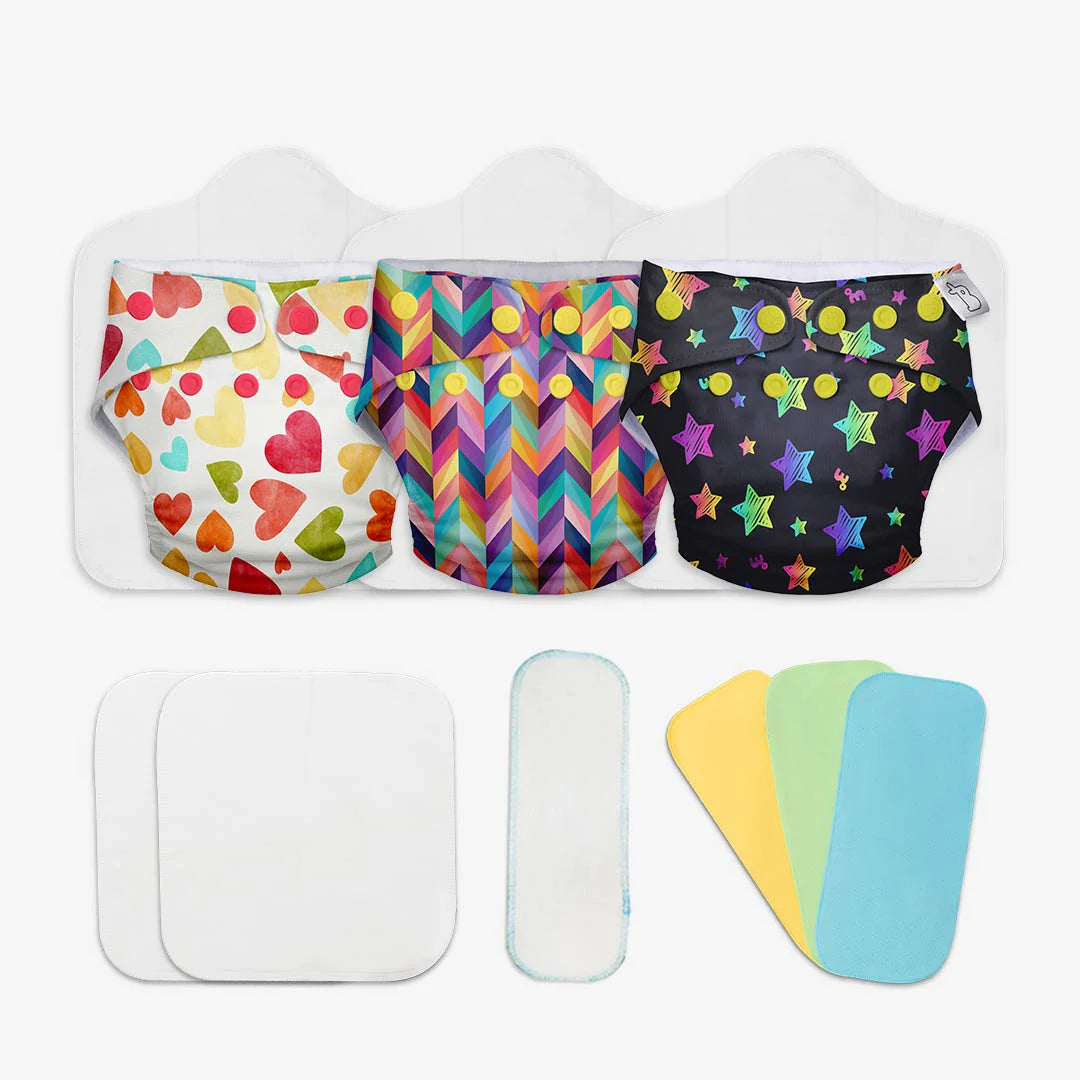
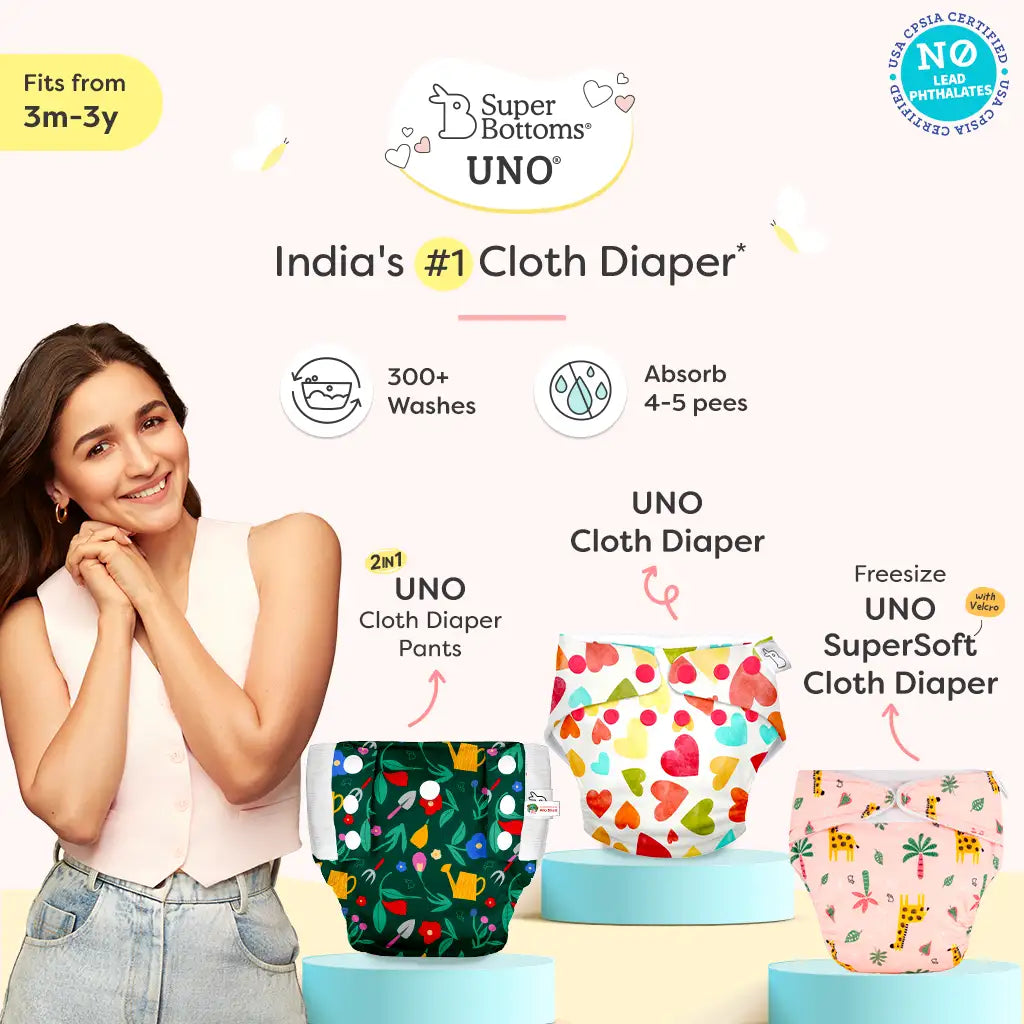
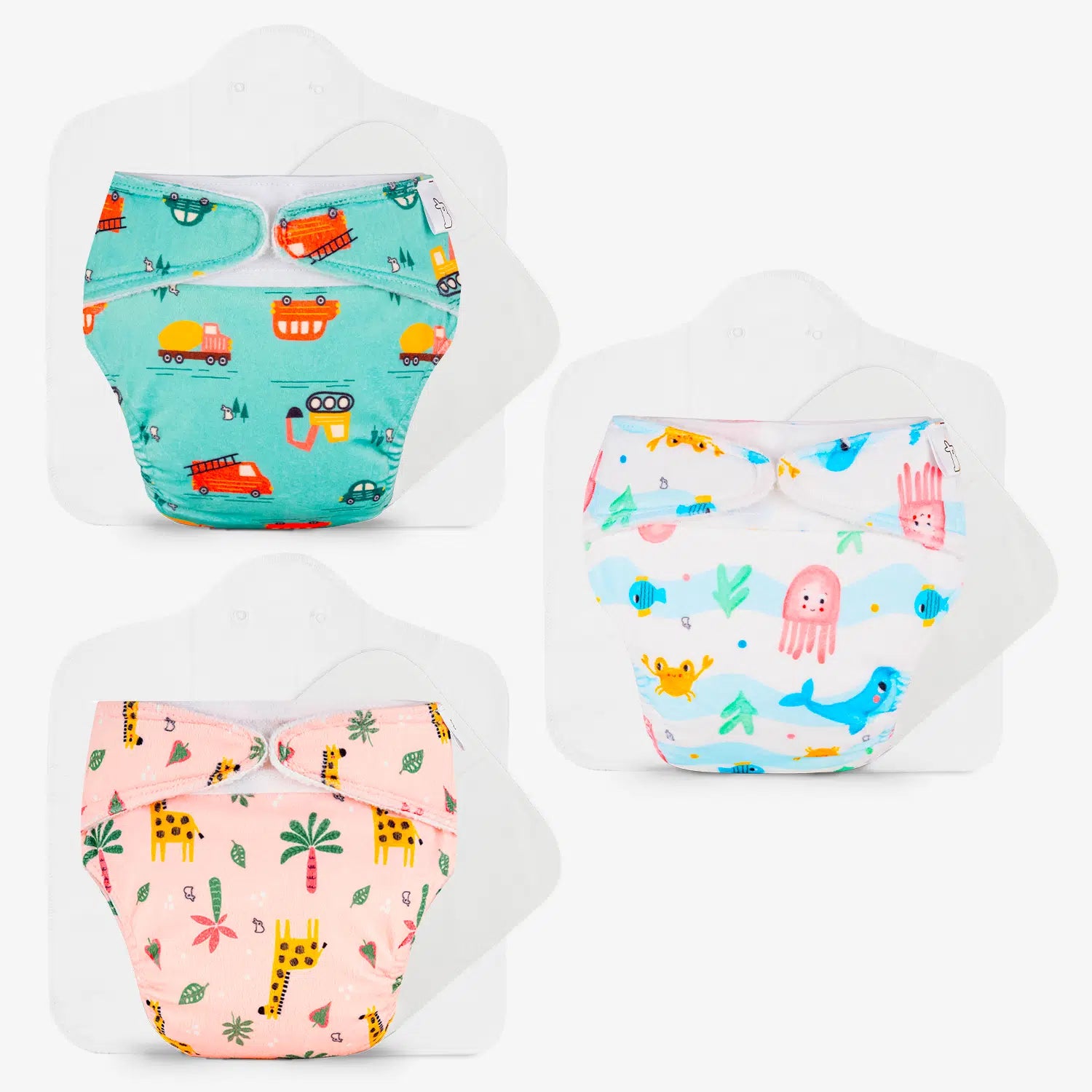
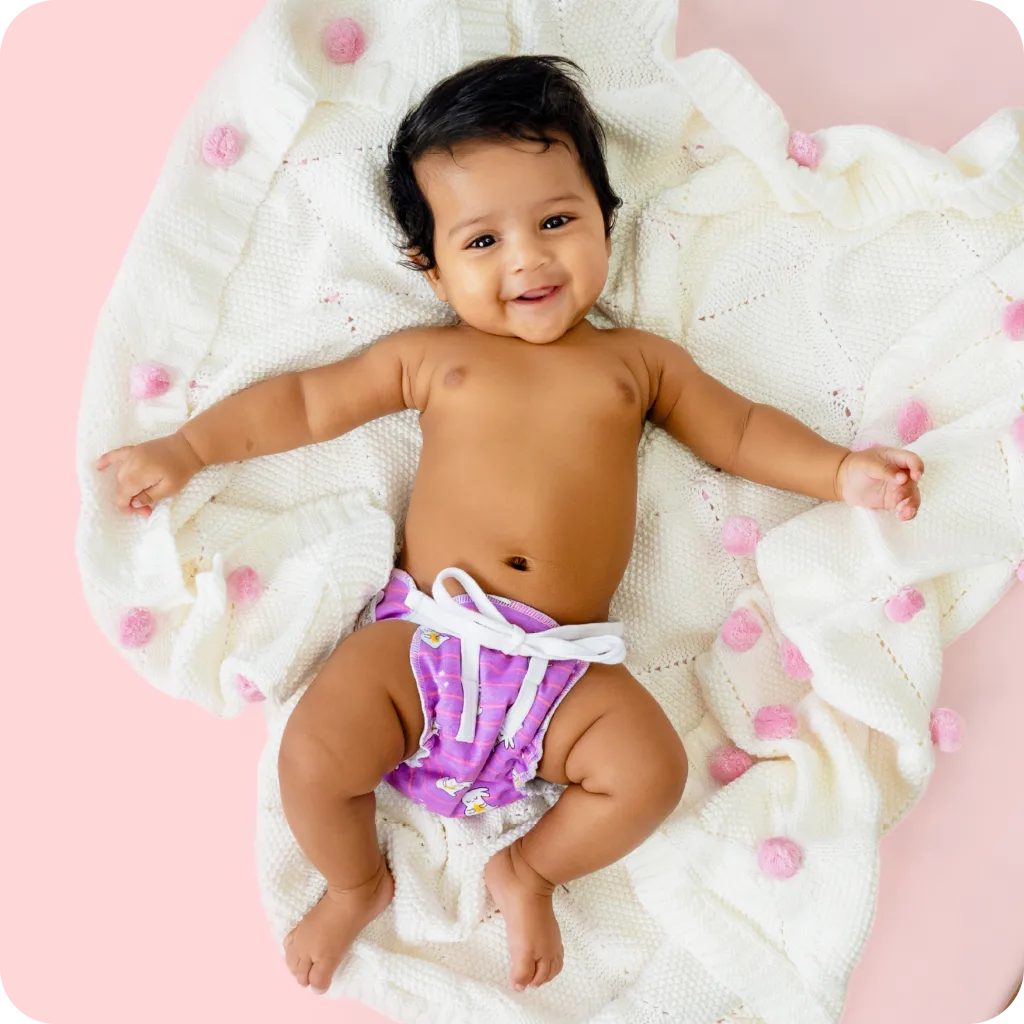
Yes. SuperBottoms UNO can be used as a cover diaper when paired with compatible absorbent inserts or pads. The waterproof outer layer helps contain moisture, while the absorbent insert manages wetness. SuperBottoms describes UNO as a versatile diapering system that can function as both a complete cloth diaper and a reusable cover with replaceable inserts.
This flexibility is one reason many parents consider cloth diapers for baby use instead of relying solely on disposable options.
However, the cover should only be reused if it remains clean and free from poop contamination. If the cover becomes heavily soiled, it should be washed before reuse.
What Parents Should Know
Not every cloth diaper can be reused as a cover. The outer layer must remain clean, and absorbent inserts should be changed regularly. Following proper washing practices is essential for hygiene and performance.
Why Do Parents Use Cover Diapers?
Parents typically choose cover diaper systems for three major reasons:
1. Better Value
Replacing only the absorbent insert instead of the entire diaper can reduce the number of diapers required in a rotation.
2. More Flexibility
Different inserts can be used based on your baby's needs:
- Daytime diapering
- Nighttime diapering
- Heavy wetters
- Travel situations
3. Sustainability
Reusable diaper systems generate significantly less waste than single-use disposable baby diapers. Reusing a waterproof cover multiple times can further reduce environmental impact.
How Do You Use UNO as a Cover Diaper?
Using UNO as a cover diaper is straightforward.
Step 1: Prepare the Cover
Start with a clean, waterproof UNO outer.
Step 2: Add Absorbency
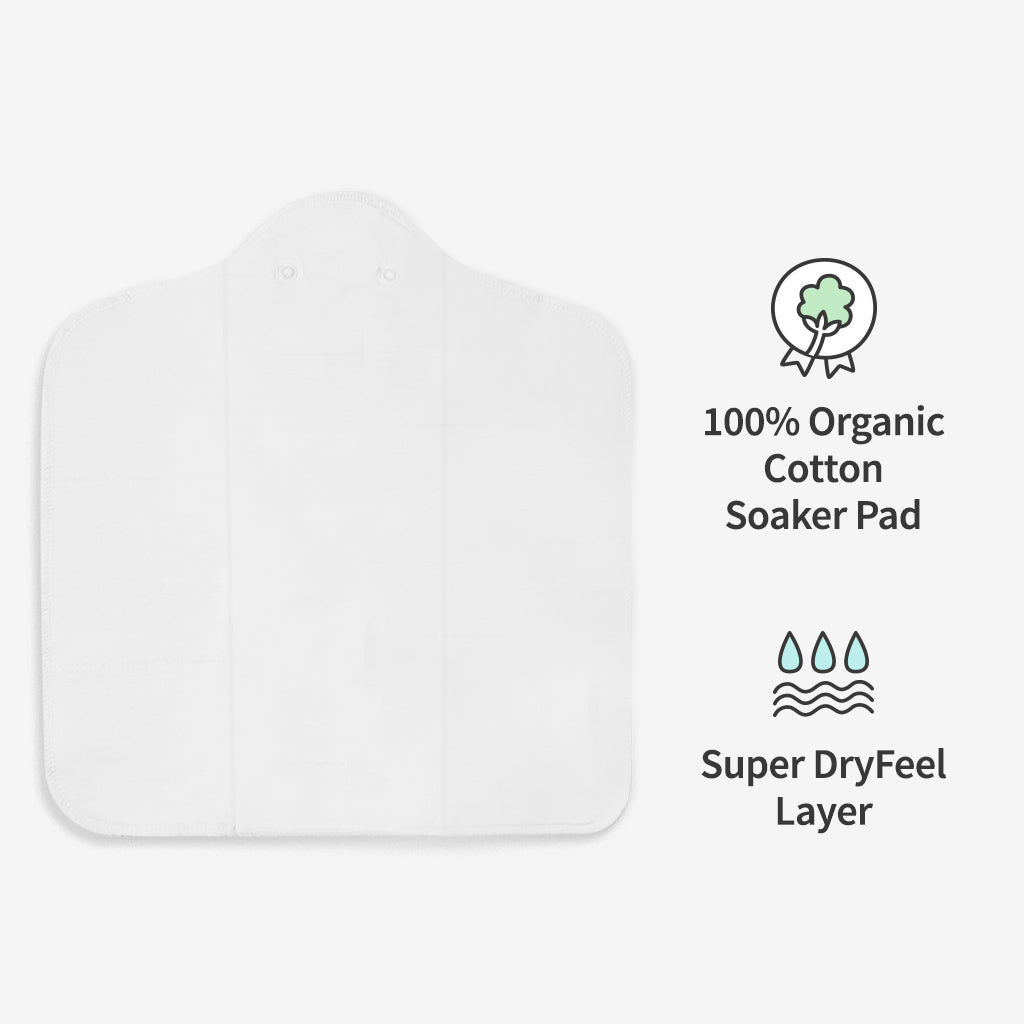
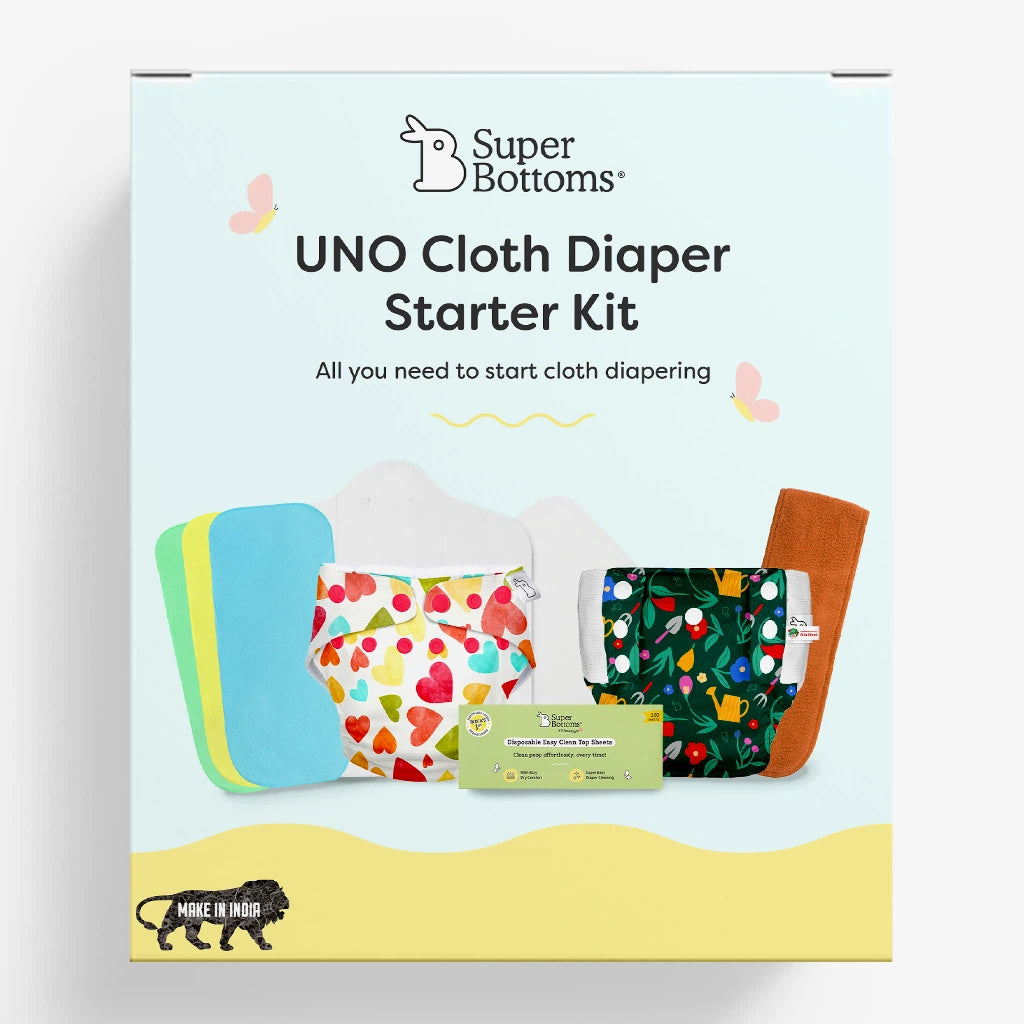
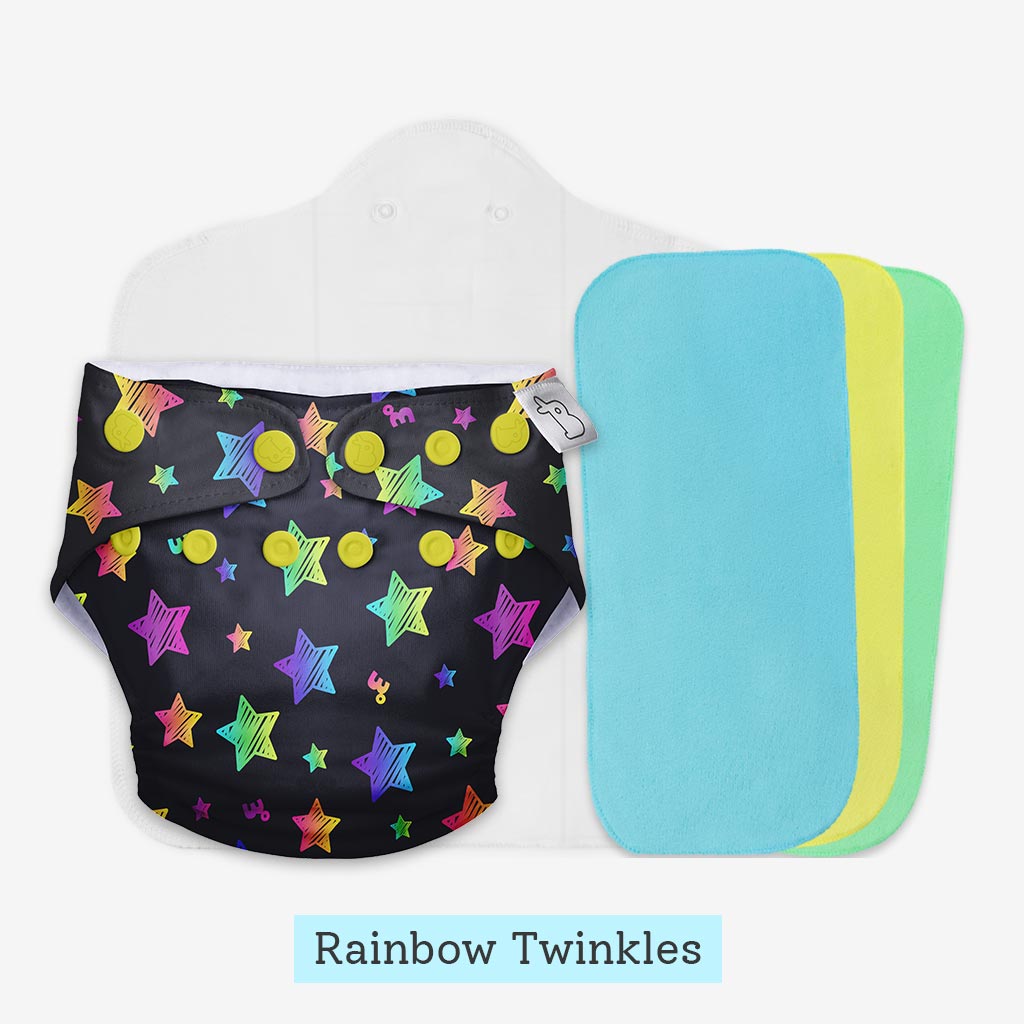
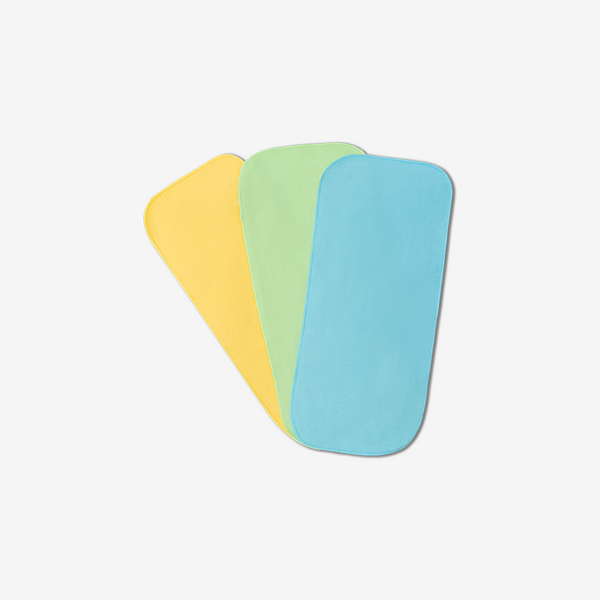
Place an absorbent insert, Dry Feel Magic Pad, booster pad, or similar absorbent layer inside the diaper.
Step 3: Adjust the Fit
Ensure the diaper fits snugly around the waist and legs without gaps.
Step 4: Replace Inserts as Needed
When wet, remove the used insert and replace it with a fresh one.
Step 5: Reuse or Wash
If the outer cover remains clean, it may be reused. If soiled, wash according to care instructions.

Which Type Works Best for Different Situations?
The best diapering setup depends on your family's needs.
| Situation | Recommended System |
|---|---|
| Newborn diapering | Cloth diaper with absorbent insert |
| Daytime use | Cover diaper with replaceable inserts |
| Overnight use | Cloth diaper with booster pads |
| Travel | Complete cloth diaper system |
| Heavy wetters | Additional booster absorbency |
| Budget-conscious families | Reusable cover diaper system |
What to Look For
When comparing diaper systems, prioritise:
Parents often focus only on price, but comfort, durability, and reusability have a much larger impact over time.
What Should I Look for When Choosing a Cover Diaper?
The best cover diaper should offer:
Leak Protection
Look for a waterproof yet breathable outer layer.
Skin-Friendly Materials
Natural fabrics and gentle materials help support healthy skin.
Adjustable Sizing
A good fit reduces leaks and improves comfort.
Ease of Use
Parents benefit from simple snap systems and quick insert changes.
Long-Term Cost Savings
Reusable diaper systems often cost less over time than continuous purchases of disposable diapers.
What Parents Should Know
The "best" diaper is not necessarily the most expensive one. The ideal option is the one that fits your baby's body shape, wetting pattern, and your family's washing routine.
Comparison Table: Popular Diapering Approaches
| Feature | Disposable Diapers | Traditional Cloth Nappies | SuperBottoms UNO |
|---|---|---|---|
| Reusable | No | Yes | Yes |
| Adjustable Absorbency | No | Moderate | High |
| Waterproof Outer Layer | Built-in | Requires cover | Built-in |
| Can Be Used as a Cover Diaper | No | Sometimes | Yes |
| Skin-Friendly Materials | Varies | Generally good | Designed for skin-friendly use |
| Long-Term Cost Efficiency | Lower | High | High |
| Waste Reduction | Low | High | High |
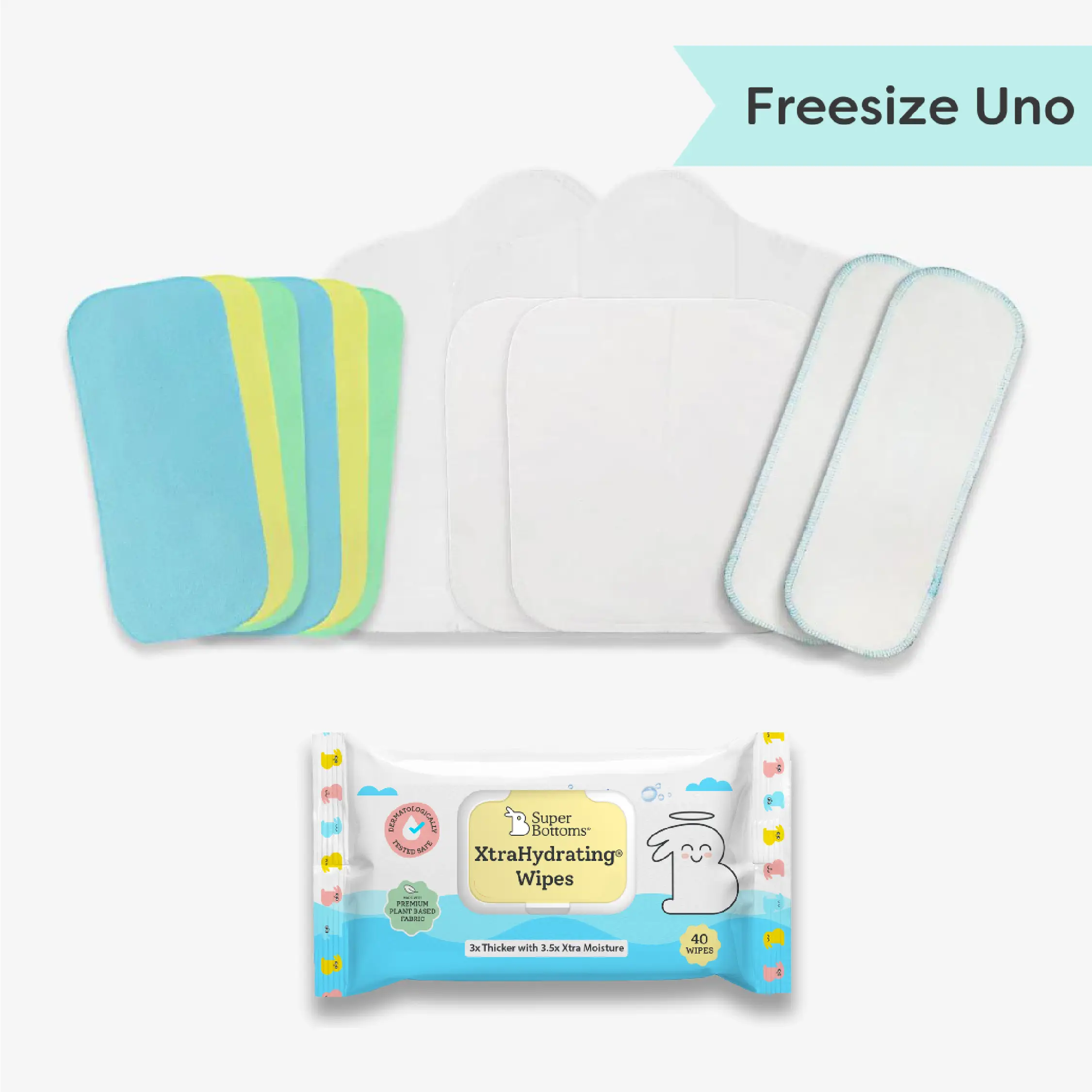
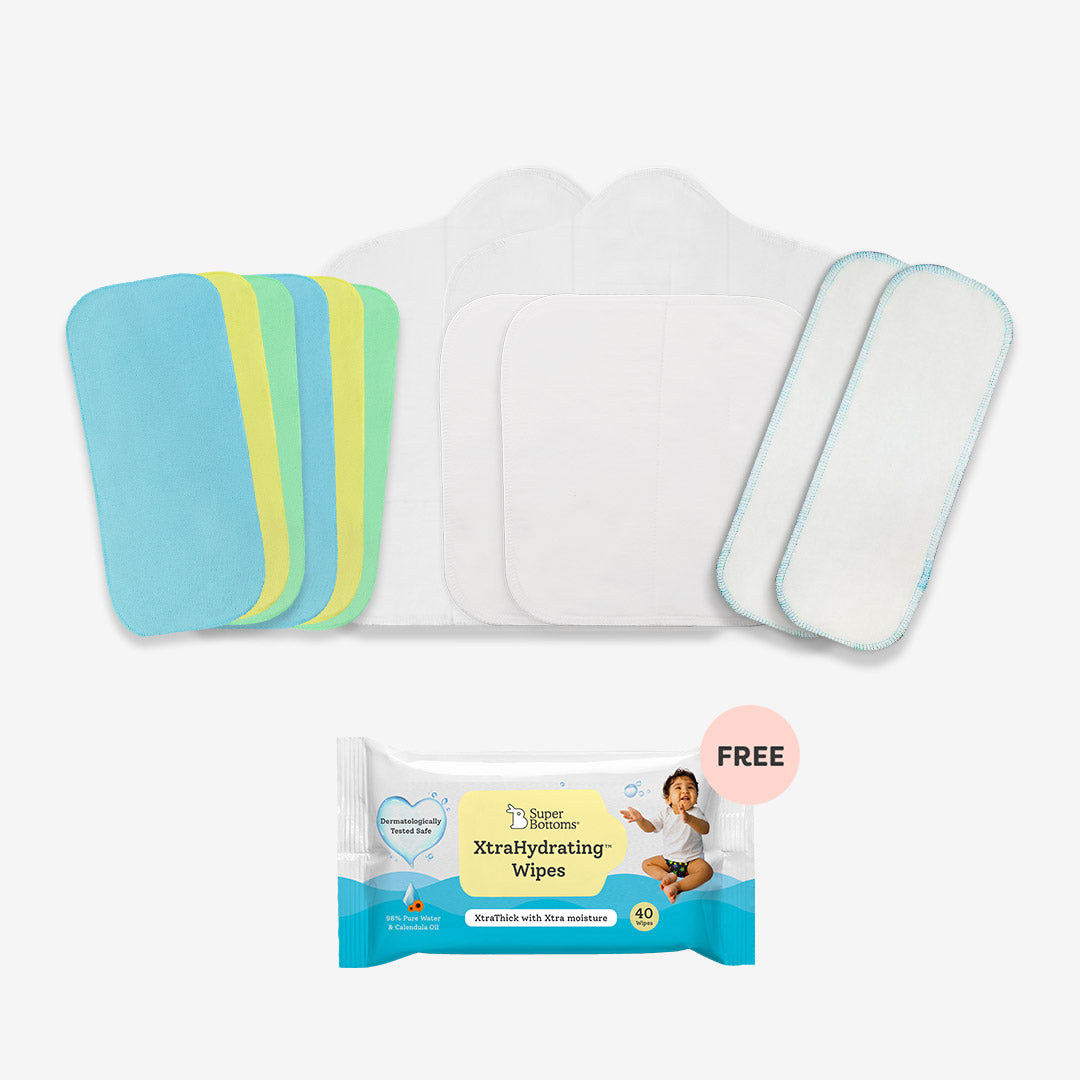
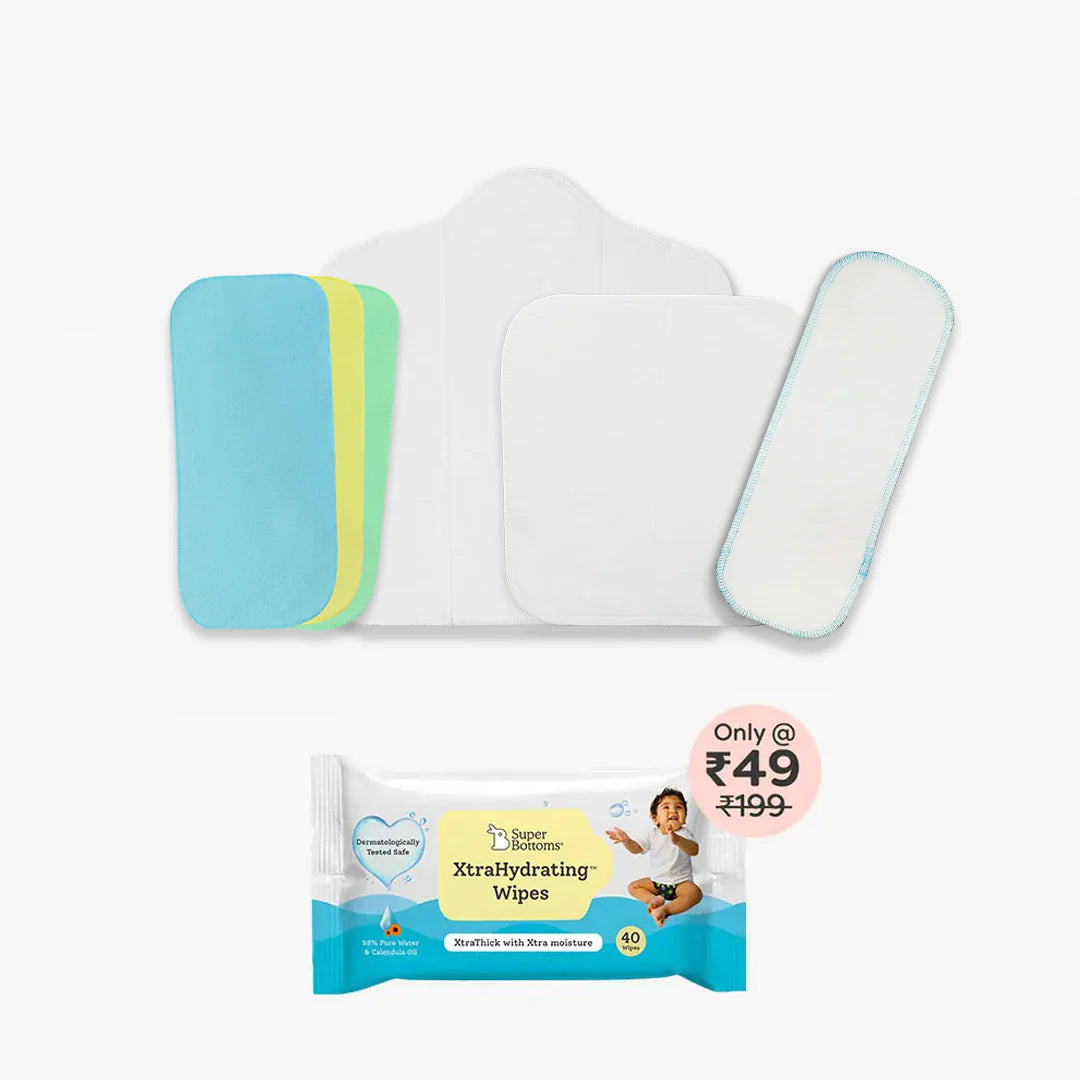
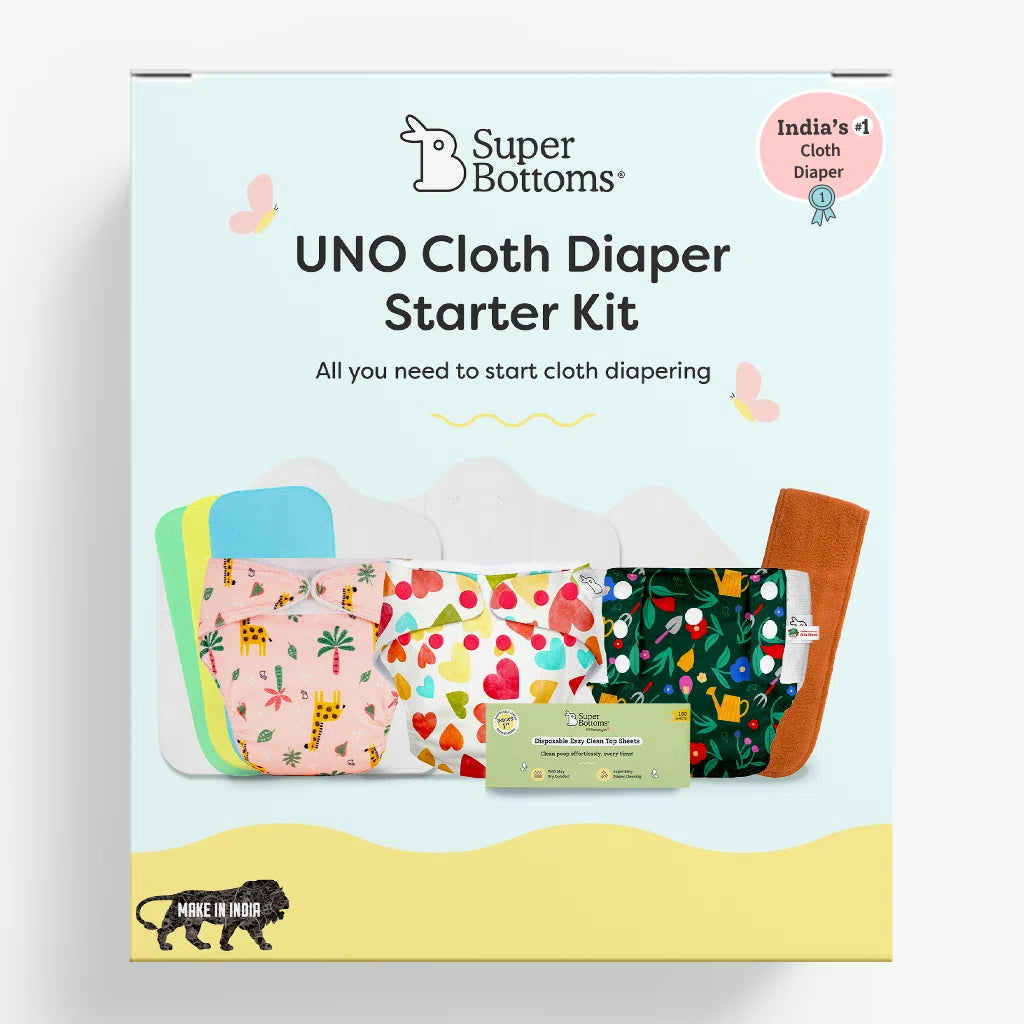
💡 SuperBottoms Pick: Freesize UNO Cloth Diaper
Parents looking for a single diapering system that can work both as a cloth diaper and a cover diaper with interchangeable absorbent layers.
Expert Insights and Parent Experiences
According to diapering experts, reusable diaper systems work best when parents focus on fit, absorbency matching, and consistent washing routines rather than chasing the "perfect" diaper.
Expert Quote
"A well-fitted cloth diaper system can provide excellent leak protection while supporting healthy skin and reducing environmental waste." — Dr Tanya Altmann, MD, FAAP, Paediatrician.
Parent Insight
"Once we understood how to swap inserts instead of changing the entire diaper, cloth diapering became much easier and less intimidating." — Parent of a 10-month-old cloth-diapered baby.
Using UNO as a cover diaper is a practical option for parents seeking flexibility, value, and sustainability. The ability to replace absorbent inserts while reusing a clean waterproof cover can simplify cloth diapering and reduce waste.
If your goal is to find a reusable diaper system that combines leak protection, customizable absorbency, and long-term value, a versatile cloth diaper such as UNO may be worth considering.
Find the right fit → Shop SuperBottoms UNO.
|
Limited Time Offers + Special Gift Sets! Now or never Super SALE is live on the SuperBottoms website! Take advantage of unbeatable value deals on our UNO Cloth Diapers, Baby Essentials, and more. Looking for the perfect present for a newborn or a toddler? Explore our thoughtfully curated Gift Sets & Combos - safe, skin-friendly, and oh-so-cute! A bundle of love for little ones and a delight for parents. HURRY - Deals and Gift Packs are live only till stocks last. Don’t miss the chance to stock up and share the joy! |
Key Takeaways
- UNO can function as both a cloth diaper and a cover diaper when used with absorbent inserts.
- Reusing a clean outer cover can reduce laundry and improve cost efficiency.
- The best diapering system depends on absorbency needs, fit, skin comfort, and ease of maintenance.
FAQs
1. What is a cover diaper?
A cover diaper is a waterproof outer shell used over an absorbent insert, prefold, or fitted diaper to prevent leaks.
2. Can UNO be reused after every diaper change?
The outer cover can be reused if it remains clean and dry. Wet inserts should always be replaced.
3. Is a cover diaper suitable for newborns?
Yes. Many parents use cover diaper systems from birth with appropriately sized inserts.
4. Do cover diapers reduce laundry?
They can. Parents often wash fewer outer covers because only the absorbent layer requires changing more frequently.
5. Are cloth diapers for baby better than disposable diapers?
Both have advantages. Cloth diapers offer reusability and waste reduction, while disposable diapers provide convenience.
6. Can I use extra inserts for nighttime diapering?
Yes. Additional booster pads can increase absorbency for overnight use.
7. Is SuperBottoms UNO worth the price?
Many parents find the long-term value attractive because the diaper is reusable and adaptable for different diapering needs.
8. Where can I buy reusable cloth nappies in India?
Reusable cloth nappies are available through brand websites, baby stores, major marketplaces, and speciality parenting retailers across India.
Hi there, new parents! SuperBottoms brings you doctor-recommended cloth diapers - the best rash-free diapering solution for your baby's sensitive and delicate skin. Unlike disposable diapers loaded with chemicals, our newborn cloth diapers, when used and washed properly, can help eliminate the risk of diaper rashes. SuperBottoms offers a wide range of safe, skin-friendly essentials for the whole family - including Reusable Cloth Diapers, Diaper Pants, DryFeel langots for diaper-free time, Padded Underwear for potty training, SuperSoft Underwear for everyday comfort, Joggers for playful days, and Period Underwear for women. Not just for everyday use, SuperBottoms products also make the best gifting choice for babies - thoughtful, eco-friendly, practical, and loved by parents. Now available on Amazon, Myntra, Flipkart, FirstCry, Zepto, Swiggy and Blinkit.