



In this article, you will read about:
- Fix common cloth diaper leaks
- Prevent diaper rash with care
- Improve washing and odour
- Choose the right diaper features
Cloth diapering can feel tricky at first, but most problems have a practical cause: fit, absorbency, changing frequency, or washing. Knowing what to check makes troubleshooting easier.
Why do cloth diapers feel challenging?
The learning curve can be the hardest part. A reusable diaper needs a close fit, enough absorbency, and thorough washing.
What Parents Should Know
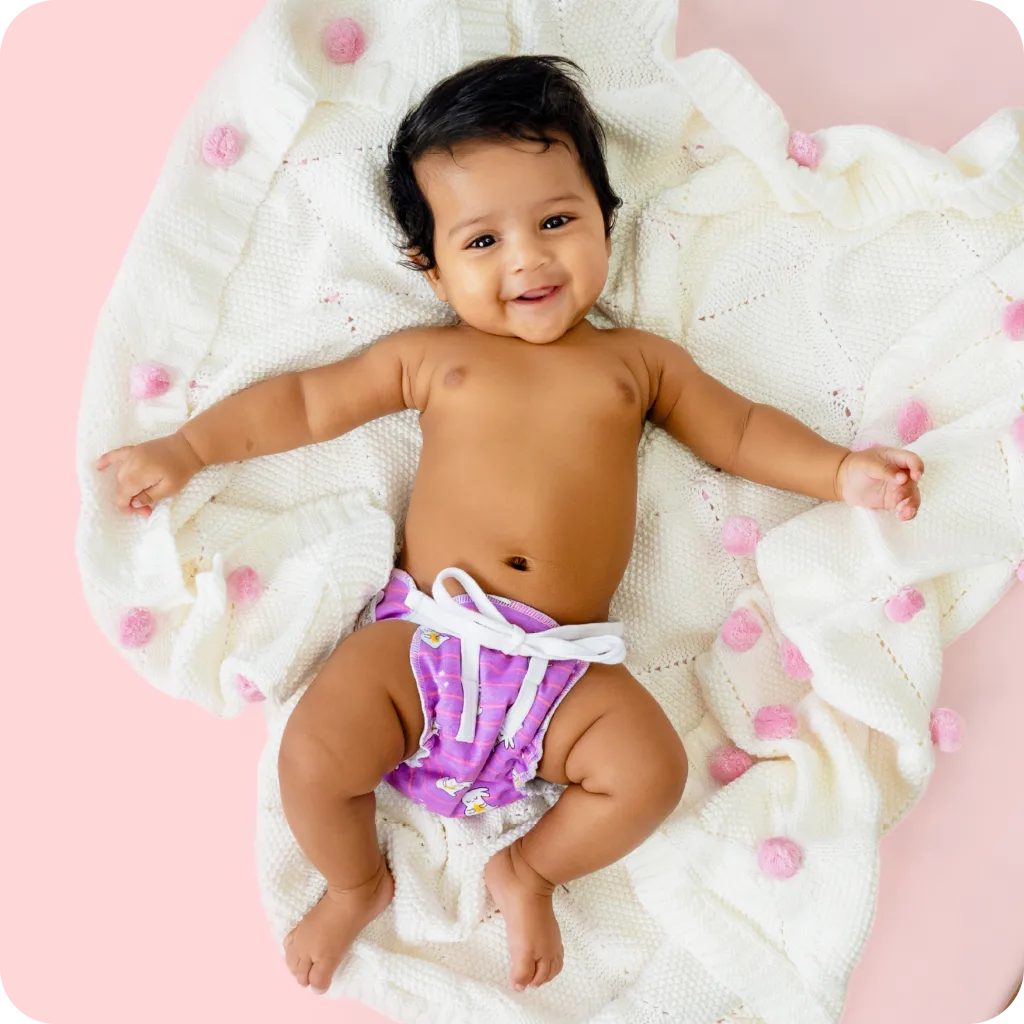
A leak does not automatically mean a newborn cloth diaper has failed. Check the fit, whether the absorbent layer is saturated, and whether the diaper needs changing sooner.
What are the common cloth diaper problems?
|
Problem |
Check first |
Practical fix |
|---|---|---|
|
Leaks |
Fit and absorbency |
Adjust fit; add absorbency if saturated |
|
Red marks |
Waist or leg fit |
Loosen and refit |
|
Persistent smell |
Wash routine |
Review detergent, rinsing and drying |
|
Skin irritation |
Wetness, friction, products |
Change promptly; keep skin clean and dry |
Why are my cloth diapers leaking?
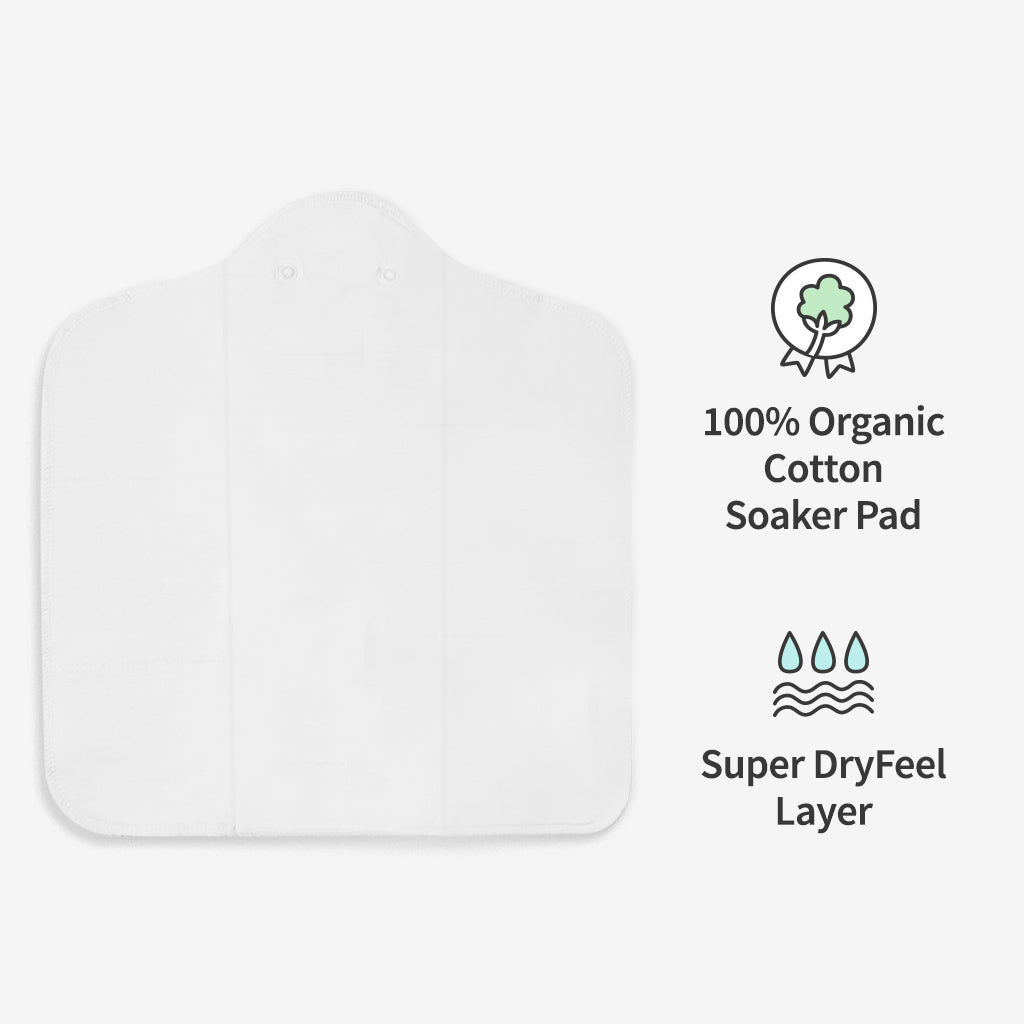
Leaks usually come down to fit, absorbency or timing. If the insert is completely wet, the diaper may need more absorbency or a quicker change. If it is still relatively dry, inspect the fit and whether liquid is bypassing the absorbent area.
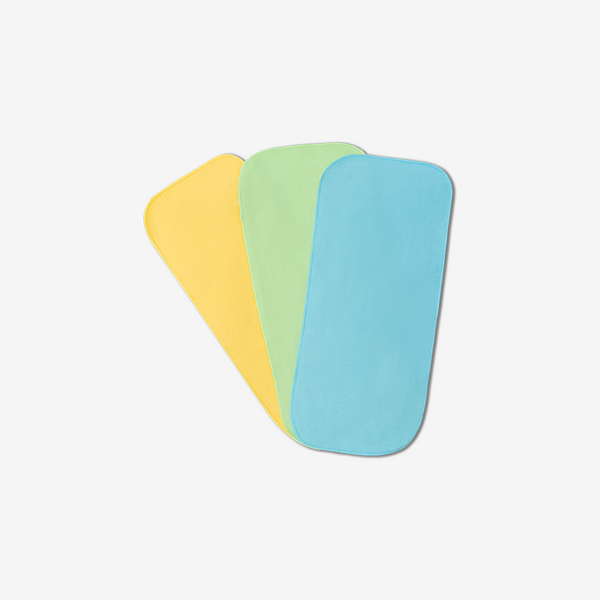
For nighttime cloth diapering, longer wear means higher absorbency needs. A booster can help when needed, provided the fit remains comfortable.
Quick leak check:
- Keep leg and waist openings snug.
- Check insert placement.
- See whether the insert is saturated.
- Add absorbency for longer stretches.
Expert Answer
Troubleshoot a leak by identifying when and where it happens. A gap suggests a fit issue; a fully soaked insert suggests insufficient absorbency; recurring problems across multiple diapers may point to the wash routine.

Can cloth diapers cause rashes?
Cloth diapers do not guarantee rash-free skin. Diaper rash is commonly associated with prolonged contact with urine or stool, friction and irritants. The NHS recommends prompt changes, keeping skin clean and dry, and ensuring the nappy fits properly. (nhs.uk)
A 2025 study comparing infants using cloth and disposable diapers found that cloth diaper use did not increase diaper dermatitis frequency in its study population.
Focus on the complete diapering routine, not the material alone. If a rash worsens, spreads or does not improve, seek medical advice.
Why do cloth diapers smell after washing?
If odour returns, review the wash routine rather than masking it with fragrance.
Check whether:
- solids are removed before washing
- the load has enough room for movement
- suitable detergent is used
- diapers are thoroughly rinsed
- diapers are completely dry before storage
Avoid fabric softener. The NHS advises against fabric conditioner on reusable nappies because it can reduce absorbency.
How should you wash cloth diapers?
Wash routines vary by diaper and machine, so follow the manufacturer's care instructions first.
- Remove solid waste as appropriate.
- Store used diapers according to care guidance.
- Run the recommended pre-wash or rinse.
- Complete the main wash with suitable detergent.
- Rinse as required by your routine.
- Dry completely before reuse.
What should parents look for when choosing cloth diapers?
Compare features that affect everyday use:
- Fit: Adjustable sizing and secure leg coverage.
- Absorbency: Enough capacity for your child's wetting pattern.
- Comfort: Soft materials against the skin.
- Breathability: Useful for comfort in warm weather.
- Ease of use: Simple changes matter.
- Use case: Daytime and overnight may need different absorbency.
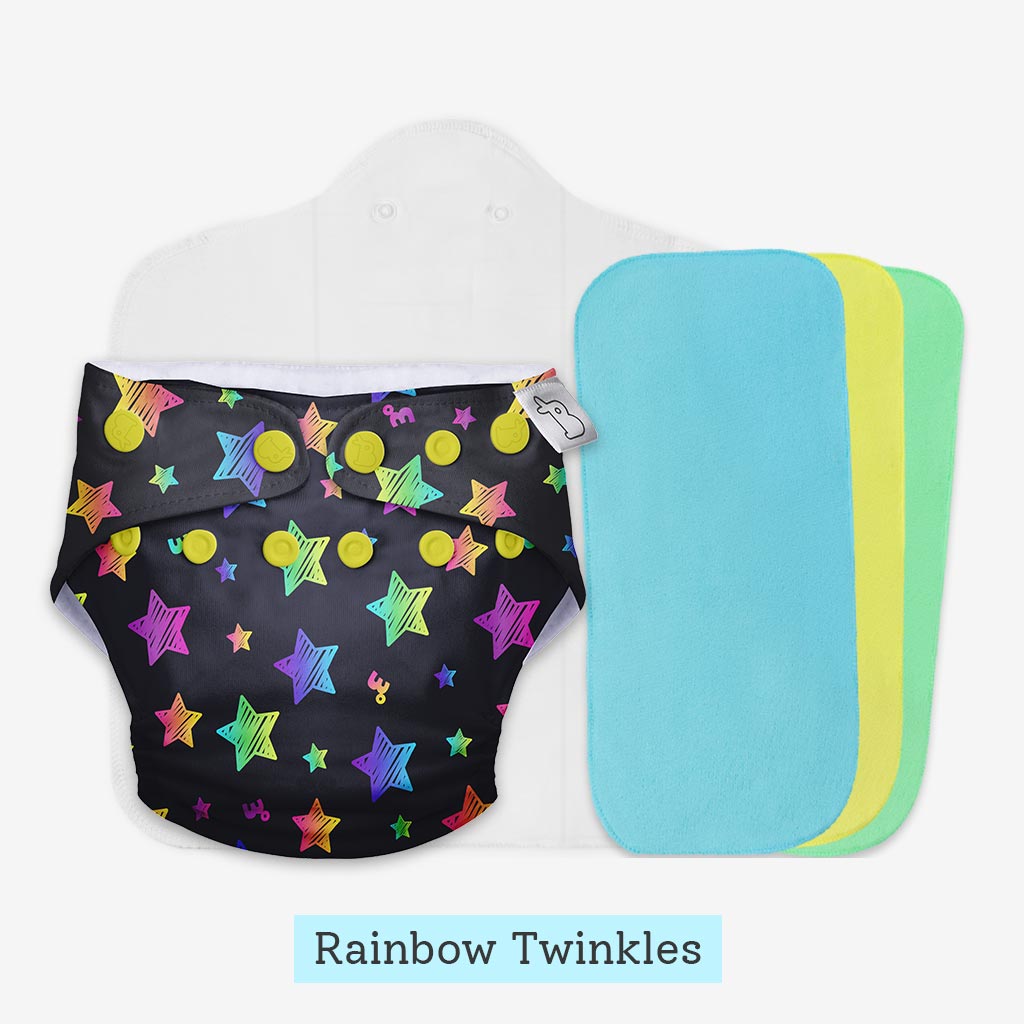
For beginners, adjustable systems with removable absorbent layers can be easier to adapt as your baby grows.
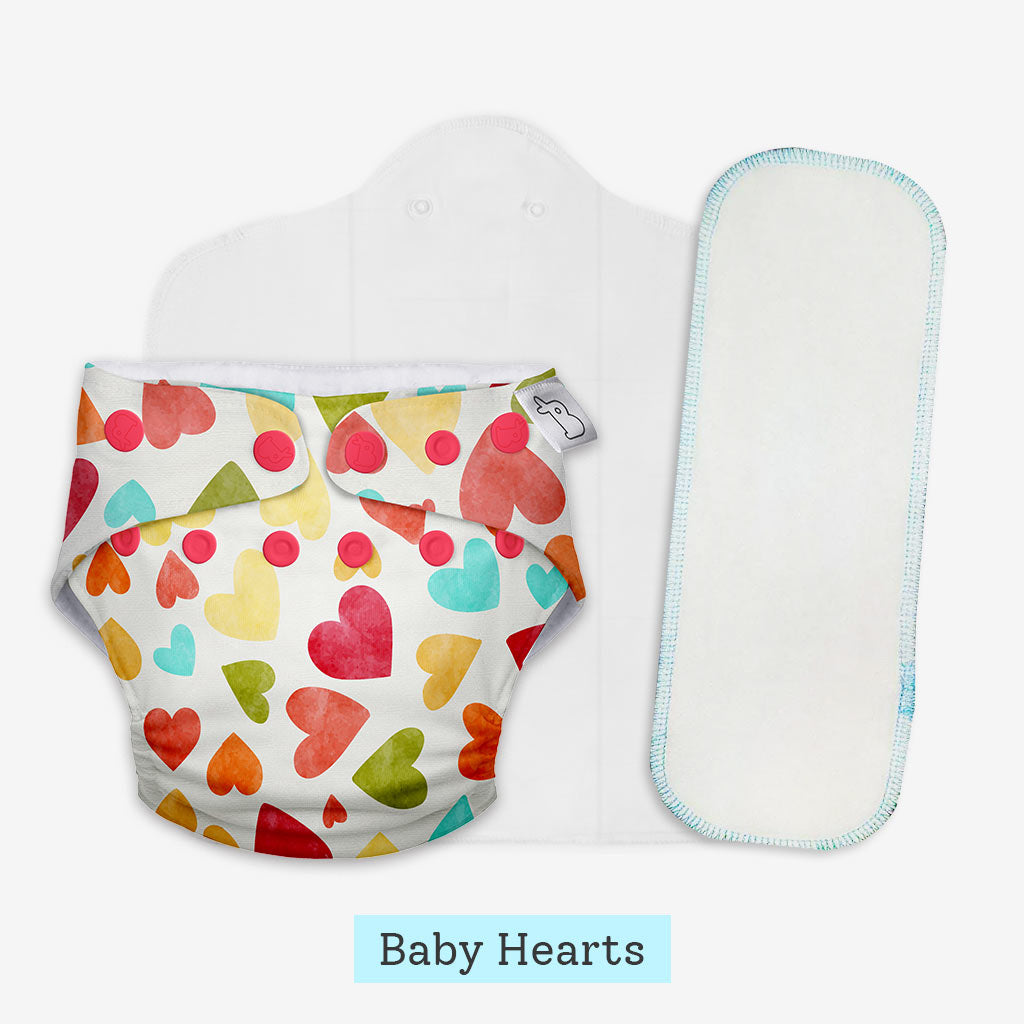
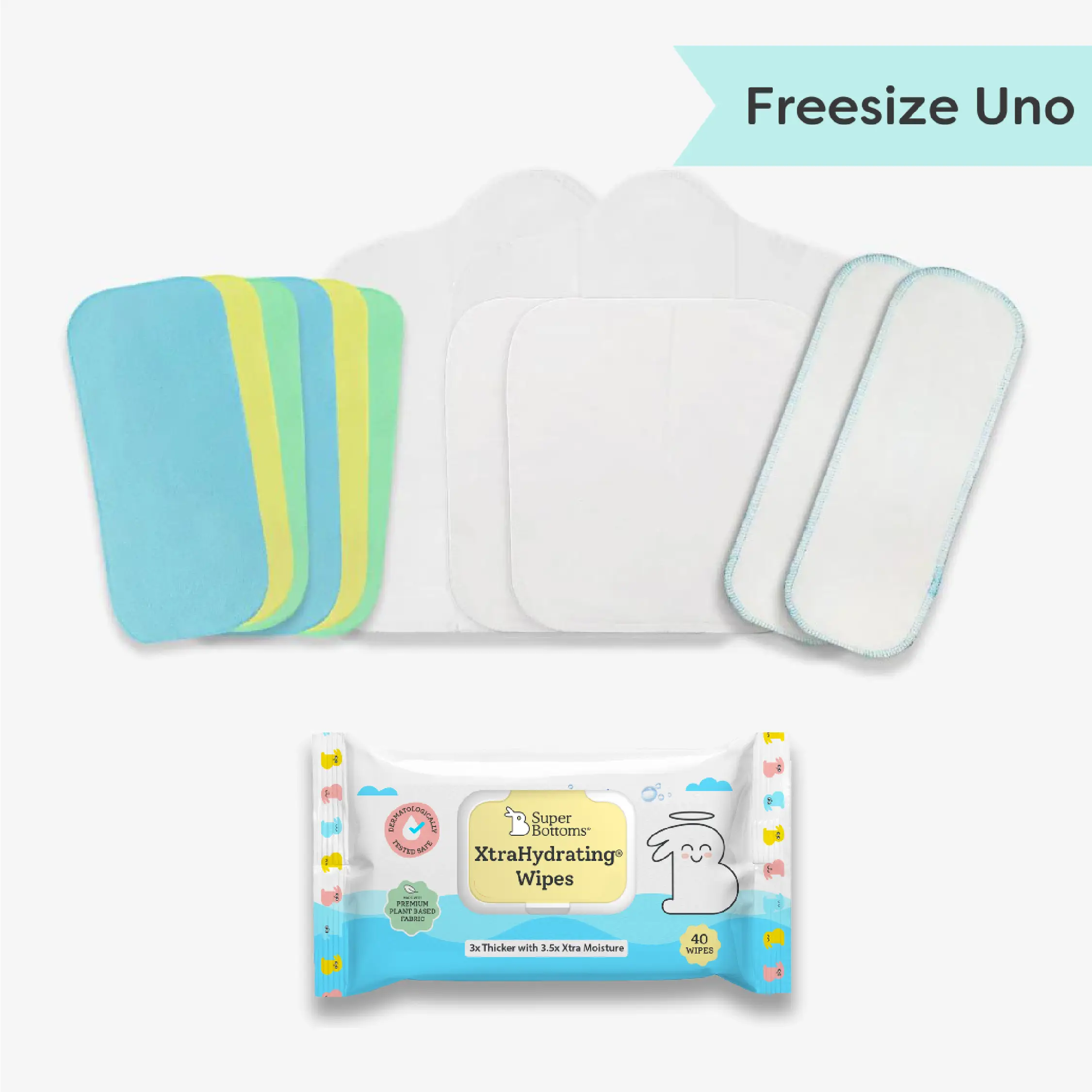
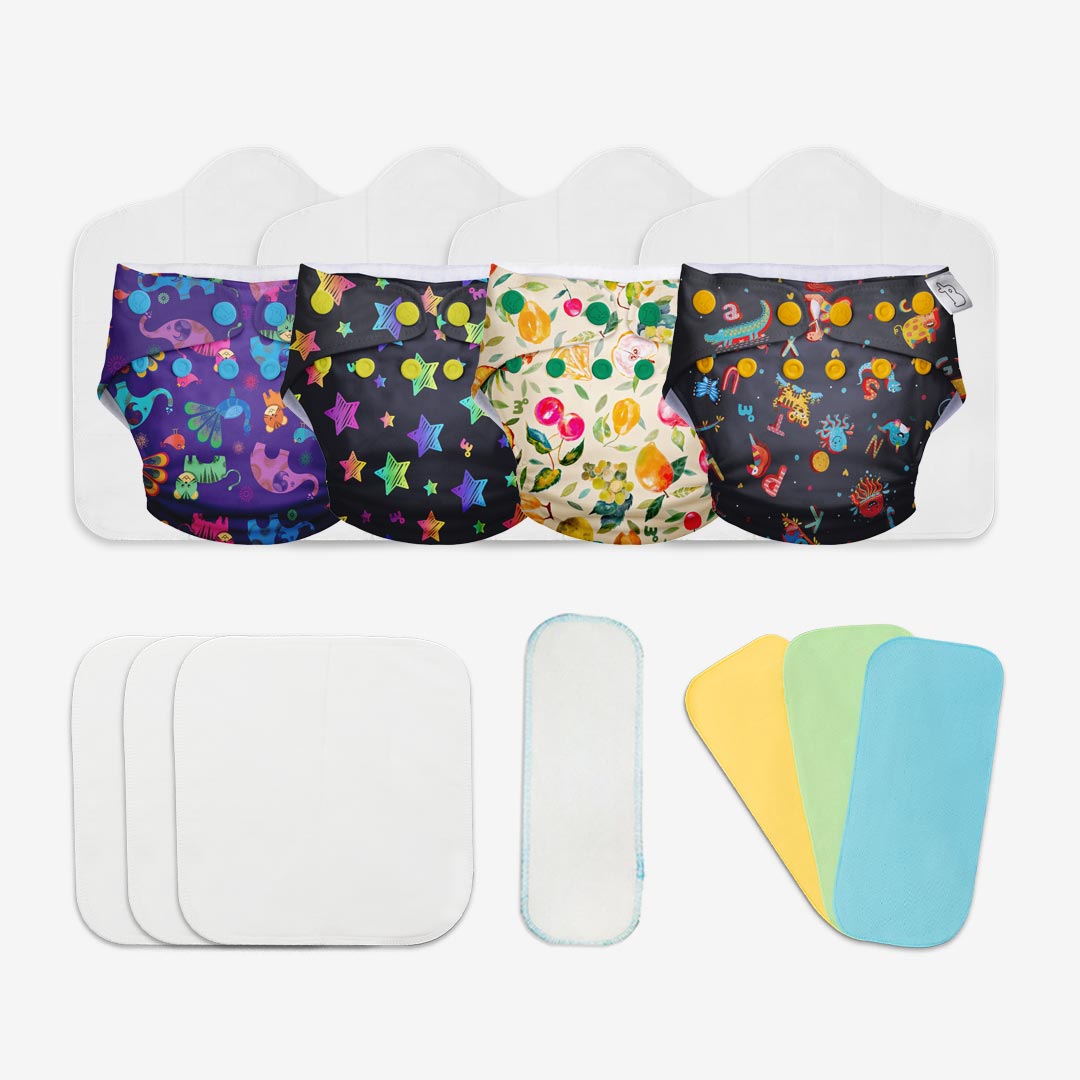
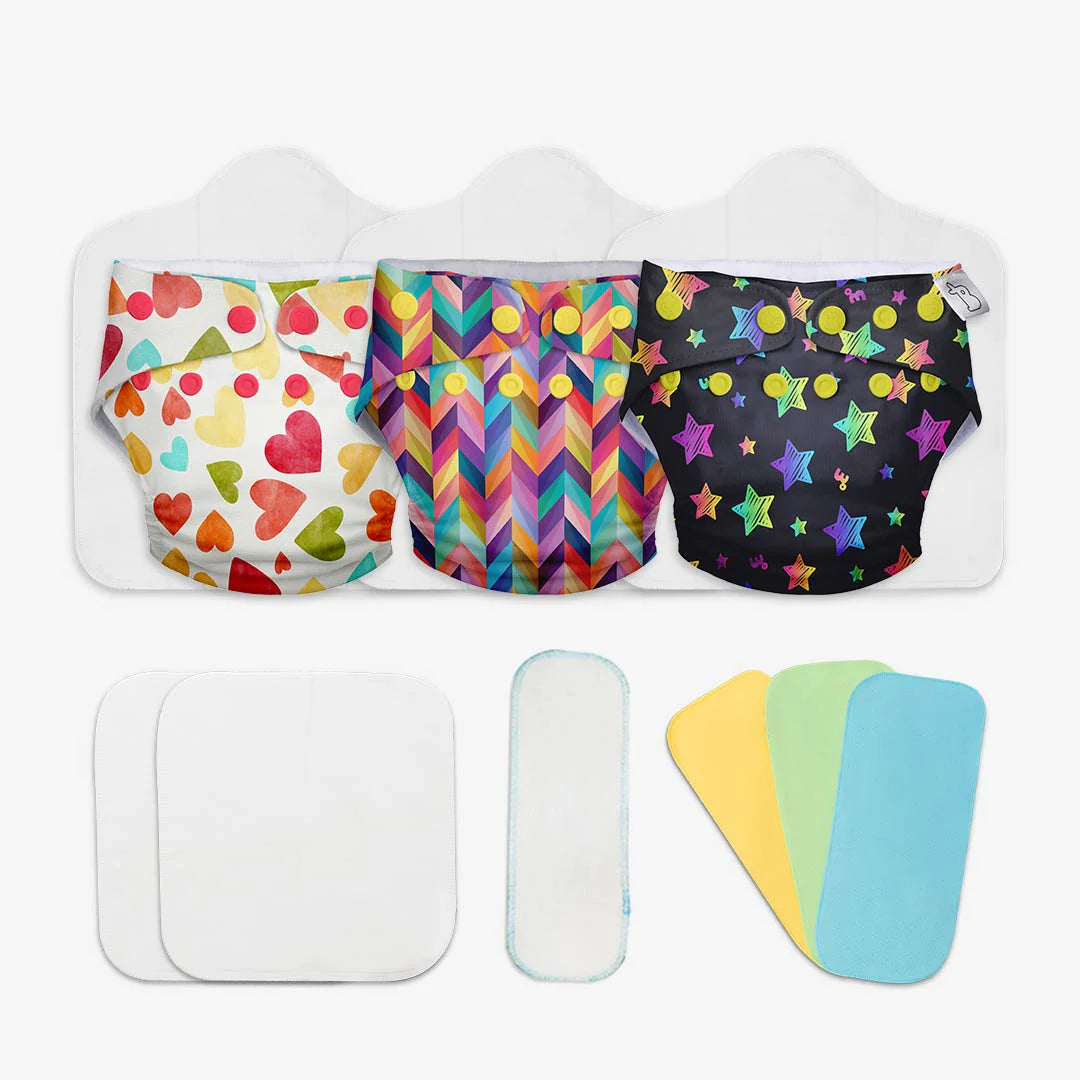
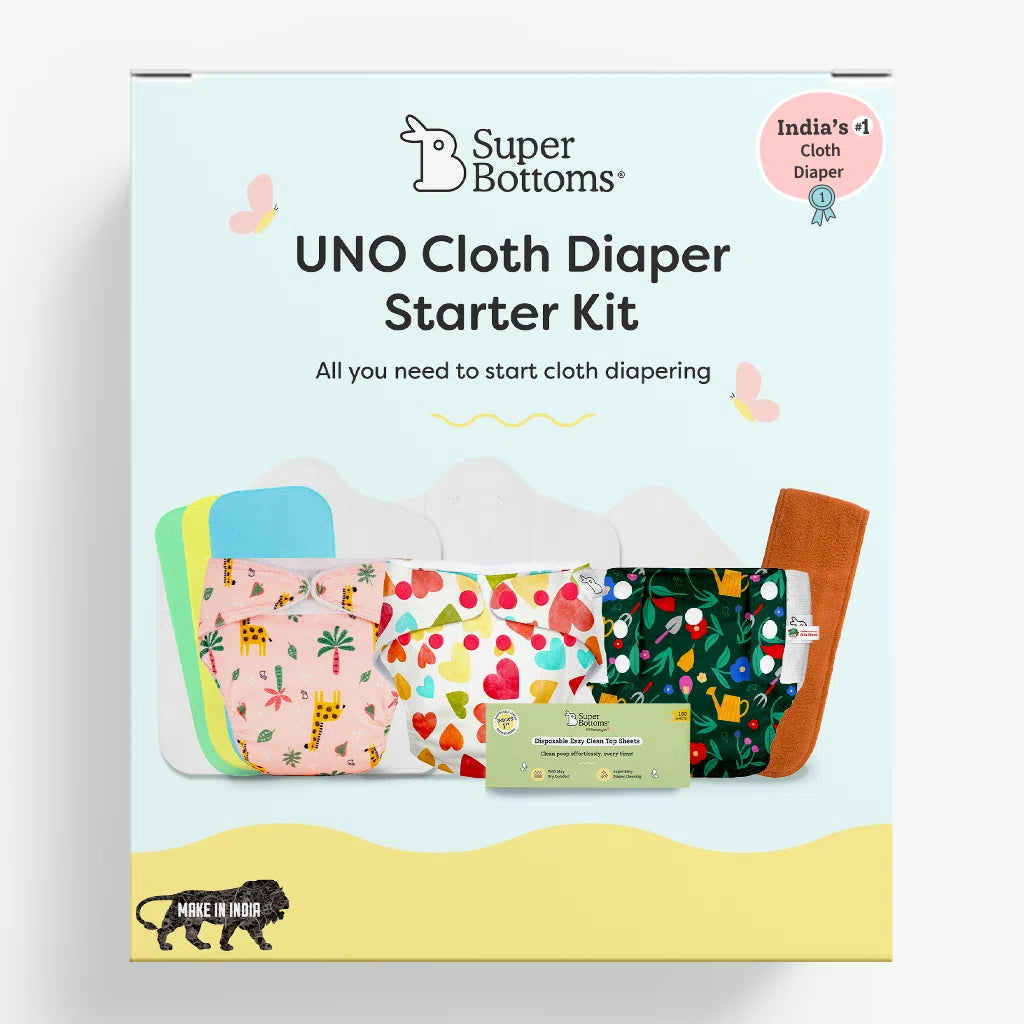
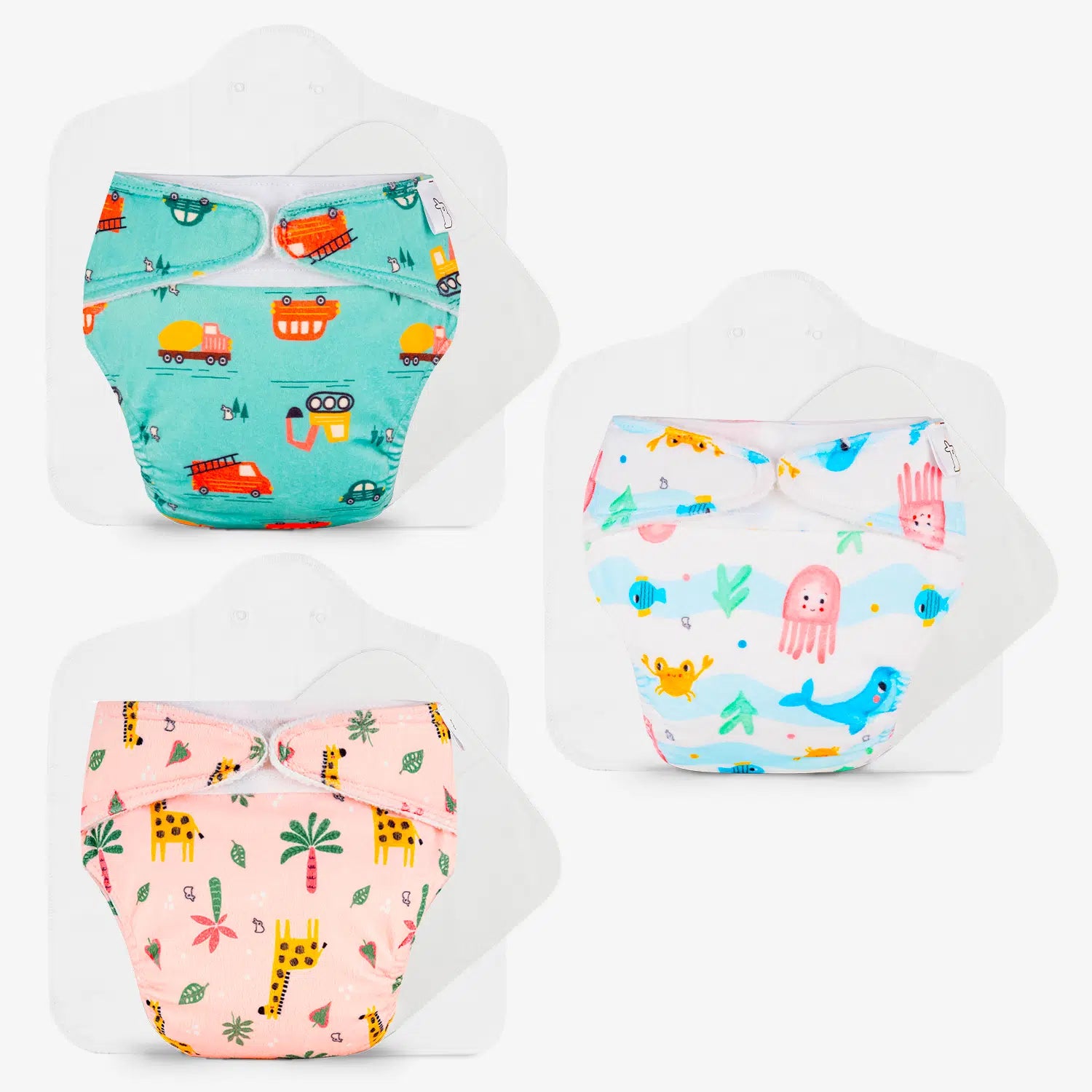
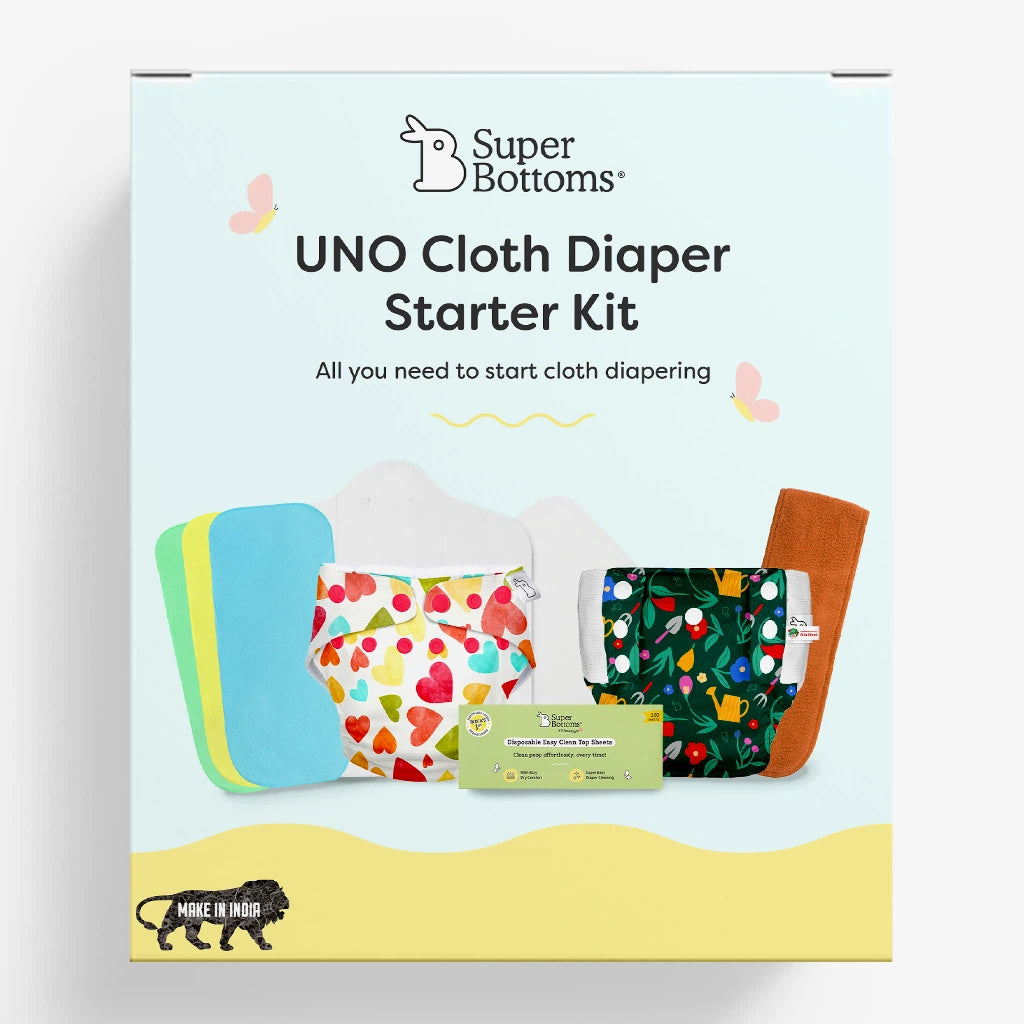
💡 SuperBottoms PickSuperBottoms UNO is an adjustable reusable diaper system. The range includes regular UNO, Newborn UNO, Pant Style UNO and UNO Luxe; the right option depends on age and use case. |
What is the practical solution?
Problem: Leaks, odour or irritation make reusable diapering feel unreliable.
Solution: Troubleshoot in this order: fit → absorbency → change frequency → washing routine.
Why it helps: These checks address common performance issues.
Relevant product context: Consider UNO after deciding the fit and absorbency your child needs.
Parent Checklist
☐ Check waist and thigh fit
☐ Check whether the insert is saturated
☐ Change wet or dirty diapers promptly
☐ Review detergent and washing routine
☐ Avoid fabric softener
☐ Dry diapers completely
☐ Increase absorbency for longer stretches
☐ Seek medical advice for persistent rash
Cloth diapering becomes simpler when each problem is treated as a clue. Check fit first, match absorbency to your baby's needs, change promptly, and maintain a consistent wash routine. Aim for a routine that works for your family.

Key Takeaways
- Check fit before blaming leaks.
- Match absorbency to wear time.
- Wash, dry and change consistently.
FAQs
Do cloth diapers leak more than disposables?
Not necessarily. Leaks can result from fit, absorbency, placement or washing.
How often should cloth diapers be changed?
Change wet or dirty nappies promptly; newborns may need particularly frequent changes.
Can I use fabric softener on cloth diapers?
It is best avoided because it can reduce absorbency.
Are cloth diapers suitable for newborns?
They can be used when appropriately sized and fitted, with frequent changes and proper washing.