





In this article, we will discuss
- Cloth diaper leaks often signal fit issues.
- Absorbency affects reusable cloth diaper performance.
- Correct inserts help prevent unexpected leaks.
- Regular changes support baby skin comfort.
A cloth diaper leaking just after you have dressed your baby can be frustrating, especially when you thought you had everything right. But a leak does not automatically mean your reusable diaper has failed. Often, a small adjustment to the fit, absorbency or washing routine can make a difference.
If you have been wondering why do cloth diapers leak even when they look properly fitted, here are seven common causes and practical ways to troubleshoot them.
Why Do Cloth Diapers Leak?
Newborn cloth diapers usually leak because of an incorrect fit, insufficient absorbency, misplaced inserts, delayed changes, compression, reduced fabric absorbency or a damaged waterproof layer. Identifying when and where the leak occurs helps narrow down the cause and determine whether the solution is a fit adjustment, additional absorbency or a change in diaper care.
For parents using baby cloth diapers in India, heat, humidity, monsoon drying conditions and busy daily routines can add to the challenge. The good news is that most recurring leaks are worth troubleshooting before replacing your diapers.
7 Common Causes of Cloth Diaper Leaks
1. Is Your Cloth Diaper Fitting Correctly?
A diaper that is too loose can leave gaps around the thighs or waist, allowing urine to escape before the absorbent layers can contain it. A diaper that is too tight can also cause discomfort and, in some situations, contribute to moisture escaping under pressure.
How to fix it:
- Check that the diaper sits comfortably around the waist and thighs.
- Ensure the leg openings follow your baby's natural leg creases without gaps.
- Make sure the absorbent material stays inside the waterproof outer layer.
- Adjust the snaps or fasteners to suit your baby's current size.
Newborns may need particularly careful fitting because their thighs are smaller and their body proportions change quickly. The same applies when a growing baby moves to a different size setting.
What parents should know
A good cloth diaper fit is snug but comfortable. Gaps can allow urine to escape, while excessive tightness can cause rubbing and leave pressure marks. Check both fit and comfort before adding more absorbency.
2. Does Your Baby Need More Absorbency?
If your cloth diaper is soaked when you remove it, the absorbent layer may have reached its capacity. This is especially common with heavy wetters, longer naps and overnight use.
Even high-quality cotton cloth diapers need to be changed according to your baby's wetting pattern. More absorbency may help, but it does not mean every diaper needs extra layers throughout the day.
How to fix it:
- Check whether the insert is completely saturated.
- Change wet diapers more frequently if they fill quickly.
- Consider compatible booster inserts when additional capacity is needed.
- Use a suitable night-time arrangement rather than expecting every daytime setup to last through a long sleep.
Adding layers indiscriminately can make the diaper bulky and interfere with the fit. Choose the amount of absorbency based on how long your baby wears the diaper and how much they typically wet it.
3. Are Your Cloth Diaper Inserts Positioned Correctly?
Even when you use enough cloth diaper inserts, incorrect placement can cause leaks. If an insert bunches up, folds unevenly or shifts away from the wet zone, urine may escape through an area with insufficient absorbency.
How to fix it:
- Lay the insert flat and smooth out any folds.
- Position absorbent material where your baby typically wets most.
- Check that the insert reaches the intended absorbent area.
- Avoid excess bulk around the thighs, where it can prevent a proper seal.
For baby boys, ensure the penis points downwards when fastening the diaper to reduce the likelihood of leaks from the waistband.
If you use a diaper system with separate absorbent pads, check the manufacturer's instructions to understand how the pads should be folded and positioned.

4. Are You Changing the Diaper Often Enough?
Cloth diapers are reusable, but they are not designed to remain unchanged indefinitely. If a diaper becomes saturated, moisture can spread to the edges and clothing, resulting in what parents experience as cloth diaper leaks.
This can be particularly noticeable during hot weather, outings or busy afternoons when regular diaper checks get missed.
How to fix it:
- Check your baby's diaper regularly.
- Change it when wet and immediately after a bowel movement.
- Observe how quickly your baby wets their diaper and adjust your routine accordingly.
- Carry spare diapers when travelling or spending extended periods outdoors.
Frequent changes also help limit prolonged contact between the skin, urine and stool. The American Academy of Paediatrics explains that moisture and prolonged exposure to waste can contribute to diaper rash. American Academy of Paediatrics
5. Is Compression Causing the Leak?
Sometimes, a diaper has enough absorbency but leaks when your baby sits in a car seat, spends time in a stroller or wears tight clothing. Pressure can squeeze moisture out of saturated absorbent material. This is known as a compression leak.
How to fix it:
- Check whether leaks occur mainly during travel or while sitting.
- Avoid clothing that presses tightly against the diaper.
- Check whether the diaper is already close to saturation before a long journey.
- Consider a compatible absorbency booster if your baby needs more capacity.
If leaks happen only during certain activities, note the pattern before changing your entire diapering routine.
6. Is Your Diaper Repelling Moisture Instead of Absorbing It?
Sometimes, urine does not soak into the absorbent layers as expected. Fabric softener, residue from unsuitable laundry products or product buildup can interfere with absorbency. New absorbent materials may also require preparation according to their care instructions.
How to fix it:
- Follow the manufacturer's washing instructions.
- Avoid fabric softeners and laundry conditioners.
- Use an appropriate amount of detergent and rinse thoroughly.
- Review your washing routine if several diapers begin leaking unexpectedly.
If urine appears to sit on the surface instead of soaking in, check absorbency and laundry care before purchasing additional inserts.
7. Is the Waterproof Layer Damaged?
If the fit is correct, the absorbent layers are working and leaks continue across different situations, inspect the waterproof outer layer. Repeated use, unsuitable washing conditions or general wear can damage materials or seams.
How to fix it:
- Examine the outer layer for visible cracks, peeling or damage.
- Check seams and elastic areas for deterioration.
- Review the care instructions for washing and drying.
- Contact the manufacturer if the diaper is still within its applicable warranty or support period.
If the waterproof layer is damaged, adding another absorbent insert will not resolve the underlying problem. The diaper may need repair or replacement.
How to Identify the Cause of a Cloth Diaper Leak
Before changing several things at once, examine the diaper immediately after a leak. Its condition can offer useful clues.
|
What you notice |
Possible cause |
What to try |
|---|---|---|
|
Wetness around the thighs |
Fit gaps or moisture escaping at the edges |
Recheck the leg seal |
|
Completely soaked insert |
Insufficient capacity or delayed change |
Change sooner or add absorbency |
|
Insert is relatively dry |
Poor positioning or moisture bypassing the insert |
Check placement and fit |
|
Leaks during travel or sitting |
Compression |
Check saturation and clothing pressure |
|
Urine sits on the fabric |
Reduced absorbency or residue |
Review the wash routine |
|
Leaks continue despite adjustments |
Worn waterproof layer or seams |
Inspect the diaper for damage |
Expert Answer - Dr Christine Zimmerman, MD, FAAP
Cloth diaper leaks can occur when the diaper does not fit properly, the absorbent layers become saturated, or the fabric's absorbency is affected by residue. Parents should check the fit around the legs and waist, follow the manufacturer's washing instructions, and adjust changing frequency to their baby's needs. If leaks persist, inspect the diaper and its absorbent layers to identify the cause.
What Should Parents Look for When Choosing Cloth Diapers?
The right reusable cloth diaper should match your baby's size, wetting pattern and daily routine. Before buying, consider these features rather than choosing based on appearance or price alone.
- Fit and adjustability: Look for secure fastening and a comfortable seal around the waist and thighs.
- Absorbency: Check what the diaper includes and whether compatible booster inserts are available.
- Material: Understand the composition of the absorbent layers and the care they require.
- Waterproof protection: Check the construction of the outer layer and follow its maintenance instructions.
- Washing and drying: Choose a system that fits your laundry routine, including during the monsoon.
- Cost per use: Consider how often the diaper can be reused when cared for according to instructions.
- Age suitability: Newborn baby cloth diapers may need a different fit from adjustable diapers designed for older babies.
Which Is Better: A Standard Insert or a Booster Insert?
|
Option |
Best suited for |
What to consider |
|---|---|---|
|
Standard absorbent insert |
Everyday diaper changes |
Match capacity to your baby's wetting pattern |
|
Booster insert |
Longer stretches or heavier wetting |
Check compatibility and overall fit |
|
Additional complete diaper |
Situations requiring a fresh change |
Useful for outings and spare-diaper planning |
Neither an extra insert nor a particular fabric automatically guarantees leak-free performance. Fit, placement, change frequency, and care all matter.
What Is the Practical Solution for Recurring Leaks?
Problem: Your baby's diaper leaks even though you are using a reusable diaper correctly.
Solution: Check the fit first, examine the insert for saturation, review when the leak happens, and then assess washing and waterproof-layer condition.
Why it helps: Each check addresses a different potential cause, helping you avoid unnecessary purchases or adjustments.
Once you understand which feature your routine requires, you can explore a diaper system that offers the appropriate fit and absorbency.
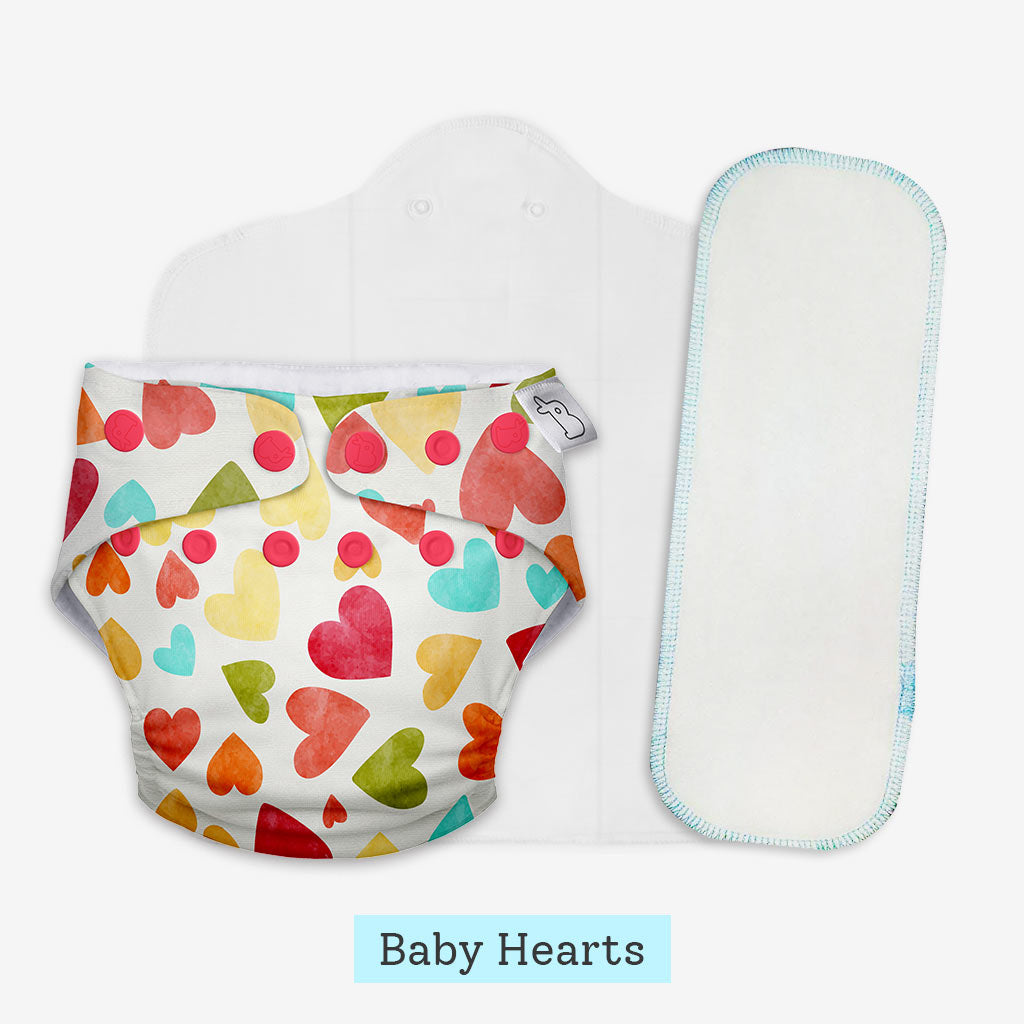
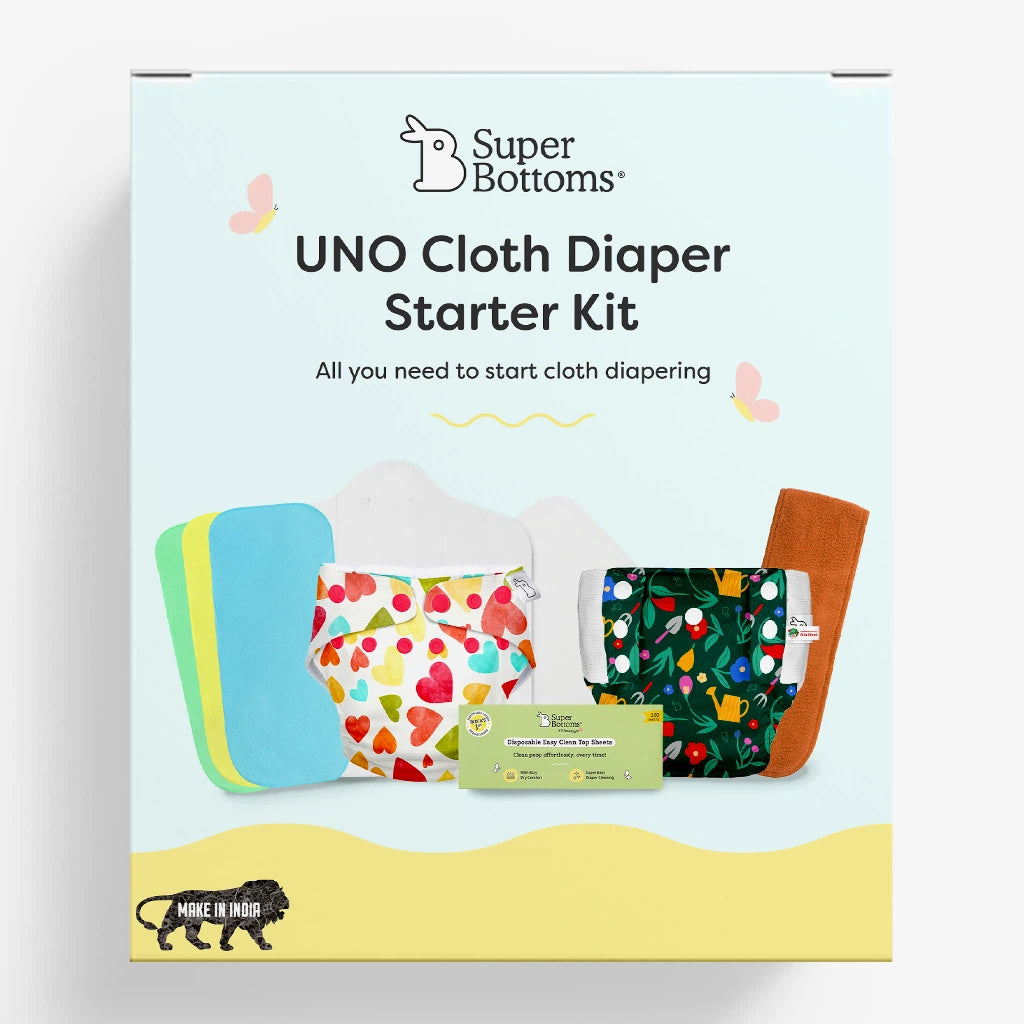
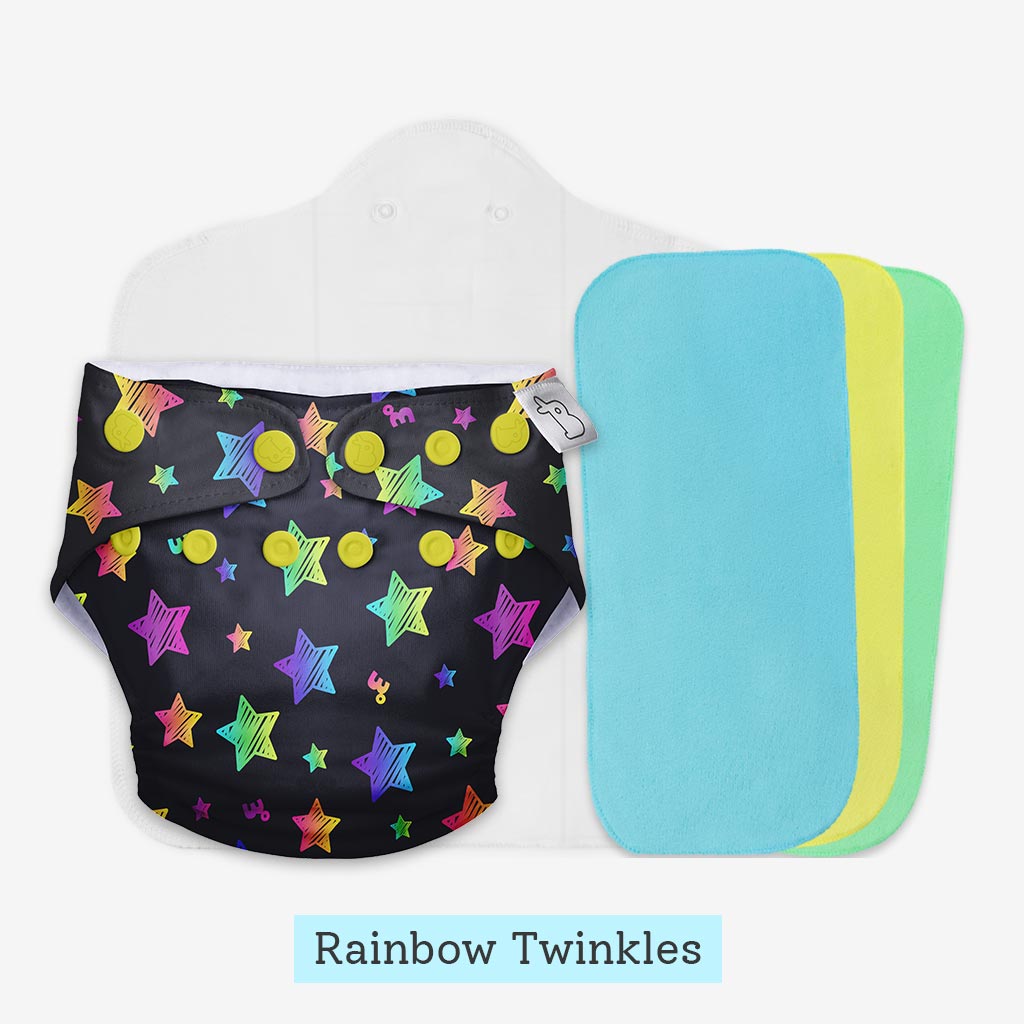
💡 SuperBottoms Pick: Freesize UNO Cloth DiaperThe Freesize UNO range is an option for parents looking for a reusable diaper with adjustable sizing and a separate absorbent pad system. Its Dry Feel Magic Pad has 12 folded layers of GOTS-certified organic cotton, while the compatible 8-layer cotton booster can add absorbency when needed. |
The booster is an option to consider for heavier wetting, including night-time use, but fit and individual wetting patterns still matter.
Cloth Diaper Leak Prevention Checklist
Use this quick checklist when a leak happens:
- Check for gaps around the legs and waist.
- Make sure the insert lies flat.
- Check whether the absorbent layer is saturated.
- Change the diaper promptly when wet or soiled.
- Review detergent use and avoid fabric softener.
- Inspect the waterproof layer and seams.
- Keep spare diapers ready for outings.
- Seek paediatric advice if a rash persists or worsens.
A few systematic checks can make cloth diapering more predictable. Instead of replacing a diaper after the first leak, identify the likely cause and adjust one thing at a time.

Key Takeaways
- Check fit first: Gaps and misplaced inserts can cause leaks.
- Match absorbency to use: Heavy wetting and longer stretches may need additional capacity.
- Maintain your diapers: Regular changes, suitable washing and intact waterproof layers support reliable performance.
FAQs
Why do cloth diapers leak from the legs?
Leaks around the legs often indicate gaps, misplaced absorbent material or moisture escaping from a saturated insert. Check the fit around the thighs and ensure the absorbent layers remain inside the waterproof outer layer.
How can I stop cloth diaper leaks at night?
Check whether the insert is saturated by morning or whether the diaper leaks earlier during sleep. A compatible booster may help with insufficient absorbency, but a comfortable fit and timely changes remain essential.
Are reusable cloth diapers suitable for newborn babies?
Yes, when the diaper is designed to fit their size and is used according to its instructions. Newborns need frequent changes, and parents should monitor fit, wetting patterns and skin comfort.
Can I use diaper liners for cloth diapers to prevent leaks?
Diaper liners for cloth diapers are primarily intended to make handling solid waste easier, depending on the liner type. They do not replace absorbent inserts or repair a poor fit, and they should be used according to their instructions.
Message from SuperBottoms
Hi there, new parents! SuperBottoms brings you doctor-recommended cloth diapers, a trusted rash-free diapering solution specially designed for your baby's sensitive, delicate skin.
From Newborn UNO and Regular UNO to UNO Luxe, SuperBottoms offers reusable diapering solutions for every stage of your child's growth.
Our range also includes Diaper Pants, DryFeel langots for diaper-free time, Padded Underwear for potty training, as well as SuperSoft Underwear, Cycling Shorts and Joggers for growing kids.
Our collection also includes Period Underwear and bladder-leak solutions for women, along with everyday baby-care essentials.
SuperBottoms products also make thoughtful gifts for babies and new parents - practical, reusable and designed around the real needs of parents.
SuperBottoms products are now available on Amazon, Flipkart, FirstCry, Myntra, Nykaa, Blinkit, and Zepto.