




In this article, we will discuss:
- Cloth diapers are making a comeback
- Modern designs simplify reusable diapering
- Comfort, cost and waste matter
- Washing routine affects sustainability
- Choose diapers for real-life needs
Cloth diapers are not exactly new; they were once the everyday diapering choice for many families. What is new is the way parents can use them today.
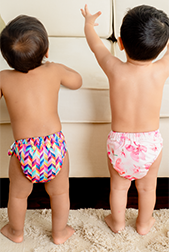
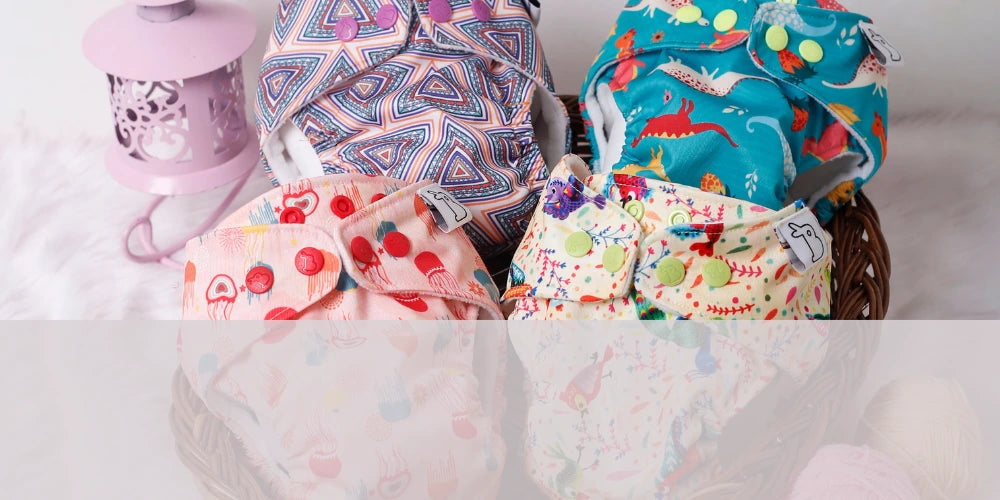
Modern cloth diapers combine the familiarity of reusable nappies with adjustable fits, improved absorbency and easier fastening. That makes the resurgence less about returning to the past and more about adapting an old idea to modern parenting.
For many parents, the decision comes down to three practical questions: Can I manage the routine? Will my baby be comfortable? And does reusability make sense for my family?
What is driving the resurgence of cloth diapers?
Several factors are bringing reusable diapering back into conversations among new parents.
1. Parents are thinking about waste
A disposable diaper is designed for one use, while a reusable diaper can be washed and used repeatedly. This changes the amount of material entering the waste stream.
However, calling cloth diapers automatically “eco-friendly” oversimplifies the picture. Their environmental impact also depends on how they are washed, dried and used. Research comparing diaper systems shows that both reusable and disposable diapers have environmental trade-offs. (HealthyChildren.org)
What Parents Should Know
Reusable diapers can reduce the need for single-use products, but washing also consumes water, energy and detergent. A realistic sustainability decision considers the entire use cycle, not just what happens after a diaper is discarded.
2. Modern cloth diapers are easier to use
Traditional cloth nappies often meant folding fabric, securing it manually and managing leaks with separate waterproof layers.
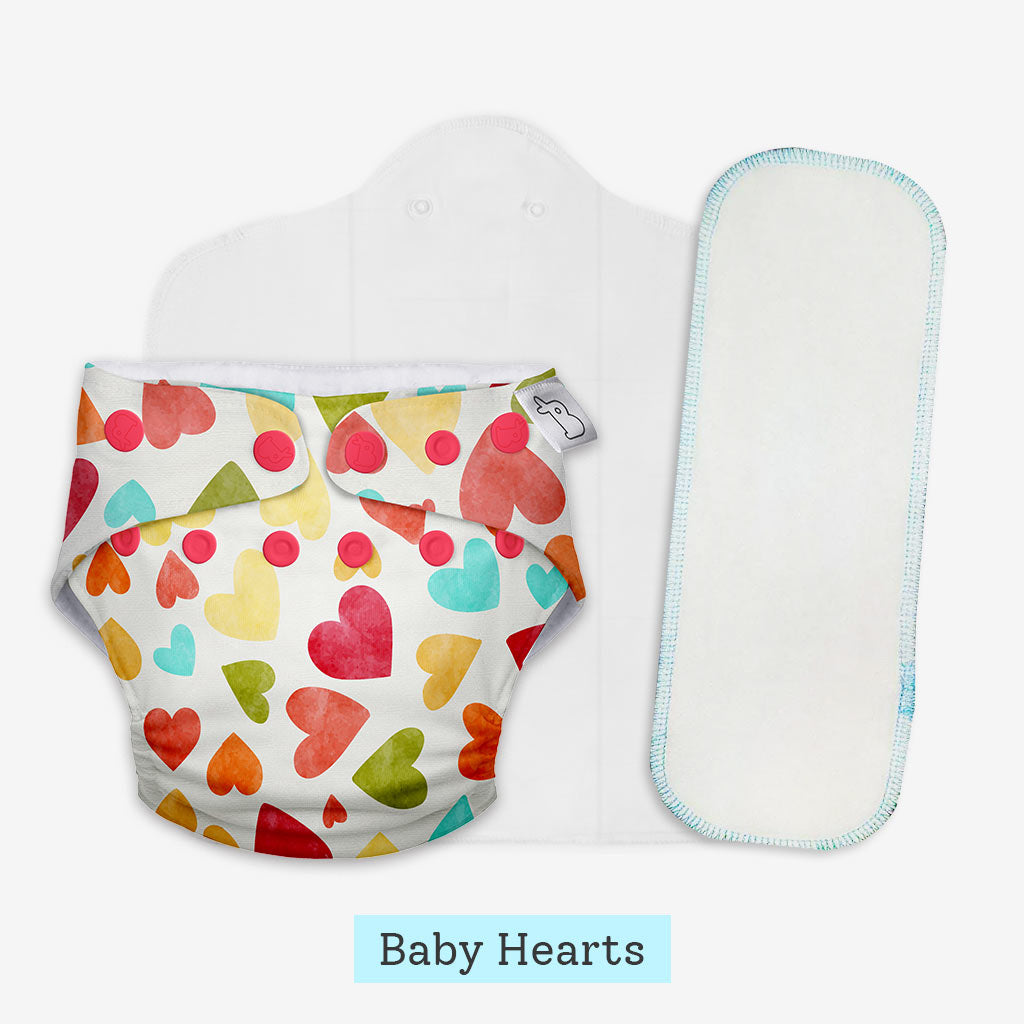
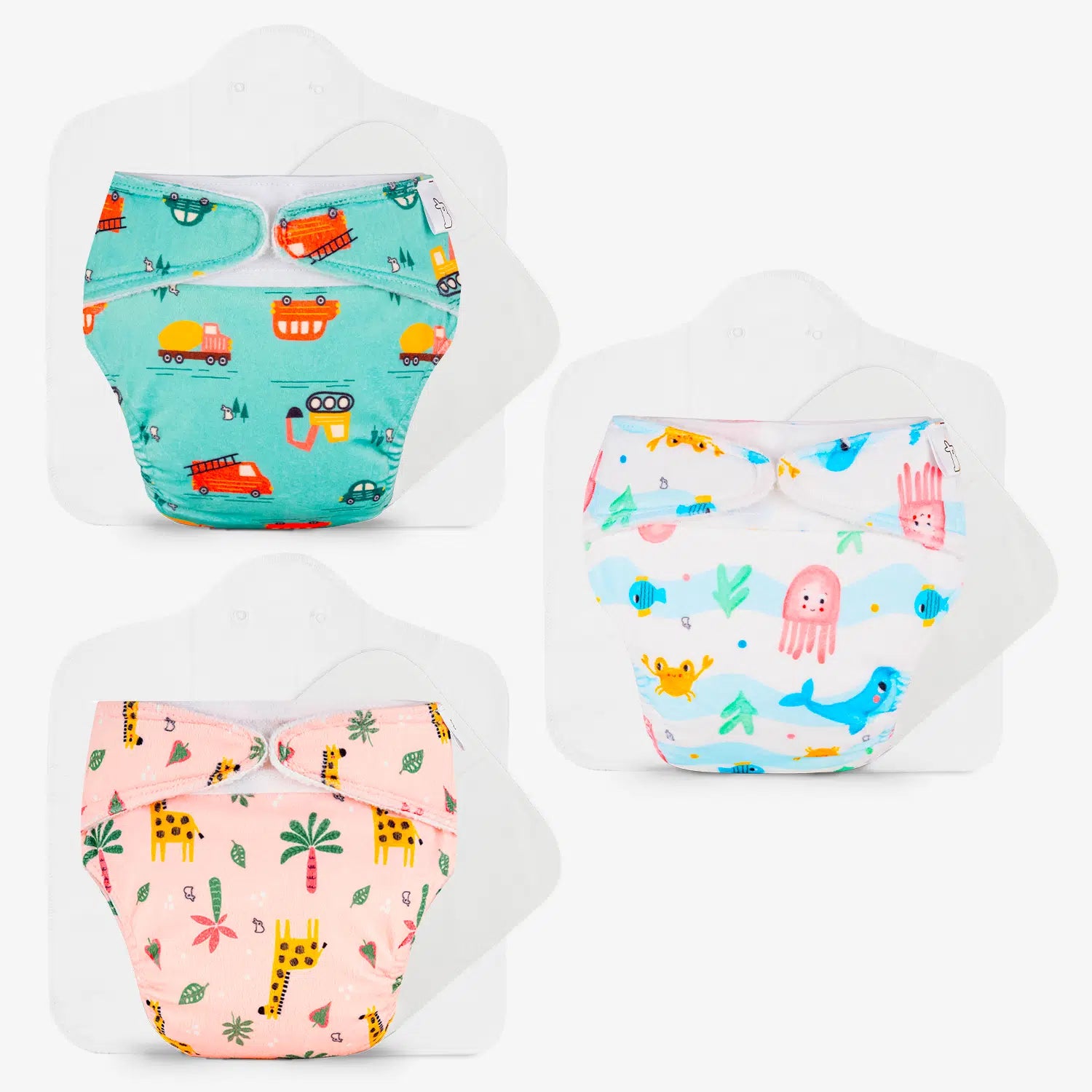
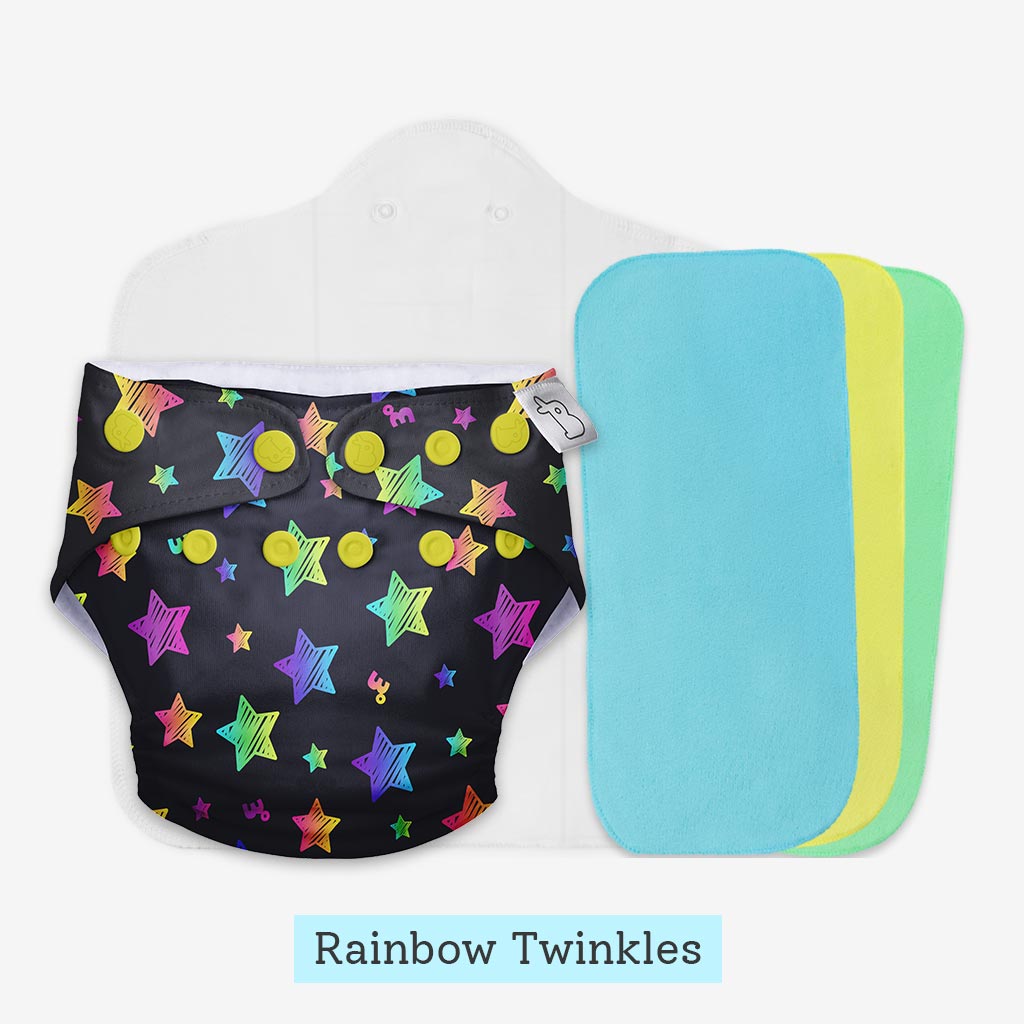
Modern designs can include:
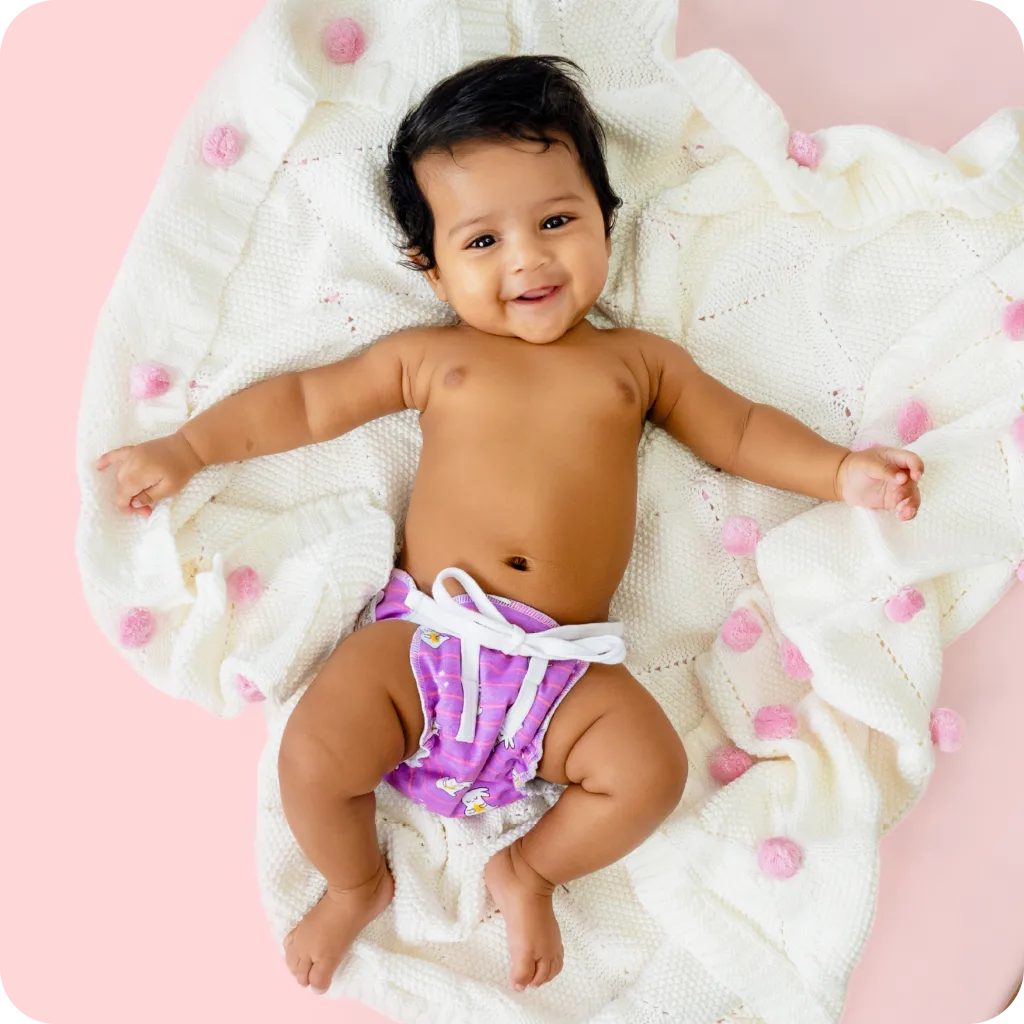
- Adjustable sizing
- Snap or hook-and-loop closures
- Built-in waterproof layers
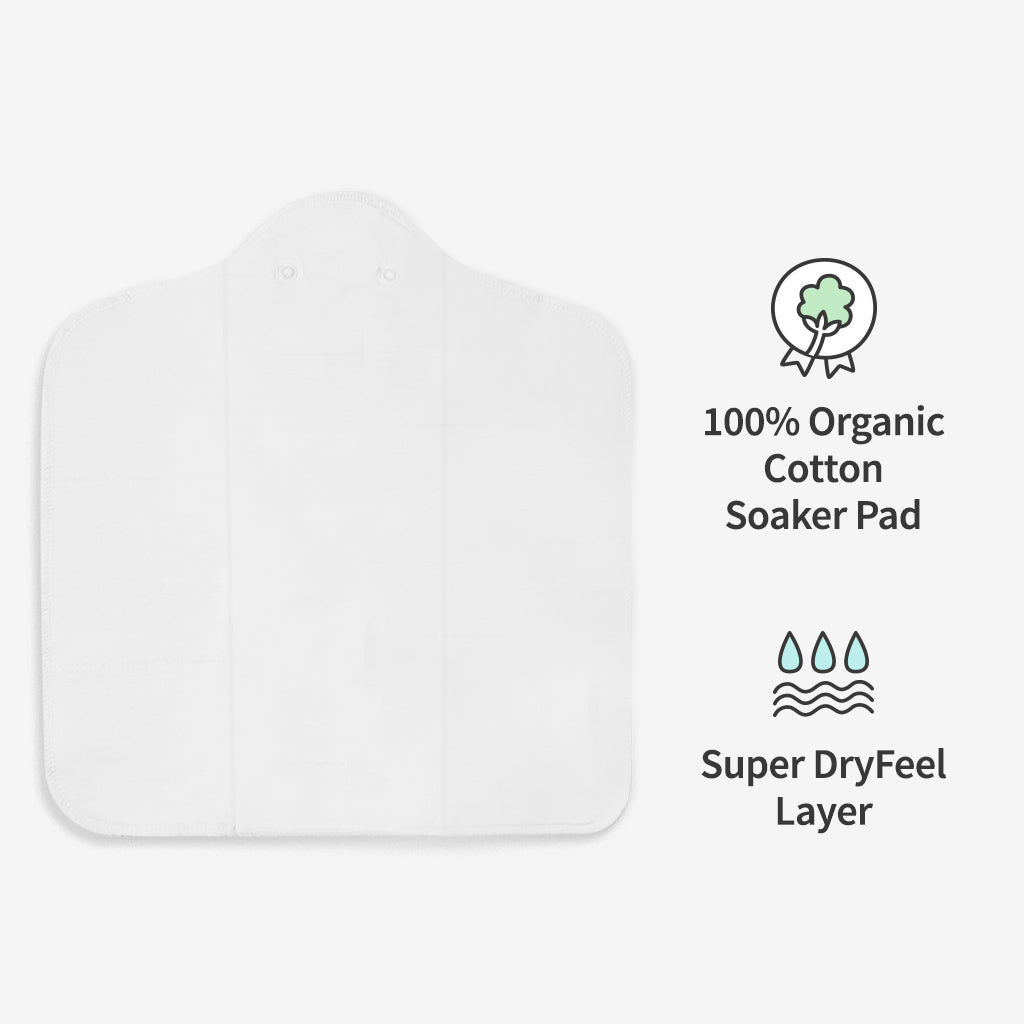
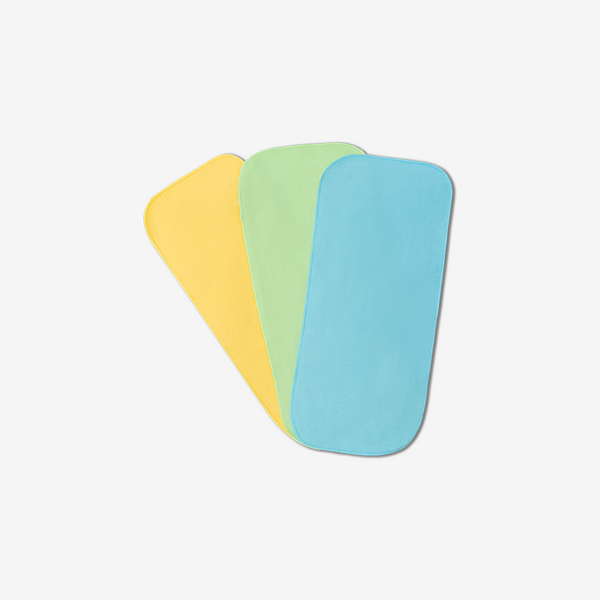
- Removable or integrated absorbent pads
- Stay-dry inner layers
The result is a reusable diaper that looks and works very differently from the cloth nappies many parents remember from childhood.

3. Long-term value matters
Cloth diapers require a higher upfront purchase than buying a single disposable diaper. But because they can be washed and reused, parents may spread that initial cost across many uses.
The actual value depends on the number of diapers purchased, how long they are used, laundry costs and whether they can be reused for another child.
Are cloth diapers better than disposable diapers?
There is no universal winner. The better choice depends on what your family values and can realistically manage.
|
Factor |
Cloth diapers |
Disposable diapers |
|---|---|---|
|
Reuse |
Yes |
No |
|
Laundry |
Required |
Not required |
|
Upfront cost |
Usually higher |
Usually lower per purchase |
|
Waste after use |
Lower product waste |
More single-use waste |
|
Convenience |
Requires a wash routine |
High day-to-day convenience |
|
Fit options |
Often adjustable |
Depends on size/design |
The American Academy of Paediatrics notes that both diaper types have advantages and trade-offs, including differences in absorbency, changing frequency and environmental impact. (HealthyChildren.org)
Are modern cloth diapers comfortable for babies?
Comfort depends less on whether a diaper is labelled “cloth” and more on fit, moisture management, material and changing frequency.
A well-fitting diaper should sit comfortably without being excessively tight. Parents should also avoid leaving a wet or soiled diaper against the baby's skin for longer than necessary.
For babies prone to diaper rash, keeping the diaper area clean and dry remains important regardless of diaper type. If a rash persists or keeps returning, speak with your paediatrician.
Expert guidance
The American Academy of Paediatrics does not frame cloth versus disposable as a simple medical “winner”; instead, practical factors such as absorbency, changing frequency, fit and hygiene all matter.
What should parents look for when choosing cloth diapers?
Before choosing a reusable diaper, consider your actual routine rather than simply looking for the diaper with the most features.
Look for:
- A good fit: Adjustable sizing can accommodate growth.
- Suitable absorbency: Consider your baby's wetting pattern and whether the diaper is for daytime or longer stretches.
- Comfortable materials: Soft, breathable fabrics can make everyday wear more comfortable.
- Practical fastening: Closures should make changes manageable for your household.
- Washability: Check the care instructions and make sure the routine works with your laundry setup.
- Durability: Repeated use makes construction and fabric quality important.
What does a practical cloth-diaper routine look like?
The key is having enough clean diapers to match your baby's changing frequency and your washing schedule. After a soiled diaper is removed, poop should be disposed of in the toilet, and used cloth diapers should be stored appropriately until washing. The CDC also recommends thorough handwashing and cleaning the diaper-changing surface. (CDC)
Modern cloth diapering therefore works best when it becomes part of a predictable household routine, not an extra task you constantly have to think about.
Why are parents choosing modern cloth diapers over traditional nappies?
The resurgence is really an evolution.
Traditional nappies offered reusability and familiarity but often required more manual handling. Modern reusable diapers retain the reusable concept while adding features designed around contemporary parenting.
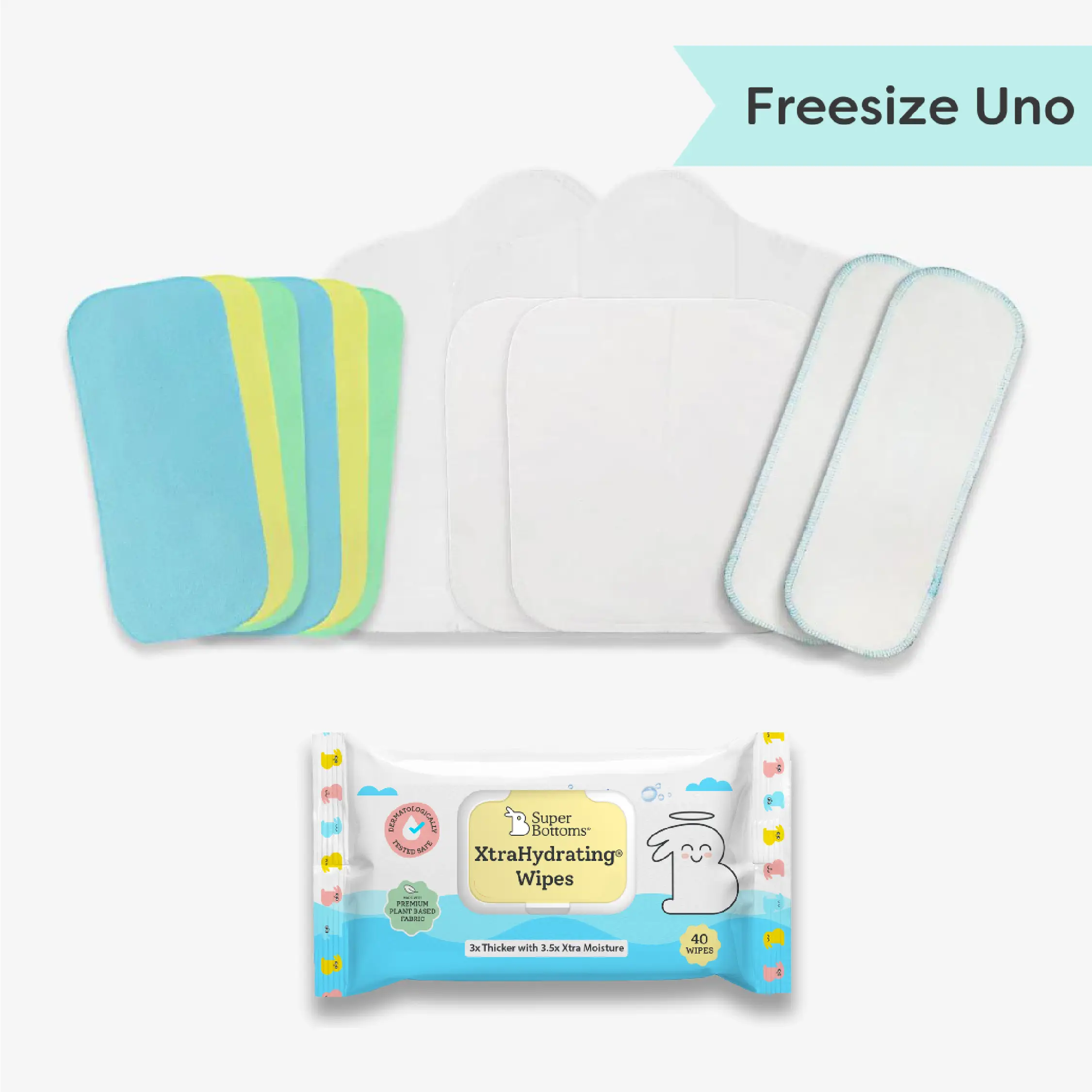
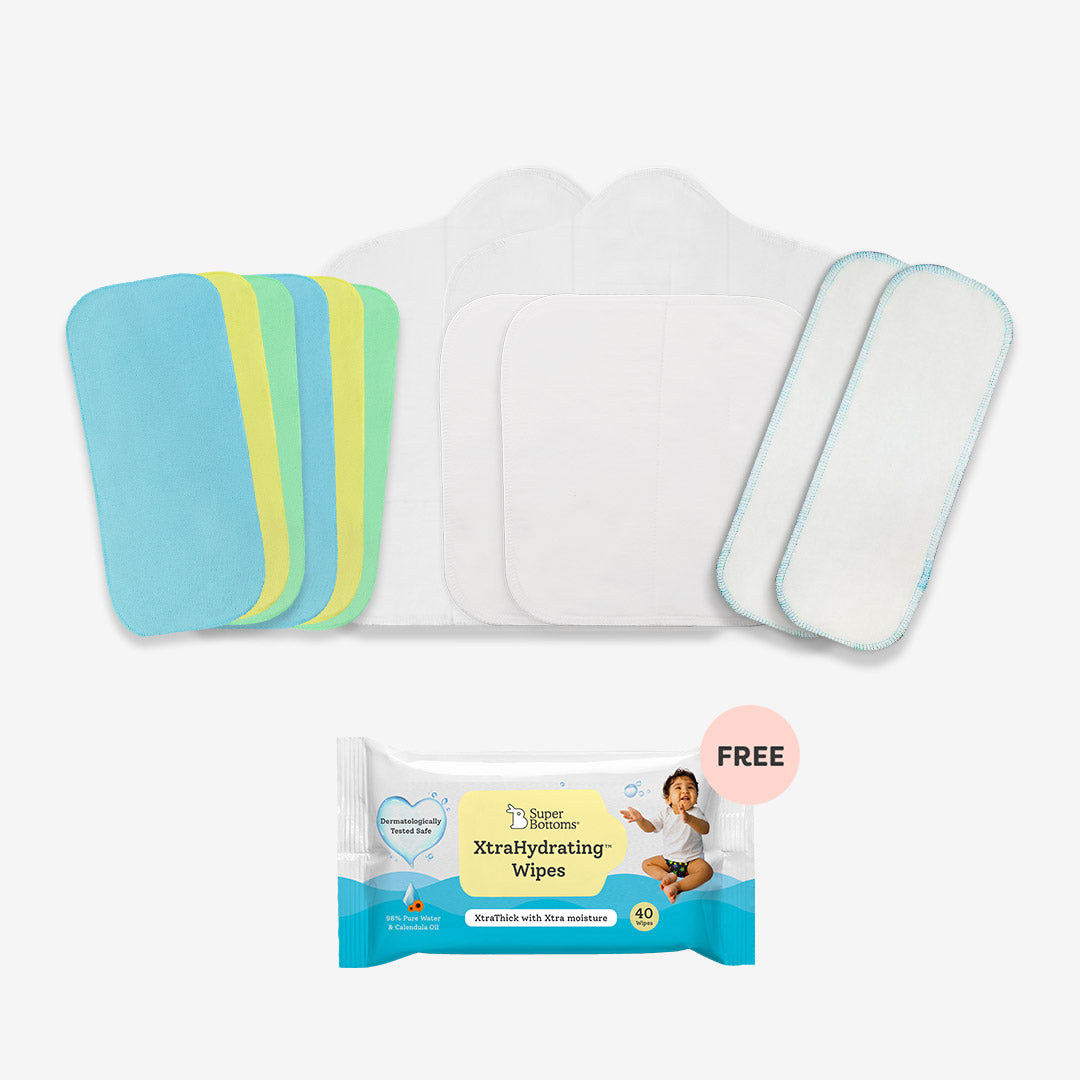
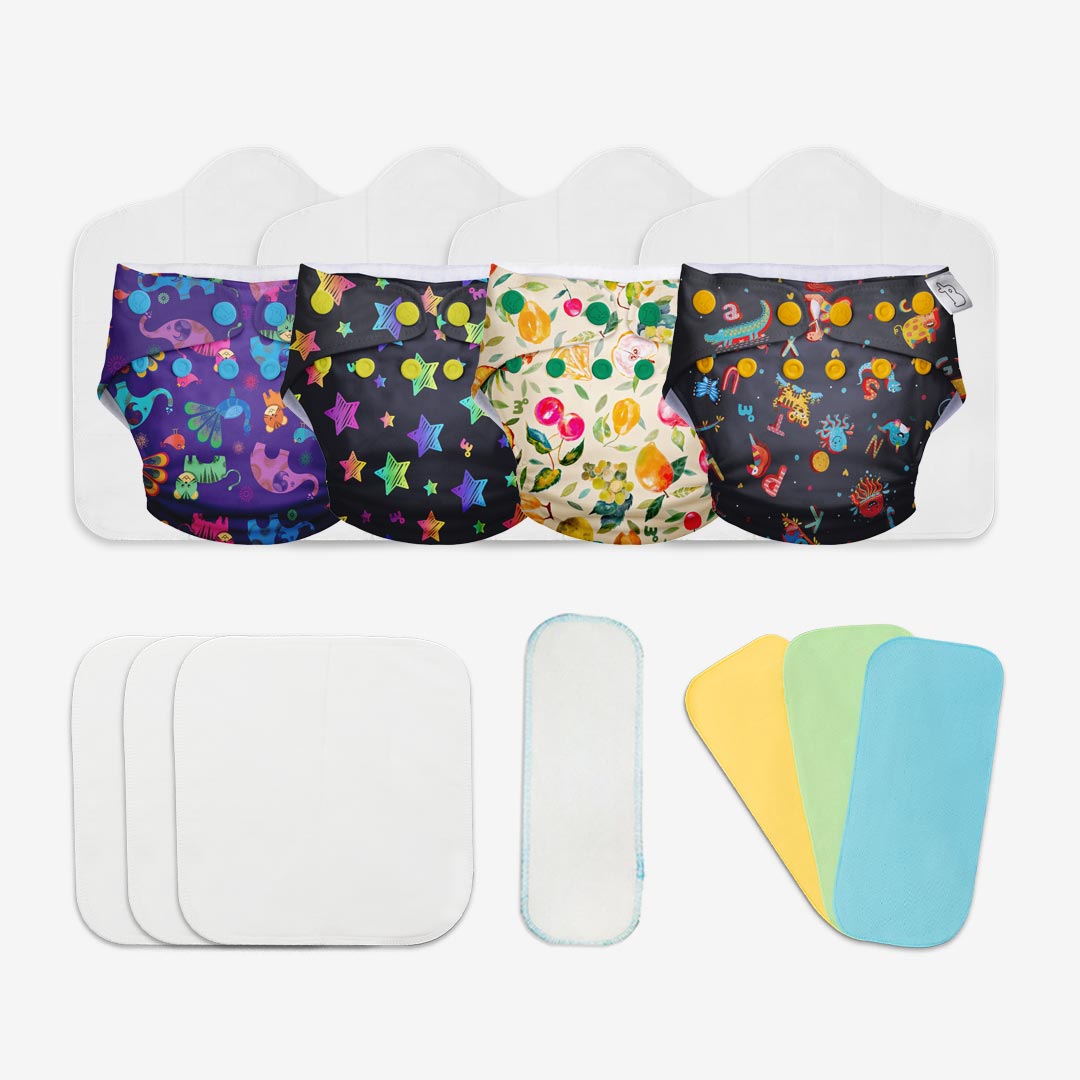
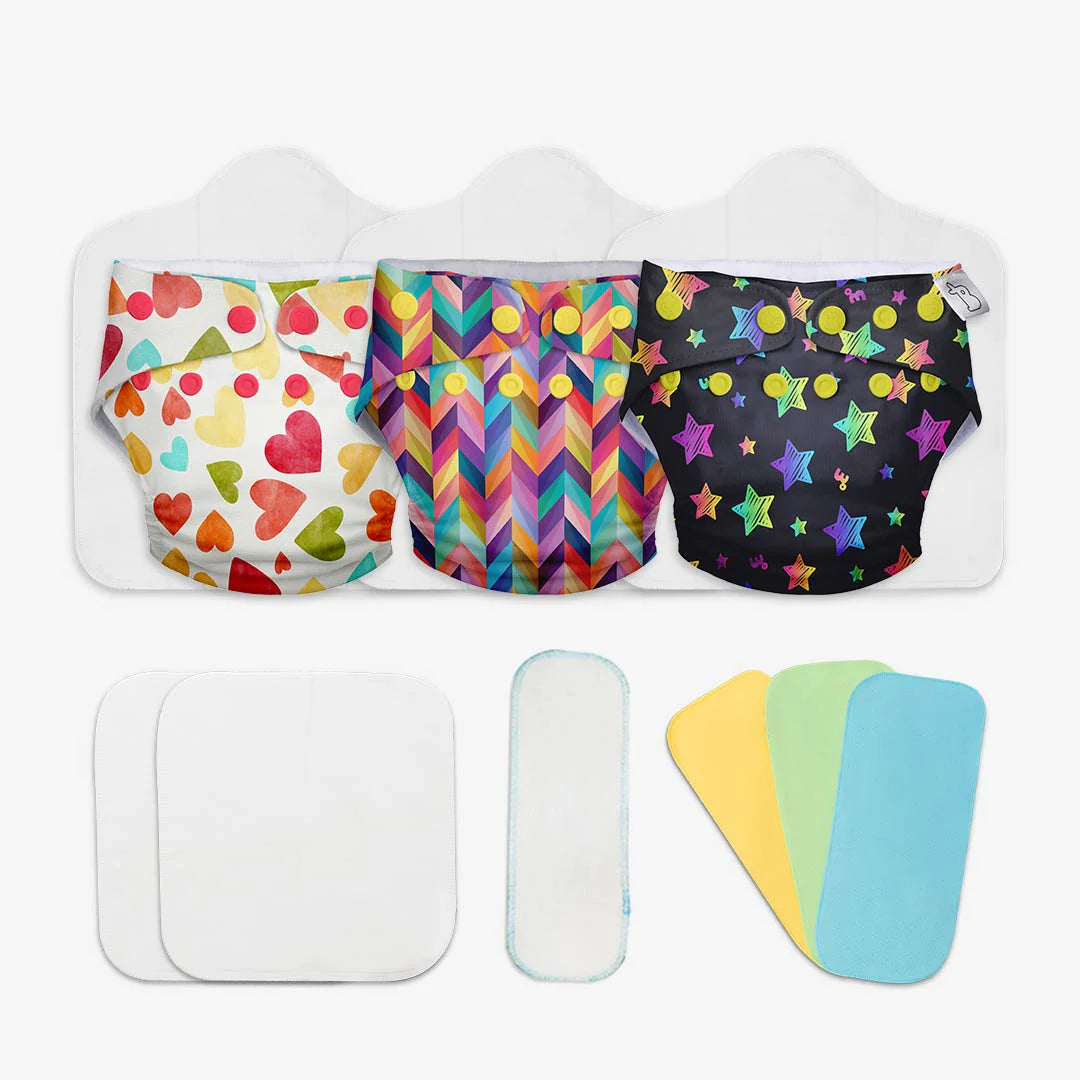
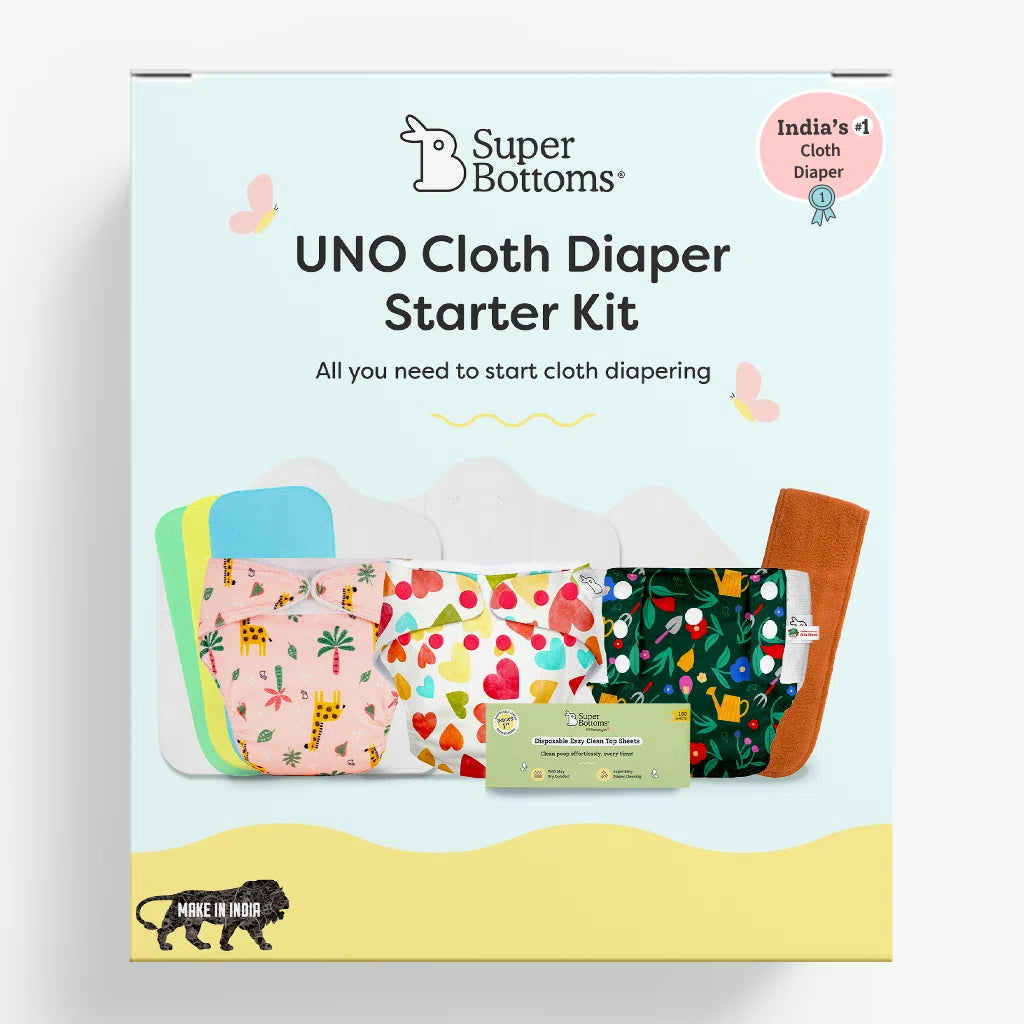
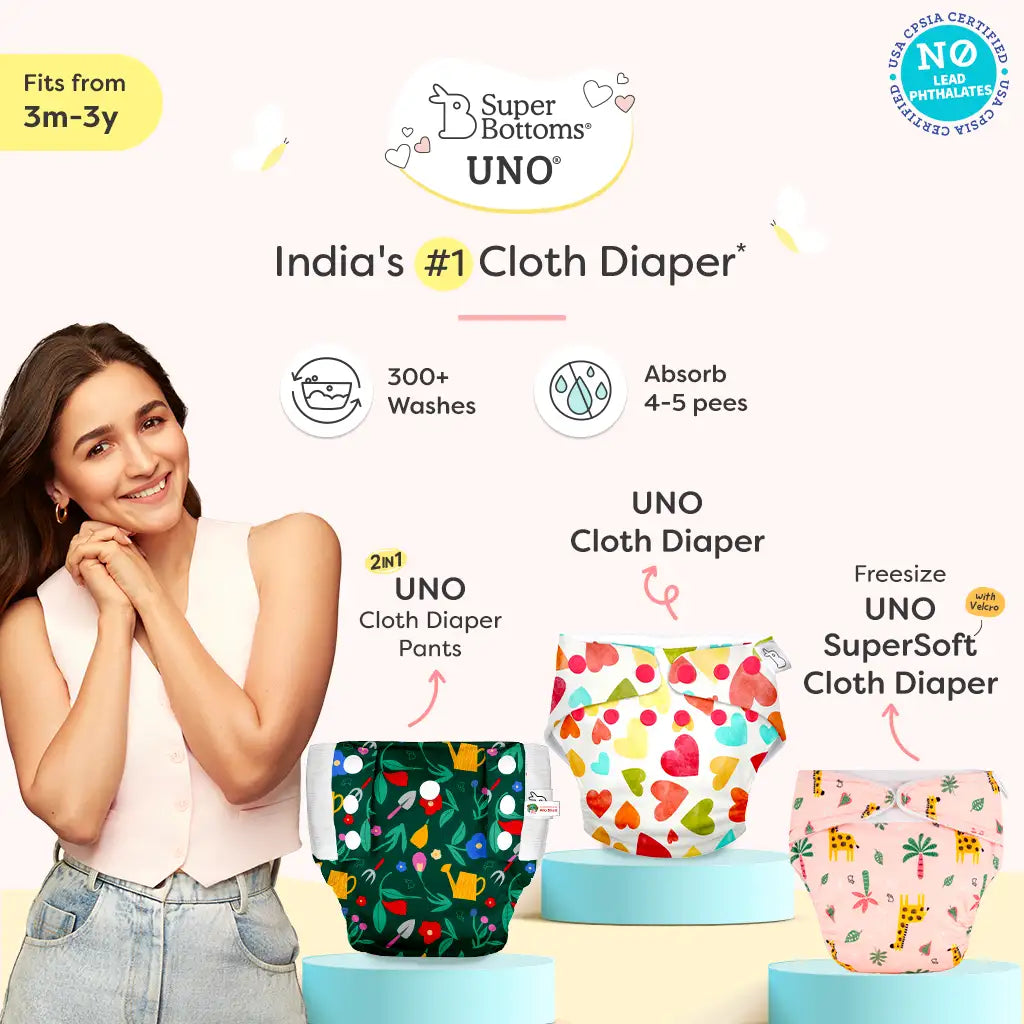
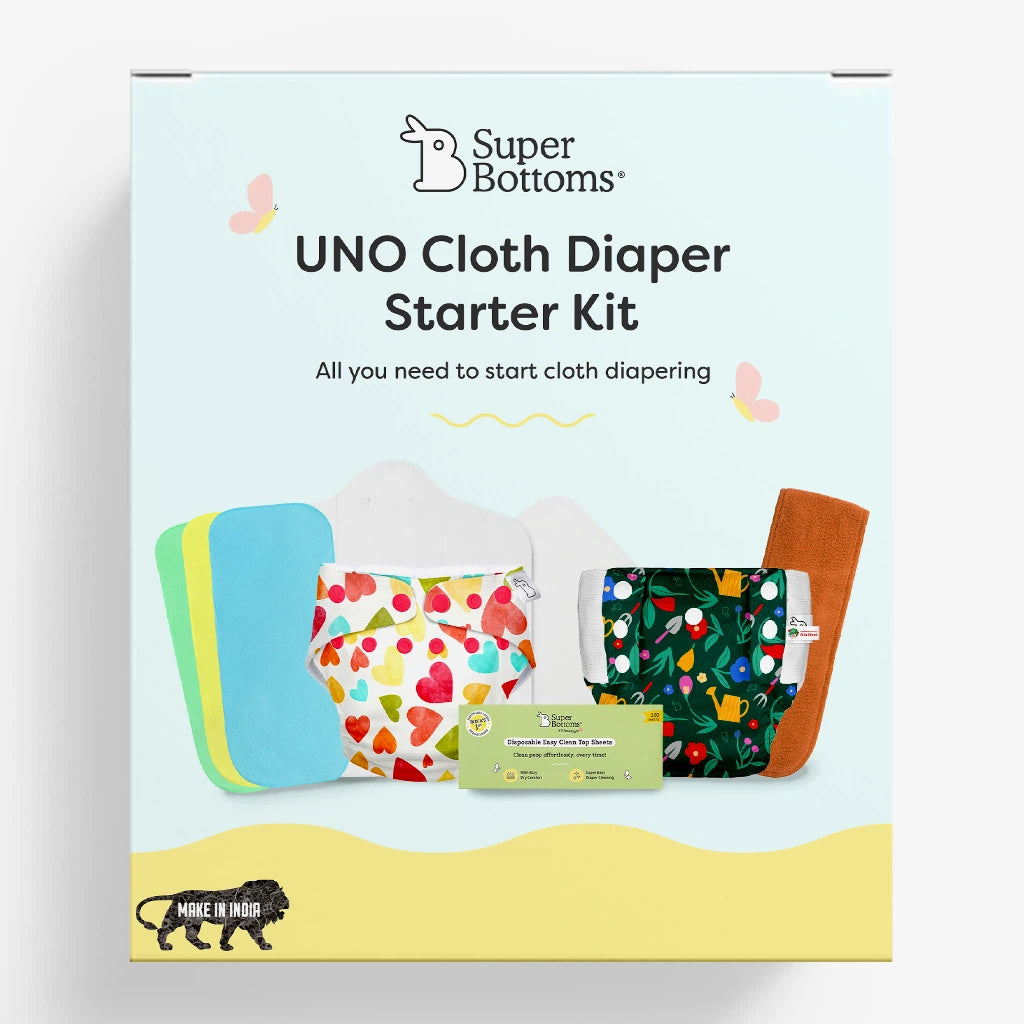
💡 SuperBottoms PickFor parents who want to explore this approach, a modern freesize cloth diaper such as SuperBottoms UNO can be considered after evaluating fit, absorbency, wash routine and intended use. Its adjustable design is intended to accommodate growing babies, making it a practical option for parents moving from traditional nappies to a more structured reusable system. |
Parent checklist: Is cloth diapering right for you?
☐ You are comfortable managing regular laundry
☐ You have a practical place to store used diapers
☐ You can change diapers regularly
☐ You have chosen an appropriate absorbency level
☐ The fit is comfortable and secure
☐ You understand the wash-care routine
☐ You are choosing reusability for your family's needs, not pressure
What is the practical takeaway?
The resurgence of cloth diapers is not simply about going back to an older way of parenting. It reflects how reusable diapering has evolved to address modern priorities such as household spending, waste reduction, comfort and convenience.
If those priorities fit your family, modern cloth diapers can be worth exploring. If laundry is difficult to manage, disposable diapers may remain the more practical option. A combination of both can also work.

Key takeaways
- Modern cloth diapers have evolved significantly.
- Fit, absorbency and hygiene matter most.
- Choose the system your family can sustain.
FAQs
Why are cloth diapers becoming popular again?
Parents are increasingly interested in reusable products because of waste, long-term value and changing preferences around baby care.
Are modern cloth diapers different from traditional cloth nappies?
Yes. Modern designs can offer adjustable sizing, specialised absorbency, waterproof layers and easier fastening systems.
Do cloth diapers cause diaper rash?
Cloth diapers do not automatically cause or prevent diaper rash. Regular changes, good hygiene, appropriate fit and keeping the skin dry are important.
Are cloth diapers more eco-friendly than disposable diapers?
Reusable cloth diapers can reduce single-use waste, but their overall environmental impact also depends on washing, drying, detergent use and product lifespan.