





In this article, we will discuss:
- Cloth diapers and baby skin health
- Common causes of diaper rash
- Choosing breathable cloth diapers
- Preventing irritation with proper care
- Comfortable diapering for sensitive skin
A baby's soft skin needs more than a comfortable diaper. Frequent wetness, friction and product buildup can all contribute to irritation. Cloth diapers can be part of a comfortable diapering routine, but the material alone does not determine skin health.
Here's what parents should know about cloth diapers, diaper rash and everyday baby skin care.
Do cloth diapers help baby skin health?
Rash-free cloth diapers may be comfortable for some babies, but there is no single diaper type proven to prevent diaper rash in every baby. Skin health depends on how well the diaper manages moisture, fits the child and is cleaned.
A reusable cloth diaper can be a useful choice when parents prioritise:
- Soft, comfortable materials.
- A suitable fit around the waist and legs.
- Absorbency matched to the baby's needs.
- Regular changes and thorough washing.
The American Academy of Paediatrics explains that diaper rash is commonly caused by prolonged contact with urine or stool, friction and irritation. Cloth diapers are not automatically better or worse for every baby's skin.
What causes diaper rash in babies?
Diaper rash can happen with both cloth and disposable diapers. Common triggers include:
1. Prolonged wetness: When urine or stool stays against the skin for too long, it can cause irritation. A wet diaper should be changed promptly, especially when the baby has sensitive skin.
2. Friction and tight fit: A diaper that rubs against the skin or leaves tight elastic marks can cause discomfort. The right fit should be secure without pressing into the baby's legs or tummy.
3. Fragrances and product buildup: Fragranced wipes, creams and some laundry products may irritate sensitive skin. In reusable diapers, leftover detergent or other residue may also be a concern.
4. Heat and poor breathability: Warm, damp conditions can increase discomfort. Choosing comfortable materials and avoiding unnecessary layers may help.
5. Yeast or other infections: Not every rash is caused by the diaper. A rash that spreads, becomes painful or does not improve may need medical attention.

What should parents look for in cloth diapers?
When choosing cloth diapers for sensitive skin, consider more than the fabric label.
|
Feature |
Why it matters |
|
Soft inner material |
Helps reduce rough contact with skin |
|
Suitable absorbency |
Limits prolonged wetness |
|
Comfortable fit |
Reduces rubbing and pressure |
|
Breathable construction |
Helps manage heat and moisture |
|
Easy washing |
Supports consistent hygiene |
|
Age-appropriate design |
Helps maintain comfort as baby grows |
What parents should know
A soft diaper can still cause irritation if it is left wet for too long, fits poorly or is not washed thoroughly. Skin comfort comes from the combination of material, fit, absorbency and daily care.
How to prevent diaper rash with cloth diapers
A simple routine can make reusable diapering more comfortable.
1. Change wet or soiled diapers promptly: Check your baby's diaper regularly and change it whenever it is wet or dirty. Do not rely only on a fixed timetable.
2. Clean and dry gently: Use water or fragrance-free, alcohol-free wipes. Pat the skin dry rather than rubbing it, especially when it is already irritated.
3. Choose the right fit: The diaper should sit comfortably around the waist and legs. Check for persistent red marks, rubbing or gaps that cause leaks.
4. Wash reusable diapers thoroughly: Follow the product's washing instructions. Avoid fabric softeners, which can reduce absorbency. Make sure diapers are thoroughly cleaned and dried before reuse.
5. Give skin some nappy-free time: When practical, allow your baby to spend short periods without a diaper. This can help reduce continuous moisture and contact.
6. Use barrier cream when needed: A suitable barrier cream may help protect irritated skin. If the rash is severe, persistent or worsening, consult a paediatrician.
What is the practical solution for sensitive baby skin?
Problem: Your baby's skin becomes irritated during daily diapering.
Solution: Review the diaper's fit, absorbency, materials and washing routine, then change wet or soiled diapers promptly.
Why it helps: These steps reduce common sources of moisture, friction and irritation without requiring parents to change every part of their routine at once.
💡 SuperBottoms PickA reusable diaper option for everyday diapering.
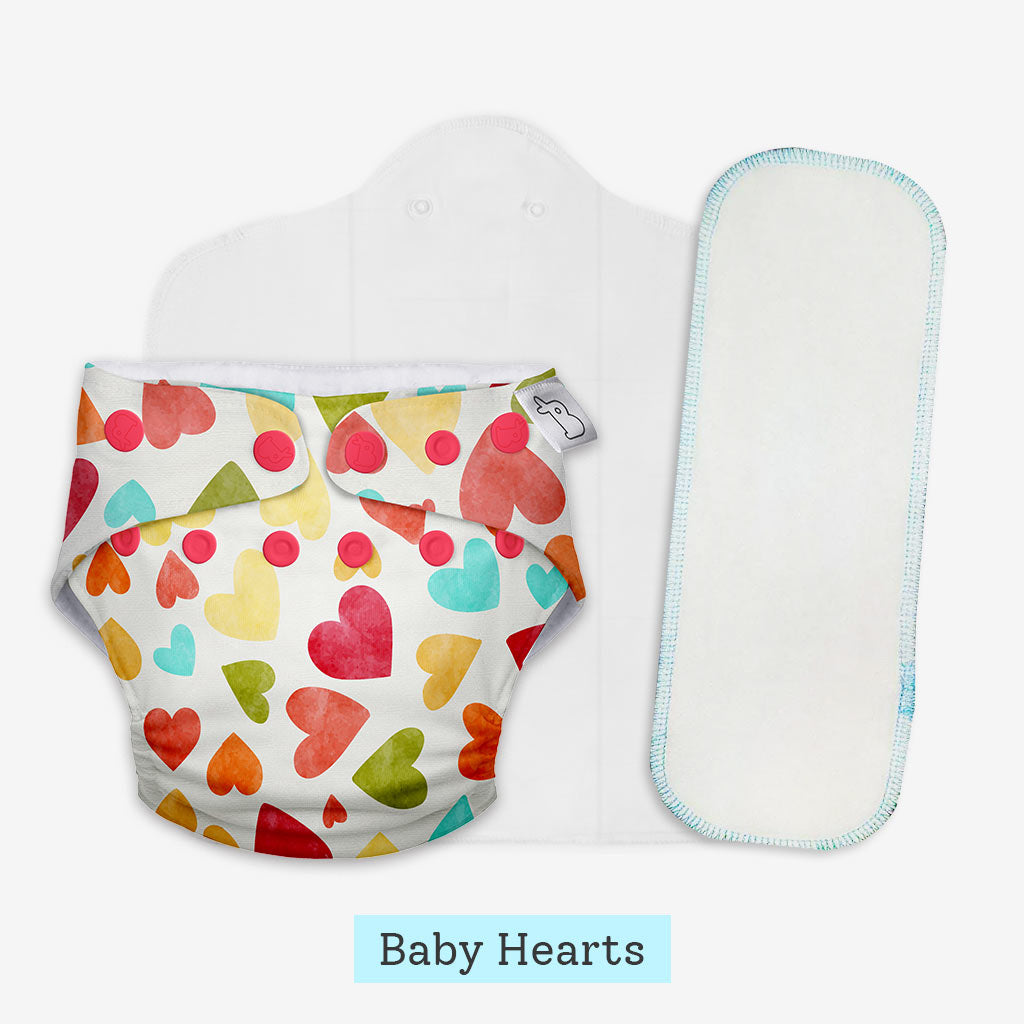
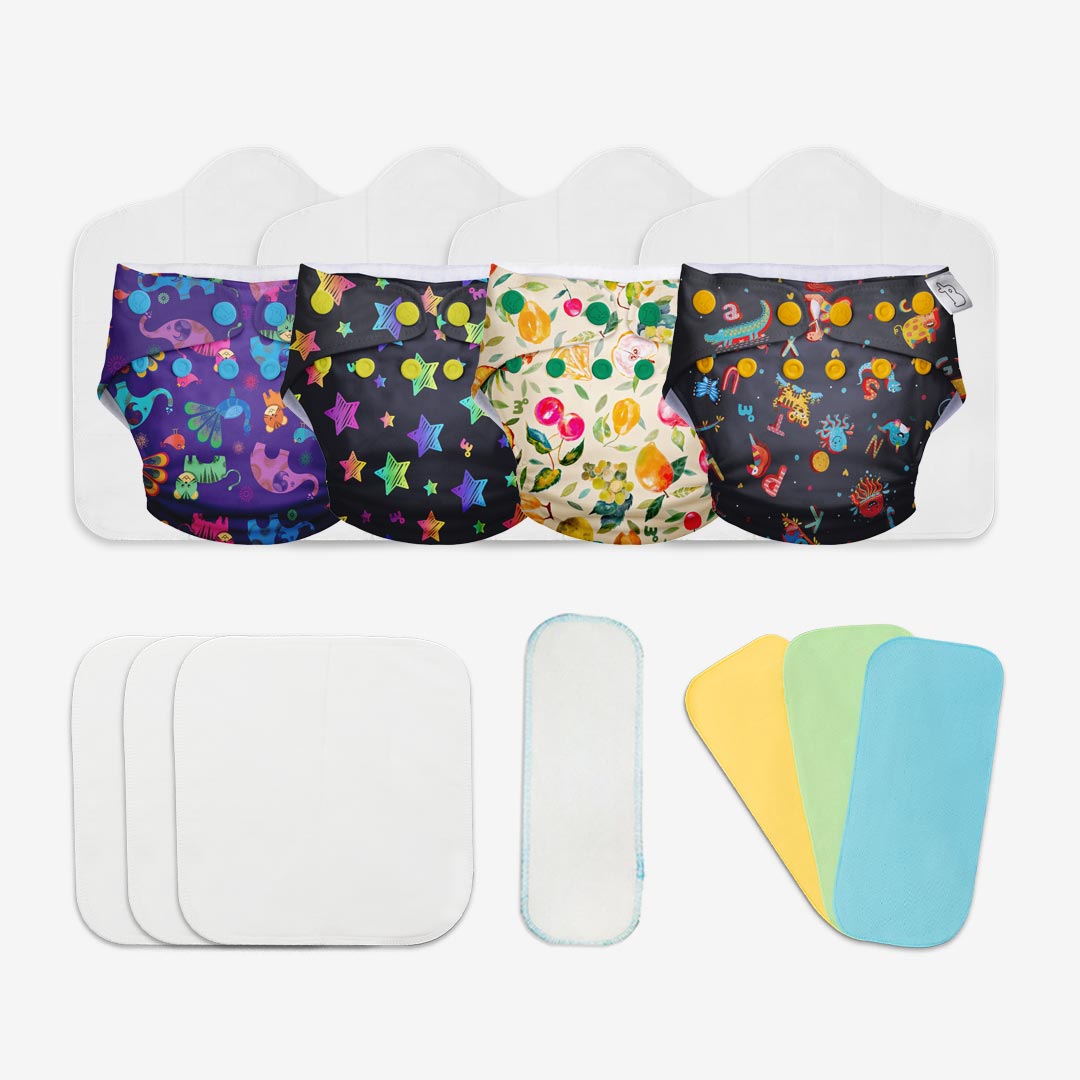
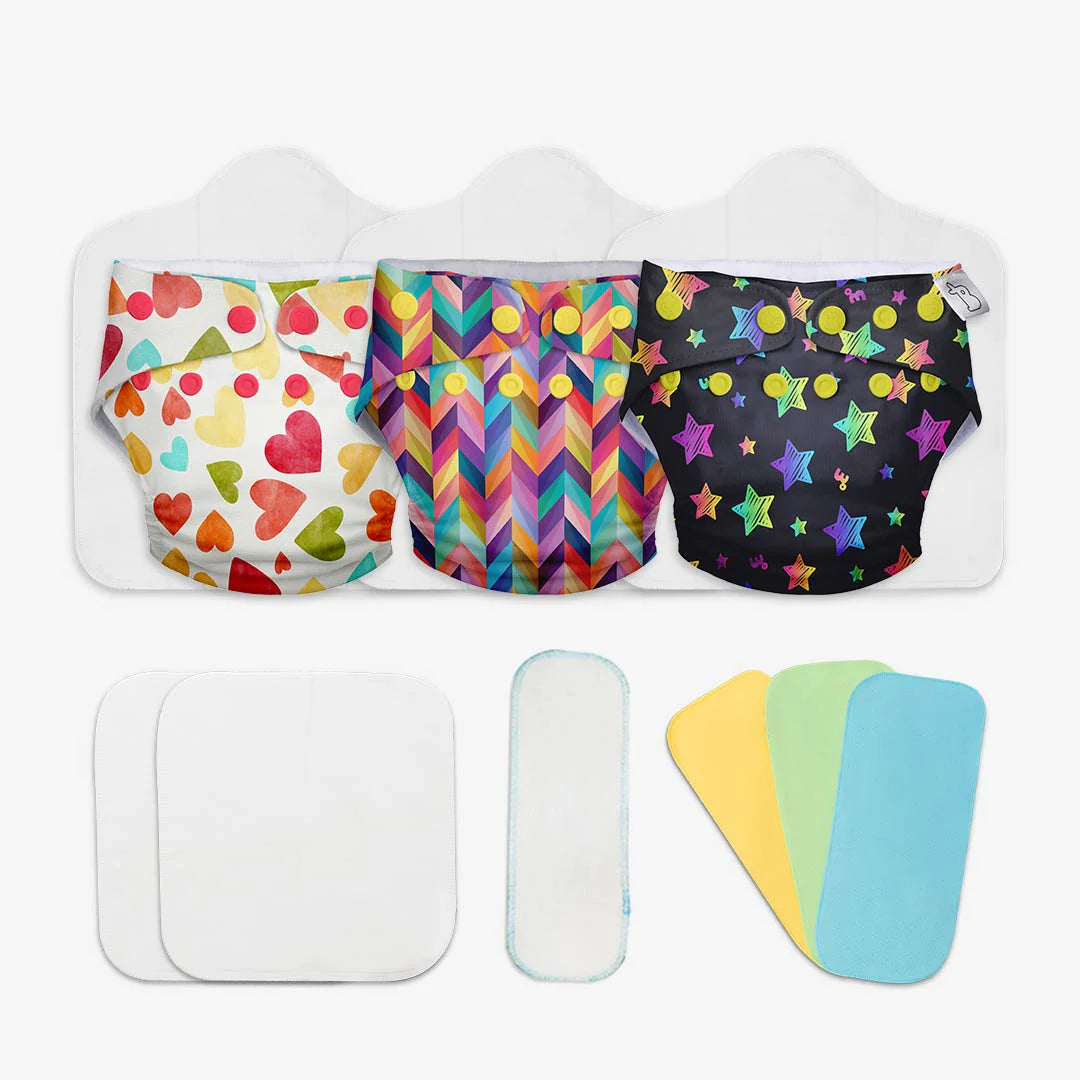
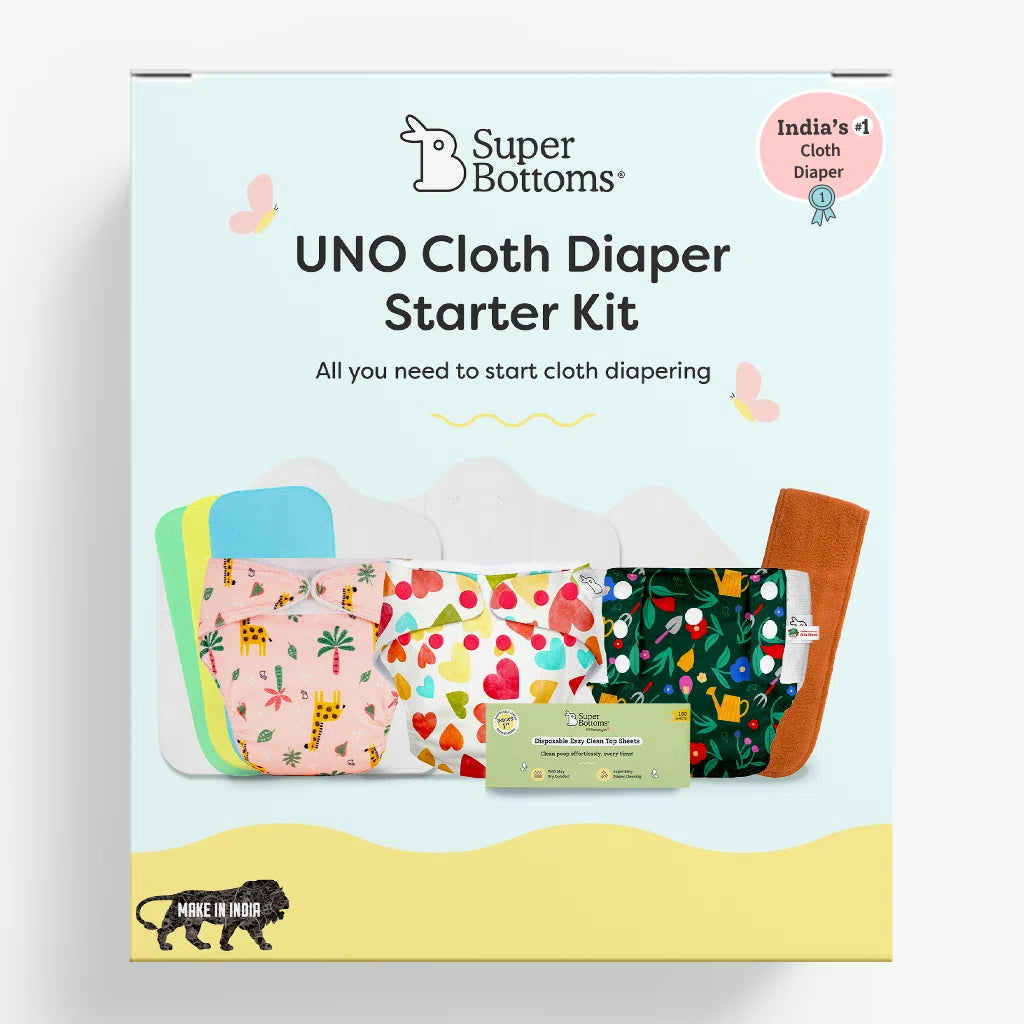
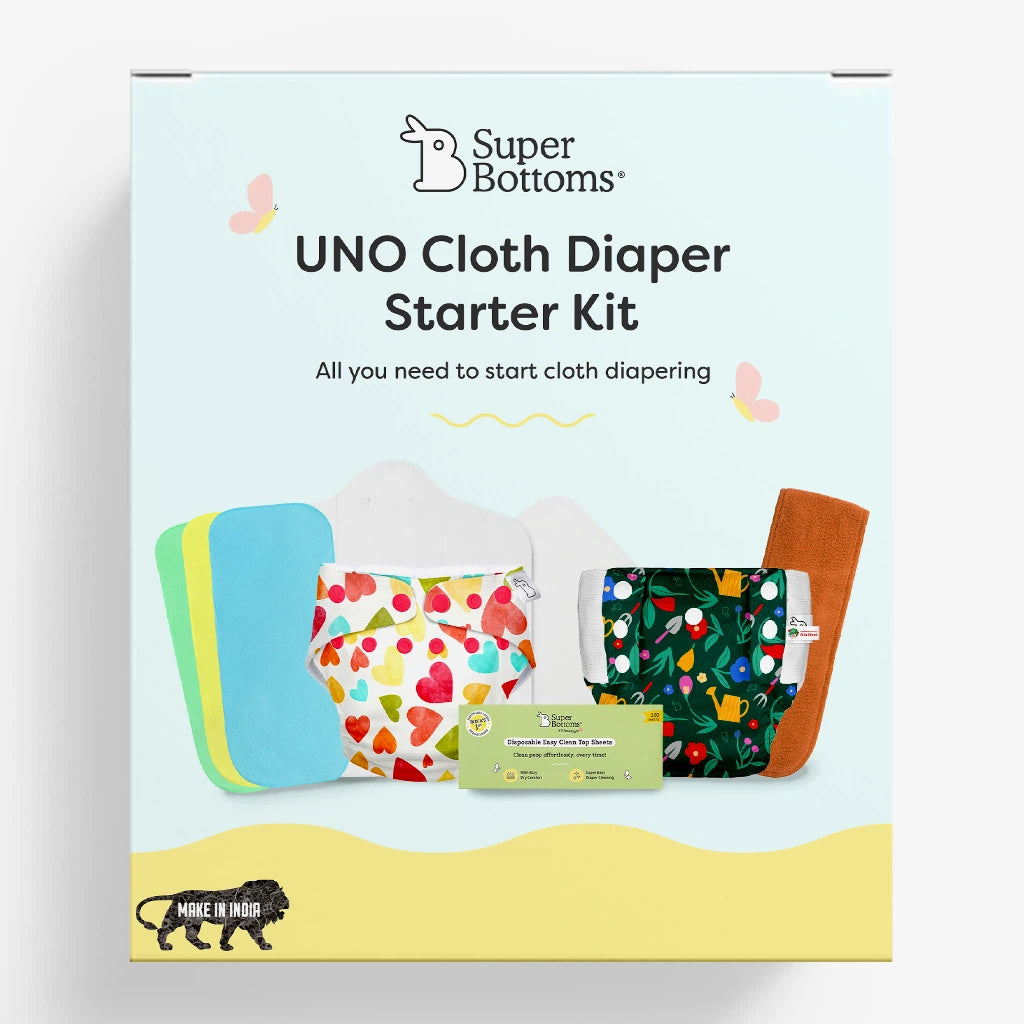
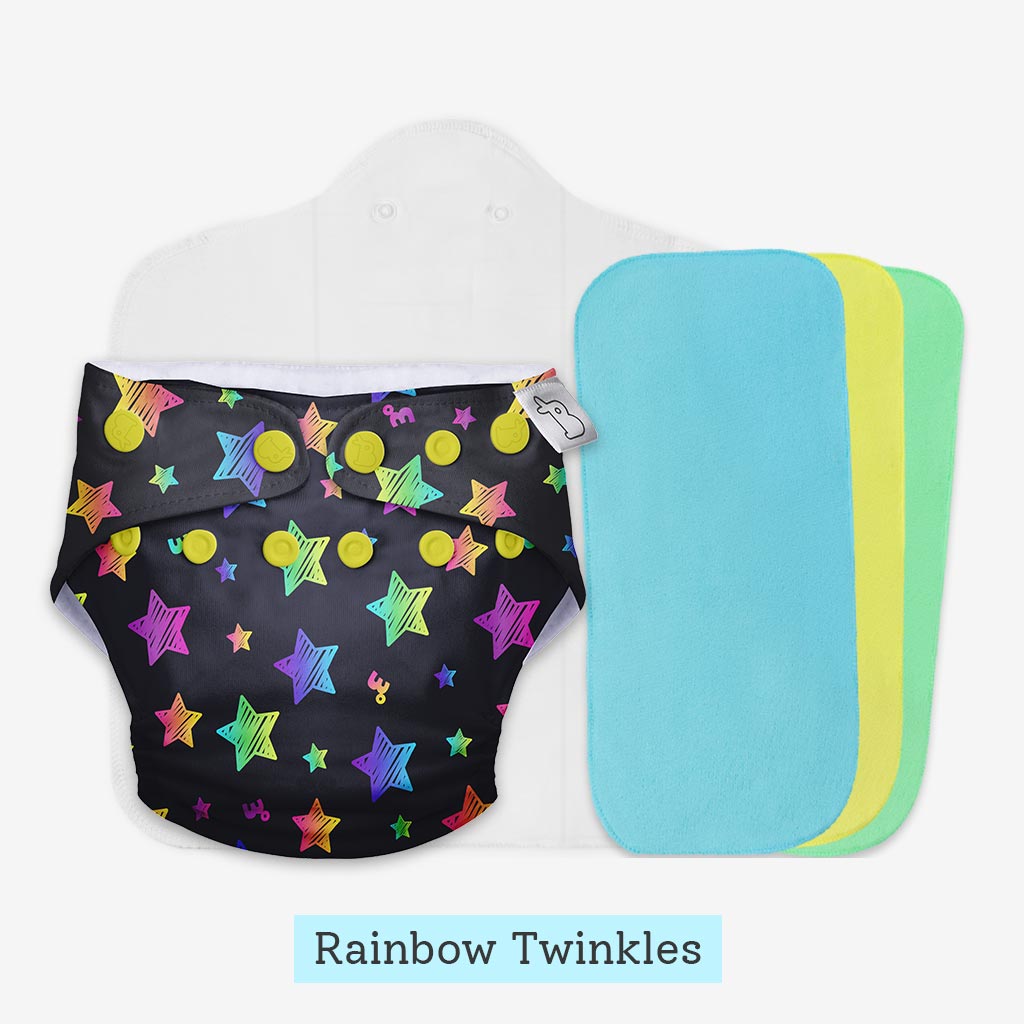
If you're considering cloth diapers for baby skin health, look for a comfortable fit, absorbency suited to your baby and a washing routine you can maintain. SuperBottoms UNO Cloth Diapers features an organic cotton DryFeel Magic Pad and SnapEasy closure; explore the product after checking your child's needs. |
Parent checklist
- Check the diaper fit and elastic marks.
- Change wet or soiled diapers promptly.
- Choose soft, comfortable materials.
- Wash reusable diapers thoroughly.
- Keep skin clean and dry.
- Seek medical advice for persistent rashes.
Cloth diapers and baby skin health are closely connected to everyday diapering habits. The most useful approach is to choose a comfortable, absorbent diaper, maintain good hygiene and respond to your baby's skin needs.

Key takeaways
- Cloth diapers are not automatically rash-free.
- Fit, moisture management and washing matter.
- Persistent or worsening rashes need medical advice.
FAQs
Are cloth diapers better for baby skin?
Cloth diapers can be comfortable for some babies, but no diaper type is best for every child. Fit, absorbency, changing frequency and skin sensitivity all matter.
Can cloth diapers cause diaper rash?
Yes. Prolonged wetness, friction, poor fit or product residue can contribute to irritation. Proper changes and washing help reduce these risks.
How often should I change a cloth diaper?
Change it whenever it is wet or soiled. Check regularly rather than following a fixed schedule, as babies have different needs.
What should I do if my baby develops a rash?
Keep the area clean and dry, change diapers frequently and use a suitable barrier cream if needed. Consult a paediatrician if the rash worsens, persists or appears infected.