





In this article, you will read
- Newborn cloth diapers can fit comfortably
- Correct fit helps prevent rubbing
- Frequent changes support healthy newborn skin
- Soft materials matter for sensitive skin
- Newborn-specific sizing improves everyday comfort
A cloth diaper may look bulky on a tiny newborn, especially during the first few weeks. But bulkiness alone does not mean discomfort. The right size, a gentle fit and timely changes make a much bigger difference to your baby's comfort.
Are cloth diapers comfortable for newborns?
Yes, cloth diapers for newborns can be comfortable when they fit properly, feel soft against the skin and are changed frequently. Discomfort is more likely when a diaper is too tight, too bulky for the baby's size, poorly positioned or left wet for too long. Every newborn is different, so observe your baby's skin and movement.
Newborns spend much of their day sleeping, feeding and being carried. Their diaper should allow their legs to move naturally without pressing tightly against the tummy or thighs.
Parents sometimes assume that reusable diapers are uncomfortable because they have thicker absorbent layers than disposable options. However, thickness alone does not determine comfort. The diaper's shape, material, fastening and fit all matter.
What parents should know
Reusable diapers are not automatically uncomfortable for newborns. A correctly sized diaper with a soft inner surface and enough room for natural movement can be a practical option from the early weeks.
Why might a newborn feel uncomfortable in a cloth diaper?
If your baby seems unsettled after a diaper change, the diaper may be contributing to the discomfort, but it may not be the only reason. Check for these common issues before deciding that cloth diapering is unsuitable.
1. The diaper is too bulky
A diaper with several absorbent layers can look large around a newborn's bottom. Excess bulk between the legs may also affect how clothing fits.
Choose a design suited to your baby's current size. Avoid adding extra boosters unless they are needed and recommended for that diaper's intended use.
2. The fit is too tight or too loose
Tight elastics can leave marks or rub against delicate skin. A loose fit around the legs, on the other hand, can cause leaks and require repeated adjustments.
The diaper should sit securely without digging into the waist or thighs.
3. Wetness stays against the skin
A cloth diaper's absorbency and inner layer affect how wet the surface feels. If a diaper remains wet or soiled for too long, prolonged contact can irritate the skin.
The NHS advises changing wet or dirty nappies promptly, ensuring a proper fit and keeping the diaper area clean and dry. Read the NHS guidance on nappy rash.
4. The material or washing routine causes irritation
Some babies react to particular materials, detergents or product residues. Fabric softeners can also reduce cloth diaper absorbency.
Use a suitable washing routine, rinse thoroughly as needed and follow the diaper manufacturer's care instructions.
5. The diaper presses against the healing umbilical area
During the early days, the umbilical stump needs to remain clean and dry. Make sure the diaper does not rub against it or cover it in a way that interferes with recommended cord care.
If the area becomes red, swollen or starts discharging, seek medical advice.
How can you check the fit of a newborn cloth diaper?
A comfortable newborn diaper should stay in place without squeezing the tummy, restricting leg movement or rubbing against the skin. Check the waist, leg openings and inner surface every time you put on a new diaper.
Use these simple checks:
- Waist: Fasten it securely without pulling it too tight.
- Leg openings: Check for gaps that may cause leaks or elastic that digs into the skin.
- Tummy: Ensure the front panel does not press against the abdomen or healing umbilical stump.
- Leg movement: Your baby should be able to move their legs naturally.
- Skin: Look for persistent red marks, chafing or irritation after removing the diaper.
If your newborn is very small, a regular freesize diaper may not provide the best fit straight away. A newborn-specific design may sit more comfortably around the waist and thighs.
Expert answer
Dr. Ingrid Polcari, MD, FAAP - Associate Professor of Dermatology and Paediatrics at the University of Minnesota and a member of the American Academy of Paediatrics’ Section on Dermatology says, “A newborn's diaper should fit securely without being too tight. Tight fastening can cause friction and skin irritation, while a poor fit may contribute to discomfort and leaks. Check for persistent red marks or rubbing, and adjust the fit or consider a different size if needed. Every baby has a different body shape, so the most comfortable fit may vary.”

Are cloth diapers better than disposable newborn diapers?
Neither cloth nor disposable diapers are automatically the better choice for every newborn. Both can work well when parents choose an appropriate fit, change the diaper promptly and care for the baby's skin. The practical differences lie in materials, absorbency, washing and everyday convenience.
|
Factor |
Reusable cloth diapers |
Disposable diapers |
|
Comfort |
Depends on fabric, design and fit |
Depends on design, fit and materials |
|
Wetness |
Varies by inner layer and absorbency |
Many options are designed to absorb and retain moisture |
|
Daily care |
Requires washing and drying |
Usually discarded after use |
|
Repeated use |
Can be washed and reused as directed |
Requires a fresh diaper for each change |
|
Choosing a newborn fit |
Look for newborn sizing or suitable adjustability |
Look for a size that fits the baby's current weight and shape |
Which option is better for a newborn?
Choose the option that fits your baby comfortably and suits your caregiving routine. Reusable diapers can be useful for families who prefer washable products, while disposables may be more convenient when washing and drying facilities are limited.
You can also use both. For example, you might choose reusable diapers at home and disposables when travelling. There is no need to commit to one option for every situation.
What should parents look for when choosing newborn reusable diapers?
Before buying newborn cloth diapers online, focus on the features that affect everyday comfort rather than appearance alone.
1. A suitable size and shape
Look for a diaper designed for your baby's current age and weight. A freesize design may offer longer use as your baby grows, but its fit on a very small newborn depends on the product's minimum weight range and adjustment system.
2. A soft inner layer
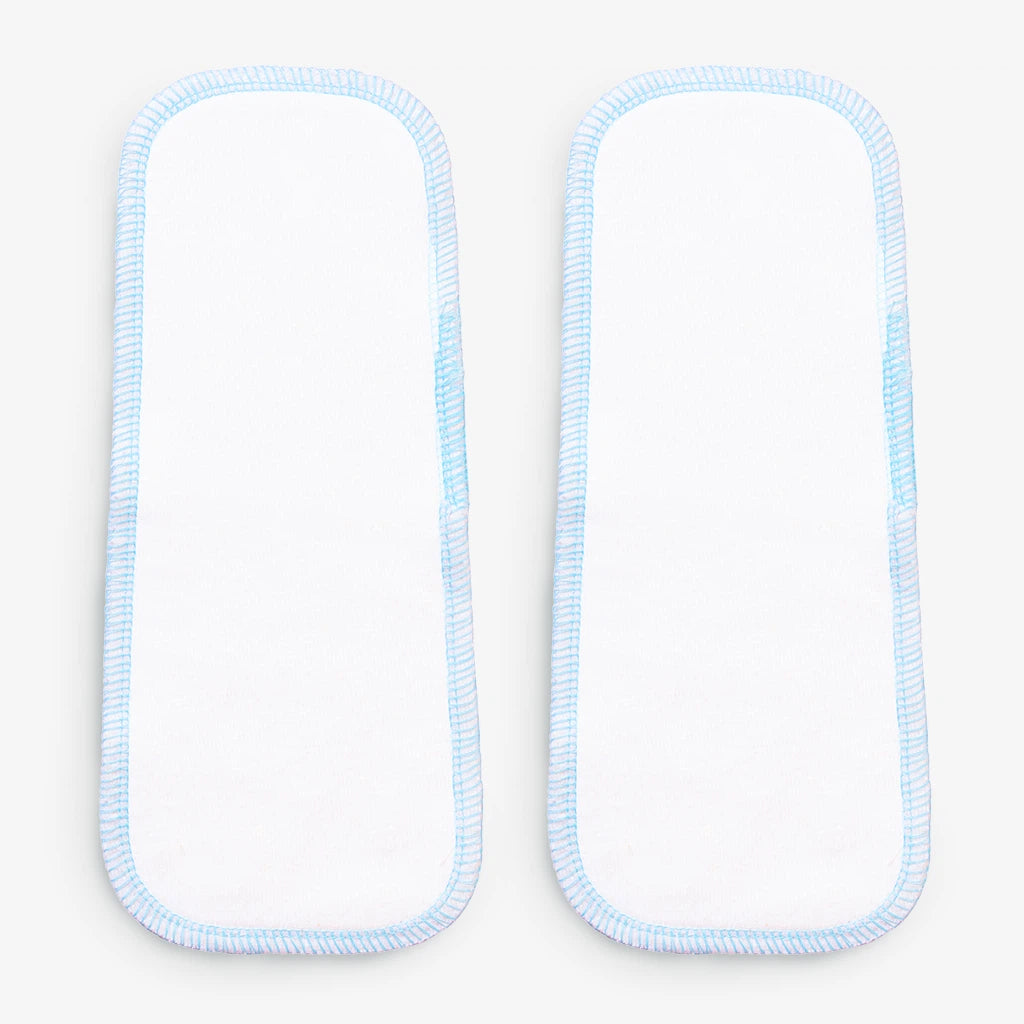
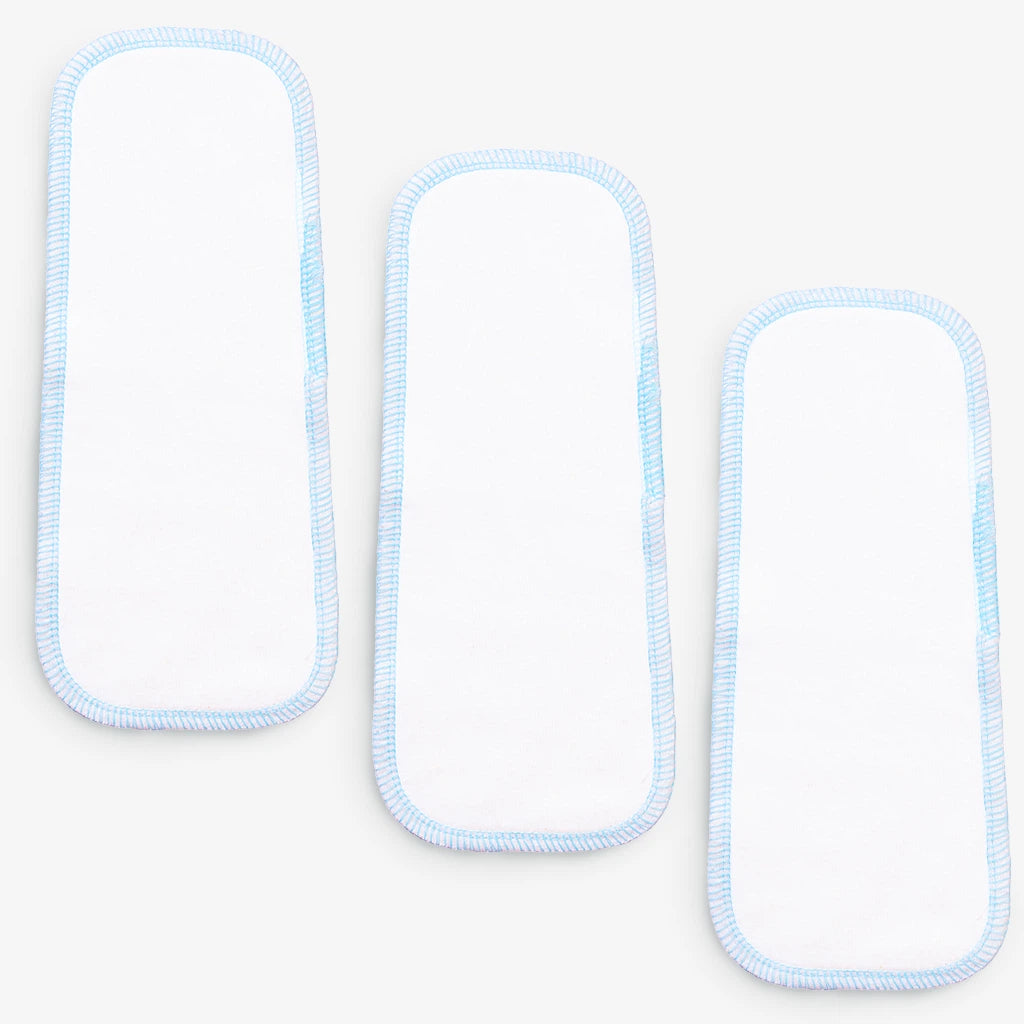
The surface that touches your baby's skin should feel soft and should not have rough seams or edges that rub. If your newborn has sensitive skin, pay attention to the fabric, washing instructions and any signs of irritation.
3. Appropriate absorbency
The diaper should provide enough absorbency for the intended use without unnecessary bulk. Newborns urinate frequently, so plan for regular changes rather than relying on a diaper to stay on for long periods.
4. Breathability and skin care
No diaper material can guarantee that a baby will never develop a rash. Frequent changes, gentle cleaning, proper fit and allowing the skin to dry all help reduce irritation.
The Indian Academy of Paediatrics’ published skin-care guidance recommends frequent diaper changes and gentle cleaning of the diaper area. It also highlights the importance of keeping the skin clean and dry. Read the Indian Paediatrics guidance.
5. Washing and long-term value
Check how the diaper must be washed, dried and stored between uses. Avoid fabric softeners if the manufacturer advises against them, as they may affect absorbency.
Reusable cloth diapers can be used repeatedly, making them worth considering for families planning to use cloth diapering regularly. However, the actual cost per use depends on the purchase price, number of diapers needed, washing costs and how long each diaper lasts.
What to look for
A good newborn diaper combines a suitable size, a soft inner surface, adequate absorbency and a secure but gentle fit. Check the product's stated weight range before buying, especially if your baby is small or was born prematurely.
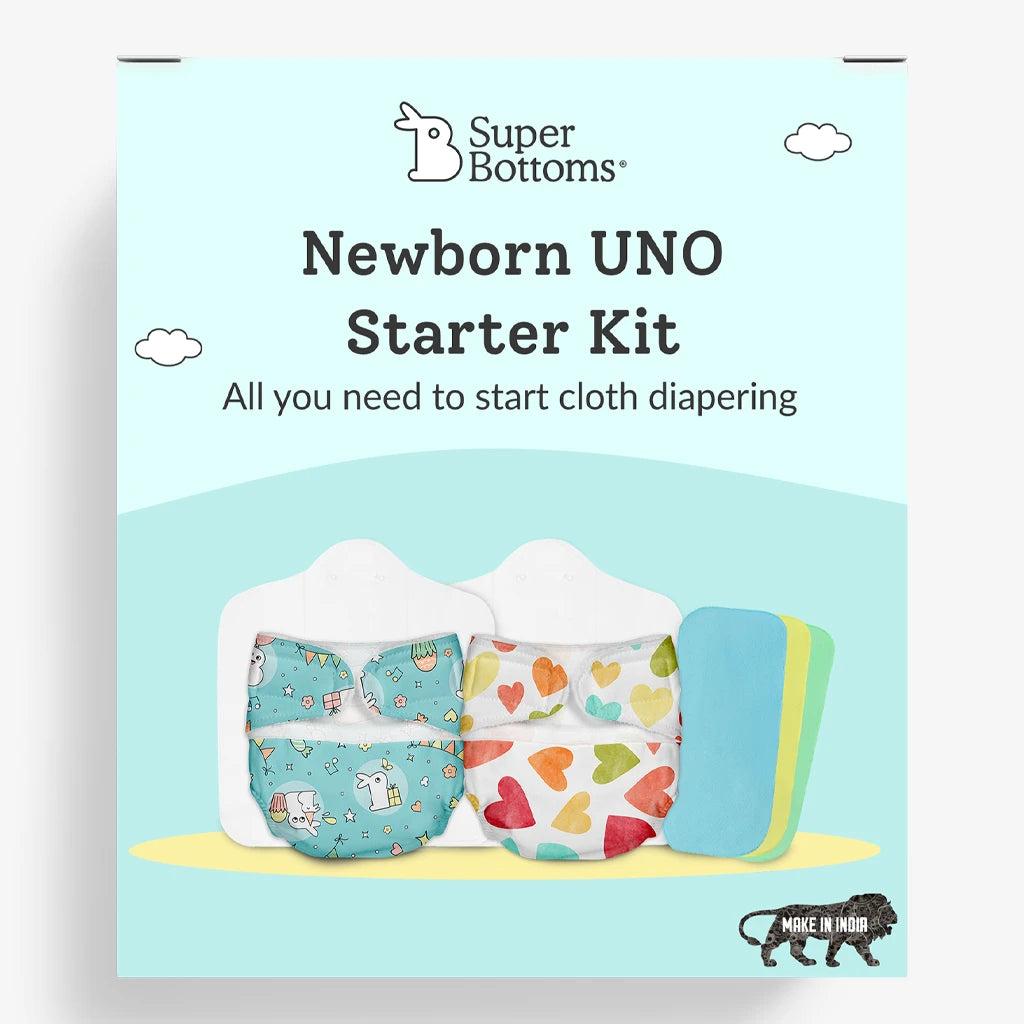
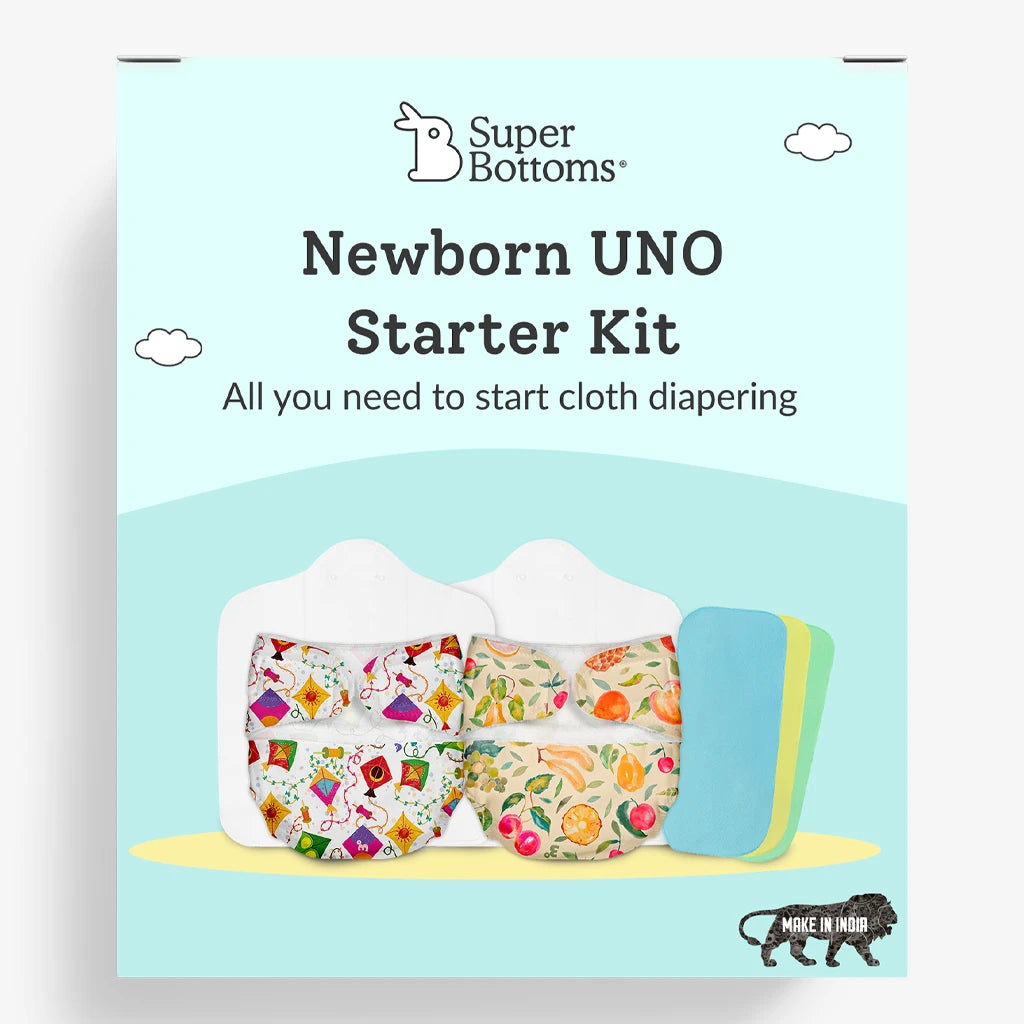
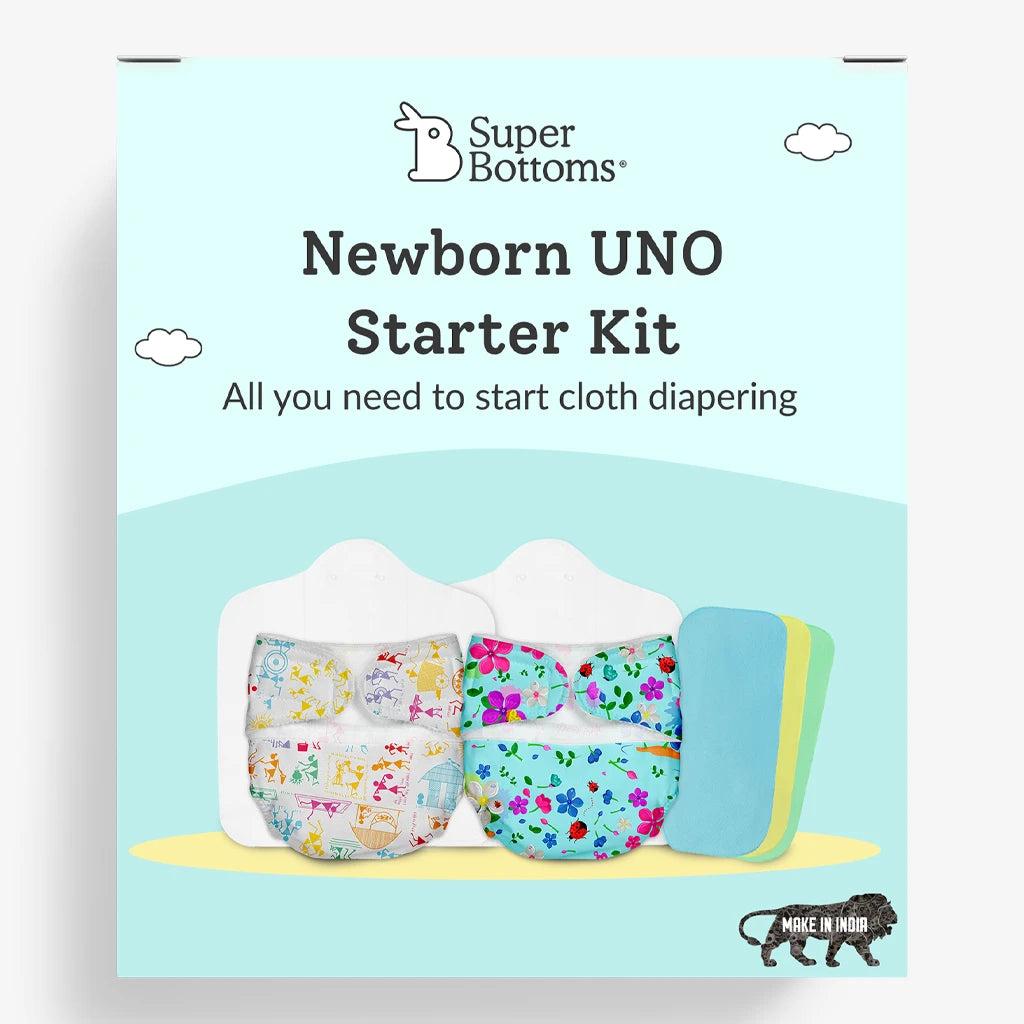
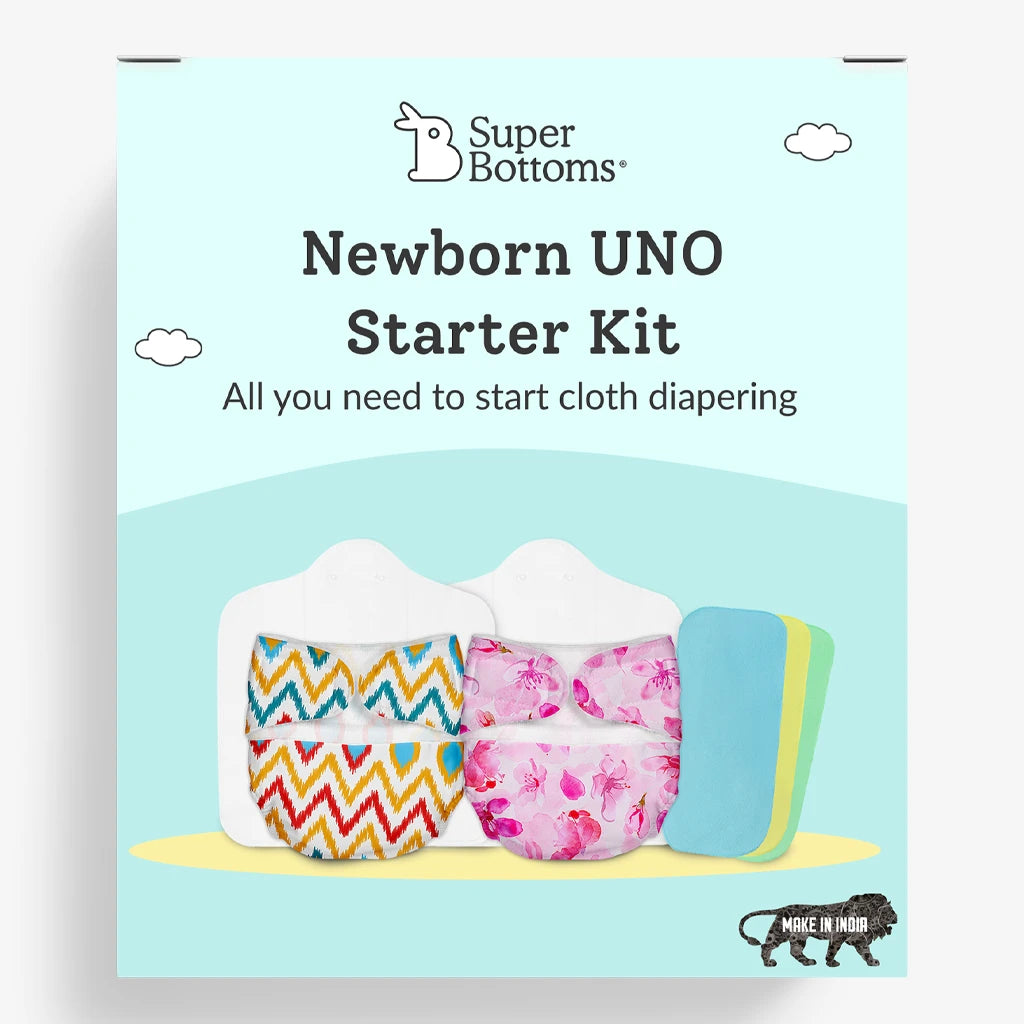
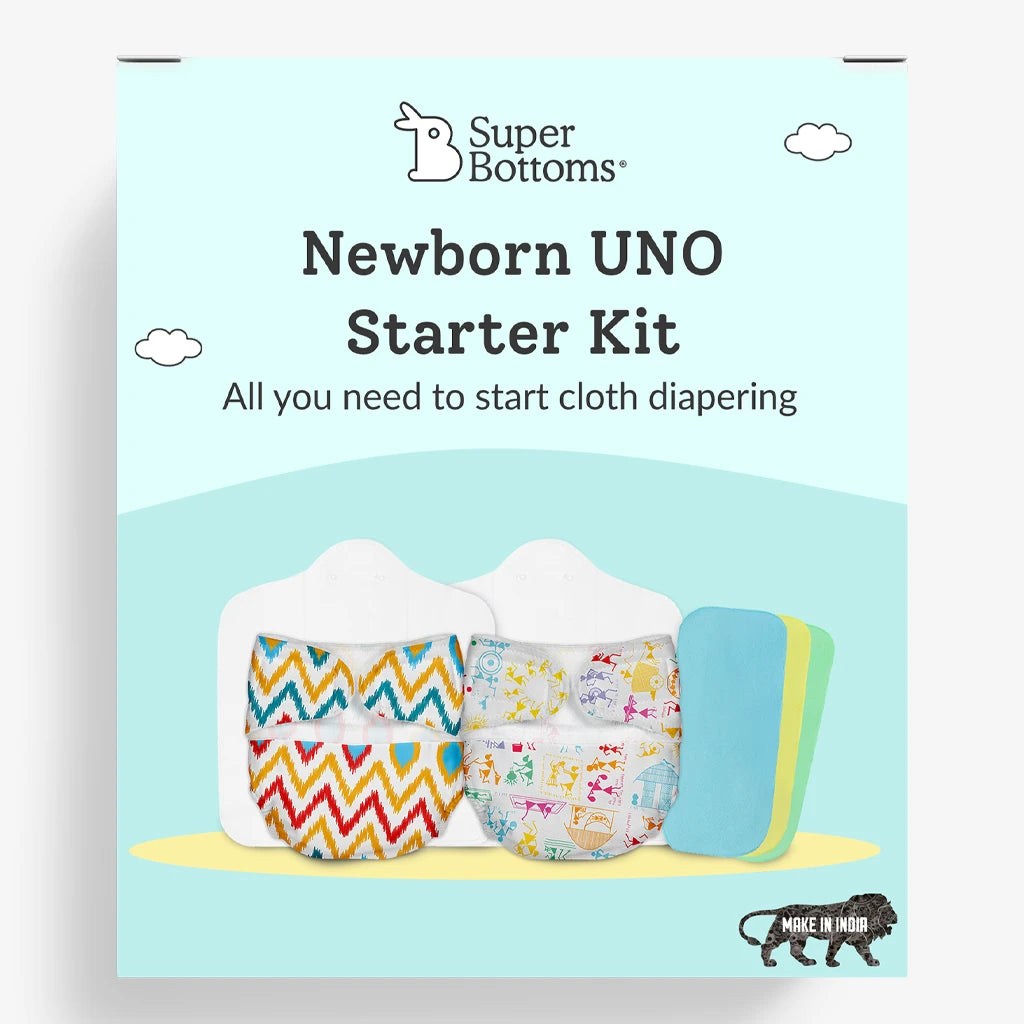
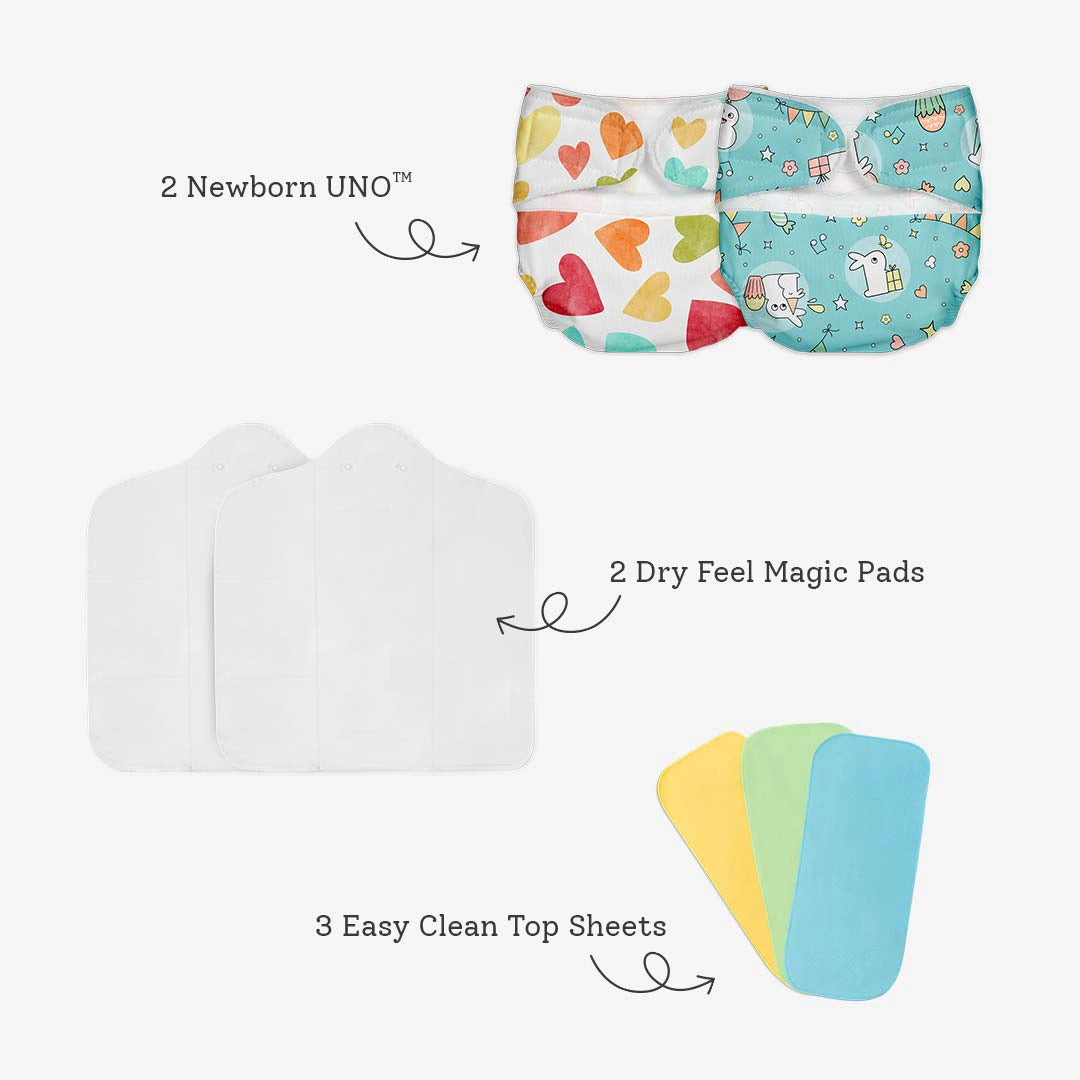
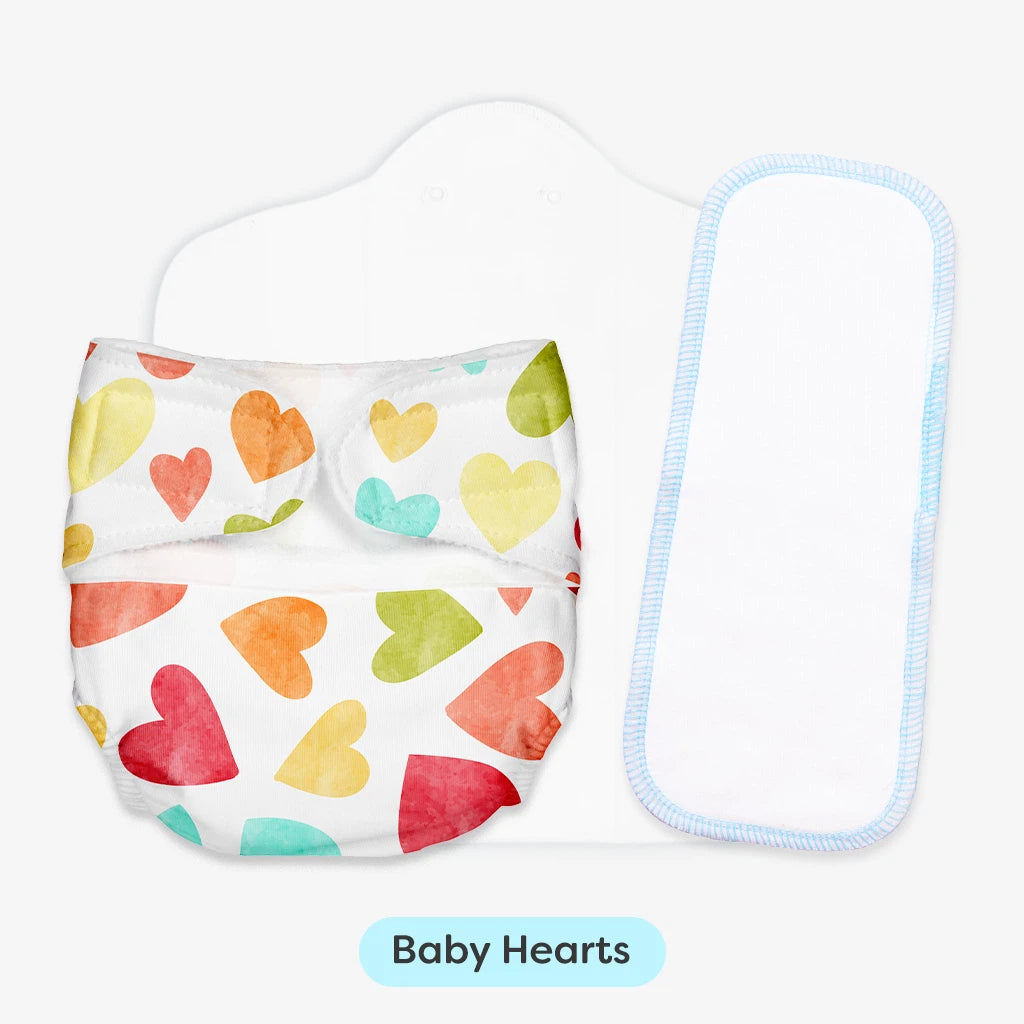
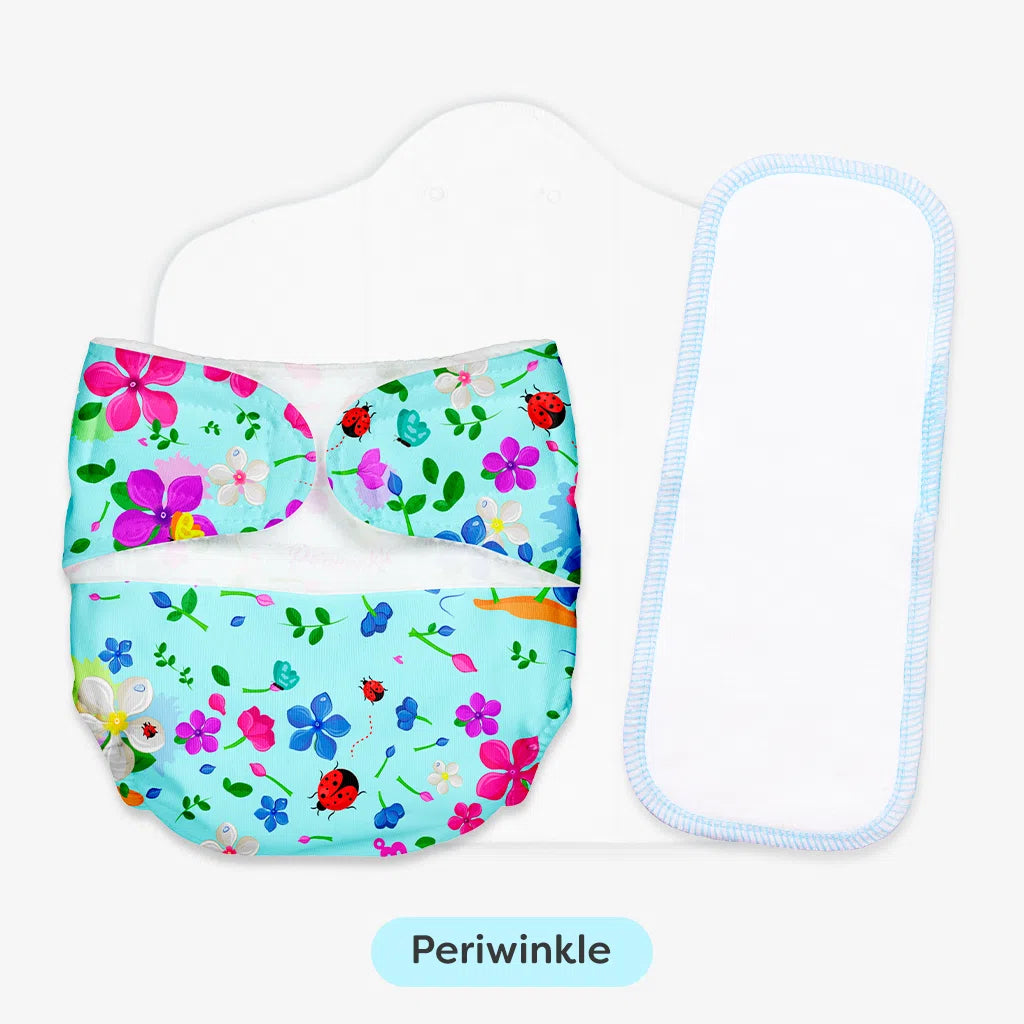
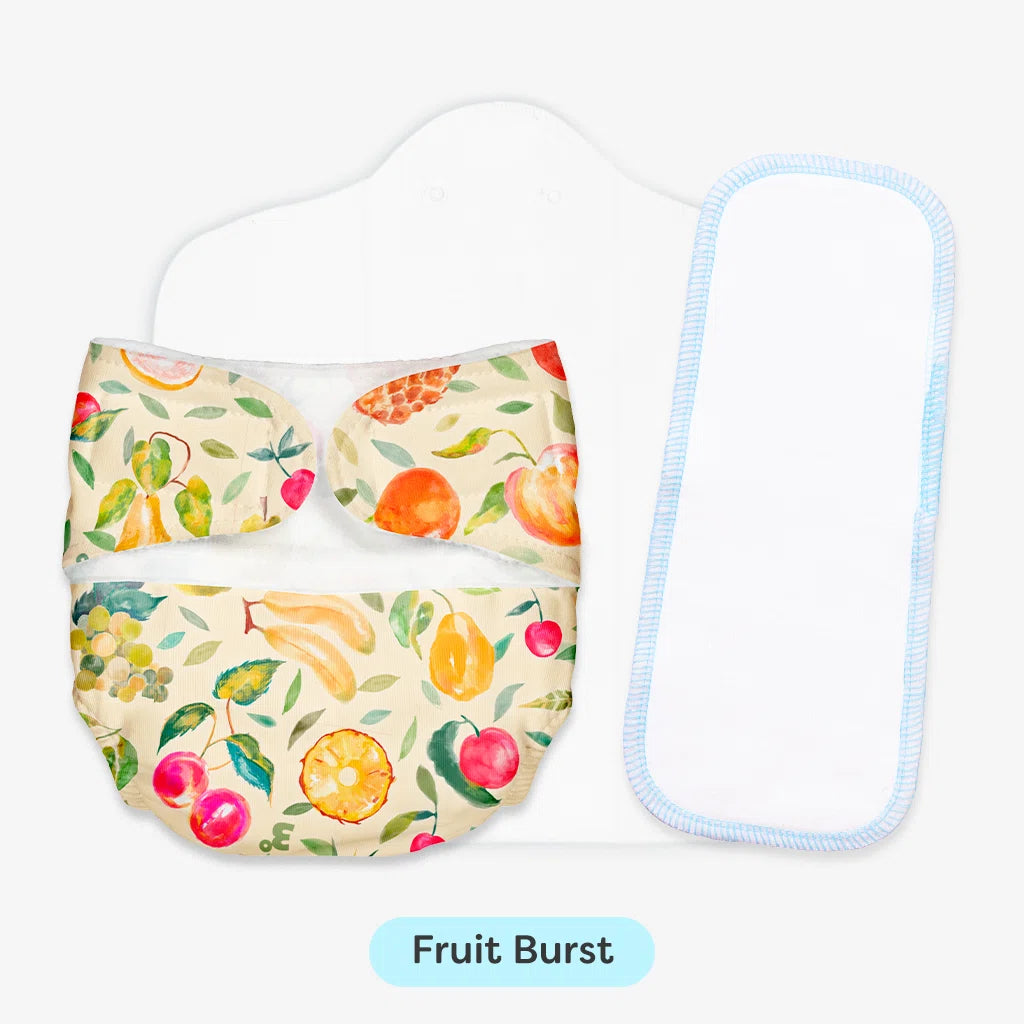
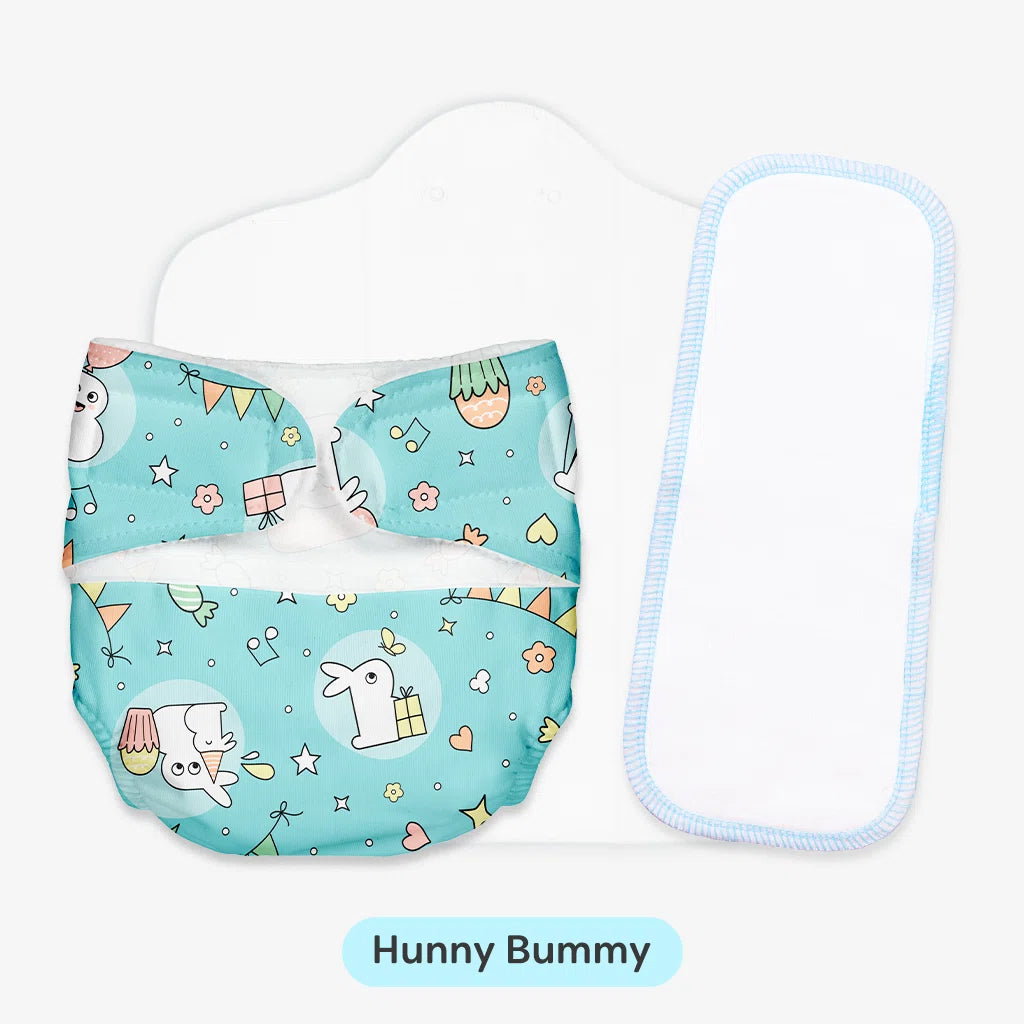
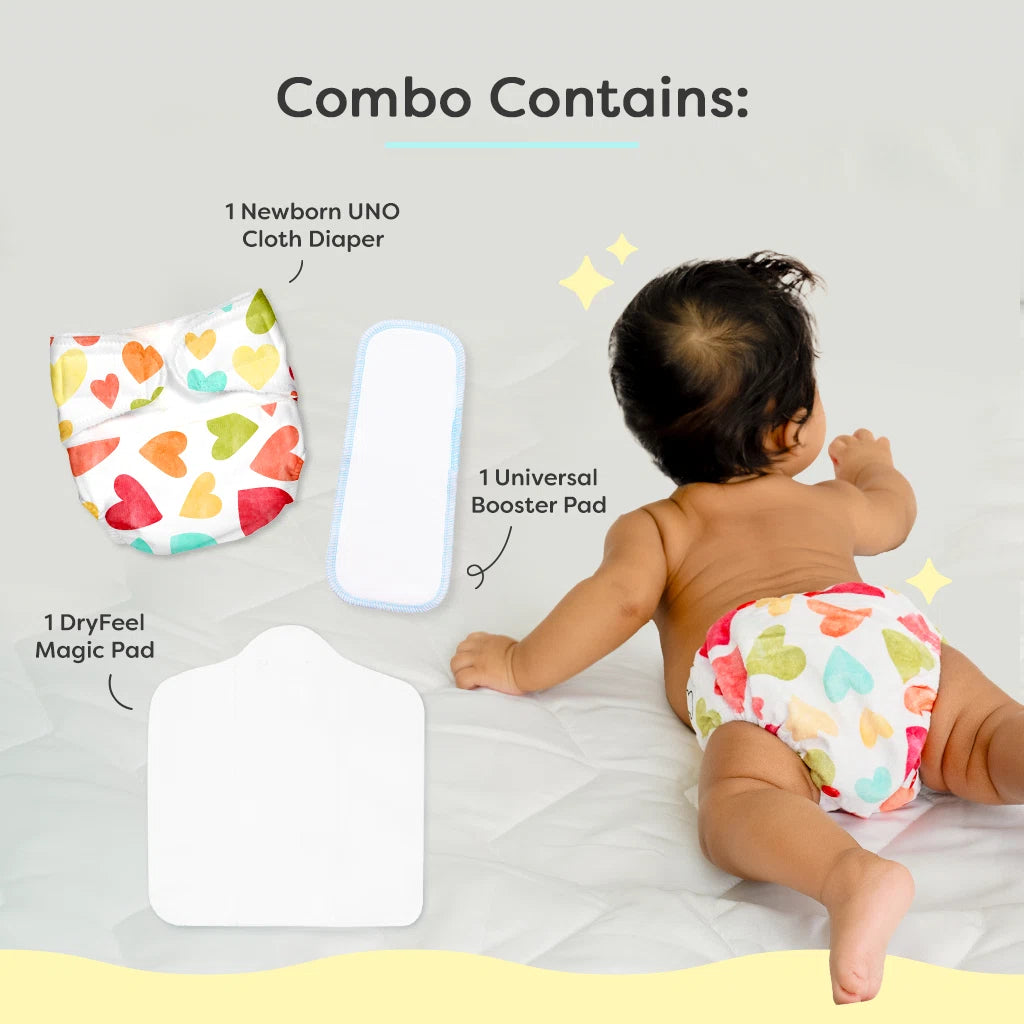
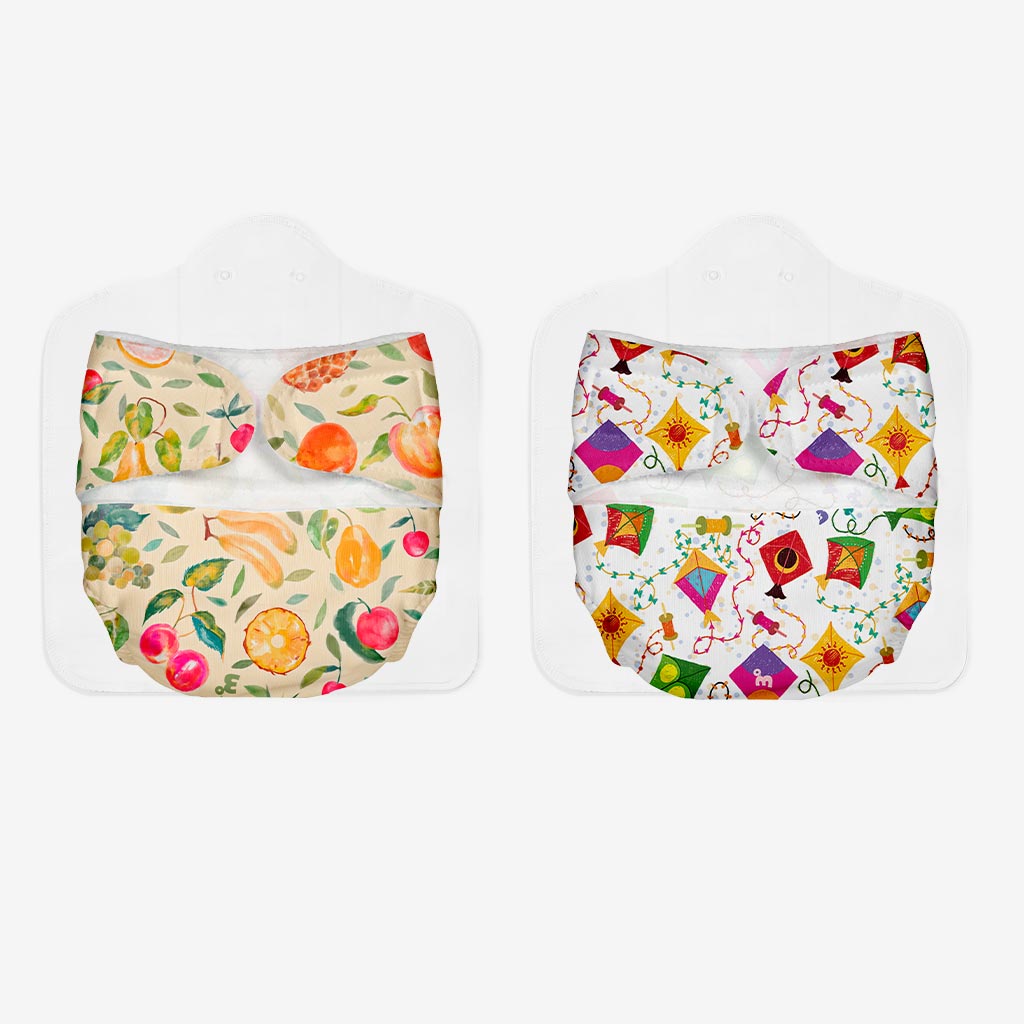
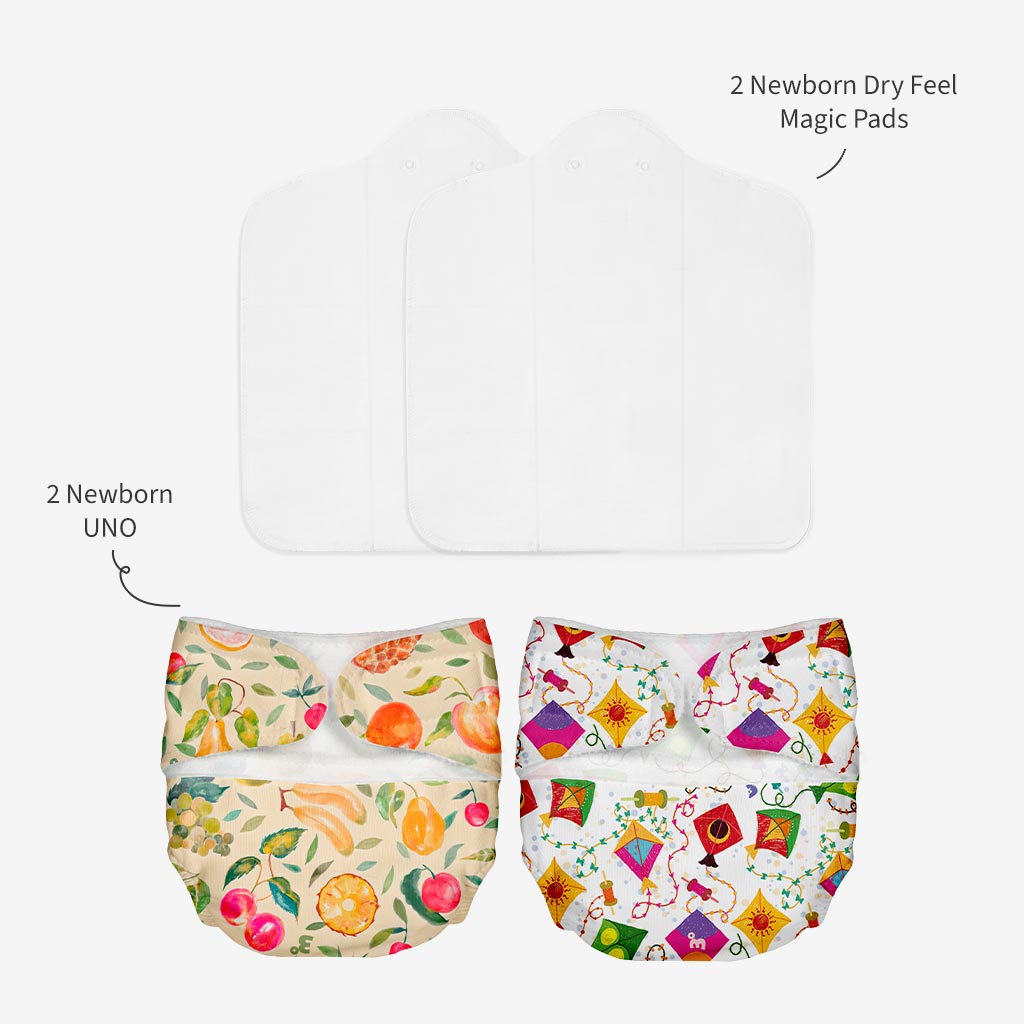
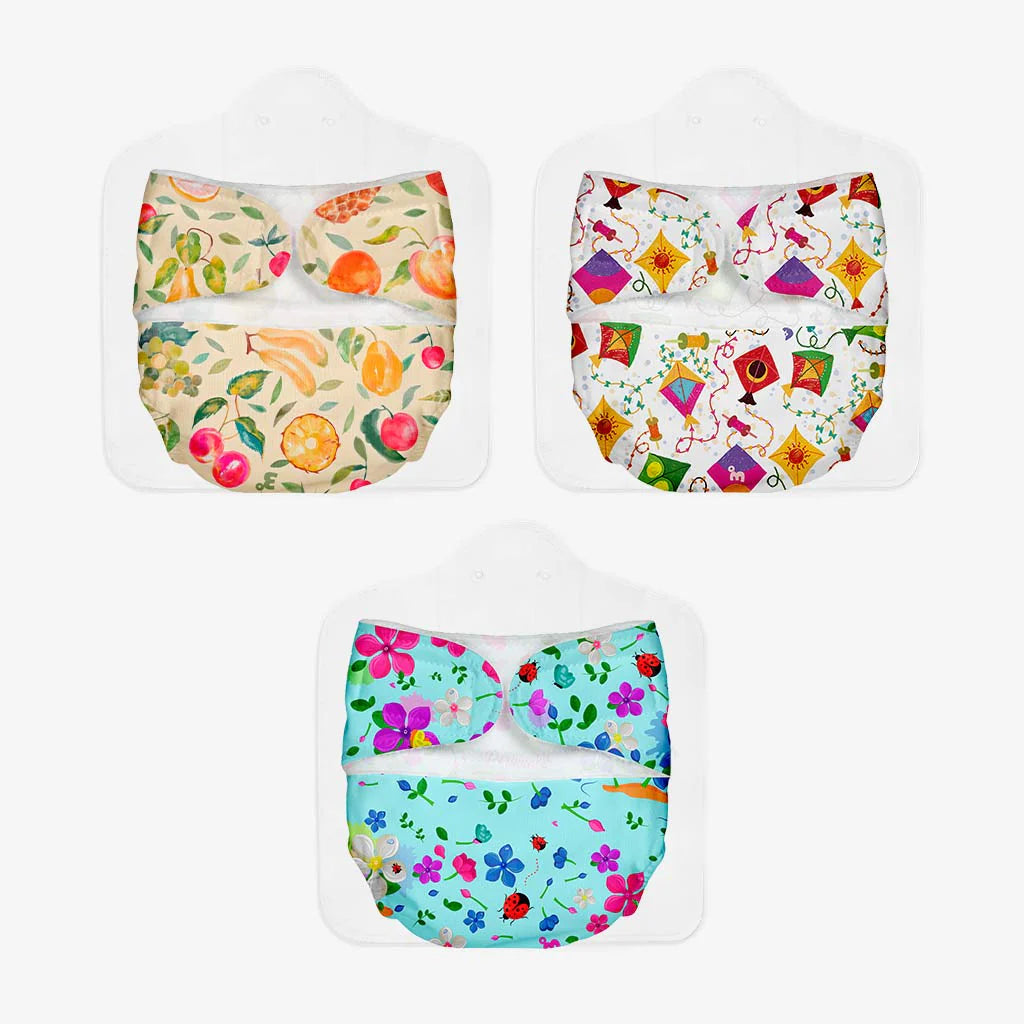
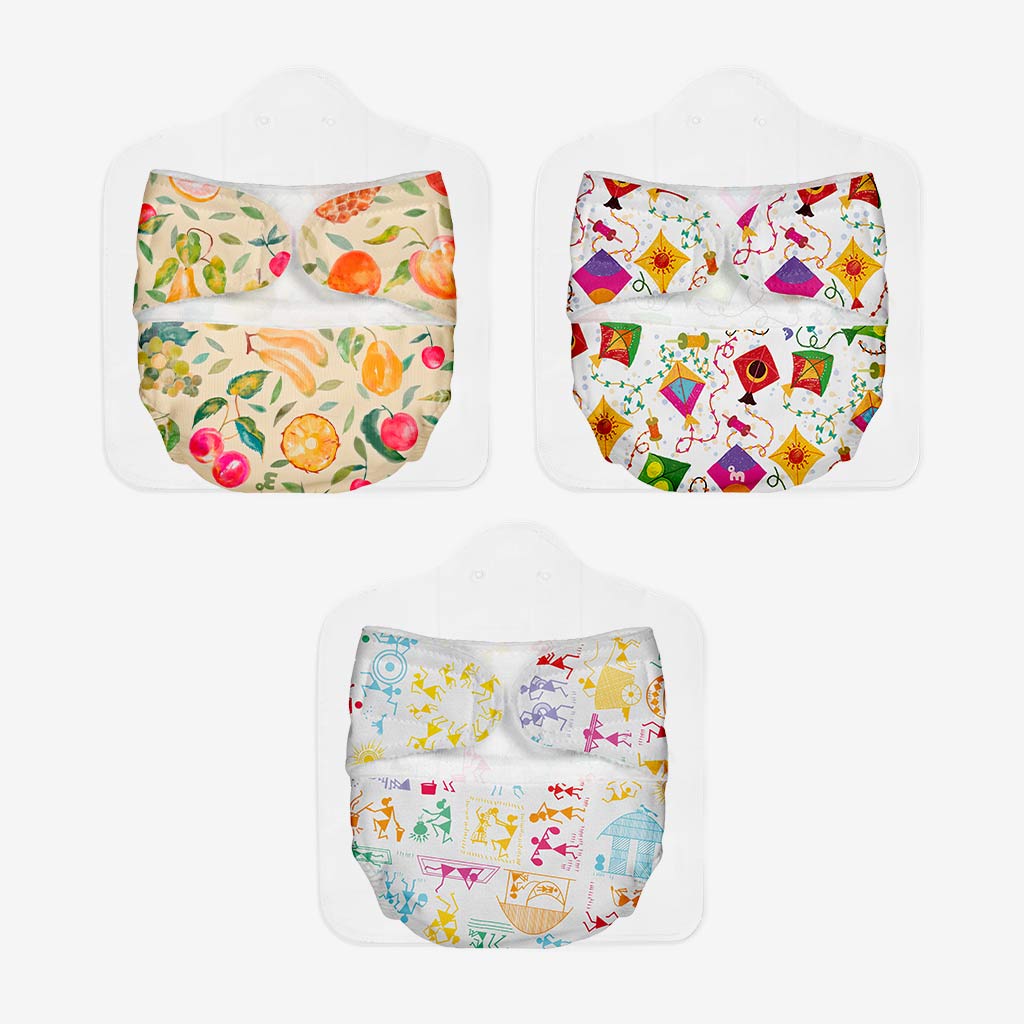
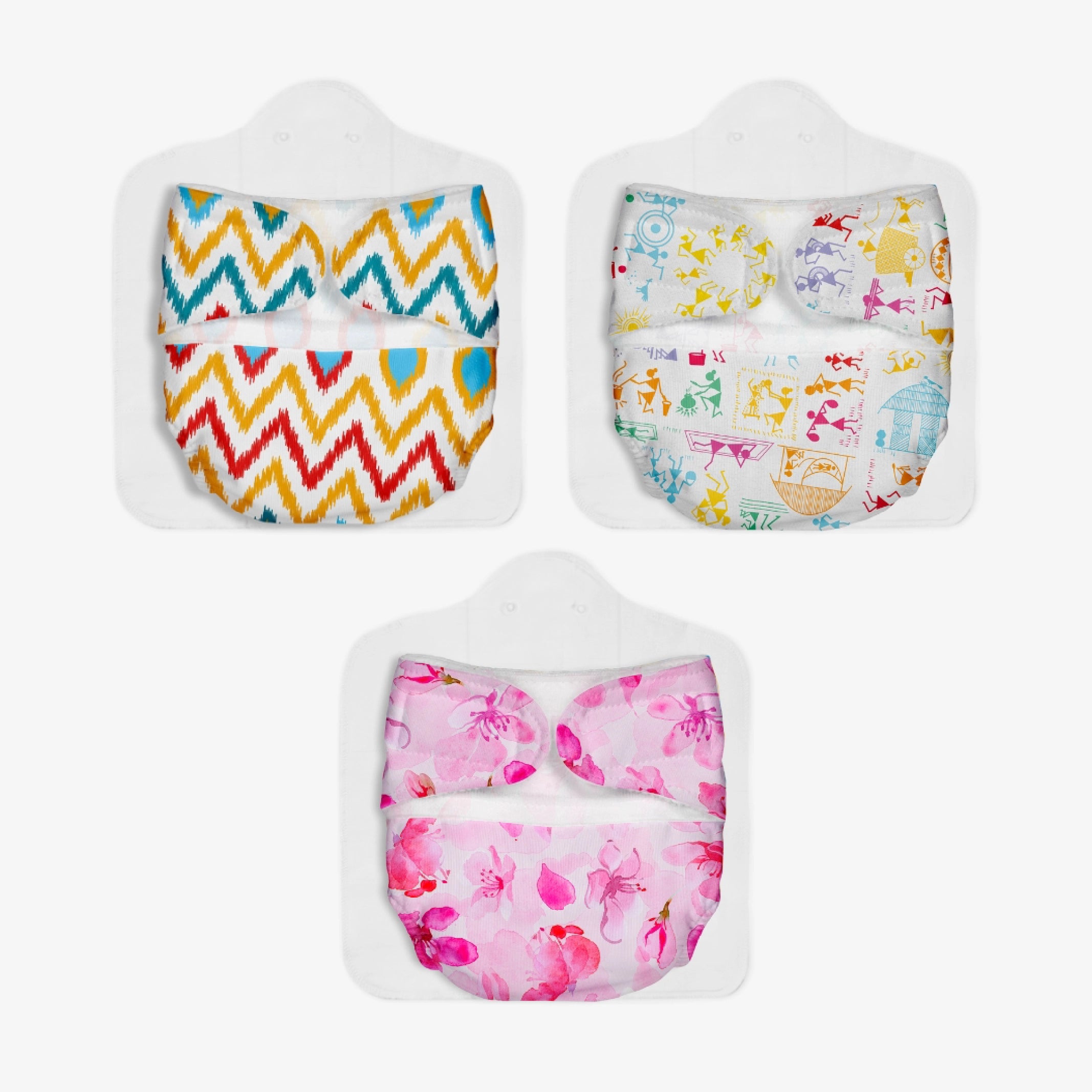
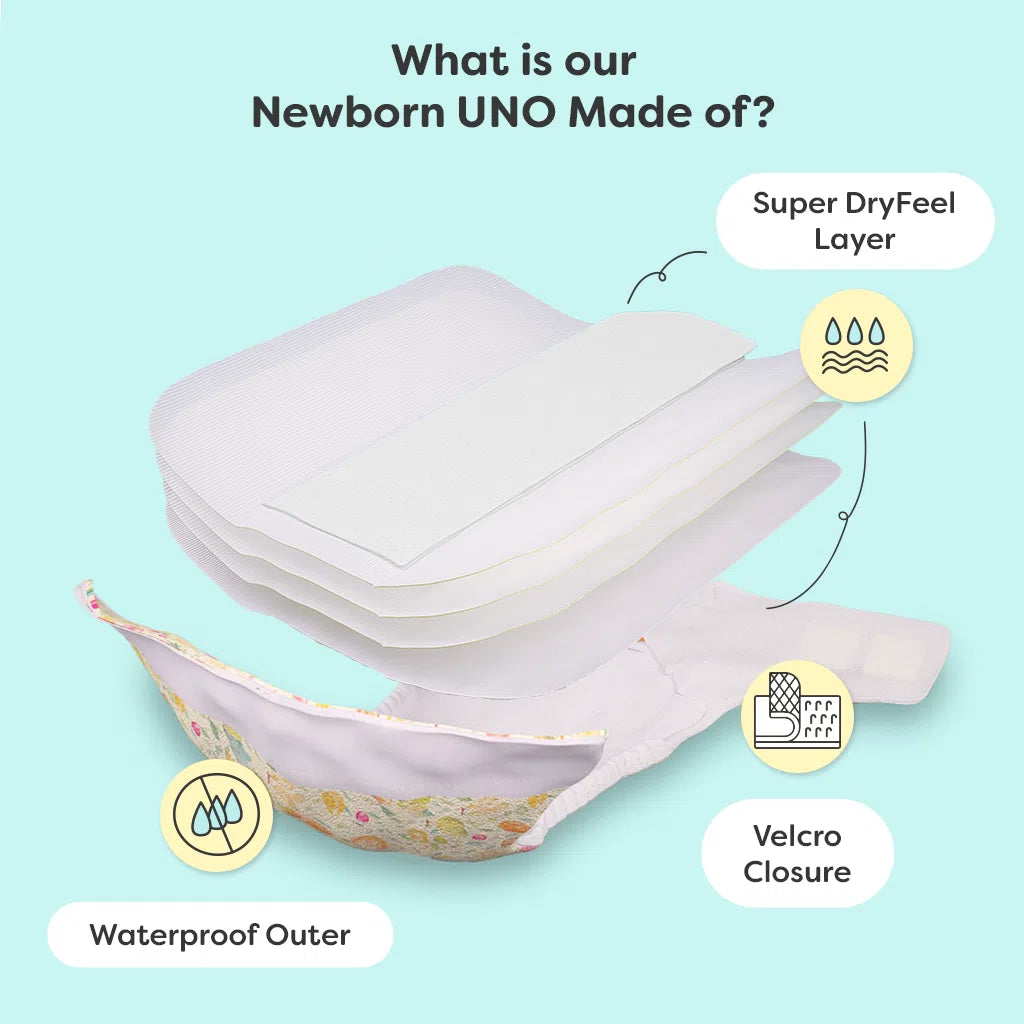
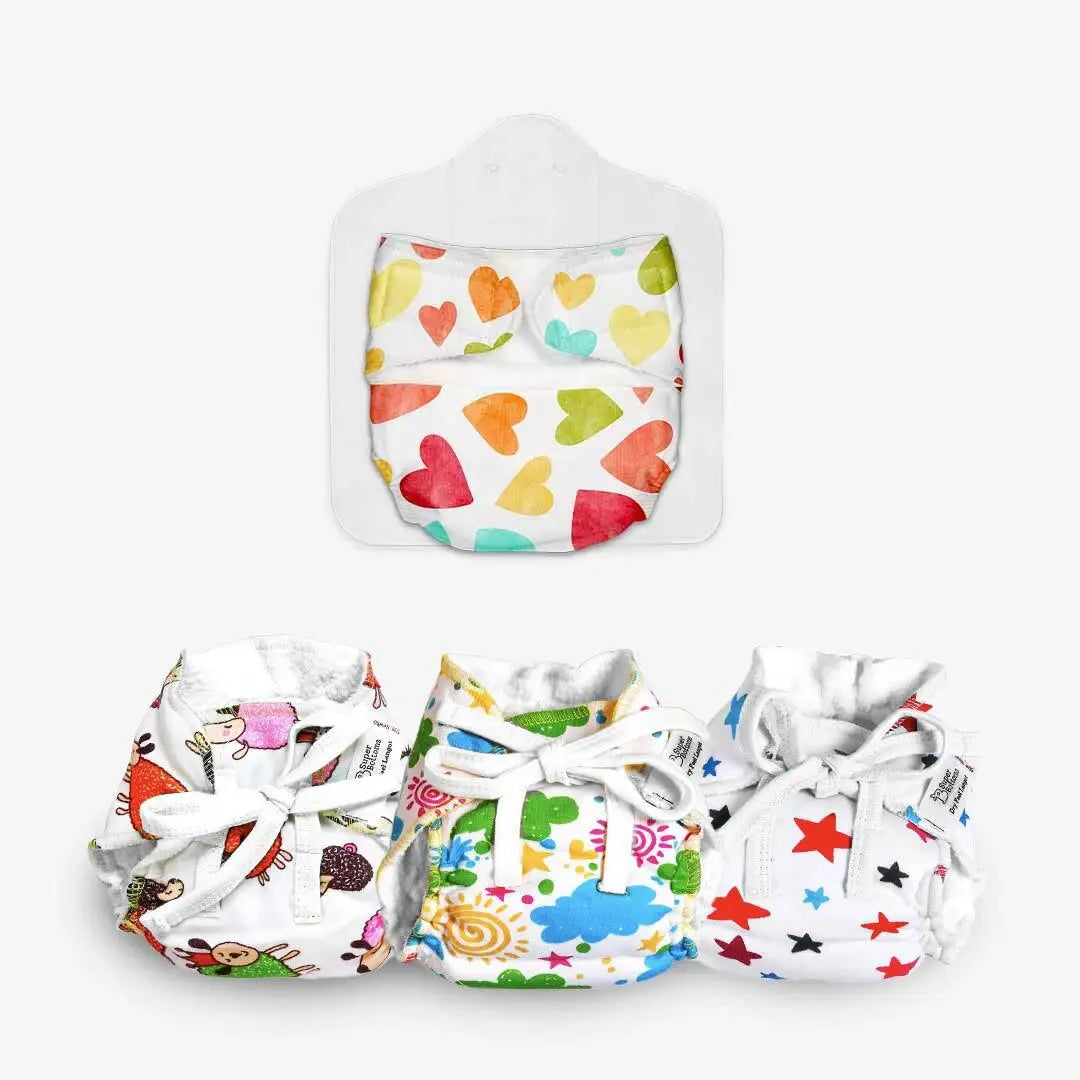
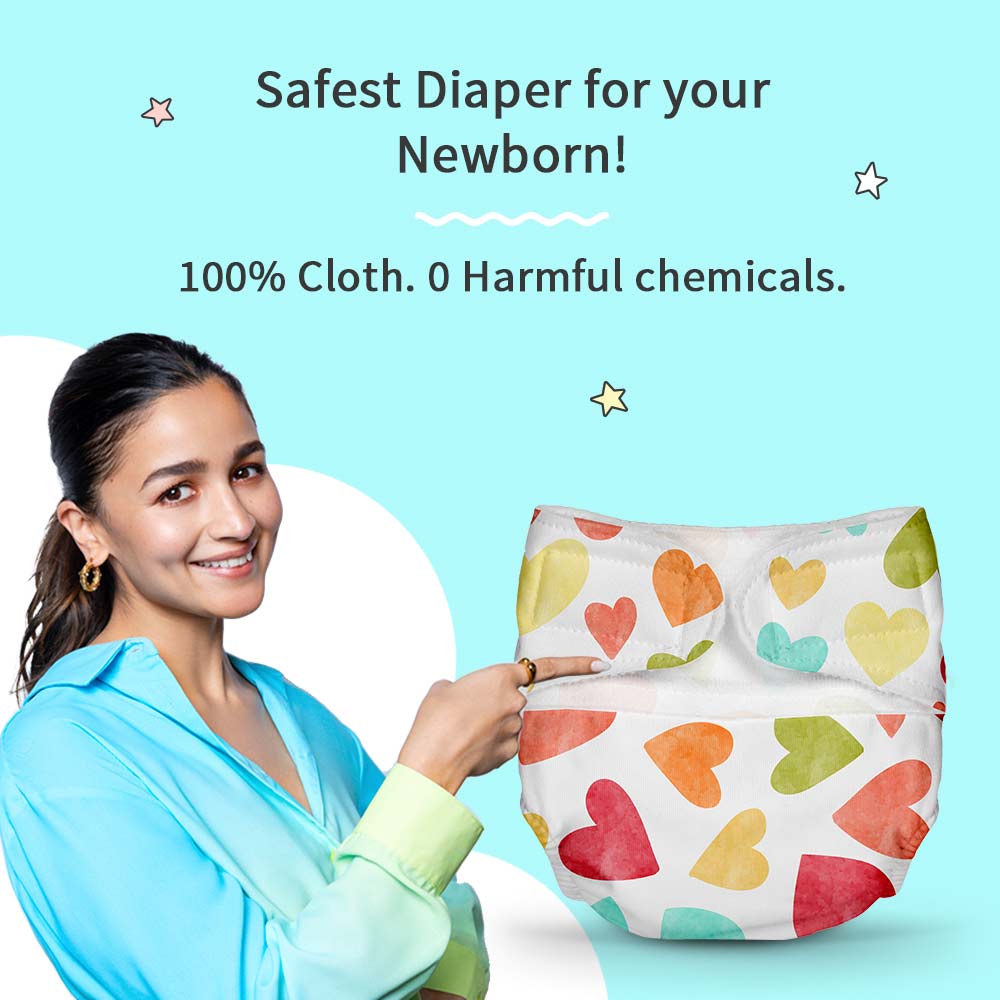
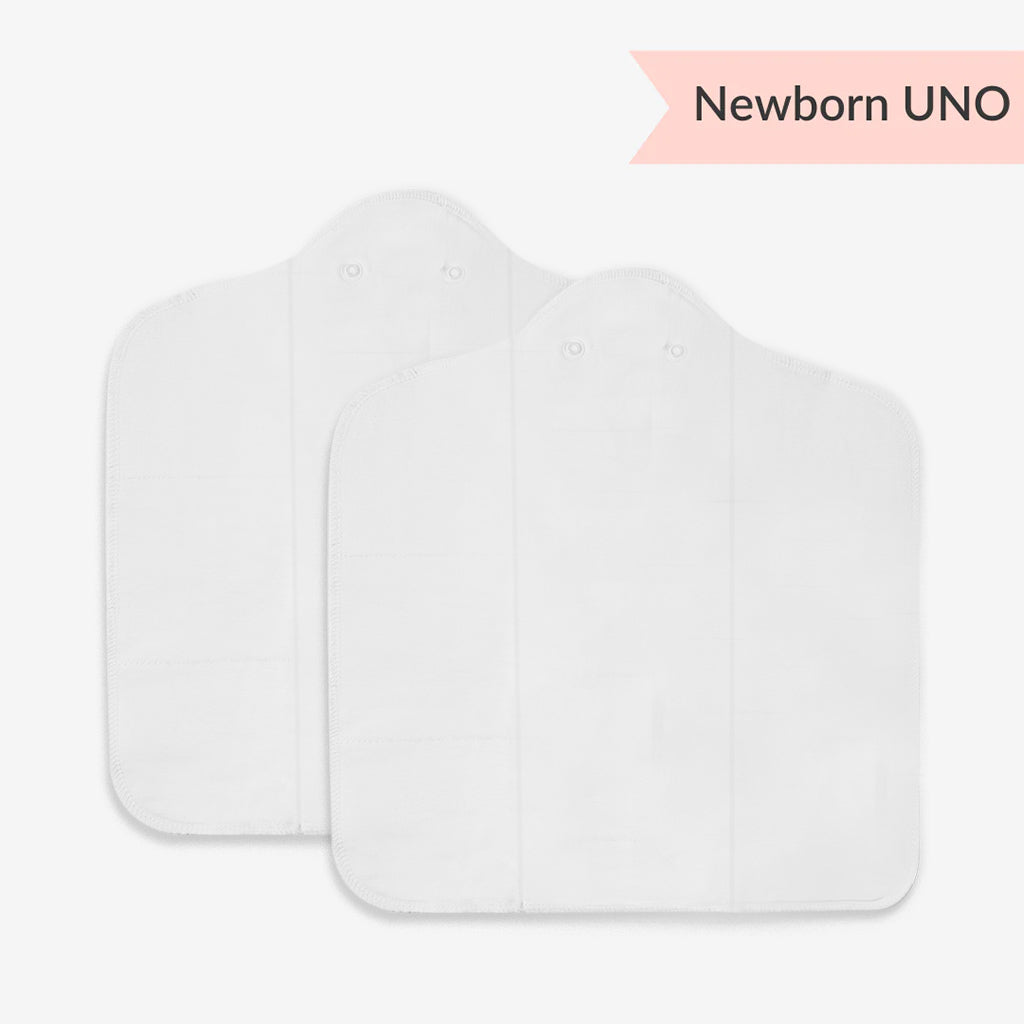
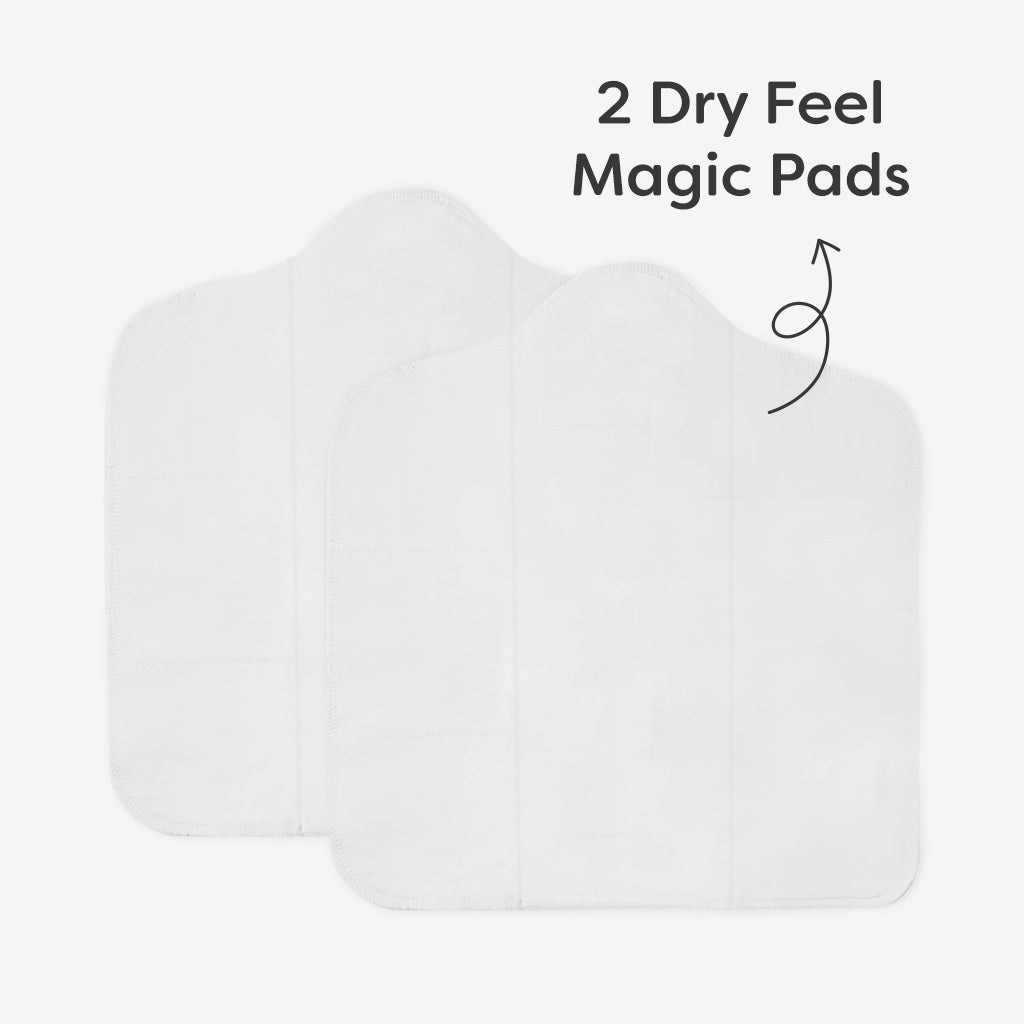
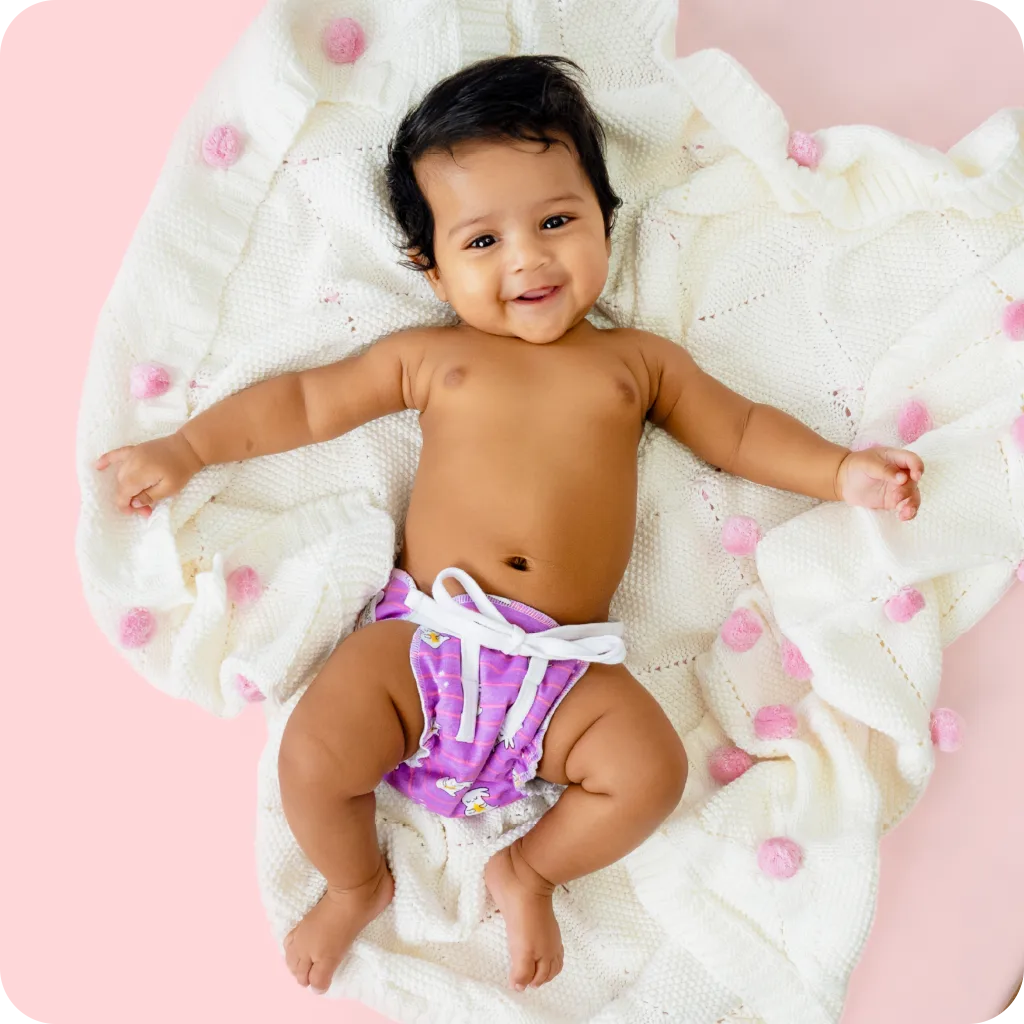
💡 SuperBottoms PickNewborn UNO - Designed for newborns aged 0–3 months (2.5–7 kg), with a newborn-specific fit for those early days. Explore Newborn UNO
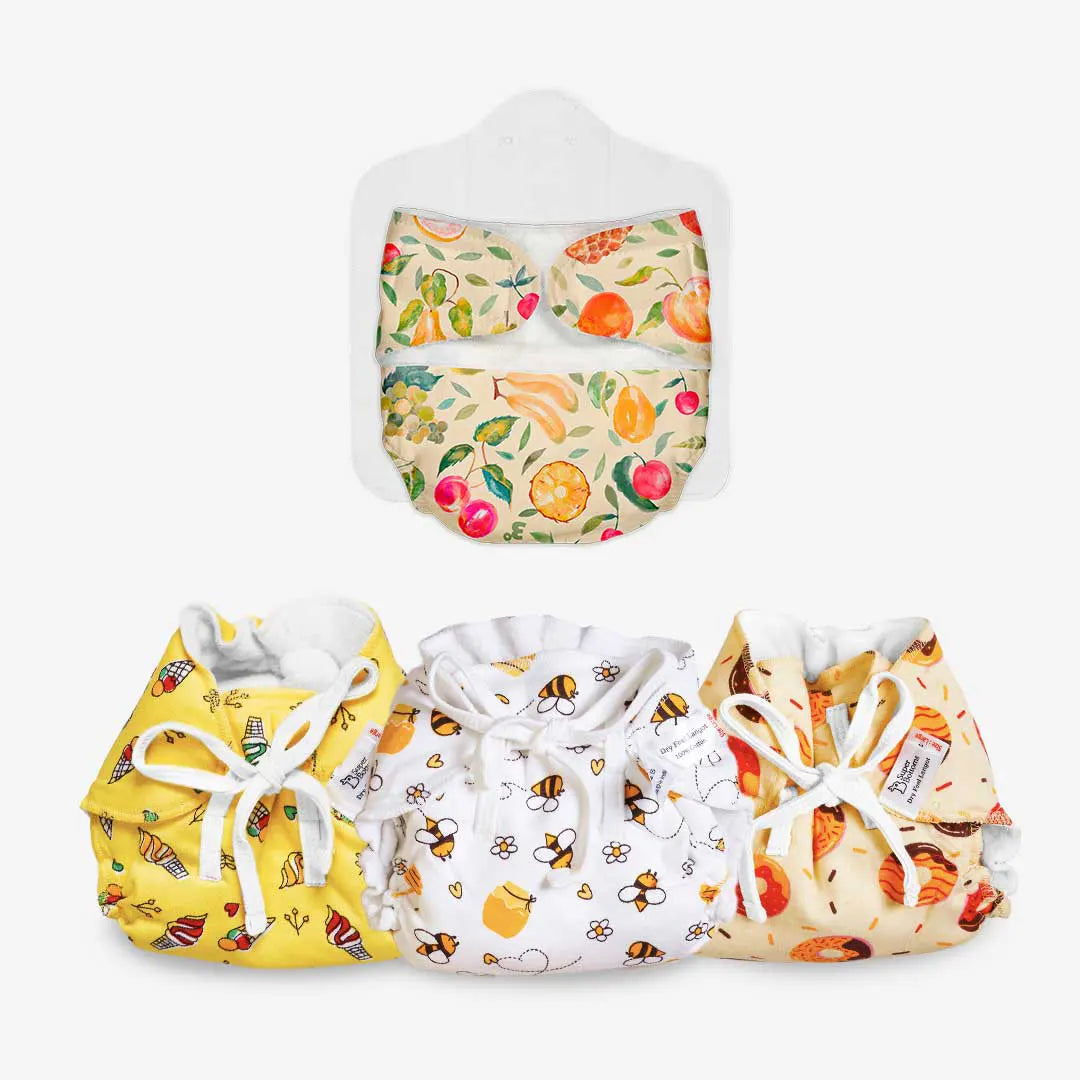
Freesize UNO - An adjustable cloth diaper designed to grow with your baby. Choose it when your baby fits comfortably within its specified weight range. Explore Freesize UNO |
Tip: Check the weight range and fit before buying. Both options need regular changes and proper washing to support everyday comfort.
Parent checklist: Is your newborn's diaper comfortable?
- Check that the diaper fits your baby's current weight.
- Ensure the waist and leg openings are not too tight.
- Check that the inner surface feels soft.
- Change wet or soiled diapers promptly.
- Follow the recommended washing and drying routine.
- Keep the umbilical stump clean and dry while it heals.
- Watch for persistent redness, rubbing or signs of discomfort.
What is the practical solution?
Problem: Your newborn's cloth diaper looks bulky or seems uncomfortable.
Solution: Recheck the fit, reduce unnecessary layers and consider a newborn-specific design if the current diaper is too large.
Why it helps: A suitable fit can reduce rubbing and gaps while allowing natural movement.
When to seek help: If a rash worsens, persists or causes significant discomfort, consult your baby's paediatrician rather than assuming the diaper is the only cause.
With the right fit and regular changes, cloth diapering can be a comfortable part of newborn care. Start with your baby's needs, observe how their skin responds and choose a diaper that works for both your little one and your daily routine.

Key takeaways
- Choose a diaper that fits your newborn's current size without squeezing or rubbing.
- Change wet or soiled diapers promptly and follow a gentle skin-care and washing routine.
- Compare newborn-specific and freesize options before deciding which works best for your baby.
Frequently asked questions
1. Can I use cloth diapers from birth?
Yes, newborn-specific cloth diapers can be used from birth when they fit appropriately and are changed regularly. Keep the umbilical stump clean and dry.
2. Do cloth diapers cause rashes on sensitive skin?
Not necessarily. Rashes can result from prolonged moisture, friction, poor fit or irritation from laundry products. If a rash persists or worsens, consult a paediatrician.
3. Are newborn cloth diapers bulky?
They can be thicker than some disposable diapers because of their absorbent layers. A newborn-specific design may offer a better fit than a larger freesize diaper.
4. Should I choose Newborn UNO or Freesize UNO?
Consider Newborn UNO for the early weeks if your baby falls within its stated weight range. Freesize UNO Diaper is worth considering when your baby fits its minimum weight range and the adjustable design sits comfortably.
Message from SuperBottoms
Hi there, new parents! SuperBottoms brings you doctor-recommended cloth diapers, a trusted rash-free diapering solution specially designed for your baby's sensitive, delicate skin.
From Newborn UNO and Regular UNO to UNO Luxe, SuperBottoms offers reusable diapering solutions for every stage of your child's growth.
Our range also includes Diaper Pants, DryFeel langots for diaper-free time, Padded Underwear for potty training, as well as SuperSoft Underwear, Cycling Shorts and Joggers for growing kids.
Our collection also includes Period Underwear and bladder-leak solutions for women, along with everyday baby-care essentials.
SuperBottoms products also make thoughtful gifts for babies and new parents - practical, reusable and designed around the real needs of parents.
SuperBottoms products are now available on Amazon, Flipkart, FirstCry, Myntra, Nykaa, Blinkit, and Zepto.