





This article will help you with the following topics:
- Reusable cloth diapers reduce disposable waste
- Comfort depends on fit and changes
- Reusable baby diapers offer long-term value
- Washing routines make cloth practical
- Compare reusable diapers vs disposable
Choosing a diaper is not just about keeping your baby dry. It also affects your daily routine, household spending and the amount of waste your family generates. The good news? Switching to cloth does not have to be an all-or-nothing decision.
What are reusable cloth diapers?
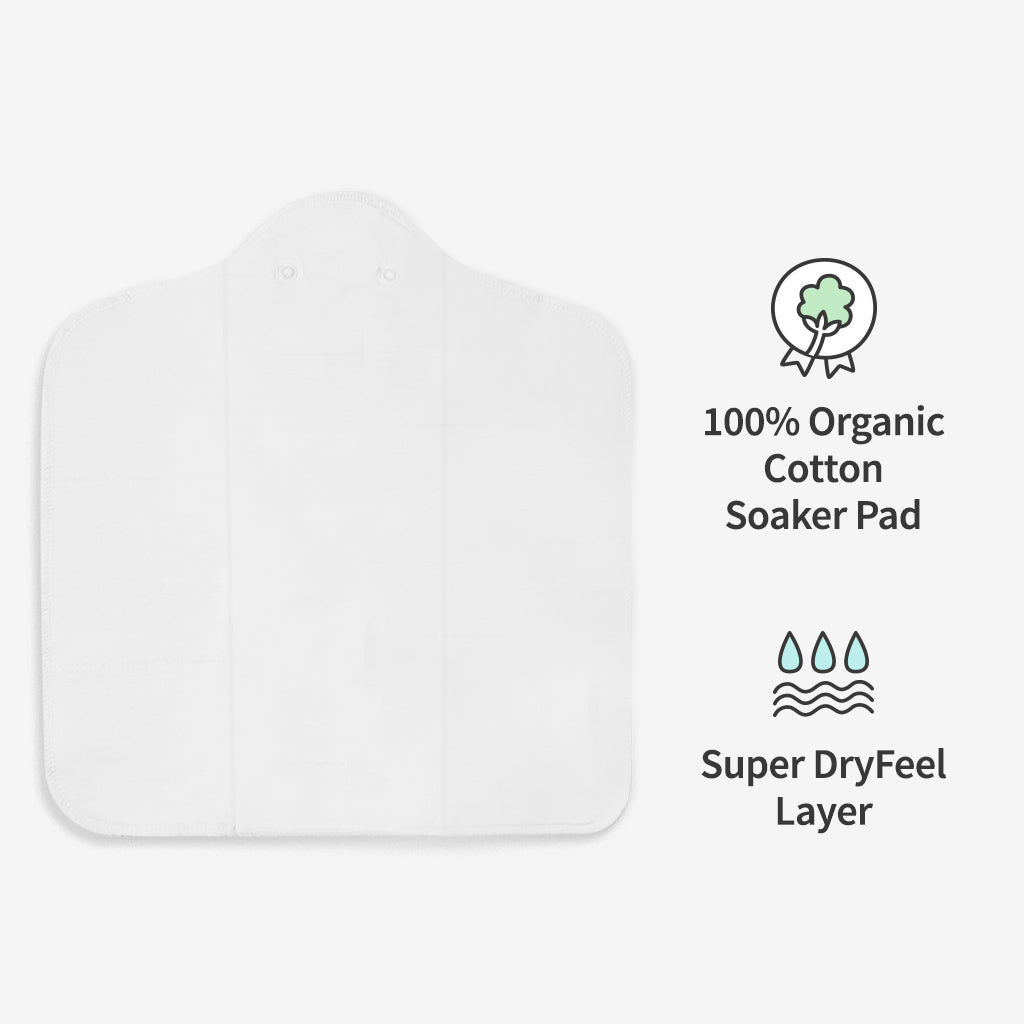
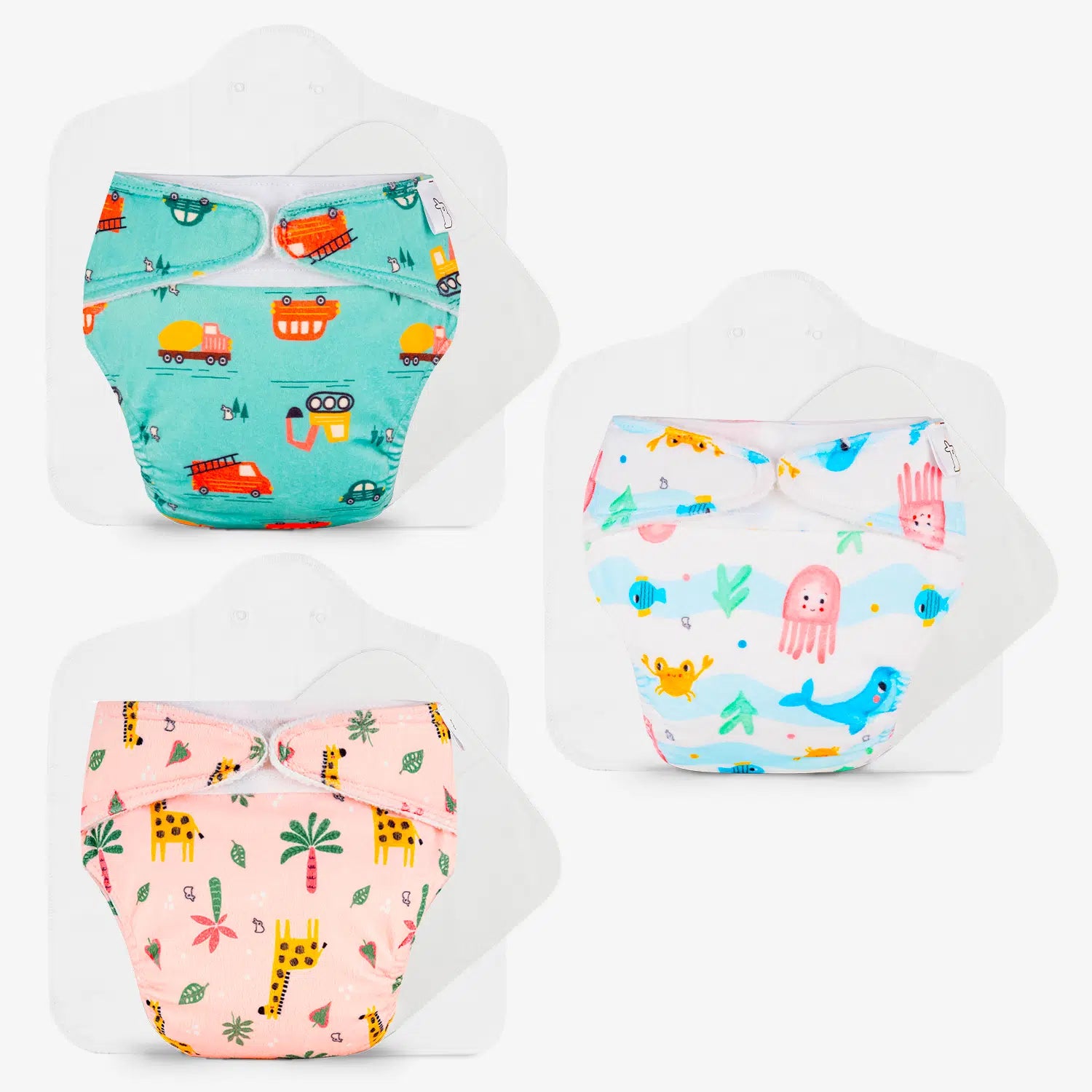
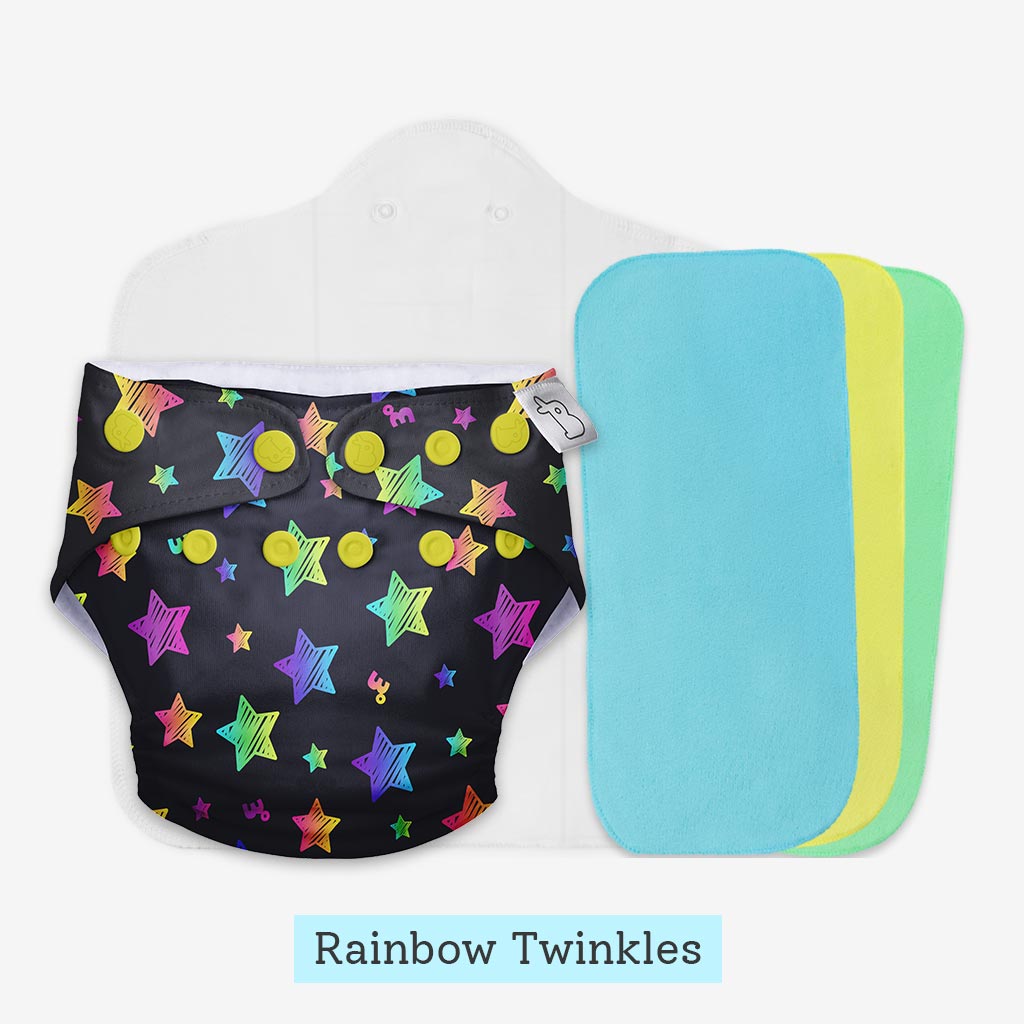
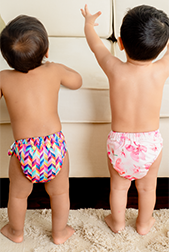
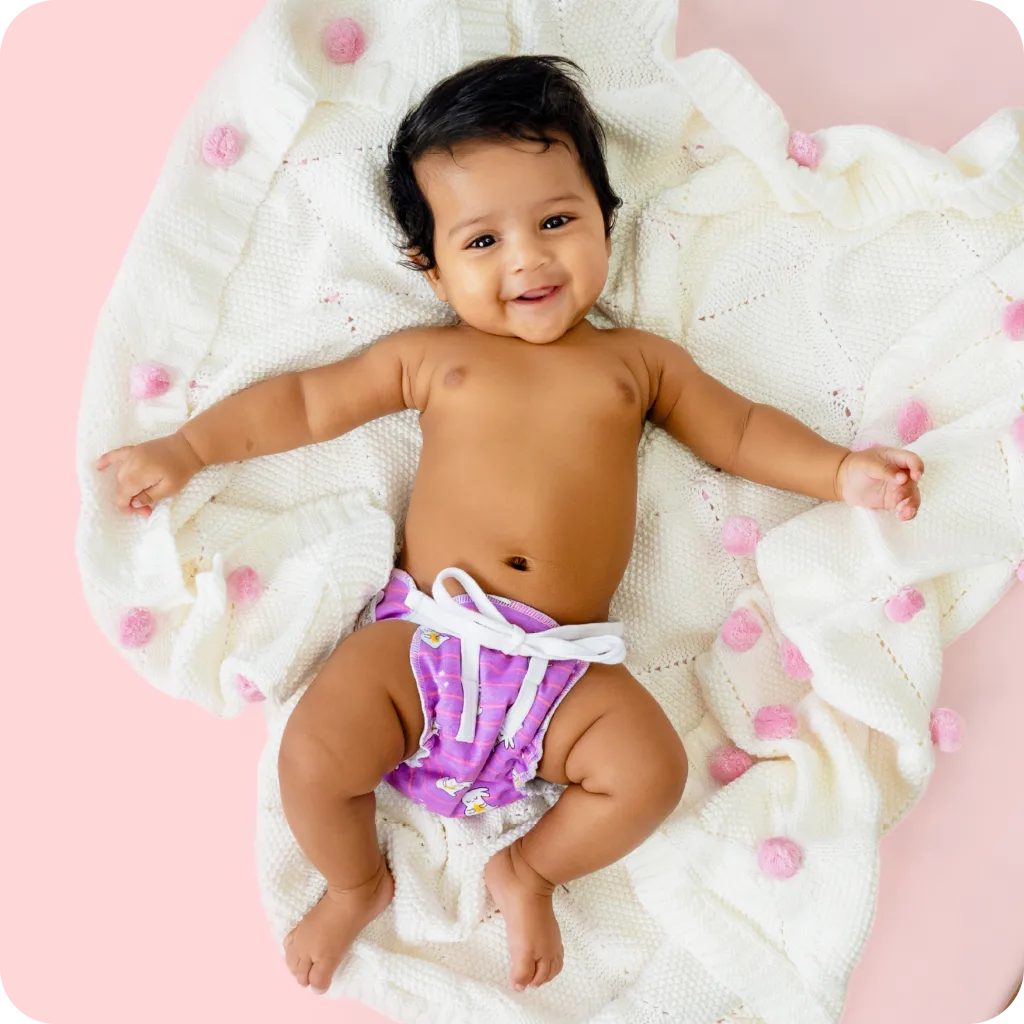
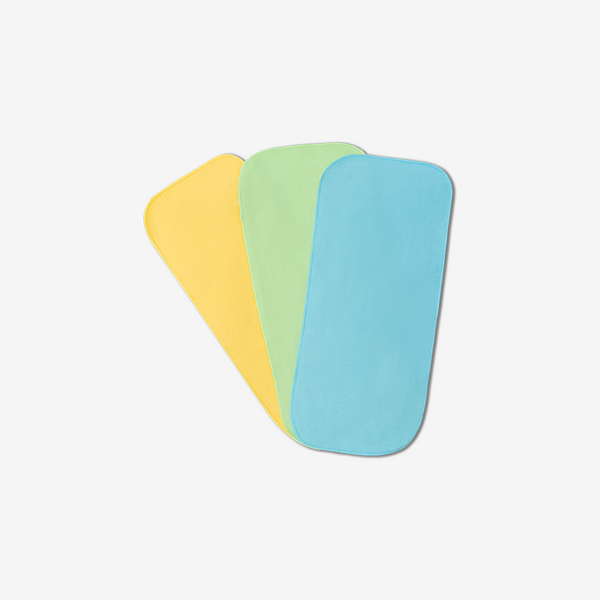
Reusable cloth diapers are washable diapers designed to be used repeatedly instead of being discarded after every change. Modern baby cloth diapers often combine an absorbent inner pad with a water-resistant or waterproof outer layer, helping contain moisture while making diaper changes familiar and convenient.
Unlike traditional cloth nappies that may require folding and separate fastening, many modern designs have adjustable snaps or Velcro closures.
They are available in different sizes, absorbency levels and styles. Some are designed for newborns, while others adjust as babies grow.
For Indian families, reusable cloth diapers can be particularly useful when diapering costs add up month after month. However, the right choice depends on your baby's fit, the local climate, your washing facilities and your daily routine.
Are reusable cloth diapers better?
Reusable cloth diapers can be a better choice for families looking to reduce single-use waste and recurring diaper expenses. They require an initial investment and regular washing, but repeated use can improve their value over time. Whether they work better for your family depends on comfort, absorbency, laundry routines and the situations in which you use them.
Here is what makes them worth considering:
- Less disposable waste: One washable diaper can replace many single-use diapers over its useful life.
- Potential long-term savings: The upfront cost is spread across repeated uses.
- Choice of materials: Parents can select fabrics and inner layers that suit their baby's needs.
- Flexible routines: Families can use cloth at home and keep disposables for travel or other situations.
Reusable diapers are not automatically the right answer for every family. If laundry access is limited or drying takes too long during the monsoon, disposable diapers may be more practical at certain times.
The goal is to find a diapering routine that works for both the baby and the people caring for them.
What are the benefits of reusable diapers?
The main benefits of reusable diapers are repeat use, potential savings and reduced reliance on disposable products. Their value becomes clearer when parents consider the entire diapering journey rather than the price of a single diaper.
1. Better value over time
Disposable diapers are a recurring purchase. Reusable baby diapers cost more upfront, but they can be washed and used many times again.
Actual savings depend on how many cloth diapers you buy, how frequently you use them, detergent and electricity costs, drying methods and how long the diapers last.
2. Less single-use waste
Disposable diapers are thrown away after use. Reusable cloth diapers stay in circulation through repeated washing, reducing the number of disposable products a household needs.
The overall environmental impact is not zero. Manufacturing fabric, washing with water and detergent, and drying all consume resources. Reusing diapers consistently, washing efficiently and air-drying when practical can help improve their environmental performance.
3. Options to suit different babies
Modern cloth diaper designs offer different absorbent inserts, closures and sizing systems. This allows parents to choose a fit that suits their baby's body and daily needs.
However, fabric alone does not determine skin comfort. Fit, frequent changes, proper cleaning and effective drying matter just as much.
What parents should know
Reusable diapers can reduce dependence on single-use products, but their environmental and financial benefits depend on repeated use and proper care. A diaper that is bought but rarely used is unlikely to deliver the same value as one that becomes part of the family's routine.

Reusable diapers vs disposable diapers
Both options can support effective diapering. The difference lies in what matters most to your household: convenience, repeat use, washing effort, upfront spending or waste reduction.
|
Factor |
Reusable cloth diapers |
Disposable diapers |
|---|---|---|
|
Use |
Washed and reused |
Discarded after use |
|
Initial spending |
Usually higher |
Usually lower |
|
Long-term cost |
Potentially lower with repeated use |
Recurring purchase |
|
Daily maintenance |
Requires washing and drying |
Requires disposal |
|
Travel convenience |
Needs planning and storage for used diapers |
Often simpler for short trips |
|
Waste |
Less single-use diaper waste |
More discarded diapers |
|
Fit and absorbency |
Depend on design and insert choice |
Depend on brand and product type |
Environmental comparisons require care. A UK Environment Agency life-cycle assessment examined the environmental impacts of both disposable and reusable nappies, including production and use. Its findings are not a universal verdict for every household: washing habits, energy sources and drying methods influence the outcome.
Which option is better? If your priority is reducing disposable waste and getting repeated use from your purchase, cloth has clear advantages. If laundry access, time or convenience is your biggest concern, disposables may suit some situations better. A combination of both is also a practical choice.
Are cloth diapers comfortable and skin-friendly?
Reusable cloth diapers can be comfortable when they fit correctly, have suitable absorbency and are changed regularly. However, no diaper type guarantees rash-free skin. Prolonged contact with moisture and stool can irritate a baby's delicate skin, regardless of whether the diaper is reusable or disposable.
The NHS recommends changing wet or soiled nappies promptly, keeping the skin clean and dry, and ensuring a proper fit. Read the NHS nappy rash guidance.
For parents concerned about sensitive skin, consider these points:
- Choose a soft inner layer that feels comfortable against your baby's skin.
- Check for tight elastics, rubbing and gaps around the legs.
- Change wet or soiled diapers promptly.
- Follow the manufacturer's washing instructions and ensure diapers dry completely.
- Allow supervised diaper-free time when practical.
Expert guidance
Dr Christine Zimmerman, MD, FAAP, Clinical Associate Professor of Paediatrics, University of Wisconsin School of Medicine and Public Health. Dr. Zimmerman, writing for the American Academy of Paediatrics’ HealthyChildren.org, highlights that diaper rash can be linked to prolonged moisture, friction, a poor diaper fit and irritation from certain products. For both reusable and disposable diapers, parents should change wet or soiled diapers promptly, keep the diaper area clean and dry, and ensure a comfortable fit. Switching diaper types alone does not guarantee rash prevention.
If the rash persists, worsens or spreads, consult your child's healthcare professional.
What should parents look for when choosing reusable cloth diapers?
The best reusable diaper is one that fits your baby, manages wetness effectively and suits your family's routine. Before buying, evaluate the features that will make regular use practical.
1. Fit and adjustability - Look for a snug fit around the waist and thighs without excessive tightness. Adjustable sizing can help the diaper accommodate a growing baby.
2. Absorbency and leak protection - Check how much the absorbent pad is designed to hold and whether additional boosters are available. More absorbency can mean extra bulk, so consider the fit as well.
3. Materials and skin comfort - Look for clearly described fabric composition, soft skin-contact materials and reliable product information. Avoid assuming that a particular fabric automatically prevents irritation.
4. Washing and drying - Choose a diaper that fits your laundry routine. Consider drying time during humid weather and the space available to store clean and used diapers.
Are reusable cloth diapers worth the price?
Reusable diapers can be worth the investment if your family uses them consistently. Compare the total cost of your cloth diaper collection, washing and drying, with the amount you would otherwise spend on disposables.
Remember that the cheapest option upfront is not necessarily the cheapest over time. Durability, absorbency, ease of washing and how frequently you use each diaper all influence value.
How can parents start using cloth diapers?
You do not need to replace every disposable diaper at once. Starting with a small collection allows you to understand fit, absorbency and washing before investing in more.
- Start with a few diapers. Try them during daytime changes at home.
- Learn the washing routine. Remove stool appropriately, store used diapers safely and wash according to the manufacturer's instructions.
- Track leaks and comfort. Adjust the fit and absorbency based on your baby's needs.
- Build your collection gradually. Add more once you understand how many diapers your routine requires.
- Keep backup options. Use disposables when they better suit travel, limited laundry access or other circumstances.
The US Centres for Disease Control and Prevention also recommends safe diaper-changing practices, including disposing of stool in the toilet when using cloth diapers, washing hands thoroughly and keeping used diapers away from clean surfaces. Read the CDC's diaper-changing guidance.
A practical reusable diaper option
Once you know which features matter, you can compare modern reusable diapers with your requirements.
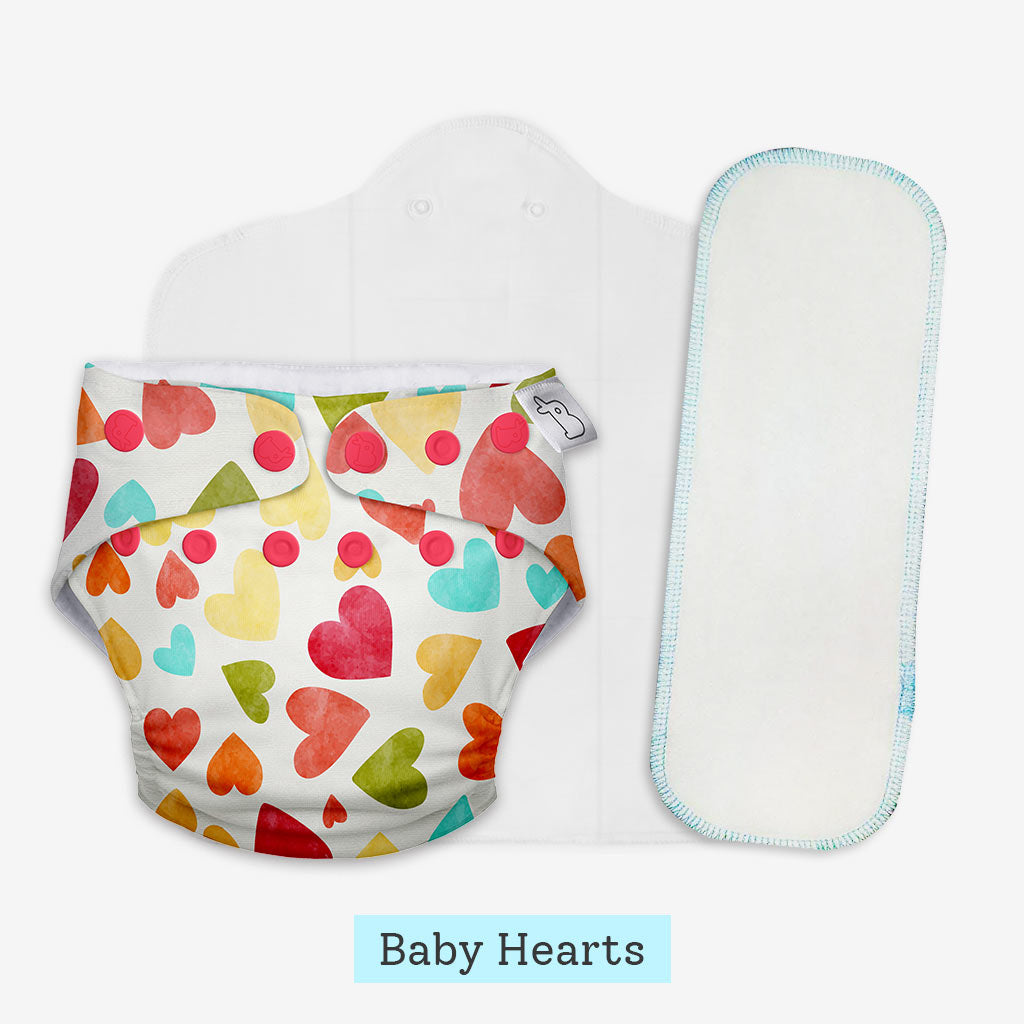
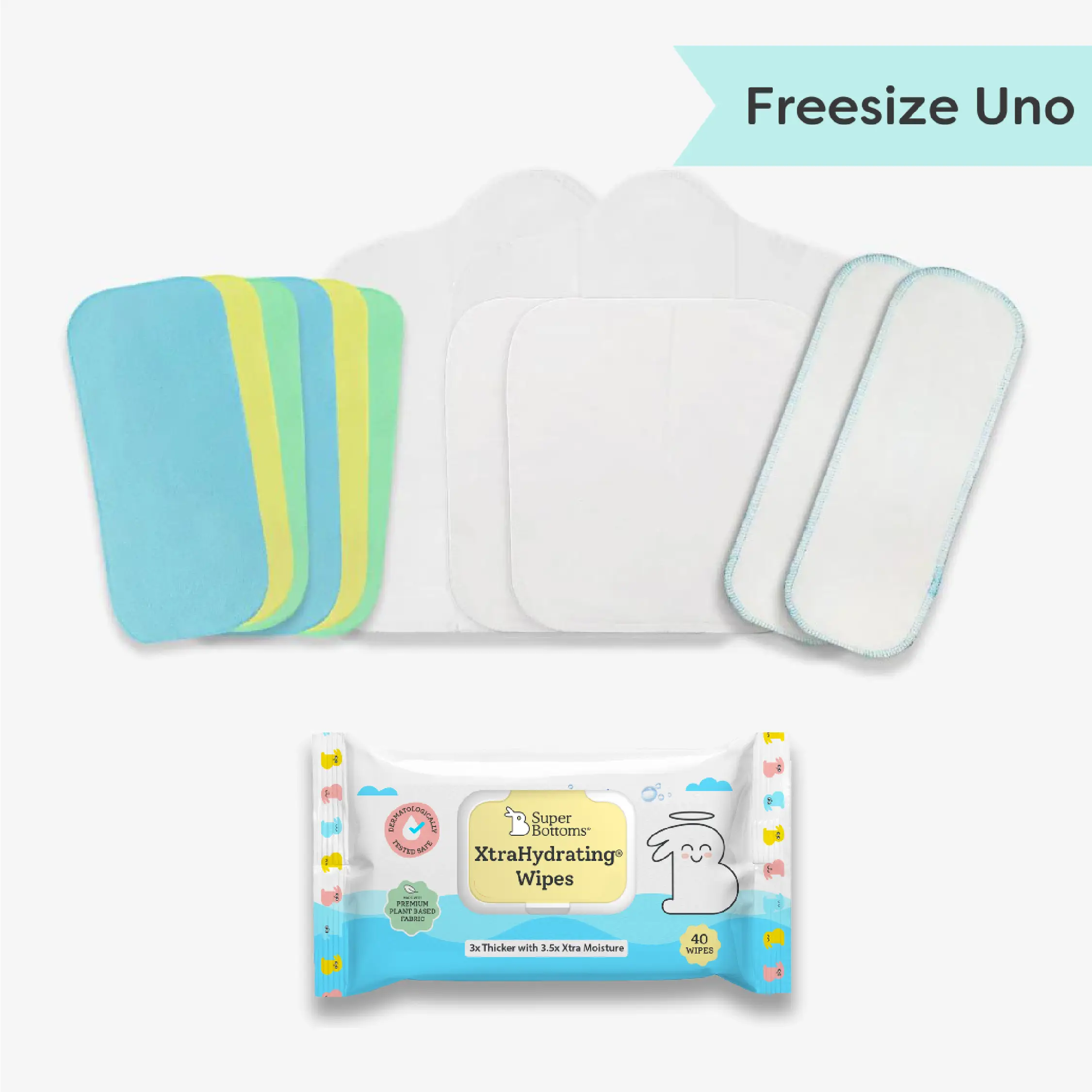
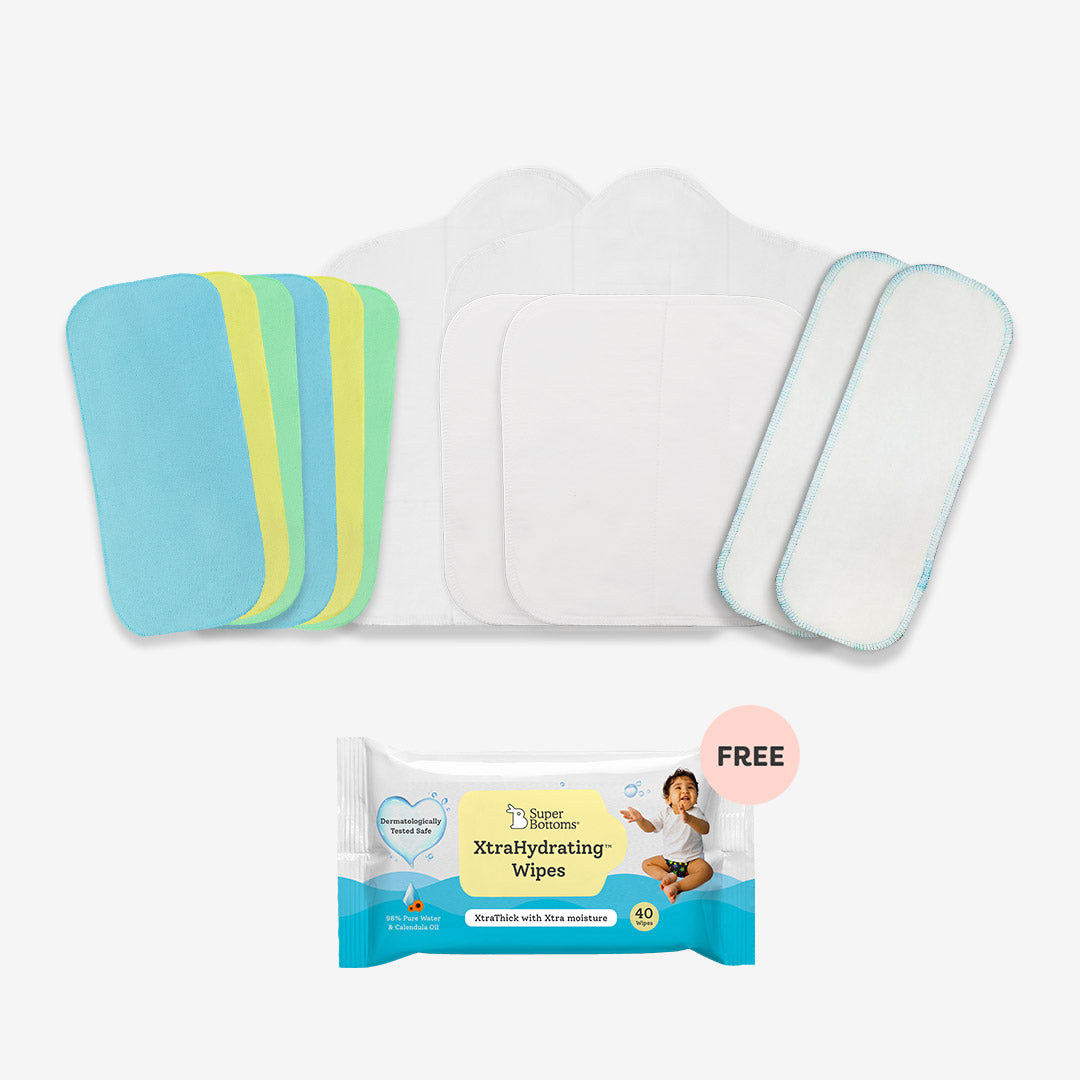
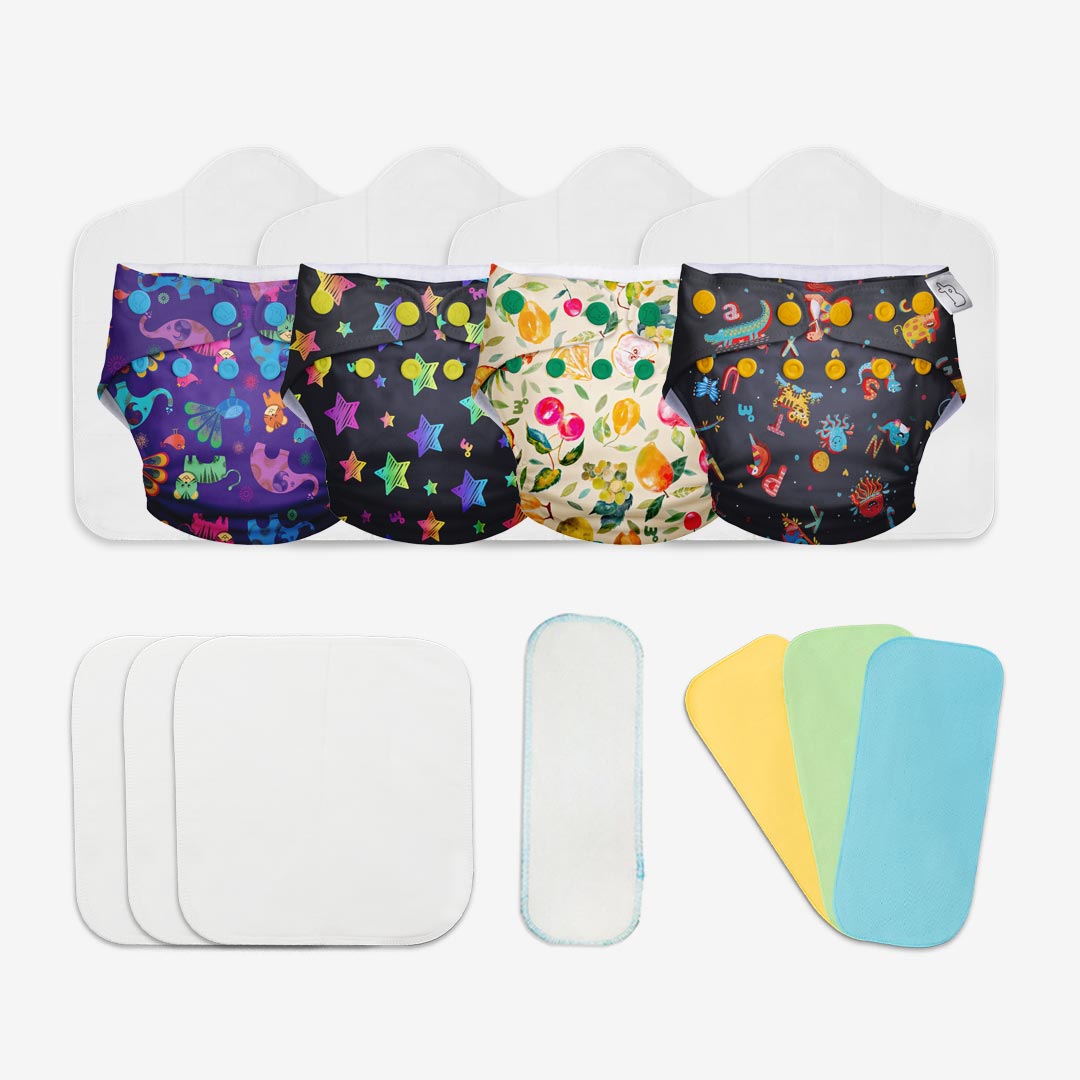
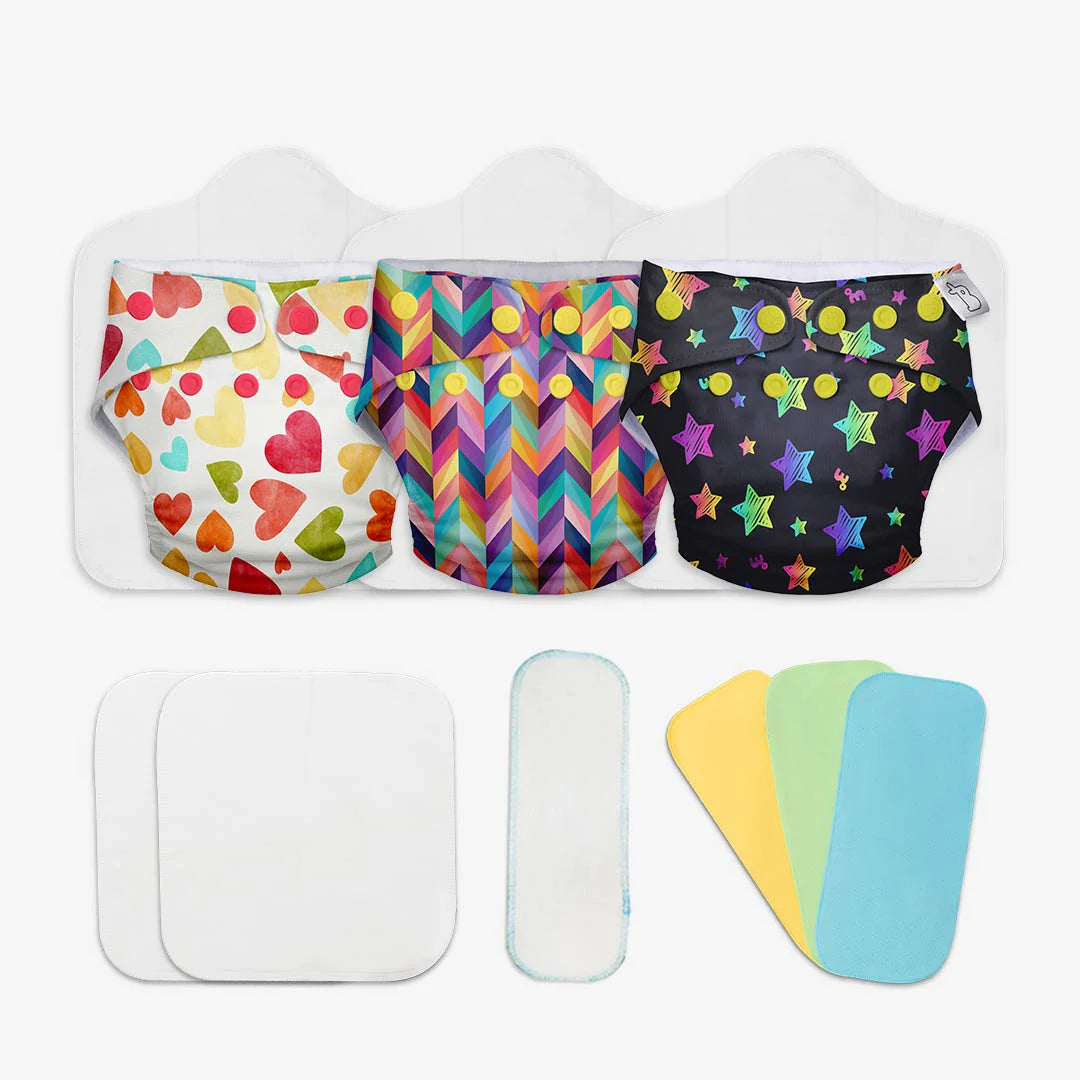
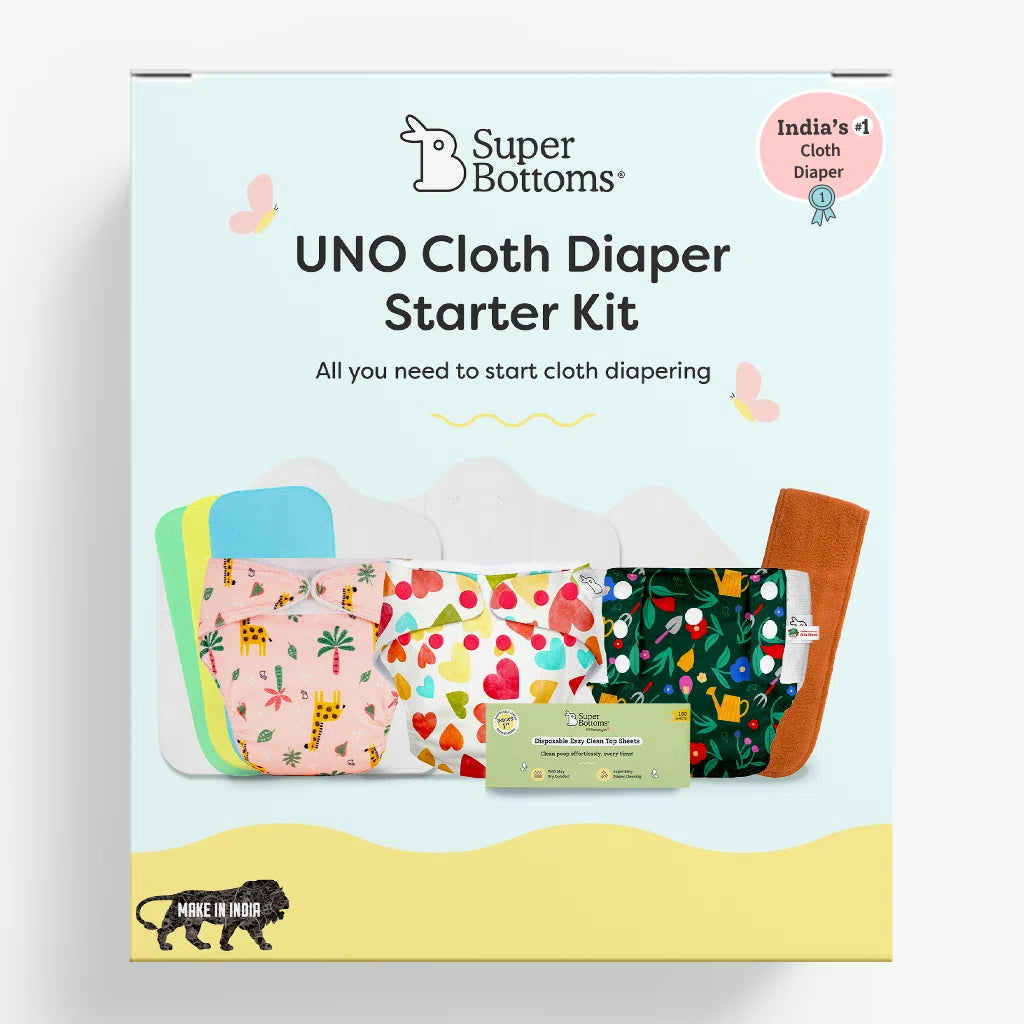
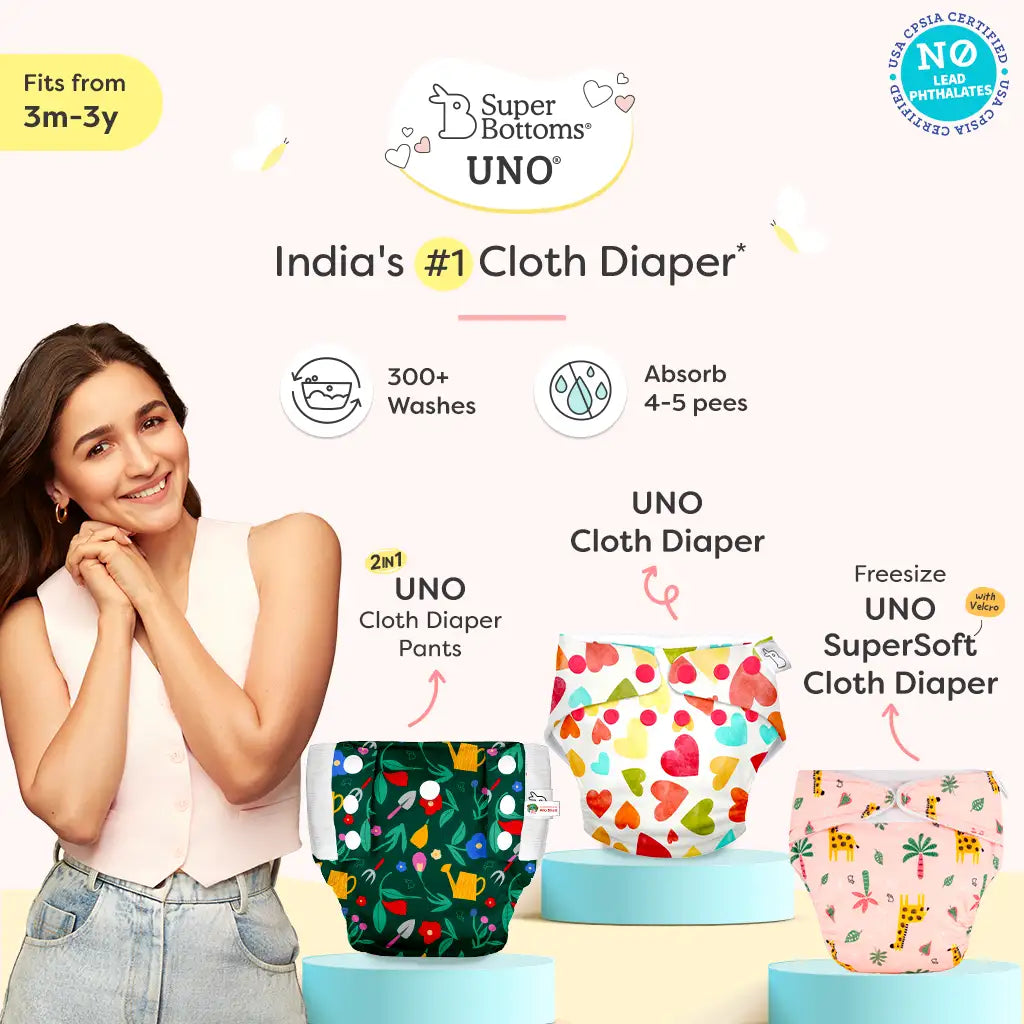
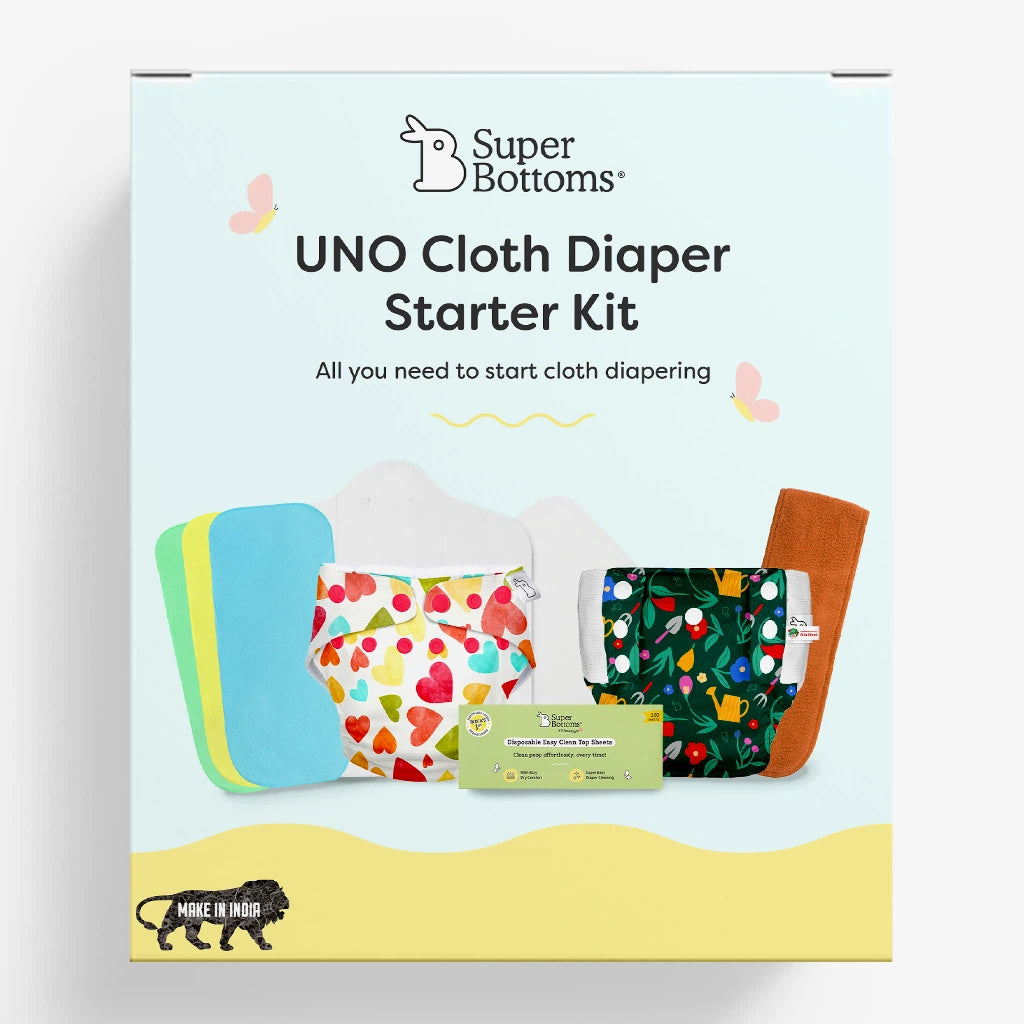
💡 SuperBottoms Pick: UNO Cloth DiapersThe SuperBottoms UNO range is designed for parents looking for washable, reusable diapers with absorbent pads and a waterproof outer layer. The range includes adjustable options intended for everyday diapering, with product-specific sizing and absorbency details to check before purchase. |
UNO is worth considering if you want a reusable system rather than traditional cloth nappies. You will still need enough diapers for your changing frequency, a regular washing routine and suitable drying space. Overnight use may require additional absorbency, depending on your baby's needs.
Parent checklist
- Before buying reusable diapers
- 0 of 7
- Check your baby's size and fit
- Review absorbency and leak protection
- Read the fabric and care details
- Plan washing and drying
- Start with a small collection
- Keep backup diapers for outings
- Change wet or soiled diapers promptly

Key takeaways
- Reusable cloth diapers can reduce disposable waste and offer long-term value when used consistently.
- Fit, absorbency, regular changes and proper washing matter more than choosing a diaper based on material alone.
- Start small, assess your baby's needs and combine cloth with disposables whenever that works best for your family.
FAQs
1. Are reusable cloth diapers better than disposable diapers?
Reusable baby cloth diapers can offer better long-term value and reduce single-use waste. Disposable diapers may be more convenient when travelling or when laundry facilities are limited.
2. Are reusable cloth diapers safe for babies?
They can be used as part of a hygienic diapering routine. Choose a suitable fit, change diapers regularly, wash them properly and consult a healthcare professional about persistent skin irritation.
3. Are cloth diapers worth it in India?
They can be, particularly for families who use them regularly and can manage washing and drying. Your savings depend on the initial purchase, laundry expenses, durability and how many disposable diapers you replace.
4. Can parents use reusable and disposable diapers together?
Yes. Many families use reusable diapers at home and disposables during travel or when washing is impractical. The best routine is one that supports your baby's comfort and your family's needs.
Message from SuperBottoms
Hi there, new parents! SuperBottoms brings you doctor-recommended cloth diapers, a trusted rash-free diapering solution specially designed for your baby's sensitive, delicate skin.
From Newborn UNO and Regular UNO to UNO Luxe, SuperBottoms offers reusable diapering solutions for every stage of your child's growth.
Our range also includes Diaper Pants, DryFeel langots for diaper-free time, Padded Underwear for potty training, as well as SuperSoft Underwear, Cycling Shorts and Joggers for growing kids.
Our collection also includes Period Underwear and bladder-leak solutions for women, along with everyday baby-care essentials.
SuperBottoms products also make thoughtful gifts for babies and new parents - practical, reusable and designed around the real needs of parents.
SuperBottoms products are now available on Amazon, Flipkart, FirstCry, Myntra, Nykaa, Blinkit, and Zepto.