






This article will cover:
- Spot key potty training readiness signs
- Know when toddlers are ready
- Avoid common potty training mistakes
- Choose supportive training underwear
- Build confidence without pressure
Is Your Toddler Really Ready?
Potty training can feel confusing when one child seems ready early while another shows little interest. The goal isn't to meet a particular age milestone—it's to recognise when your child's body, communication and behaviour are ready to learn.
What Does Potty Training Readiness Mean?
Potty training readiness means your child is beginning to develop the physical, cognitive, communication and emotional skills needed to recognise the urge to pee or poop and respond to it.
The American Academy of Paediatrics explains that successful toilet learning involves sensing body signals, understanding what they mean, getting to the toilet and communicating when help is needed.
Expert Answer
Readiness is more important than age. A child may be physically capable of staying dry but still need more time to understand body signals, follow the toilet routine or feel comfortable using the potty.
When Should You Start Potty Training?
There is no single best age to start. Many children begin showing readiness during the toddler years, often around 18 months to 3 years, but developmental differences are normal. The CDC notes that most children are not able to toilet train successfully until around 2–3 years.
Rather than asking, “Is my child old enough?”, ask:
- Can my child recognise when they need to go?
- Can they communicate that need somehow?
- Can they cooperate with simple instructions?
- Are they interested in the potty or toilet?
- Can they manage some clothing independently?
If several answers are yes, it may be a good time to begin introducing the process.
What Are the Signs Your Toddler Is Ready?
Look for a combination of signs, rather than waiting for one perfect indicator.
|
Readiness area |
What you may notice |
|---|---|
|
Body awareness |
Notices when they are peeing or pooping |
|
Dry periods |
Stays dry for around 1–2 hours |
|
Communication |
Says, gestures or signals when they need to go |
|
Physical skills |
Walks to the bathroom and helps with clothing |
|
Understanding |
Follows simple instructions |
|
Interest |
Watches others or asks about the toilet |
|
Emotional readiness |
Shows willingness rather than strong resistance |
These signs align with guidance from the American Academy of Paediatrics and NHS children's health guidance.
What Parents Should Know
Being dry for two hours alone doesn't mean a child is ready. Toilet learning also requires awareness, communication, motor skills and willingness.
What Should Parents Do Before Starting?
Once readiness signs appear, make the environment easier before expecting consistent toilet use.
- Introduce simple words such as pee, poop and potty.
- Let your child observe appropriate bathroom routines.
- Choose easy clothing that your toddler can pull down.
- Keep the potty accessible and make sure your child can sit securely.
- Create predictable opportunities, such as after waking or meals.
- Use encouragement, rather than rewards, threats or punishment.
- Expect accidents and respond calmly.
It can also help to avoid starting during major disruptions such as moving house, starting daycare or welcoming a new baby.
Do Potty Training Pants Help?
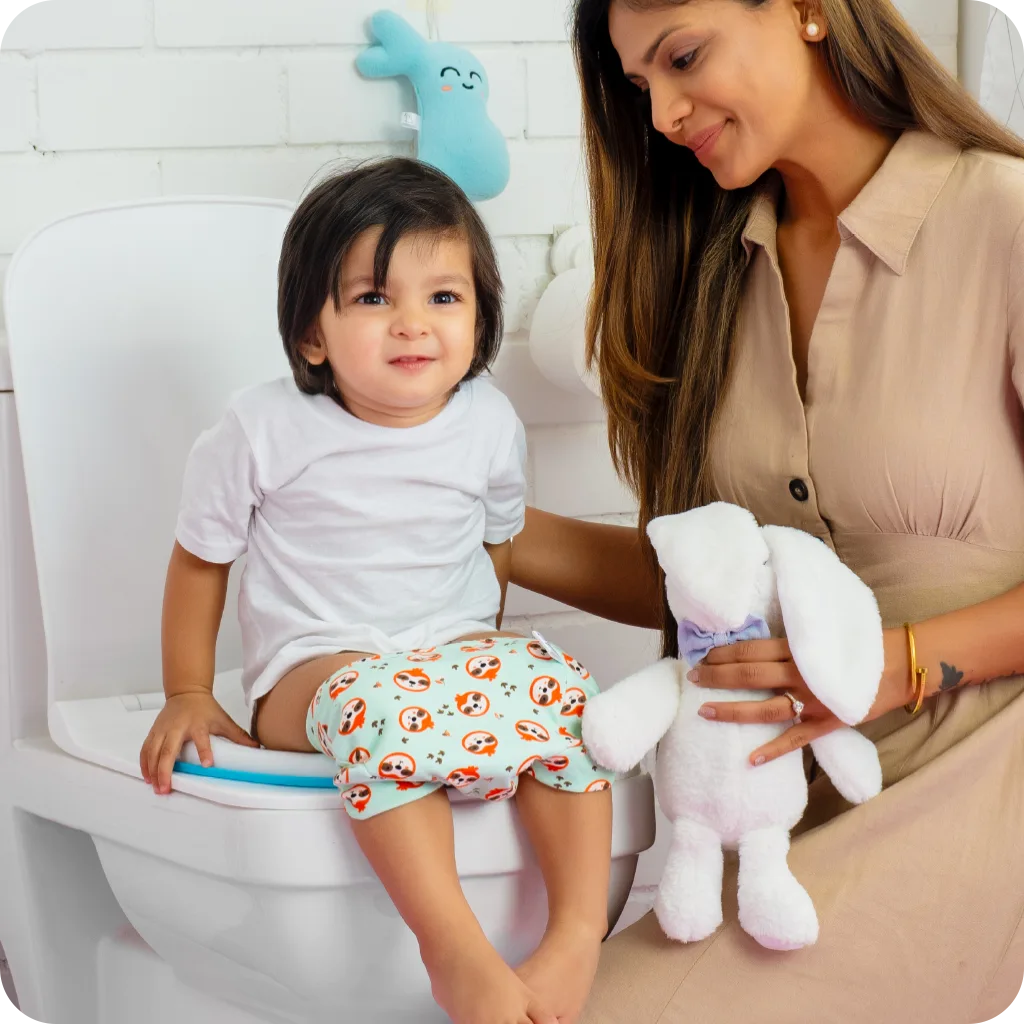
Potty training pants can be useful after a child begins showing readiness, particularly during daytime practice. Unlike a full diaper, they can provide limited accident protection while making the transition towards underwear easier.
They should support potty learning—not replace regular potty practice.
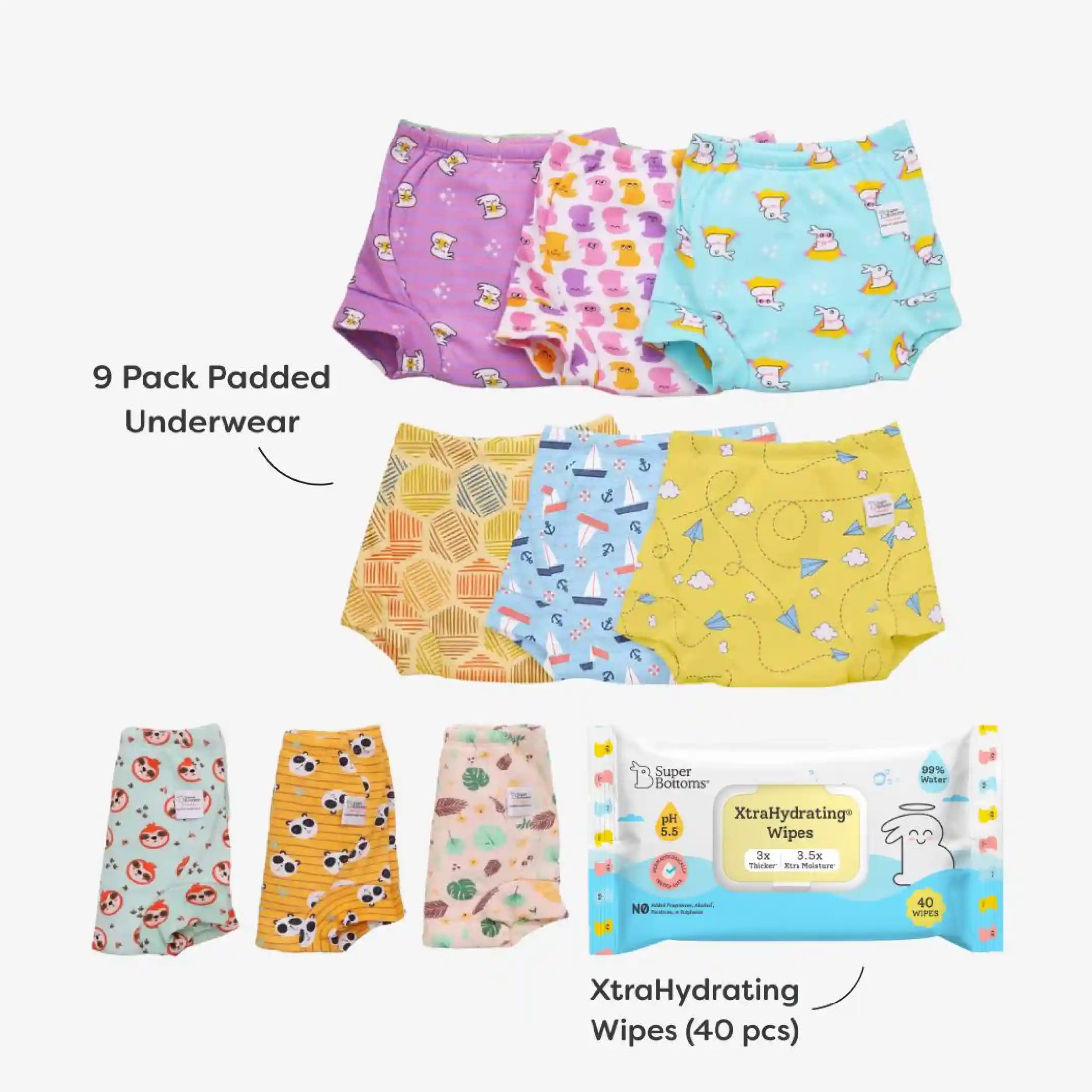
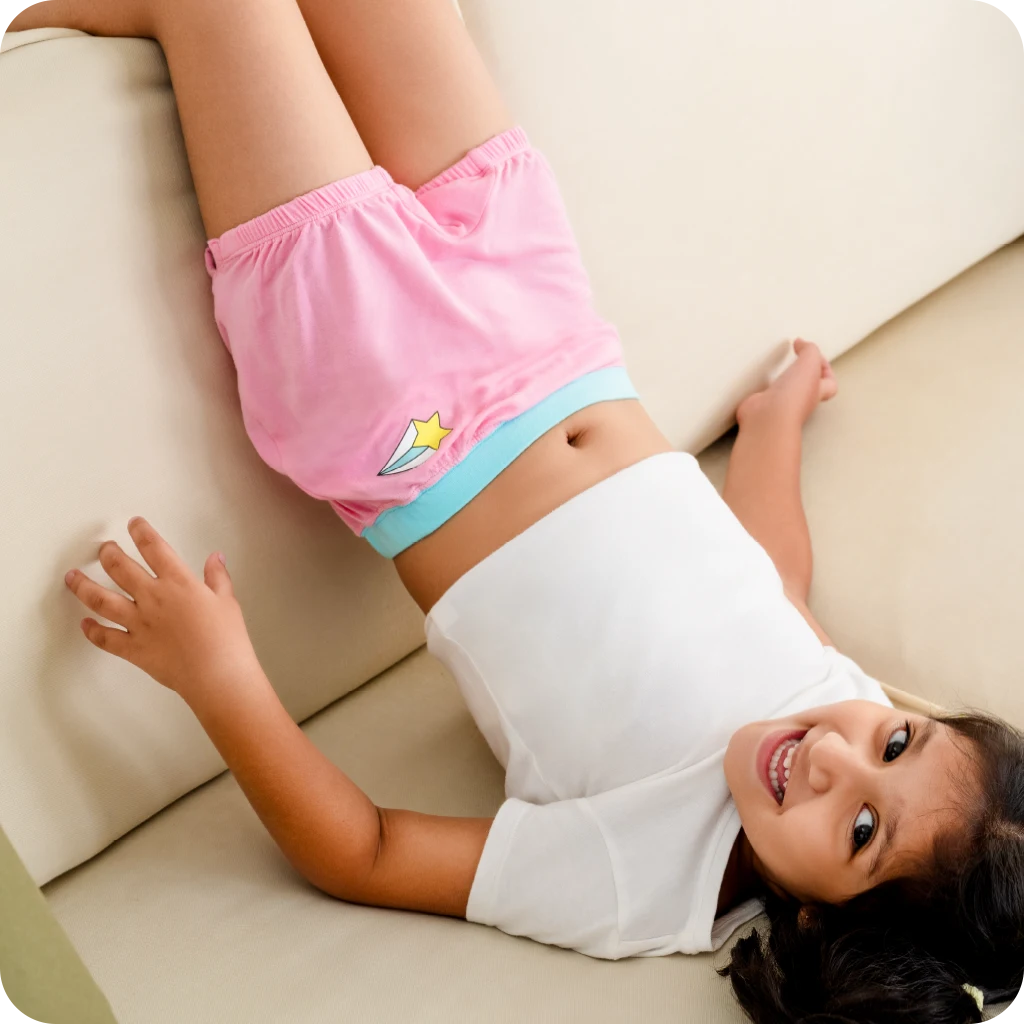
SuperBottoms Padded Underwear is designed as a reusable transition option for children aged approximately 9 months to 4 years. Its three-layer cotton padding is designed to handle a small daytime pee accident, while the pull-up style encourages greater independence.
Important: Padded underwear is not intended for overnight use, swimming or heavy wetting. For children who are not yet showing readiness signs, regular diapering may still be more appropriate.
What Should You Look For?
Before you buy potty training pants or padded underwear, consider:
- Comfort: Soft fabric and a comfortable fit
- Independence: Easy pull-up and pull-down design
- Protection: Suitable for small daytime accidents
- Fit: Snug around the legs without being restrictive
- Washability: Practical for repeated use
- Intended use: Daytime training versus overnight protection
- Cost per use: Reusable options can be considered for repeated training
The right choice depends on your child's stage, accident pattern and daily routine—not simply the product's absorbency claim or price.
💡 SuperBottoms Pick - SuperBottoms Potty Training Underwear can be considered when a toddler is ready to move from diapers towards underwear and needs some protection during daytime potty practice.
Parent Checklist
Before starting potty training, check:
- My child notices pee or poop
- My child can follow simple instructions
- My child shows some toilet interest
- My child can help with clothing
- We can maintain a predictable routine
- I have spare clothes ready
- I can respond calmly to accidents
- I am not starting because of comparison or pressure
With the right preparation, potty training becomes less about getting the timing “perfect” and more about helping your child connect body signals with what to do next. Follow their cues, keep practice positive and give them time to build the skill.
Key Takeaways
- Follow readiness, not age.
- Expect accidents during learning.
- Choose products that support independence.
FAQs
1. What is the best age to start potty training?
There is no universal age. Many children show readiness between 18 months and 3 years, but developmental signs matter more than age.
2. How do I know if my toddler is ready for potty training?
Look for several signs, including body awareness, dry periods, communication, following instructions, toilet interest and some independence with clothing.
3. Are padded underwear good for potty training?
They can help manage small daytime accidents while supporting the transition from diapers to underwear, but they do not replace potty practice.
4. Should I use potty training pants at night?
Usually, no. Nighttime dryness develops separately and may take longer, so daytime training underwear should not be treated as overnight protection.