






Children build important life skills through movement, play, and daily routines. Understanding the difference between fine and gross motor skills helps parents support healthy growth, confidence, and independence. From stacking blocks to running, jumping, or buttoning clothes, both skill types develop together over time. The right activities, routines, and child-friendly products can make learning easier while supporting comfort, movement, and everyday development.
- What Are Fine and Gross Motor Skills?
- What Is the Difference Between Fine and Gross Motor Skills?
- Why Are Gross Motor Skills Activities Important?
- How Do Fine and Gross Motor Skills Develop Together?
- Gross Motor Skills Activities for Different Ages
- Fine Motor Activities Parents Can Try at Home
- What Parents Should Know About Development Delays
- What Should I Look for When Choosing Baby Essentials?
- Comparison Table: Choosing Everyday Baby Essentials
- Key Takeaways
- FAQs
- References
What Are Fine and Gross Motor Skills?
Fine and gross motor skills are two major areas of child development. Gross motor skills involve large body movements like walking, climbing, balancing, and running. Fine motor skills involve smaller movements using fingers, hands, wrists, and eyes together.
Understanding what fine motor skills and gross motor skills are helps parents support everyday learning naturally. Both skill types are essential for independence, coordination, and confidence.
Examples of Gross Motor Skills
- Crawling
- Walking
- Jumping
- Climbing stairs
- Throwing a ball
- Dancing
Examples of Fine Motor Skills
- Holding crayons
- Turning book pages
- Picking small objects
- Buttoning clothes
- Using spoons
- Stacking toys
What Is the Difference Between Fine and Gross Motor Skills?
The main difference between fine and gross motor skills is the muscle groups involved. Gross motor movements use large muscles in the arms, legs, and torso, while fine motor movements rely on smaller muscles in the fingers and hands.
Children typically develop gross motor skills first because larger muscles strengthen earlier. Fine motor control gradually improves through repeated practice and play.
| Feature | Gross Motor Skills | Fine Motor Skills |
|---|---|---|
| Muscle Groups | Large muscles | Small hand and finger muscles |
| Examples | Running, jumping | Writing, drawing |
| Development Stage | Earlier | Gradual and later |
| Focus | Balance and coordination | Precision and control |
| Daily Use | Outdoor play, movement | Self-feeding, dressing |
This relationship between fine motor skills and gross motor skills is important because children often strengthen one area while improving the other.
Why Are Gross Motor Skills Activities Important?
Gross motor skills activities help children improve balance, posture, body awareness, and physical confidence. Active play also supports emotional regulation and social interaction.
Simple activities like obstacle courses, ball games, and dancing encourage healthy gross motor development and fine motor development together.
Expert Answer
Gross Motor Skills Activities by Age
Infants (0–12 Months)
- Tummy time
- Reaching for toys
- Rolling exercises
- Assisted standing
Toddlers (1–3 Years)
- Push-and-pull toys
- Climbing cushions
- Dancing to music
- Kicking soft balls
Preschoolers (3–5 Years)
- Hopscotch
- Balance beam games
- Tricycle riding
- Jumping races
These gross motor skills activities also support attention span, posture, and independence in daily tasks.
How Do Fine and Gross Motor Skills Develop Together?
Children rarely develop skills in isolation. Fine motor and gross motor skills often improve simultaneously during daily routines and playtime.
For example:
- Crawling strengthens shoulder muscles needed for writing later.
- Climbing improves balance and hand coordination.
- Self-feeding builds finger control and arm stability.
Parents can encourage both fine motor skills gross motor skills development through simple routines like dressing, outdoor play, sensory activities, and creative games.
What Parents Should Know
Every child develops at a different pace. Small variations are normal, but consistent difficulty with balance, gripping objects, or coordination may need professional evaluation.

Fine Motor Activities Parents Can Try at Home
Fine motor activities improve hand strength, coordination, and focus. Most can be done using everyday household items.
Easy Fine Motor Activities
- Sorting buttons by color
- Building blocks
- Threading beads
- Finger painting
- Peeling stickers
- Clay play
- Tearing paper crafts
These activities strengthen the connection between fine motor vs gross motor skills while making learning enjoyable.
Parent Insight
What Parents Should Know About Development Delays
Parents should observe patterns instead of comparing milestones constantly. Difficulty with coordination, frequent falls, weak grip strength, or avoiding movement activities may indicate a need for support.
Signs That May Need Attention
- Trouble holding crayons after age 3
- Poor balance while walking
- Difficulty climbing stairs
- Avoiding physical play
- Trouble using spoons or cups
Expert Quote
What Should I Look for When Choosing Baby Essentials?
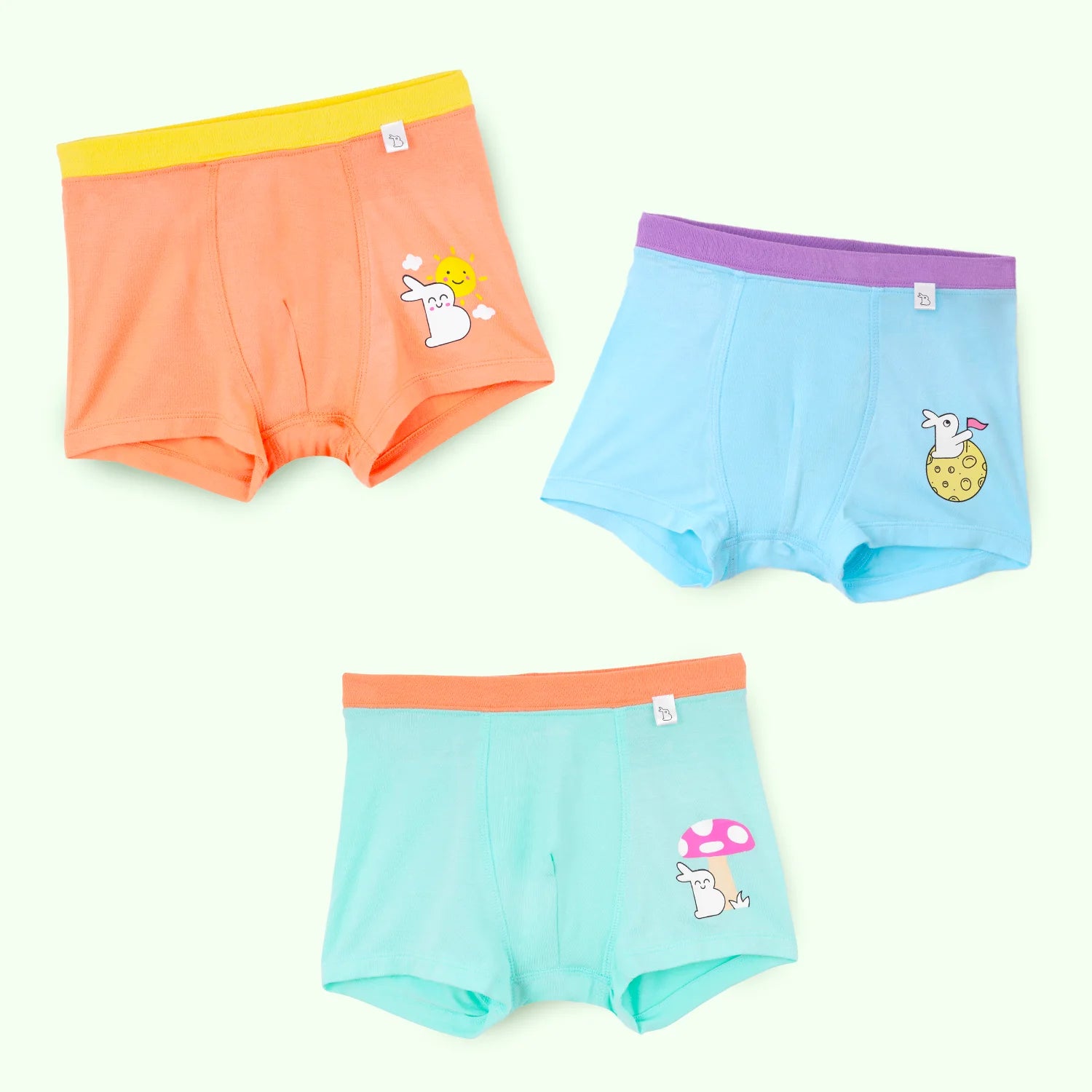
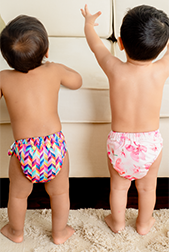
Parents often overlook how clothing, diapers, and baby essentials affect movement. Tight fits, rough fabrics, or bulky products can sometimes restrict natural motion during play and exploration.
Before choosing products, consider:
- Skin-friendly fabrics
- Flexibility and comfort
- Breathability
- Ease of movement
- Leak protection for uninterrupted play
- Reusability and long-term value
Products that support free movement can help babies stay active and comfortable during crawling, stretching, and active play.
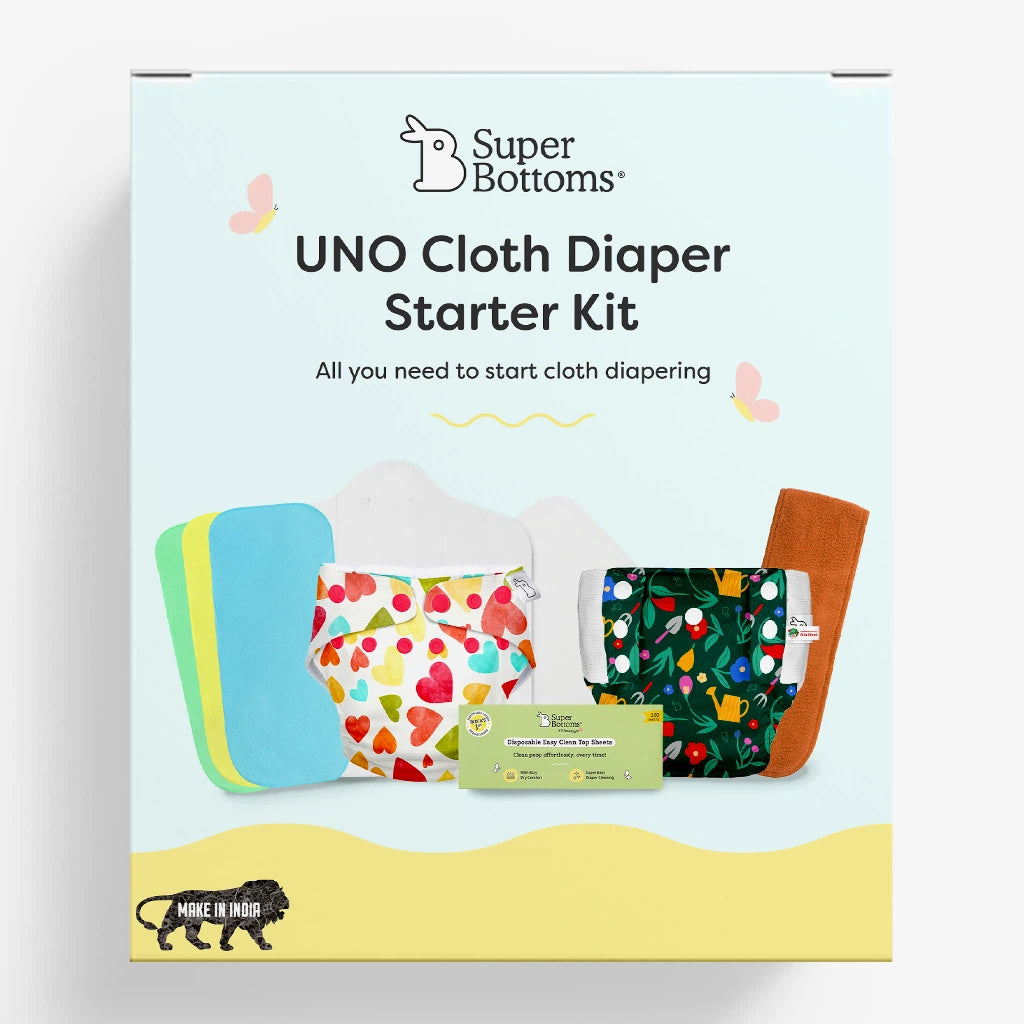
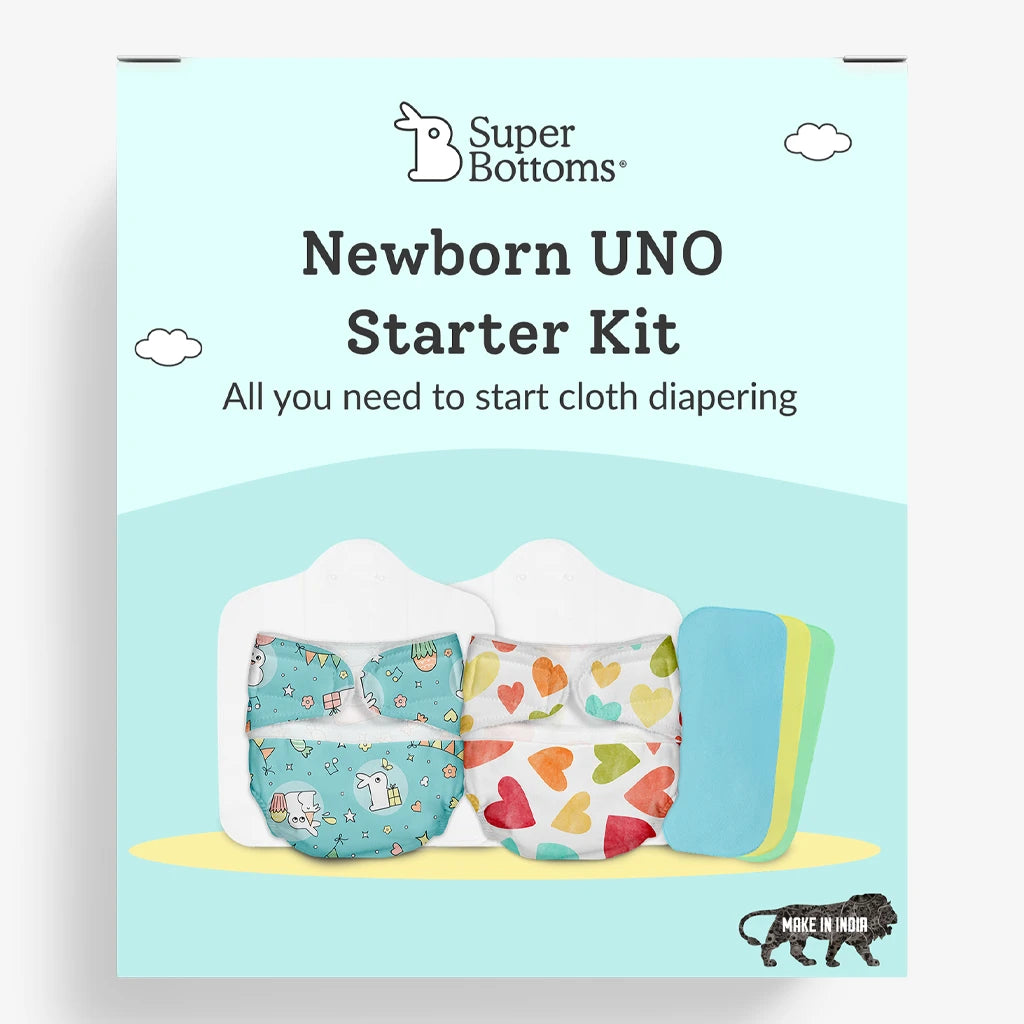
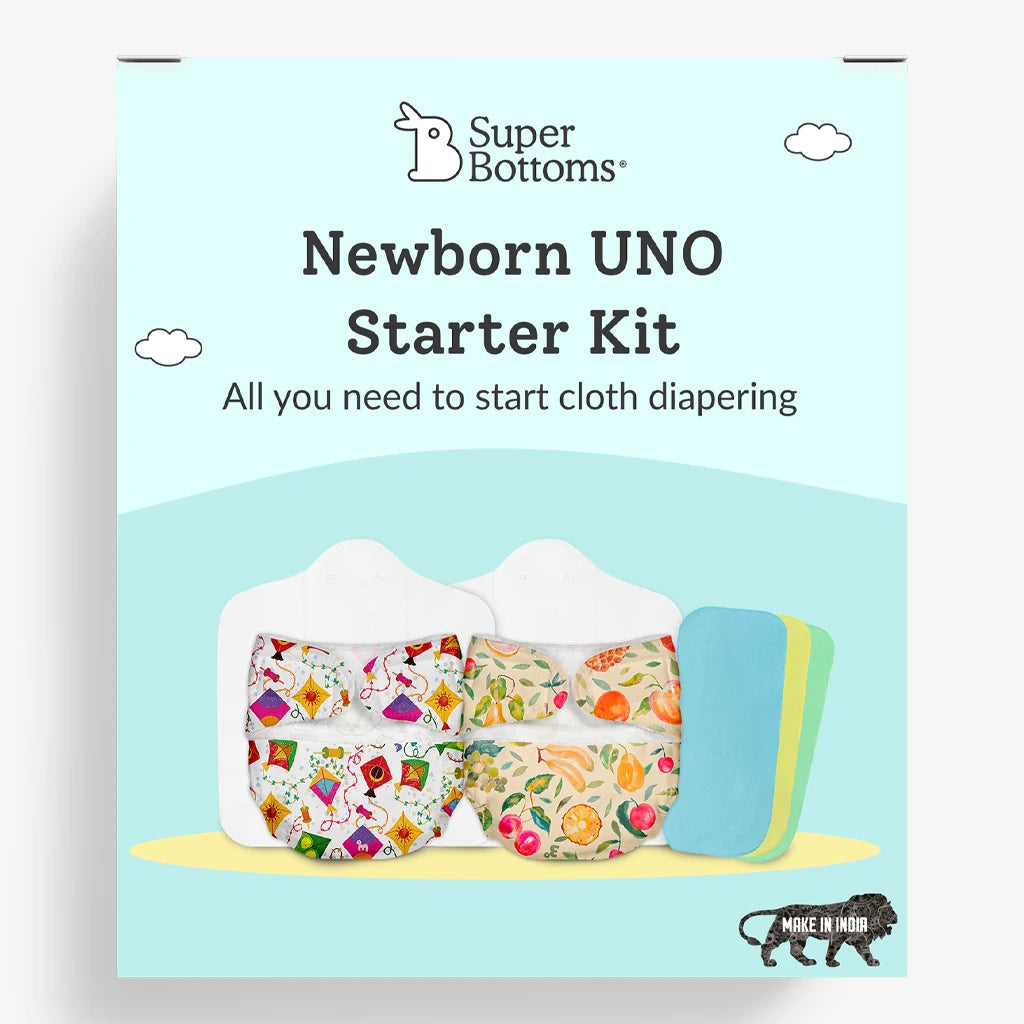
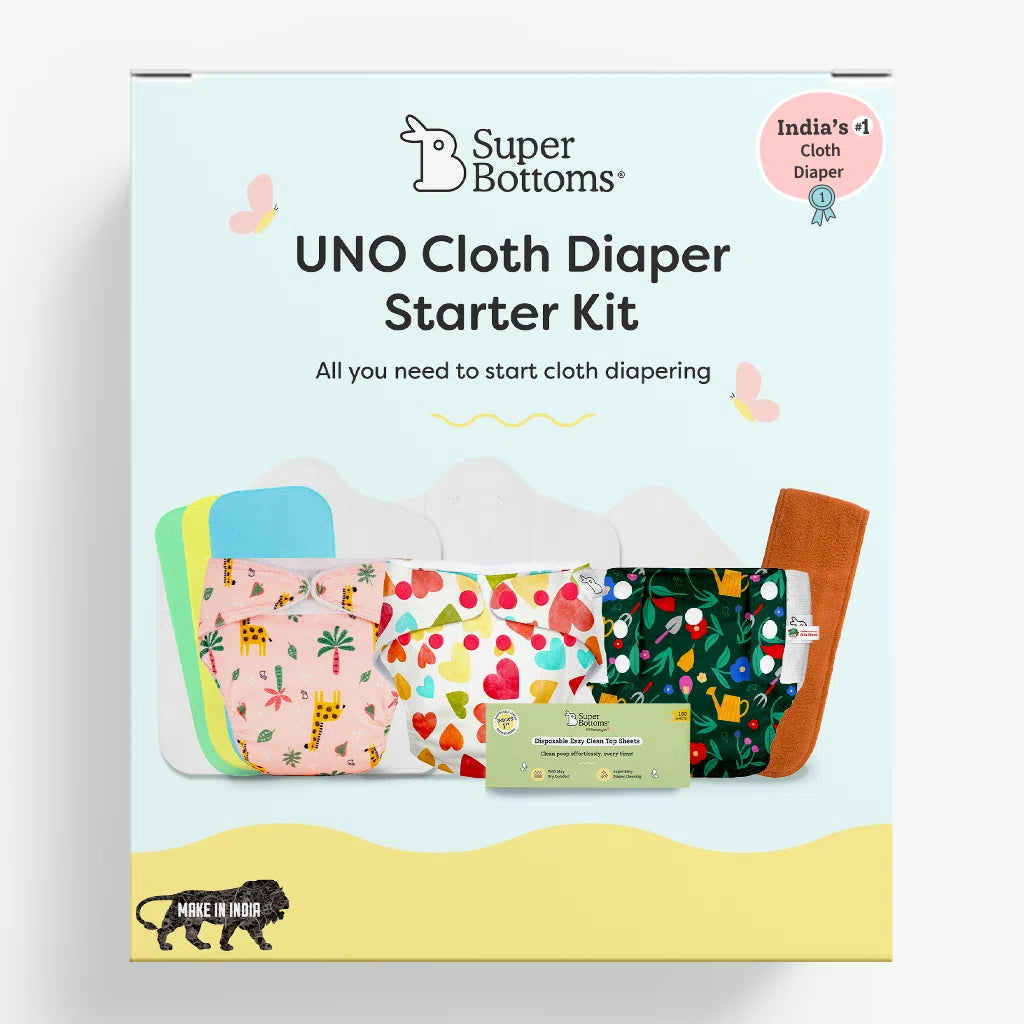
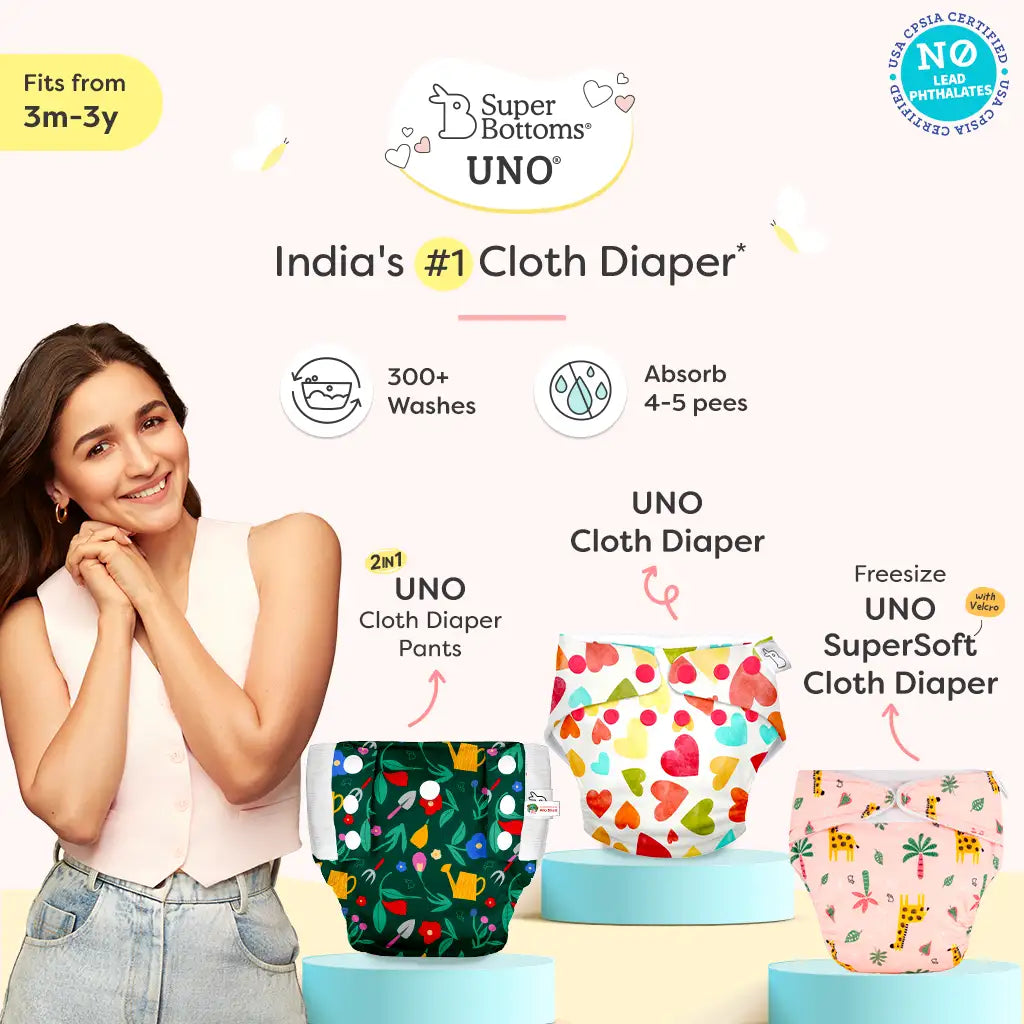
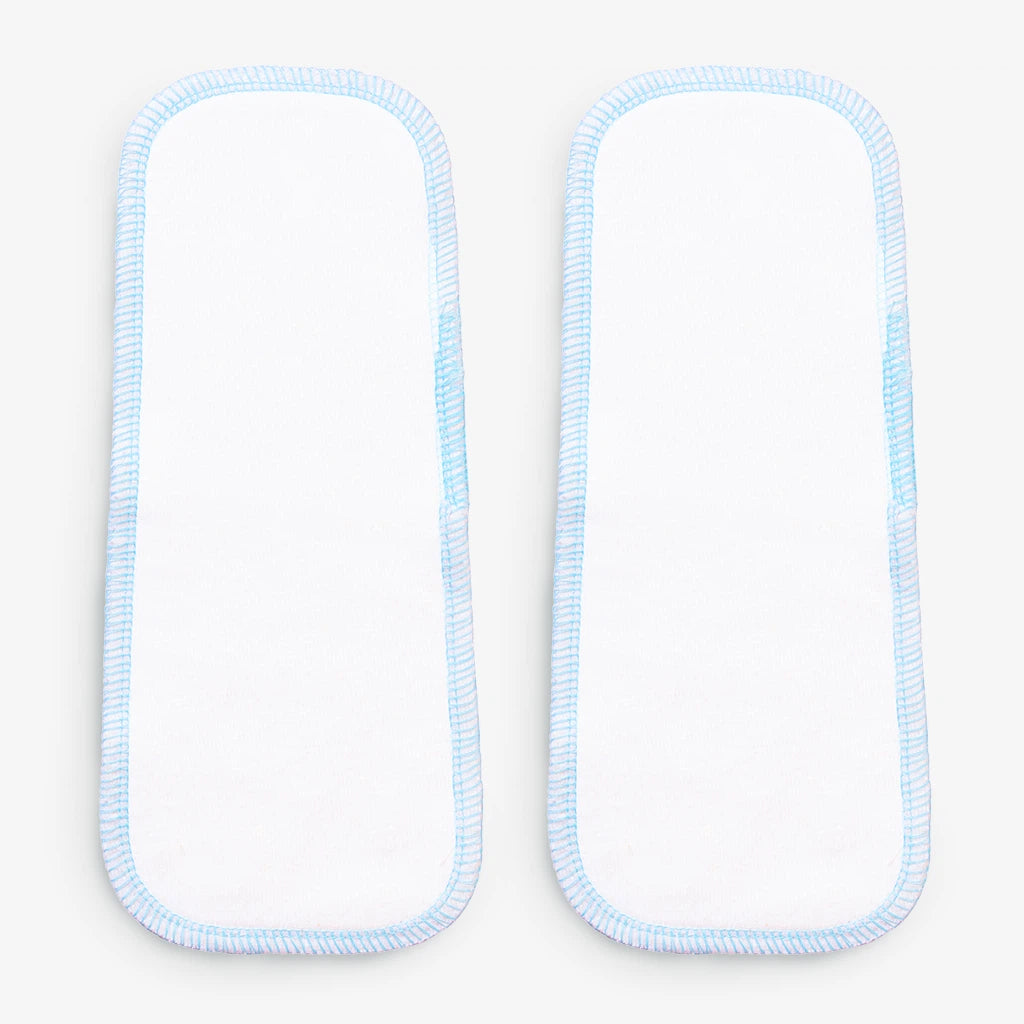
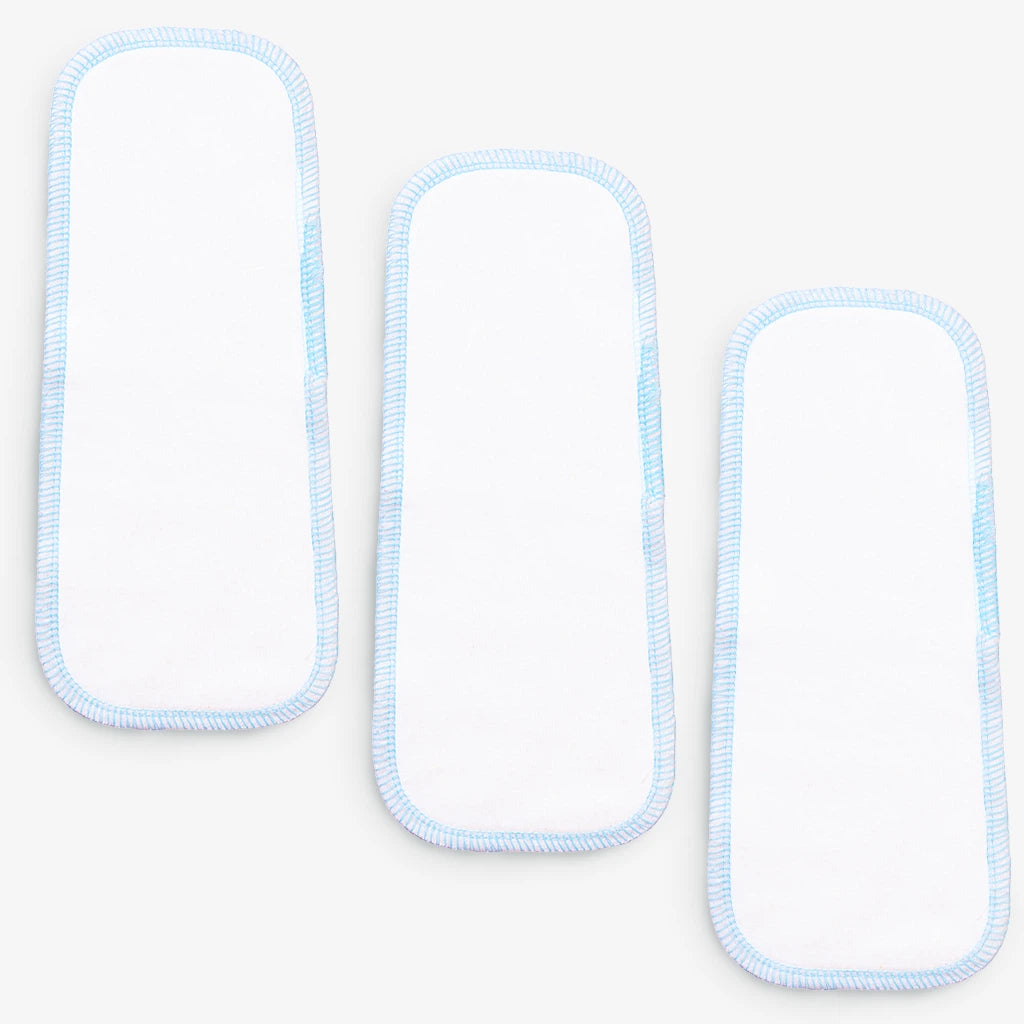
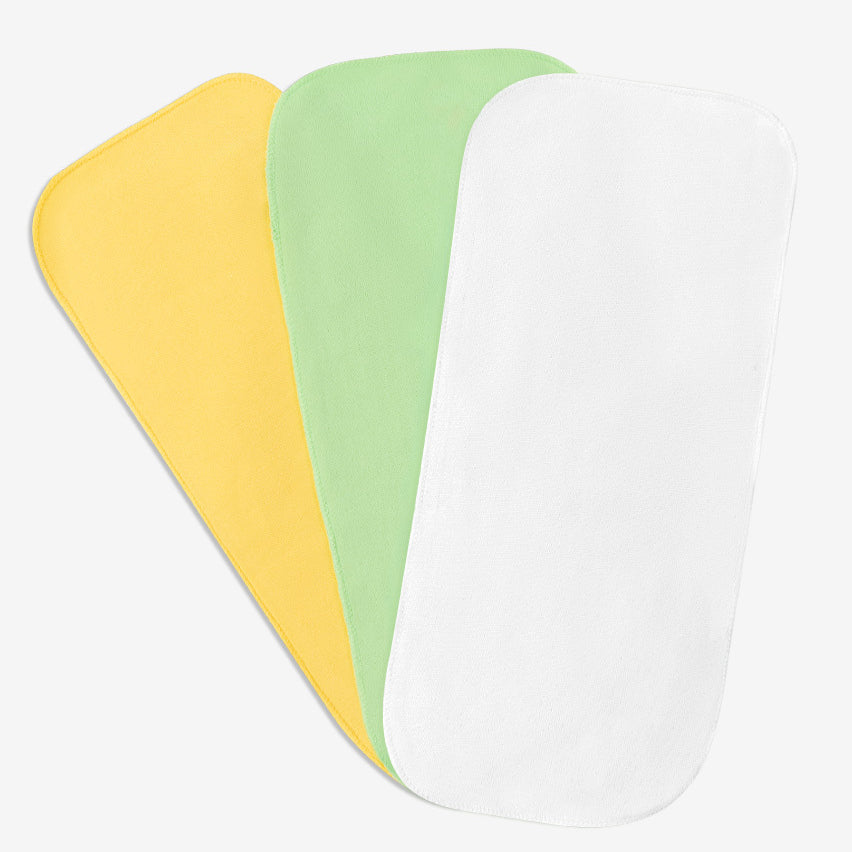
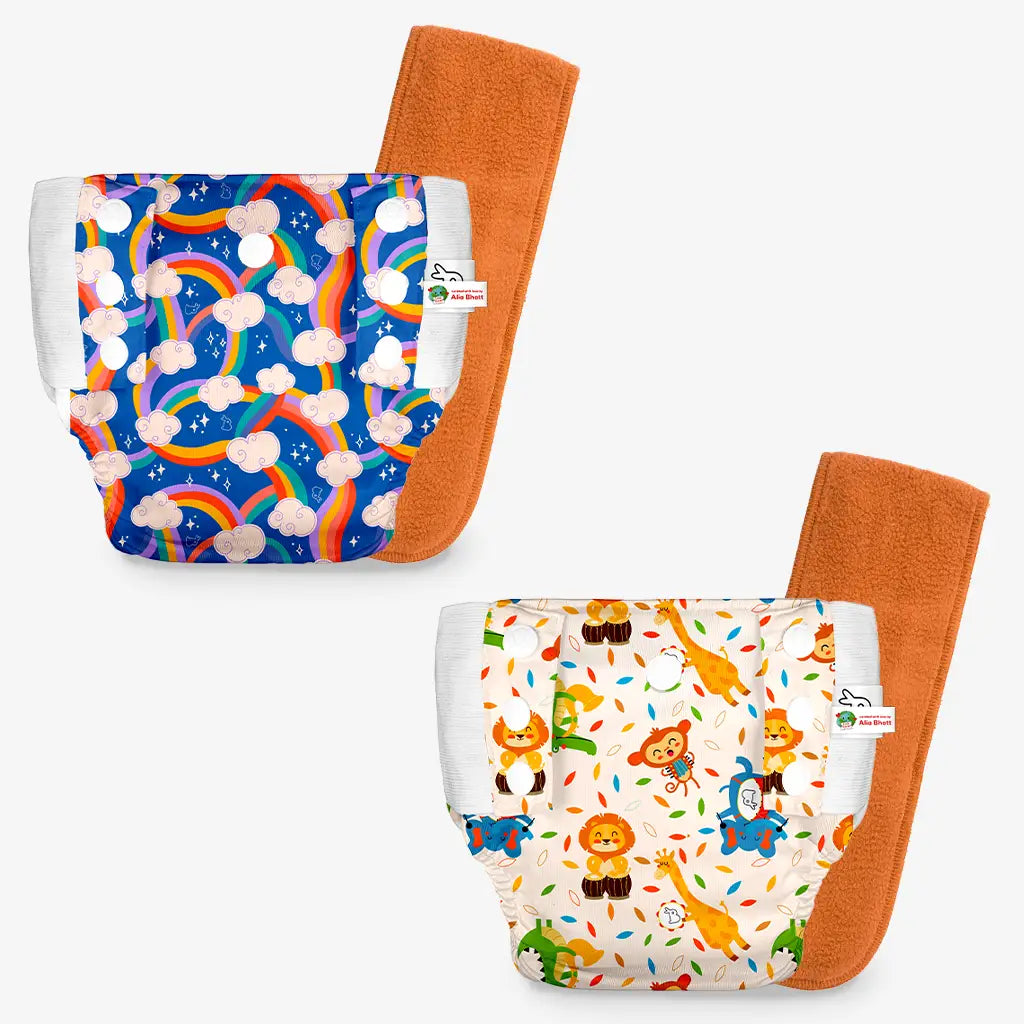
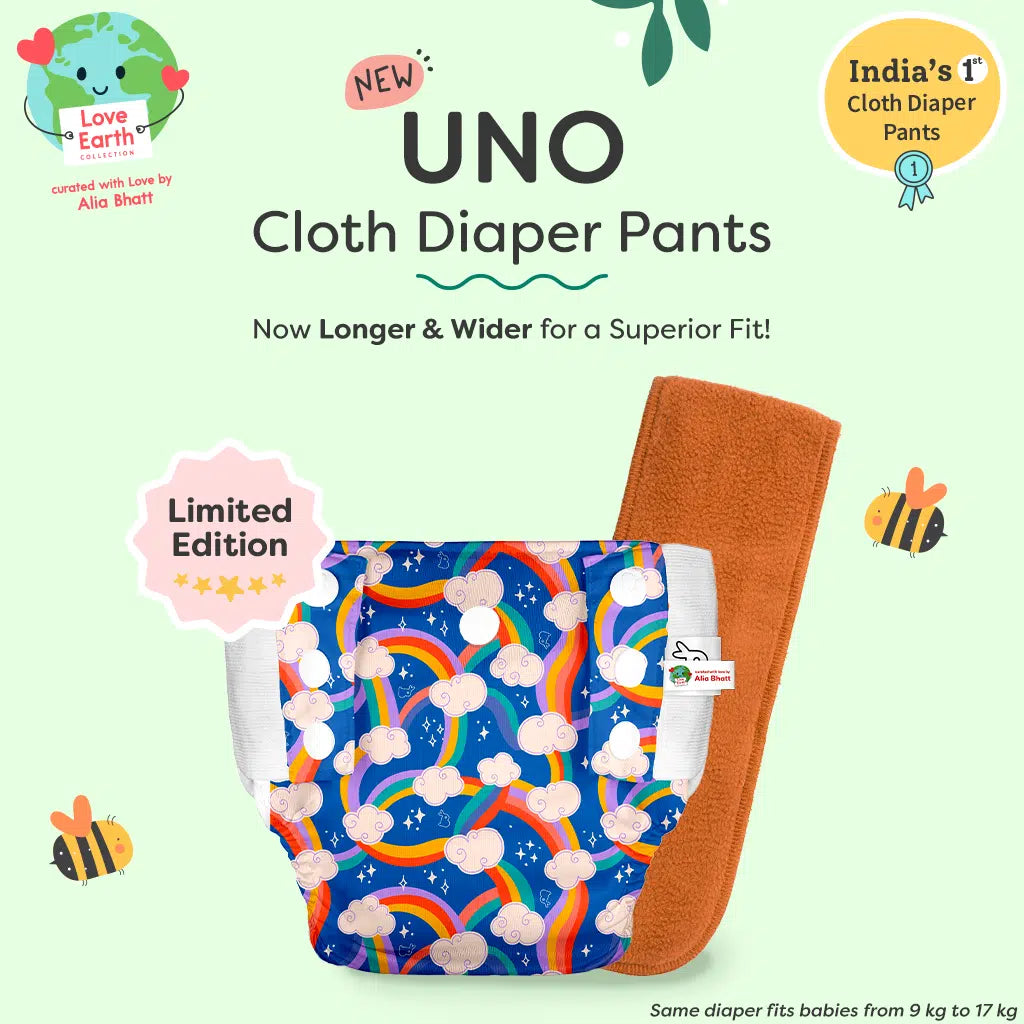
SuperBottoms Pick: UNO Cloth Diapers
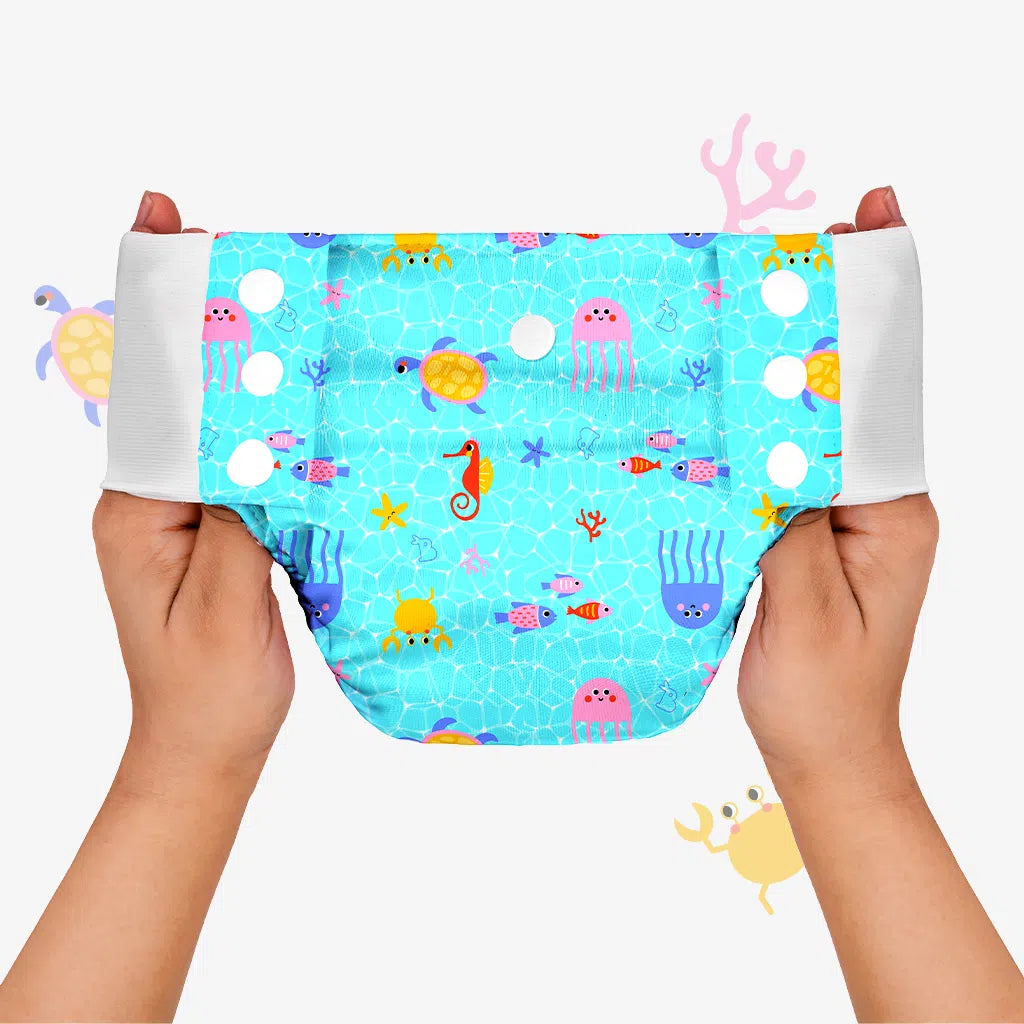
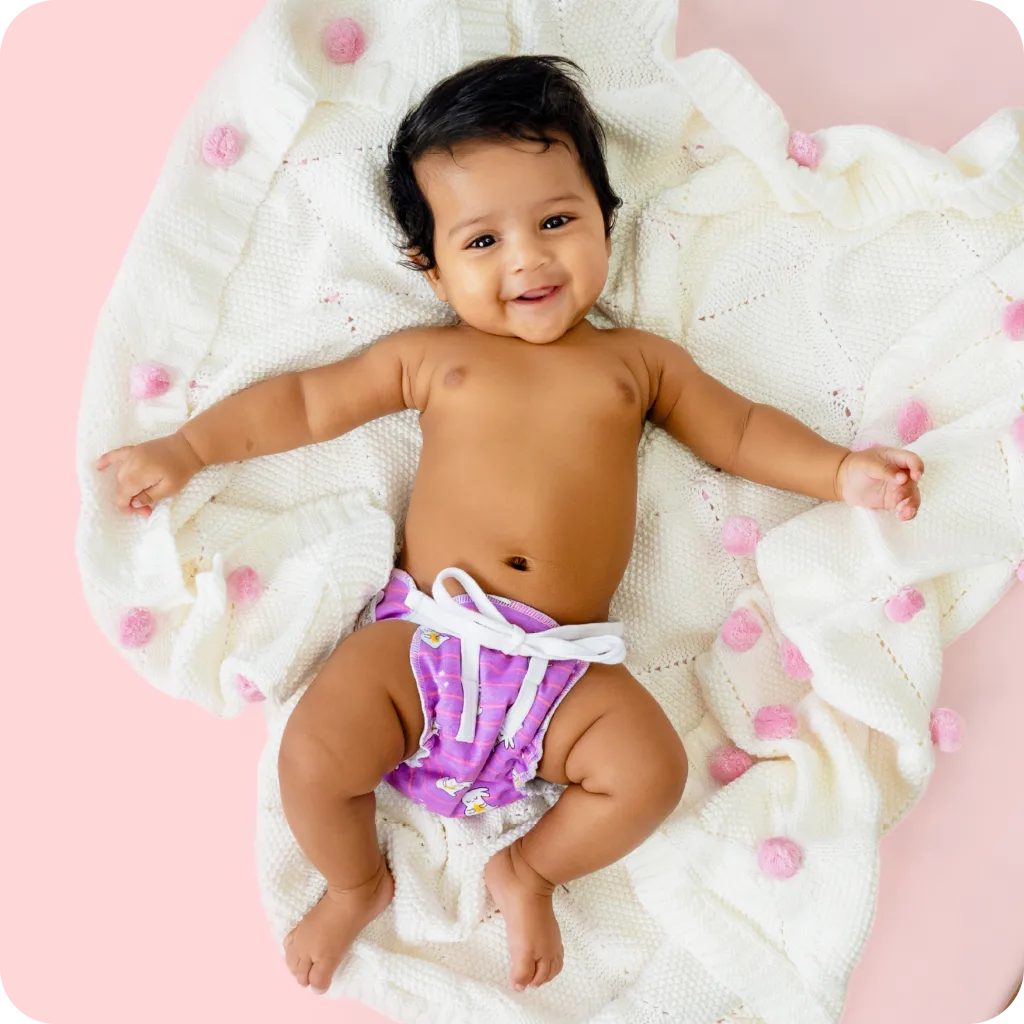
SuperBottoms UNO supports active babies with soft fabric, a flexible fit, and reusable comfort designed for everyday movement and play.
Explore the range → SuperBottoms UNO Cloth Diapers
Comparison Table: Choosing Everyday Baby Essentials
| Criteria | Regular Disposable Diapers | Basic Cloth Nappies | SuperBottoms UNO |
|---|---|---|---|
| Skin Breathability | Moderate | Good | Excellent |
| Reusable | No | Yes | Yes |
| Leak Protection | Good | Moderate | Good |
| Comfort During Movement | Moderate | Good | Excellent |
| Long-Term Value | Lower | Better | Better |
| Eco-Friendly | Limited | Yes | Yes |
This comparison helps parents evaluate options fairly based on comfort, movement support, and long-term usability.
Is It Worth Switching to Reusable Baby Essentials?
Many parents switch to reusable products for skin comfort, sustainability, and long-term savings. Babies who stay comfortable during movement may engage more actively in play-based learning and exploration.
Reusable options can also reduce frequent irritation caused by prolonged moisture exposure when used correctly.
Expert Answer
Understanding fine motor vs gross motor development helps parents support healthy learning through simple daily activities. Play-based movement, sensory exploration, and comfortable routines all contribute to stronger coordination and confidence.
For parents looking for movement-friendly, reusable baby essentials, SuperBottoms UNO offers soft, flexible comfort designed for active little ones.
Find the right fit → Shop SuperBottoms UNO at SuperBottoms Official Store
|
Limited Time Offers + Special Gift Sets! Now or never Super SALE is live on the SuperBottoms website! Take advantage of unbeatable value deals on our UNO Cloth Diapers, Baby Essentials, and more. Looking for the perfect present for a newborn or a toddler? Explore our thoughtfully curated Gift Sets & Combos - safe, skin-friendly, and oh-so-cute! A bundle of love for little ones and a delight for parents. HURRY - Deals and Gift Packs are live only till stocks last. Don’t miss the chance to stock up and share the joy! |
Key Takeaways
- Gross motor skills involve large body movements, while fine motor skills involve precise hand movements.
- Everyday play and routines naturally support both fine and gross motor skills development.
- Comfortable, flexible baby essentials can help children move freely and explore confidently.
FAQs
1. What are gross motor skills?
Gross motor skills involve large body movements using muscles in the arms, legs, and torso, such as walking, jumping, and climbing.
2. What are fine motor skills?
Fine motor skills involve small, precise movements using fingers and hands, such as drawing, buttoning, and holding objects.
3. What is the difference between fine and gross motor skills?
Gross motor skills focus on larger movements and balance, while fine motor skills focus on hand control and precision.
4. Which activities improve gross motor development?
Running, jumping, climbing, dancing, ball games, and obstacle courses are excellent gross motor skills activities.
5. How can parents improve fine motor skills at home?
Simple activities like stacking blocks, threading beads, coloring, and clay play help improve fine motor coordination.
6. Can diapers affect movement in babies?
Bulky or uncomfortable diapers may restrict movement slightly. Flexible and breathable options can help babies move more comfortably during play.
7. Is SuperBottoms worth the price?
Many parents choose SuperBottoms for reusable value, skin-friendly materials, and movement-friendly comfort over long-term use.
8. Where can I buy reusable baby essentials in India?
Parents can explore reusable baby products directly from SuperBottoms India and other trusted baby care platforms.
References
Hi there, new parents! SuperBottoms brings you doctor-recommended cloth diapers - the best rash-free diapering solution for your baby's sensitive and delicate skin. Unlike disposable diapers loaded with chemicals, our newborn cloth diapers, when used and washed properly, can help eliminate the risk of diaper rashes. SuperBottoms offers a wide range of safe, skin-friendly essentials for the whole family - including Reusable Cloth Diapers, Diaper Pants, DryFeel langots for diaper-free time, Padded Underwear for potty training, SuperSoft Underwear for everyday comfort, Joggers for playful days, and Period Underwear for women. Not just for everyday use, SuperBottoms products also make the best gifting choice for babies - thoughtful, eco-friendly, practical, and loved by parents. Now available on Amazon, Myntra, Flipkart, FirstCry, Zepto, Swiggy and Blinkit.