





In this article, you'll learn:
- Why newborn hiccups happen
- Breastfeeding and hiccups explained
- Ways to soothe hiccups
- When to see a doctor
- Feeding comfort tips
Newborn baby hiccups during breastfeeding are common and usually harmless. This guide explains why hiccups happen, how to reduce them, when to seek medical advice, and simple feeding practices that can help keep your baby comfortable.
Table of Contents
- Why do newborns get hiccups during breastfeeding?
- Are hiccups normal?
- Common causes of newborn hiccups
- How can you reduce hiccups?
- When should you see a doctor?
- FAQs
Seeing your baby hiccup during or after a feed can make you wonder if something is wrong. The good news is that newborn baby hiccups during breastfeeding are very common and, in most cases, completely normal.
Newborns are still developing their feeding skills, and small amounts of swallowed air or a full tummy can trigger hiccups. Understanding why they happen, and when they might need medical attention, can help you feel more confident during feeding time.
Why Do Newborns Get Hiccups During Breastfeeding?
Hiccups occur when the diaphragm, the muscle that helps with breathing, contracts suddenly. This causes the vocal cords to close quickly, creating the familiar "hic" sound.
During breastfeeding, babies may swallow air while feeding, feed very quickly, or become overly full, all of which can trigger newborn baby hiccups during breastfeeding.
In most cases, hiccups settle on their own within a few minutes without causing any discomfort.
Expert Answer
Hiccups are a normal part of newborn development and usually don't interfere with feeding or breathing. If your baby is feeding well, gaining weight, and appears comfortable, occasional hiccups are generally nothing to worry about.
Are Hiccups Normal in Newborns?
Yes. Many healthy newborns experience hiccups several times a day.
Hiccups may occur:
- During breastfeeding
- Immediately after feeding
- After swallowing air
- Following a large feed
Some babies hiccup more often than others, especially during the first few months, as their digestive and nervous systems continue to mature.
Common Causes of Newborn Baby Hiccups During Breastfeeding
Several everyday factors can contribute to hiccups.
Swallowing Air
A shallow latch or feeding too quickly can cause babies to swallow extra air, which may trigger hiccups.
Feeding Too Quickly
Fast milk flow or vigorous feeding can fill the stomach quickly, stimulating the diaphragm.
Overfeeding
A very full stomach can place gentle pressure on the diaphragm, leading to hiccups.
Immature Digestive System
Newborns are still adapting to feeding, digestion, and breathing coordination. Occasional hiccups are a normal part of this development.
Newborn Hiccups vs Reflux: What's the Difference?
Parents sometimes confuse hiccups with reflux, but they're not the same.
|
Condition |
Common Signs |
Usually Needs Treatment? |
|---|---|---|
|
Normal Hiccups |
Rhythmic "hic" sounds, baby stays comfortable |
Usually no |
|
Swallowed Air |
Burping, mild fussiness, hiccups |
Usually improves with burping |
|
Reflux |
Frequent spit-up, discomfort, poor feeding, arching back |
May need medical advice |
If your baby has frequent vomiting, poor weight gain, persistent crying, or difficulty feeding, consult your paediatrician.
What Should Parents Look For?
Most newborn baby hiccups during breastfeeding are harmless. Instead of focusing on stopping every hiccup, pay attention to your baby's overall feeding and comfort.
Look for:
|
Healthy Feeding Signs |
Why They Matter |
|---|---|
|
Good latch |
Reduces swallowed air |
|
Calm feeding |
Prevents overfeeding |
|
Regular burping |
Helps release trapped air |
|
Comfortable baby |
Indicates feeding is going well |
|
Normal weight gain |
Suggests effective feeding |
What Parents Should Know
Hiccups rarely require treatment. Feeding your baby in a calm environment, ensuring a good latch, and burping during and after feeds are often enough to reduce episodes naturally.
💡 SuperBottoms Pick
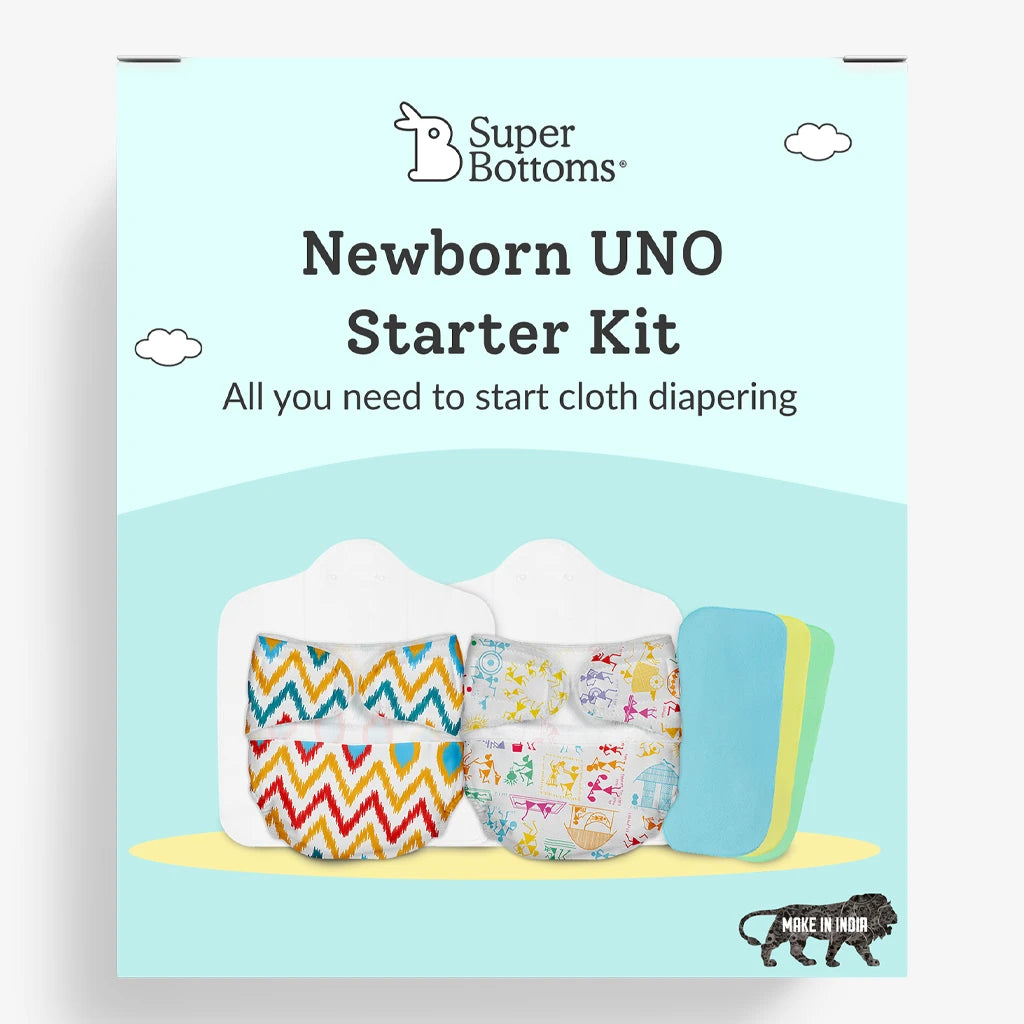
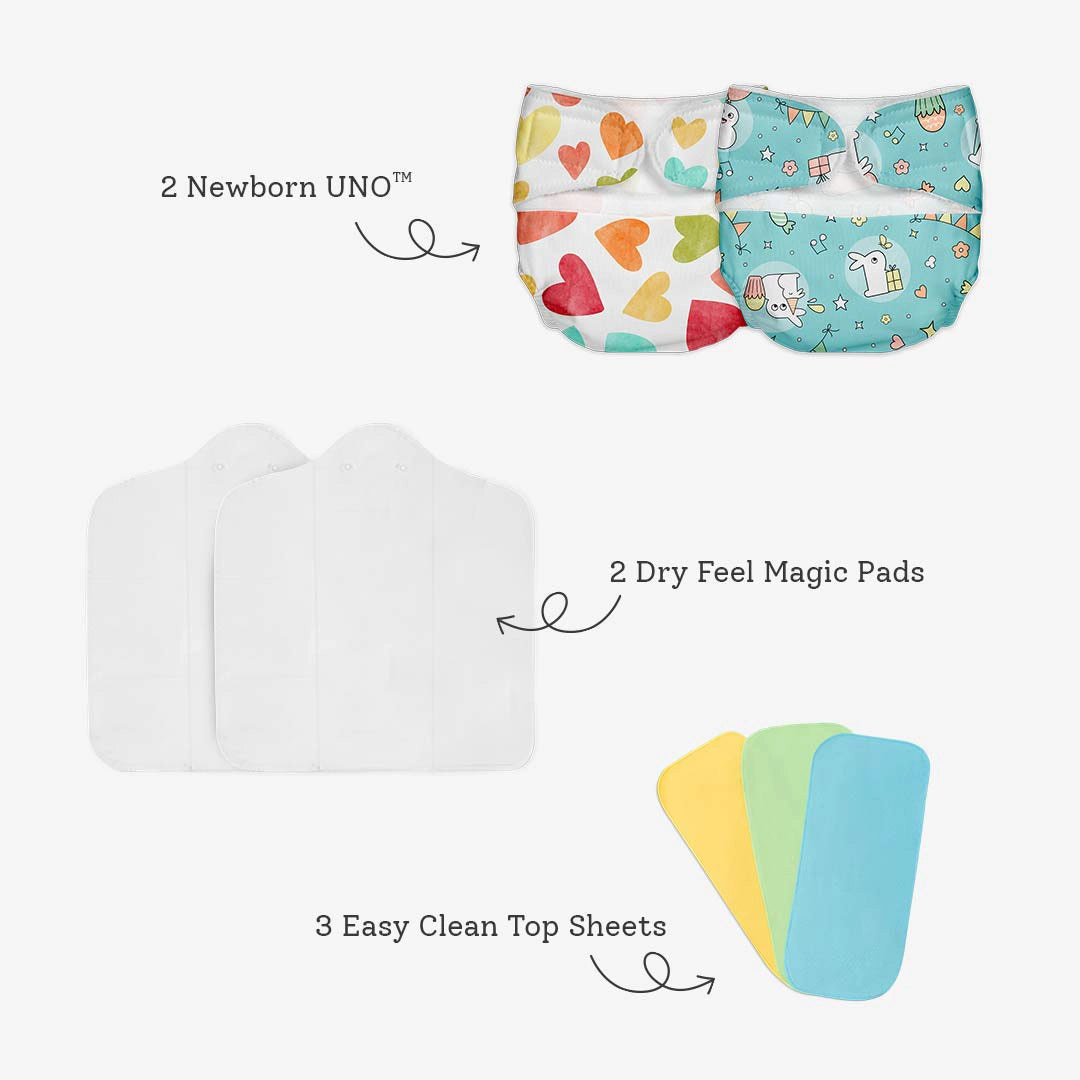
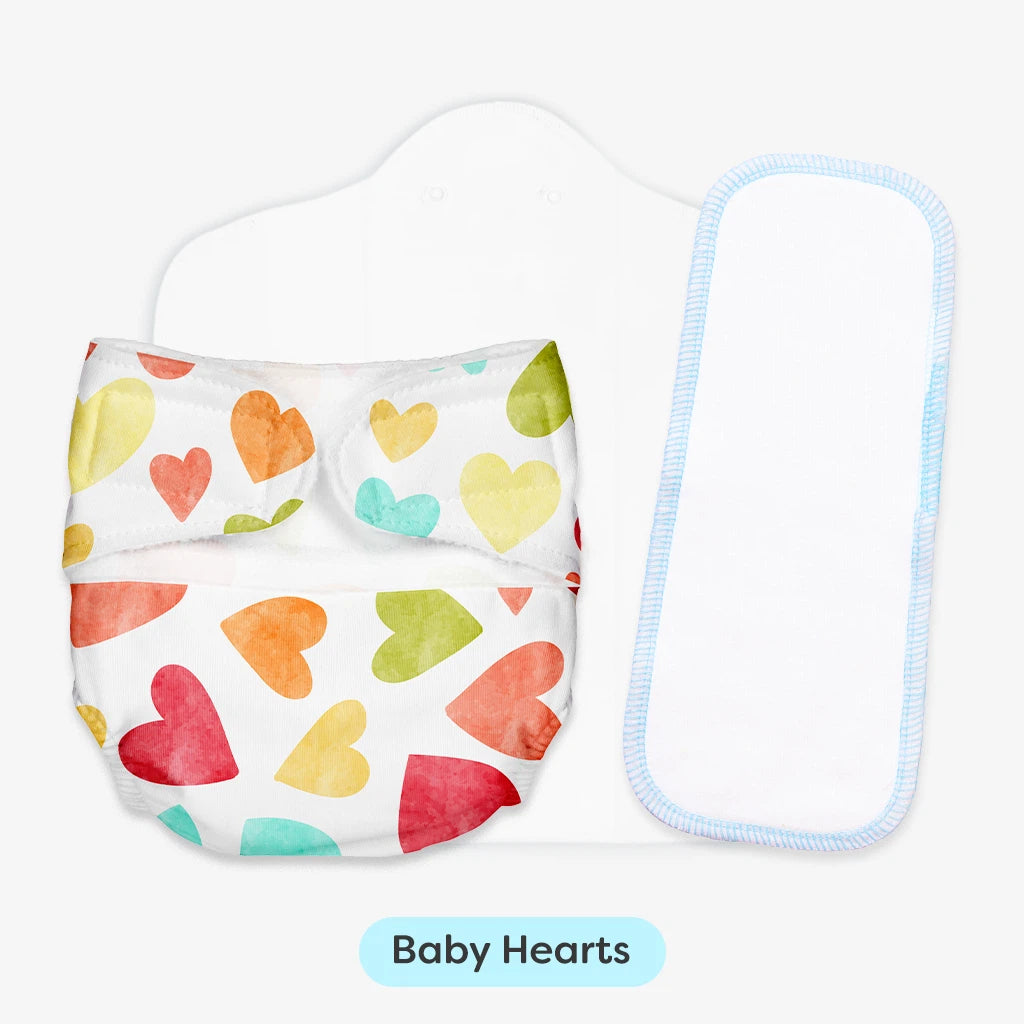
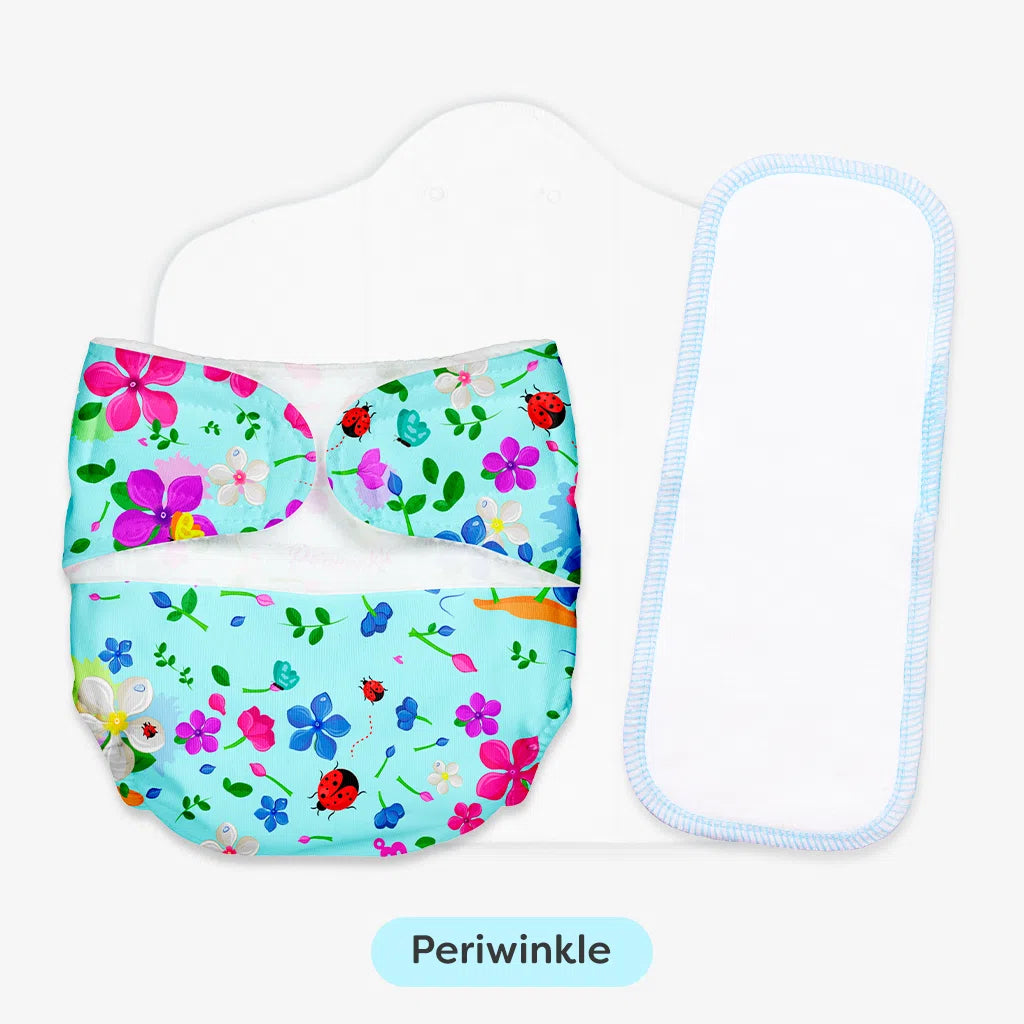
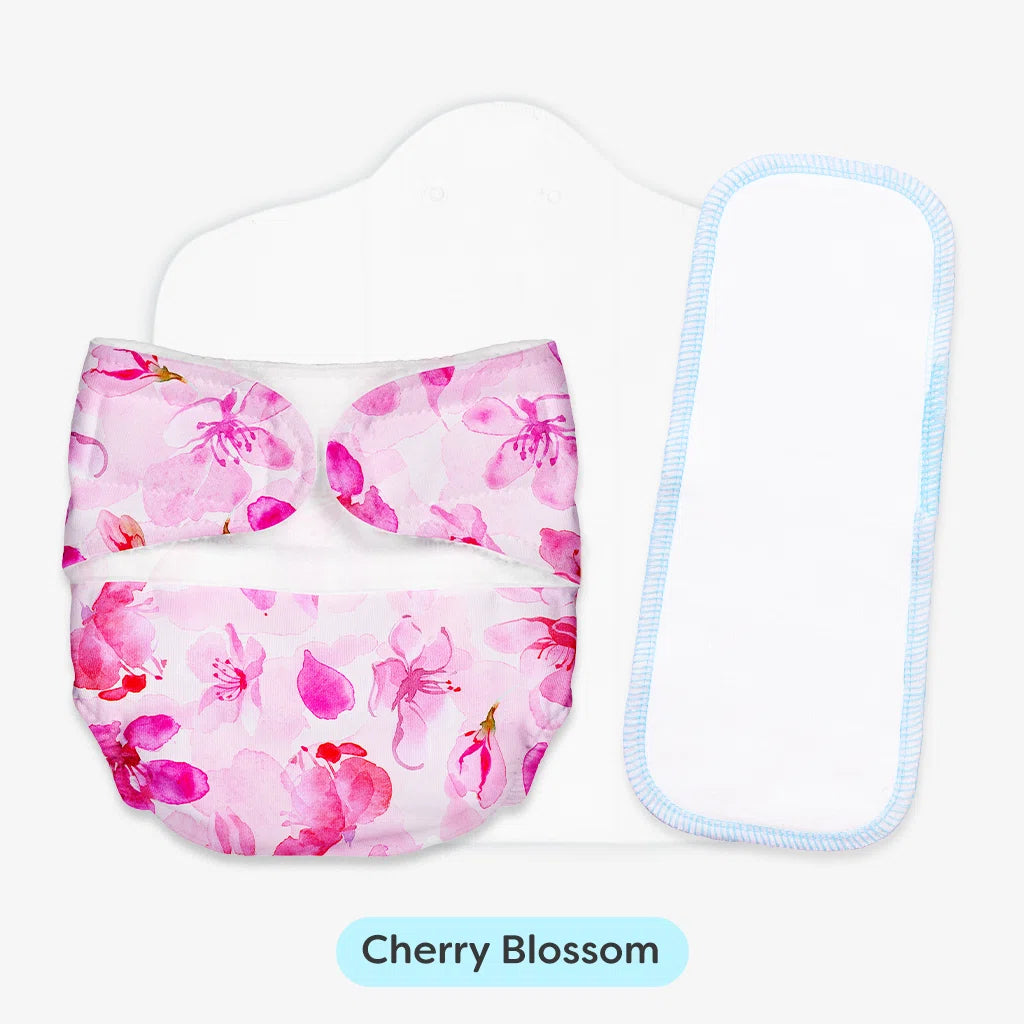
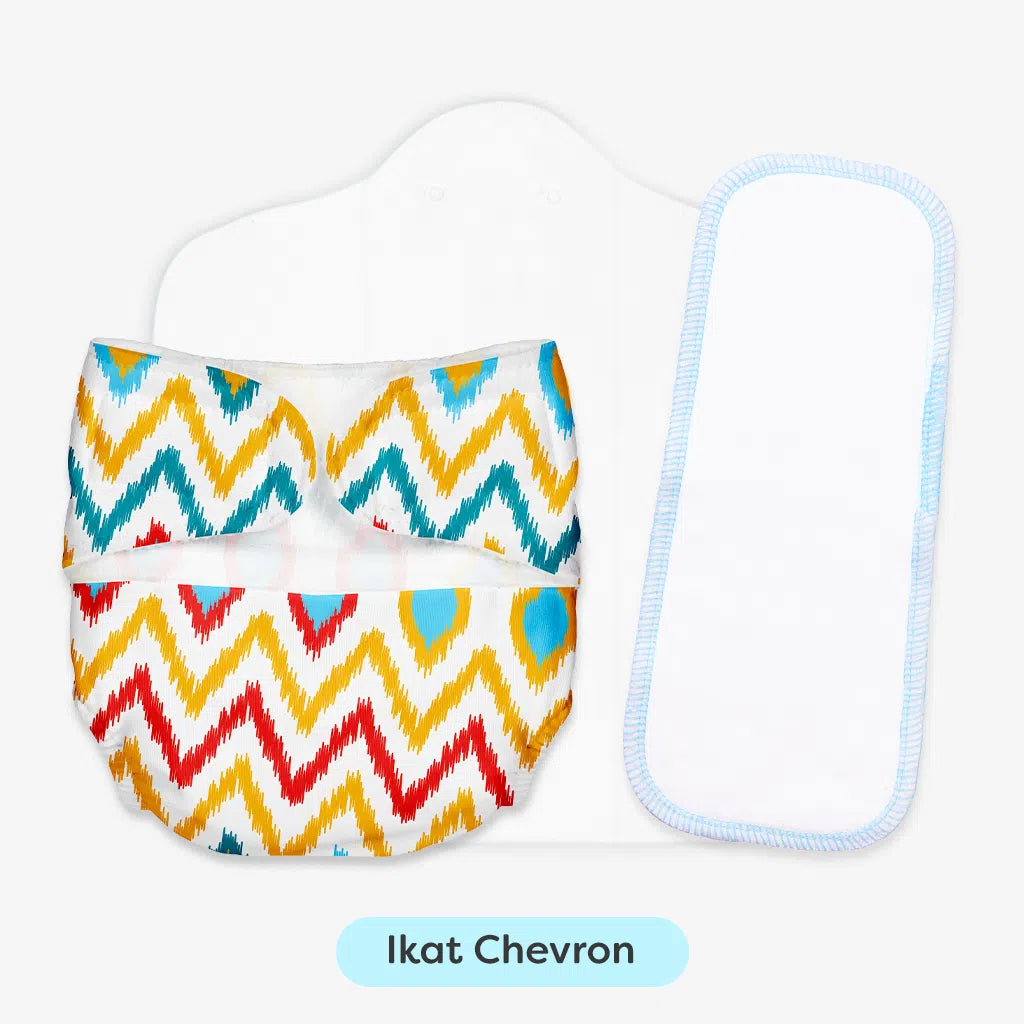
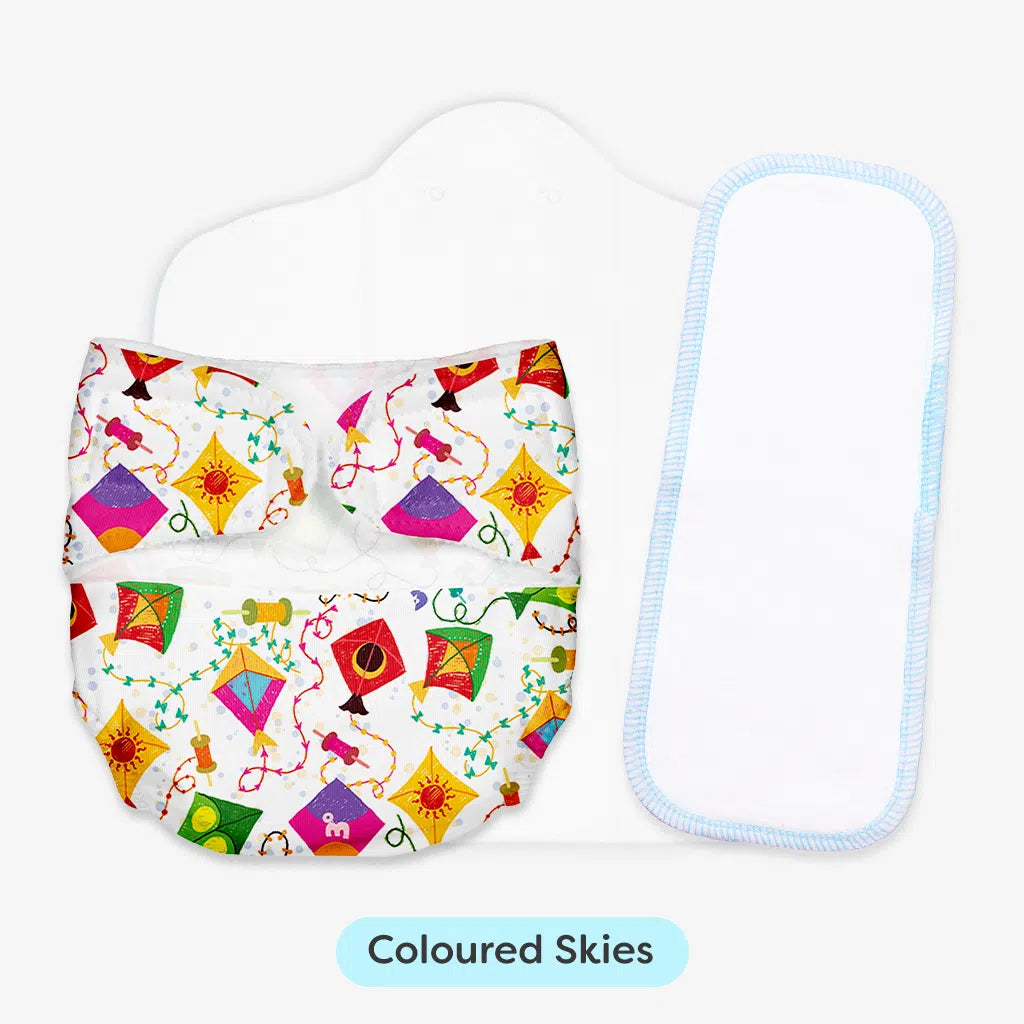
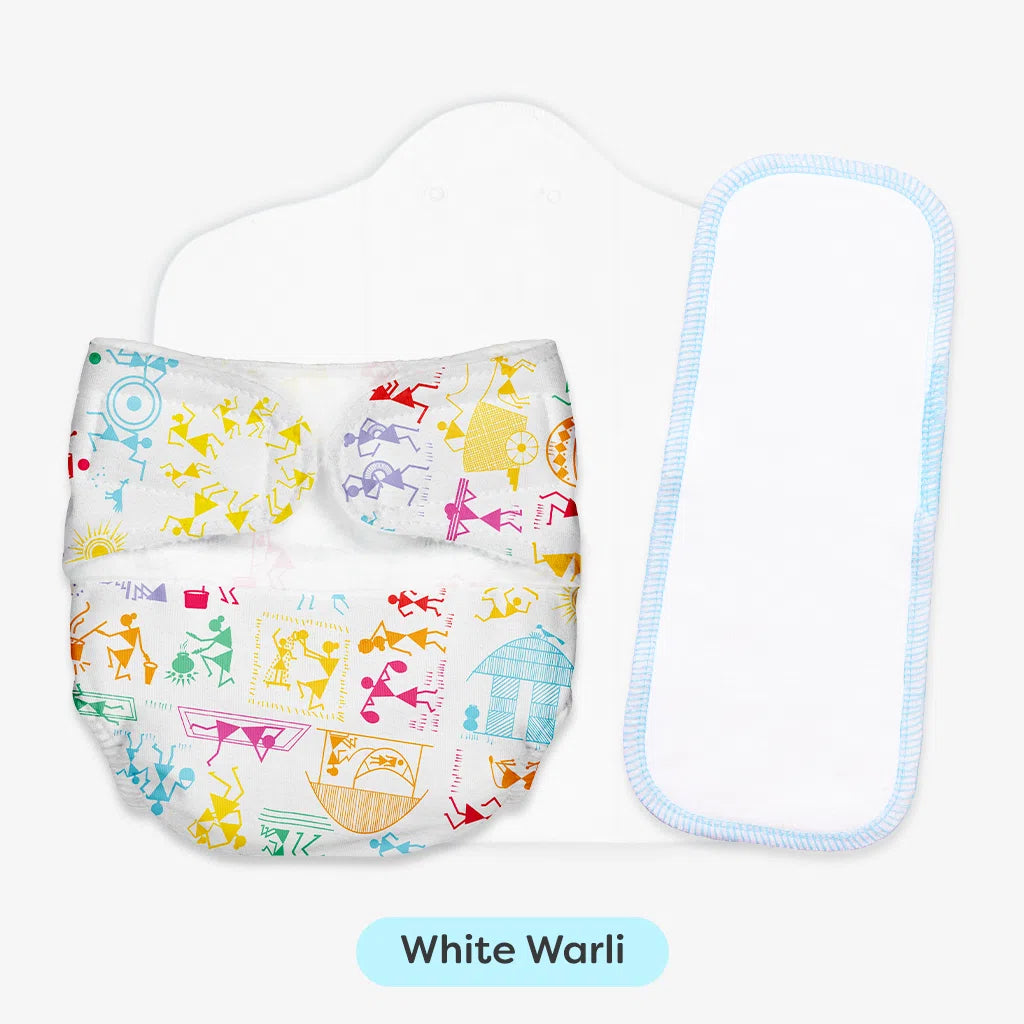
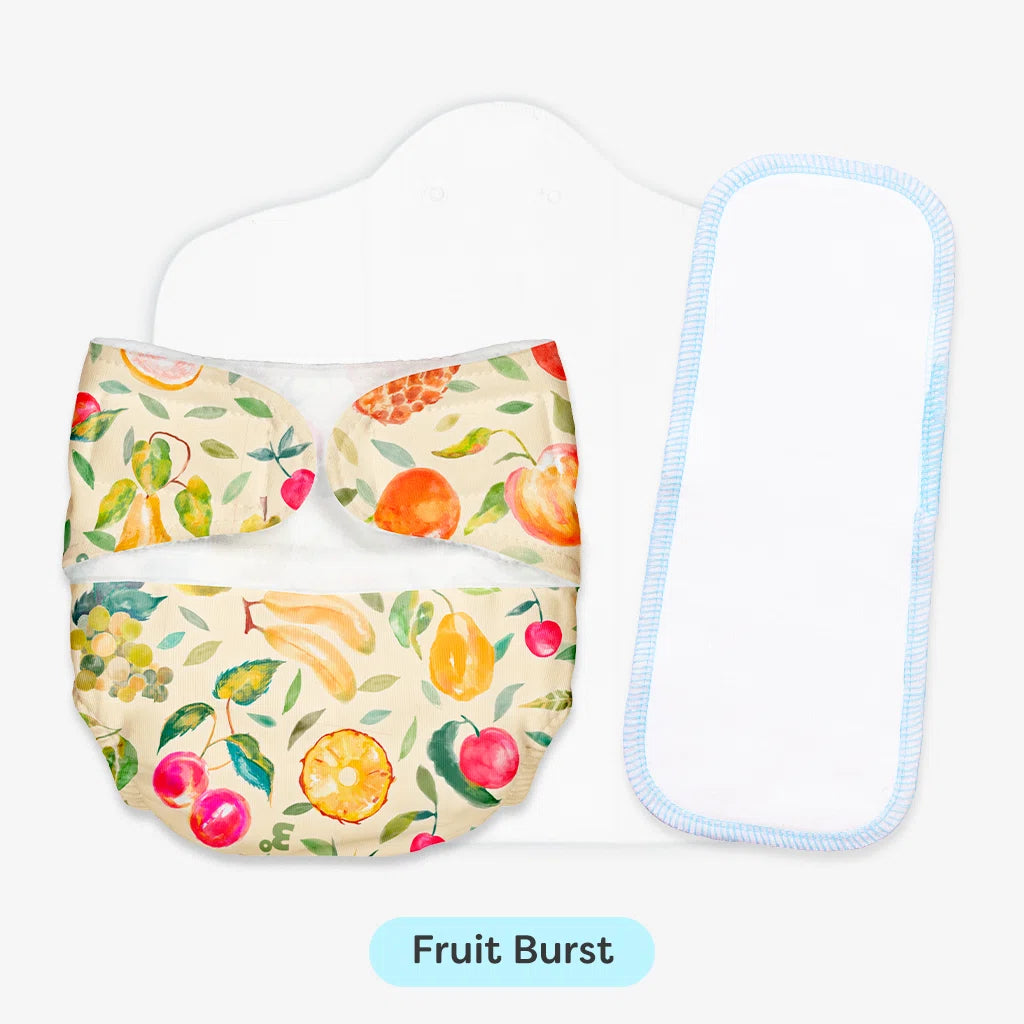
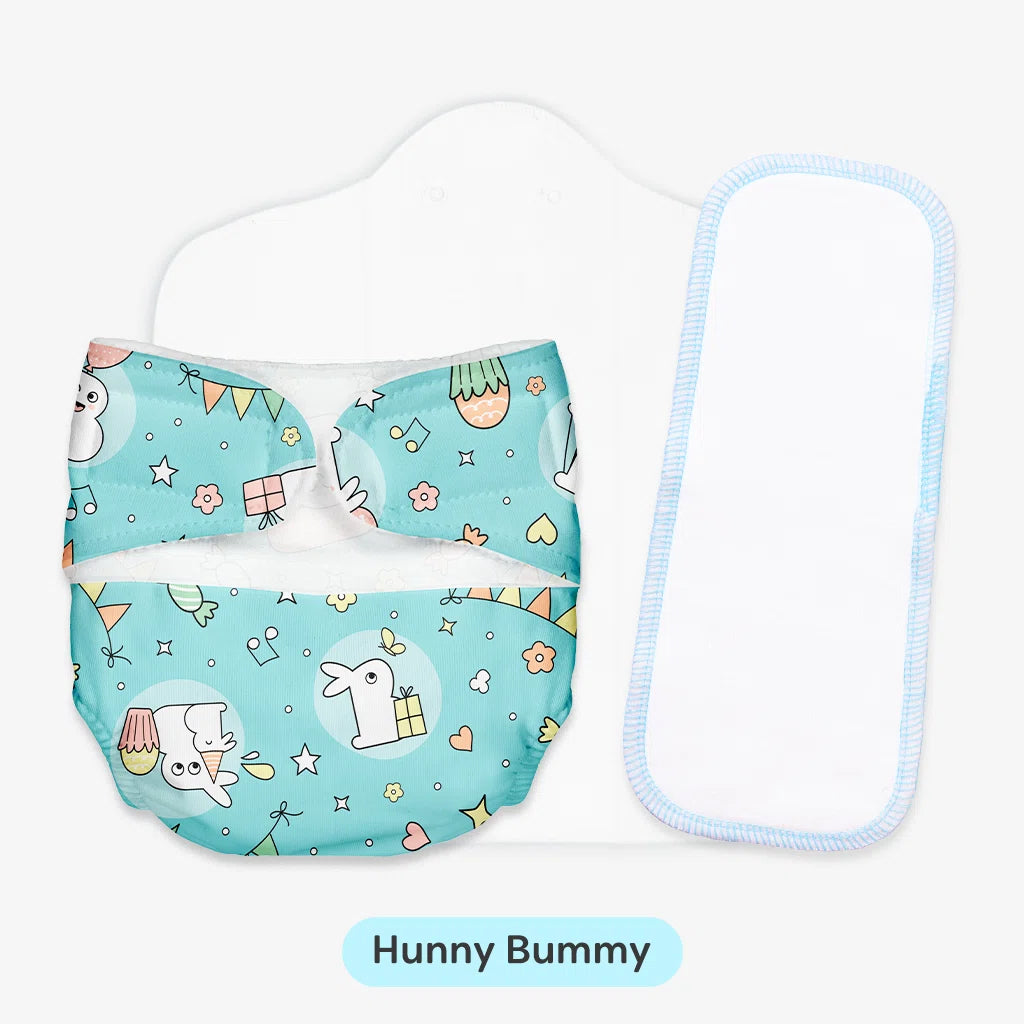
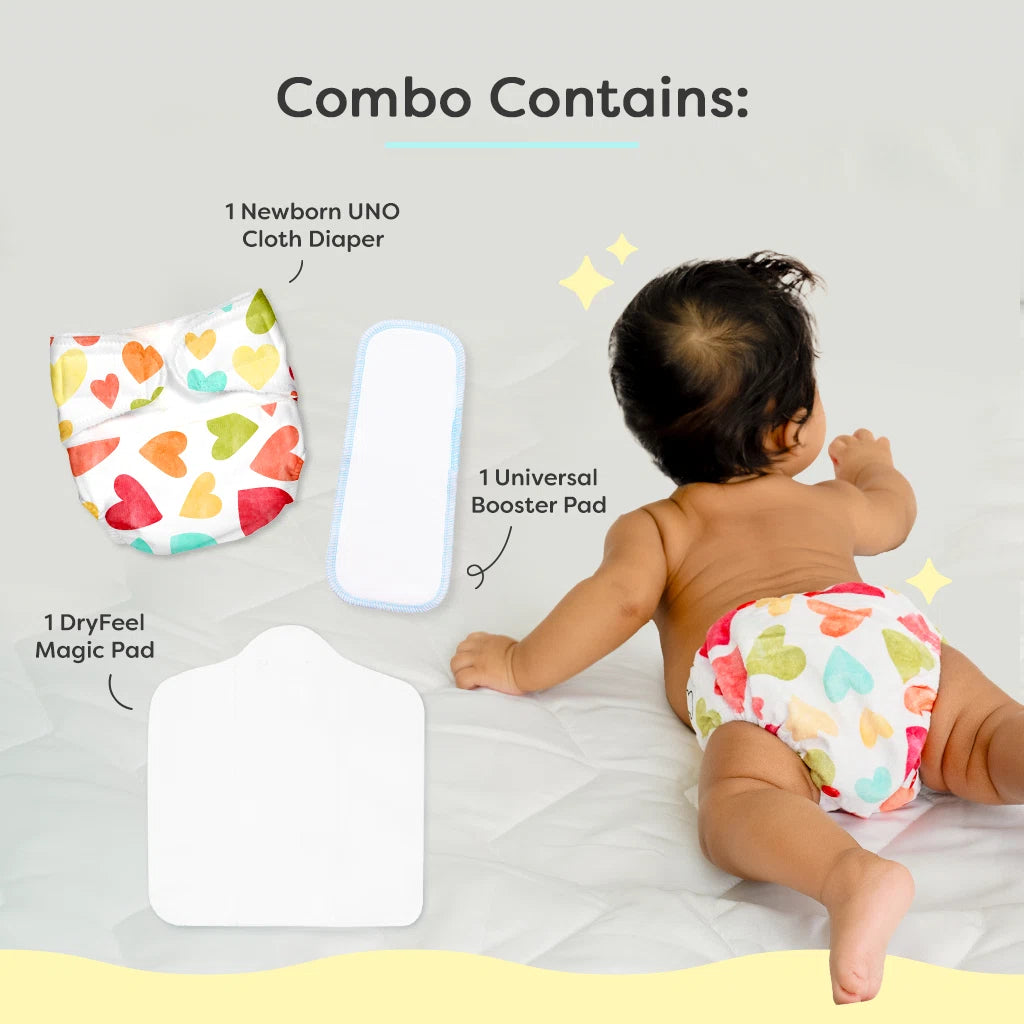
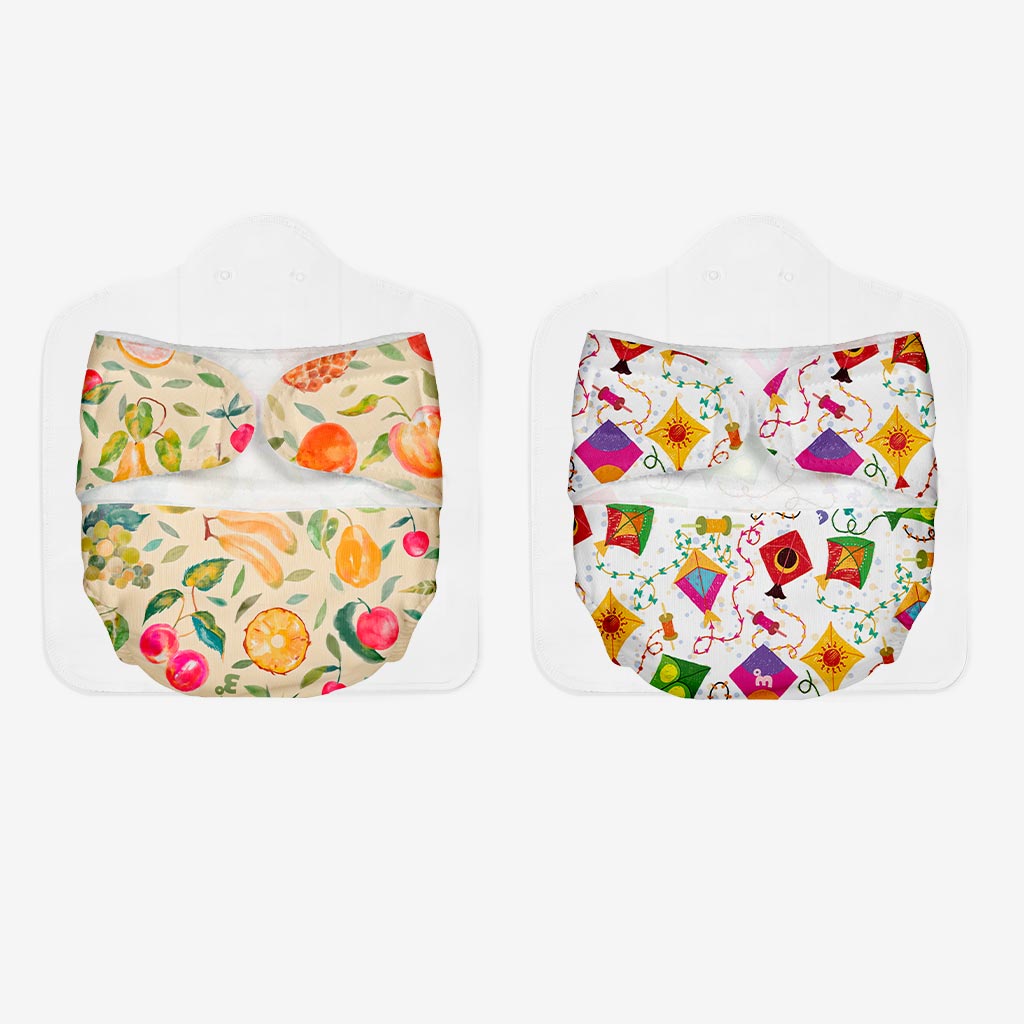
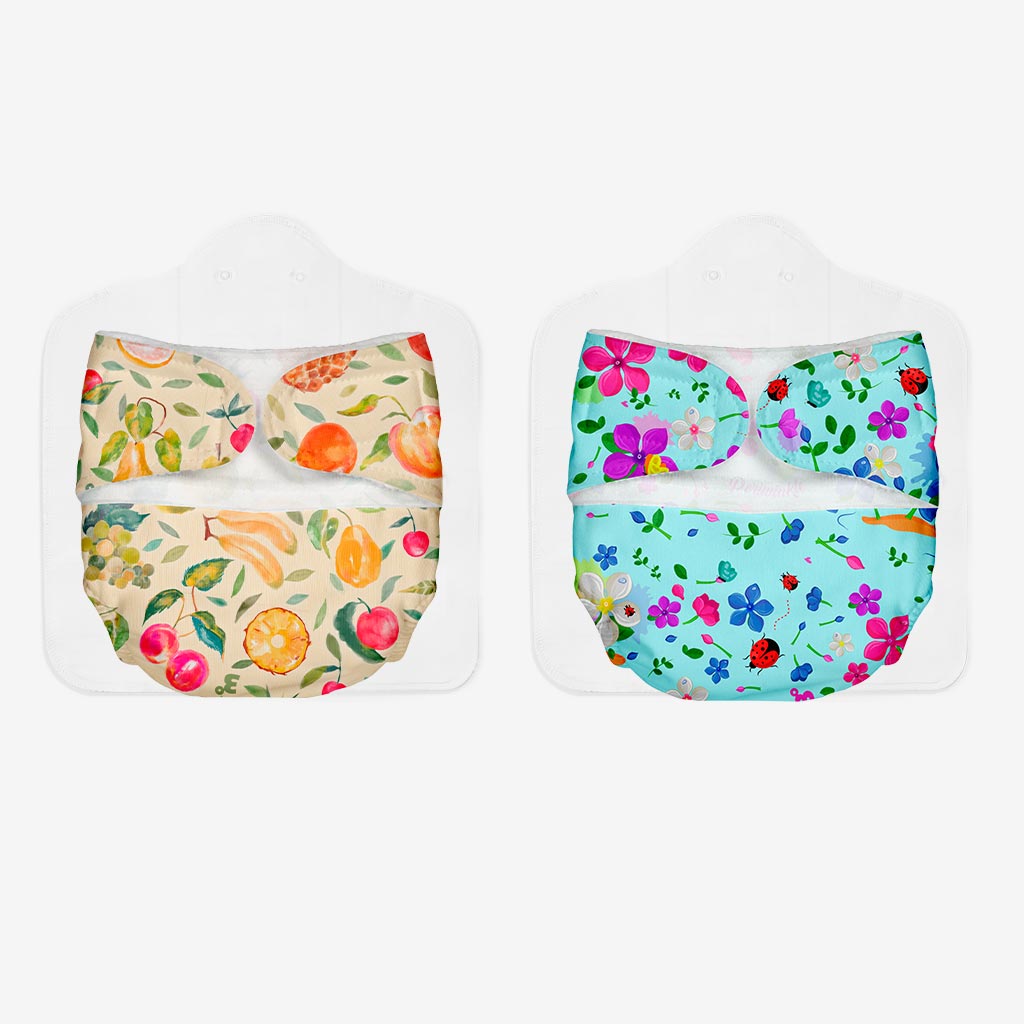
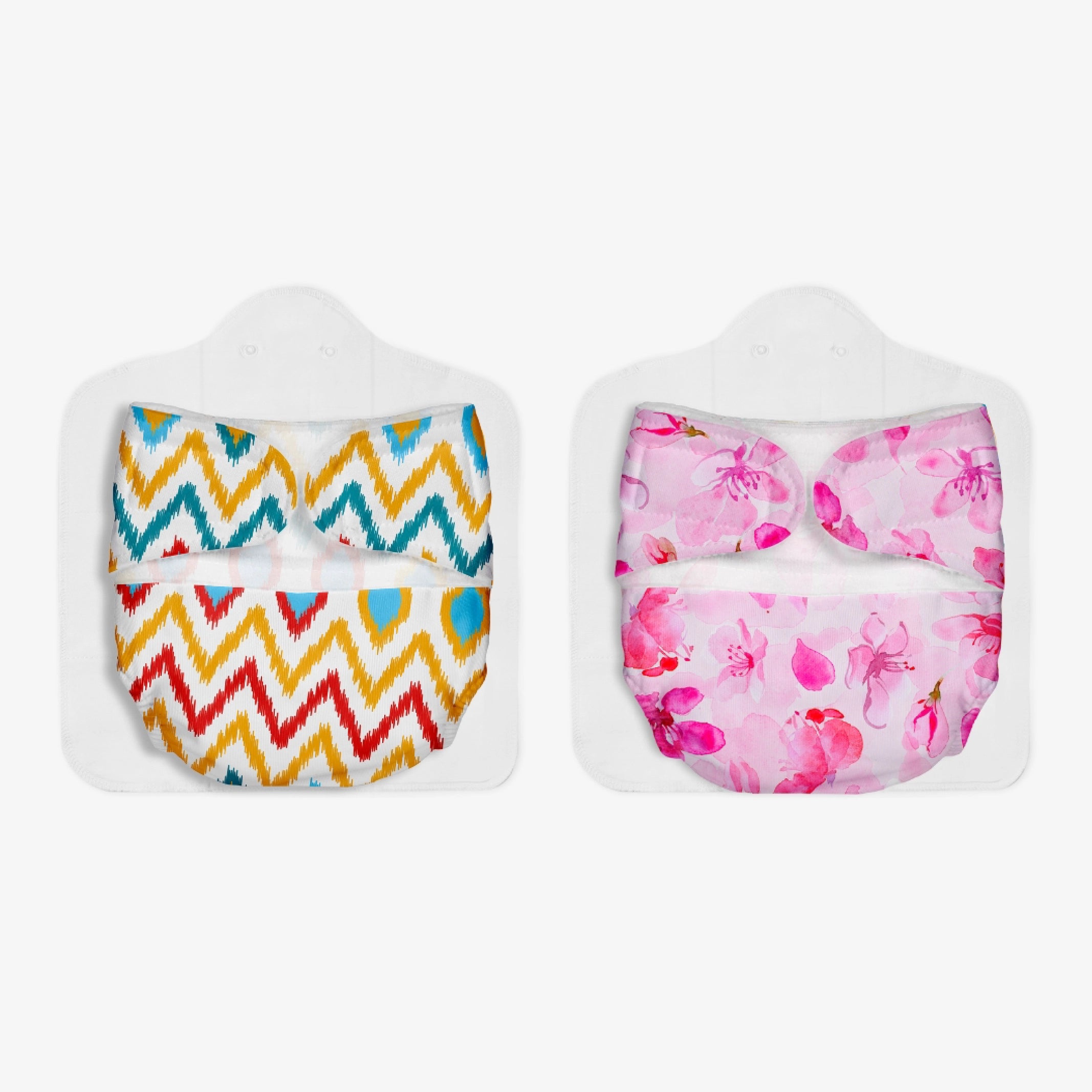
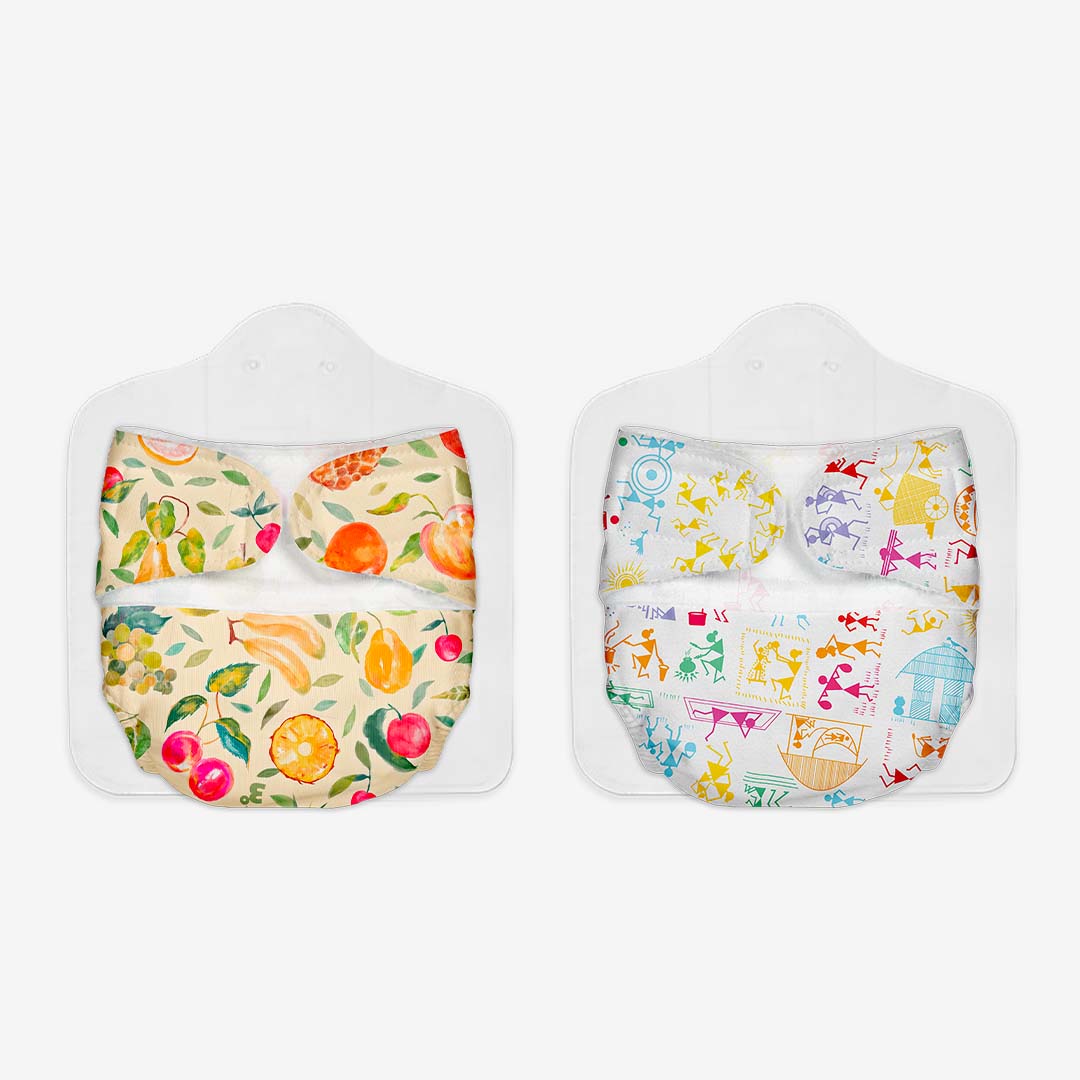
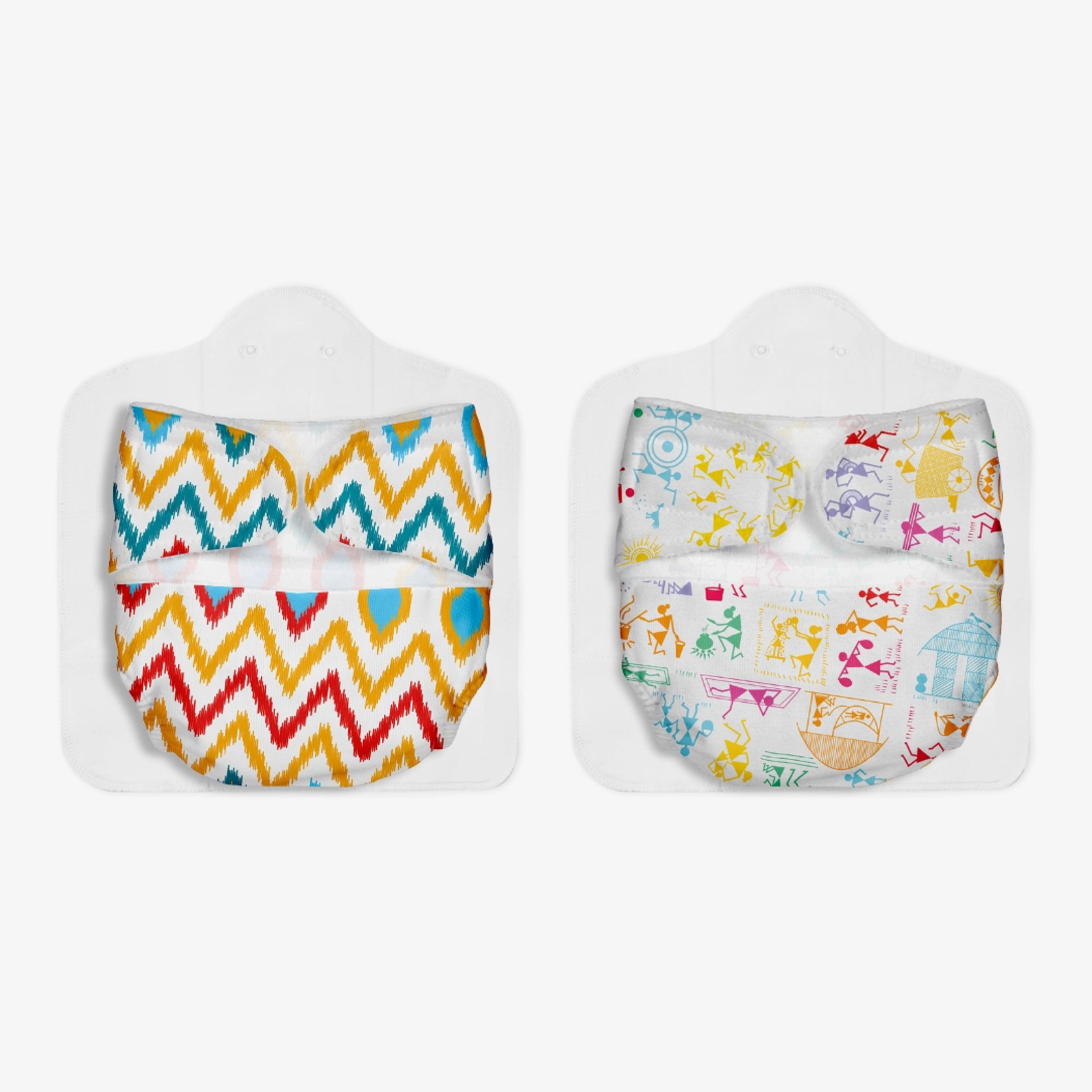
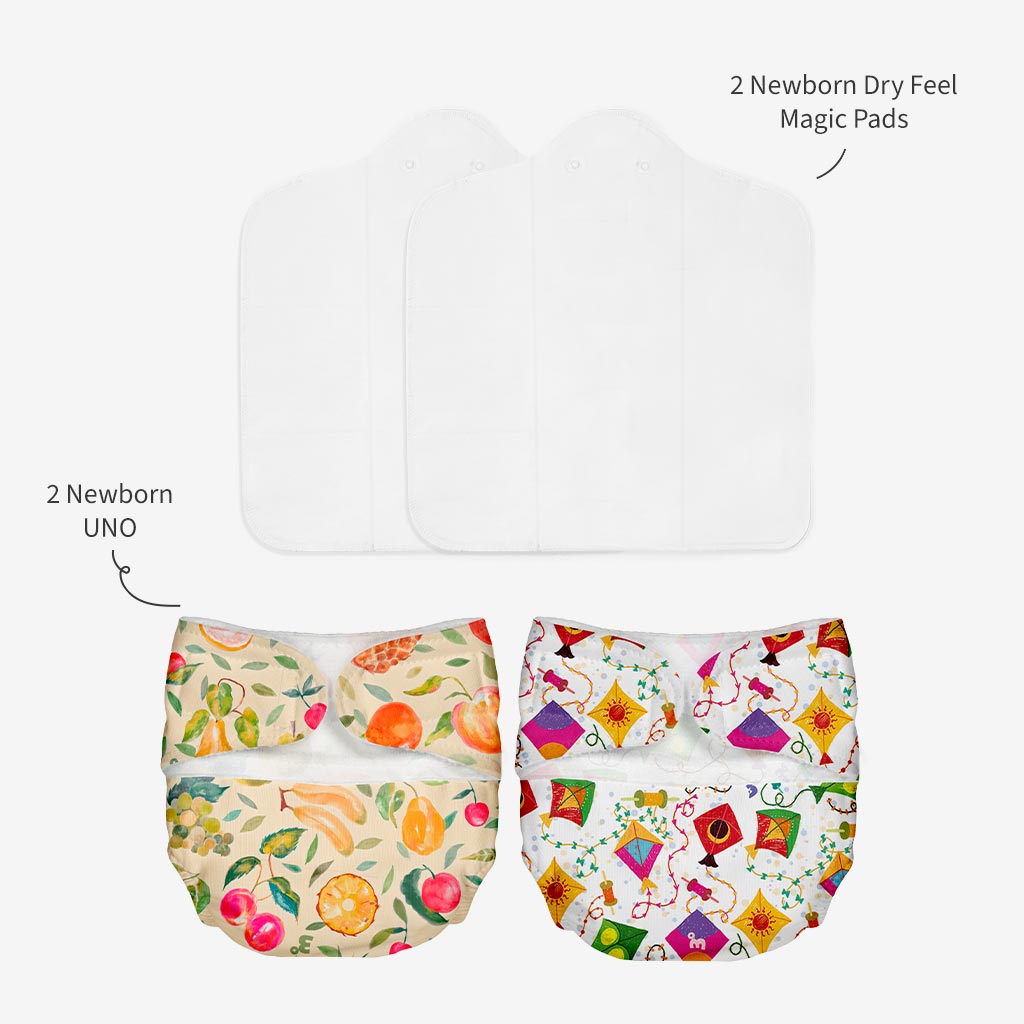
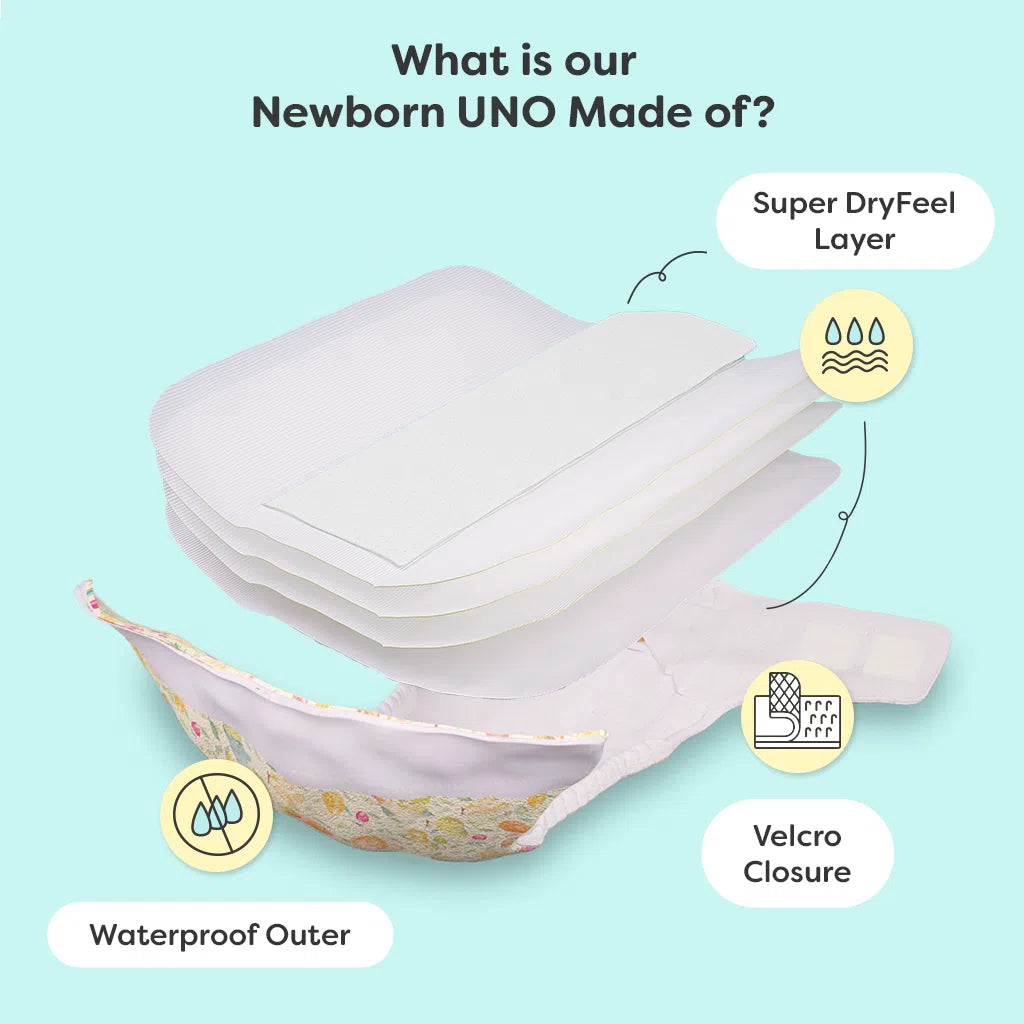
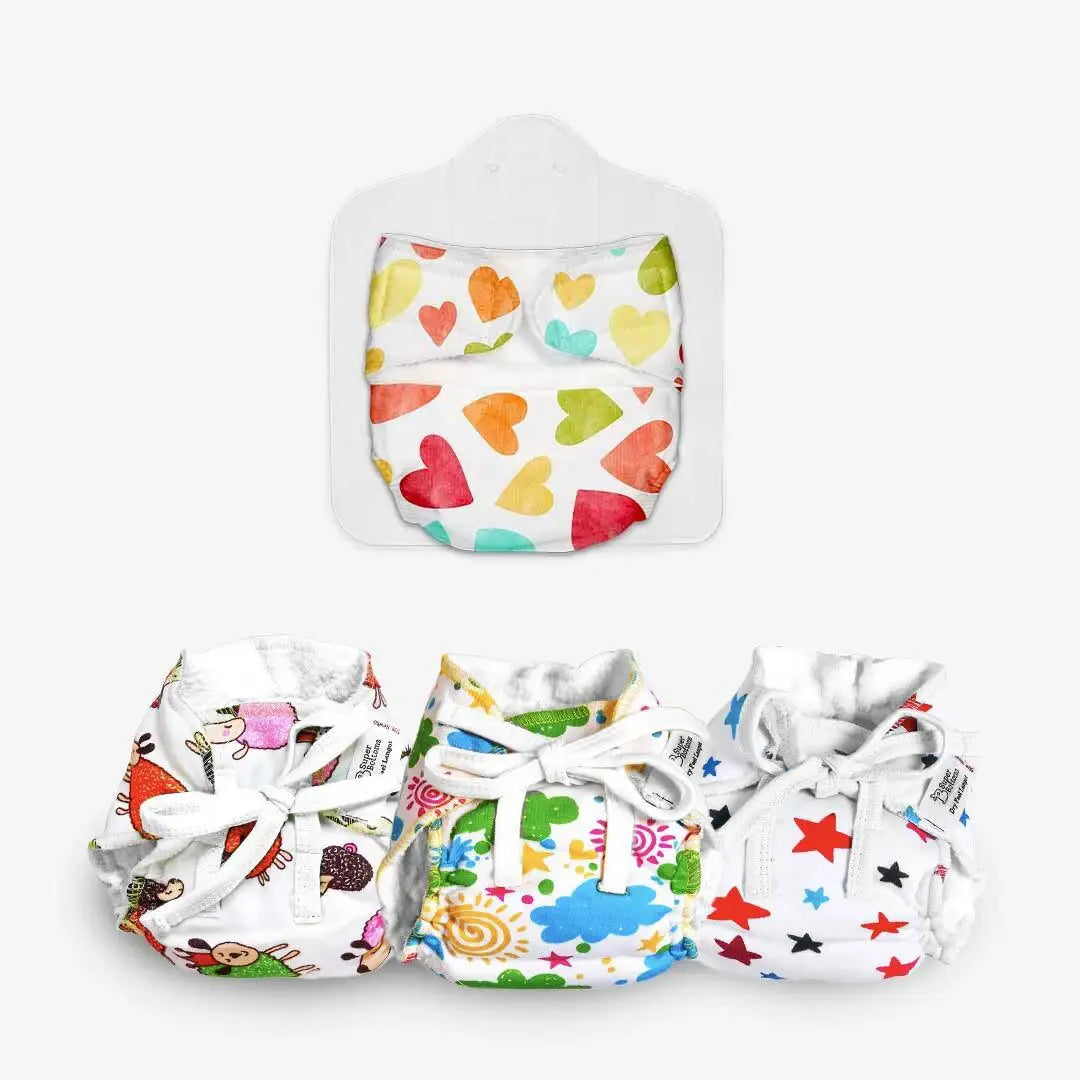
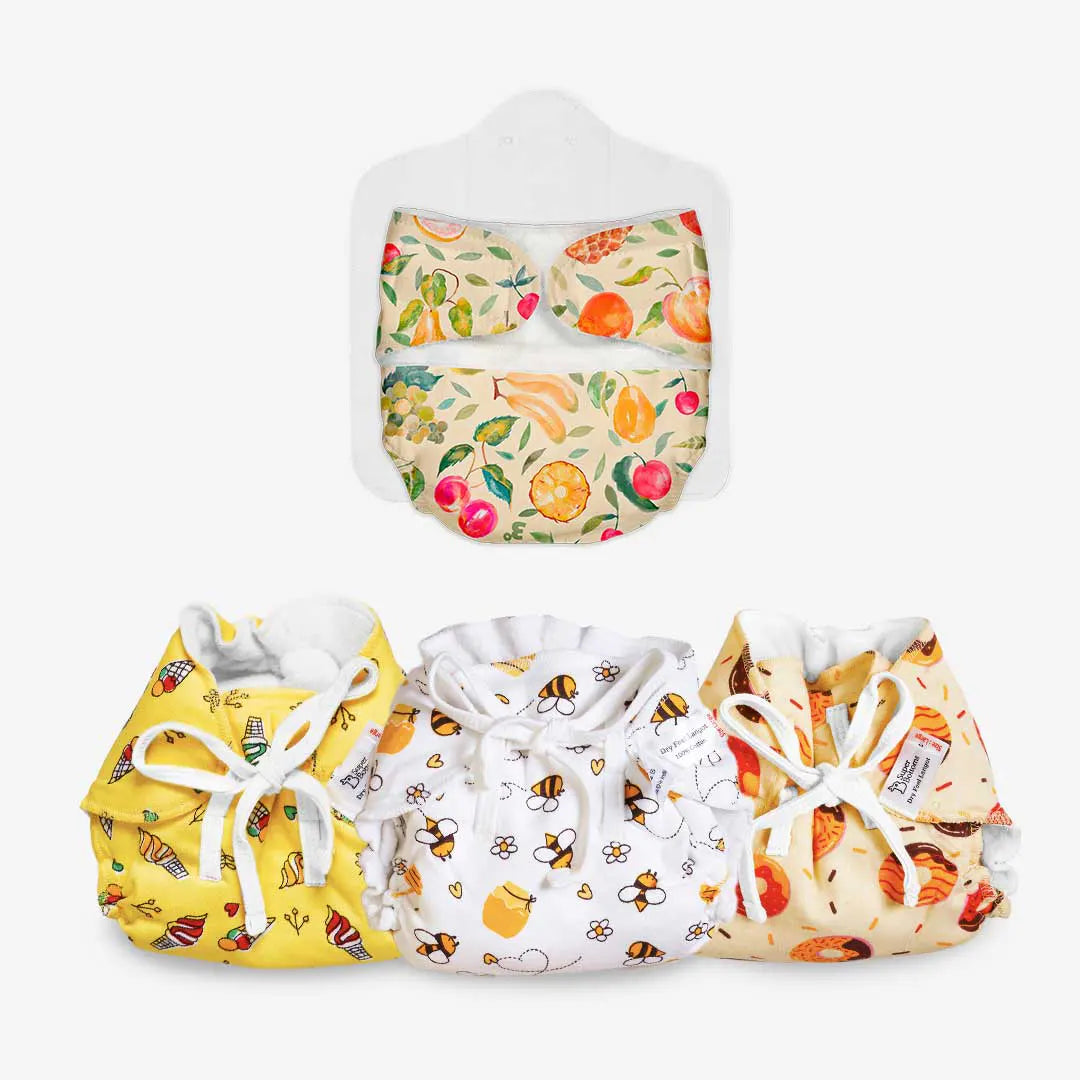
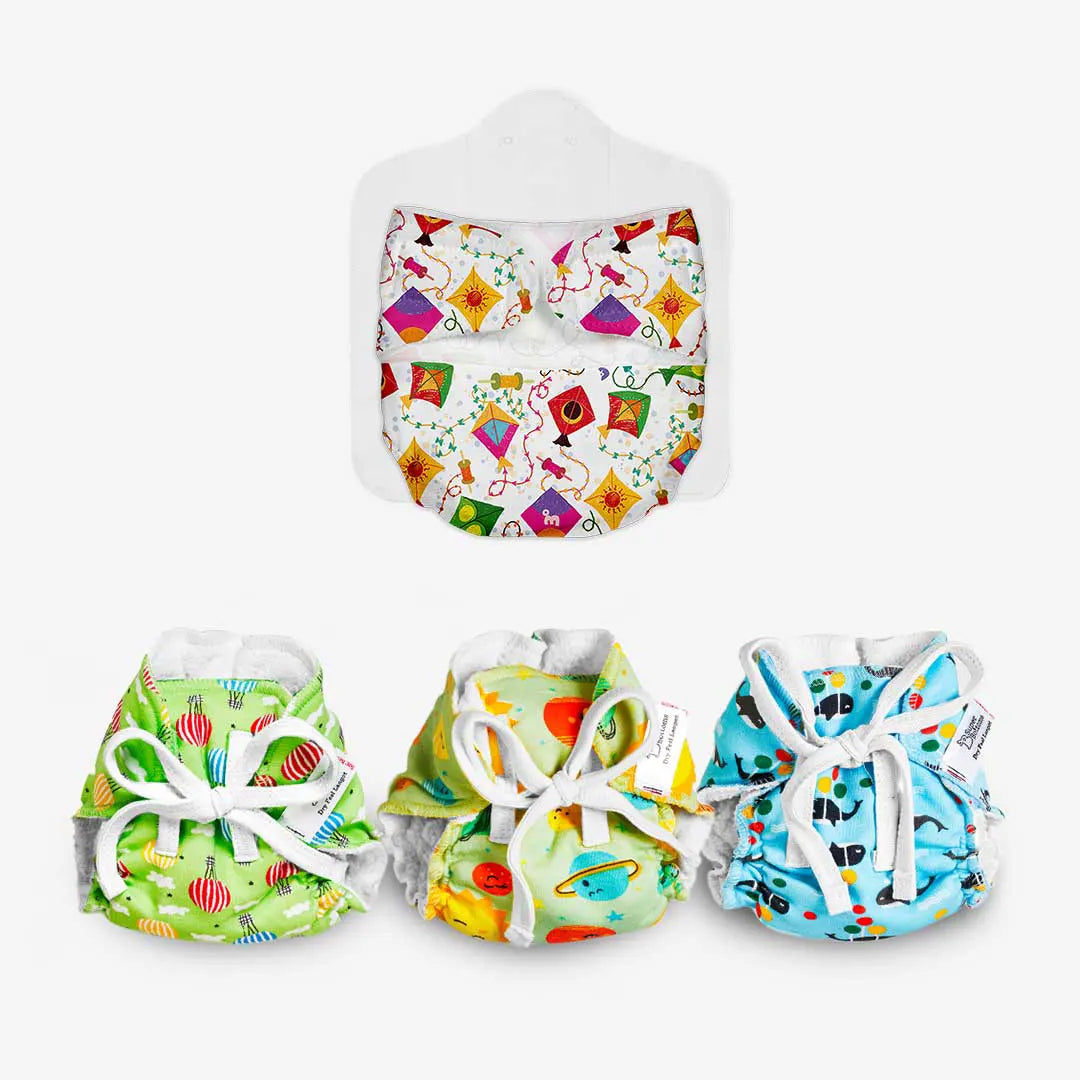
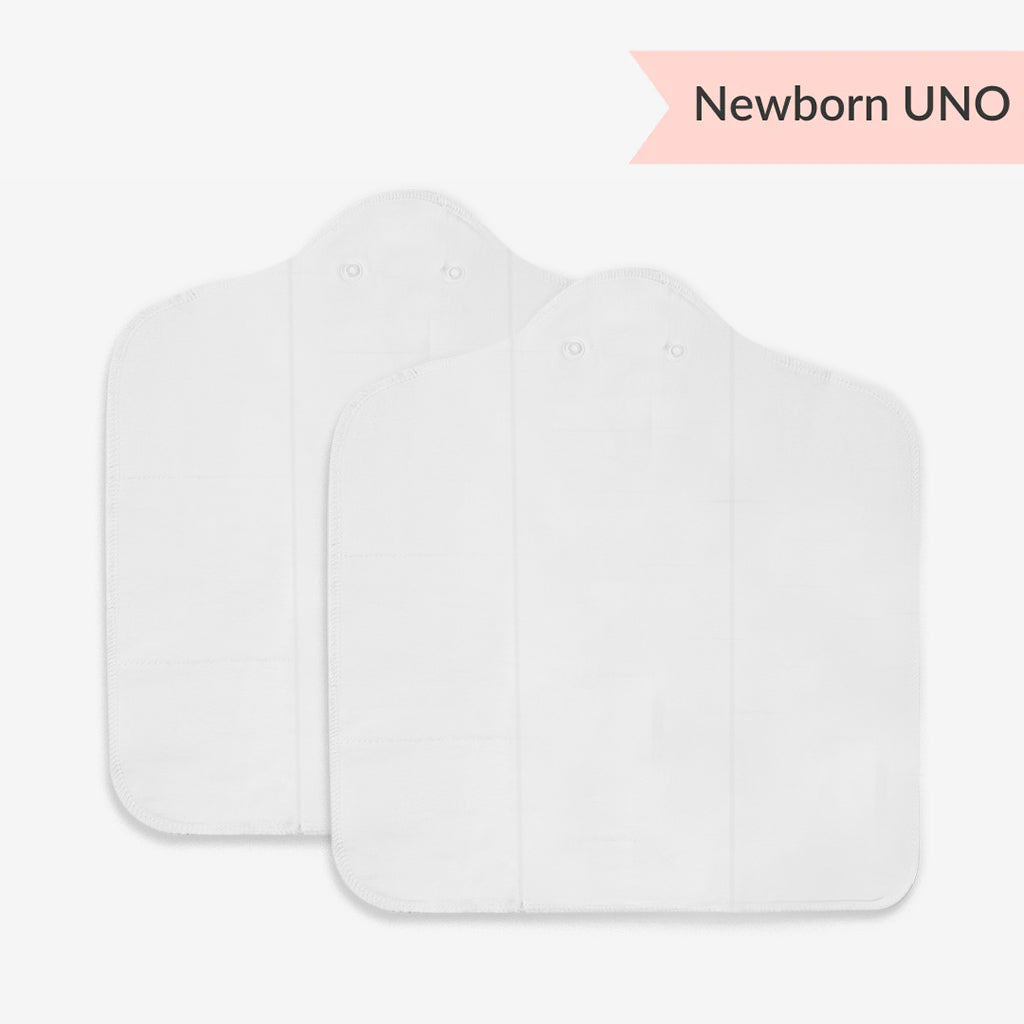
Feeding time often leads to diaper changes too. SuperBottoms Newborn UNO Cloth Diapers offer a soft, gentle fit with reliable absorbency and leak protection, helping keep your newborn comfortable before and after every feed.
👉 Shop SuperBottoms Newborn UNO Cloth Diapers

How Can You Reduce Newborn Baby Hiccups During Breastfeeding?
Most hiccups stop on their own, but these simple feeding habits may help reduce how often they occur.
Feed Before Your Baby Becomes Very Hungry
A very hungry baby may feed quickly and swallow more air. Offering feeds when your baby shows early hunger cues can encourage calmer feeding.
Check the Latch
A deep, comfortable latch helps your baby feed efficiently and may reduce swallowed air during breastfeeding.
Burp During and After Feeds
Pause midway through a feed and burp your baby, especially if they seem fussy or gulp milk quickly. Burping can help release trapped air before it causes discomfort.
Keep Your Baby Upright
Holding your baby upright for 10–15 minutes after feeding may help digestion and reduce spit-up.
Stay Calm
Hiccups usually disappear within a few minutes. Avoid giving water or trying home remedies that are not recommended for newborns.
A Parent's Experience
"My newborn hiccupped almost after every evening feed, and I was worried at first. Our paediatrician explained it was normal. Slowing down feeds, improving the latch, and burping halfway through made feeding time much more relaxed." - Sneha P., Bengaluru
When Should You See a Doctor?
Although newborn baby hiccups during breastfeeding are usually harmless, speak with your paediatrician if:
- Hiccups seem painful or make feeding difficult.
- Your baby vomits frequently after feeds.
- Your baby isn't gaining weight as expected.
- Hiccups are accompanied by persistent coughing or breathing difficulties.
- You have concerns about reflux or feeding problems.
What to Look For
Focus on your baby's overall feeding, comfort, and growth rather than the hiccups themselves. A baby who feeds well, gains weight, and settles comfortably usually doesn't need treatment for occasional hiccups.
Expert Insight
"Hiccups are a normal reflex in newborns and rarely indicate a medical problem. Parents should concentrate on good feeding techniques, effective burping, and recognising hunger cues instead of trying to stop every episode." - Dr Neha Sharma, MD (Paediatrics)
Newborn baby hiccups during breastfeeding are a common part of early development and usually settle without treatment. Swallowed air, a fast feed, or a full tummy are the most common reasons they occur.
A good latch, gentle burping, and keeping your baby upright after feeding can help reduce hiccups while making feeding more comfortable. If hiccups are frequent, painful, or affect feeding and growth, consult your paediatrician.
A calm feeding routine often includes comfortable diaper changes too. Choosing soft, absorbent newborn essentials can help make every feed more comfortable for your baby.
SuperBottoms Newborn UNO Cloth Diapers are designed with a gentle fit, excellent absorbency, and leak protection to support your newborn throughout their feeding and diapering routine.
Find the right fit → Shop the SuperBottoms Newborn UNO Cloth Diapers Collection
|
Limited Time Offers + Special Gift Sets! Now or never Super SALE is live on the SuperBottoms website! Take advantage of unbeatable value deals on our UNO Cloth Diapers, Baby Essentials, and more. Looking for the perfect present for a newborn or a toddler? Explore our thoughtfully curated Gift Sets & Combos - safe, skin-friendly, and oh-so-cute! A bundle of love for little ones and a delight for parents. HURRY - Deals and Gift Packs are live only till stocks last. Don’t miss the chance to stock up and share the joy! |
Key Takeaways
- Newborn baby hiccups during breastfeeding are usually normal and harmless.
- Good latching, regular burping, and calm feeding habits may reduce hiccups.
- Seek medical advice if hiccups interfere with feeding, growth, or your baby's comfort.
Frequently Asked Questions (FAQs)
1. Are newborn baby hiccups during breastfeeding normal?
Yes. Hiccups are very common in newborns and are usually a normal part of development.
2. Why does my baby hiccup after every feed?
Babies may swallow air, feed quickly, or have a full stomach, all of which can trigger hiccups after feeding.
3. Should I stop breastfeeding if my baby gets hiccups?
No. If your baby is feeding comfortably, you can continue breastfeeding. Burping during and after feeds may help.
4. How long do newborn hiccups usually last?
Most episodes last only a few minutes and stop on their own without treatment.
5. Can burping prevent hiccups?
Burping helps release swallowed air and may reduce hiccups in some babies, although it cannot prevent every episode.
6. When should I worry about newborn hiccups?
Speak with your paediatrician if hiccups are accompanied by poor feeding, frequent vomiting, breathing difficulty, or poor weight gain.
Message from SuperBottoms
Hi there, new parents! SuperBottoms brings you doctor-recommended cloth diapers - the best rash-free diapering solution for your baby’s sensitive and delicate skin. Unlike disposable diapers loaded with chemicals, our newborn cloth diapers, when used and washed properly, can help eliminate the risk of diaper rashes. SuperBottoms offers a wide range of safe, skin-friendly essentials for the whole family - including Reusable Cloth Diapers, Diaper Pants, DryFeel langots for diaper-free time, Padded Underwear for potty training, SuperSoft Underwear for everyday comfort, Joggers for playful days, and Period Underwear for women. Not just for everyday use, SuperBottoms products also make the best gifting choice for babies - thoughtful, eco-friendly, practical, and loved by parents. Now available on Amazon, Myntra, Flipkart, FirstCry, Zepto, Swiggy and Blinkit.