





In this article, you'll learn:
- Why newborns need burping
- Safe burping techniques
- Best burping positions
- When to burp your baby
- Common burping mistakes
Burping helps release swallowed air that can make newborns uncomfortable during or after feeding. This guide explains how to burp a newborn, the safest burping positions, when to burp your baby, and what to do if your newborn doesn't burp.
Table of Contents
- Why do newborns need burping?
- How to burp a newborn
- When should you burp your baby?
- Which burping position works best?
- What if your newborn doesn't burp?
- Common burping mistakes
- FAQs
Feeding your newborn is one of the most special moments of early parenthood, but it can also come with challenges like gas, spit-up, and fussiness. Learning how to burp a newborn helps release swallowed air, making your baby more comfortable after feeds.
Not every baby burps the same way, and some may need more support than others. In this guide, you'll learn simple burping techniques, when to burp your baby, and how to make feeding more comfortable for both you and your little one.
Why Do Newborns Need Burping?
Newborns often swallow small amounts of air while feeding, whether they're breastfed or bottle-fed. This trapped air can cause discomfort, making babies fussy, gassy, or more likely to spit up.
Burping helps release this trapped air and may:
- Improve feeding comfort
- Reduce fussiness after feeds
- Ease gas caused by swallowed air
- Help babies settle more easily
Some babies naturally swallow less air and may not need to burp after every feed. Watch your baby's cues rather than following a strict routine.
Expert Answer
Burping helps release swallowed air but isn't necessary after every feed for every baby. If your newborn appears comfortable, feeds well, and settles easily, they may not always need to burp. Gentle handling and recognising your baby's cues are more important than forcing a burp.
How to Burp a Newborn
There isn't one "correct" method. The best burping position is the one that keeps your baby supported while allowing trapped air to escape comfortably.
1. Over the Shoulder
Hold your baby upright with their chin resting gently on your shoulder. Support their head and neck while patting or rubbing their back with gentle, upward motions.
This is one of the most common and comfortable burping positions.
2. Sitting on Your Lap
Sit your baby upright on your lap, supporting their chin and chest with one hand while gently patting their back with the other.
This position works well for babies who prefer sitting upright after feeds.
3. Lying Across Your Lap
Place your baby tummy-down across your lap with their head slightly higher than their chest. Gently rub or pat their back while keeping their head and neck supported.
Some babies find this position especially helpful when trapped air is lower in the stomach.
When Should You Burp Your Baby?
Most babies benefit from burping:
- During feeding if they seem uncomfortable
- After each feeding
- After switching breasts while breastfeeding
- Every 60–90 ml during bottle feeds
If your baby falls asleep comfortably after feeding without burping, there's usually no need to wake them just to burp. Every baby is different.
Which Burping Position Works Best?
Each baby responds differently, so don't hesitate to try another position if one doesn't work.
|
Burping Position |
Best For |
Things to Remember |
|---|---|---|
|
Over the shoulder |
Everyday burping |
Keep a burp cloth handy for spit-up |
|
Sitting on your lap |
Babies who like upright support |
Support the chin, not the throat |
|
Across your lap |
Babies with trapped gas |
Keep the head slightly elevated |
Choose the position that keeps your baby calm and well supported rather than trying to force a burp.
What Parents Should Know
Gentle pats and slow back rubs work better than firm tapping. Burping should never be forceful or uncomfortable. If your baby seems distressed or vomits repeatedly after feeds, consult your paediatrician.
💡 SuperBottoms Pick
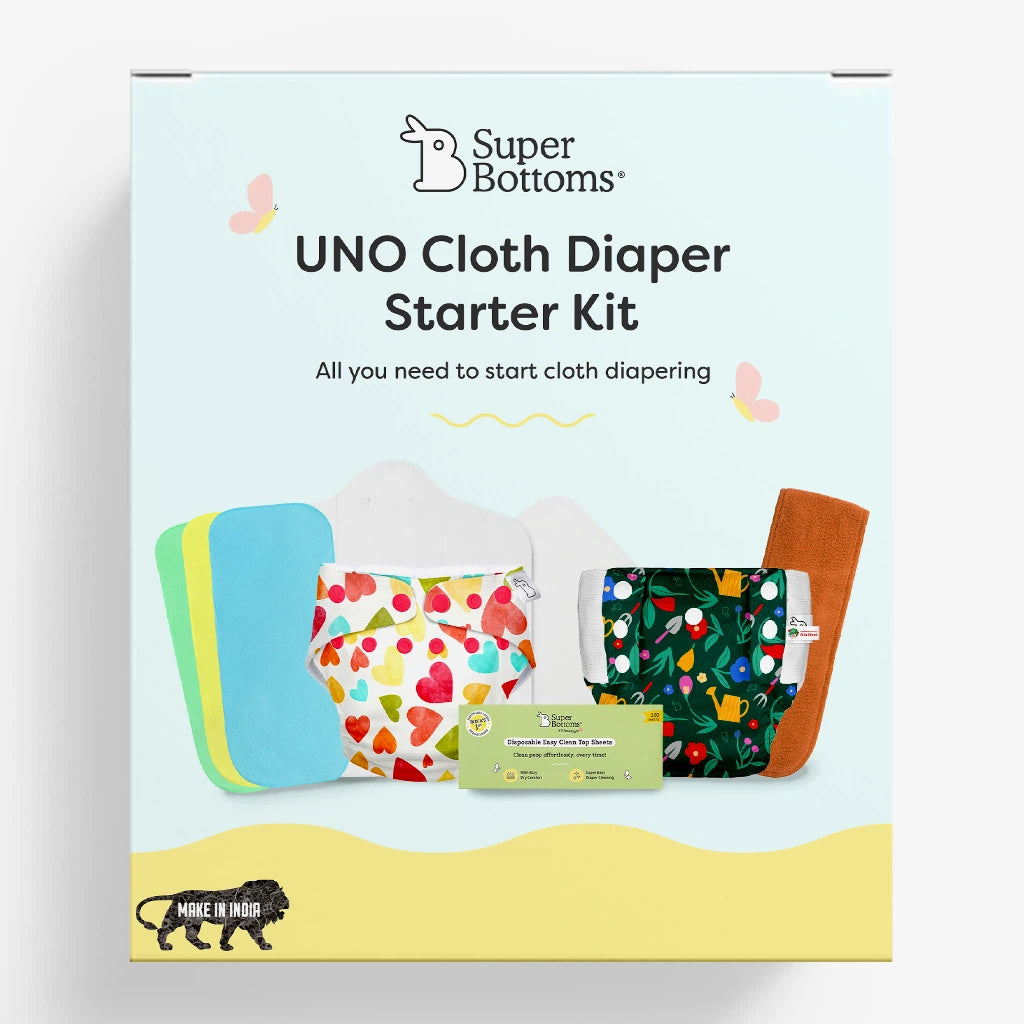
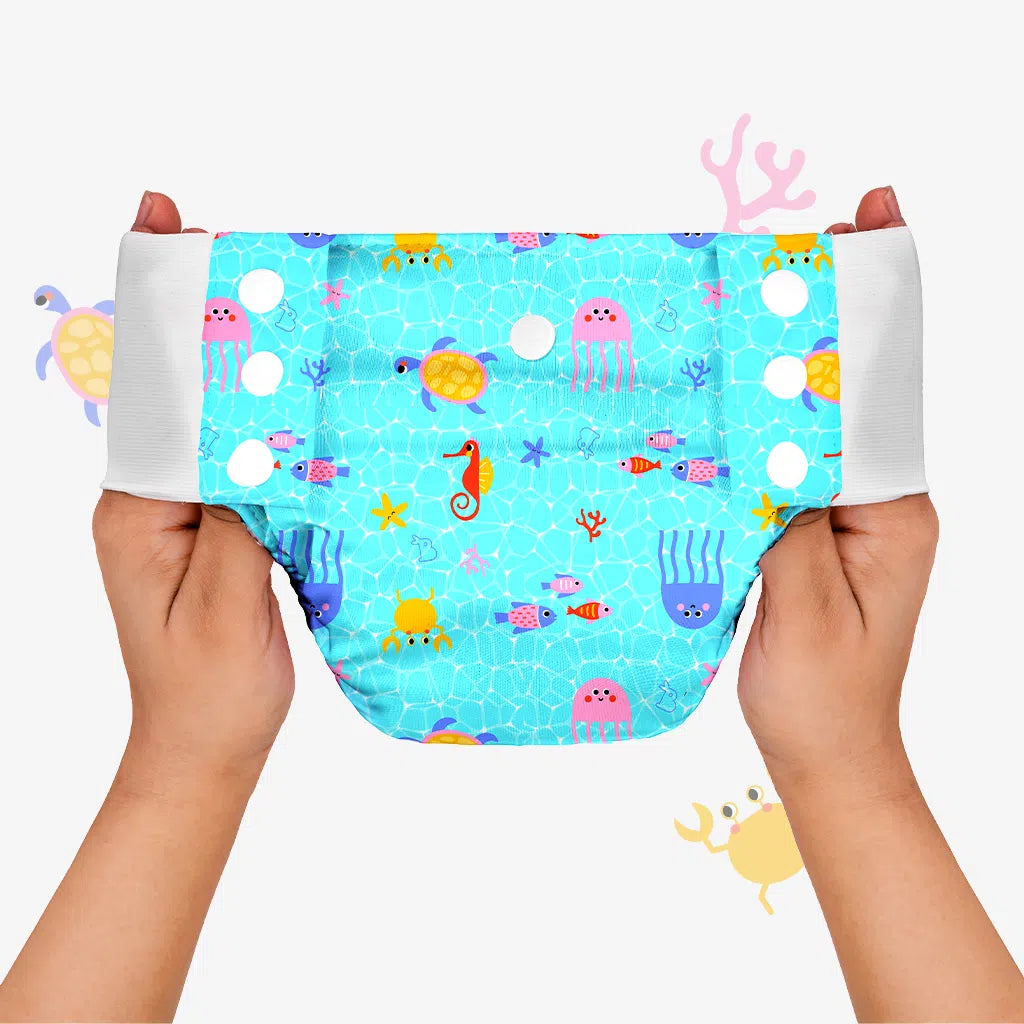
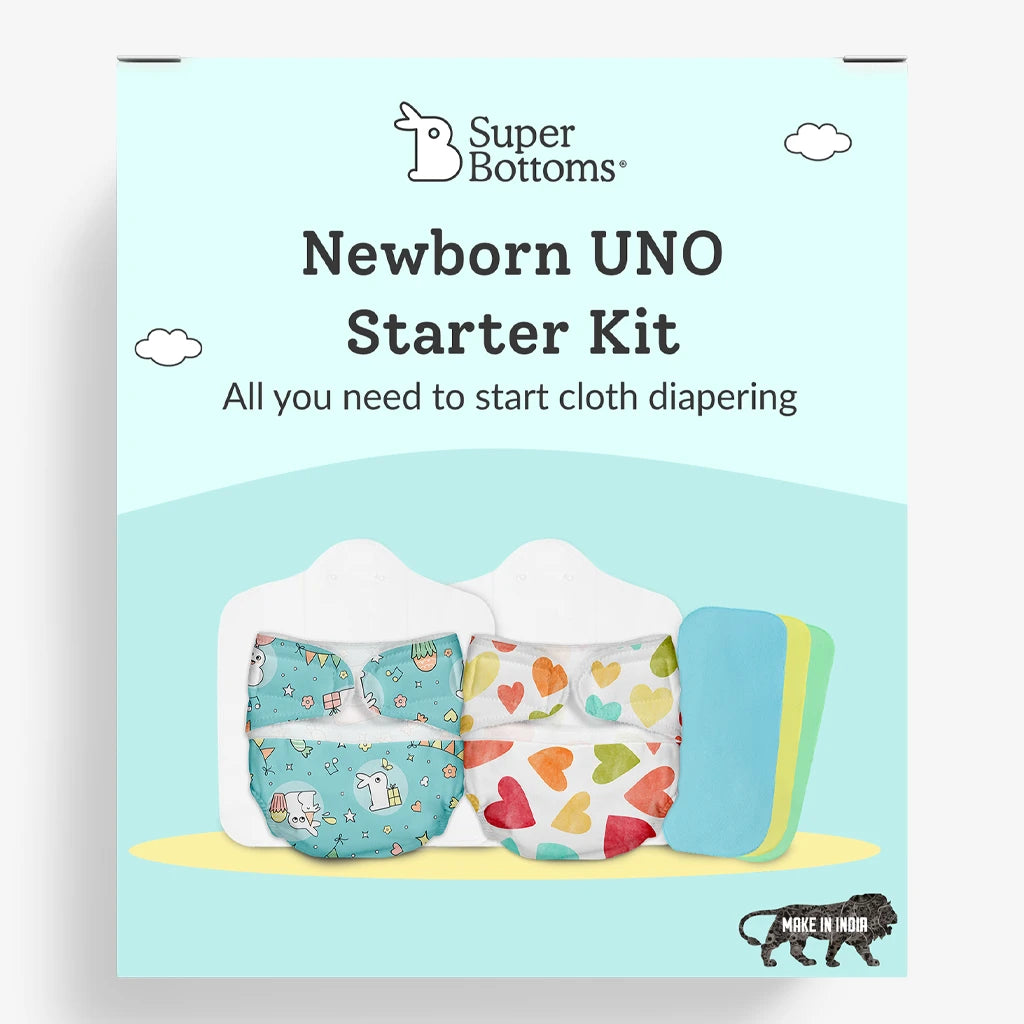
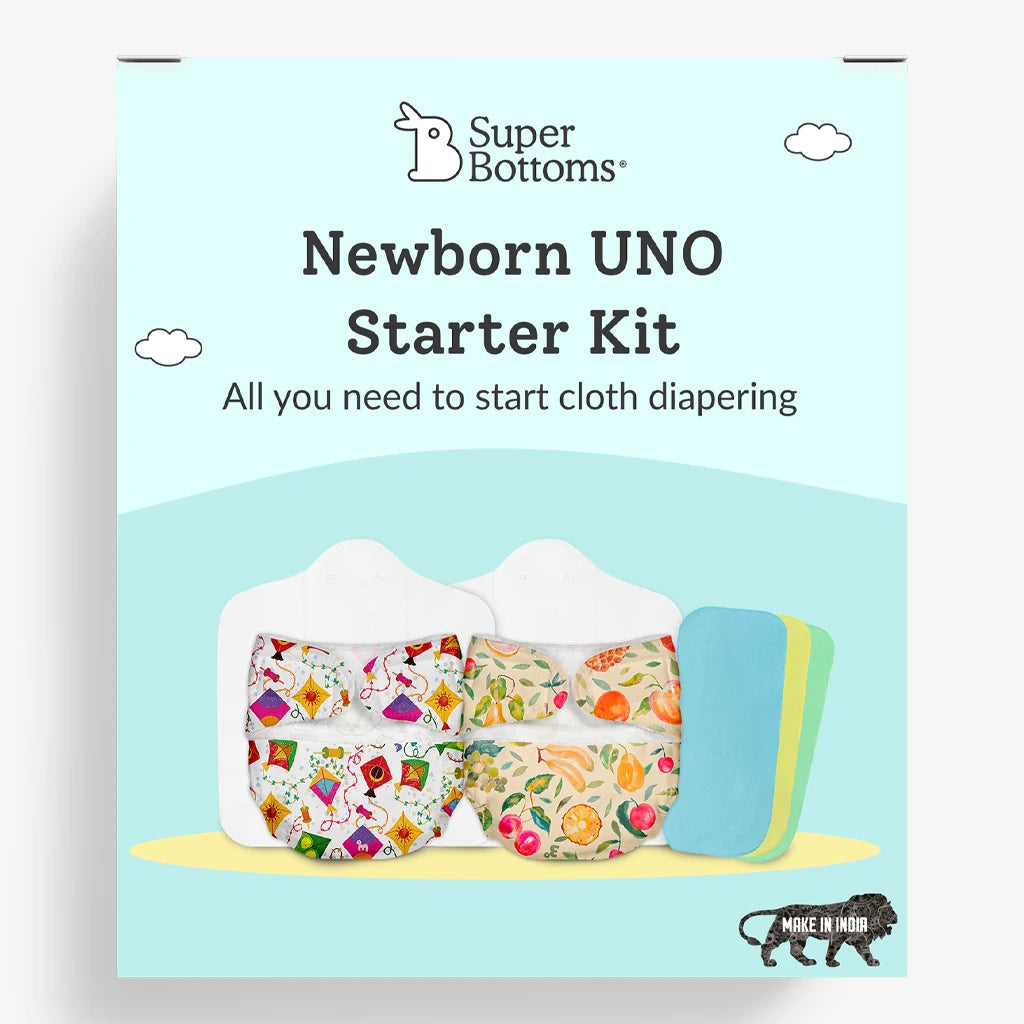
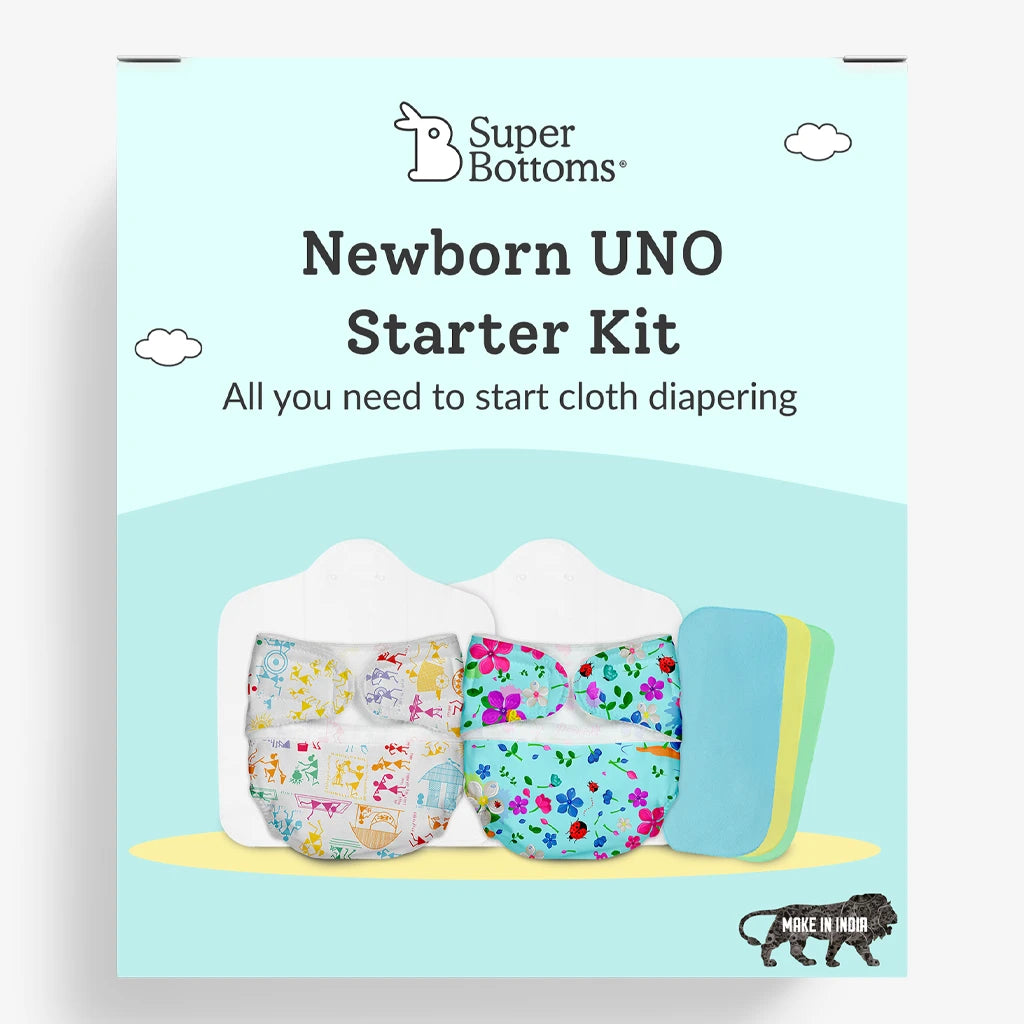
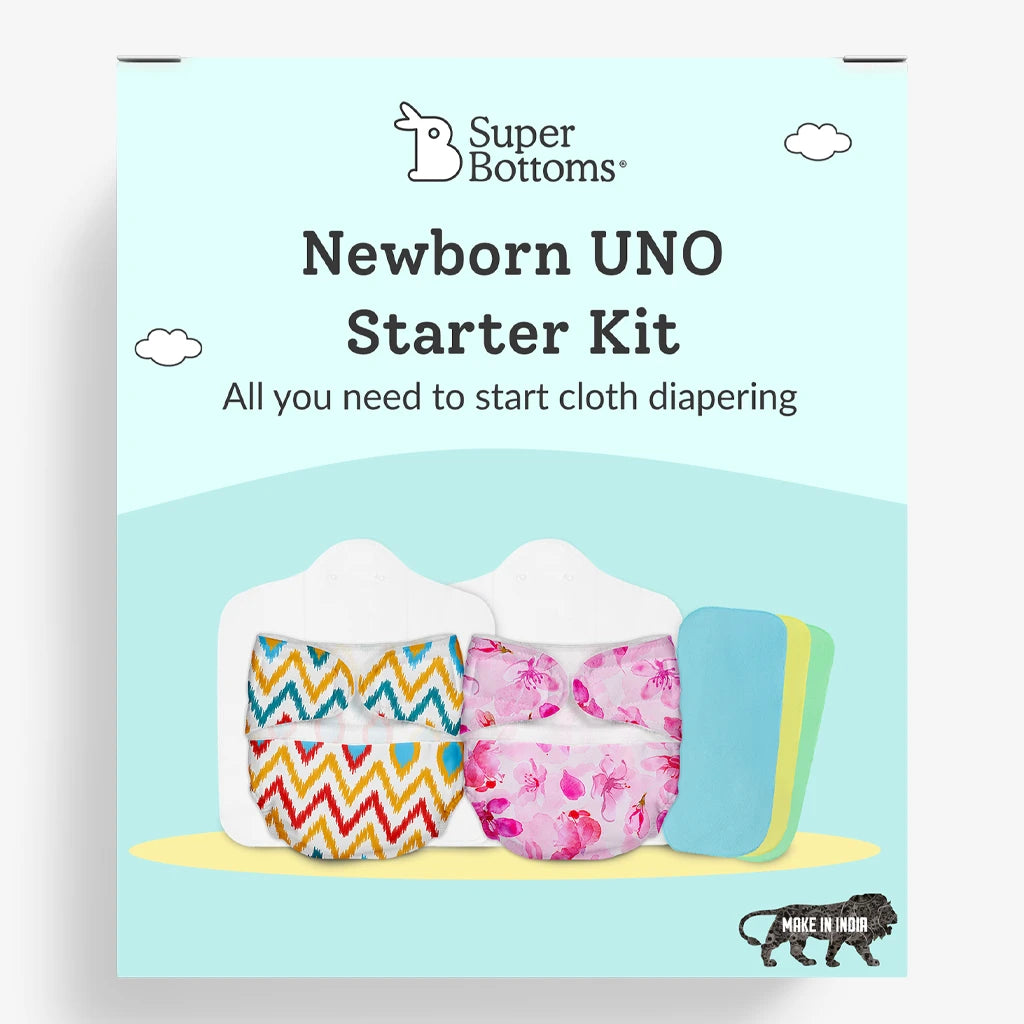
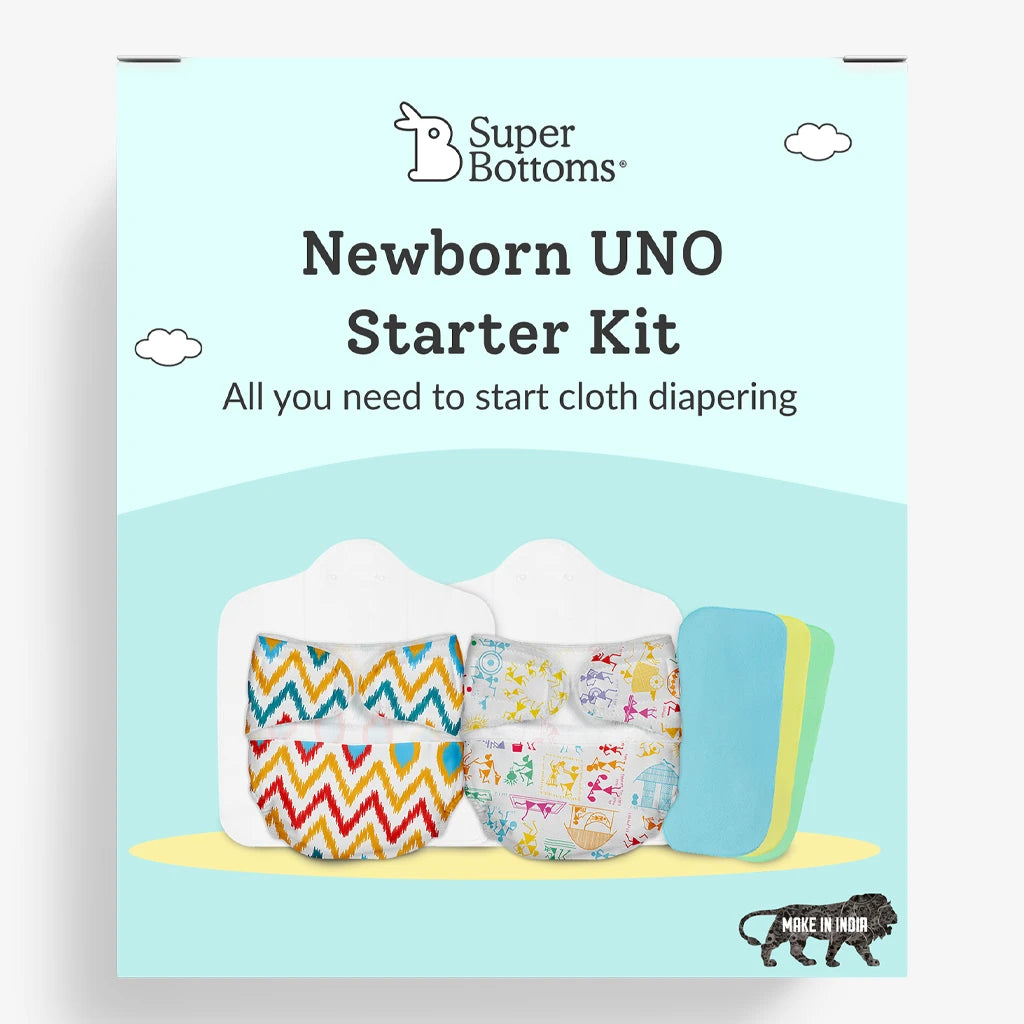
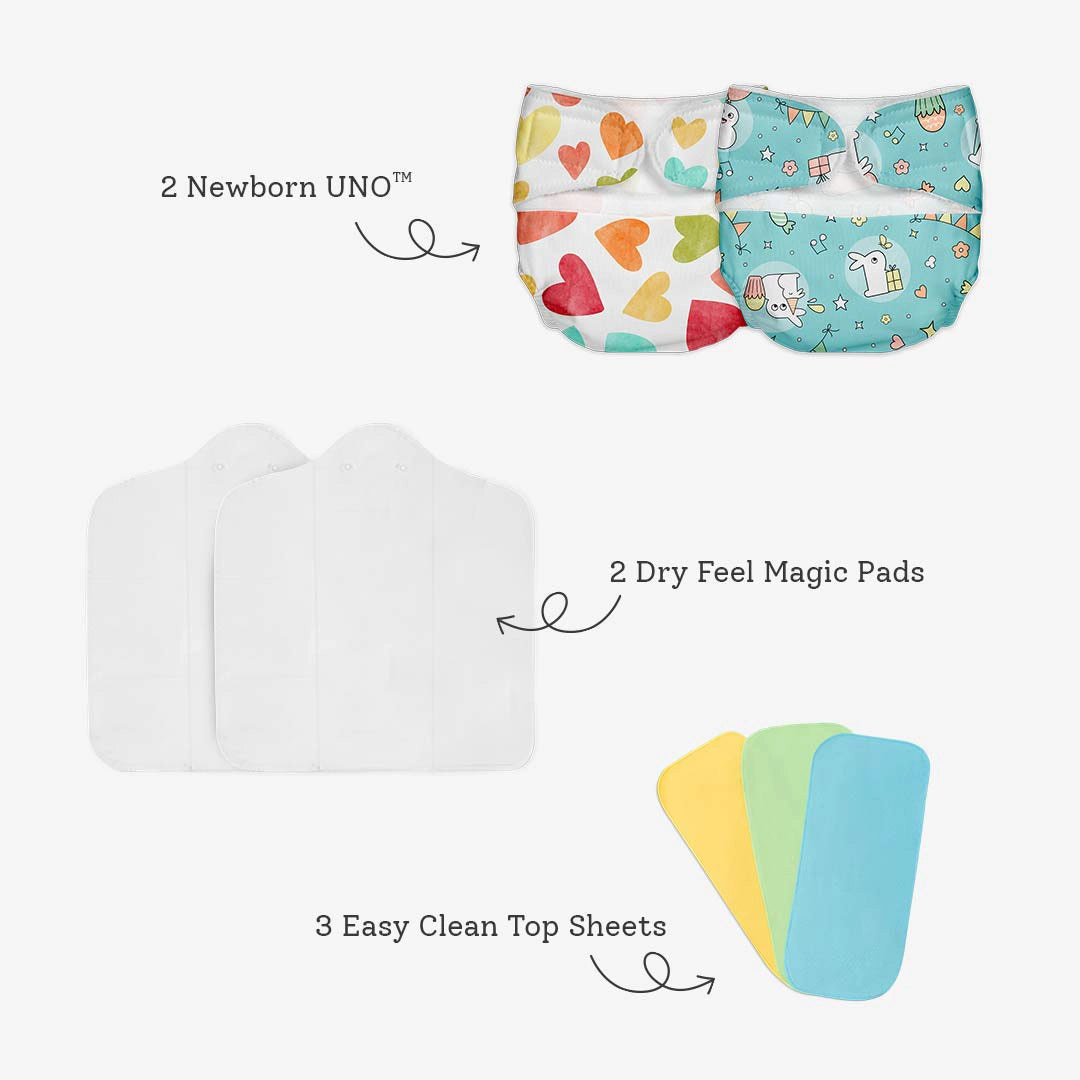
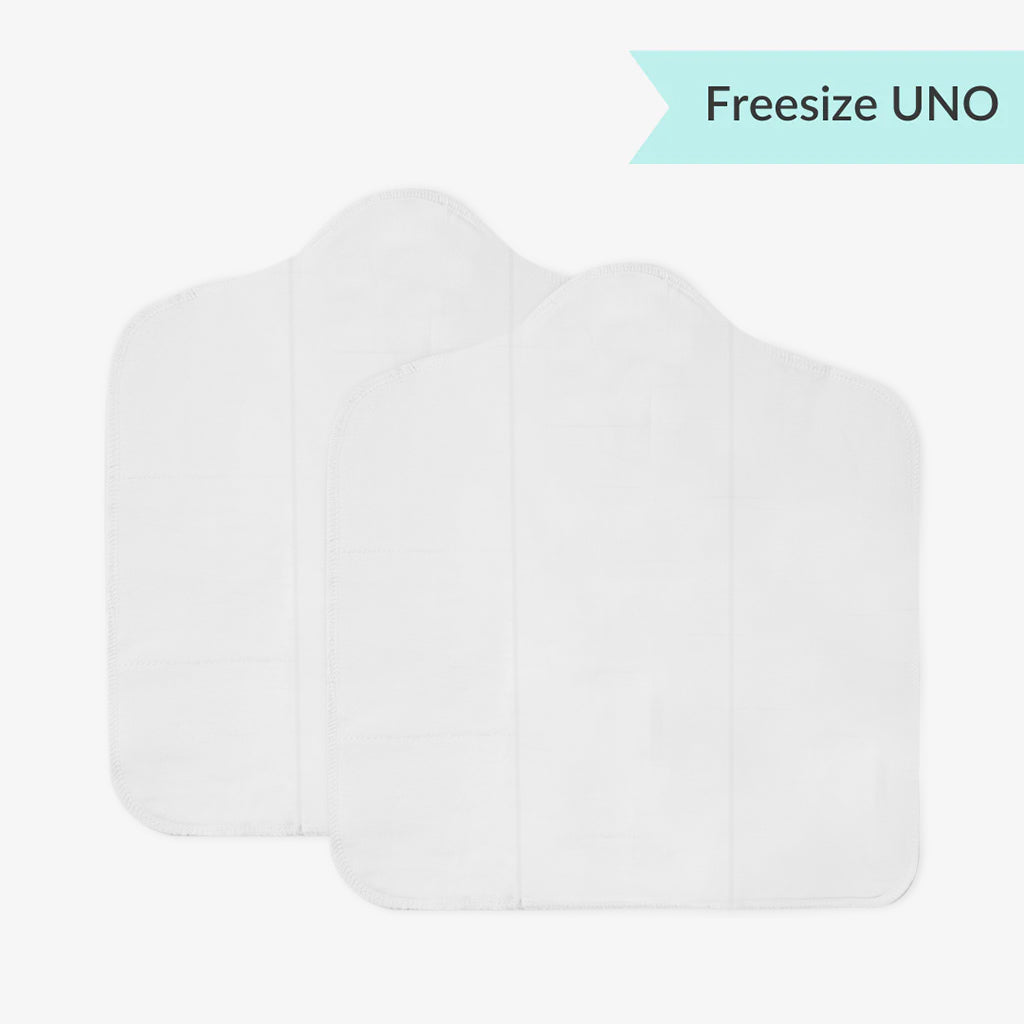
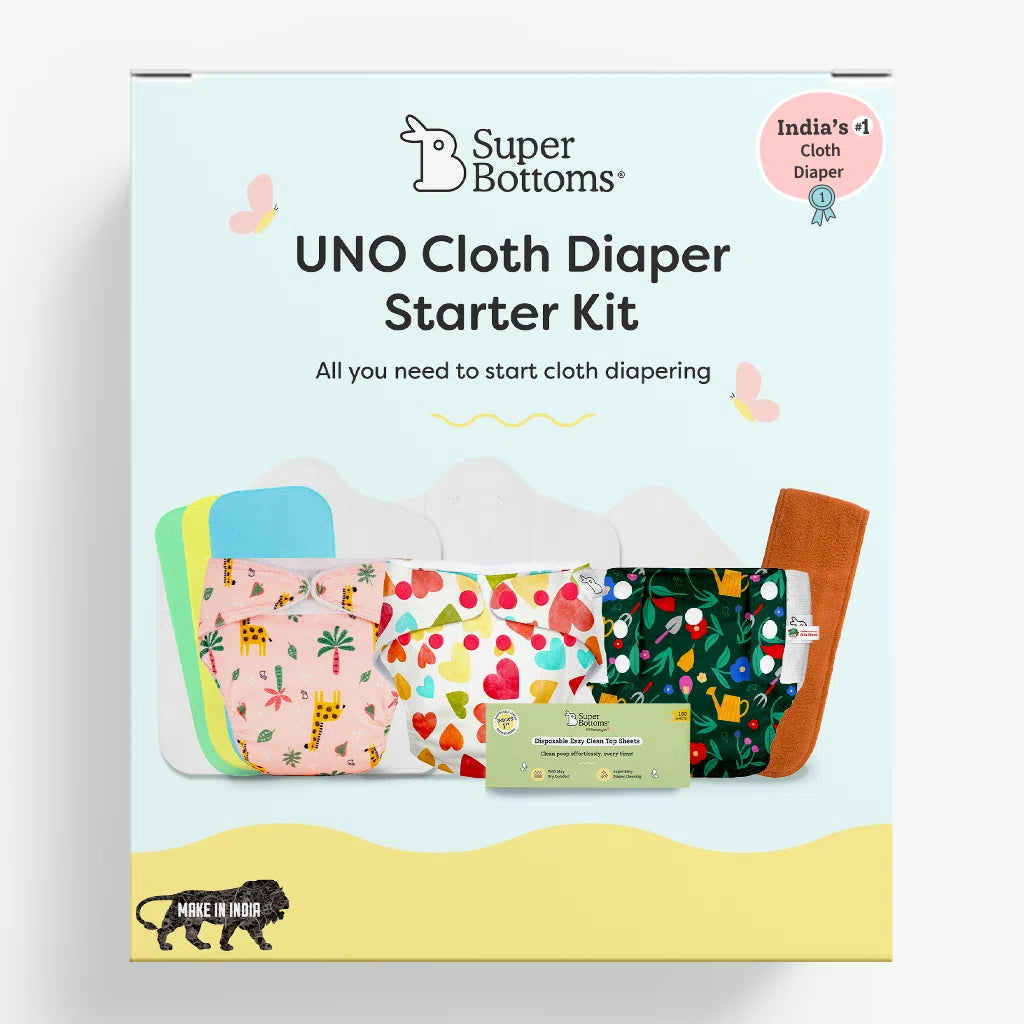
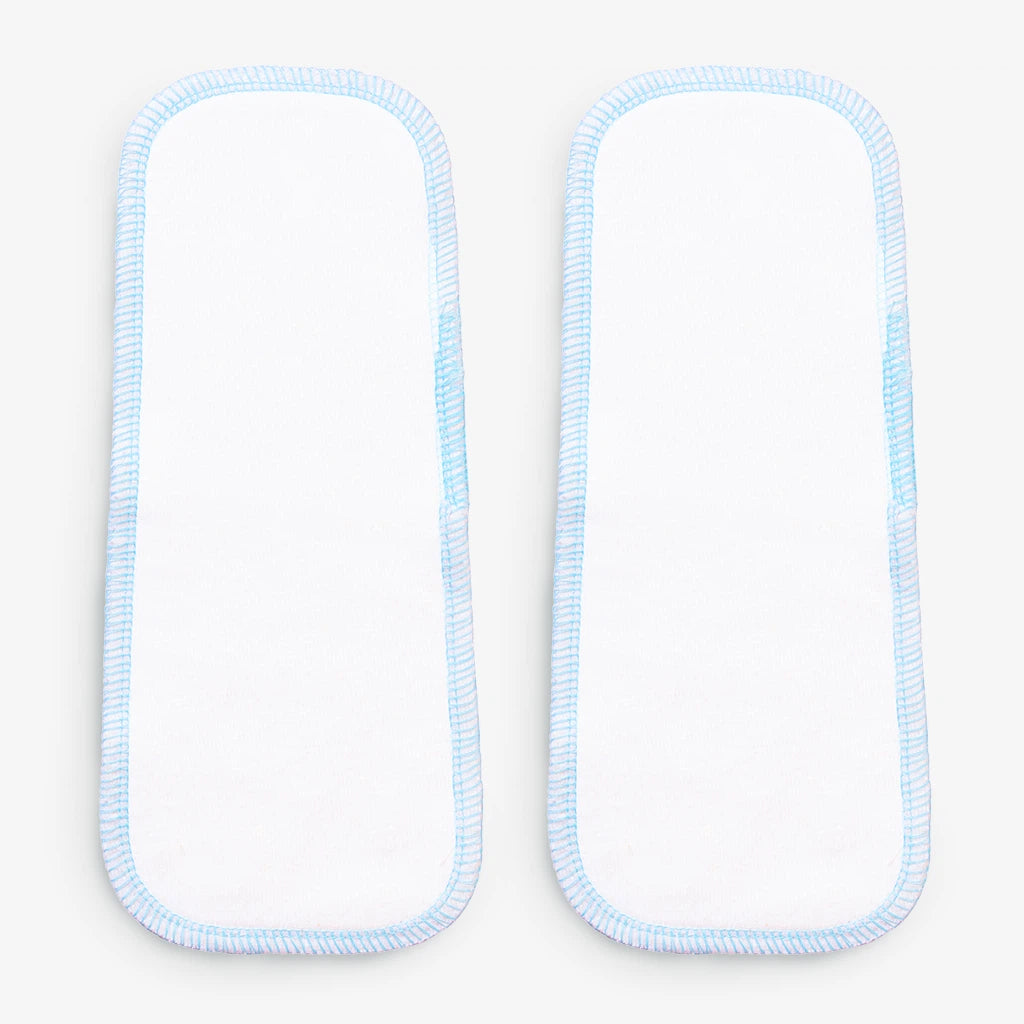
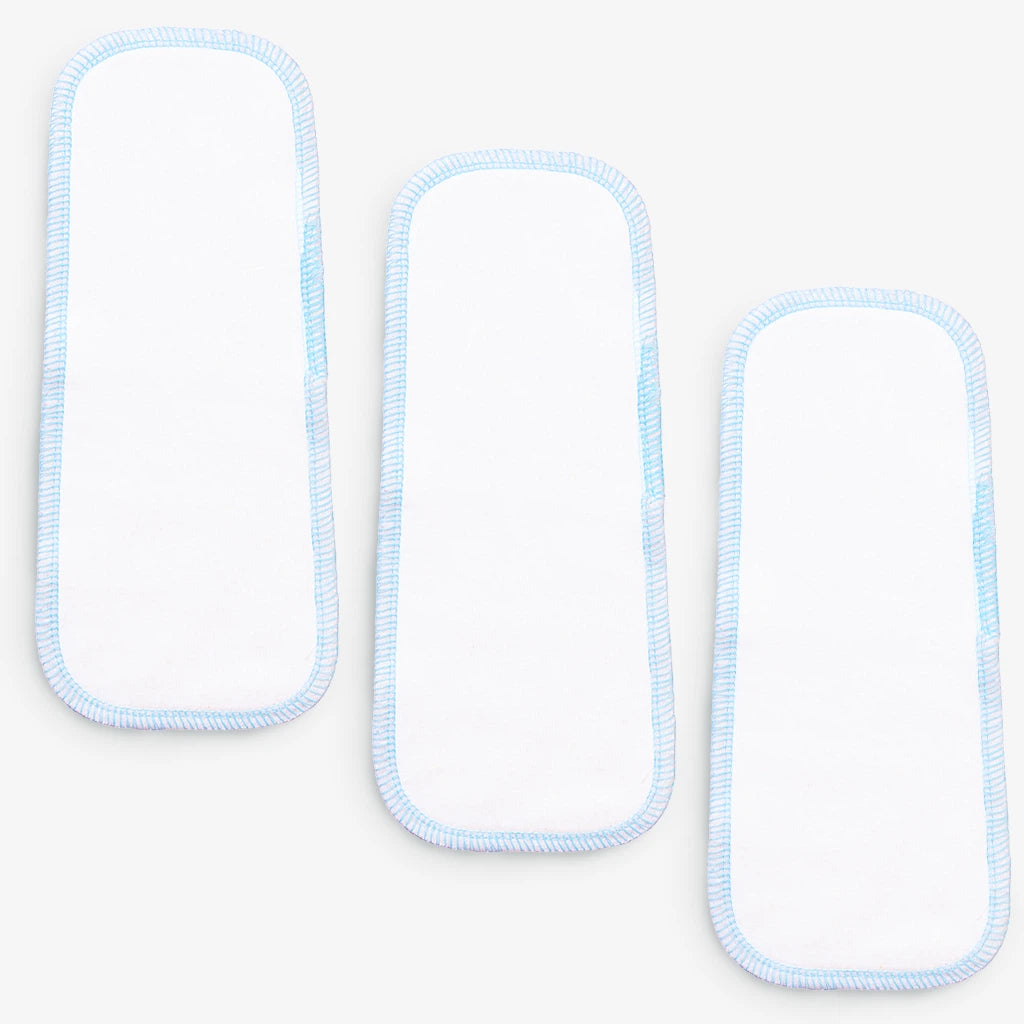
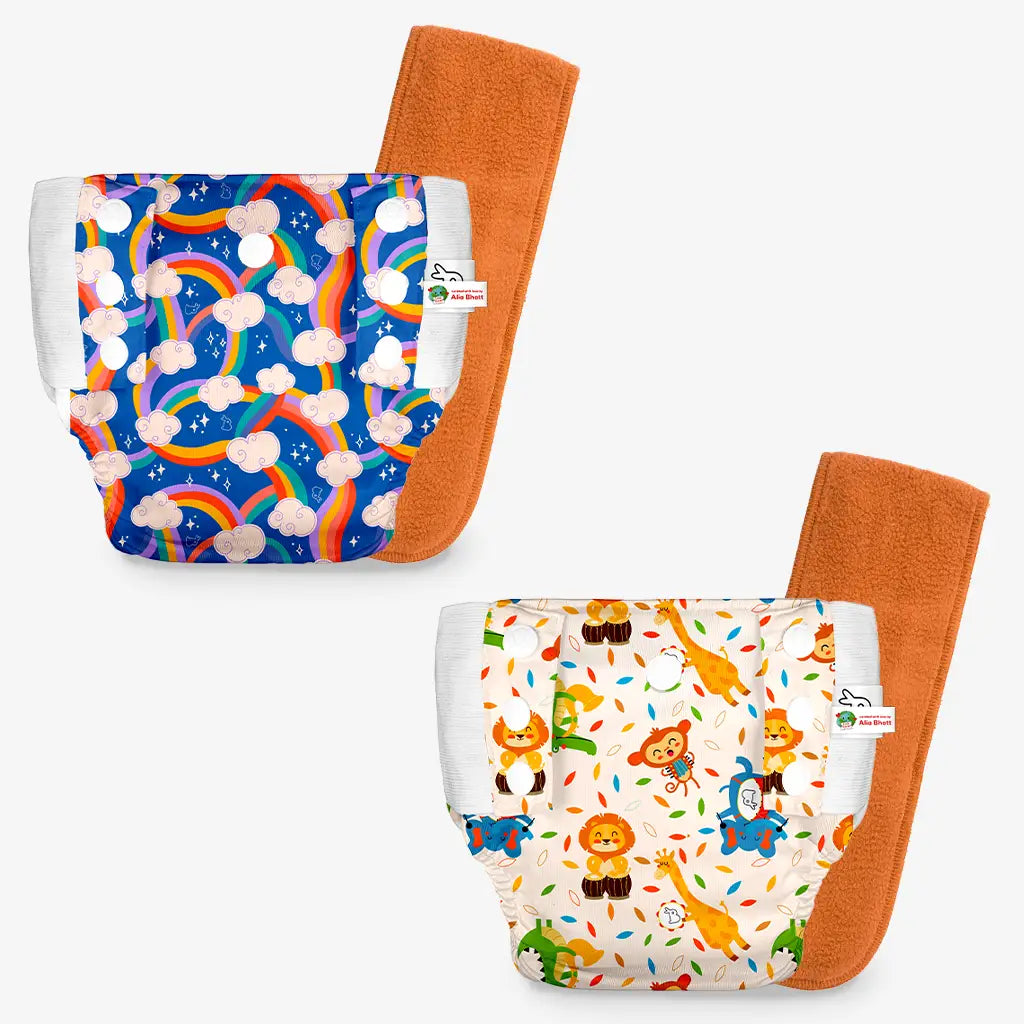
Feeding time often comes with little spit-ups and diaper changes. SuperBottoms Newborn UNO Cloth Diapers provide a soft, gentle fit for delicate newborn skin while offering reliable absorbency and leak protection during your baby's feeding routine.
👉 Shop SuperBottoms Newborn UNO Cloth Diapers

What If Your Newborn Doesn't Burp?
It's completely normal if your newborn doesn't burp after every feed. Some babies swallow very little air, especially if they latch well during breastfeeding.
If your baby seems relaxed, feeds well, and isn't unusually fussy, there's usually no need to keep trying. Hold your baby upright for 10–15 minutes after feeding before laying them down. However, if your baby frequently appears uncomfortable, arches their back, or spits up excessively, speak with your paediatrician.
A Parent's Experience
"I used to worry whenever my son didn't burp immediately after feeding. Our paediatrician suggested holding him upright for a few minutes instead of trying repeatedly. That small change made feeding time much calmer for both of us." — Ritu M., Mumbai
Common Burping Mistakes to Avoid
A few simple adjustments can make burping more comfortable for your baby.
- Pat gently instead of tapping firmly.
- Always support your baby's head and neck.
- Don't continue burping for too long if your baby is settled.
- Keep a burp cloth nearby, as small spit-ups are common.
- Avoid feeding too quickly, which may increase swallowed air.
What to Look For
Focus on your baby's comfort rather than trying to produce a burp every time. Gentle handling, proper feeding technique, and recognising your baby's cues are more important than following a fixed routine.
Expert Insight
"Every baby is different. Some newborns burp after every feed, while others rarely need to. Parents should pay attention to their baby's feeding behaviour, comfort, and weight gain instead of worrying about whether a burp happens every time." — Dr Neha Sharma, MD (Paediatrics)
Learning how to burp a newborn is a simple skill that can make feeding more comfortable for both babies and parents. Gentle burping helps release swallowed air, but remember that every baby is different. Some burp after every feed, while others rarely need to.
Watch your baby's cues, use a position that feels comfortable, and avoid forcing a burp. Combined with a calm feeding routine and gentle newborn essentials, these small habits can support your baby's comfort during the early months.
Feeding and diaper changes often go hand in hand. Choosing soft, comfortable newborn essentials can make these everyday moments easier.
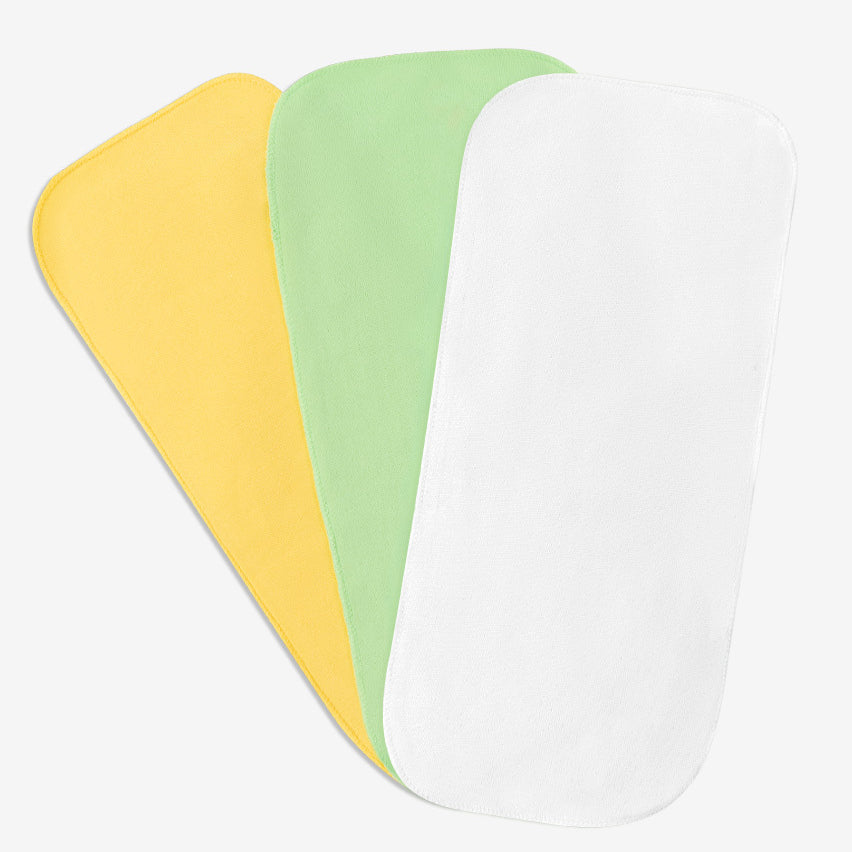
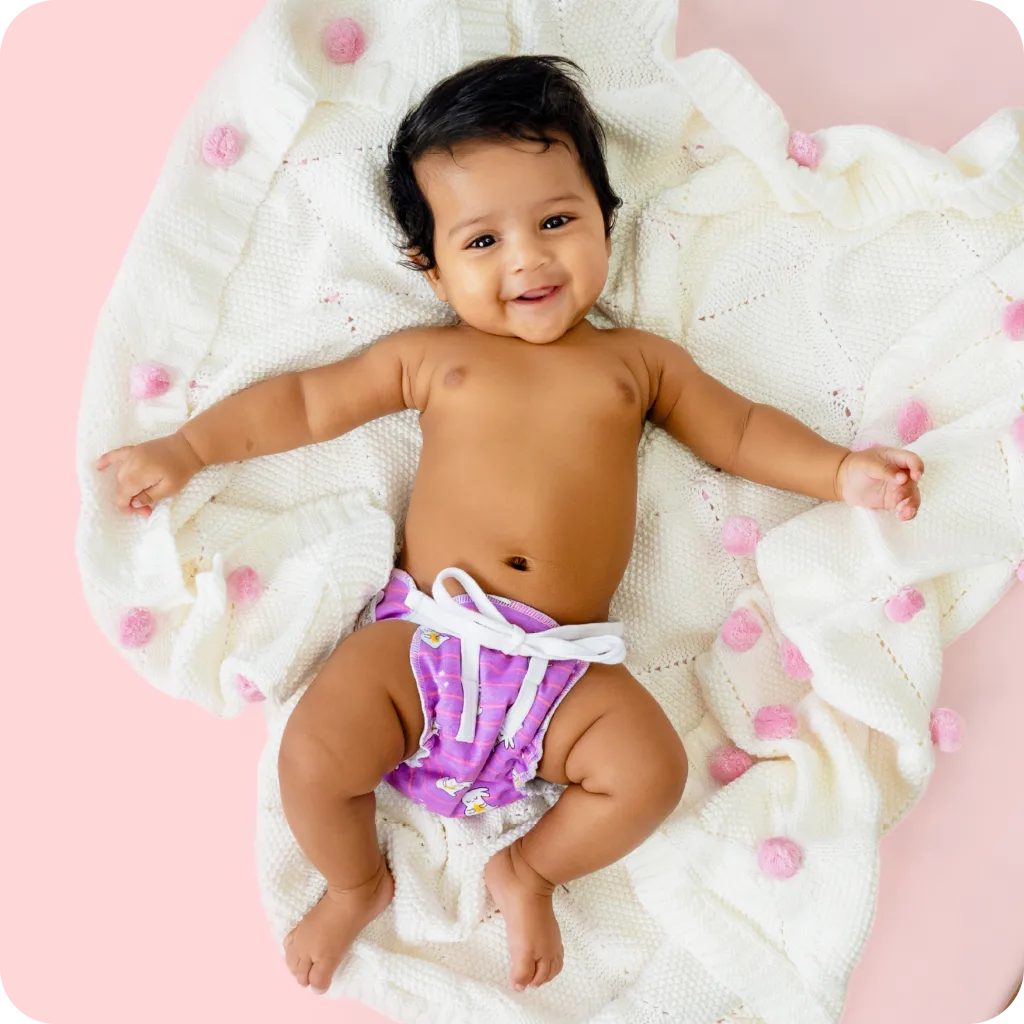
SuperBottoms Newborn UNO Cloth Diapers are designed with a gentle fit, absorbent inserts, and leak protection to keep newborns comfortable throughout their feeding routine.
Find the right fit → Shop the SuperBottoms Newborn UNO Cloth Diapers Collection.
|
Limited Time Offers + Special Gift Sets! Now or never Super SALE is live on the SuperBottoms website! Take advantage of unbeatable value deals on our UNO Cloth Diapers, Baby Essentials, and more. Looking for the perfect present for a newborn or a toddler? Explore our thoughtfully curated Gift Sets & Combos - safe, skin-friendly, and oh-so-cute! A bundle of love for little ones and a delight for parents. HURRY - Deals and Gift Packs are live only till stocks last. Don’t miss the chance to stock up and share the joy! |
Key Takeaways
- Burping helps release swallowed air and may reduce post-feed discomfort.
- Every newborn is different, so watch your baby's cues instead of following a rigid routine.
- Gentle burping techniques and comfortable newborn essentials can make feeding time easier.
Frequently Asked Questions (FAQs)
1. How long should I burp a newborn?
Try burping your baby for a few minutes after or during feeds. If they seem comfortable and don't burp, it's usually fine to stop after 5–10 minutes.
2. What if my newborn doesn't burp?
Some babies naturally swallow less air and may not burp every time. If your baby feeds well and settles comfortably, there's usually no cause for concern.
3. Which burping position is best?
There isn't one best position. Over the shoulder, sitting on your lap, and lying across your lap are all safe options when your baby's head and neck are properly supported.
4. Should I burp my baby after breastfeeding?
Yes, many babies benefit from burping after breastfeeding, especially if they seem gassy or fussy. You can also try burping when switching breasts.
5. Can burping reduce spit-up?
Burping may help release swallowed air, but it won't prevent all spit-up. Small amounts of spit-up are common in healthy newborns.
6. What newborn essentials help during feeding?
Keep burp cloths, soft diapers, extra clothes, and wipes nearby. A comfortable diaper with good absorbency can also help manage diaper changes after feeds.
Message from SuperBottoms
Hi there, new parents! SuperBottoms brings you doctor-recommended cloth diapers - the best rash-free diapering solution for your baby’s sensitive and delicate skin. Unlike disposable diapers loaded with chemicals, our newborn cloth diapers, when used and washed properly, can help eliminate the risk of diaper rashes. SuperBottoms offers a wide range of safe, skin-friendly essentials for the whole family - including Reusable Cloth Diapers, Diaper Pants, DryFeel langots for diaper-free time, Padded Underwear for potty training, SuperSoft Underwear for everyday comfort, Joggers for playful days, and Period Underwear for women. Not just for everyday use, SuperBottoms products also make the best gifting choice for babies - thoughtful, eco-friendly, practical, and loved by parents. Now available on Amazon, Myntra, Flipkart, FirstCry, Zepto, Swiggy and Blinkit.