









Parents today are increasingly questioning whether plastic toys are the safest and most sustainable choice for children. Concerns around chemicals, durability, environmental waste, and overstimulation are leading many families to explore sustainable toys made from safer, longer-lasting materials. Choosing the right toys can support child development, reduce clutter, and encourage mindful parenting habits. The right eco-friendly options also offer a practical long-term solution for modern families.
A surprising number of children's toys are discarded within months because they break, lose appeal, or create excessive clutter. Many parents also don't realise that some low-quality plastic toys may contain chemicals or paints that are not ideal for babies and toddlers. Sustainable alternatives are becoming popular because they combine safer play with long-term value.
- Why are parents switching to sustainable toys?
- What problems can plastic toys create?
- Are sustainable toys really better for children?
- Which sustainable toy materials are safest?
- What should parents look for when choosing toys?
- Sustainable toys vs plastic toys comparison table
- How can sustainable parenting go beyond toys?
- How to choose age-appropriate eco-friendly toys
- Key takeaways
- FAQs
- Message From SuperBottoms
Why Are Parents Switching to Sustainable Toys?
Many parents are moving toward sustainable toys because they want safer, more durable, and environmentally responsible products for their children. Eco-conscious parenting has become more common in India, especially among families trying to reduce unnecessary plastic use at home.
Unlike many mass-produced plastic toys, sustainable baby toys are often made from wood, organic cotton, bamboo, recycled materials, or food-grade silicone. These materials are generally valued for being sturdier, toxin-conscious, and less likely to contribute to fast household waste.
Parents also notice another benefit: children often engage longer with simpler, open-ended toys. Wooden blocks, cloth toys, stacking toys, and sensory items tend to encourage imagination instead of overstimulation.
What Problems Can Plastic Toys Create?
Not all plastic toys are harmful, but low-quality or poorly regulated products may raise concerns around safety, durability, and environmental impact. Many inexpensive toys also break quickly, creating more waste and clutter at home.
Parents commonly report these concerns with plastic toys:
- Strong chemical smell from low-quality plastics
- Broken edges or detachable small parts
- Excessive noise or overstimulation
- Short usage lifespan
- Increased plastic waste
In India's hot and humid climate, poorly made plastic items may also wear down faster when exposed to sunlight or rough use.
What Parents Should Know
The issue is not simply "plastic vs non-plastic." The bigger concern is toy quality, child safety standards, and long-term usability. Parents should prioritise non-toxic materials, smooth finishes, and age-appropriate design regardless of toy type.
Are Sustainable Toys Really Better for Children?
Sustainable toys can be a better option when they are safe, durable, and development-focused. They often encourage slower, more meaningful play experiences that support creativity and emotional development.
Research around early childhood learning suggests children engage better with toys that encourage imagination and problem-solving instead of passive entertainment. Open-ended toys also tend to grow with the child, offering better long-term value.
Many parents now prefer fewer high-quality toys instead of large collections of low-cost plastic products. This approach can help reduce overstimulation and make playtime calmer and more engaging.
Which Sustainable Toy Materials Are Safest?
The safest sustainable toy materials are generally those that are durable, non-toxic, easy to clean, and age-appropriate. Parents should always check product labels, finishes, and certifications before buying.
Common Sustainable Toy Materials
| Material | Benefits | Best For | Things to Check |
|---|---|---|---|
| Natural Wood | Durable and long-lasting | Toddlers and preschoolers | Smooth edges, non-toxic paint |
| Organic Cotton | Soft and breathable | Babies and infants | Washability |
| Food-Grade Silicone | Flexible and chew-safe | Teething babies | BPA-free certification |
| Bamboo | Lightweight and eco-friendly | Older babies | Splinter-free finish |
| Recycled Materials | Reduces waste | Older children | Safety certification |
What to Look For
Parents choosing sustainable toys should focus on:
- Non-toxic finishes and dyes
- Rounded edges
- Durable construction
- Easy cleaning
- Age suitability
- Minimal detachable parts
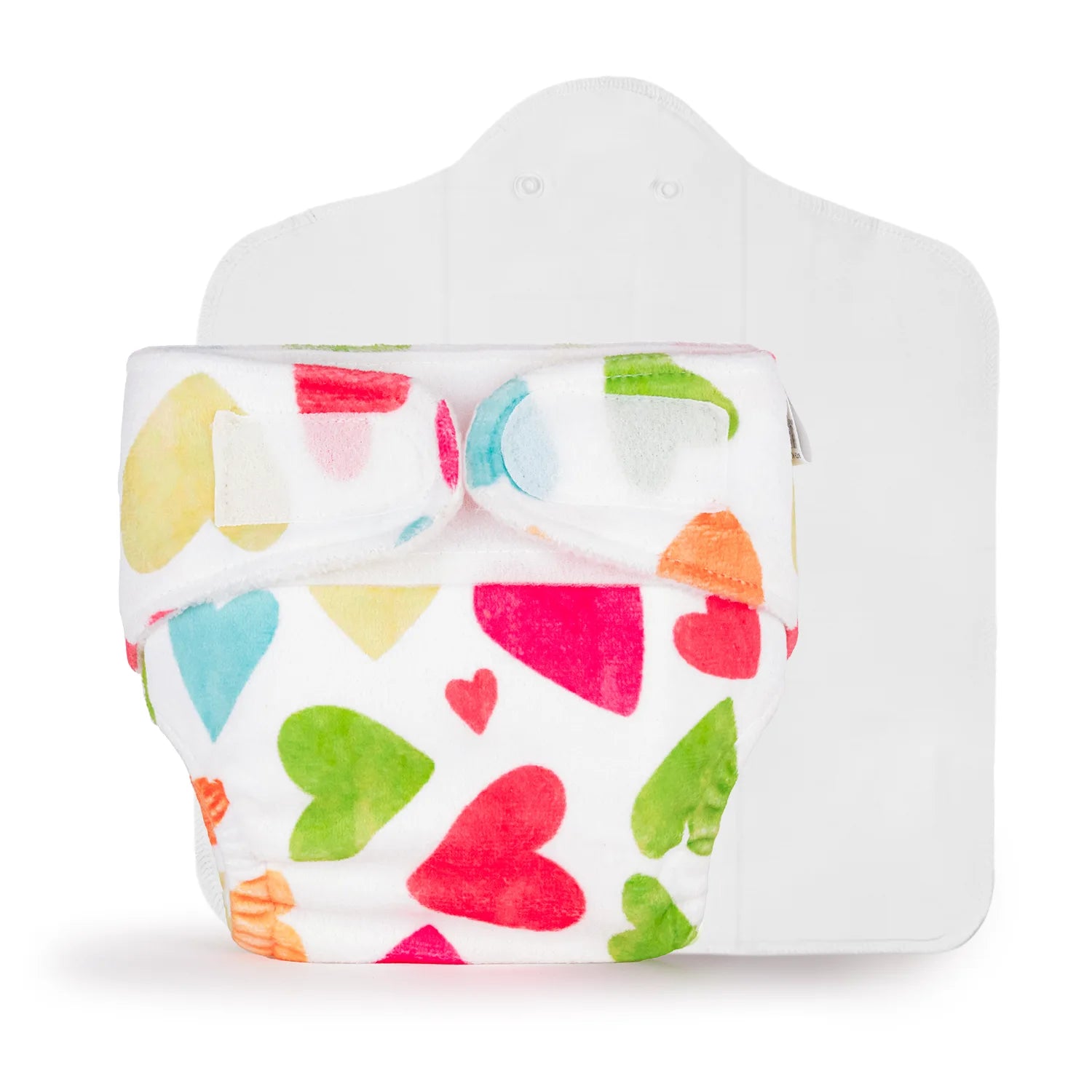
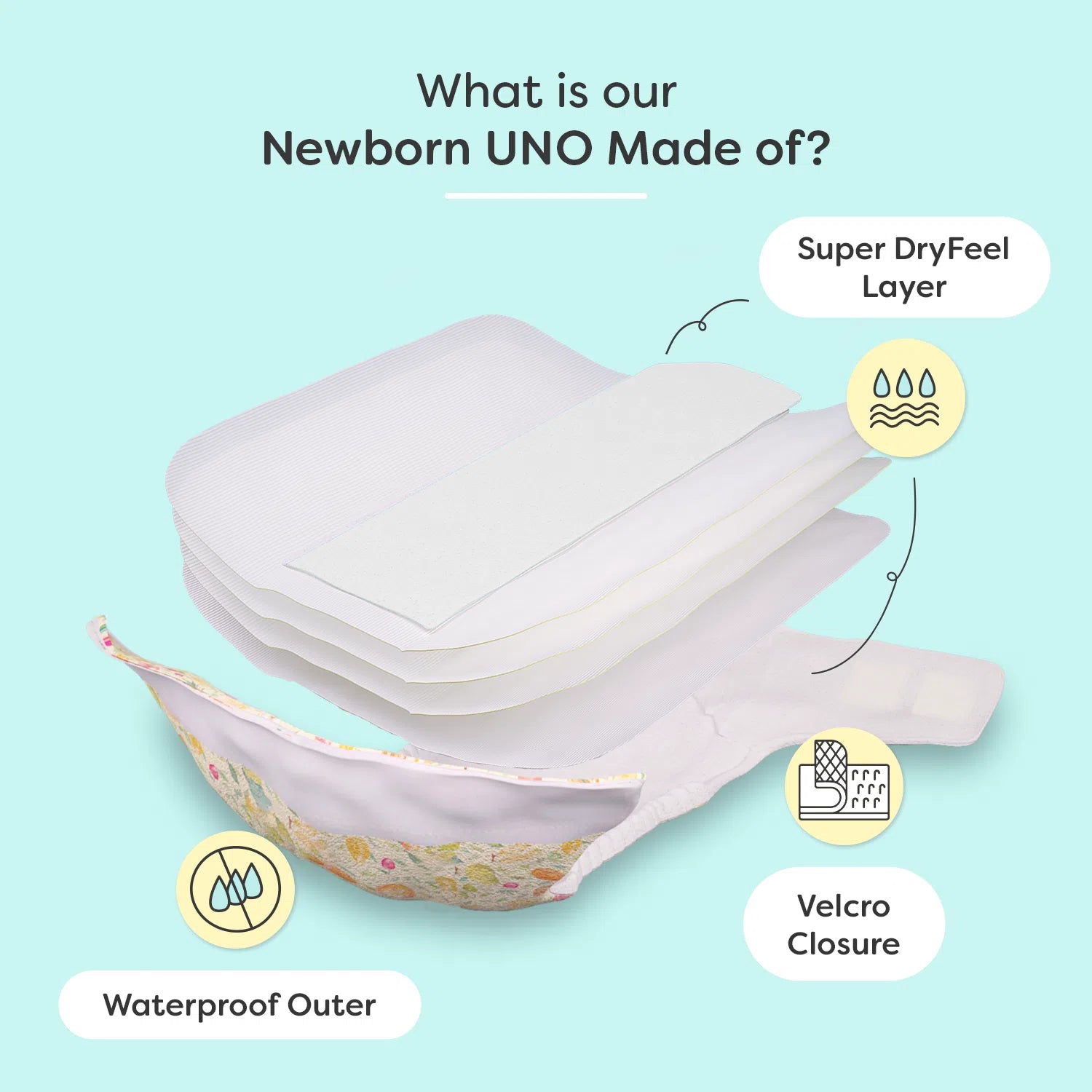
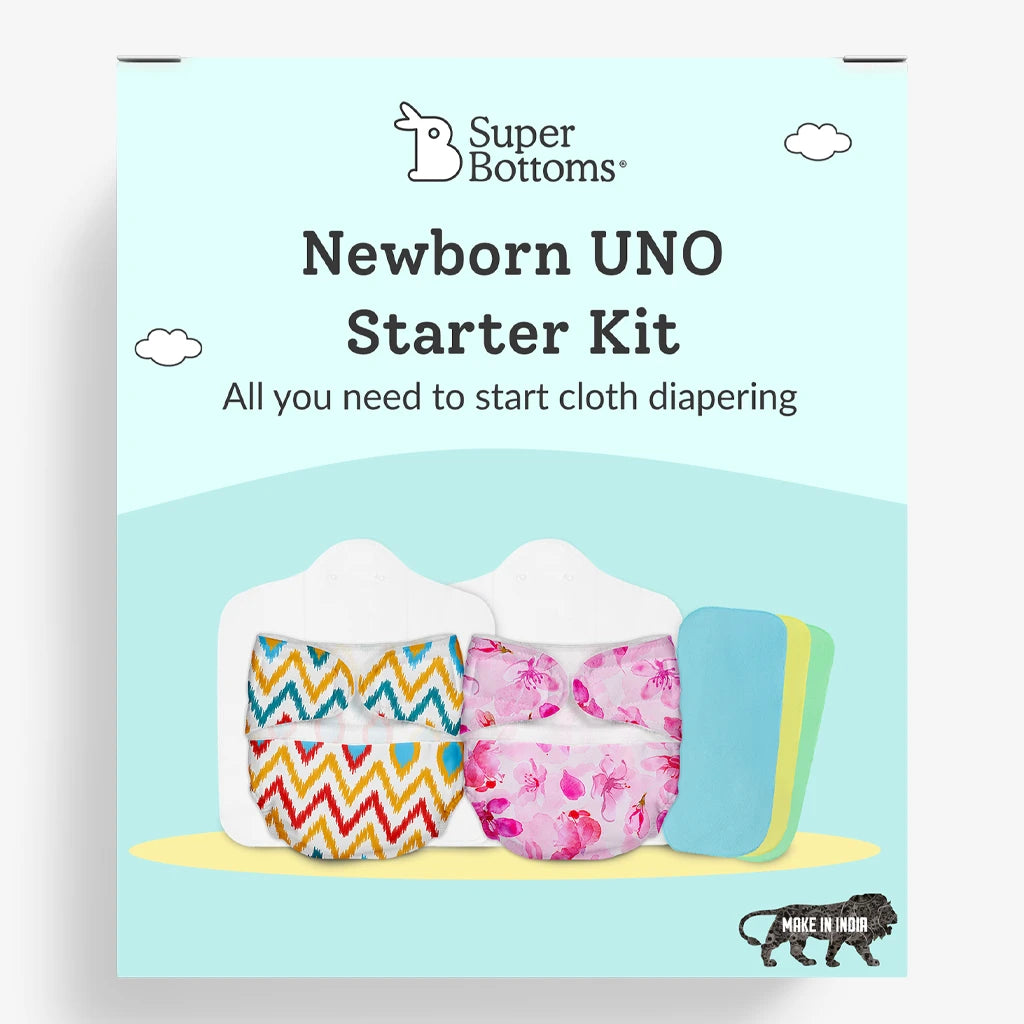
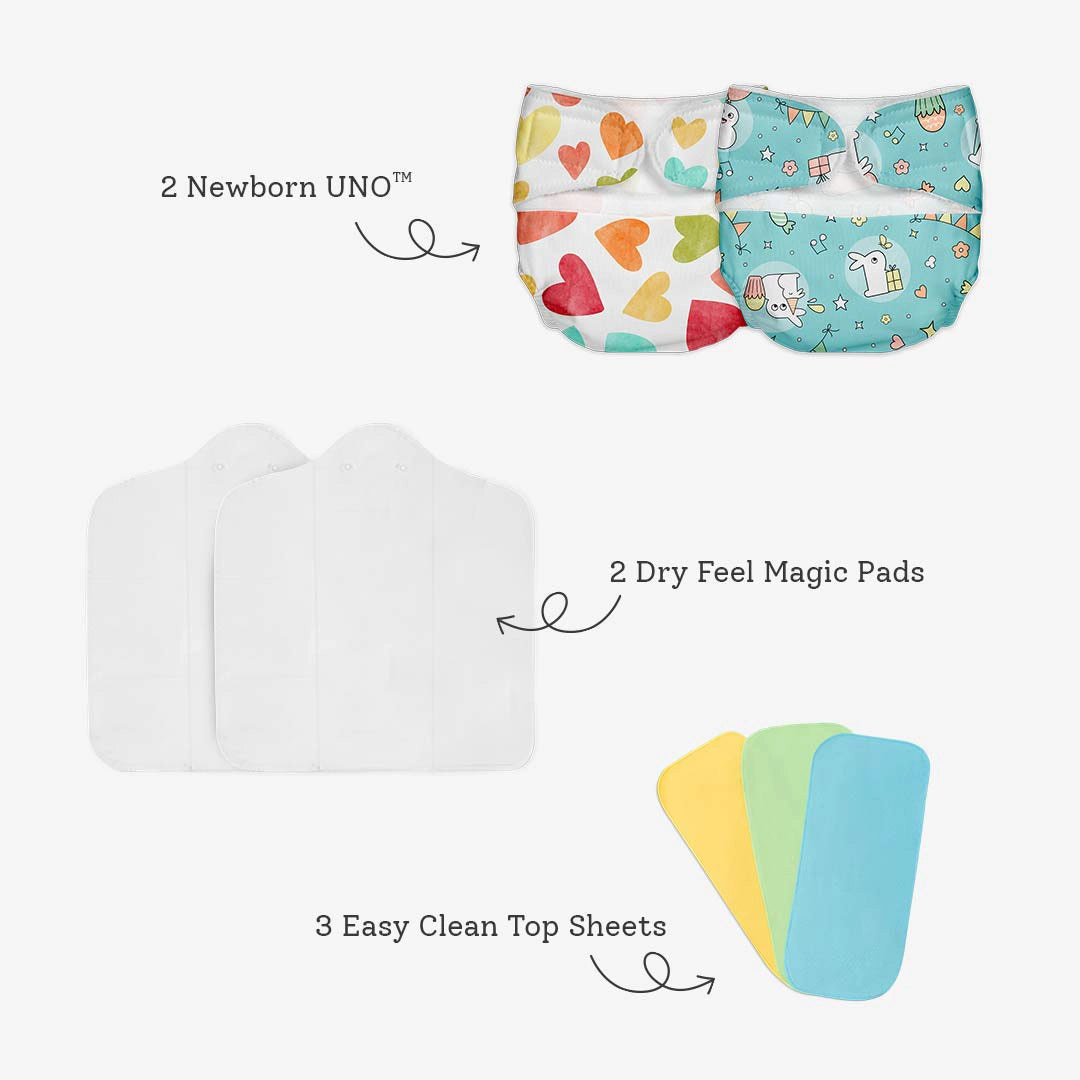
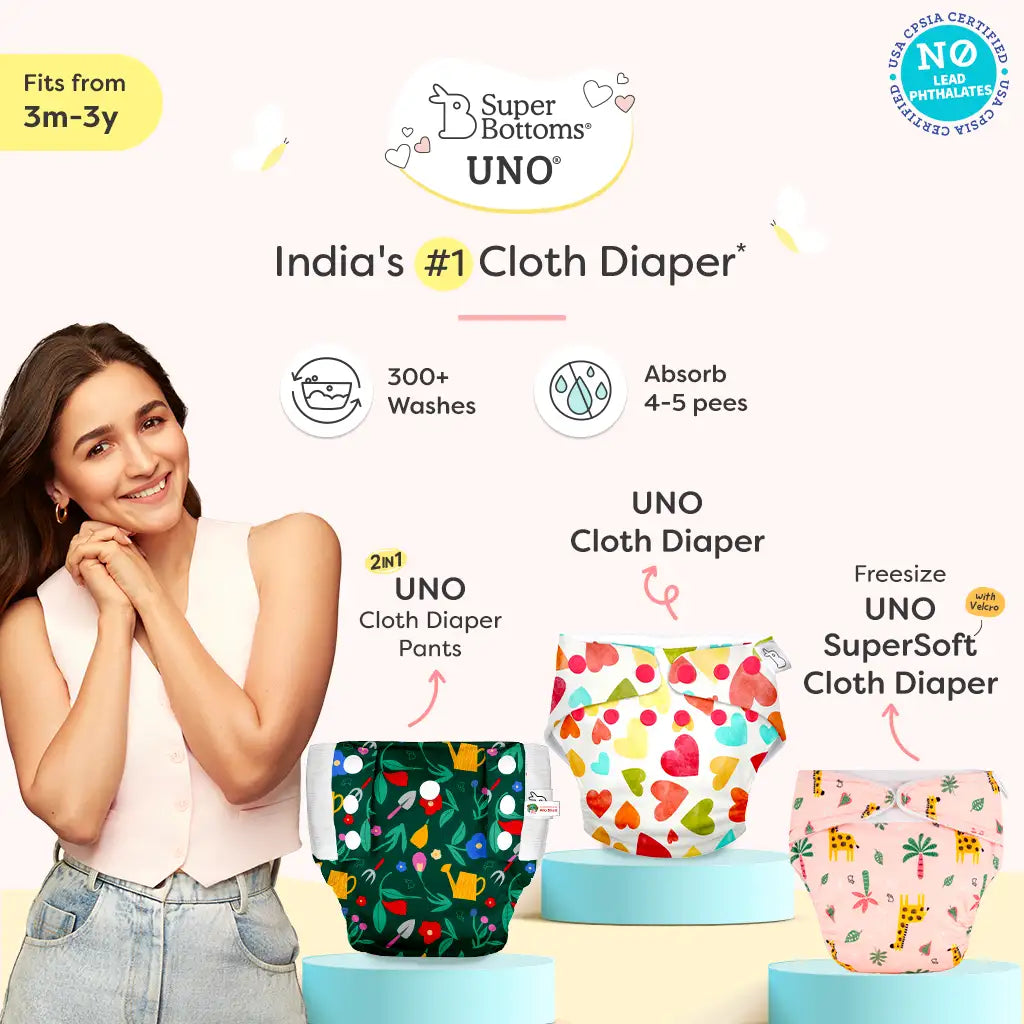
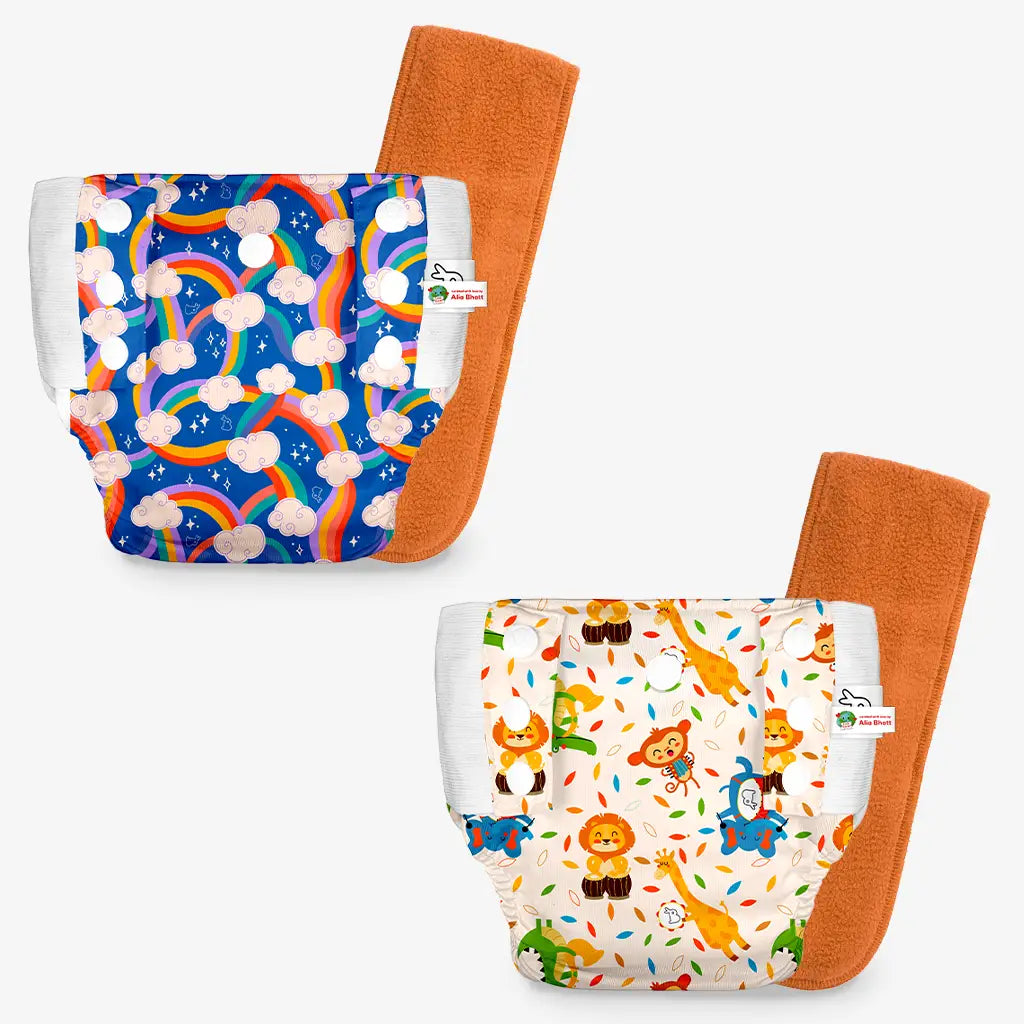
These same buying habits are also influencing how families shop for baby essentials such as reusable cloth nappies, feeding products, and leak-proof inner layer babycare items.

What Should I Look for When Choosing Toys?
The best toys are safe, development-friendly, durable, and easy for children to interact with independently. Expensive or flashy toys are not always the most beneficial.
Before buying, parents can ask:
- Will this toy support creativity or learning?
- Is it safe for my child's age?
- Can it handle rough everyday use?
- Is it easy to maintain and clean?
- Will my child use it for more than a few weeks?
Many families adopting sustainable parenting habits also begin exploring reusable baby care products that reduce daily waste at home.
Sustainable Toys vs Plastic Toys: Which Is Better?
Both sustainable and plastic toys can have benefits, but the right choice depends on quality, safety, and intended use. Parents should compare products based on long-term value instead of only upfront price.
| Feature | Sustainable Toys | Plastic Toys | SuperBottoms Reusable Products |
|---|---|---|---|
| Material Safety | Often toxin-conscious | Varies by quality | Soft, reusable fabric-based materials |
| Durability | Usually long-lasting | Can crack or break | Designed for repeated use |
| Environmental Impact | Lower waste potential | Higher plastic waste | Reusable alternative |
| Sensory Experience | Encourages open-ended play | Often overstimulating | Gentle for baby skin |
| Long-Term Value | Higher over time | Frequent replacement possible | Reusable and cost-effective |
This shift toward sustainable choices often extends beyond toys into clothing, diapering, and daily parenting products.
What Parents Should Know
Sustainable parenting does not require replacing everything overnight. Small changes - like choosing durable toys, reusable baby cloth diapers, or eco-conscious baby essentials - can gradually reduce waste and improve value over time.
How Can Sustainable Parenting Go Beyond Toys?
Sustainable parenting often starts with one decision and expands into daily habits. Families increasingly look for reusable, skin-safe, and practical alternatives across baby care routines.
Parents may gradually explore:
- Cloth-based baby essentials
- Reusable diapers
- Organic cotton clothing
- Long-lasting feeding products
- Minimal-waste gifting ideas
These changes are often motivated by skin comfort, reduced household waste, and long-term savings rather than trends alone.
How to Choose Age-Appropriate Eco-Friendly Toys
Age suitability matters just as much as sustainability. A toy that is safe for a preschooler may not be suitable for an infant or toddler.
Quick Parent Checklist
For Babies (0–12 months)
✔ Soft textures
✔ No sharp edges
✔ Large chew-safe parts
✔ Easy-to-clean surfaces
For Toddlers (1–3 years)
✔ Stacking toys
✔ Push-and-pull toys
✔ Sensory play items
✔ Durable wooden toys
For Preschoolers
✔ Pretend play toys
✔ Building blocks
✔ Problem-solving activities
✔ Art and craft materials
Parents should avoid toys with loose buttons, fragile paint, or small detachable parts for younger children.
Choosing between sustainable toys and plastic toys is ultimately about safety, durability, child engagement, and long-term value. Many parents are now prioritising quality over quantity and selecting products that support healthier, low-waste lifestyles.
Small sustainable parenting choices - from toys to reusable babycare essentials - can make everyday routines simpler and more mindful.
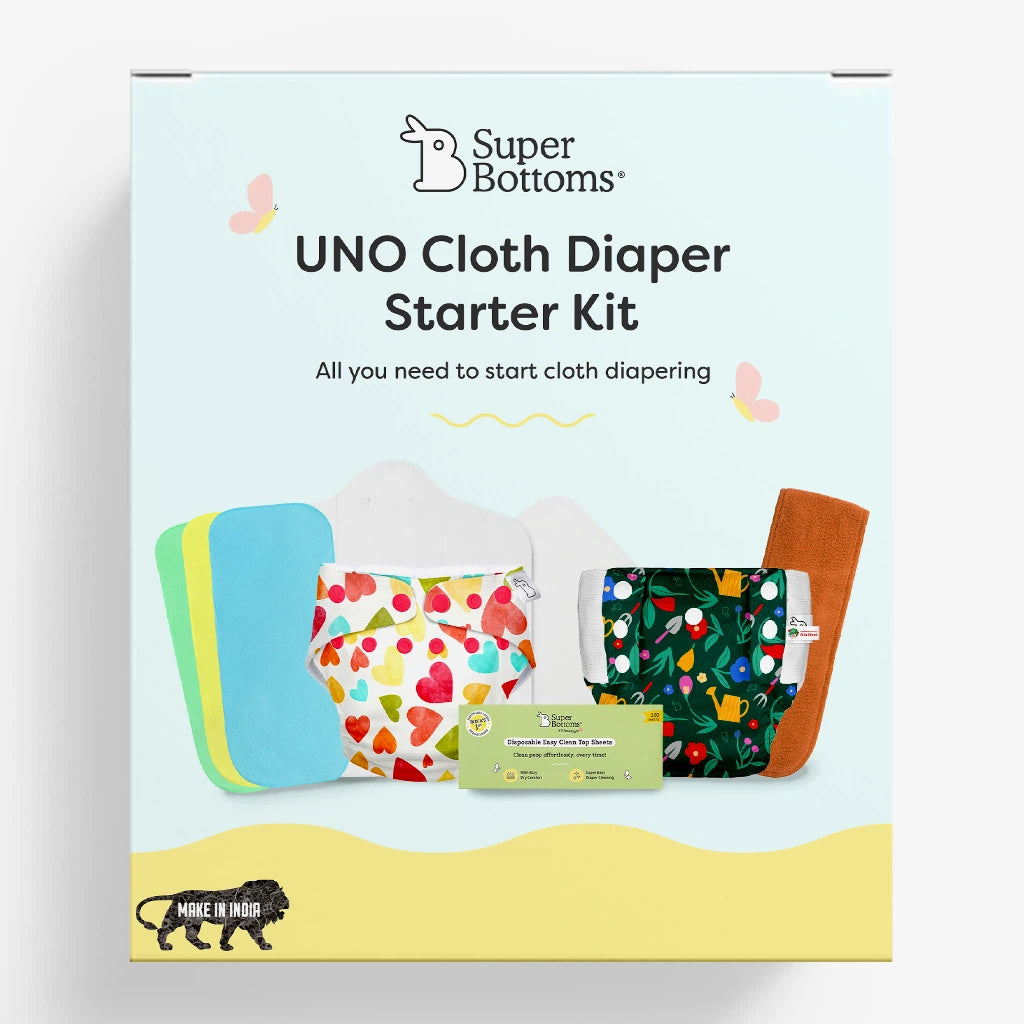
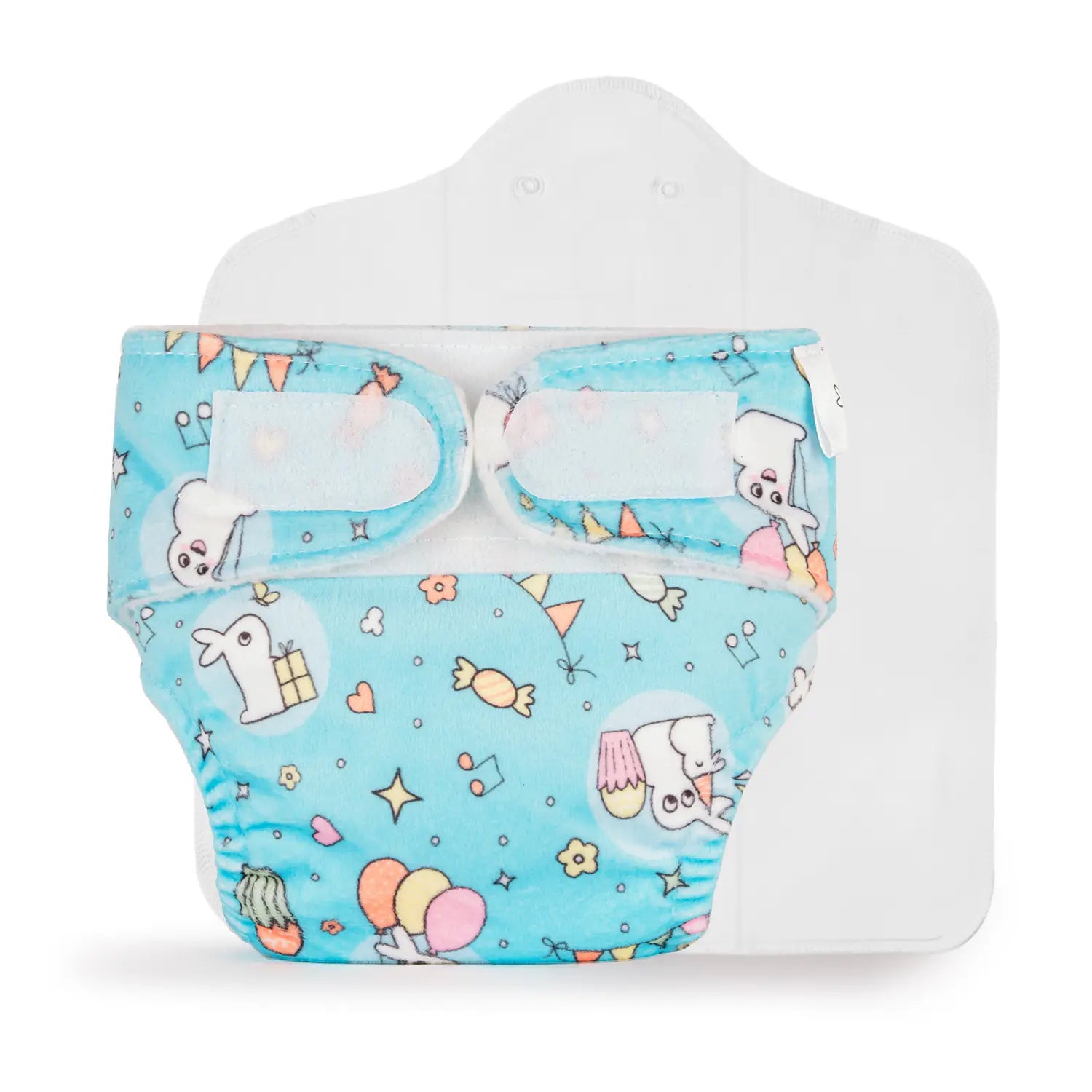
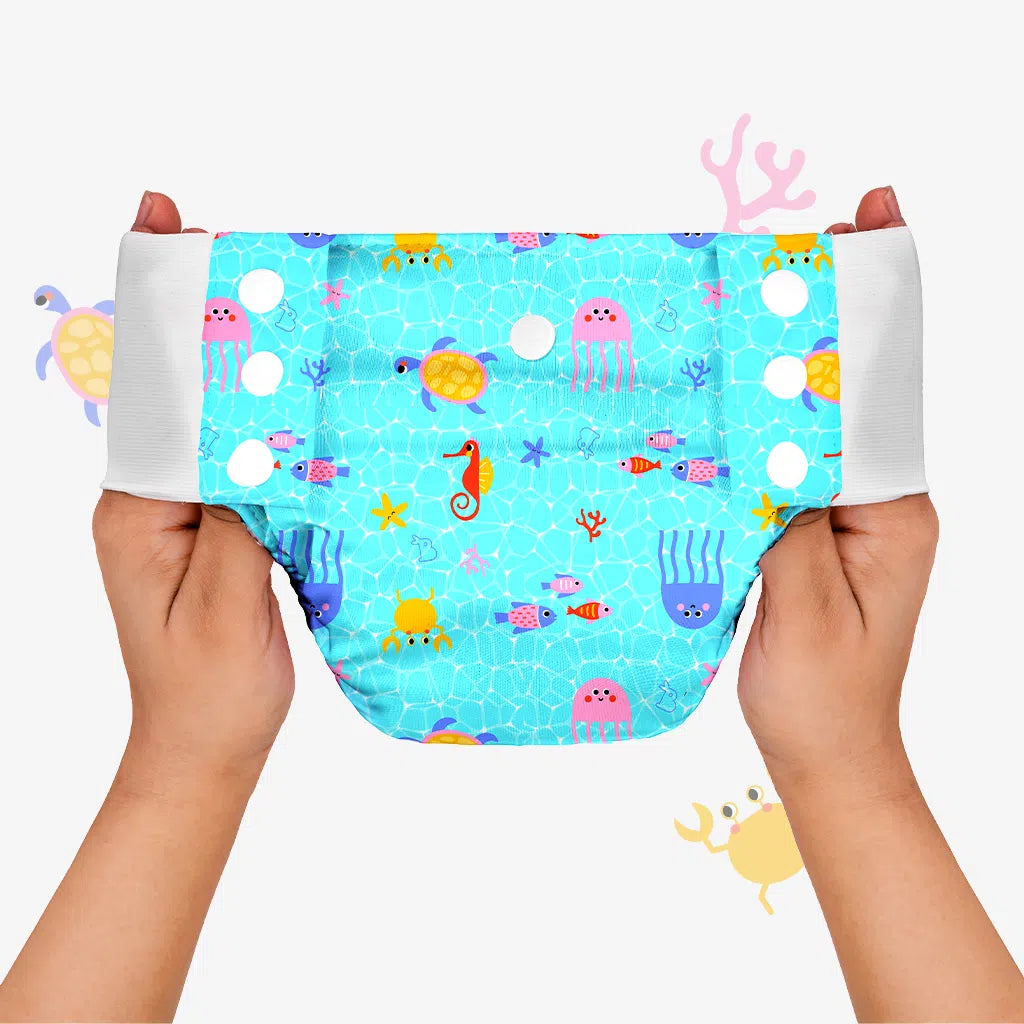
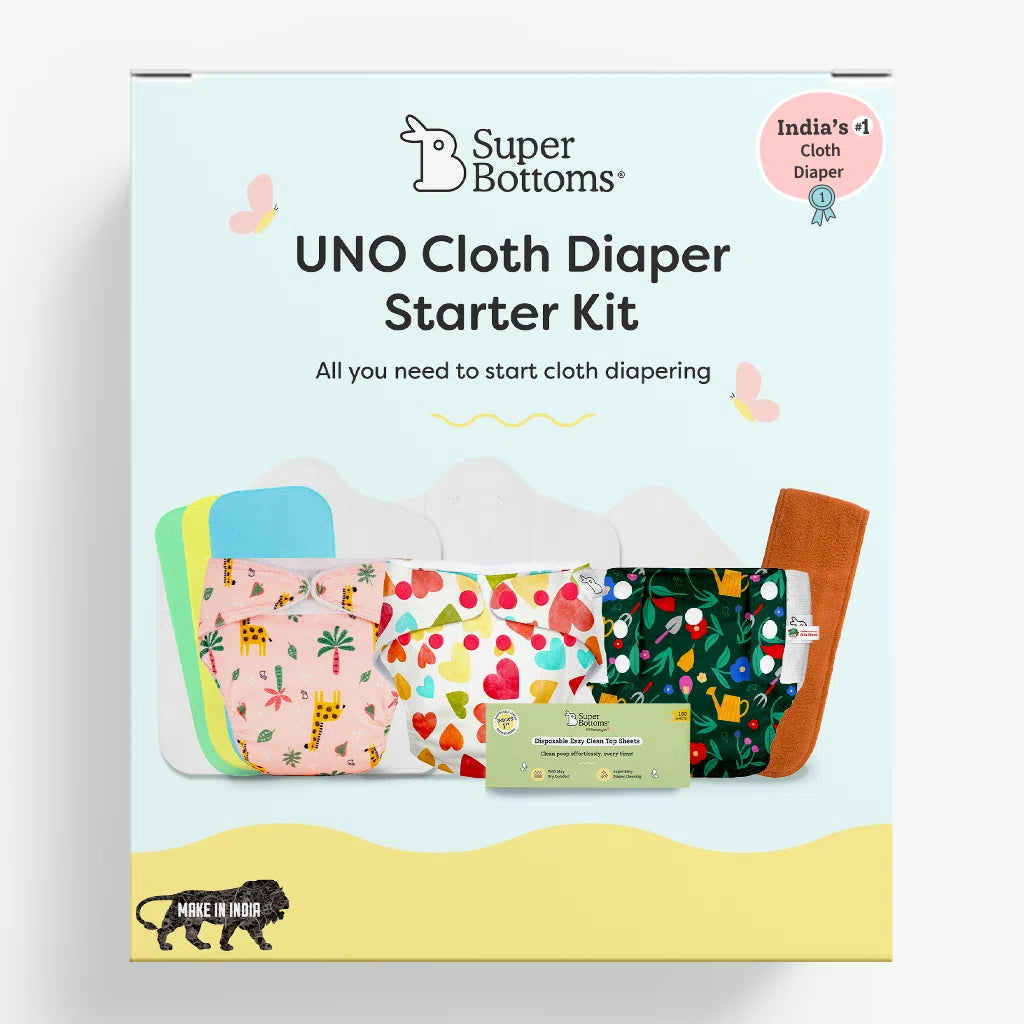
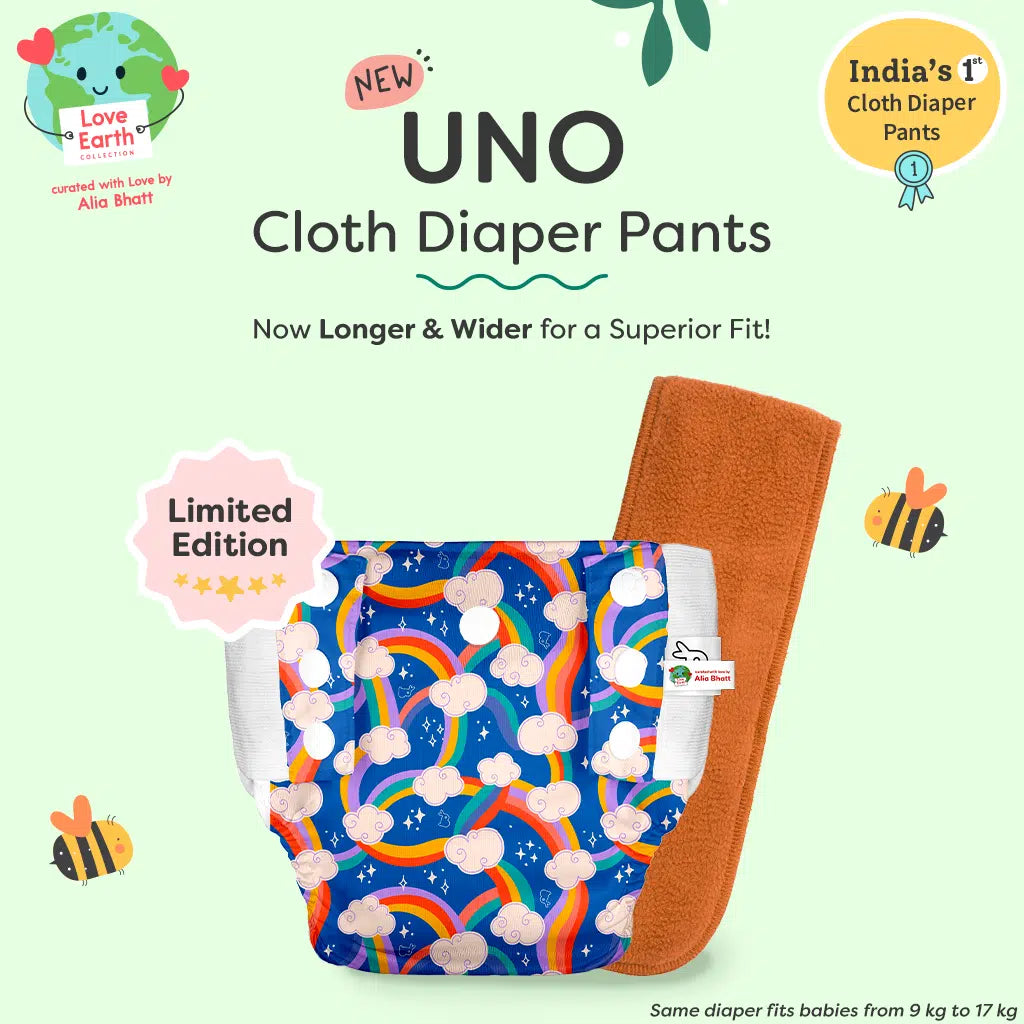
For families looking to reduce single-use waste while maintaining comfort and convenience, SuperBottoms reusable essentials can be a practical starting point. Find the right fit → Shop SuperBottoms UNO.
|
Limited Time Offers + Special Gift Sets! Now or never Super SALE is live on the SuperBottoms website! Take advantage of unbeatable value deals on our UNO Cloth Diapers, Baby Essentials, and more. Looking for the perfect present for a newborn or a toddler? Explore our thoughtfully curated Gift Sets & Combos - safe, skin-friendly, and oh-so-cute! A bundle of love for little ones and a delight for parents. HURRY - Deals and Gift Packs are live only till stocks last. Don't miss the chance to stock up and share the joy! |
Key Takeaways
- Sustainable toys often support safer, longer-lasting, and more meaningful play experiences.
- Parents should focus on toy quality, safety standards, and durability rather than trends alone.
- Sustainable parenting habits can gradually extend to reusable babycare and everyday essentials.
FAQs
Are sustainable toys safer for babies?
Sustainable toys can be safer when made with non-toxic materials, smooth finishes, and age-appropriate designs. Parents should still check certifications and product quality before purchasing.
Why are many parents avoiding cheap plastic toys?
Many low-quality plastic toys may break easily, create clutter, or use questionable materials. Parents increasingly prefer durable products that last longer and support better play experiences.
What are the best eco-friendly toys for toddlers?
Wooden blocks, stacking toys, cloth sensory toys, and pretend-play items are popular eco-friendly options for toddlers because they encourage creativity and independent play.
Are wooden toys better than plastic toys?
Wooden toys are often valued for durability and sensory engagement, but high-quality plastic toys can also be safe. The most important factor is overall product quality and safety standards.
How do sustainable toys help the environment?
Sustainable toys can reduce short-term waste because they are often designed to last longer and use more eco-conscious materials compared to disposable plastic alternatives.
Is it expensive to switch to sustainable parenting products?
The upfront cost may sometimes be higher, but reusable and durable products often provide better long-term value because they reduce repeat purchases.
Where can I buy sustainable baby products in India?
Parents can find sustainable baby products through trusted babycare brands, eco-conscious marketplaces, and reusable product-focused platforms like SuperBottoms.
Is SuperBottoms worth considering for sustainable parenting?
Many parents choose SuperBottoms because reusable babycare products can help reduce single-use waste while supporting skin comfort and long-term usability.
Hi there, new parents! SuperBottoms brings you doctor-recommended cloth diapers - the best rash-free diapering solution for your baby's sensitive and delicate skin. Unlike disposable diapers loaded with chemicals, our newborn cloth diapers, when used and washed properly, can help eliminate the risk of diaper rashes. SuperBottoms offers a wide range of safe, skin-friendly essentials for the whole family - including Reusable Cloth Diapers, Diaper Pants, DryFeel langots for diaper-free time, Padded Underwear for potty training, SuperSoft Underwear for everyday comfort, Joggers for playful days, and Period Underwear for women. Not just for everyday use, SuperBottoms products also make the best gifting choice for babies - thoughtful, eco-friendly, practical, and loved by parents. Now available on Amazon, Myntra, Flipkart, FirstCry, Zepto, Swiggy and Blinkit.