





This article will discuss:
- Understand baby skin allergies
- Recognise common rash symptoms
- Identify skin allergy triggers
- Follow gentle baby skin care
- Know when doctors are needed
A baby’s sudden rash can leave parents wondering whether it is an allergy, eczema, heat rash or irritation from a product. The appearance alone may not tell you the cause.
Understanding the difference helps you choose appropriate care without unnecessary changes to your baby’s routine.
What are baby skin allergies?
Baby skin allergies are skin reactions caused by an immune response to a substance. However, not every baby rash is an allergy. Eczema, irritant contact dermatitis, heat rash and infections can look similar.
What parents should know
A rash that appears after a new product, fabric or food deserves attention, but the timing alone does not prove an allergy. A paediatrician can help identify the cause and recommend suitable treatment.
What do baby skin allergies look like?
Possible symptoms include:
- Redness, itching or raised bumps.
- Hives, which are raised, itchy welts.
- Dry, scaly or inflamed skin.
- Swelling around the affected area.
- Blisters or oozing in some conditions.
In babies, eczema commonly affects the cheeks, forehead and scalp. Its appearance can differ depending on skin tone. A rash around the diaper area may instead be related to moisture, friction, irritants or another skin condition.
What causes baby skin allergies?
Several factors can contribute to a baby’s skin reaction. The most useful first step is to notice what changed before the rash appeared.
1. Sensitive skin and eczema
Babies with developing skin barriers may be prone to dryness or eczema. Family history of eczema, asthma or allergies can increase the likelihood of atopic dermatitis. Common triggers include sweat, saliva, dry air and fragrance.
2. Personal care and laundry products
Soaps, shampoos, lotions, detergents, fabric softeners and wipes may irritate sensitive skin. Choose gentle, fragrance-free products and introduce changes one at a time. “Natural” or “unscented” doesn’t guarantee suitability for every baby.
3. Clothing, fabrics and friction
Rough seams, tight clothing, excess heat and sweaty fabric can worsen irritation. Soft, comfortable clothing and regular changes can help reduce friction and moisture.
4. Food-related allergic reactions
Some foods can cause hives, swelling or other allergic reactions. However, eczema is not automatically caused by food allergies. Avoid removing foods from a baby’s diet without medical guidance, especially during infancy.
5. Environmental triggers
Dust, pollen, pet dander, smoke and changes in temperature may aggravate sensitive skin or eczema. A trigger diary can help parents notice patterns without making unnecessary changes.
How to care for sensitive baby skin
What should you do when your baby develops a rash?
The safest first step is to keep care gentle, avoid suspected irritants and monitor the skin. Do not assume every rash needs an allergy cream or a change in diapering. If the rash is persistent, severe or unclear, consult your paediatrician.
A simple baby skin care routine
- Clean gently: Use lukewarm water and a mild, fragrance-free cleanser. Avoid scrubbing.
- Moisturise: Apply a fragrance-free cream or ointment regularly to dry or eczema-prone skin, especially after bathing.
- Keep skin comfortable: Choose soft, breathable clothing and avoid overheating.
- Change wet or soiled diapers promptly: Clean gently, dry the skin and put on a fresh diaper.
- Track possible triggers: Note new foods, products, detergents, weather changes and rash locations.

What about cloth diapers for sensitive skin?
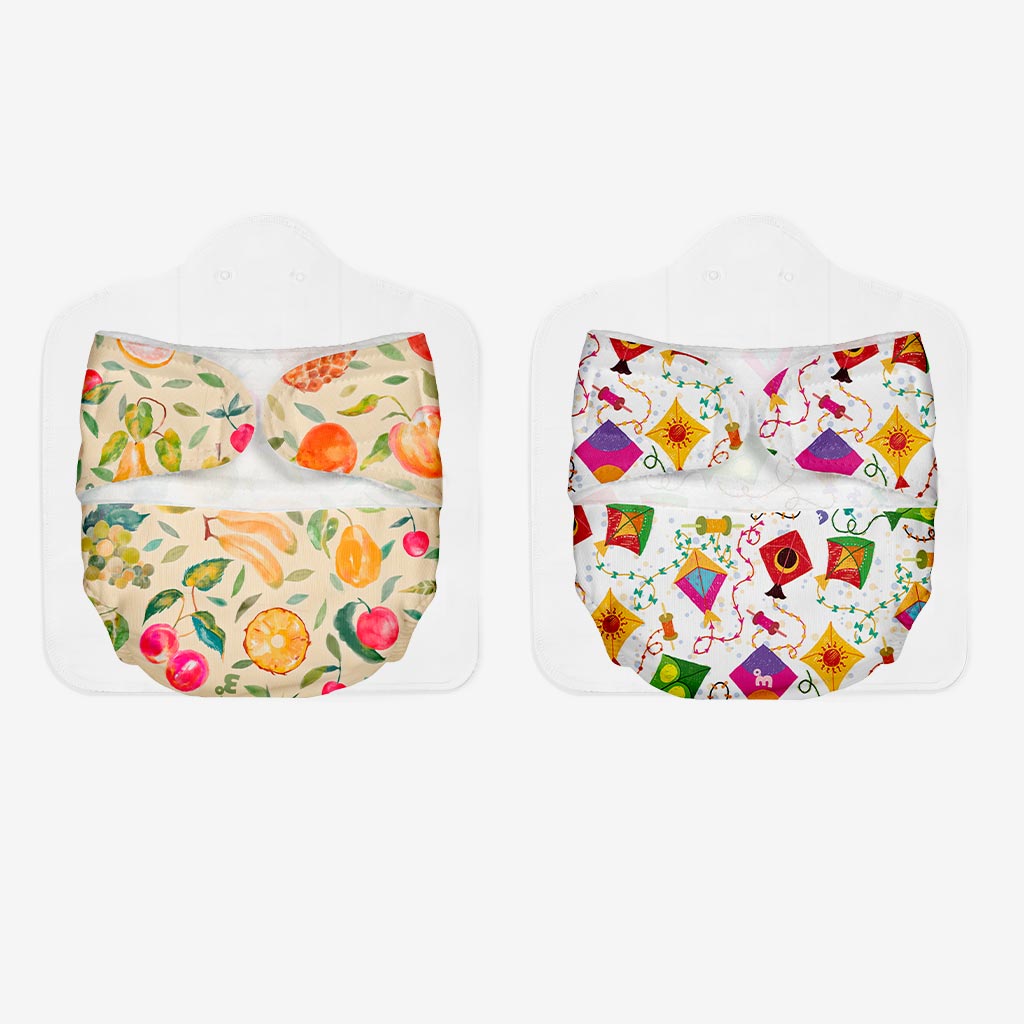
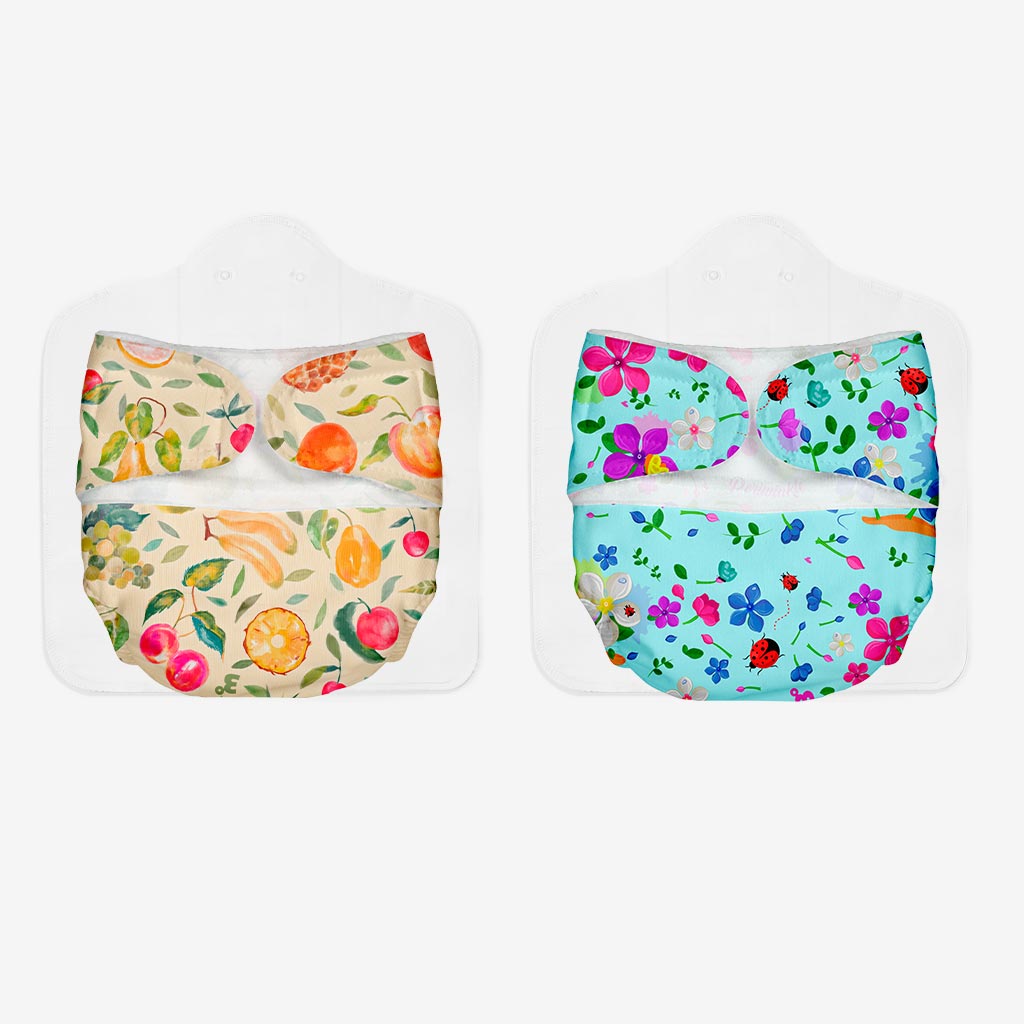
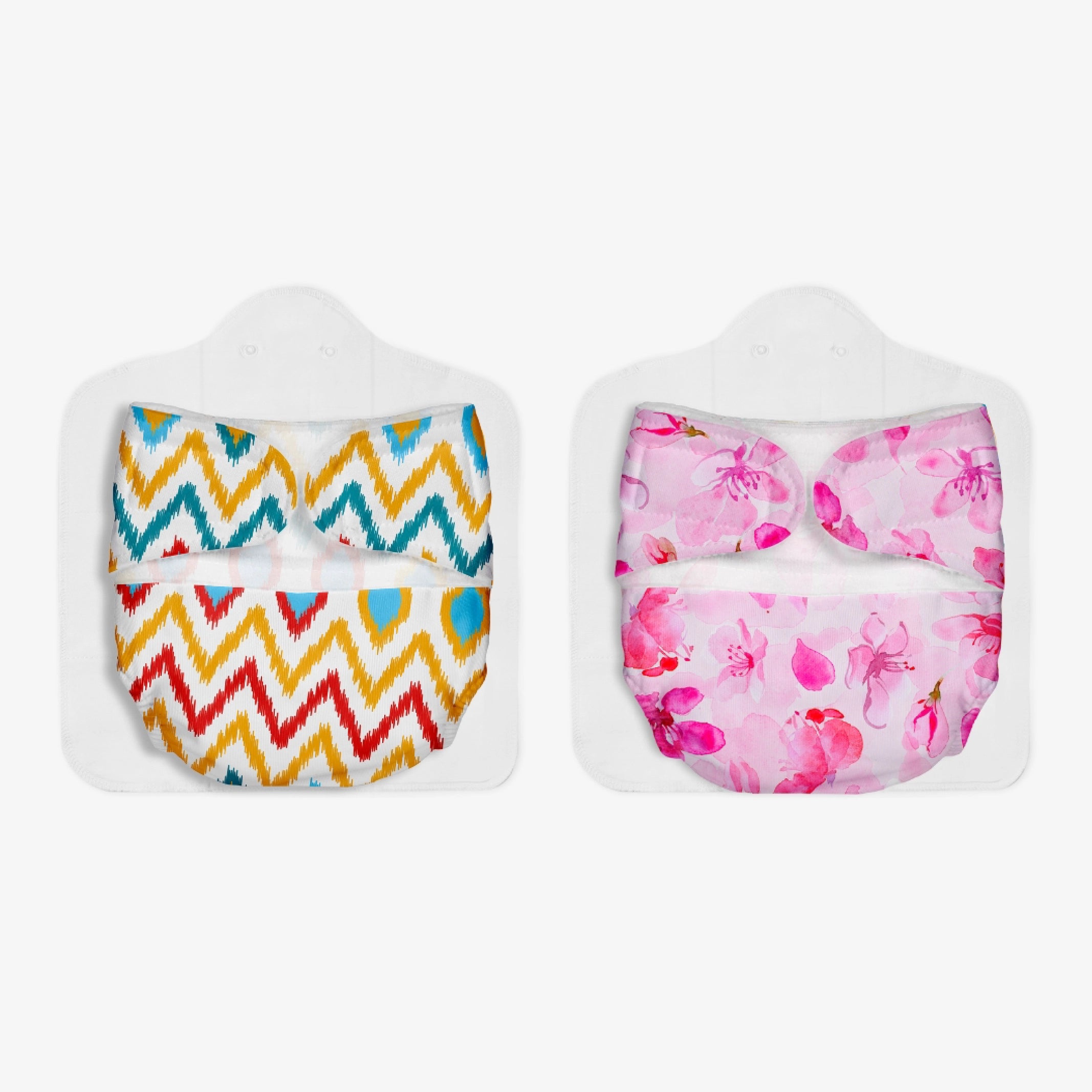
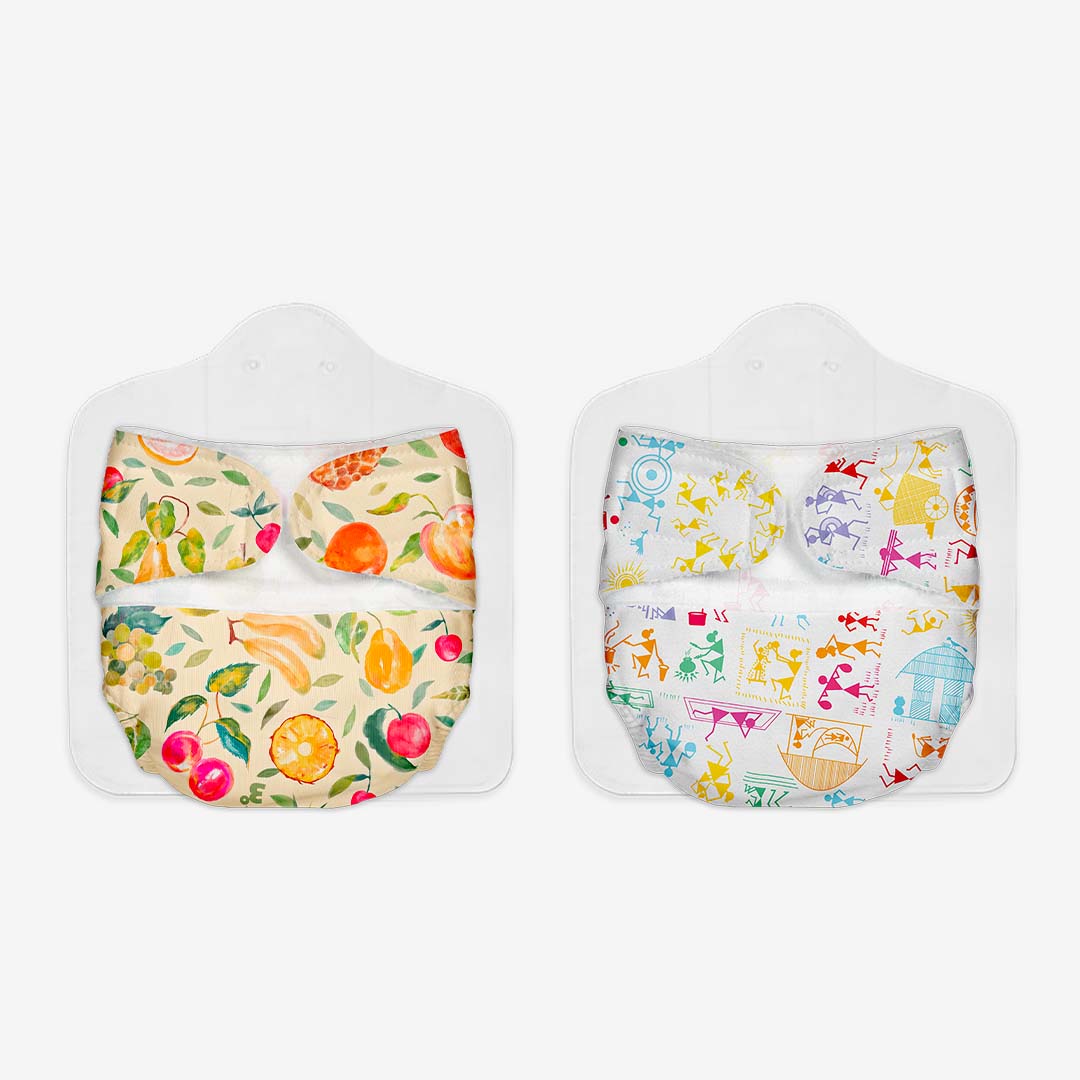
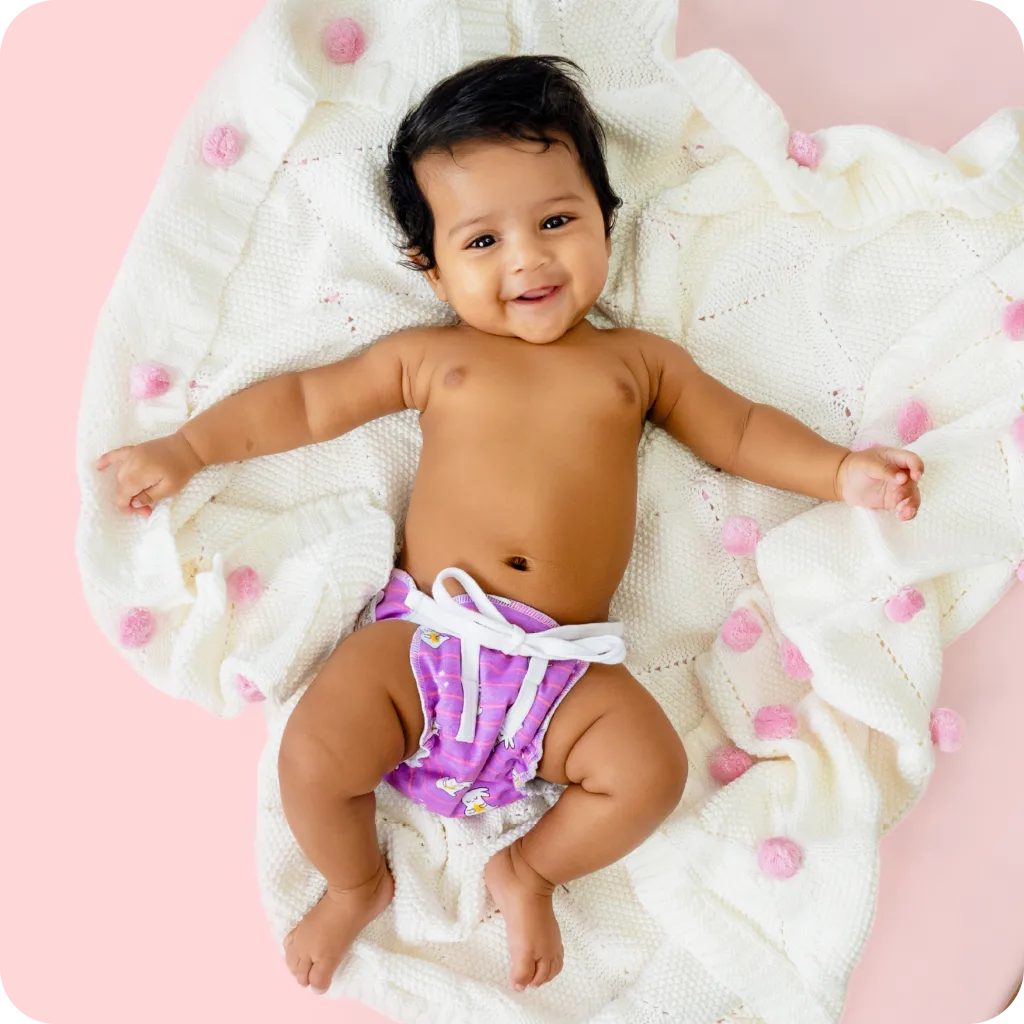
Cloth diapers may suit families who prefer reusable, washable products and want to choose the fabrics and inserts that touch their baby’s skin. However, cloth diapers are not a guaranteed solution for allergies, and switching products does not replace medical care.
If you are considering cloth diapering, look for:
- Soft, comfortable materials.
- A fit that avoids excessive rubbing.
- Absorbency suited to your baby’s wetting pattern.
- A washing routine that removes detergent residue.
- Frequent changes to reduce prolonged moisture exposure.
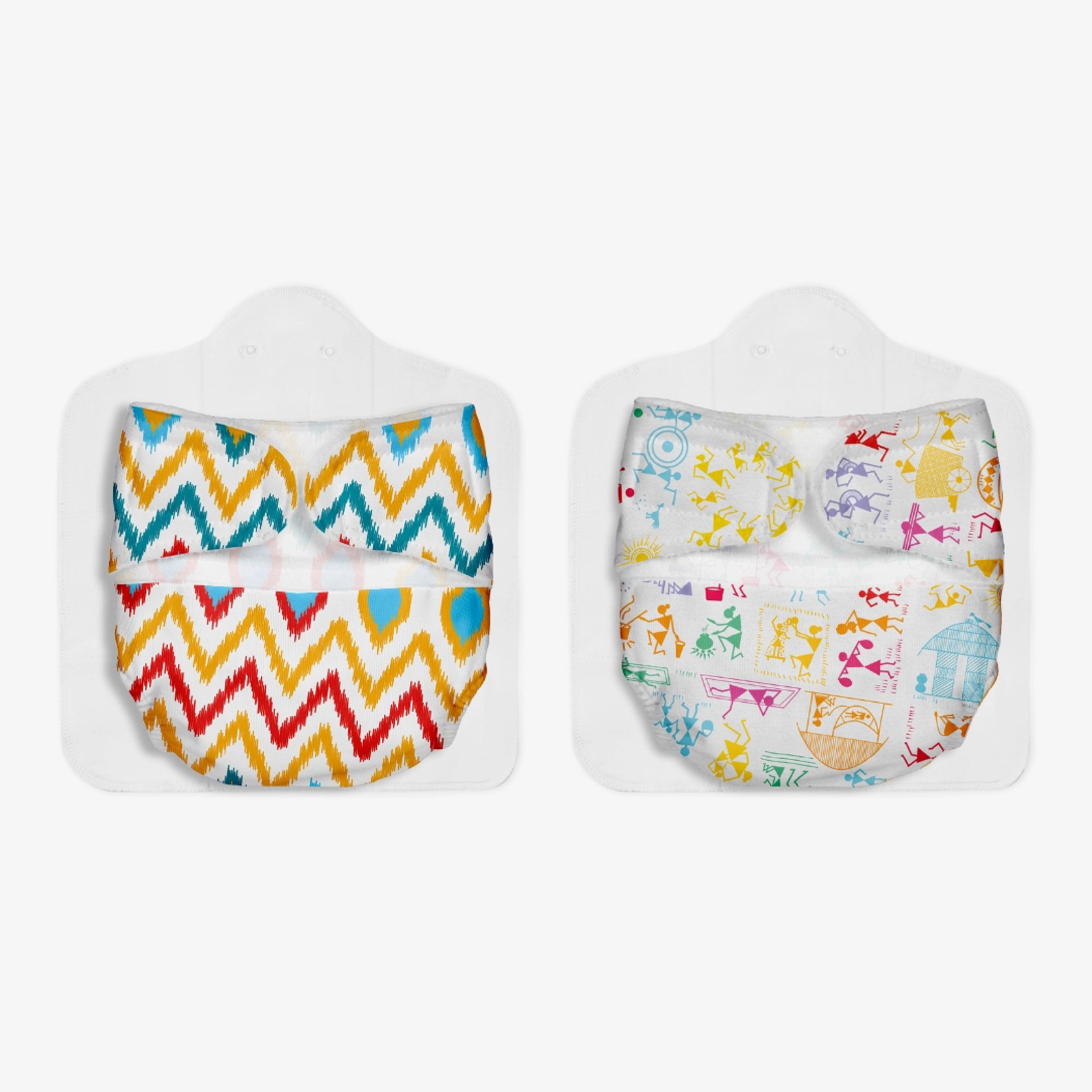
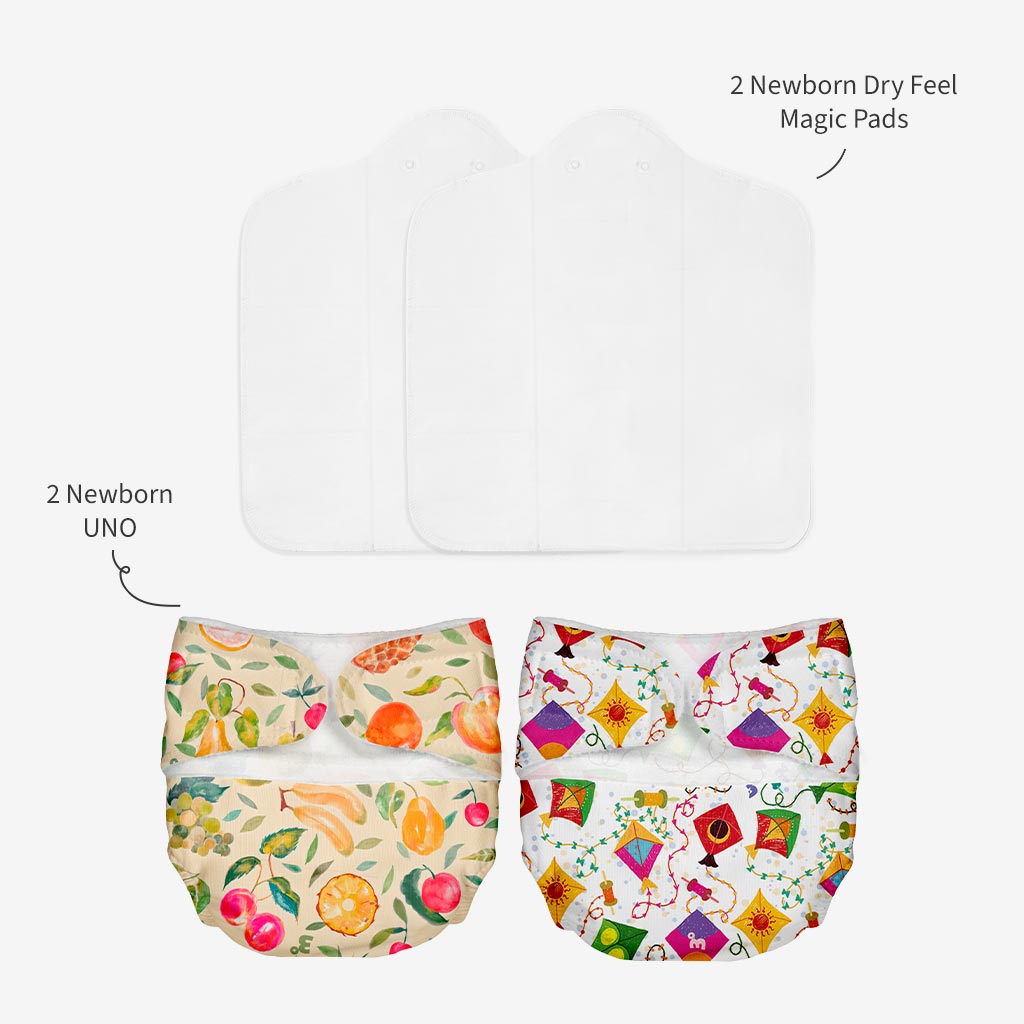
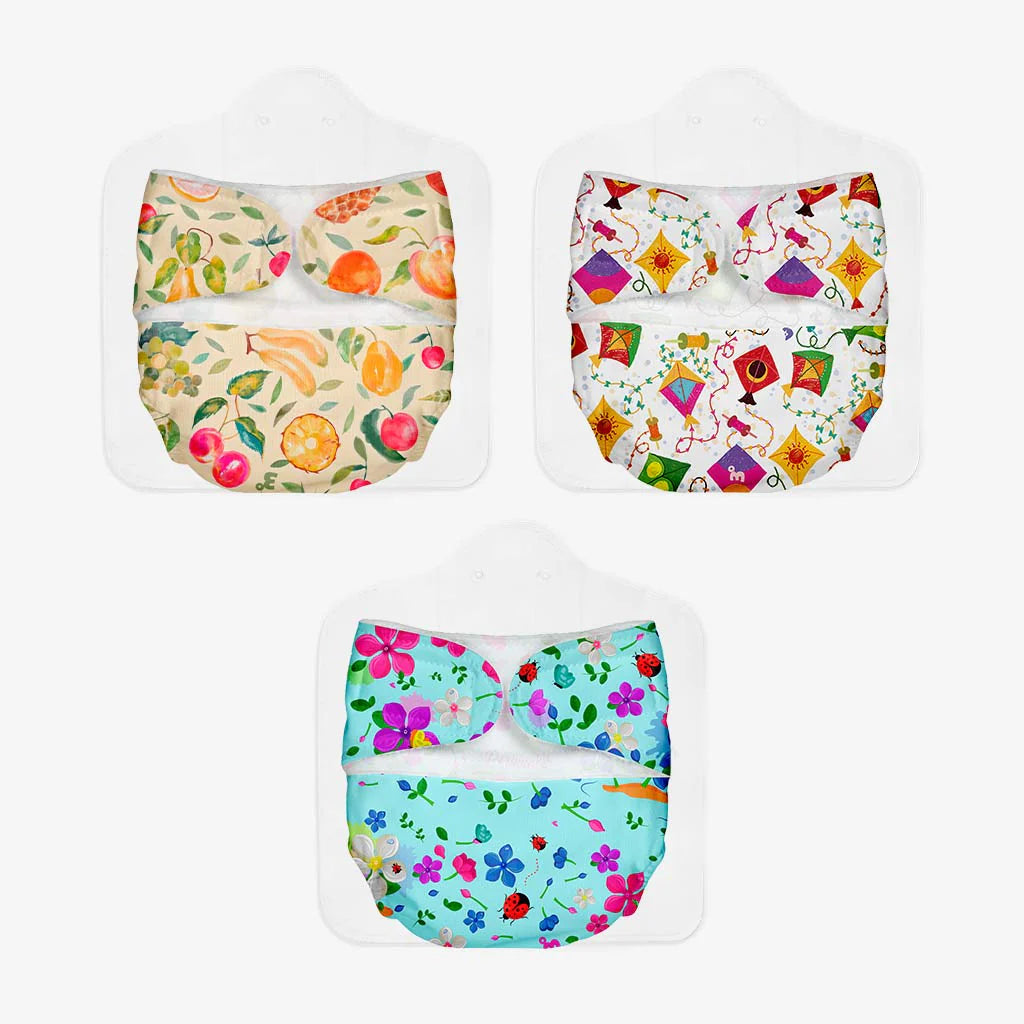
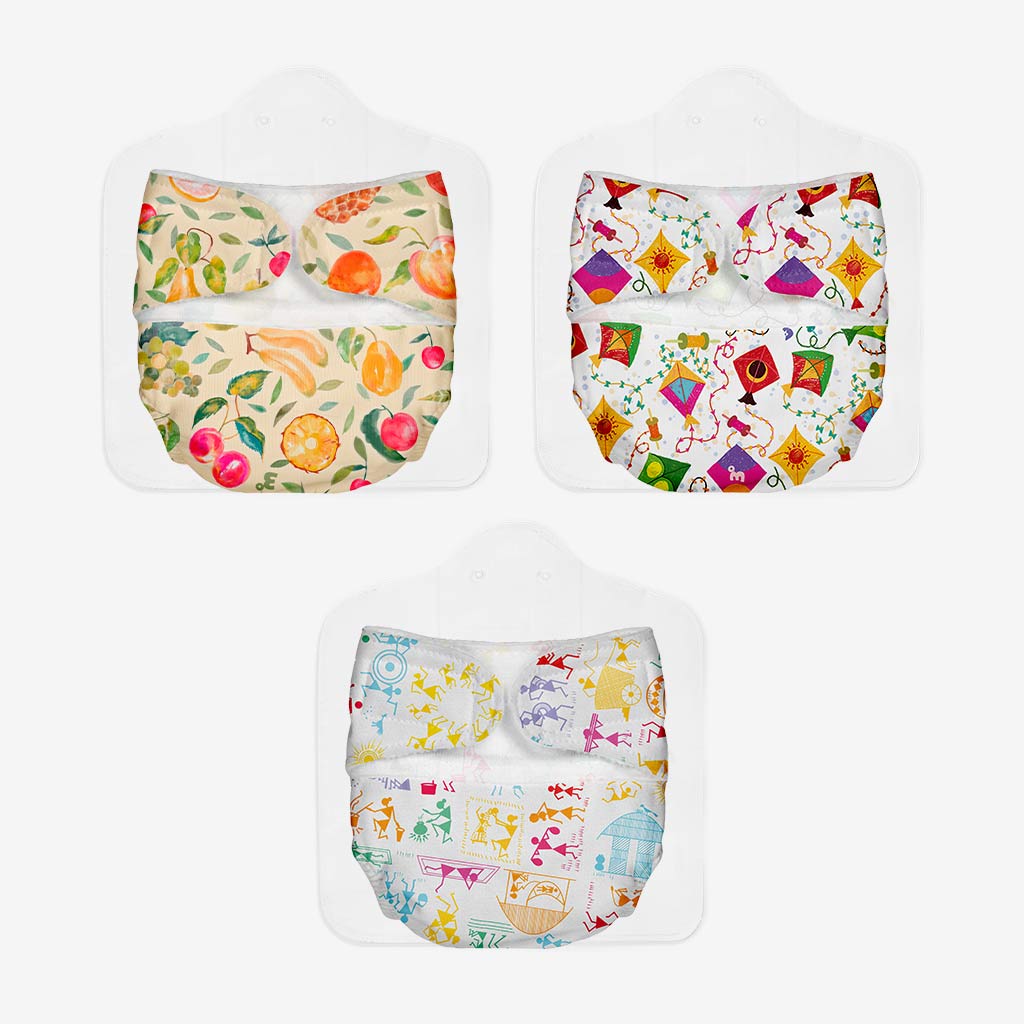
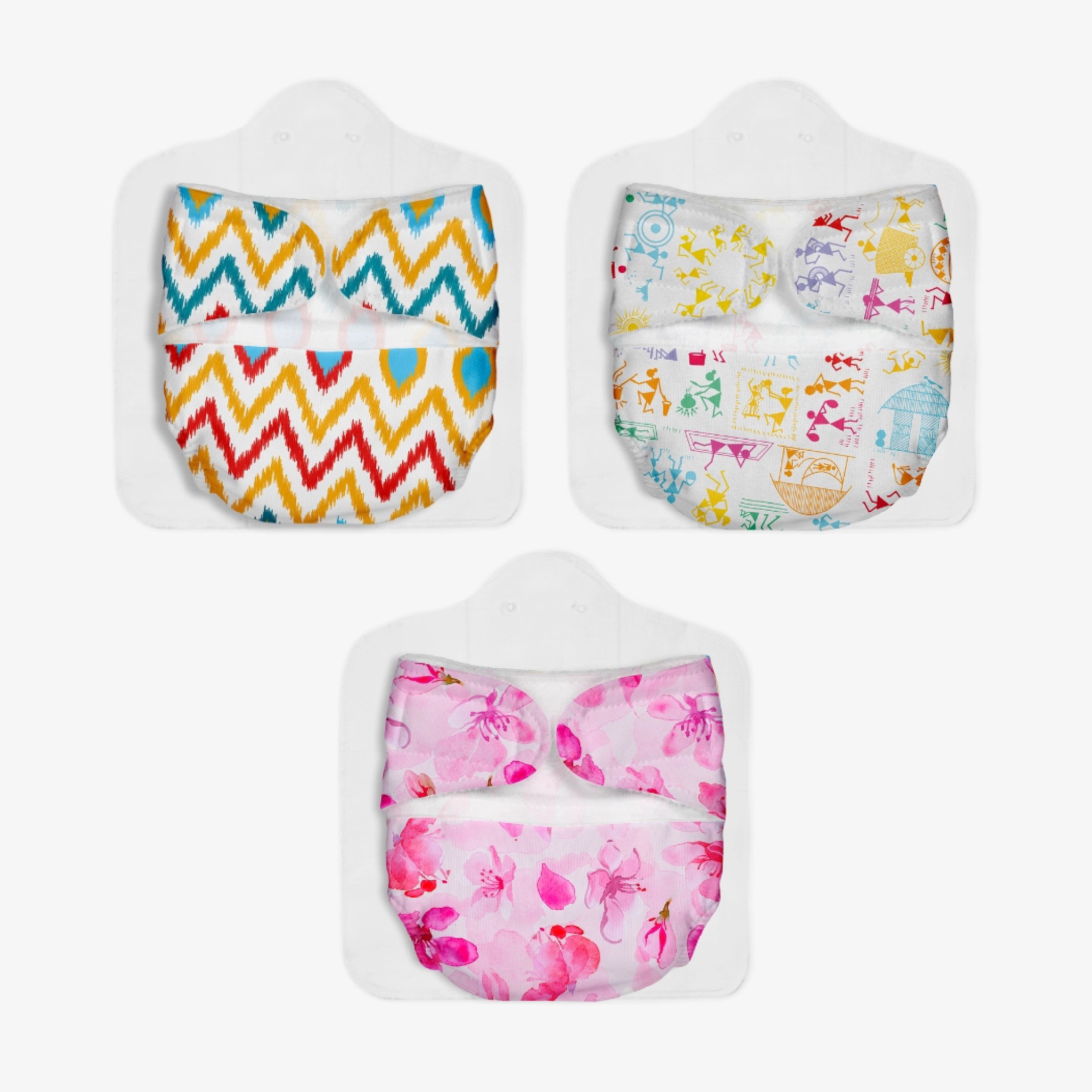
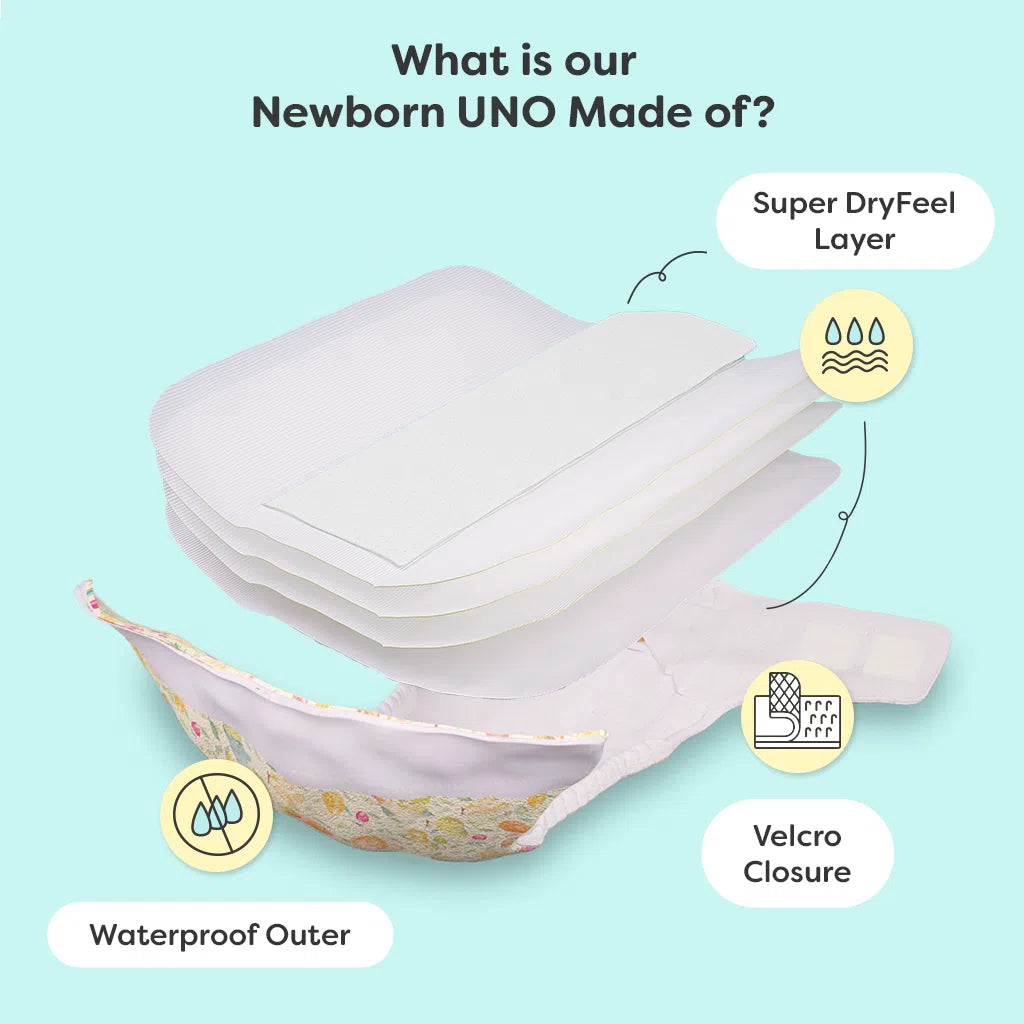
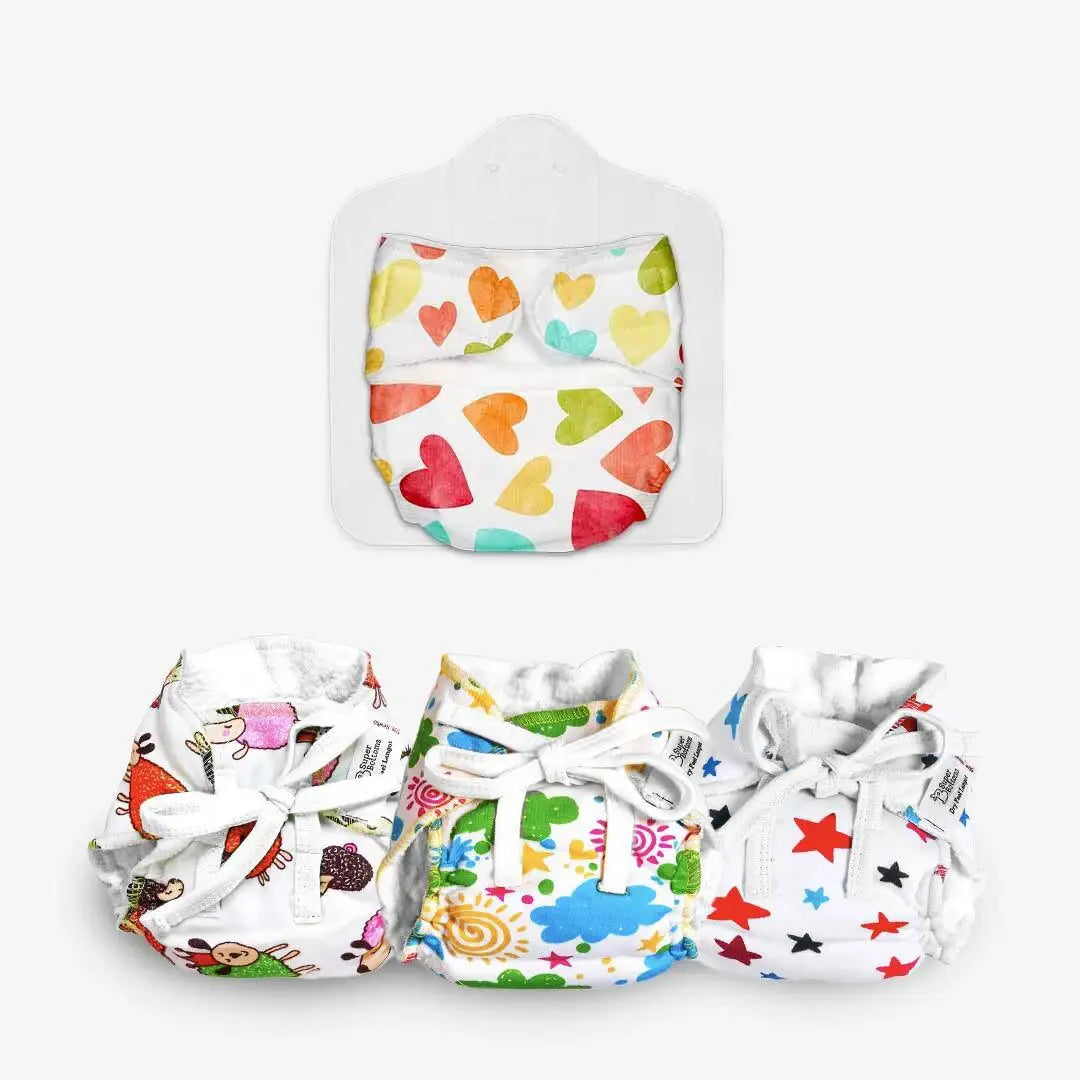
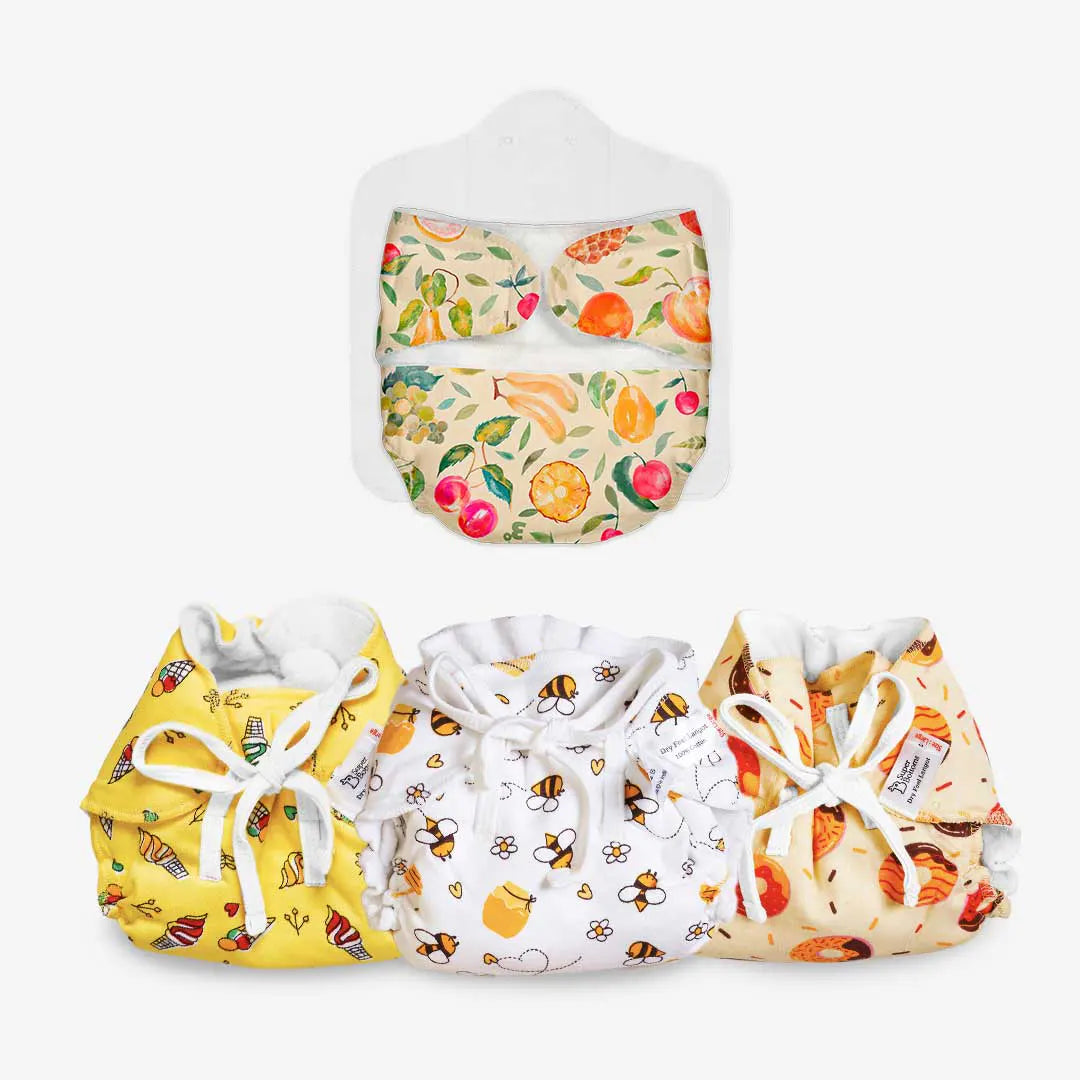
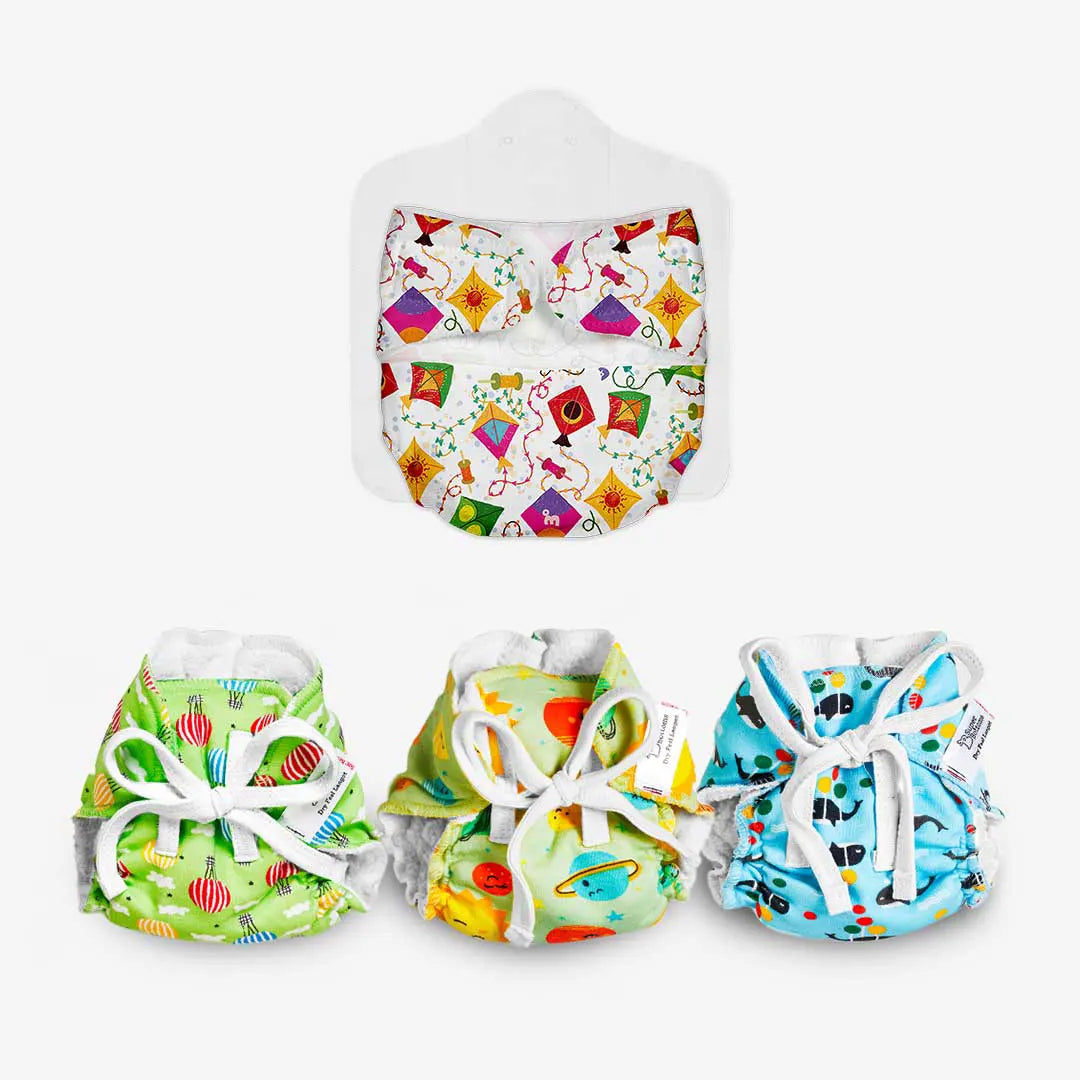
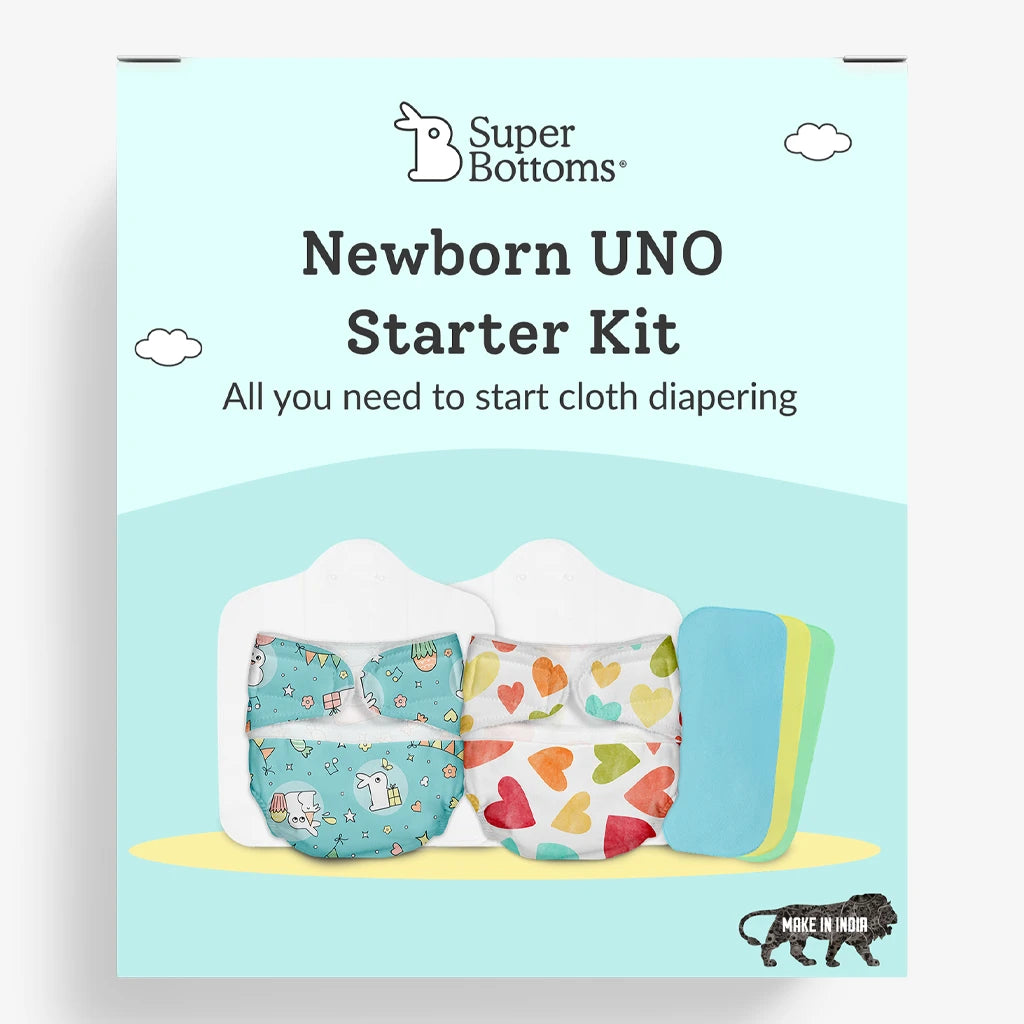
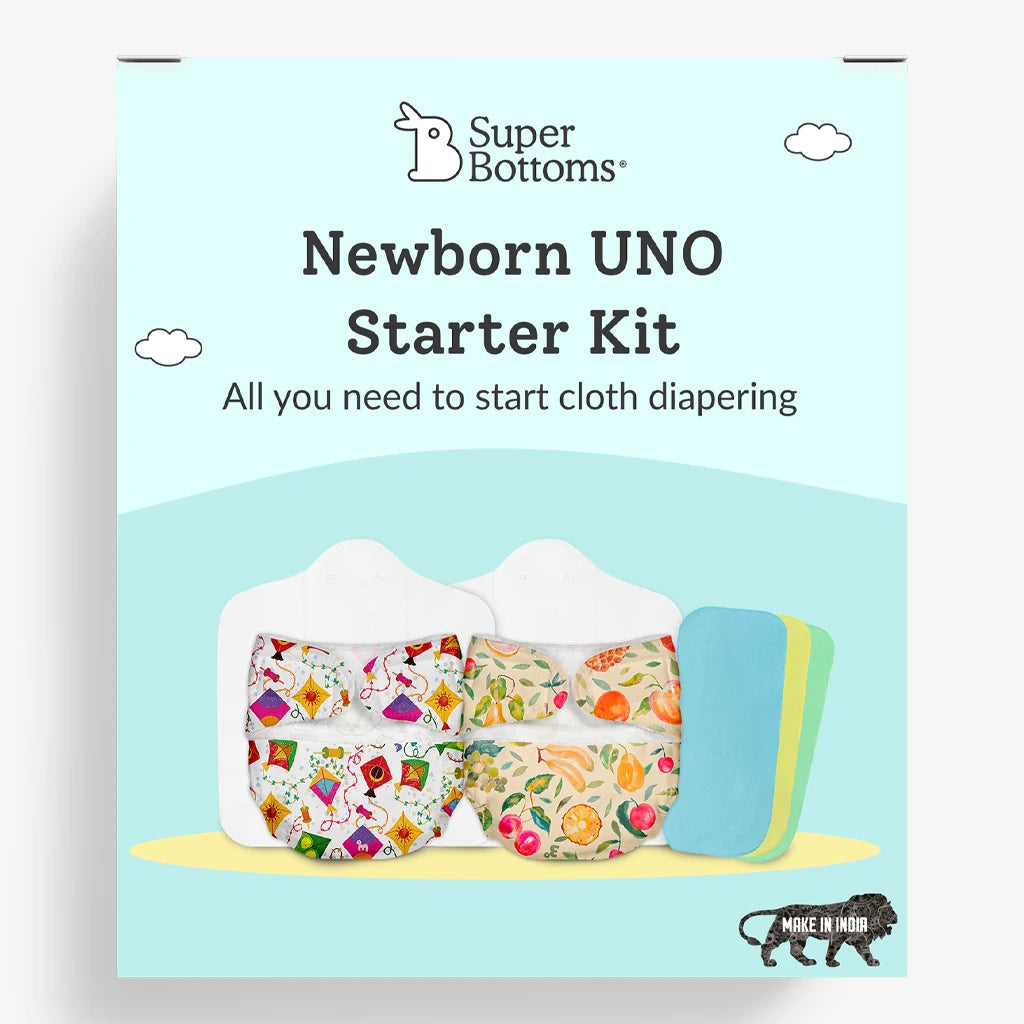
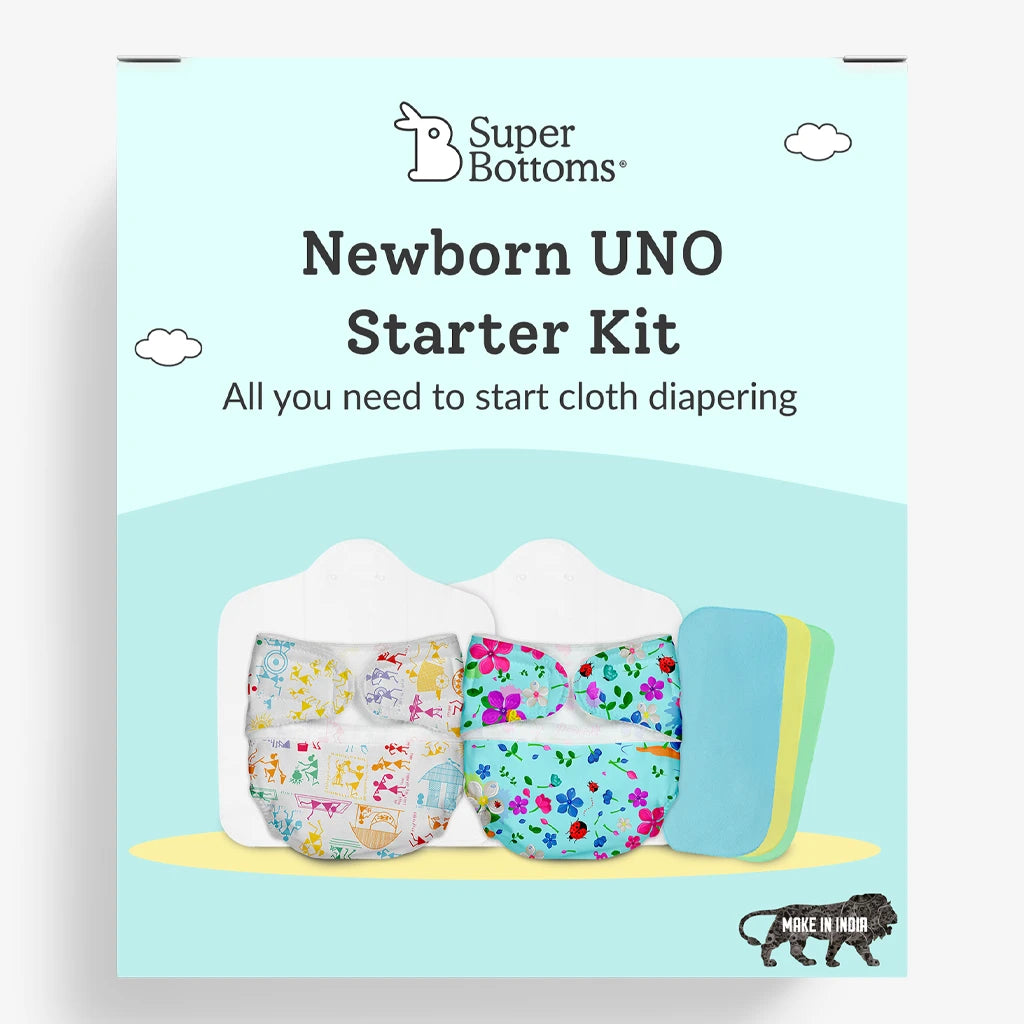
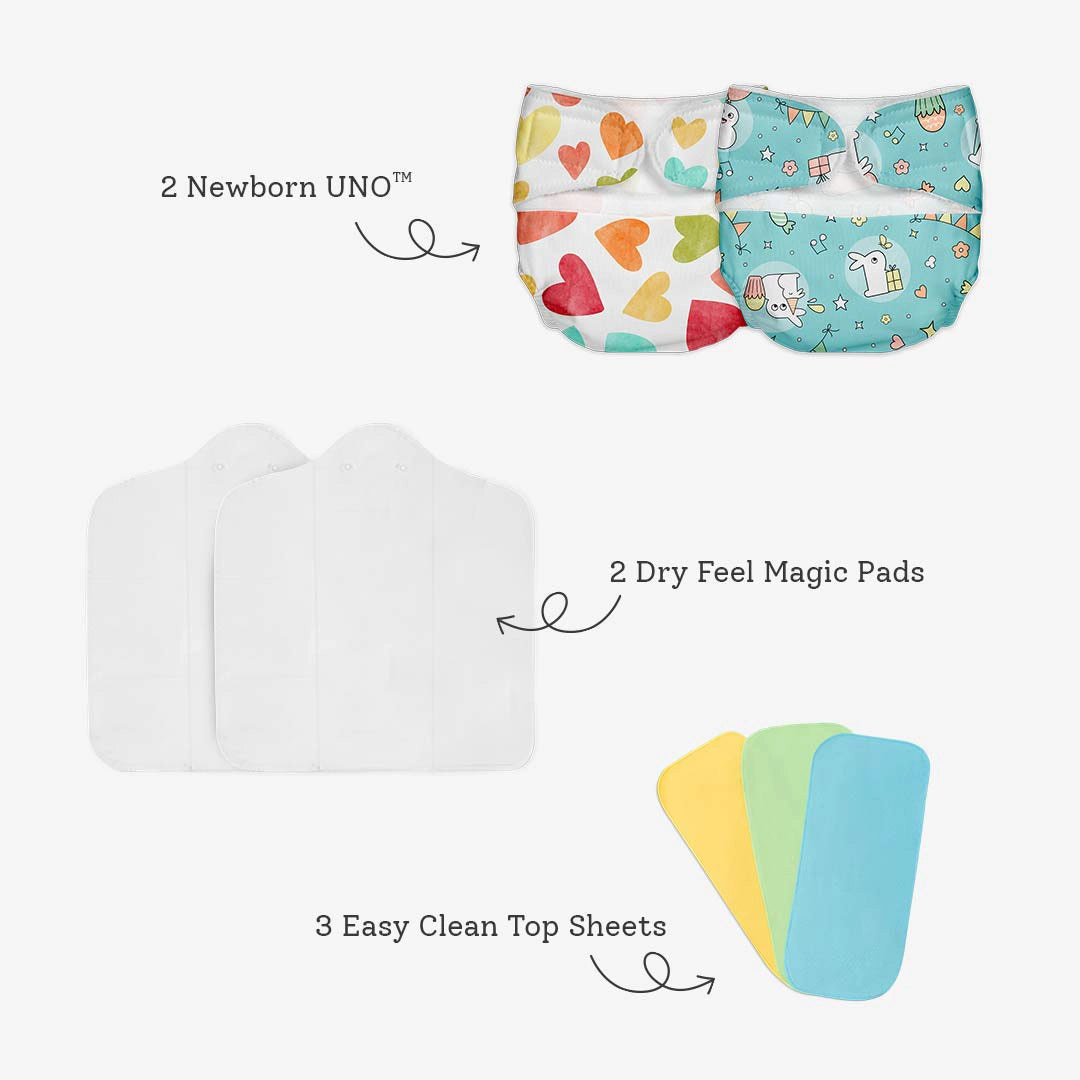
💡 SuperBottoms PickFamilies exploring reusable diapering can consider the SuperBottoms UNO cloth diaper. Choose based on fit, comfort, absorbency and your baby’s needs—not simply because a rash is present. |
What should parents look for when choosing baby skin care products?
The right choice depends on your baby’s skin, the product’s ingredients and how it will be used.
|
What to check |
Why it matters |
|
Soft, comfortable fabric |
Helps reduce friction |
|
Fragrance-free products |
May reduce irritation triggers |
|
Suitable fit |
Avoids rubbing and tightness |
|
Easy washing |
Helps maintain clean, reusable items |
|
Age-appropriate design |
Supports comfort and practical use |
What parents should know
No single fabric, diaper or skincare product works for every baby. If your child reacts repeatedly to a particular item, stop using it temporarily and discuss the pattern with your paediatrician.
What is the practical solution for baby skin allergies?
Problem: Your baby develops a rash, and you are unsure whether a product, food or skin condition is responsible.
Solution: Simplify the skincare routine, avoid suspected irritants, keep the skin comfortable and seek medical advice when needed.
Why it helps: A consistent routine makes it easier to notice triggers and manage dryness or irritation. A doctor can distinguish eczema, contact dermatitis and allergic reactions and guide treatment.
Expert answer
Board-certified dermatologist Dr JiaDe Yu, MD, FAAD, explains that eczema and allergic contact dermatitis can look similar, making the correct diagnosis important. Dermatologists may use patch testing to identify contact allergens when appropriate.
When should you see a doctor?
Contact your baby’s paediatrician if:
- The rash persists, spreads or keeps returning.
- Your baby has significant itching, discomfort or disturbed sleep.
- Skin is cracked, bleeding, oozing or showing signs of infection.
- You suspect a food allergy or reaction to a product.
- You are unsure what is causing the rash.
When is it an emergency?
Seek emergency medical care if your baby has a possible allergic reaction with breathing difficulty, swelling of the tongue or throat, or sudden severe symptoms involving more than the skin. Do not wait for a rash to worsen before seeking help.
Parent checklist
- Check when the rash started.
- Note new foods or products.
- Use gentle, fragrance-free skincare.
- Choose comfortable, breathable clothing.
- Change wet or soiled diapers promptly.
- Take a photo to track changes.
- Consult your paediatrician if concerned.

Key takeaways
- Not every baby rash is an allergy.
- Gentle skincare and suitable fit matter.
- Seek medical advice for persistent or severe symptoms.
FAQs
1. How do I know if my baby has a skin allergy?
A rash may be itchy, red, raised or swollen, but these symptoms can have several causes. A paediatrician can help distinguish an allergy from eczema, irritation or another skin condition.
2. Can diapers cause baby skin allergies?
Diapers can contribute to irritation or contact dermatitis in some babies. Check fit, moisture, materials and washing products, and seek medical advice if the rash persists.
3. What is the best skincare for a baby with sensitive skin?
A gentle, fragrance-free routine with lukewarm bathing and regular moisturising is a useful starting point for dry or eczema-prone skin. Ask your doctor about treatment for persistent symptoms.
4. Can food allergies cause baby skin rashes?
Yes, certain foods can trigger allergic reactions such as hives or swelling. Eczema alone does not prove a food allergy, so consult a healthcare professional before changing your baby’s diet.