






In this article, we will discuss:
- Indian 8 month baby food chart
- Nutritious meals and feeding tips
- Iron-rich foods for growing babies
- Safe textures and feeding practices
An eight-month-old may happily finish a bowl of khichdi one day and refuse the same food the next. This is normal as babies learn to eat. The goal is not to make them finish every serving, but to offer varied, nutritious foods in safe textures while continuing breast milk or infant formula.
What Can an 8-Month-Old Baby Eat?
An eight-month-old can eat a variety of soft, nutritious foods, including cereals, pulses, vegetables, fruits, dairy products, eggs, and well-cooked meat or fish where these suit the family's diet. Food should be mashed, finely chopped or offered in appropriately soft finger-food shapes according to the baby's feeding skills.
The World Health Organization (WHO) recommends gradually increasing food variety and texture during complementary feeding, which typically begins around six months.
Foods to include in your baby's diet
|
Food group |
Indian food examples |
|
Cereals and grains |
Rice, oats, ragi, dalia, soft idli |
|
Pulses and legumes |
Moong dal, masoor dal, mashed rajma |
|
Vegetables |
Pumpkin, carrot, peas, spinach, lauki |
|
Fruits |
Banana, papaya, ripe pear, cooked apple |
|
Protein-rich foods |
Well-cooked egg, soft paneer, tofu, boneless fish or chicken |
|
Dairy |
Plain, unsweetened, pasteurised full-fat yoghurt |
|
Healthy fats |
A little ghee or suitable vegetable oil mixed into food |
What parents should know
Include iron-rich foods regularly, such as lentils, beans, egg, meat or iron-fortified infant cereals. Pair plant-based iron sources with vitamin C-rich foods, such as cooked tomato or mashed fruit, to help the body absorb iron.
How Many Meals Should an 8-Month-Old Baby Eat?
An eight-month-old generally needs two to three complementary meals daily, alongside continued breastfeeding or infant formula. Appetite, development and existing milk-feeding patterns influence how much a baby eats.
WHO guidance recommends two to three meals a day for infants aged 6–8 months. The amount offered should increase gradually as the baby grows and becomes more comfortable eating.
Keep these principles in mind:
- Begin with small portions and offer more if your baby shows hunger.
- Continue breast milk or infant formula throughout the first year.
- Offer sips of water from an open cup during meals.
- Follow hunger and fullness cues instead of insisting on a clean bowl.
- Avoid treating snacks or exact meal timings as compulsory.
There is no single portion size that every eight-month-old must finish. Your paediatrician can advise on quantities if your baby has growth, feeding or nutritional concerns.
8-Month Baby Food Chart: Indian Meal Plan
Use this sample Indian food chart as a flexible starting point, not a strict timetable. Adjust meal times around your baby's milk feeds, naps and hunger cues.
|
Time |
Meal |
Food ideas |
|
Early morning |
Milk feed |
Breast milk or infant formula |
|
Breakfast |
Complementary meal |
Soft idli mashed with dal, or ragi porridge |
|
Mid-morning |
Milk or rest |
Breast milk or formula, according to usual routine |
|
Lunch |
Complementary meal |
Vegetable moong dal khichdi with a little ghee |
|
Afternoon |
Milk feed |
Breast milk or infant formula |
|
Evening |
Optional additional food or milk |
Mashed banana, plain yoghurt or milk, depending on hunger and routine |
|
Bedtime |
Milk feed |
Breast milk or infant formula |
This chart illustrates possible choices rather than a requirement to feed seven times. At this age, two to three solid meals are a reasonable goal; additional milk feeds continue according to the baby's needs. If your baby is hungry between meals, respond to their cues.
How can you make the chart more balanced?
Rotate foods across the week rather than serving only rice, dal and fruit every day. Include a source of iron, a grain or starchy food, vegetables and suitable protein-rich foods across meals. Variety matters more than creating a complicated menu.

Easy Homemade Baby Food Recipes
These simple recipes use familiar ingredients and can be adapted to your baby's feeding ability. Cook all ingredients thoroughly and serve food at a safe temperature.
1. Vegetable Moong Dal Khichdi
Ingredients: Rice, moong dal, finely chopped pumpkin or carrot, water and a little ghee.
Method:
- Wash the rice and dal thoroughly.
- Cook with the vegetables and enough water until everything is very soft.
- Mash to a moist, thick consistency with soft lumps if your baby manages them.
- Stir in a small amount of ghee and cool before serving.
Why it works: Rice supplies energy, dal contributes protein and iron, and vegetables add variety. The consistency can be adjusted to your baby's abilities.
2. Apple and Ragi Porridge
Ingredients: Ragi flour, apple, water and a little ghee if desired.
Method:
- Cook the apple until soft and mash it.
- Mix the ragi flour with water to make a smooth paste.
- Cook thoroughly, stirring to prevent lumps.
- Mix in the mashed apple, adjust the consistency and cool before serving.
Why it works: Ragi provides nutrients including iron, while apple adds flavour and fibre. The actual iron absorbed depends on the overall diet, so include other iron-rich foods too.
3. Soft Vegetable Idli
Ingredients: Plain idli, cooked vegetables and water or unsalted dal.
Method:
- Steam the idli until soft and crumble it.
- Mix with mashed, thoroughly cooked vegetables.
- Add water or unsalted dal to make a moist mixture.
- Check the texture and temperature before offering it.
Why it works: It introduces familiar family foods in a soft texture that can be adapted as feeding skills develop.
Which Foods Should You Avoid at Eight Months?
Babies need nutritious food, but preparation and texture are just as important as ingredients.
Avoid:
- Honey: Do not give honey before 12 months because of the risk of infant botulism.
- Added salt and sugar: Babies do not need these added to their food.
- Whole nuts and hard foods: These can cause choking. Do not offer whole grapes, hard raw apple or carrot pieces, popcorn or chunks of hard food.
- Unpasteurised dairy and undercooked animal foods: Choose safe, pasteurised products and thoroughly cooked eggs, meat and fish.
- Cow's milk as the main drink: Wait until 12 months to use it as the baby's main milk drink. Small amounts of pasteurised milk may be used in cooking, and suitable yoghurt can be offered earlier.
- Sugary drinks and fruit juice: Offer water and the baby's usual milk instead.
How should you introduce new foods and allergens?
Introduce common allergens, including well-cooked egg and smooth peanut butter diluted into food, in age-appropriate forms once complementary feeding has started. Do not offer whole nuts or a thick spoonful of peanut butter. Introduce allergens in small amounts and in forms that minimise choking risk.
If your baby has severe eczema, an existing food allergy or a previous reaction, seek medical advice before introducing relevant allergens. Stop feeding the suspected food and seek urgent help for breathing difficulty, swelling of the tongue or throat, or other signs of a severe allergic reaction.
Expert guidance
WHO recommends responsive feeding, meaning caregivers encourage eating patiently and respond to signs of hunger and fullness. This helps make mealtimes a learning experience rather than a struggle.
For more detail, consult the WHO complementary feeding guideline.
How Should Food Texture Change at Eight Months?
At eight months, babies should gradually progress beyond smooth purées when they can manage thicker mashes, soft lumps and suitable finger foods. Waiting too long to introduce age-appropriate textures may make learning to handle different foods more difficult.
|
Texture |
Examples |
|
Thick mash |
Mashed dal and rice, mashed pumpkin |
|
Soft lumps |
Well-cooked vegetable khichdi |
|
Soft finger foods |
Soft-cooked vegetable sticks, ripe banana strips, soft idli pieces |
Seat your baby upright and supervise every meal. Food should be soft enough to squash easily between your fingers, with hard skins, bones, pits and seeds removed where appropriate.
Gagging can occur as babies learn to manage textures, but choking can be silent and life-threatening. Learn infant choking first aid and never leave a baby alone with food.
What Should Parents Look for in Feeding Essentials?
Starting solids often means more spills, laundry and cleaning. Feeding essentials can make the process easier, but they should support safe feeding rather than determine what your baby eats.
Look for:
- Comfort: Soft materials and a fit that does not restrict movement.
- Coverage: Protection for clothes during messy meals.
- Easy cleaning: Washable materials that dry thoroughly between uses.
- Practicality: Products that are easy to carry and use daily.
- Value: Consider durability and cost per use, not just the initial price.
A washable waterproof bib is one optional way to reduce food and liquid reaching your baby's clothes. It does not replace supervision, appropriate seating or safe food preparation.
A practical option for messy mealtimes
SuperBottoms offers Waterproof Cloth Bibs designed for feeding and other messy activities. The product range includes reusable, reversible bibs with a waterproof layer and a crumb-catching pocket.
They may be useful when your baby is exploring self-feeding, but they are not essential to starting solids. Check the current product specifications, care instructions, fit and price before purchasing.
Parent Checklist: Feeding Your Eight-Month-Old
- Offer two to three nutritious complementary meals.
- Include iron-rich foods regularly.
- Rotate grains, vegetables, fruits and protein sources.
- Progress textures according to feeding skills.
- Avoid honey, added salt and added sugar.
- Remove choking hazards and supervise meals.
- Continue breast milk or infant formula.
- Follow hunger and fullness cues.
- Wash hands and prepare food hygienically.
Ask your paediatrician about growth or feeding concerns.
An effective 8-month baby food chart is flexible, varied and age-appropriate. Offer two to three nutritious meals, include iron-rich foods, gradually develop your baby's texture skills and continue breast milk or infant formula. Your baby does not need to finish every bowl; consistent, responsive feeding matters more than a perfect timetable.

Key Takeaways
- Offer two to three varied meals daily alongside milk feeds.
- Prioritise iron-rich foods, safe textures and responsive feeding.
- Adjust portions and meal timing to your baby's cues.
Frequently Asked Questions
1. Can an eight-month-old baby eat rice and chapati?
Yes. Soft-cooked rice and chapati softened with dal or water can be offered in an appropriate texture. Ensure there are no dry, hard or sticky pieces that could cause choking.
2. Can I give curd to my eight-month-old baby?
Yes. Plain, unsweetened, pasteurised full-fat yoghurt or curd can be offered if tolerated. Cow's milk should not replace breast milk or infant formula as the main drink before 12 months.
3. Should an eight-month-old eat three meals every day?
Two to three complementary meals a day is the WHO recommendation for infants aged 6–8 months. Build up gradually according to your baby's appetite, development and milk-feeding routine.
4. What should I do if my baby refuses food?
Stay calm, stop when your baby signals fullness and offer the food again on another occasion. If refusal persists or you notice poor weight gain, difficulty swallowing or frequent coughing during meals, consult your paediatrician.
Message from SuperBottoms
Hi there, new parents! SuperBottoms brings you doctor-recommended cloth diapers, a trusted rash-free diapering solution specially designed for your baby's sensitive, delicate skin.
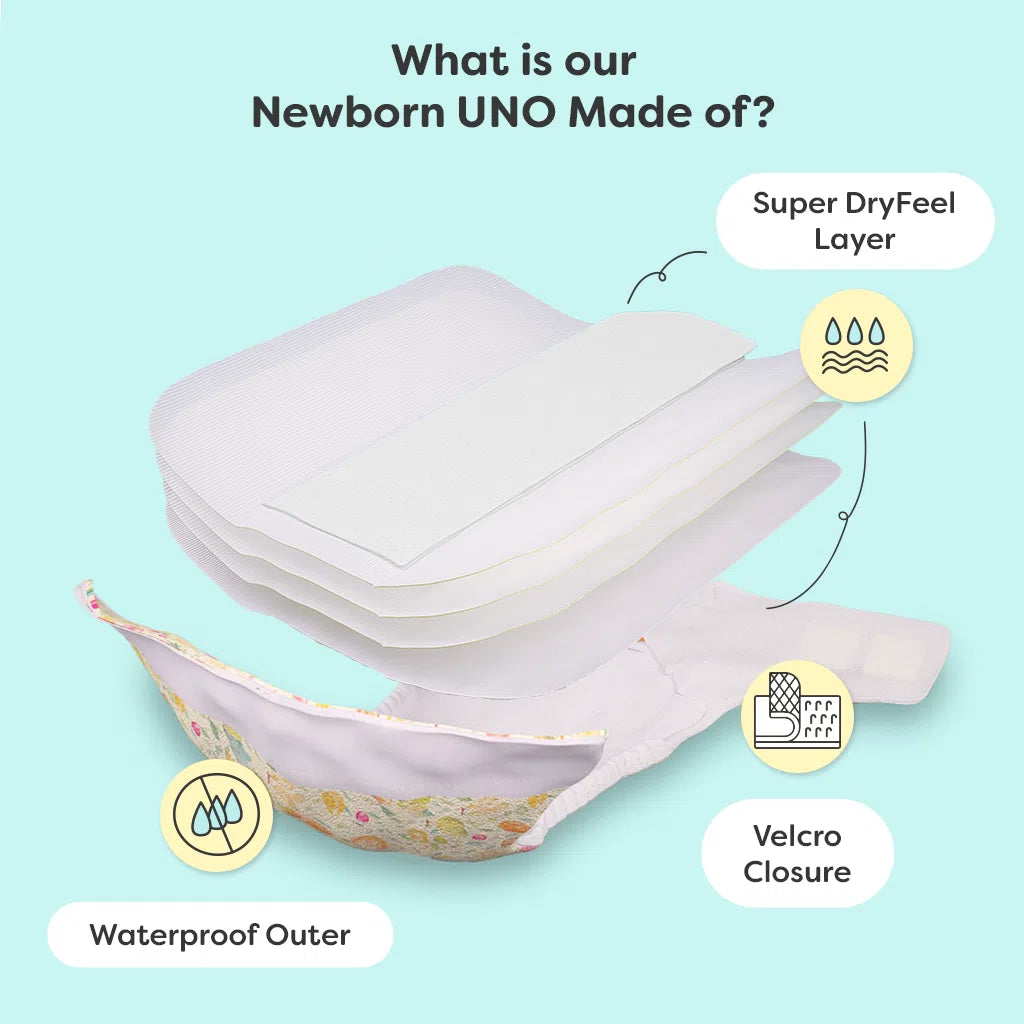
From Newborn UNO and Regular UNO to UNO Luxe, SuperBottoms offers reusable diapering solutions for every stage of your child's growth.
Our range also includes Diaper Pants, DryFeel langots for diaper-free time, Padded Underwear for potty training, as well as SuperSoft Underwear, Cycling Shorts and Joggers for growing kids.
Our collection also includes Period Underwear and bladder-leak solutions for women, along with everyday baby-care essentials.
SuperBottoms products also make thoughtful gifts for babies and new parents - practical, reusable and designed around the real needs of parents.
SuperBottoms products are now available on Amazon, Flipkart, FirstCry, Myntra, Nykaa, Blinkit, and Zepto.