





About Dr Kausalya Rajkumar (Author)

Dr Kausalya Rajkumar, a dentist and implantologist with 15 years of experience, specialises in laser dentistry. Her passion lies in creating healthy, confident smiles while ensuring a comfortable dental experience for her patients. Beyond dentistry, she is a dedicated classical dancer, an avid reader, and a travel enthusiast who loves exploring new places and cultures. As a mom, she is also a hardcore cloth diapering advocate, deeply committed to sustainable parenting.
In this article, we will discuss:
- Baby dental care starts early
- Recognise common teething symptoms
- Soothe sore gums safely
- Brush baby teeth with fluoride
- Prevent cavities through daily habits
Your baby's first tooth is an exciting milestone, but it can also bring drooling, restless nights and questions about oral hygiene. The good news is that baby dental care doesn't need to be complicated. Knowing which teething symptoms are normal, how to soothe sore gums and when to start brushing can help you build healthy habits from the beginning.
When do babies start teething?
Most babies get their first tooth at around six months, although teething may begin earlier or after their first birthday. The two lower front teeth usually appear first, followed by the upper front teeth. Most children have all 20 primary teeth by around age three. Source: NHS teething guidance.
Every baby's timeline is different, so a tooth appearing a little earlier or later does not automatically indicate a problem.
What are the common teething symptoms?
Common baby teething symptoms include increased drooling, tender gums, chewing on objects, mild irritability and disrupted sleep. Some babies experience very little discomfort, while others need extra soothing for a few days around a tooth's emergence.
Look out for these signs:
- Drooling: Keep the chin and neck gently dry to reduce irritation.
- Tender or swollen gums: The gum around an emerging tooth may look red.
- Chewing: Babies may bite their fingers or safe toys for relief.
- Fussiness: Gum discomfort can temporarily affect their mood and sleep.
What parents should know
Teething should not be used to explain away significant illness. Diarrhoea and a true fever are not established teething symptoms. Seek medical advice if your baby has a temperature of 38°C or higher, persistent loose stools, poor feeding or symptoms that concern you.
How can you soothe a teething baby?
The safest first steps for teething relief are gentle gum massage, a chilled teething ring designed for babies and extra comfort. If your baby appears to be in significant pain, ask a paediatrician about appropriate pain relief rather than experimenting with home remedies.
Try these practical options:
- Massage the gums: Wash your hands and gently rub the sore area with a clean finger.
- Offer a chilled teething ring: Follow the manufacturer's instructions and refrigerate it if suitable. Never freeze it.
- Use cuddles and distraction: Feeding, gentle play and comforting contact may help your baby settle.
- Manage drooling: Dab saliva away with a soft cloth instead of rubbing the skin.
Avoid amber teething necklaces, which can cause choking or strangulation, and avoid unadvised numbing gels, teething tablets or home remedies applied directly to the gums. Do not give hard foods or small pieces of fruit for chewing without considering choking risks.
Expert guidance
The American Academy of Paediatrics’ guidance, presented by Dina DiMaggio, MD, FAAP, and Julie Cernigliaro, DMD, supports gentle gum massage and appropriately chosen cooling methods for teething discomfort. Their advice also cautions against potentially dangerous teething products. Read the AAP-affiliated guidance on a baby's first tooth.
How should you care for your baby's first tooth?
Start brushing as soon as the first tooth appears. Use a small, soft-bristled baby toothbrush and an age-appropriate amount of fluoride toothpaste. You do not need to wait until your baby has several teeth or can spit independently.
When should you start brushing baby's teeth?
Begin brushing your baby's teeth when the first tooth erupts, usually around six months. Brush twice daily, including once before bedtime, using a soft toothbrush and a rice-grain-sized smear of fluoride toothpaste for children under three. Ask your dentist about the appropriate fluoride concentration and use for your child.
Follow this routine
- Sit your baby securely on your lap, supporting their head.
- Brush gently along the gumline and all accessible tooth surfaces.
- Use a smear of fluoride toothpaste about the size of a grain of rice.
- Make brushing part of the morning and bedtime routine.
- Supervise brushing and do the brushing yourself until your child can clean their teeth effectively.
For young children, the amount of toothpaste matters because they may swallow some. Ask your dentist about fluoride recommendations, particularly if your child is under two.

When should your baby first visit a dentist?
Arrange the first dental visit by your baby's first birthday, or within six months of the first tooth appearing. An early visit allows a dentist to check tooth development, assess cavity risk and help you establish a suitable brushing routine.
Milk teeth matter even though they eventually fall out. They help children chew, support speech development and maintain space for permanent teeth. Early dental care helps identify problems before they become more difficult to manage.
How can you prevent early tooth decay?
Early childhood tooth decay can develop when teeth are repeatedly exposed to sugars, especially when oral hygiene is inconsistent. A few everyday habits can help protect your baby's teeth.
- Limit sugary drinks: Avoid sweetened beverages and do not put juice in a feeding bottle.
- Avoid bedtime bottles as a sleep aid: Do not routinely put your baby to bed with a bottle containing milk or other drinks. Follow your healthcare professional's feeding advice for infants.
- Build a brushing habit: Clean teeth twice daily, particularly before sleep.
- Choose age-appropriate foods: Once complementary feeding begins, offer a varied diet and avoid frequent sugary snacks.
- Ask about fluoride: Your dentist can advise on fluoride toothpaste and preventive treatments based on your child's needs.
For further guidance, consult the CDC's oral health tips for children.
What should parents look for in baby dental care products?
Choose products based on your baby's age, comfort and safety rather than packaging claims or popularity.
|
Product |
What to look for |
Important consideration |
|
Baby toothbrush |
Small head and soft bristles |
Replace when worn or damaged |
|
Fluoride toothpaste |
Appropriate fluoride concentration |
Use only the recommended quantity |
|
Teething ring |
Age-appropriate, durable design |
Inspect for damage and never freeze |
|
Soft drool cloth |
Gentle, absorbent fabric |
Pat the skin dry to reduce irritation |
What is the practical solution?
Problem: Teething can make babies uncomfortable while drooling leaves their chin and neck damp.
Solution: Combine safe gum-soothing methods with gentle drool management. Keep a soft cloth handy, change damp clothing when needed and avoid rubbing irritated skin.
Why it helps: These simple habits address everyday discomfort without confusing teething care with treatment for illness or replacing dental hygiene.
💡 SuperBottoms Pick: Waterproof cloth bibsIf drooling frequently soaks your baby's clothes, SuperBottoms waterproof cloth bibs may be worth considering for everyday feeding and drool management. Check the current product specifications, fit and care instructions before purchasing. |
Bibs help protect clothing; they do not relieve gum pain or replace brushing. Change a wet bib promptly and keep fabric away from your baby's face during sleep.
Parent checklist
Use this quick checklist to establish a practical baby dental care routine.
- Clean your baby's gums gently before teeth emerge.
- Start brushing as soon as the first tooth appears.
- Use the recommended amount of fluoride toothpaste.
- Offer safe, age-appropriate teething relief.
- Limit sugary drinks and frequent sugary snacks.
- Check for unusual spots or changes on teeth.
- Arrange a dental visit by the first birthday.
- Contact a healthcare professional about concerning symptoms.
Baby dental care starts with small, consistent habits. Recognise common teething symptoms, soothe sore gums safely and begin brushing with fluoride toothpaste when the first tooth appears. Regular dental visits and sensible dietary habits help protect your baby's teeth as they grow.

Key takeaways
- Start brushing as soon as the first tooth appears.
- Use safe soothing methods and watch for signs of illness.
- Establish healthy oral hygiene habits early and visit a dentist by age one.
FAQs
1. When should I start cleaning my baby's mouth?
You can gently wipe your baby's gums with a clean, soft cloth before teeth appear. Once the first tooth erupts, begin brushing twice daily with a soft toothbrush and an appropriate amount of fluoride toothpaste.
2. Is teething responsible for fever or diarrhoea?
Teething may cause mild gum discomfort and irritability, but a fever of 38°C or higher or persistent diarrhoea should not be attributed to teething without medical assessment.
3. Can I use fluoride toothpaste for my baby?
Yes. Use a rice-grain-sized smear for children under three, and ask your dentist about the appropriate fluoride concentration for your baby's age and needs.
4. What is the safest way to relieve teething pain?
Try gentle gum massage with a clean finger or a suitable chilled teething ring. Consult your paediatrician before giving pain medication, and avoid teething necklaces and unadvised numbing products.
Message from SuperBottoms
Hi there, new parents! SuperBottoms brings you doctor-recommended cloth diapers, a trusted rash-free diapering solution specially designed for your baby's sensitive, delicate skin.
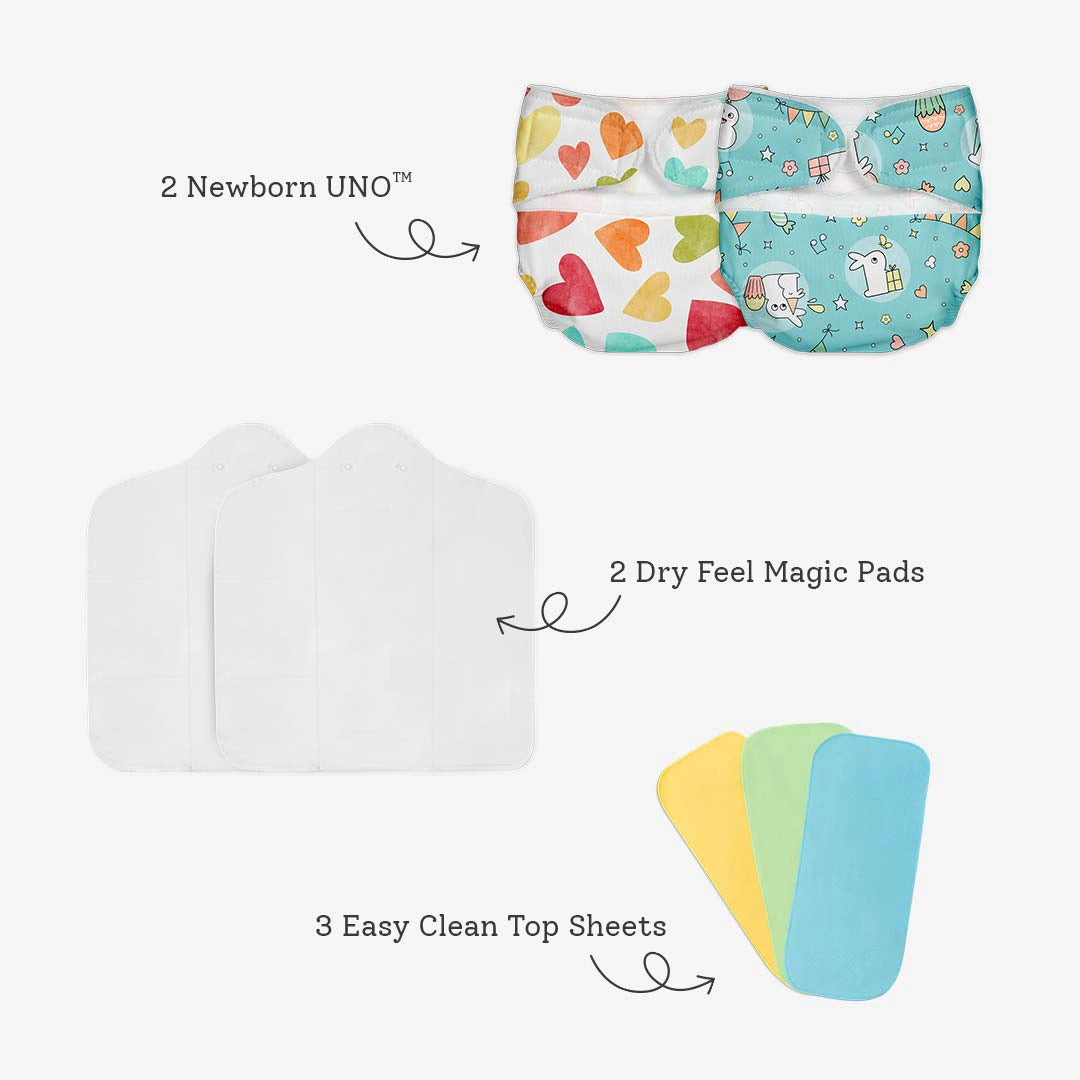
From Newborn UNO and Regular UNO to UNO Luxe, SuperBottoms offers reusable diapering solutions for every stage of your child's growth.
Our range also includes Diaper Pants, DryFeel langots for diaper-free time, Padded Underwear for potty training, as well as SuperSoft Underwear, Cycling Shorts and Joggers for growing kids.
Our collection also includes Period Underwear and bladder-leak solutions for women, along with everyday baby-care essentials.
SuperBottoms products also make thoughtful gifts for babies and new parents - practical, reusable and designed around the real needs of parents.
SuperBottoms products are now available on Amazon, Flipkart, FirstCry, Myntra, Nykaa, Blinkit, and Zepto.