






A first-month pregnancy food chart helps expecting mothers understand what to eat during early pregnancy to support fetal development, reduce nausea, and maintain energy. During the first few weeks, nutrient-dense foods rich in folic acid, iron, calcium, and protein become especially important. A simple, balanced diet with small frequent meals can help manage common first-trimester discomforts while supporting healthy pregnancy progress.
- Why Is Nutrition Important in the First Month of Pregnancy?
- What Should a First Month Pregnancy Food Chart Include?
- Which Foods Are Best During Early Pregnancy?
- Which Foods Should Be Avoided in the First Month?
- How Can You Manage Nausea and Food Aversions?
- What Should I Look for When Choosing Pregnancy Comfort Products?
- Comparison Table: Pregnancy Comfort Essentials
- Key Takeaways
- FAQs
- Message from SuperBottoms
- References
Why Is Nutrition Important in the First Month of Pregnancy?
The first month of pregnancy is when major fetal development begins, even before many women visibly "look pregnant." This is when the neural tube starts forming, making nutrients like folic acid especially critical.
A healthy first month pregnancy diet supports:
- Early brain and spinal cord development
- Hormonal balance
- Energy levels
- Reduced pregnancy fatigue
- Better digestion and immunity
Hormonal shifts may also trigger nausea, bloating, constipation, and food aversions, making food quality more important than quantity.
Expert Answer
Early pregnancy nutrition is less about "eating for two" and more about eating strategically. The first trimester requires nutrient-dense meals, hydration, and consistency rather than excess calories.
"Folic acid, iron, and protein are foundational nutrients in early pregnancy because organ development starts very early." — Dr Nisha Verma, MD Obstetrics & Gynaecology
What Should a First Month Pregnancy Food Chart Include?
A first-month pregnancy food chart should include all major nutrient groups in digestible, practical portions.
Sample First Month Pregnancy Food Chart
| Time | Meal | What to Eat |
|---|---|---|
| Early Morning | Hydration | Warm water, coconut water, soaked almonds |
| Breakfast | Energy + protein | Poha with vegetables, oats, eggs, milk |
| Mid-Morning | Fruits | Banana, apple, orange, guava |
| Lunch | Balanced meal | Roti/rice, dal, vegetables, curd, paneer/chicken |
| Evening Snack | Light snack | Roasted makhana, nuts, fruit smoothie |
| Dinner | Light nutritious meal | Khichdi, soup, chapati + sabzi |
| Bedtime | Calcium | Milk or calcium-rich alternative |
What Nutrients Matter Most?
Folic Acid
Supports neural tube development.
Sources:
- Spinach
- Lentils
- Citrus fruits
- Fortified cereals
Iron
Supports blood volume expansion.
Sources:
- Beetroot
- Dates
- Lean meat
- Green leafy vegetables
Calcium
Supports bone development.
Sources:
- Milk
- Yogurt
- Sesame
- Paneer
Protein
Supports tissue growth.
Sources:
- Eggs
- Dal
- Paneer
- Chicken
- Tofu
What Parents Should Know
Morning sickness can make healthy eating difficult, but consistency matters more than perfection. Small meals every 2–3 hours are often easier to tolerate than three large meals.
Which Foods Are Best During Early Pregnancy?
The best foods in the first month are easy-to-digest, nutrient-rich, and minimally processed.
Recommended foods:
- Whole grains
- Fresh fruits
- Cooked vegetables
- Lentils and legumes
- Dairy products
- Healthy fats like nuts and seeds
Indian-friendly options:
- Idli
- Dalia
- Khichdi
- Moong dal chilla
- Vegetable upma
- Curd rice

Which Foods Should Be Avoided in the First Month?
Avoid foods with infection risk, poor nutrient quality, or high additives.
Foods to avoid:
- Raw seafood
- Undercooked meat
- Unpasteurized dairy
- Excess caffeine
- Alcohol
- Processed junk food
- High-sugar packaged snacks
Also limit:
- Papaya (unripe)
- Excess pineapple (in large quantities)
Expert Answer
Food safety becomes more important during pregnancy because immunity changes. Even common stomach infections can feel more severe during early pregnancy.
How Can You Manage Nausea and Food Aversions?
Morning sickness is common in the first month.
Helpful strategies:
- Eat dry crackers before getting out of bed
- Avoid oily/spicy foods
- Sip water throughout the day
- Eat smaller frequent meals
- Include ginger tea or ginger candy
Real Parent Insight
"I couldn't tolerate full meals in my first month, so I relied on fruit, curd rice, and small snacks every few hours." — Ananya, mother of one
What Should I Look for When Choosing Pregnancy Comfort Products?
Early pregnancy often brings discomfort, bloating, discharge changes, and increased sensitivity.
Before choosing essentials, look for:
- Skin safety
- Breathability
- Comfort for daily wear
- Easy washing
- Value for long-term use
What to Look For
When evaluating reusable cloth options or maternity comfort essentials, consider:
- Soft cotton fabric
- Leak-proof inner layer
- Gentle elastic
- Washability
- Skin-friendly materials
Only after these criteria are met should product choice matter.
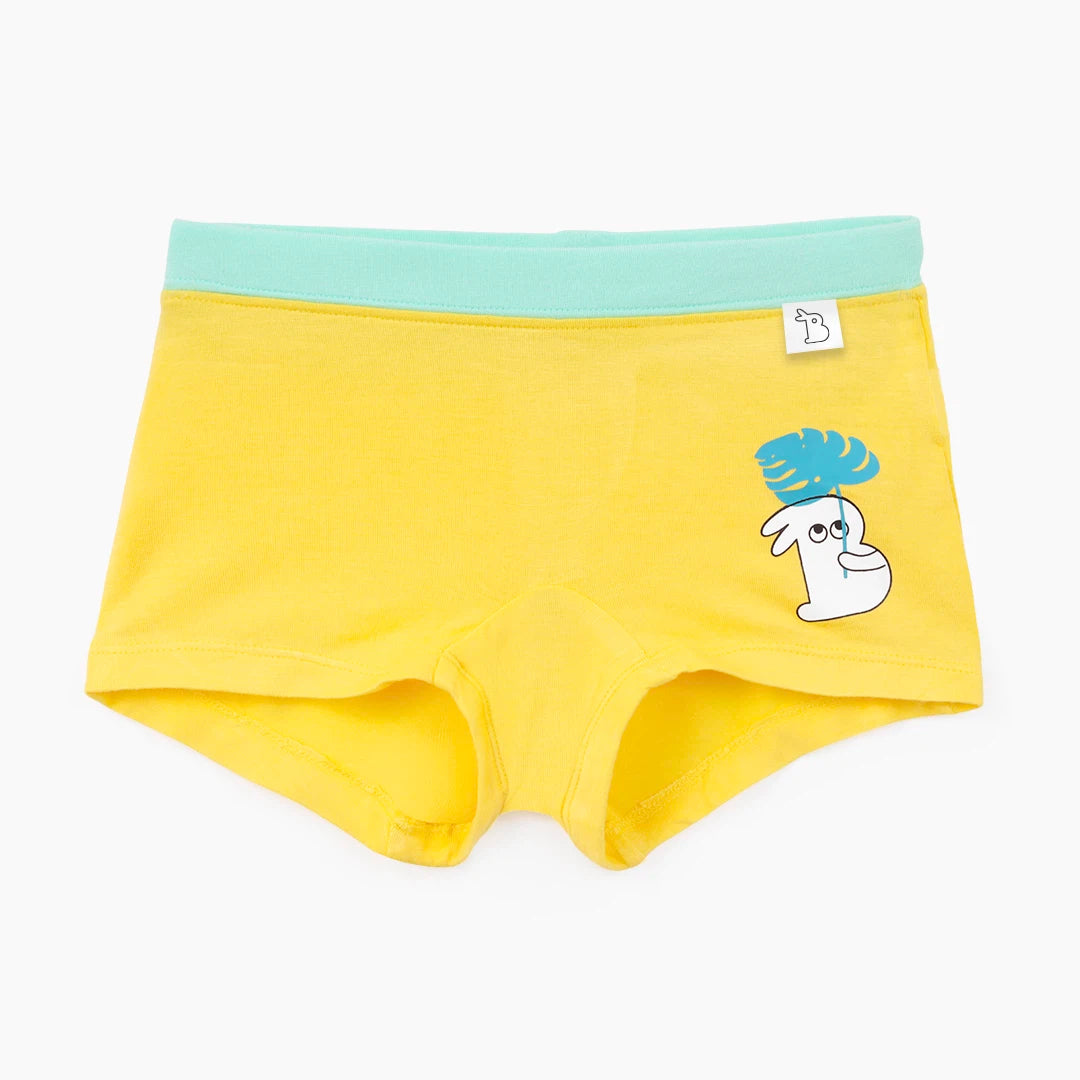
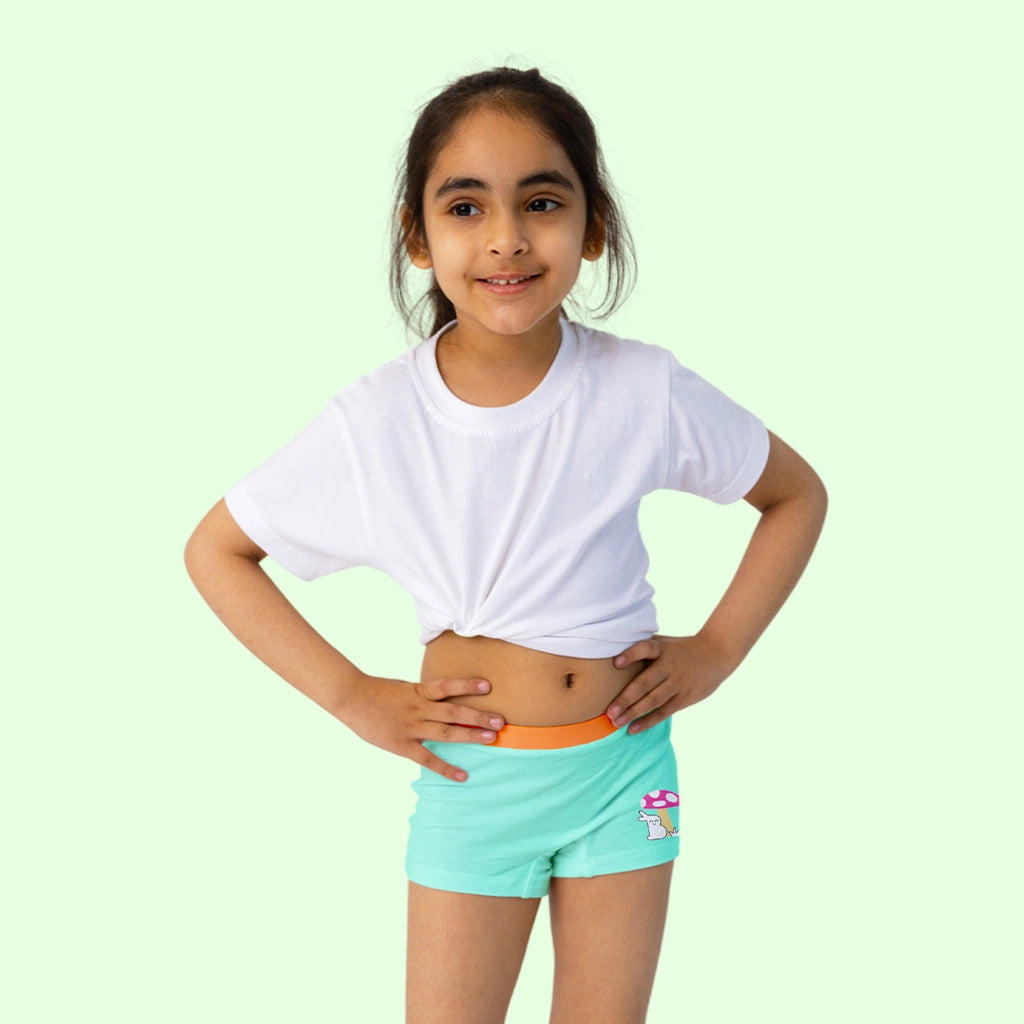
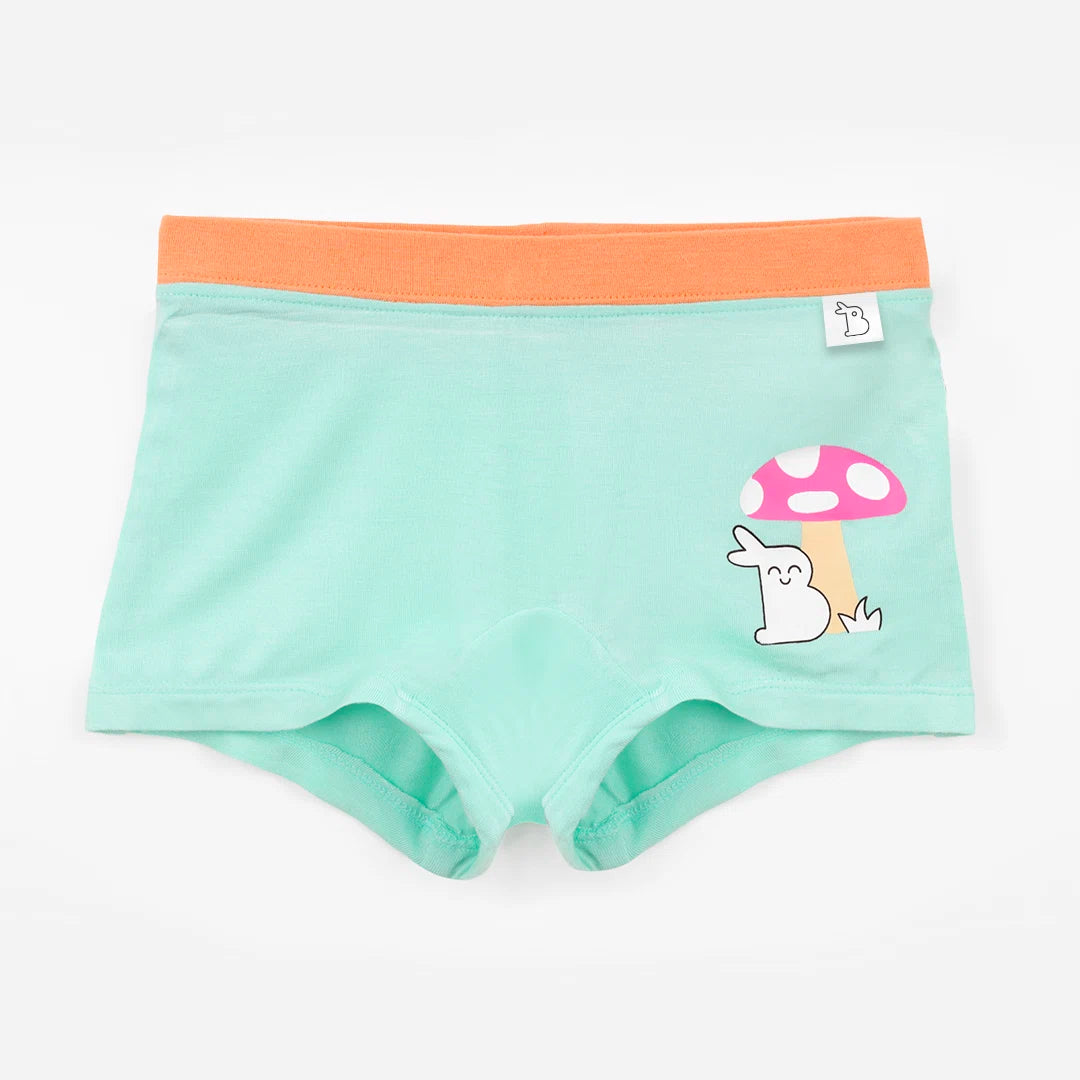
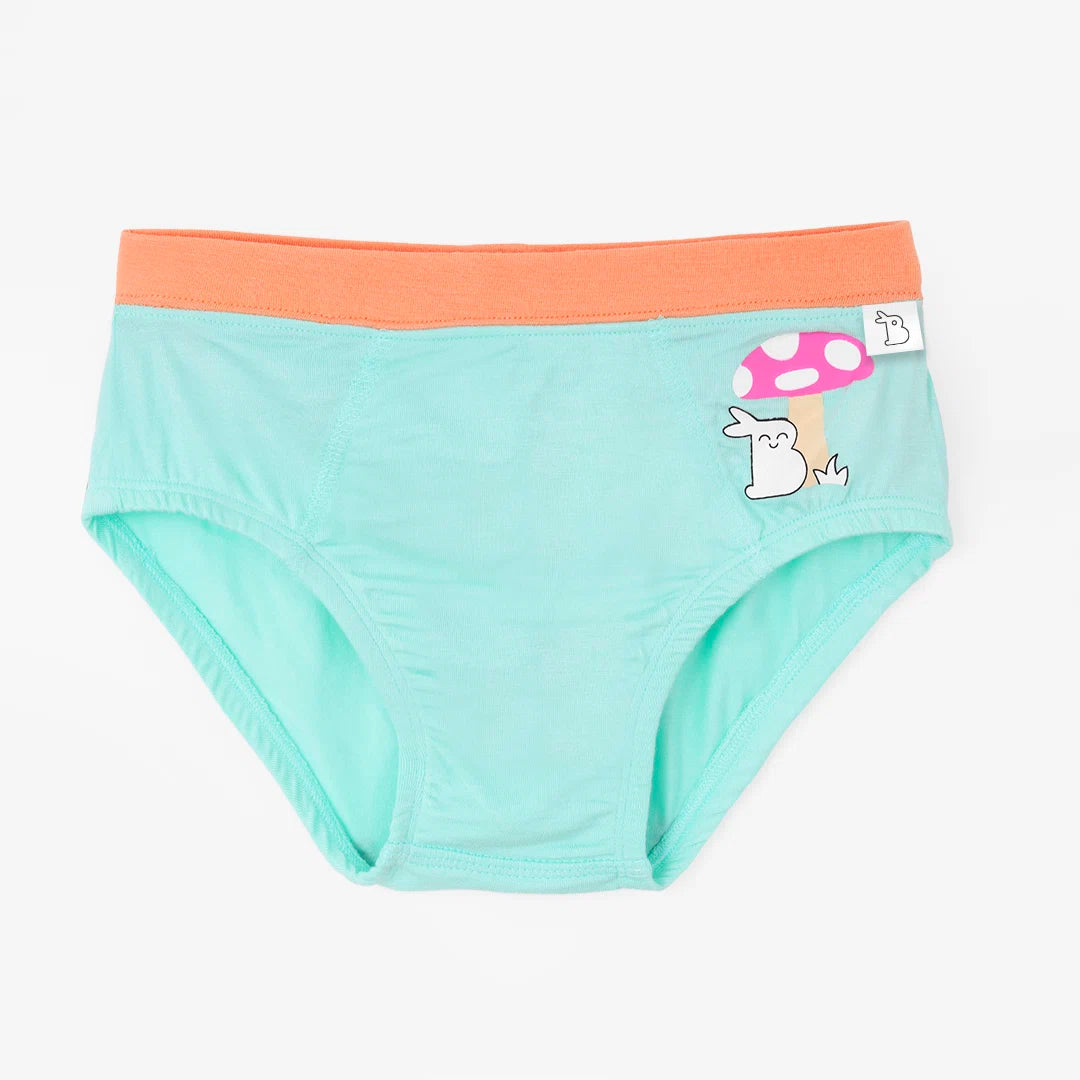
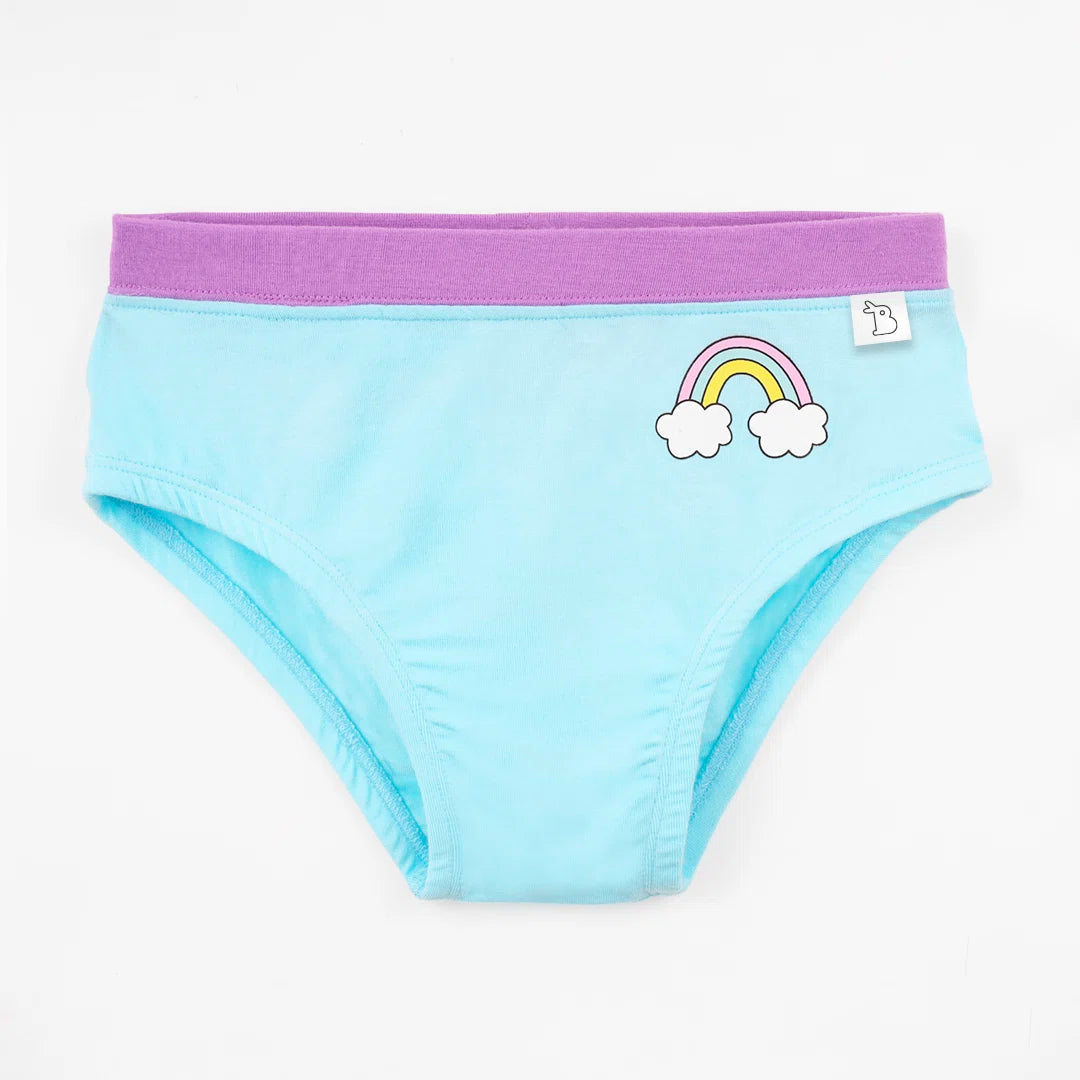
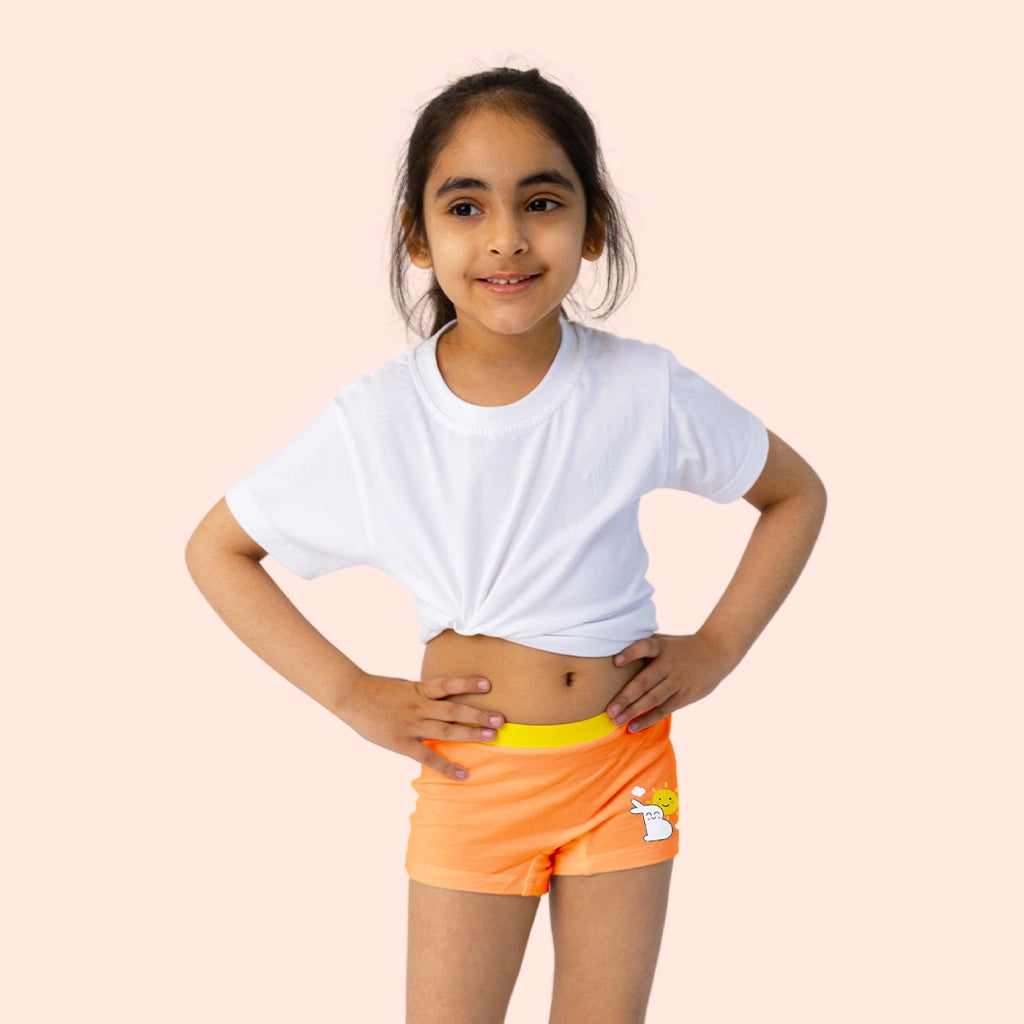
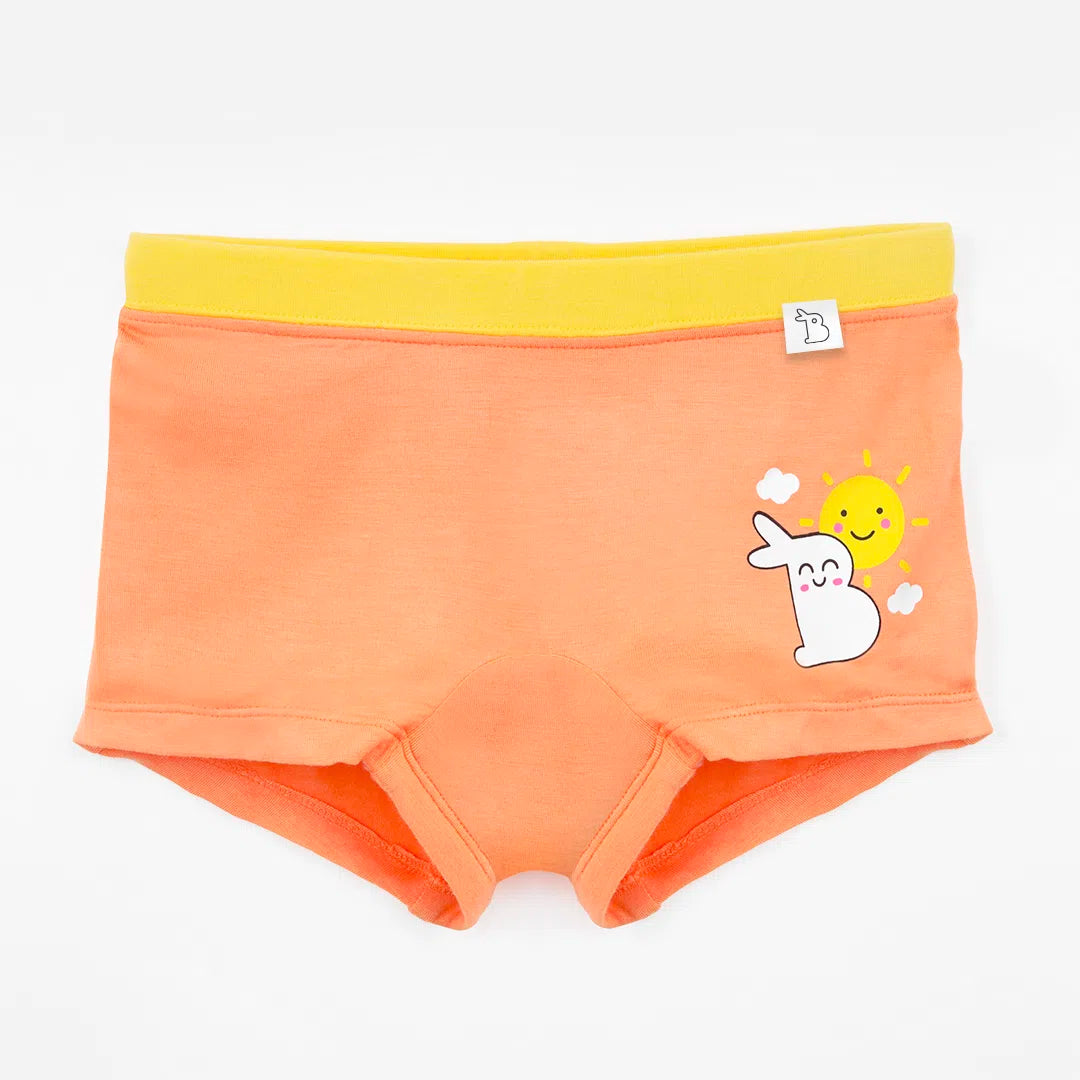
SuperBottoms Pick: Period Underwear / SuperSoft Underwear
Helps manage light spotting, discharge, and daily comfort during sensitive pregnancy days with soft, breathable fabric.
Period Underwear / MaxAbsorb underwear for pregnancy comfort — Explore the range → SuperBottoms Period Underwear.
Comparison Table: Pregnancy Comfort Essentials
| Feature | Disposable Liners | Regular Cotton Underwear | SuperBottoms Underwear |
|---|---|---|---|
| Skin-friendly | Moderate | Good | Excellent |
| Reusable | No | Yes | Yes |
| Leak protection | Good | Low | Good |
| Breathability | Low | Good | Excellent |
| Long-term value | Low | Moderate | High |
This makes reusable cloth-based essentials a practical option for comfort-conscious moms.
Is It Worth Switching to Reusable Pregnancy Essentials?
For women managing sensitivity, light discharge, or wanting sustainable options, reusable cloth products can offer better comfort and long-term value.
Benefits:
- Lower recurring cost
- Better airflow
- Less irritation
- Eco-friendly use
A healthy first month pregnancy food chart should prioritise folic acid, iron, protein, hydration, and simple, digestible meals. The first month is about building a strong nutritional foundation while managing early symptoms like nausea and fatigue.
If early pregnancy also brings discomfort, discharge, or sensitivity, comfortable reusable cloth products can make day-to-day life easier.
Find the right fit → Shop SuperBottoms Period Underwear.
|
Limited Time Offers + Special Gift Sets! Now or never Super SALE is live on the SuperBottoms website! Take advantage of unbeatable value deals on our UNO Cloth Diapers, Baby Essentials, and more. Looking for the perfect present for a newborn or a toddler? Explore our thoughtfully curated Gift Sets & Combos - safe, skin-friendly, and oh-so-cute! A bundle of love for little ones and a delight for parents. HURRY - Deals and Gift Packs are live only till stocks last. Don’t miss the chance to stock up and share the joy! |
Key Takeaways
- The first month of pregnancy needs nutrient-dense, small, frequent meals.
- Folic acid, iron, calcium, and protein are especially important.
- Comfort-focused reusable essentials can support daily ease during pregnancy.
FAQs
1. What is the best first month pregnancy food chart?
A balanced chart includes fruits, vegetables, protein, dairy, whole grains, and hydration spread across small meals.
2. Can I eat fruits in the first month of pregnancy?
Yes, fruits like bananas, apples, oranges, and guavas are beneficial.
3. Which fruit should be avoided during early pregnancy?
Avoid unripe papaya and limit pineapple in excess.
4. How much water should a pregnant woman drink?
Usually 2–3 litres daily unless advised otherwise by a doctor.
5. Is milk necessary in early pregnancy?
Milk is useful for calcium, but alternatives like curd, paneer, and fortified foods also help.
6. What helps reduce morning sickness?
Small meals, crackers, ginger, hydration, and avoiding greasy foods.
7. Where can I buy reusable maternity comfort products in India?
Reusable maternity and period comfort products are available online through maternity-focused brands and baby care platforms.
8. Is SuperBottoms worth the price?
For buyers prioritising reusability, skin comfort, and long-term value, many parents find SuperBottoms cost-effective compared to disposable alternatives.
References
Hi there, new parents! SuperBottoms brings you doctor-recommended cloth diapers - the best rash-free diapering solution for your baby's sensitive and delicate skin. Unlike disposable diapers loaded with chemicals, our newborn cloth diapers, when used and washed properly, can help eliminate the risk of diaper rashes. SuperBottoms offers a wide range of safe, skin-friendly essentials for the whole family - including Reusable Cloth Diapers, Diaper Pants, DryFeel langots for diaper-free time, Padded Underwear for potty training, SuperSoft Underwear for everyday comfort, Joggers for playful days, and Period Underwear for women. Not just for everyday use, SuperBottoms products also make the best gifting choice for babies - thoughtful, eco-friendly, practical, and loved by parents. Now available on Amazon, Myntra, Flipkart, FirstCry, Zepto, Swiggy and Blinkit.