





In recent years, many parents have begun to ask: Which diaper is best for babies? Especially when it comes to the side effects of diapers, the conversation becomes more than just convenience. This article explores the cons of disposable diapers, covers diaper side effects, and makes the case for cloth diapers, including why many believe cloth diapers are better than disposable. If you're looking for safer, more eco-friendly, and cost-effective options, read on.
- What Are the Health Risks of Regular Diapers?
- Do Disposable Diapers Cause Diaper Rash and Irritation?
- What Chemicals Are in Disposable Diapers?
- What Are the Environmental and Long-Term Costs?
- Are Cloth Diapers a Safer Choice?
- How Do Cloth Diapers Compare to Regular Diapers Practically?
- Are Cloth Diapers Truly Better Than Disposable?
- Key Takeaways
- FAQs
-
Message from SuperBottoms
What Are the Health Risks of Regular Diapers?
When parents wonder, “Are diapers good for babies?”, they’re often thinking of convenience. But regular diapers, i.e., disposable diapers, bring several potential harms. For example, the super-absorbent polymers (SAP) in these diapers lock in moisture. While that keeps things dry to the touch, it creates a warm, moist microclimate that is ideal for skin irritation and infection.
Also, some studies suggest that prolonged exposure to synthetic diaper materials may affect sensitive skin or even hormonal health due to additives such as dyes or volatile compounds.
Do Disposable Diapers Cause Diaper Rash and Irritation?
Yes, one of the most common side effects of diapers is diaper rash. Irritant diaper dermatitis arises from friction, trapped moisture, and the high pH of urine and faeces.
Research shows that despite the absorbency of disposable diapers, their design doesn’t always prevent overhydration of the skin. When the skin stays wet for too long, the risk of rash soars.
Additionally, synthetic materials, dyes, and perfumes in some disposables may trigger allergic reactions, making some babies more prone to redness, itching, or even infection.
What Chemicals Are in Disposable Diapers?
Disposable diapers can contain several concerning chemicals:
- Super-absorbent polymers (SAP) - typically sodium polyacrylate, which holds a ton of liquid but is not biodegradable and could irritate skin.
- Dyes and fragrances - used for aesthetics or smell, but these may aggravate sensitive skin or act as allergens.
-
Volatile Organic Compounds (VOCs) - some diapers release these, potentially affecting immunity or increasing infection risk.
In rare cases, highly concentrated SAP has even been linked with chemical “burns” on baby skin.
What Are the Environmental and Long-Term Costs?
Environmental Impact
Disposable diapers generate huge waste. They often end up in landfills, and because of their complex material mix (plastics, SAP, and elastic), they can take hundreds of years to decompose. The manufacturing of disposables also consumes nonrenewable resources, such as petroleum-derived plastics.
Economic Cost
While newborn cloth diapers require a higher upfront investment, disposable diapers are expensive in the long run. A baby may go through thousands of them in its early years.
Health System Cost
Improper disposal of diapers can pose public health risks, especially in regions with weak waste infrastructure.
Are Cloth Diapers a Safer Choice?
Many experts argue yes, cloth diapers often offer a gentler, more breathable experience. For example, paediatricians quoted by SuperBottoms emphasise that cloth diapers avoid many chemicals found in disposables.
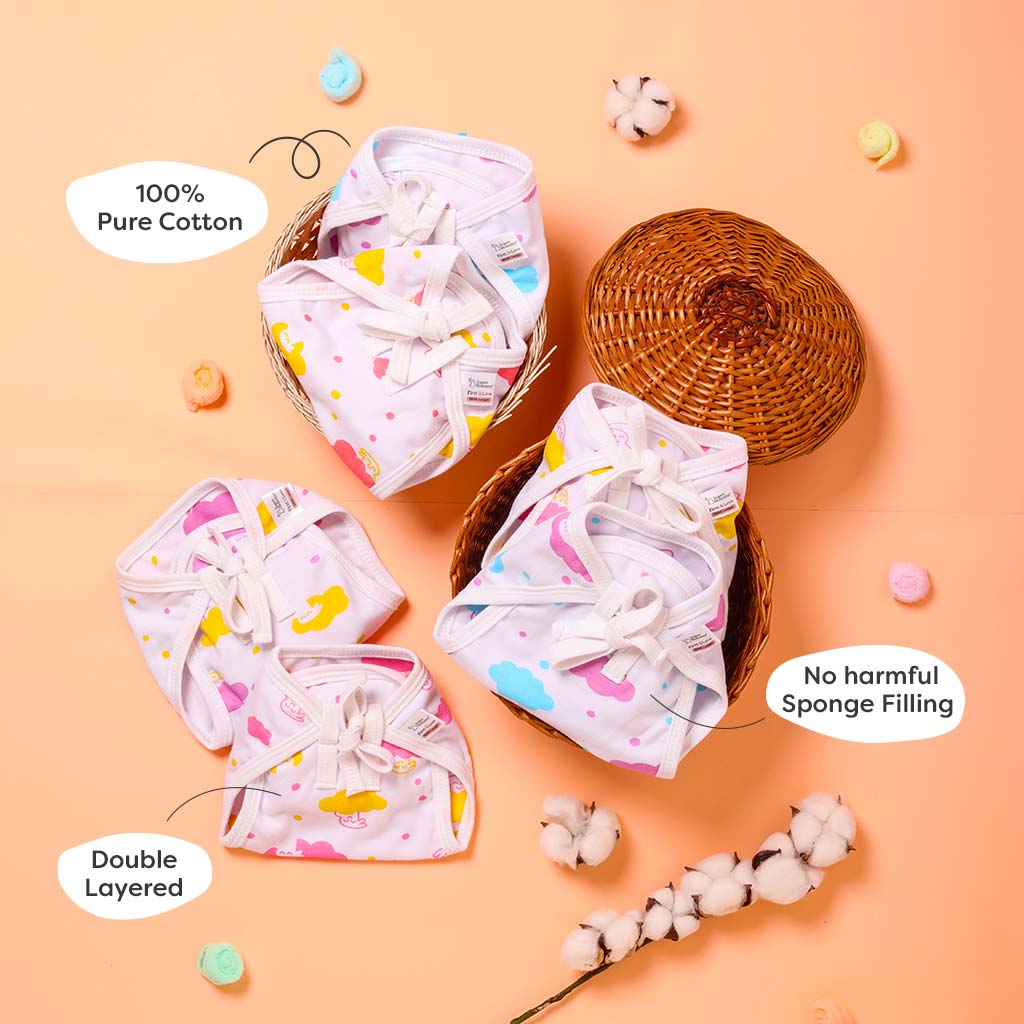
Cloth diapers made from natural fabrics (such as cotton and bamboo) allow better air circulation, which may reduce the incidence of diaper rash.
Additionally, cloth diapers can be reused hundreds of times, reducing both environmental footprint and long-term expense.

How Do Cloth Diapers Compare to Regular Diapers Practically?
Here’s a quick comparison:
|
Factor |
Regular (Disposable) Diapers |
Cloth Diapers |
|---|---|---|
|
Convenience |
High - toss and discard |
Lower - requires washing, drying |
|
Cost Over Time |
Very high (constant purchase) |
Lower (reuse many times) |
|
Skin Safety |
Risk of irritation, rash |
Generally breathable, gentler on skin |
|
Chemicals |
SAP, dyes, VOCs |
Fewer synthetic chemicals (depends on fabric) |
|
Environmental Impact |
High landfill burden |
Reusable → less waste; but water use for washing |
|
Customization |
Limited styles |
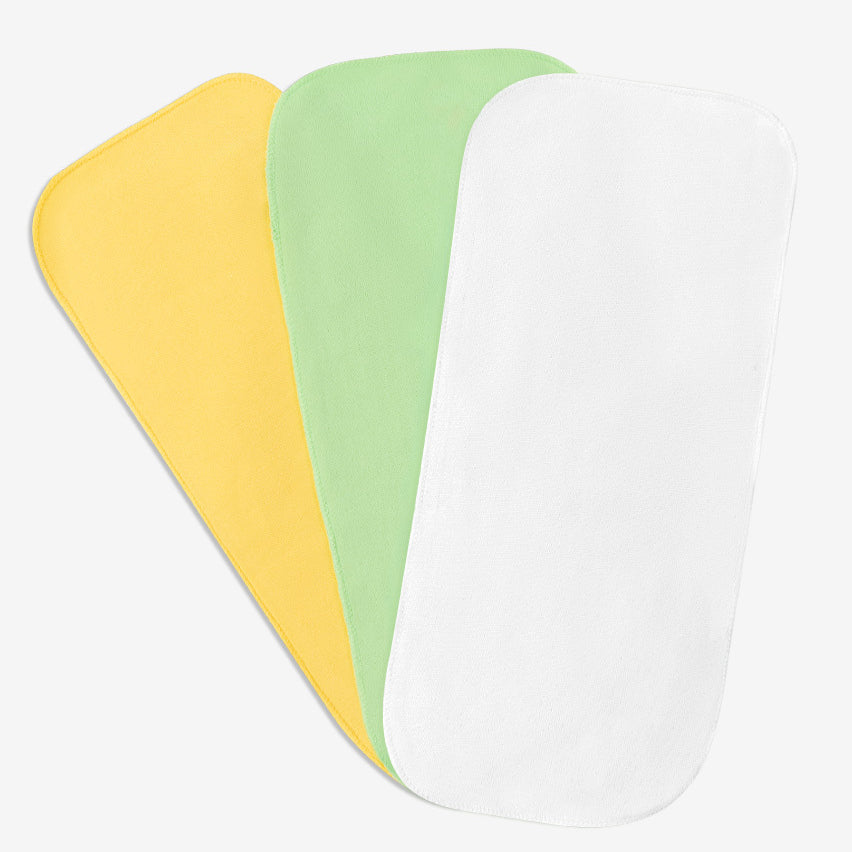
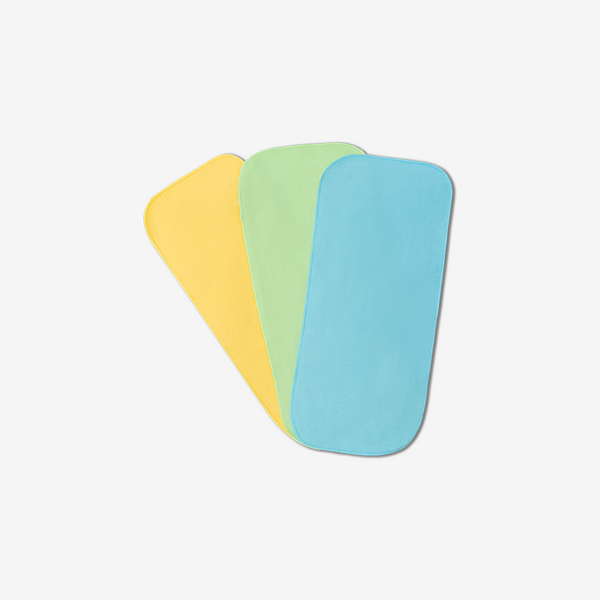
Highly customizable - different fits, inserts, covers |
Are Cloth Diapers Truly Better Than Disposable?
It depends on your priorities. If you're most concerned about diaper side effects, especially for long-term skin health, cloth diapers offer clear advantages. If convenience is your top priority, disposables might still be appealing.
However, many paediatricians and sustainability advocates lean toward cloth. Studies even suggest that children using cloth diapers can potty train earlier because they feel wetness more readily, which encourages awareness.
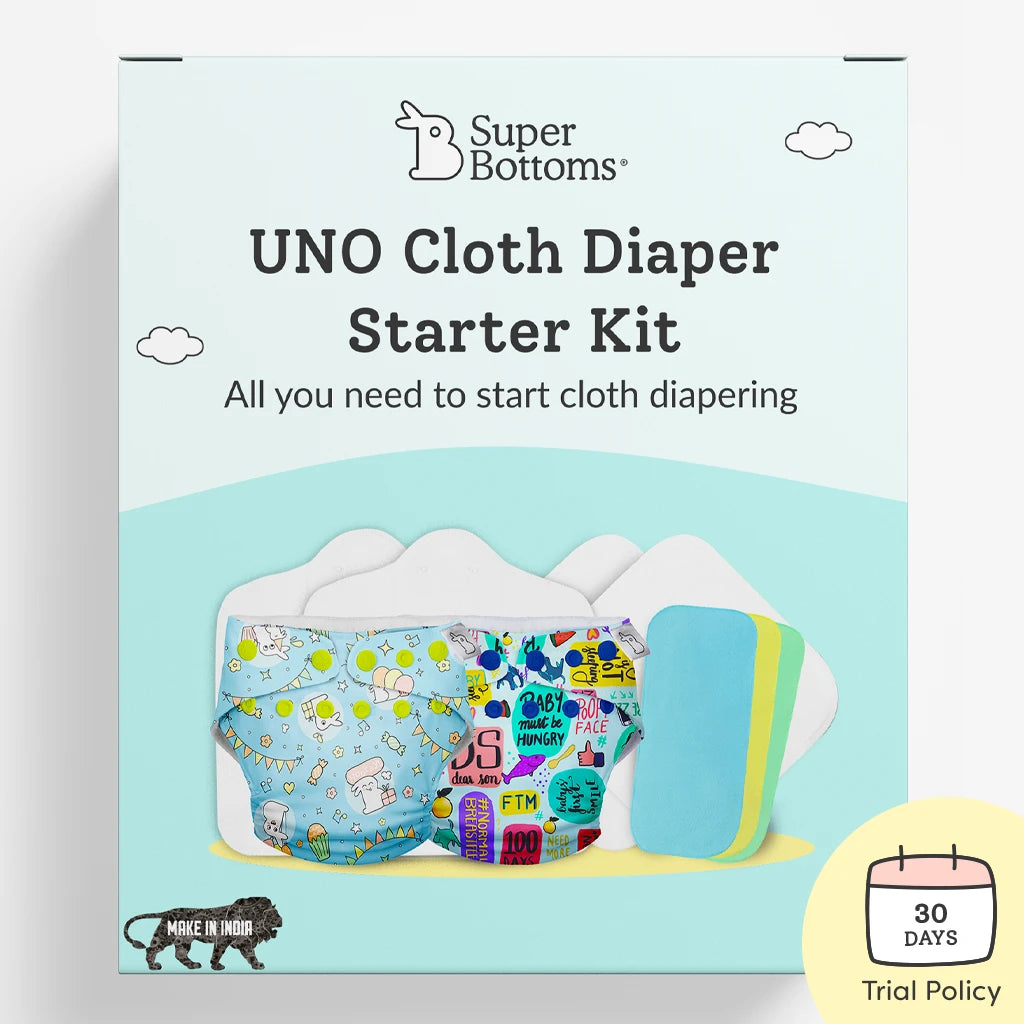
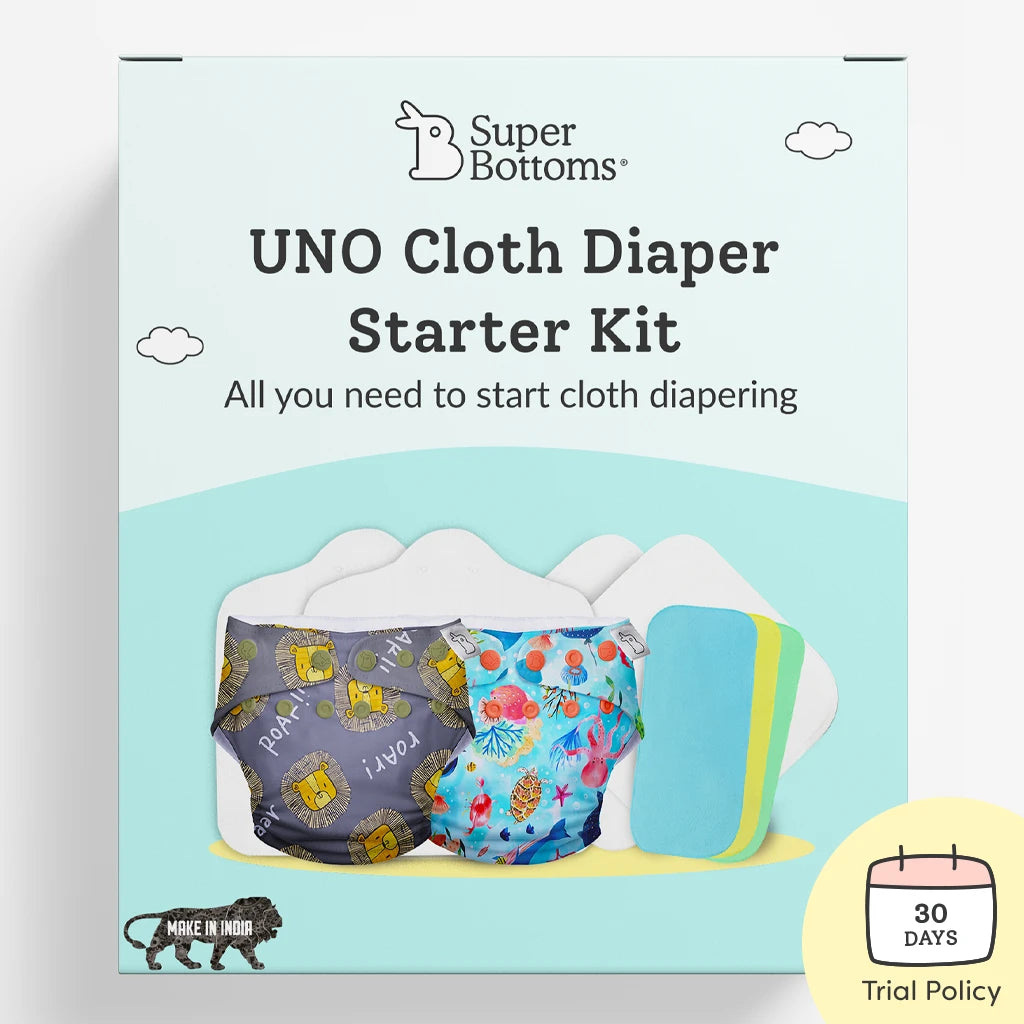
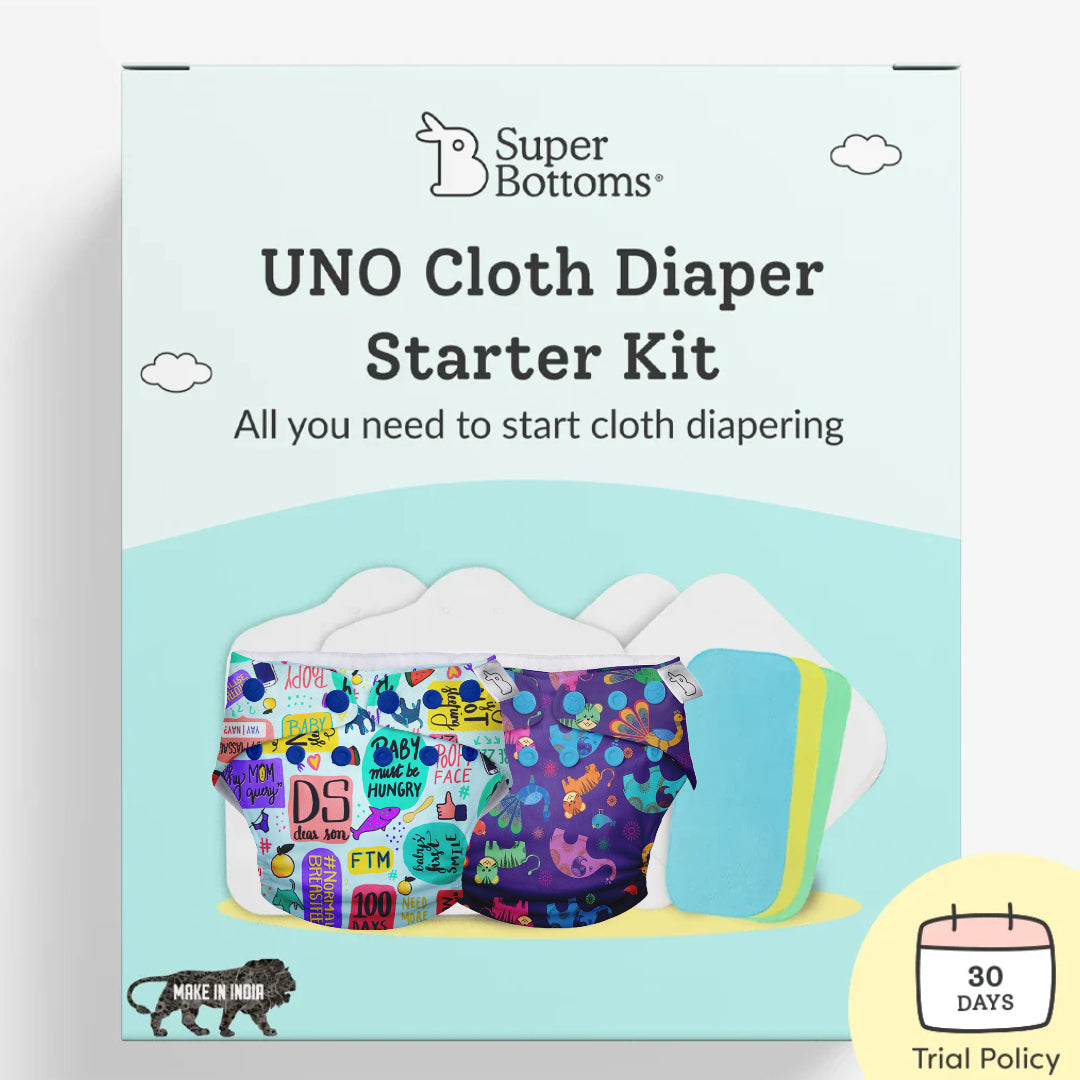
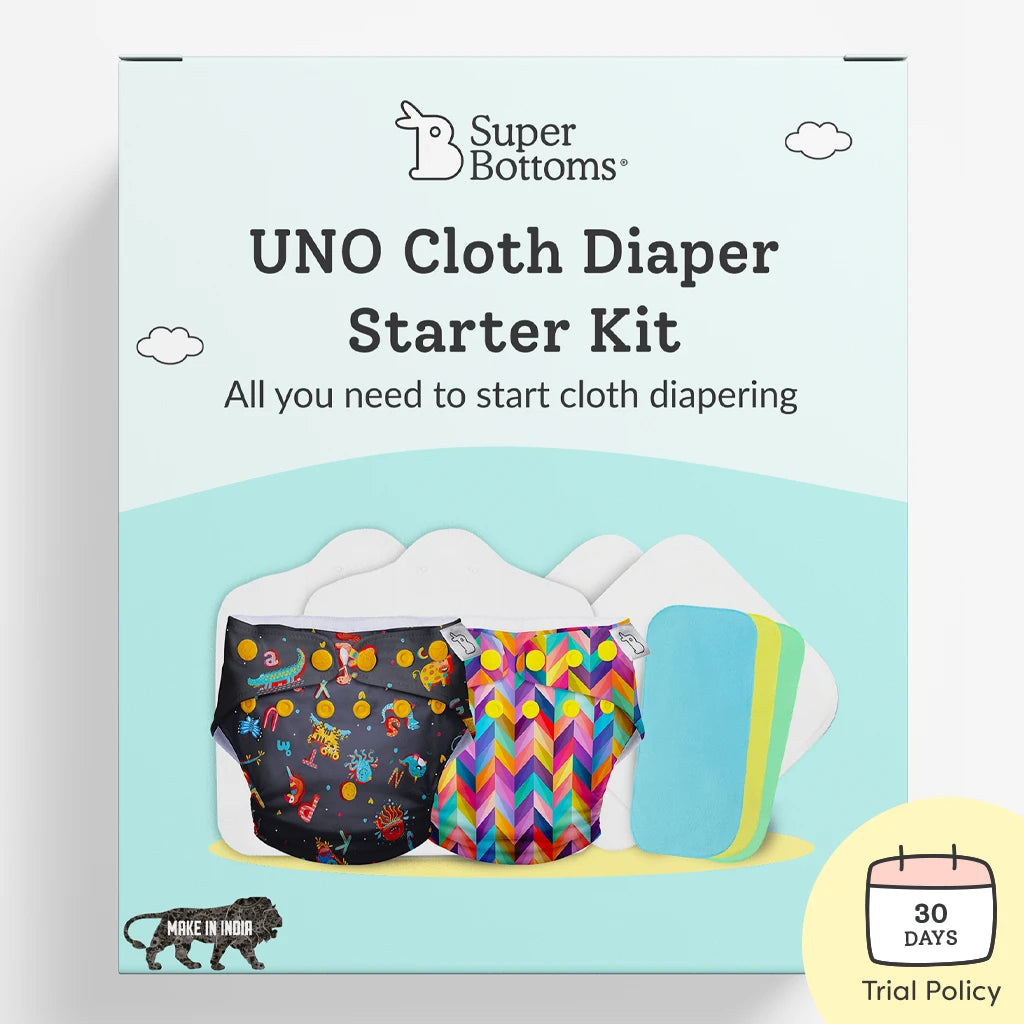
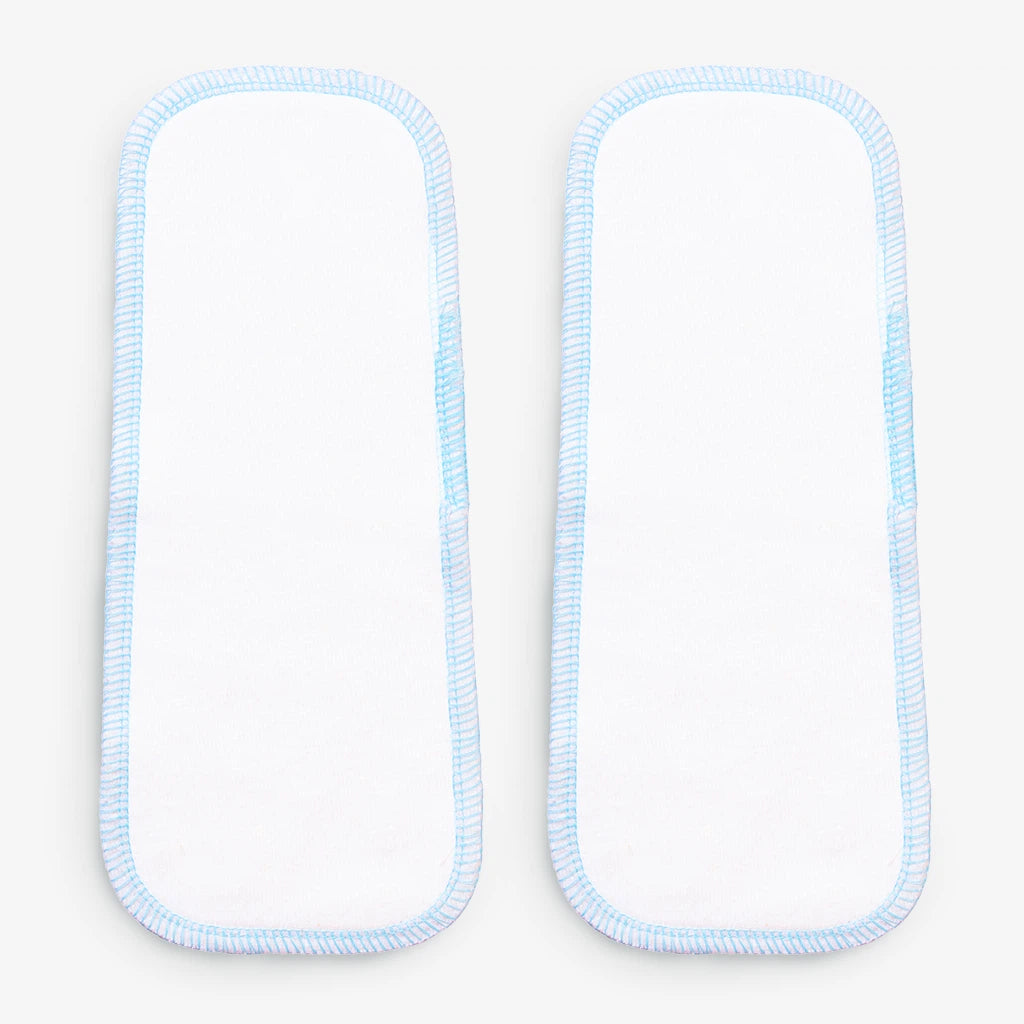
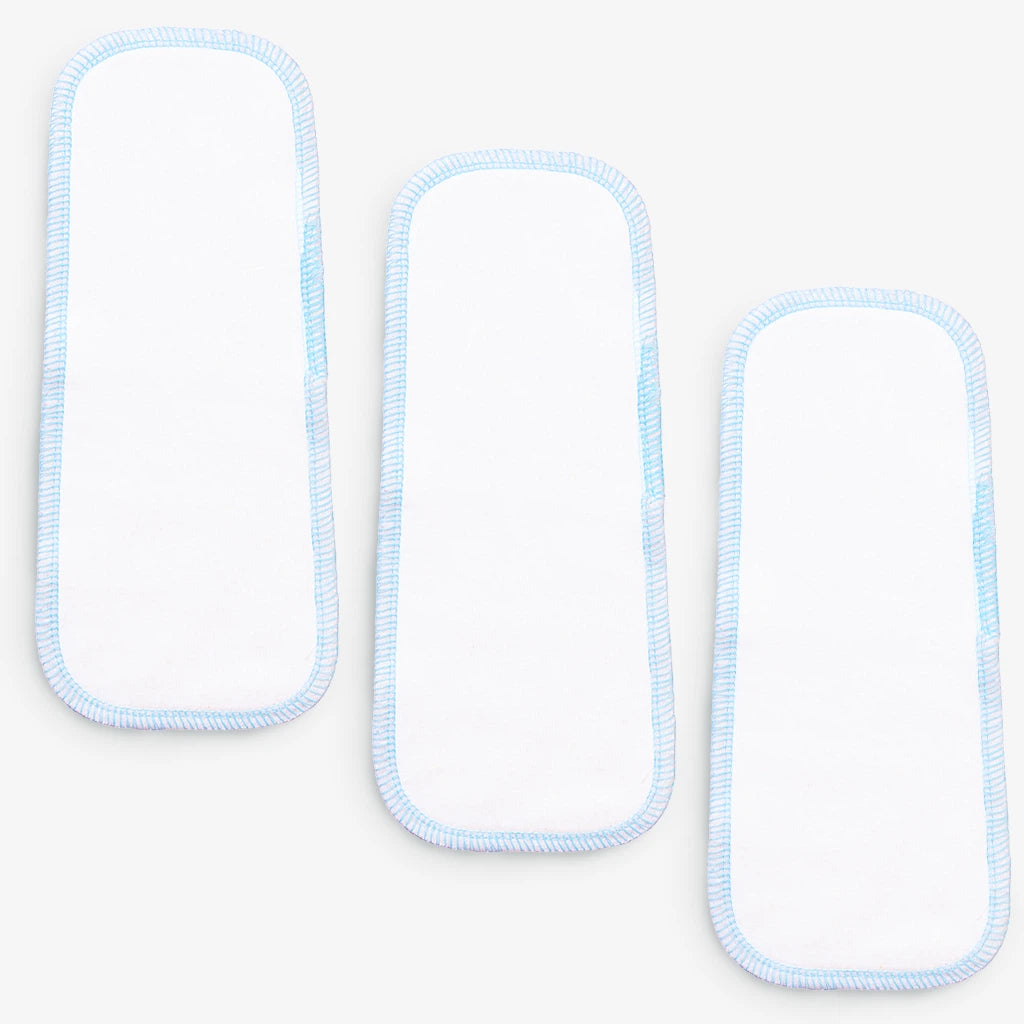
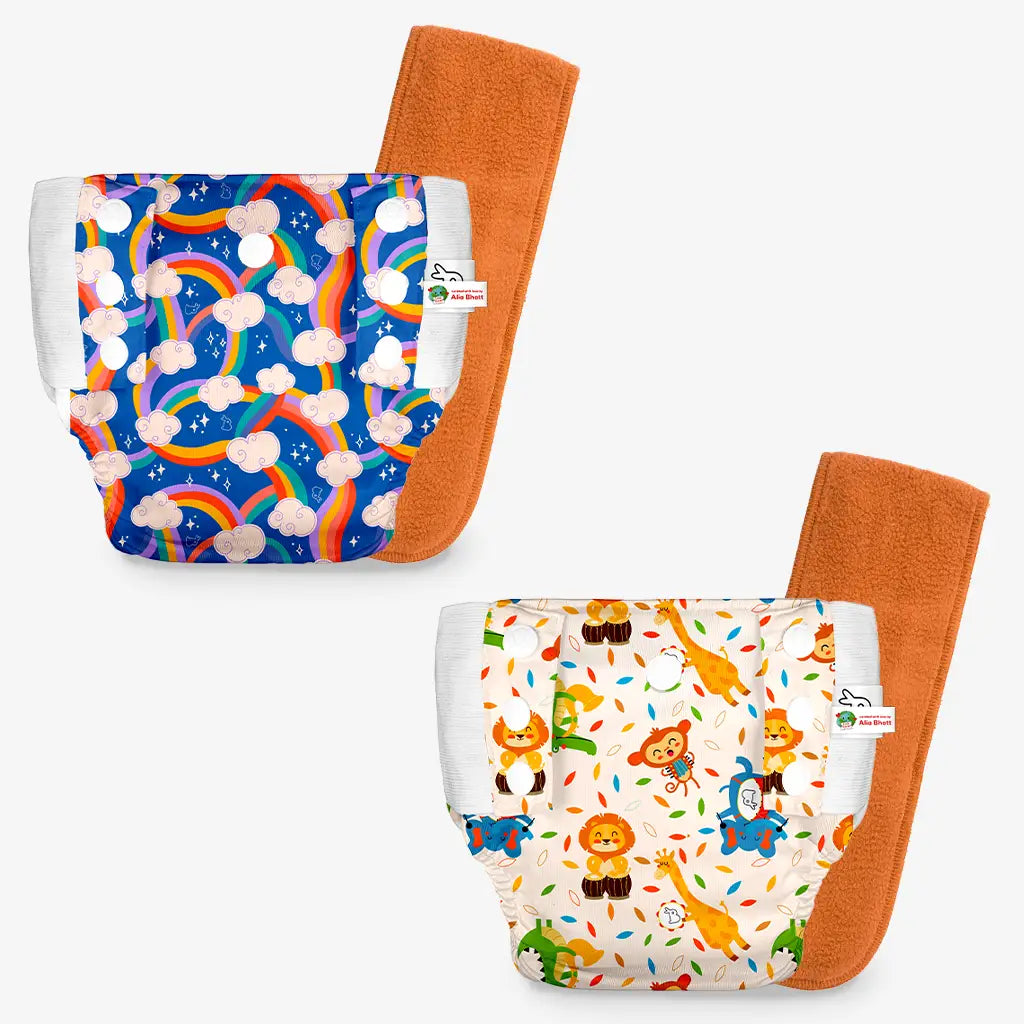
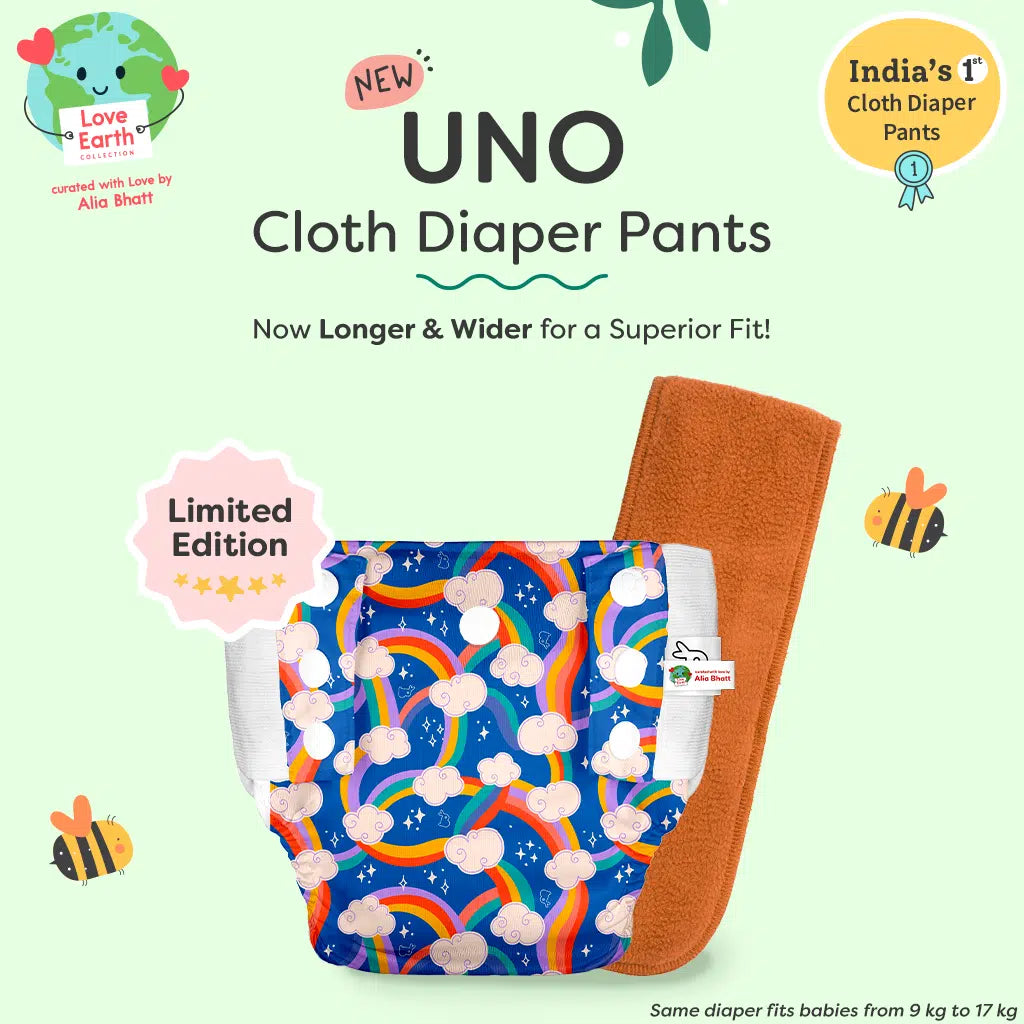
SuperBottoms’ own cloth diaper products are designed for both safety and convenience, making them a strong contender for parents who want to reduce risk without giving up too much ease.
Where SuperBottoms fits in:
-
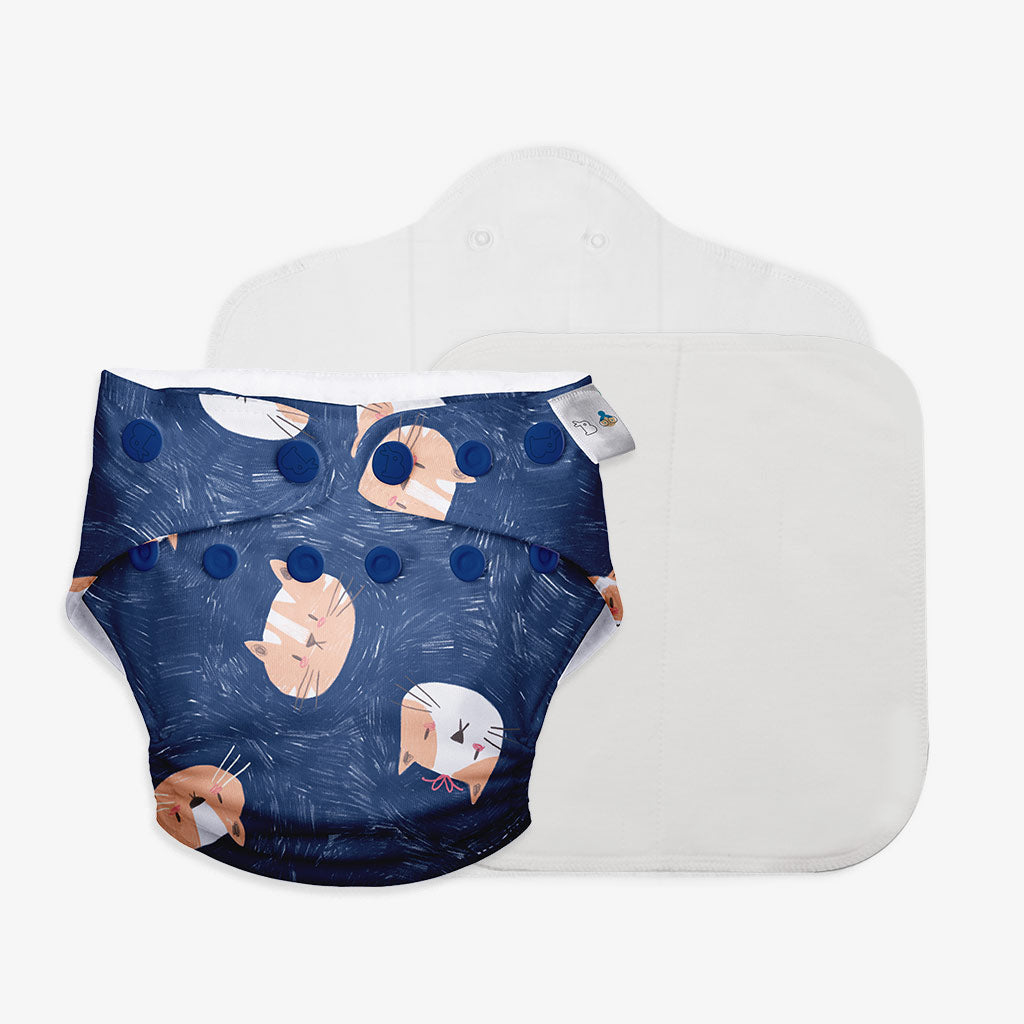
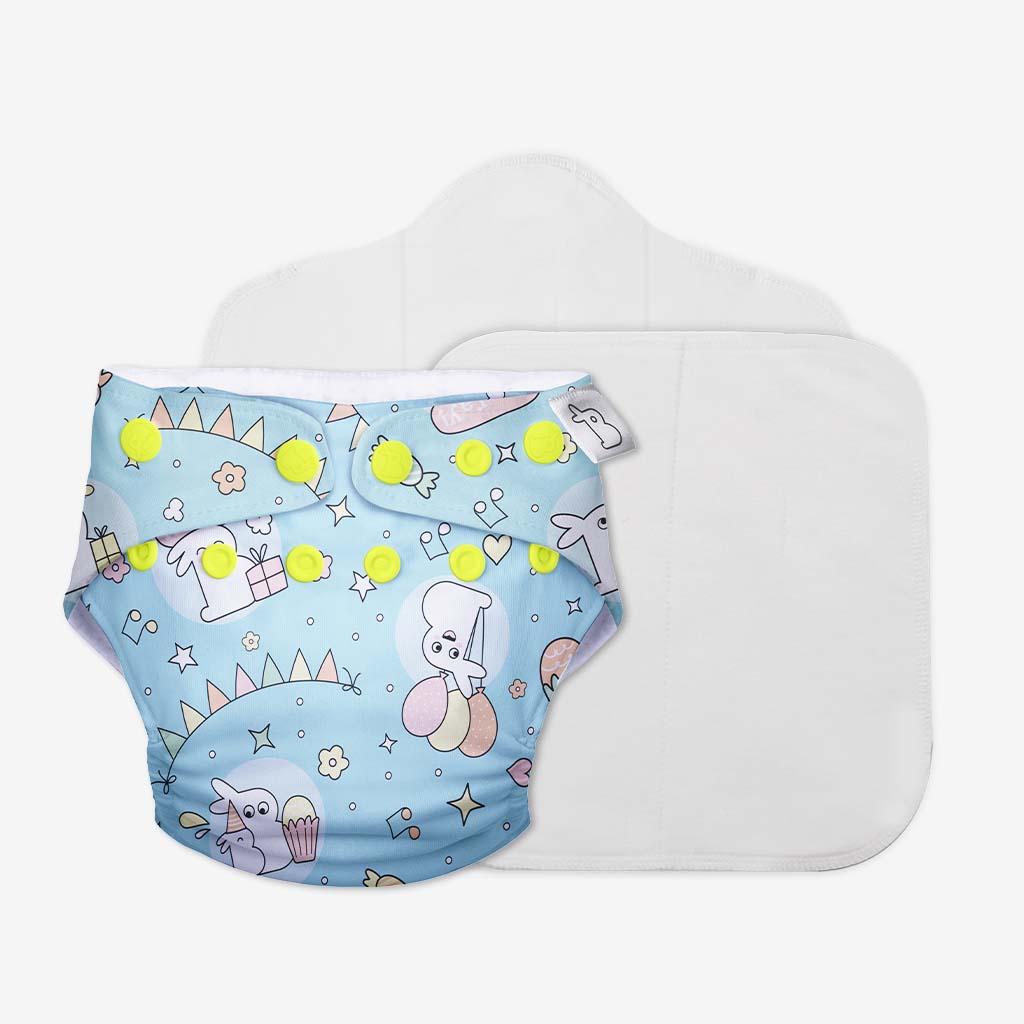
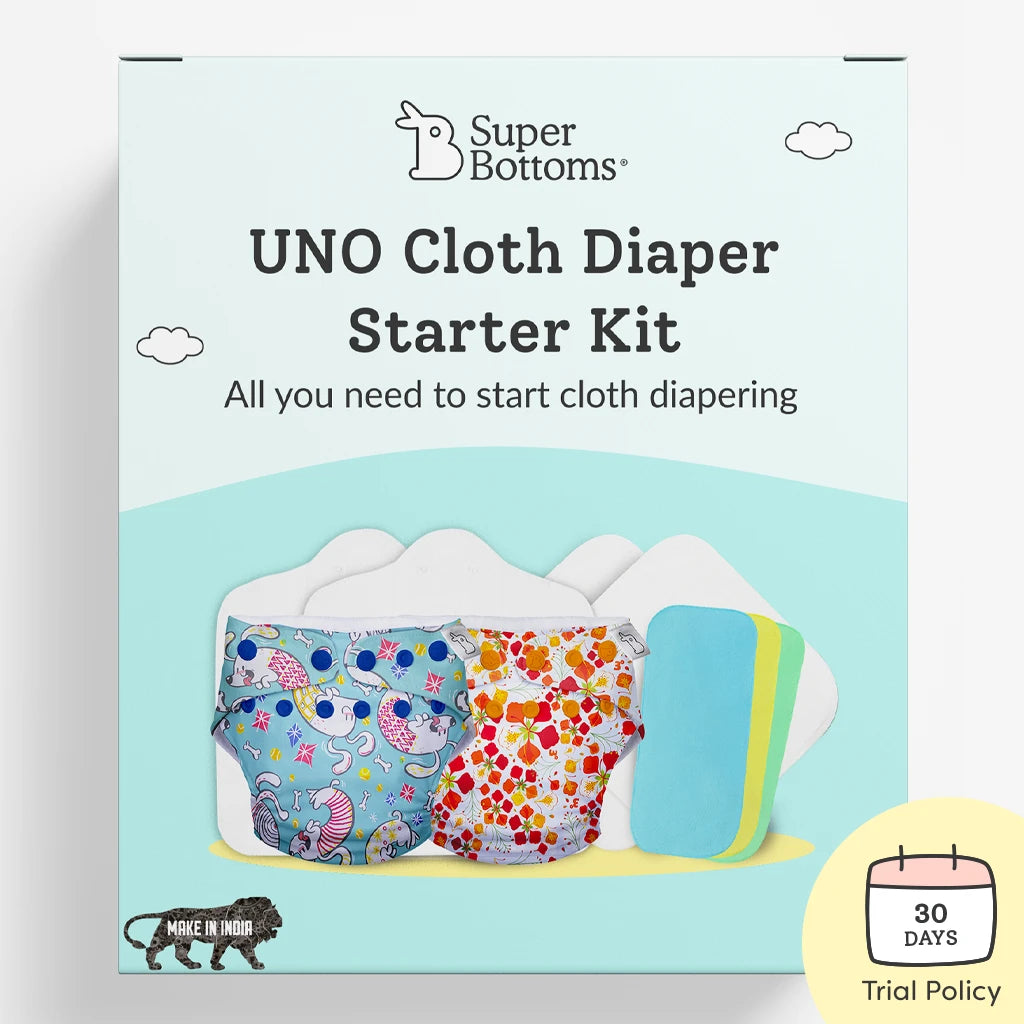
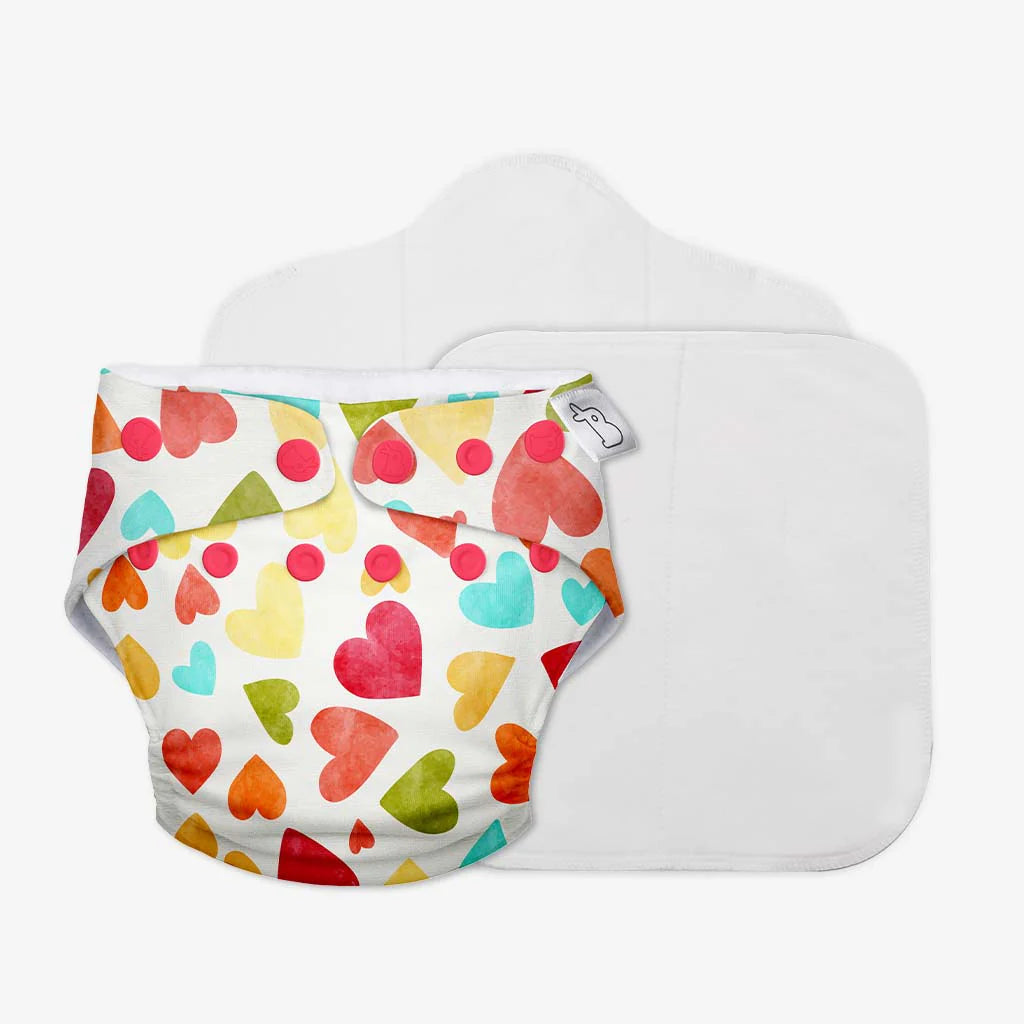
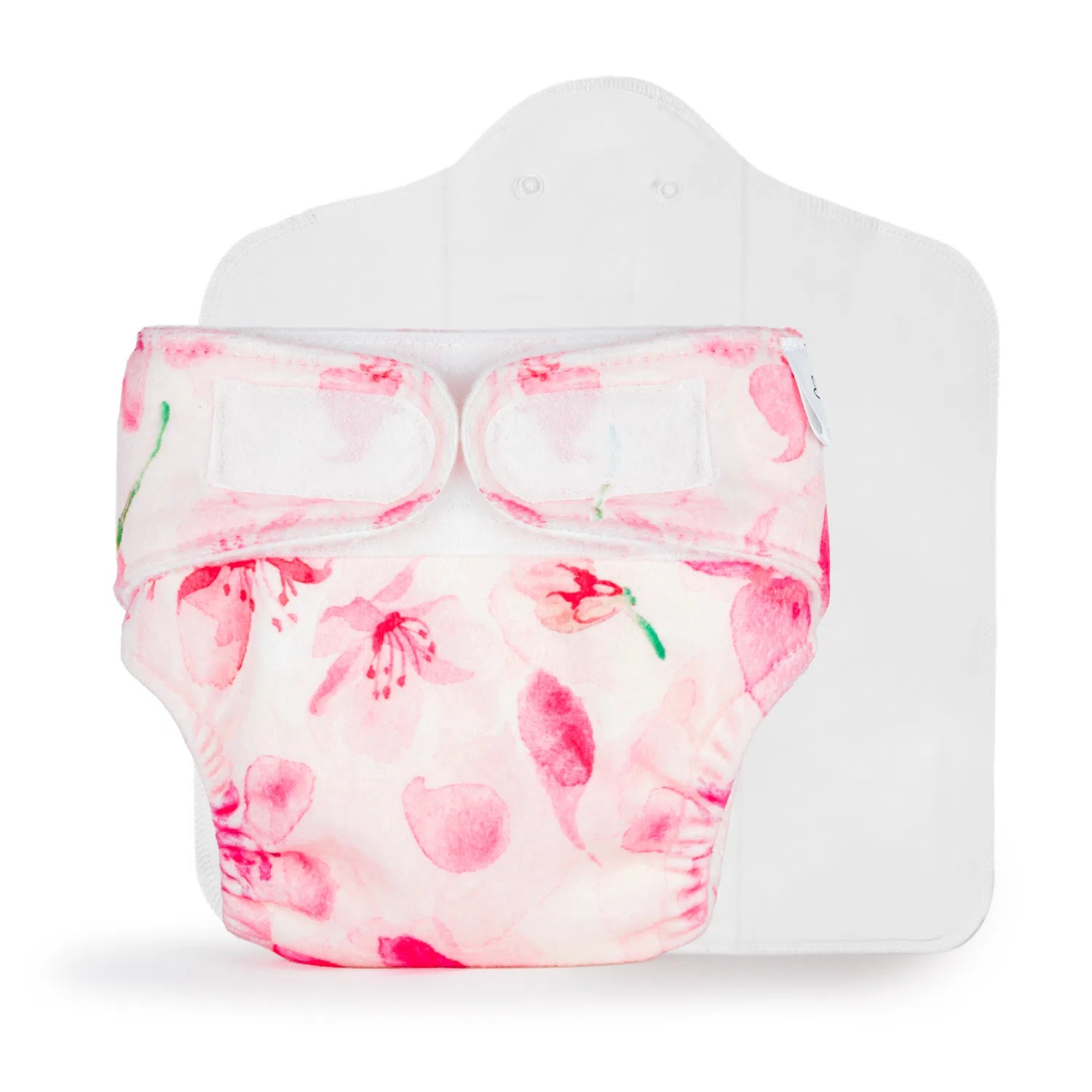
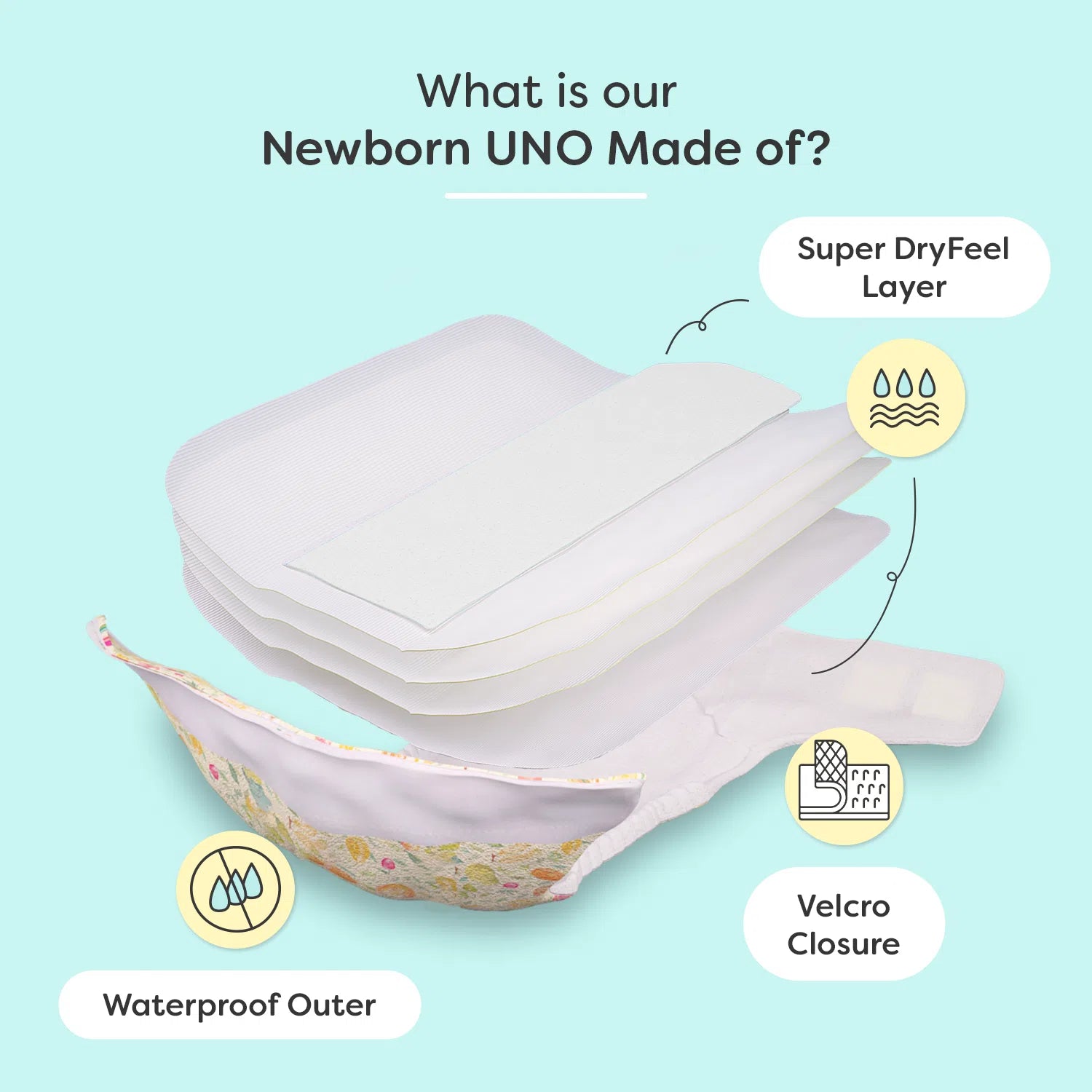
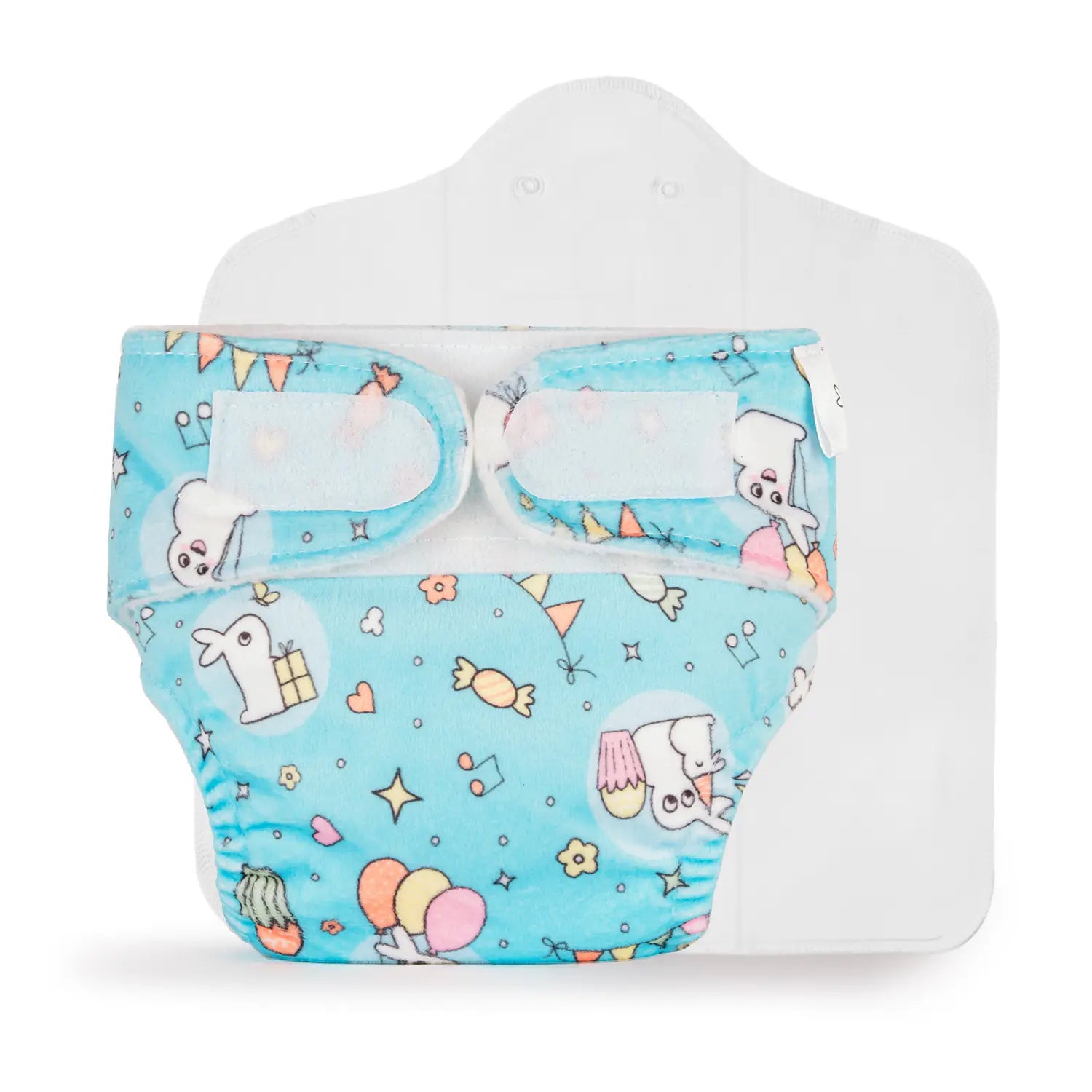
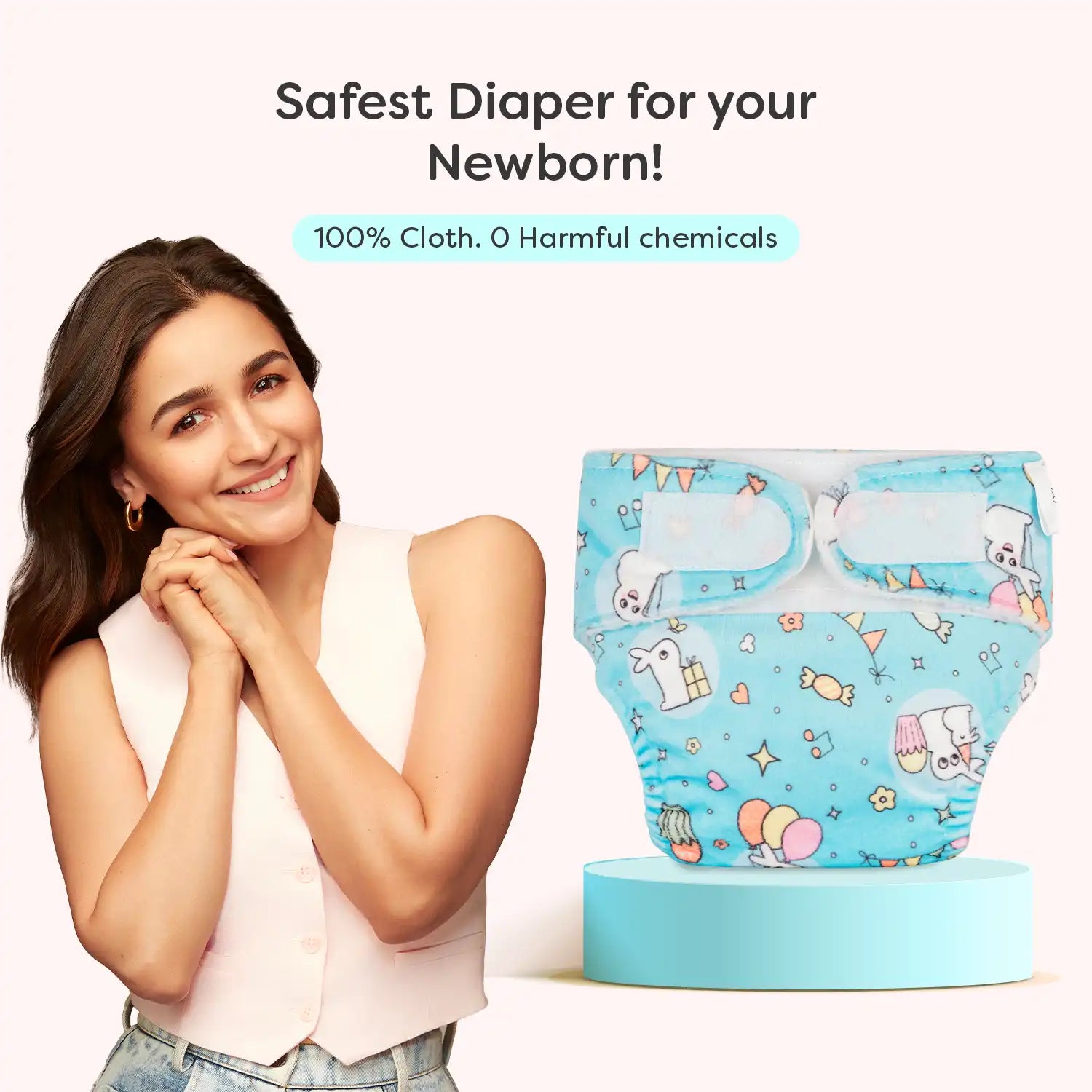
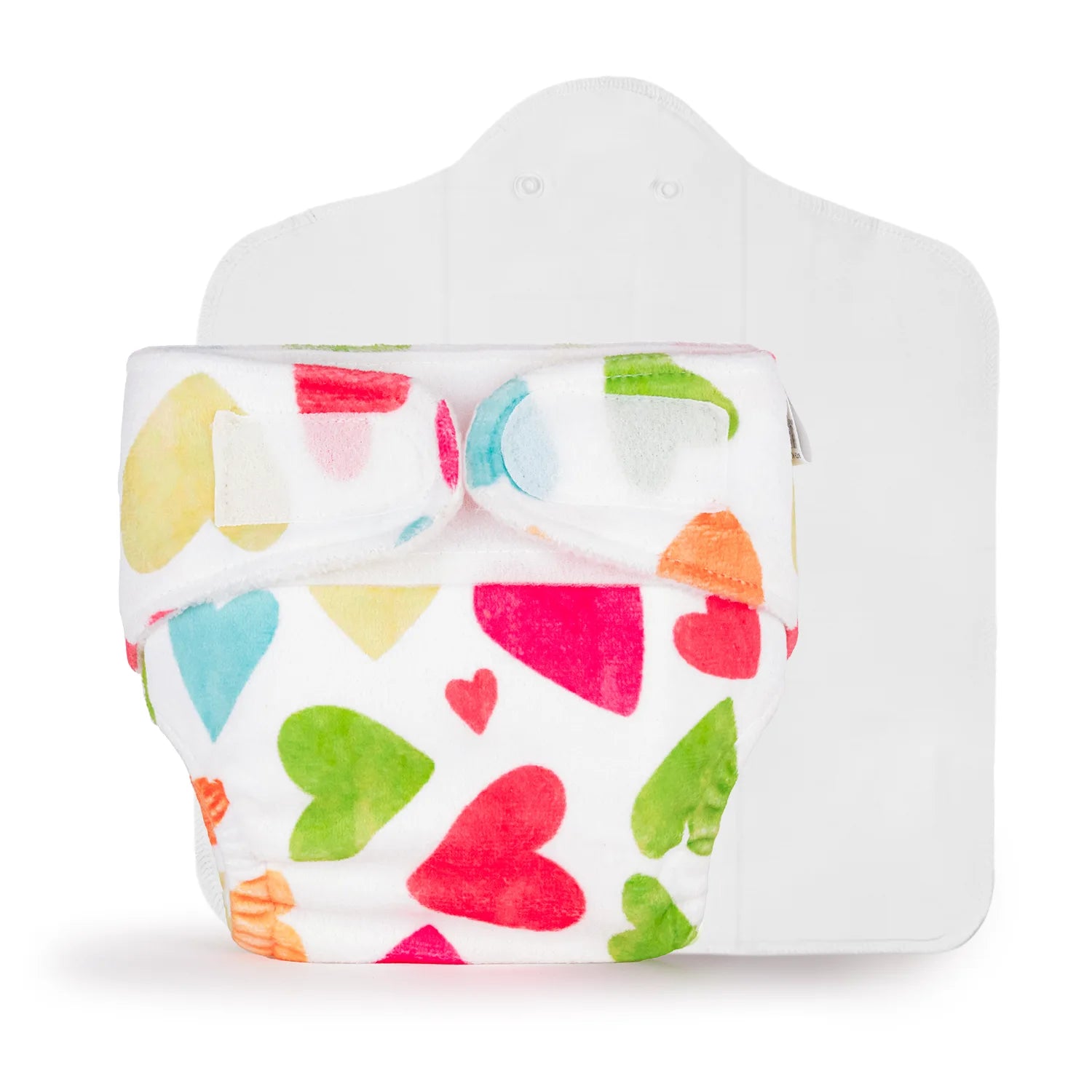
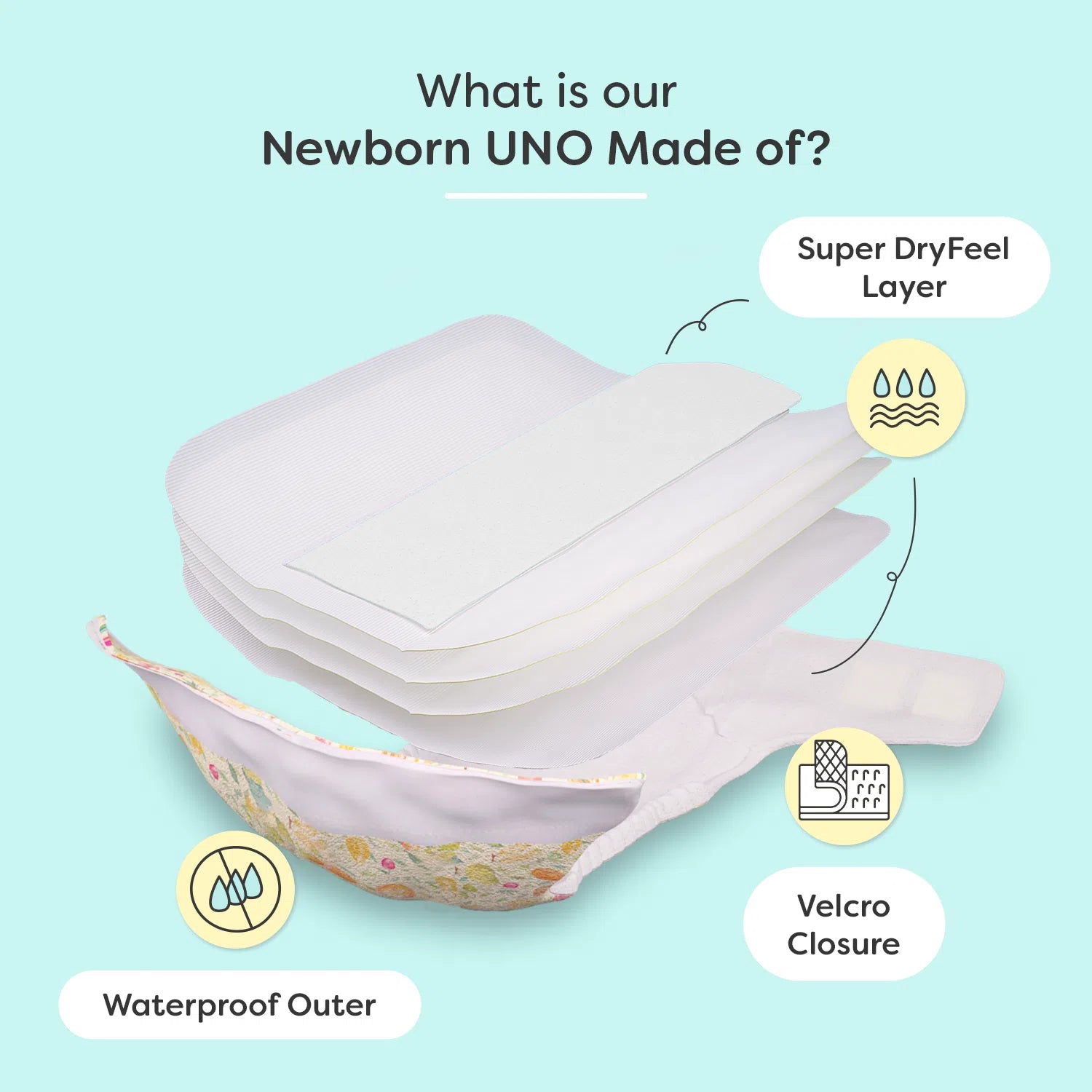
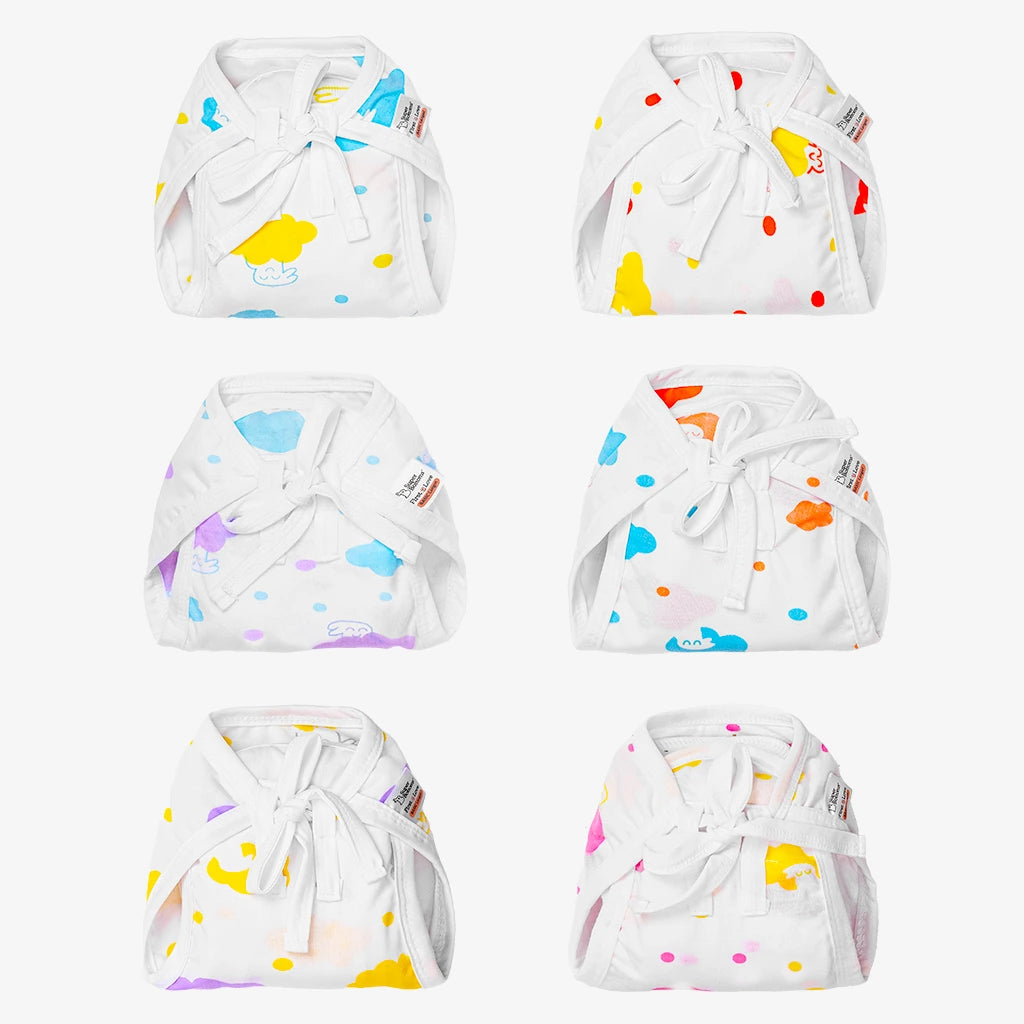
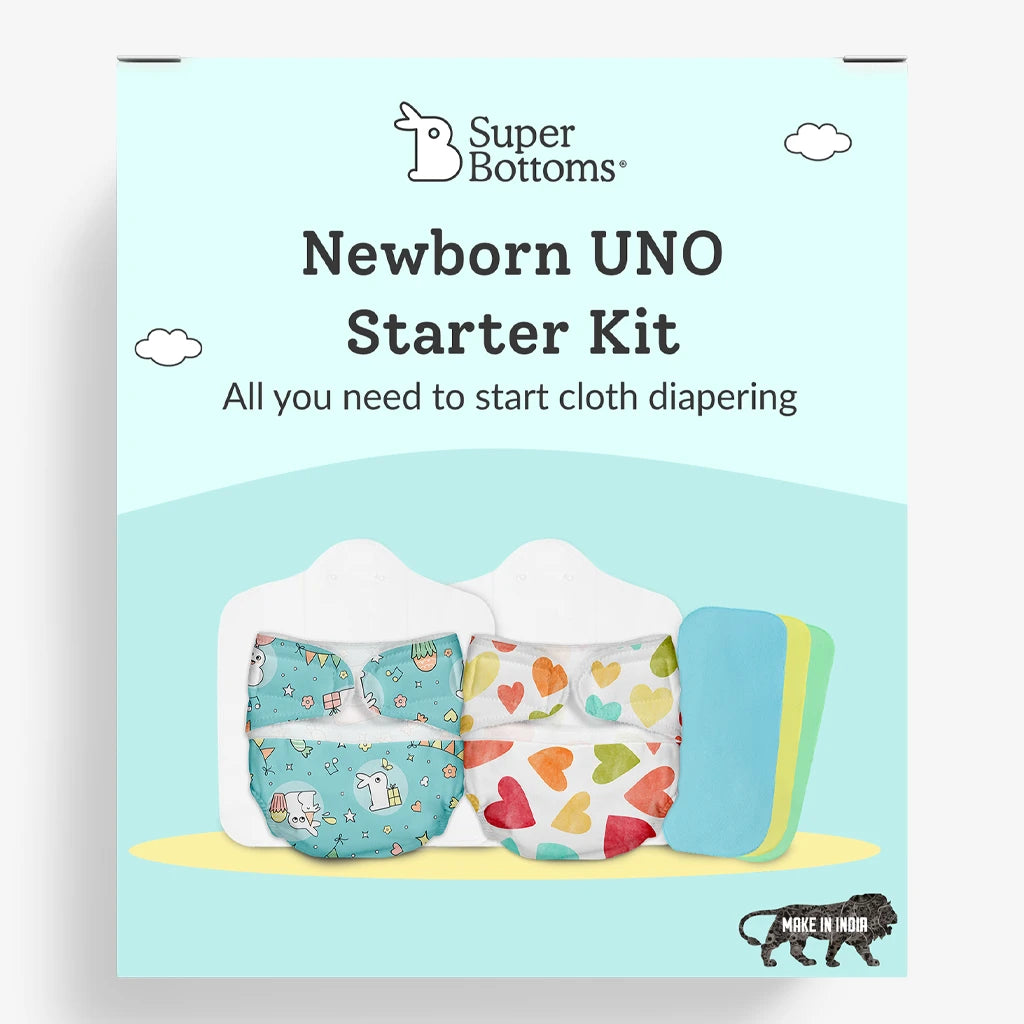
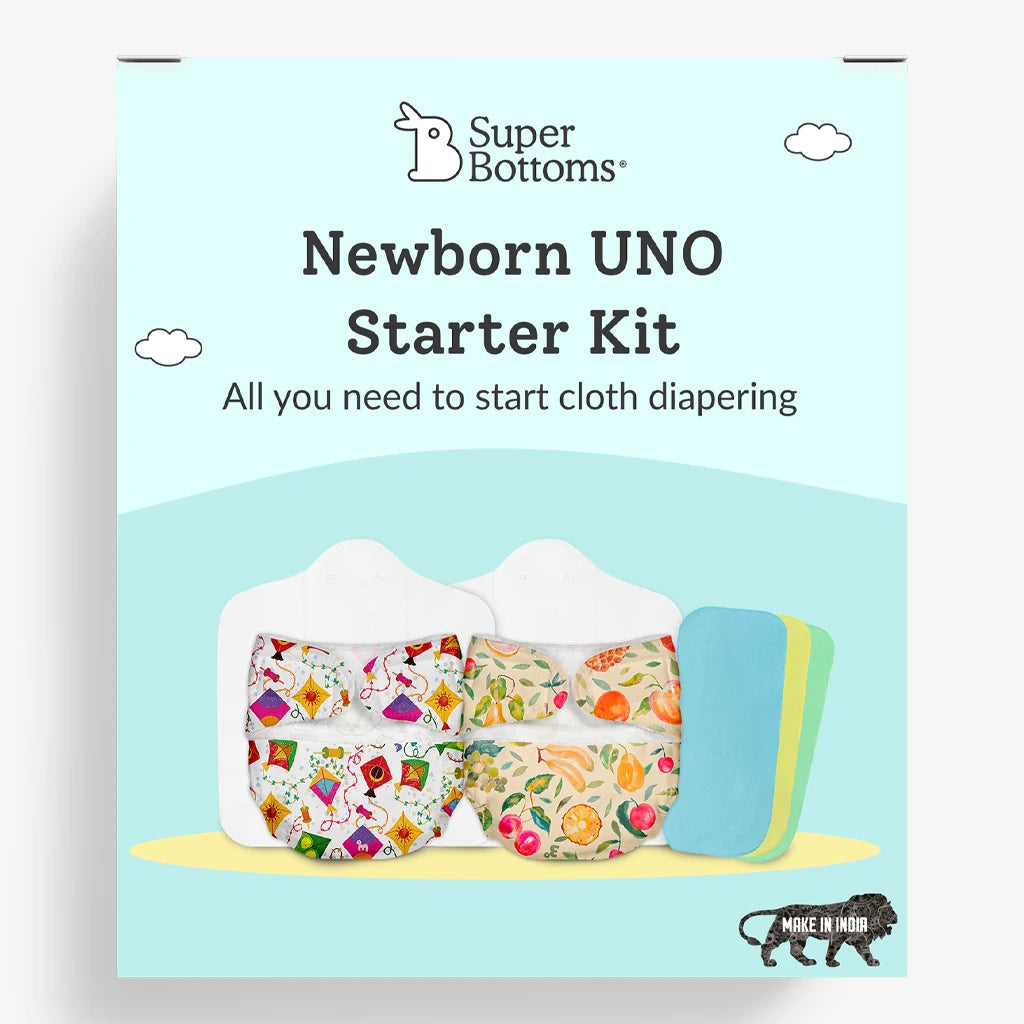
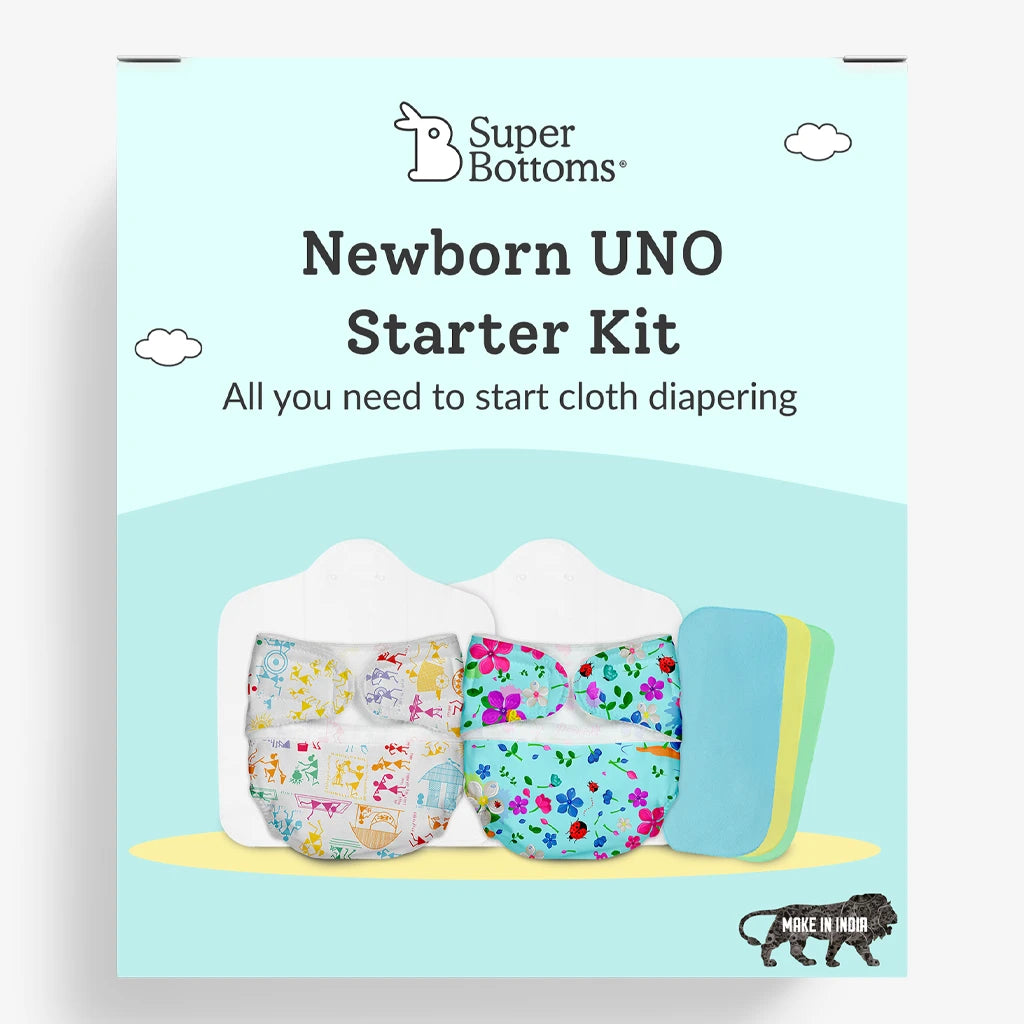
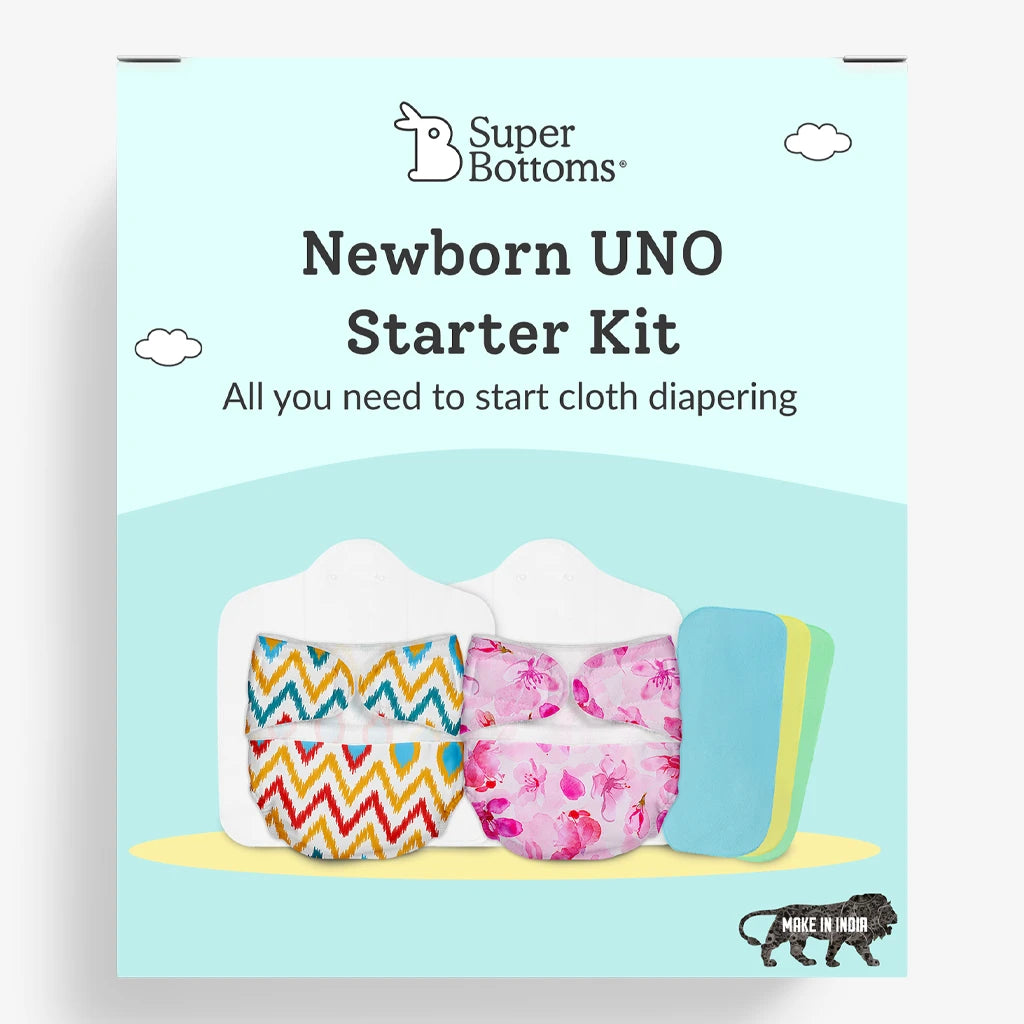
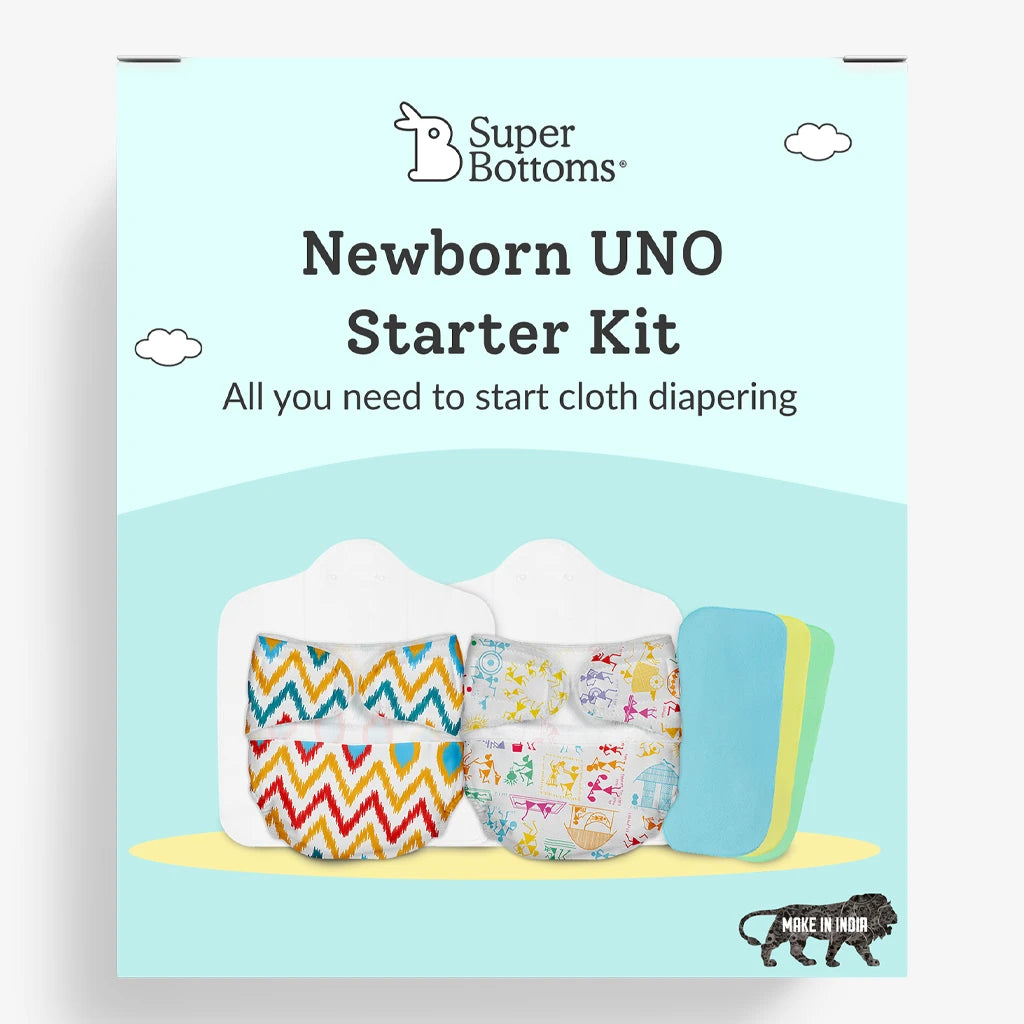
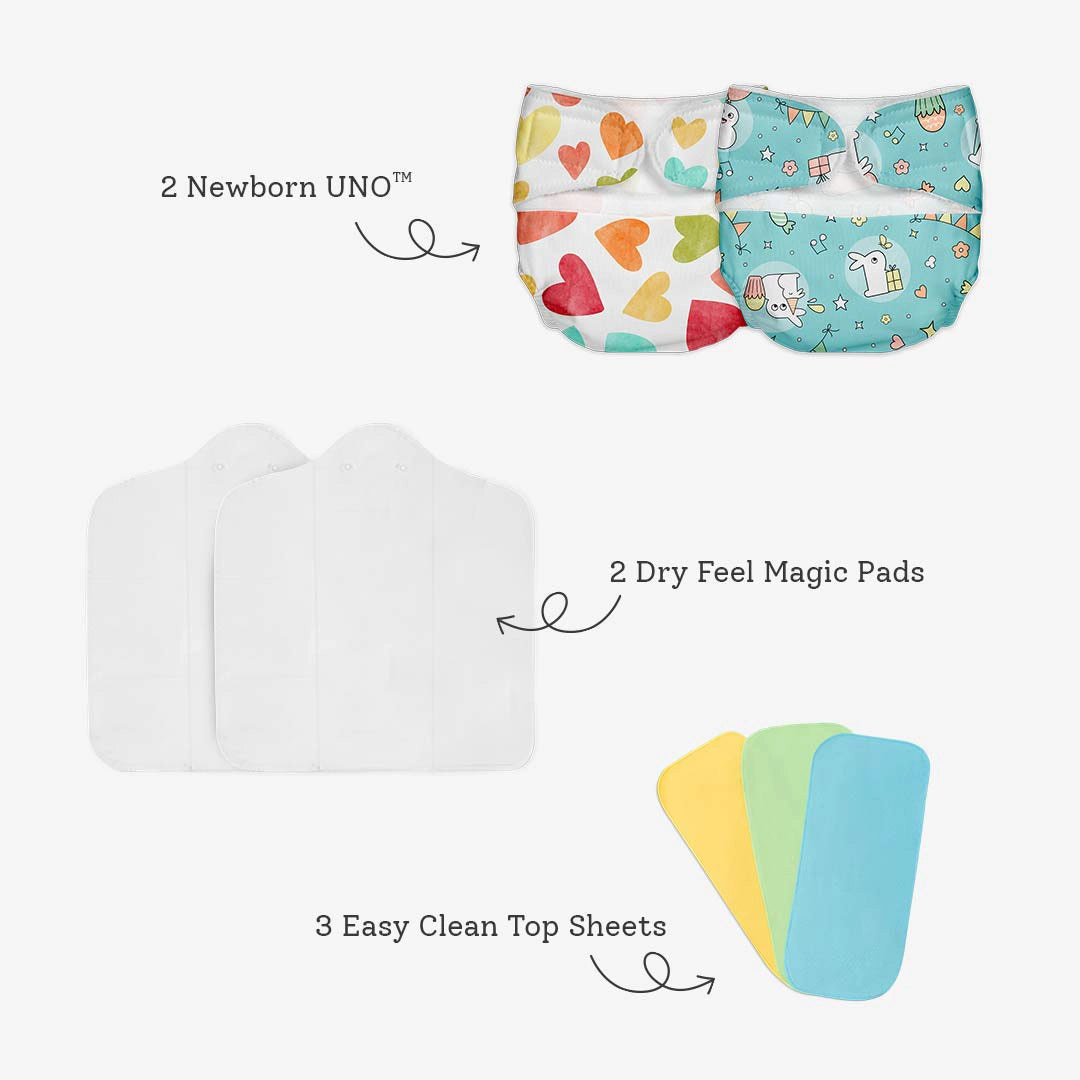
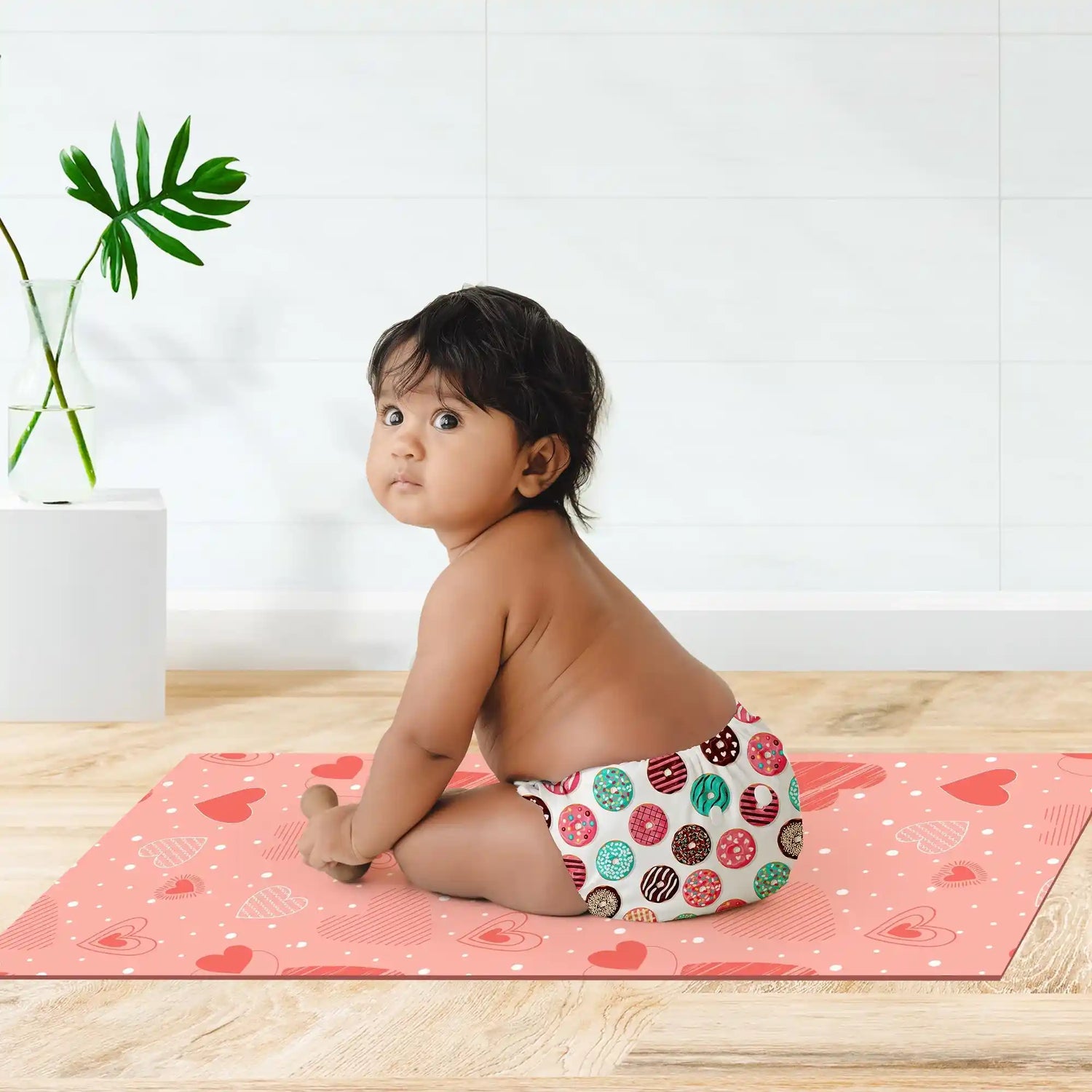
For newborns, try SuperBottoms Newborn UNO - soft cotton next to the skin, waterproof outer, breathable and safe.
While regular diapers (disposables) offer unmatched convenience, they come with hidden costs, from skin irritation, chemical exposure, environmental burden, to long-term financial strain. On the other hand, cloth diapers present a safer, greener, and often more economical alternative.
Choosing the right diaper involves weighing your lifestyle, values, and your baby’s needs. But if health and sustainability matter to you, reusable cloth diapers, especially from trusted brands like SuperBottoms, are a powerful way to parent more consciously.
|
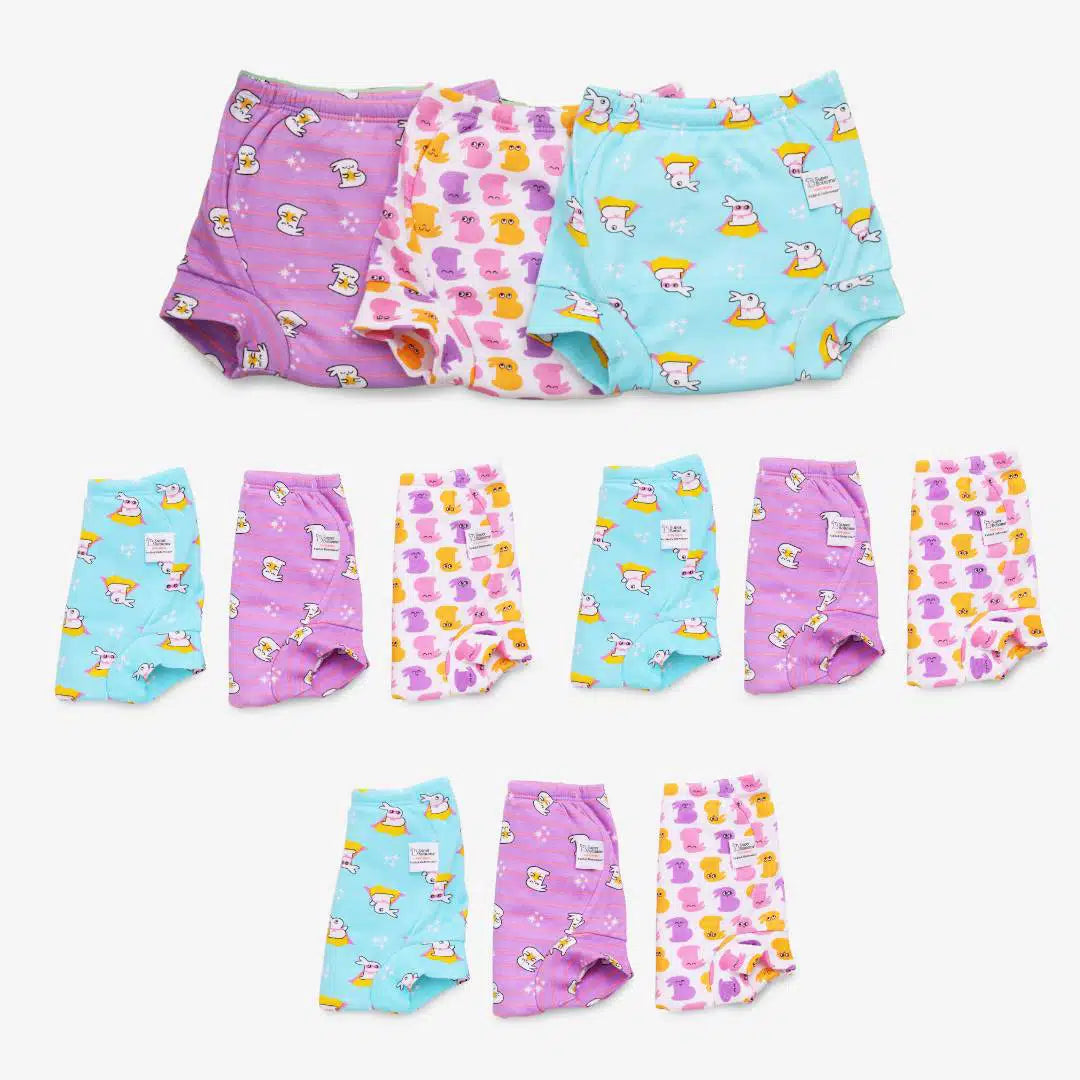
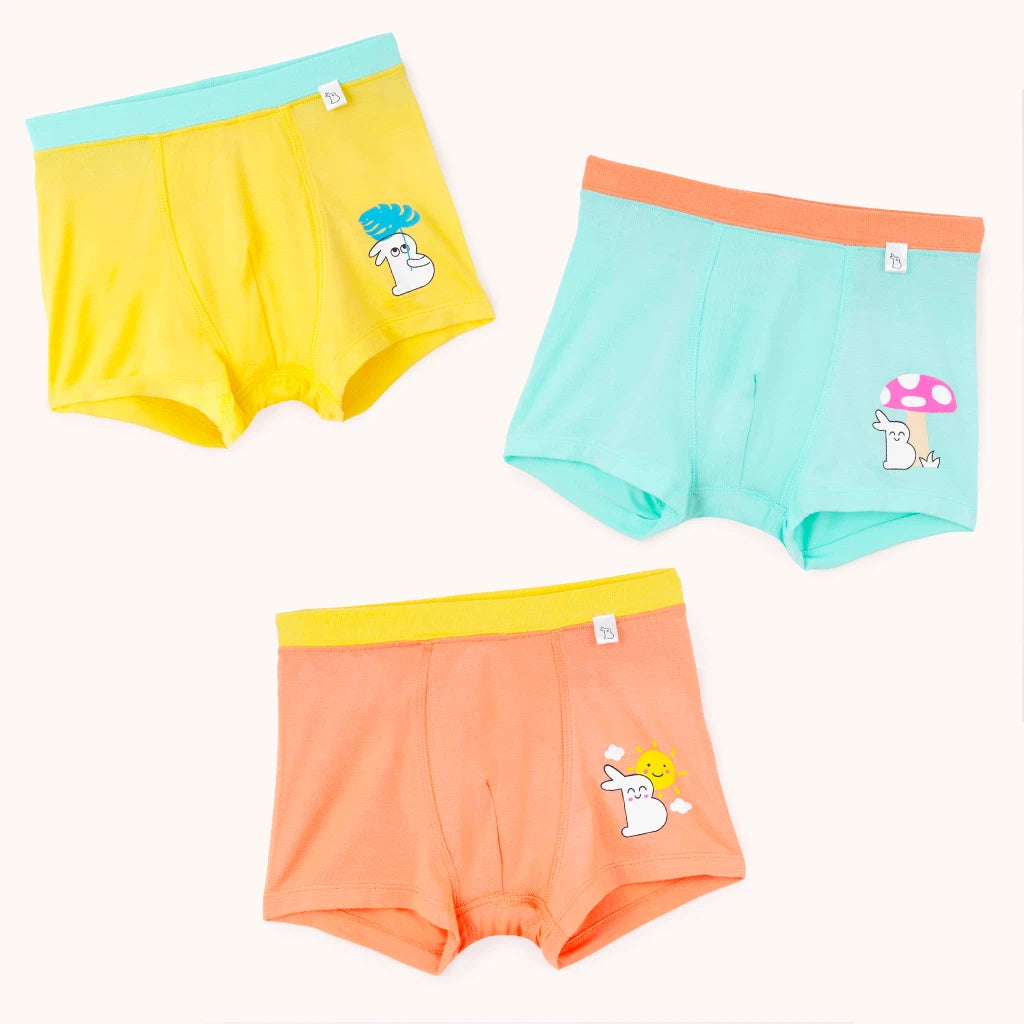
Limited Time Offers + Special Gift Sets! Now or never Super SALE is live on the SuperBottoms website! Take advantage of unbeatable value deals on our UNO Cloth Diapers, Baby Essentials, and more. Looking for the perfect present for a newborn or a toddler? Explore our thoughtfully curated Gift Sets & Combos — safe, skin-friendly, and oh-so-cute! A bundle of love for little ones and a delight for parents. HURRY — Deals and Gift Packs are live only till stocks last. Don’t miss the chance to stock up and share the joy! |
Key Takeaways
- Disposable diapers can lead to skin irritation, rashes, and chemical exposure due to SAP, dyes, and VOCs.
- Cloth diapers (like those from SuperBottoms) are safer for baby skin, more breathable, reusable, and eco-friendly.
-
Over time, cloth diapers can save money and reduce environmental impact, despite the initial effort of washing.
FAQs
1. Which diaper is best for babies - cloth or disposable?
It depends. For health and environmental reasons, cloth diapers are often better. But if you prioritise convenience, disposables might feel more practical.
2. What are the side effects of regular diapers?
Common side effects include diaper rash, skin irritation, allergic reactions, and, in rare cases, chemical burns due to super-absorbent polymers.
3. Are diapers bad for babies?
Not inherently, but regular disposable diapers carry risks due to moisture retention, limited breathability, and chemical exposure. Frequent changes and the use of safer materials can mitigate many risks.
4. How do cloth diapers vs regular diapers impact the environment?
Disposables contribute massively to landfill waste and use non-renewable materials. Cloth diapers reuse resources, though they require water and energy for washing.
5. Are cloth diapers better than disposable in terms of potty training?
Many parents, and some studies, suggest that babies in cloth diapers potty train earlier because they sense wetness more acutely, which promotes awareness.
6. Do cloth diapers cost less in the long run?
Yes — though the upfront cost is higher, cloth diapers can be reused for multiple children, saving money over time compared to constantly buying disposables.
Message from SuperBottoms
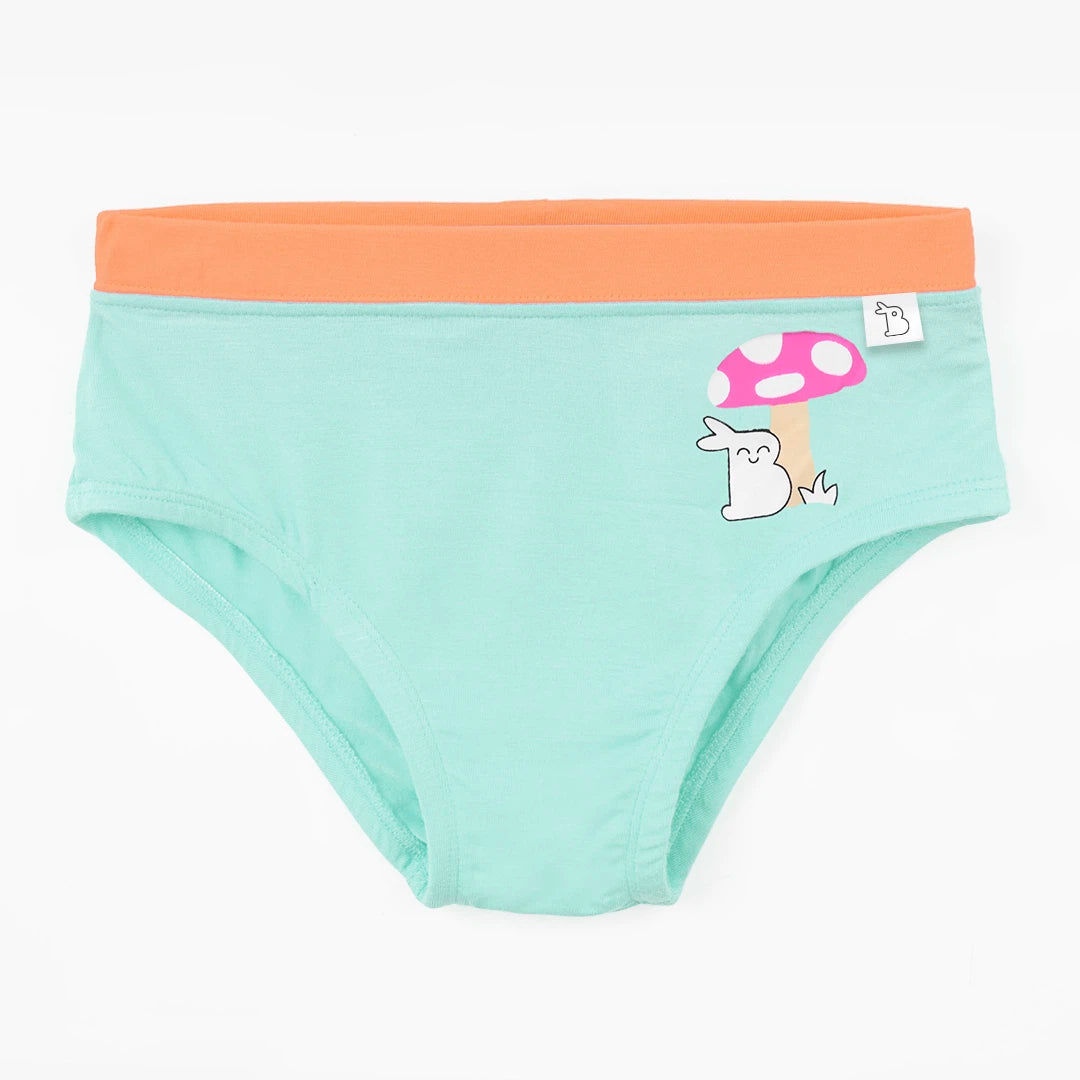
Hi there, new parents! SuperBottoms brings you doctor-recommended cloth diapers — the best rash-free diapering solution for your baby’s sensitive and delicate skin. Unlike disposable diapers loaded with chemicals, our newborn cloth diapers, when used and washed properly, can help eliminate the risk of diaper rashes. SuperBottoms offers a wide range of safe, skin-friendly essentials for the whole family — including Reusable Cloth Diapers, Diaper Pants, DryFeel langots for diaper-free time, Padded Underwear for potty training, SuperSoft Underwear for everyday comfort, Joggers for playful days, and Period Underwear for women. Not just for everyday use, SuperBottoms products also make the best gifting choice for babies — thoughtful, eco-friendly, practical, and loved by parents. Now available on Amazon, Myntra, Flipkart, FirstCry, Zepto, Swiggy and Blinkit