









Hip dysplasia in babies is a condition where the hip joint does not develop properly. Many parents worry that cloth diapers or double diapering hip dysplasia might increase the risk. However, most paediatric experts agree that modern cloth diapers for babies actually support healthy hip positioning. When used correctly, they can promote the natural “frog-leg” posture that supports hip development.
Table of Contents
- What Is Hip Dysplasia in Babies?
- What Are the Symptoms of Infant Hip Dysplasia?
- Do Cloth Diapers Cause Hip Dysplasia?
- Can Double Diapering Help Hip Dysplasia?
- What Should Parents Look for in Safe Diapers?
- Comparing Diaper Types for Hip Health
- How Are Hip Dysplasia Babies Treated?
- Key Takeaways
- FAQs
- Message from SuperBottoms
- References
What Is Hip Dysplasia in Babies?
Hip dysplasia baby refers to a developmental condition where a baby’s hip joint does not fit perfectly into the socket. In a healthy hip, the ball of the thigh bone fits securely into the hip socket. In infant hip dysplasia, this connection may be loose or improperly formed.
This condition is medically known as Developmental Dysplasia of the Hip (DDH) and usually develops during pregnancy or shortly after birth.
Common causes may include
- Family history of hip dysplasia
- Breech birth position
- Tight swaddling that restricts leg movement
- First pregnancies (the uterus space is tighter)
- Limited hip mobility after birth
The important thing to know is that diapers themselves are rarely the cause.
Do cloth diapers cause hip dysplasia?
No. Modern baby cloth diapers are generally considered hip-healthy because they allow babies’ legs to remain slightly apart in a natural position, which actually supports proper hip development.
What Are the Symptoms of Infant Hip Dysplasia?
In many cases, hip dysplasia symptoms are subtle and may only be detected during paediatric check-ups.
Possible signs include
- Uneven leg lengths
- Limited movement in one leg
- Uneven thigh or buttock folds
- Clicking sound when the hips move
- One hip appears less flexible
Doctors usually screen newborns within the first weeks of life through physical exams and, if necessary, ultrasound imaging.
Expert Answer
“Early detection of developmental hip dysplasia leads to very successful treatment outcomes. Most cases can be corrected if identified within the first six months.”
— Dr Anjali Mehta, MD Paediatrics
Do Cloth Diapers Cause Hip Dysplasia?
This is one of the most common parenting concerns online: “Do cloth diapers cause hip dysplasia?”
The short answer: No, they do not.
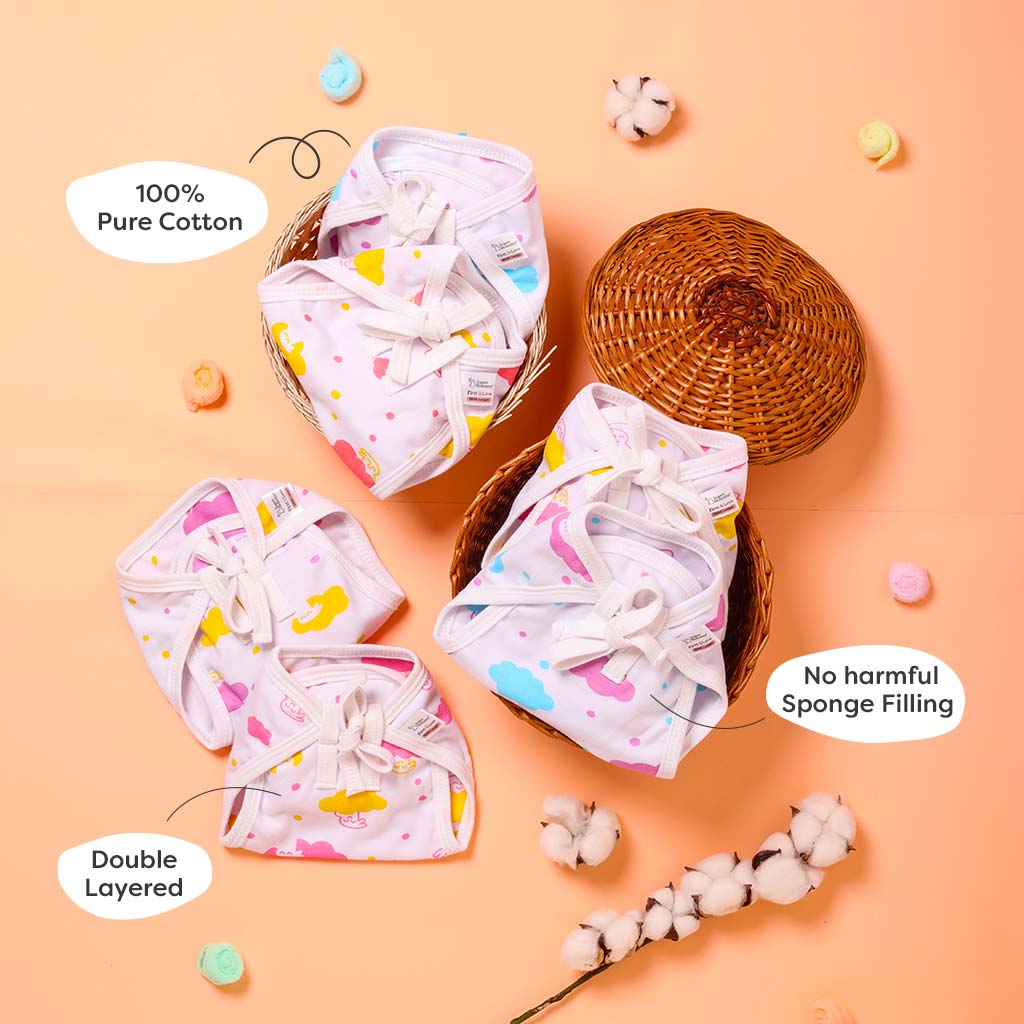
In fact, many paediatric orthopaedic experts explain that newborn cloth diapers often help maintain a baby’s hips in a healthy position.
Why Cloth Diapers Do Not Cause Hip Dysplasia
Healthy hip development happens when babies keep their legs:
- bent
- slightly spread apart
- free to move
This natural position is called the “frog-leg position.”
Modern cloth diaper hip dysplasia discussions often highlight that bulkier diapers may actually help keep the legs in this healthy position.
What Parents Should Know
The real risk for hip dysplasia usually comes from tight baby swaddling or restricting leg movement, not from diapers. Diapers that allow hips to move naturally — including reusable cloth nappies — are generally considered safe.
Can Double Diapering Help Hip Dysplasia?
Some parents are told about double diapering hip dysplasia as a possible solution.
This involves putting two diapers on a baby to keep the hips more spread apart.
However, medical opinions vary.
Many paediatricians today say:
- Double diapering may not significantly improve hip alignment
- Medical devices like Pavlik harnesses are more effective when treatment is needed
That said, thicker diapers — including reusable cloth diapers — can naturally create a slightly wider leg position, which may support healthy hip posture.

What Should Parents Look for in Safe Diapers?
If you’re choosing diapers while being mindful of hip health, focus on the criteria that support safe positioning and comfort.
What to look for
|
Criteria |
Why It Matters |
|---|---|
|
Soft materials |
Protects delicate newborn skin |
|
Flexible fit |
Allows hips to move freely |
|
Adequate spacing |
Encourages natural leg posture |
|
Breathable fabrics |
Reduces skin irritation |
|
Reliable absorbency |
Prevents frequent changes and discomfort |
Once these criteria are met, the diaper type — cloth or disposable — becomes a matter of preference.
What to Look for When Choosing Cloth Diapers for Your Baby
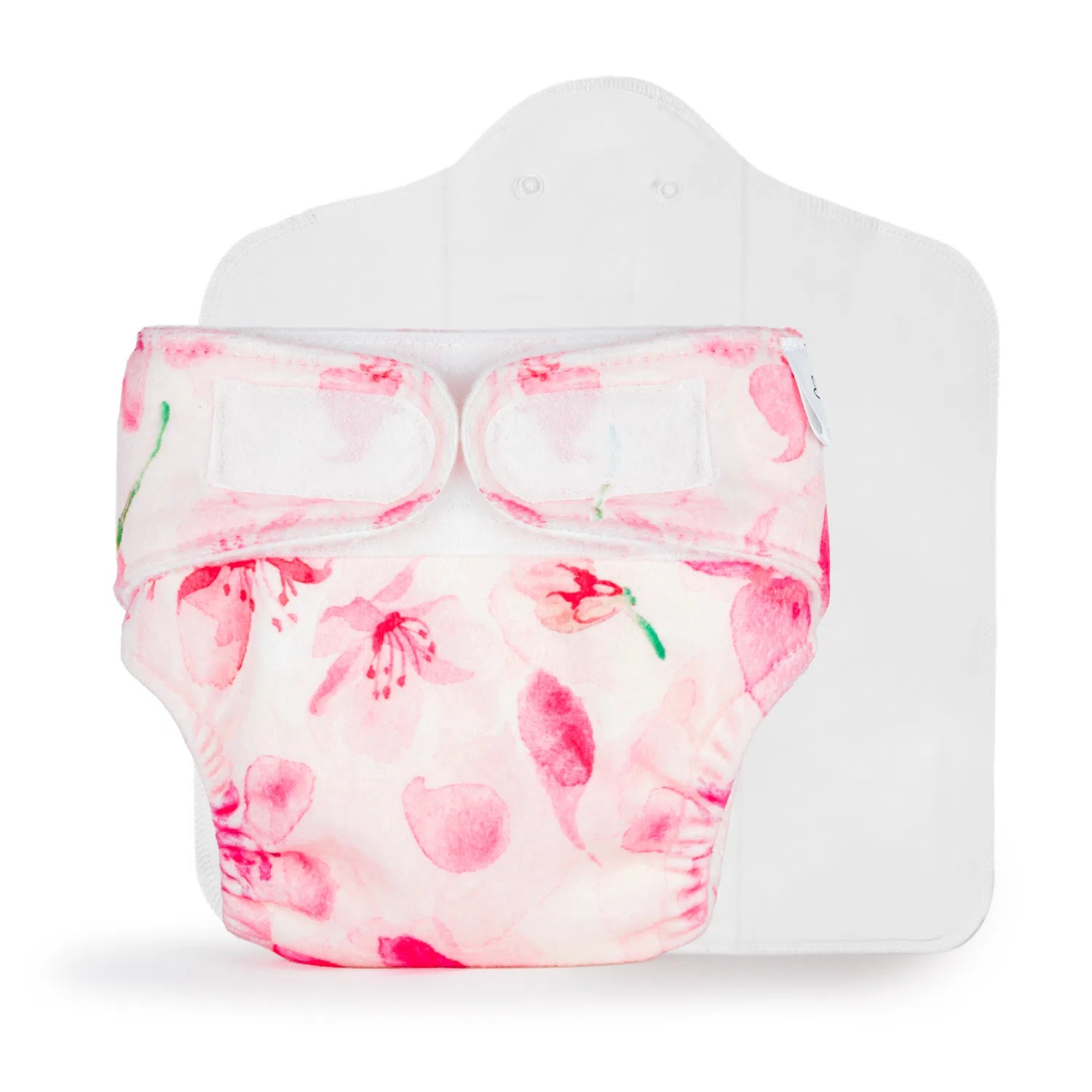
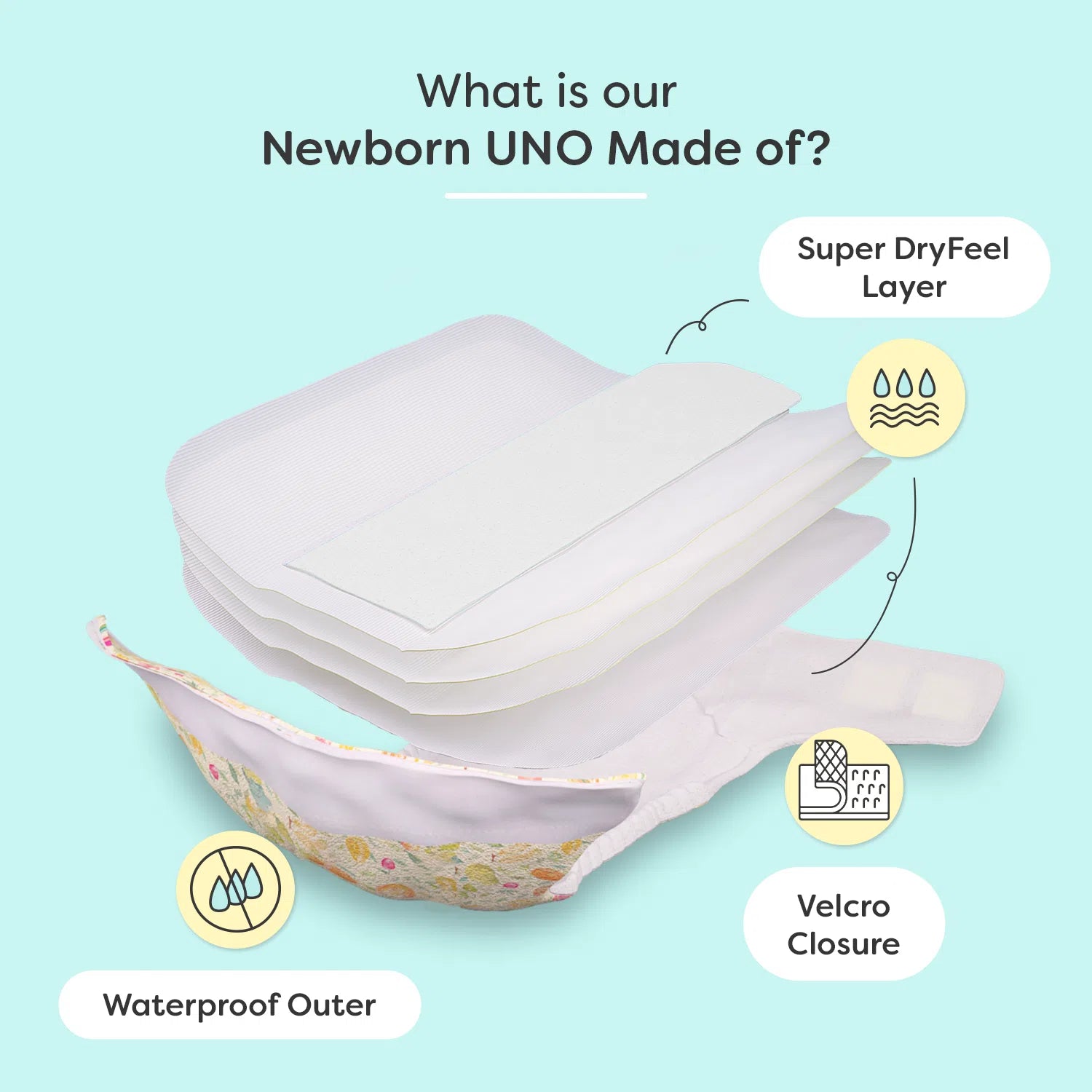
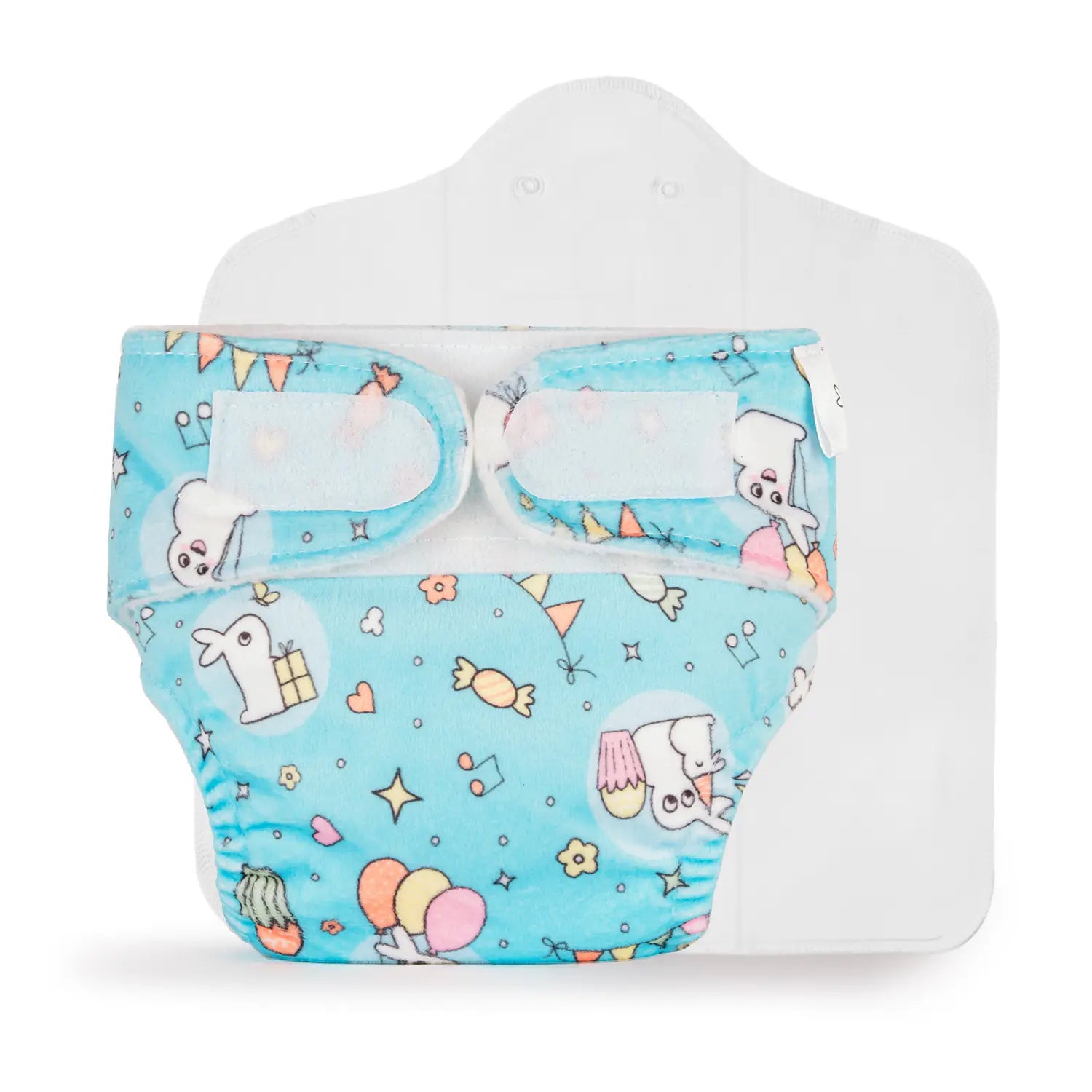
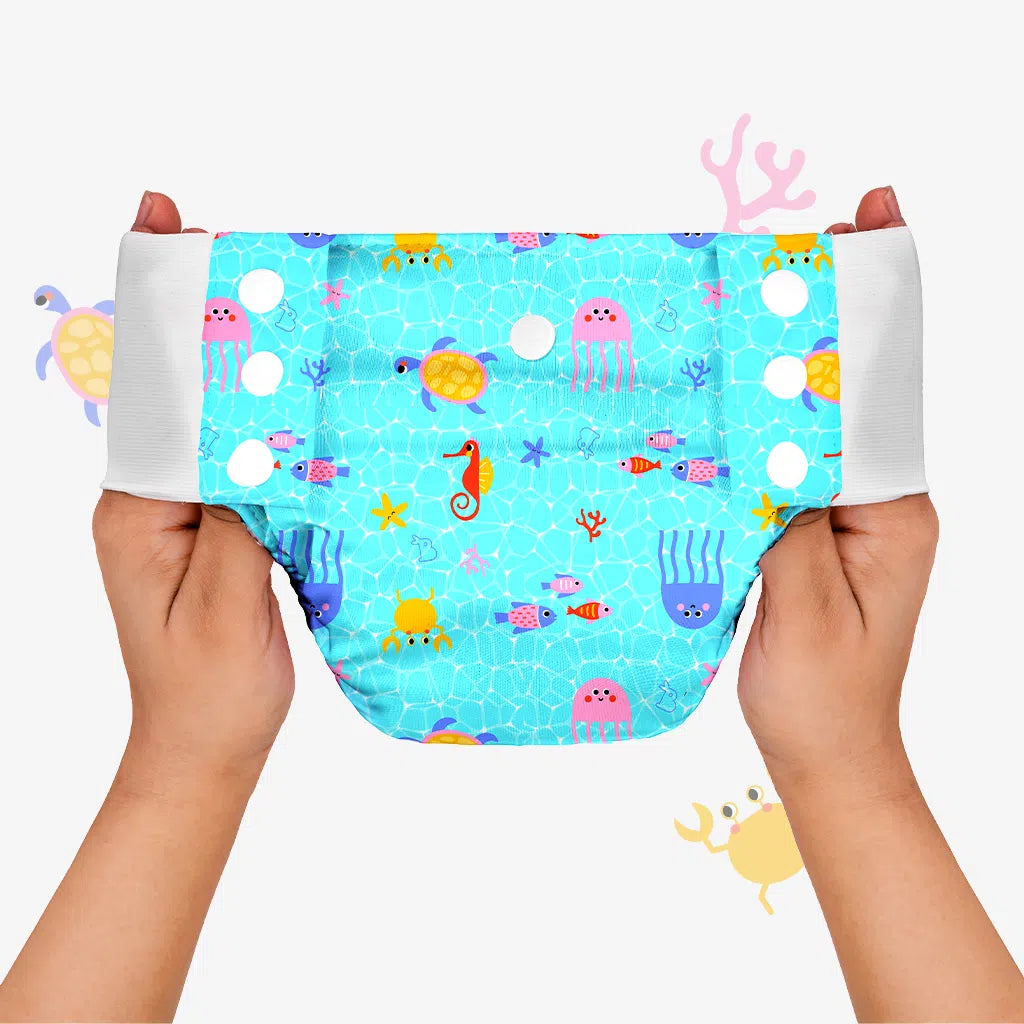
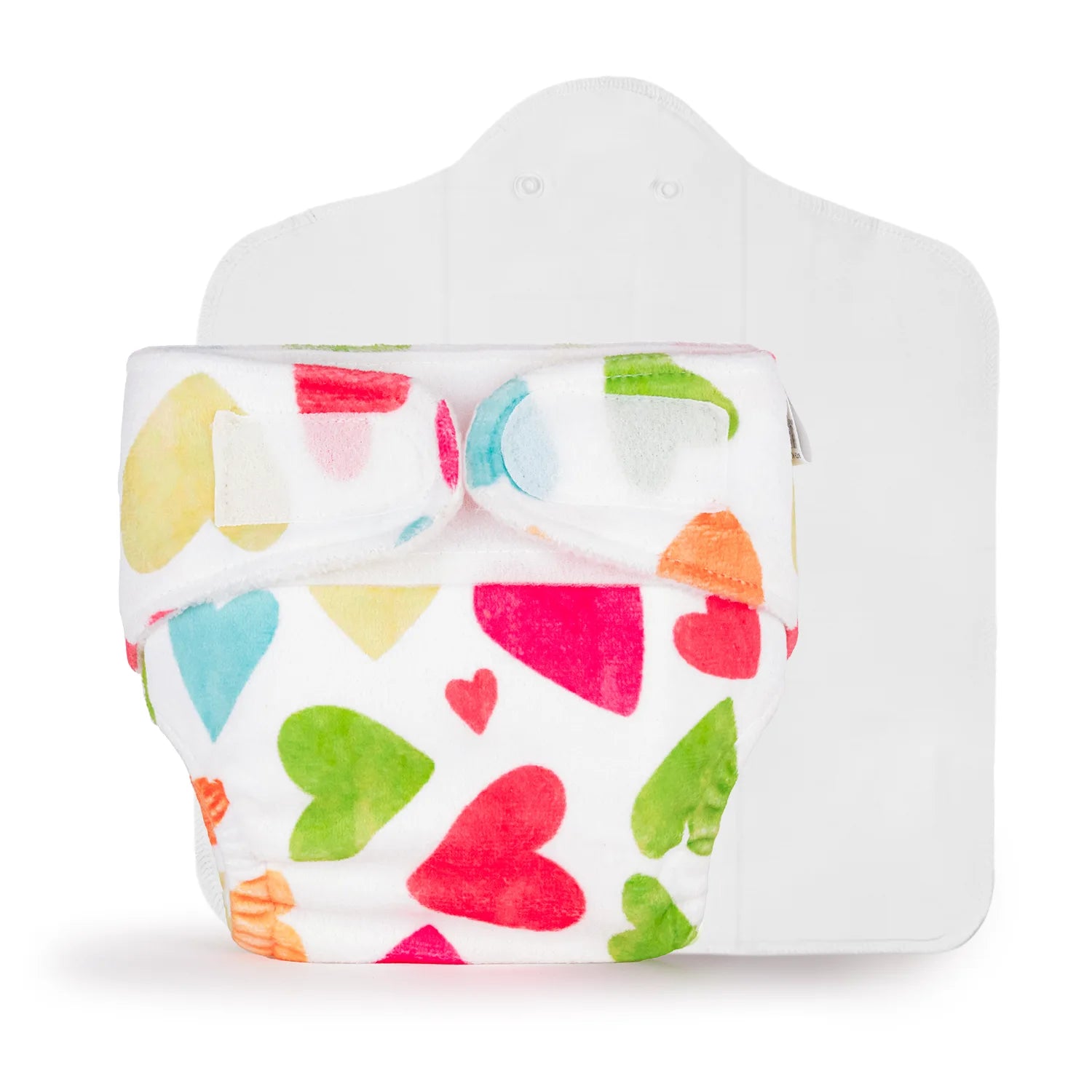
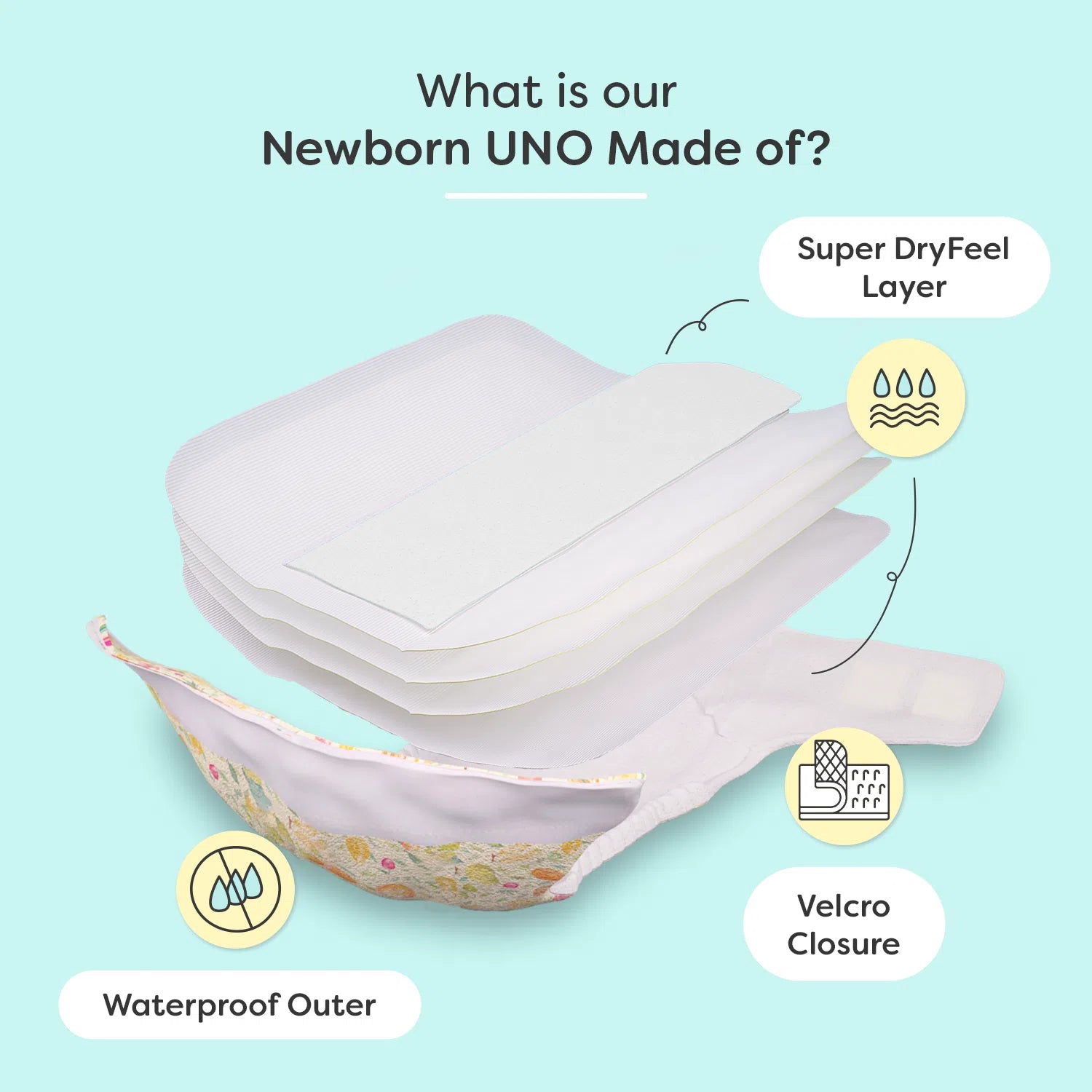
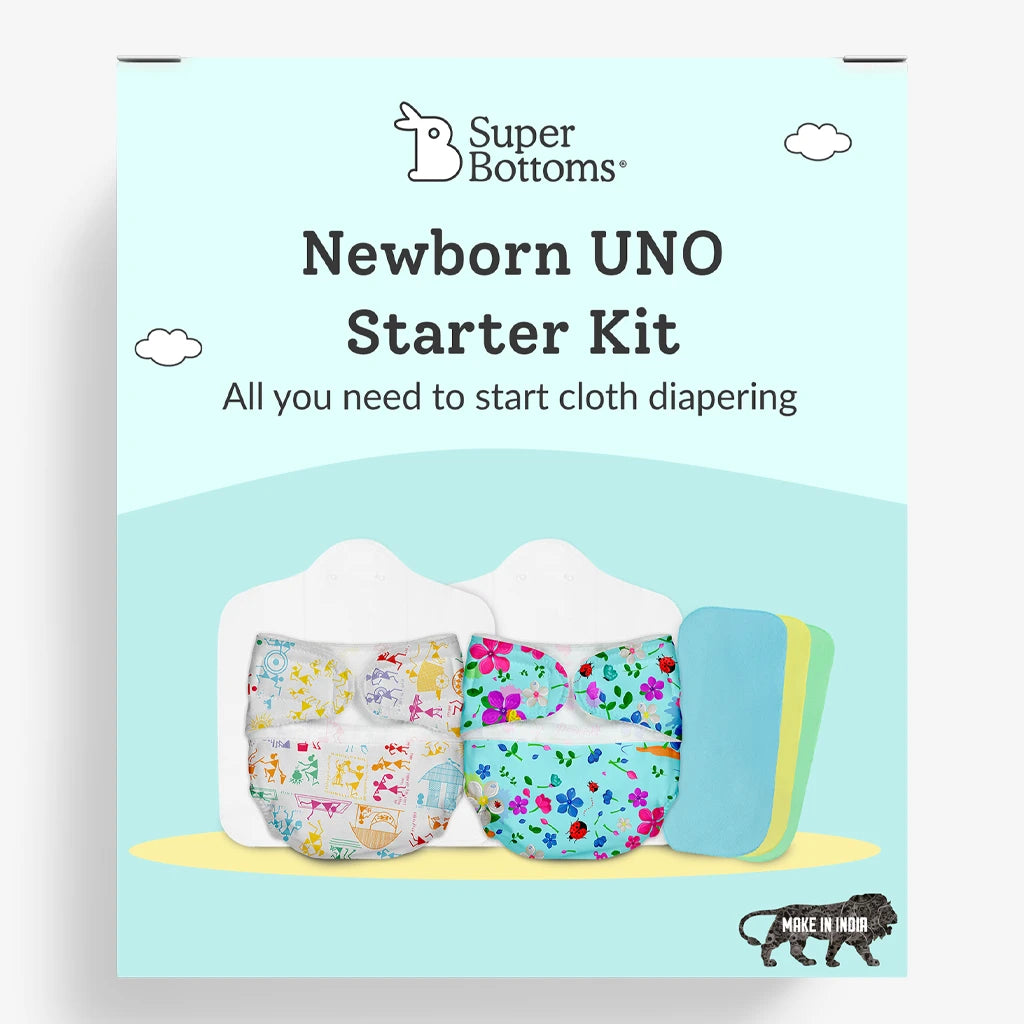
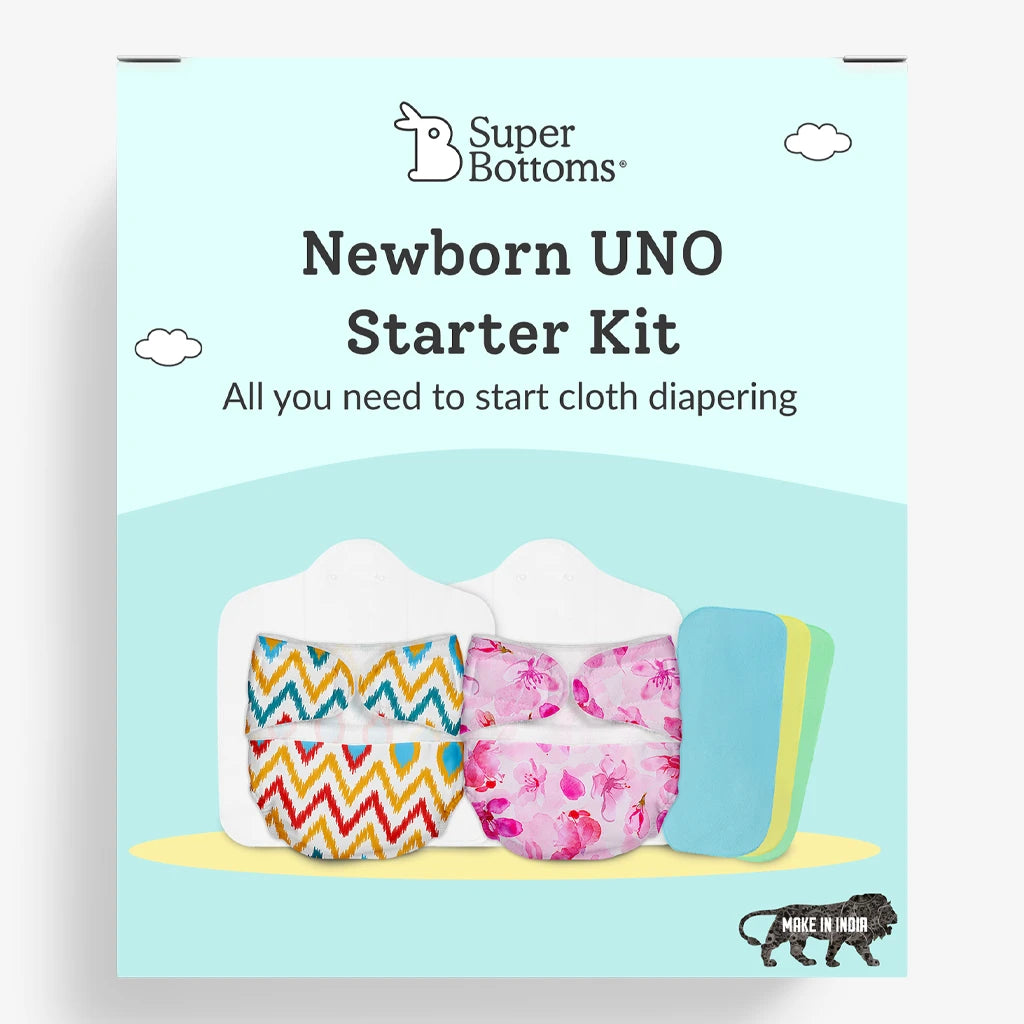
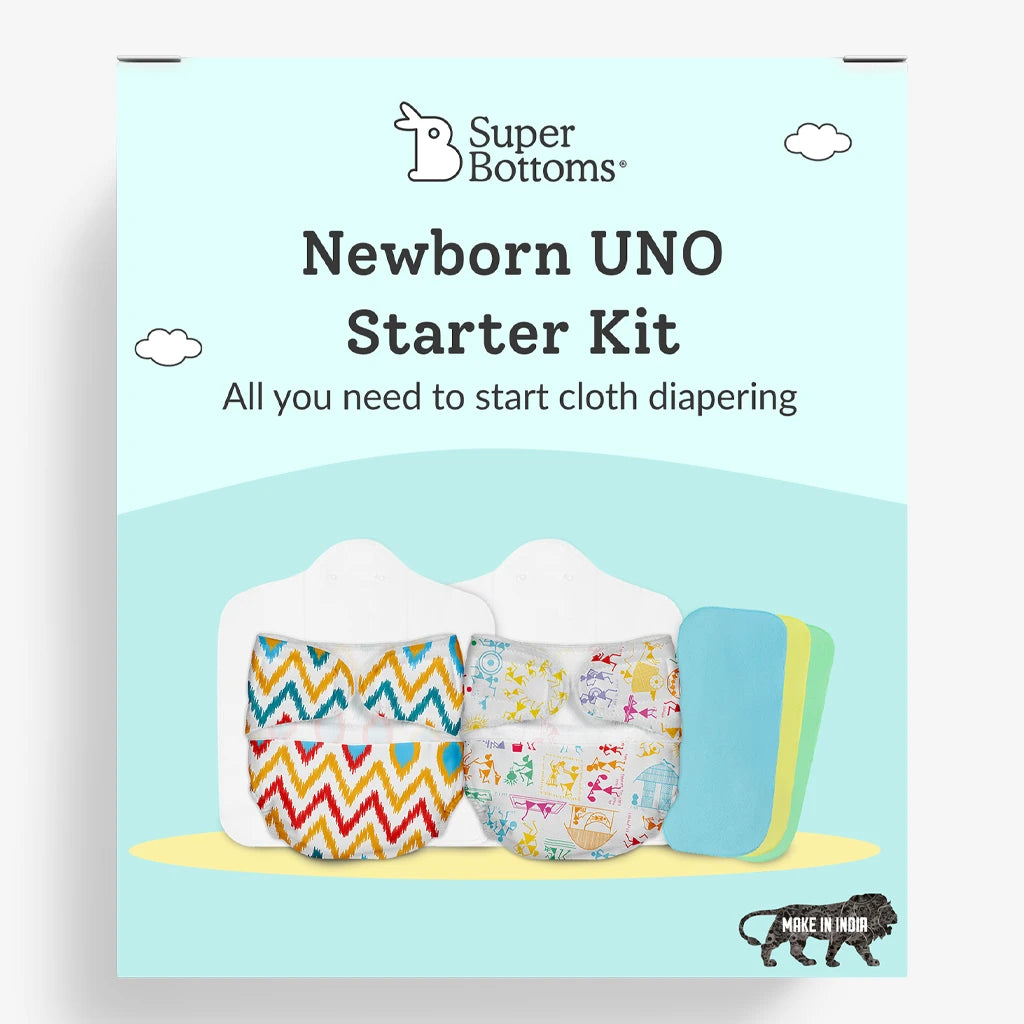
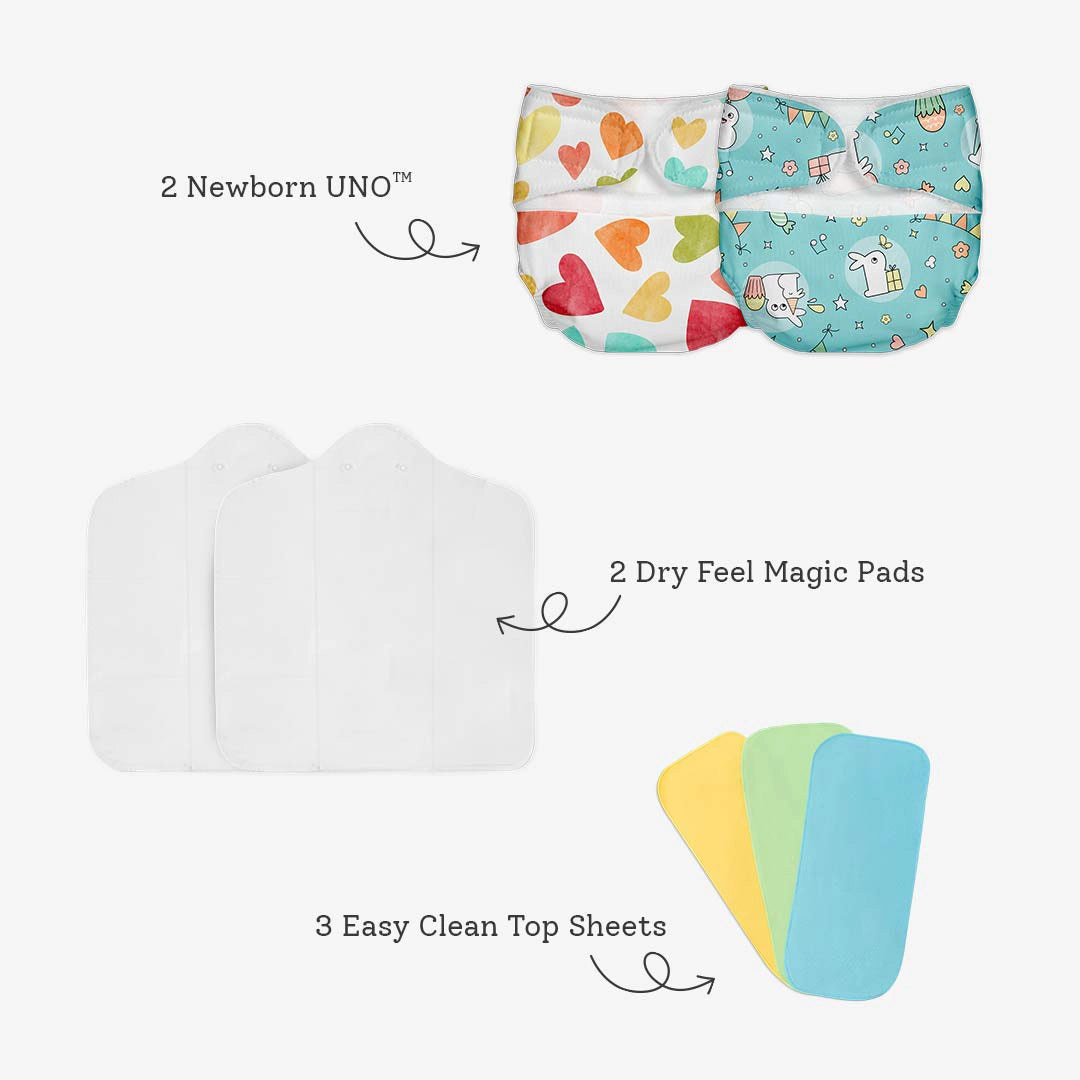
Parents choosing cloth diapers for newborn babies often prefer options that combine a soft fabric outer layer, leak-proof inner protection, and flexible waist closures so babies can move comfortably.
You can explore the range → of modern reusable diaper designs that support both comfort and mobility.
Which Type of Diaper Works Best for Hip Development?
Both disposable and cloth diapers can be safe, but they differ in several areas important to parents.
|
Feature |
Disposable Diapers |
Traditional Cloth |
Modern Cloth Diapers (e.g., SuperBottoms) |
|---|---|---|---|
|
Hip spacing |
Moderate |
Wider |
Natural supportive spacing |
|
Breathability |
Moderate |
High |
High |
|
Skin safety |
Depends on the brand |
High |
High |
|
Reusability |
No |
Yes |
Yes |
|
Leak protection |
High |
Moderate |
High |
|
Long-term cost |
High |
Low |
Low |
Modern reusable diapers combine comfort, absorbency, and flexibility, which many parents find ideal for daily use.
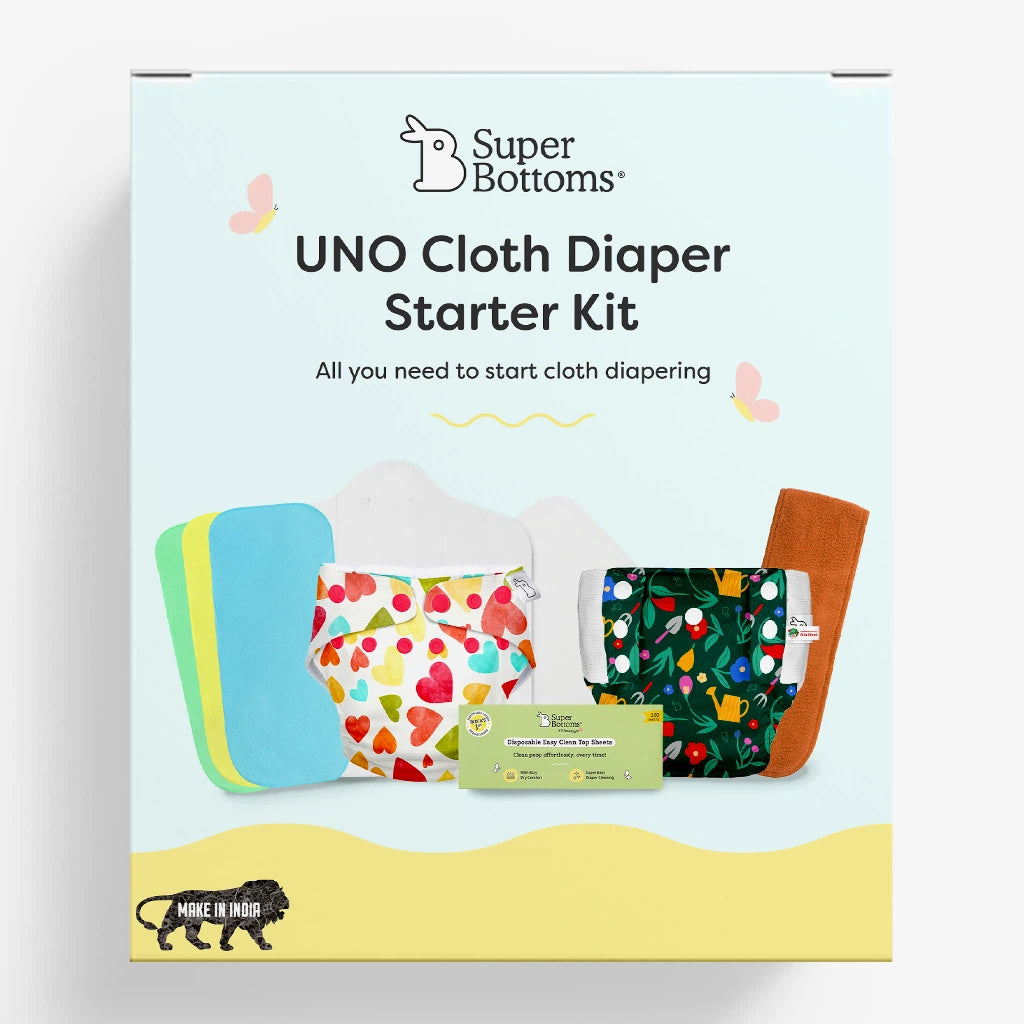
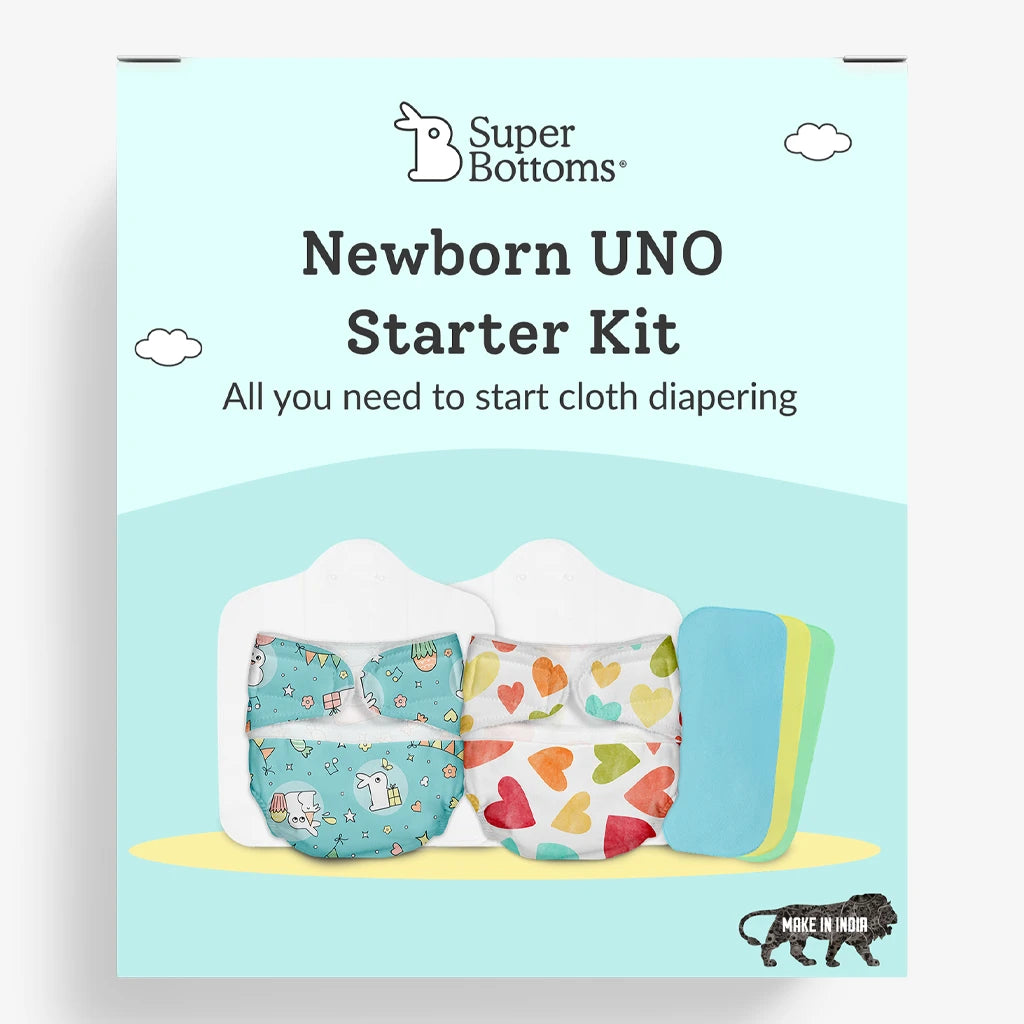
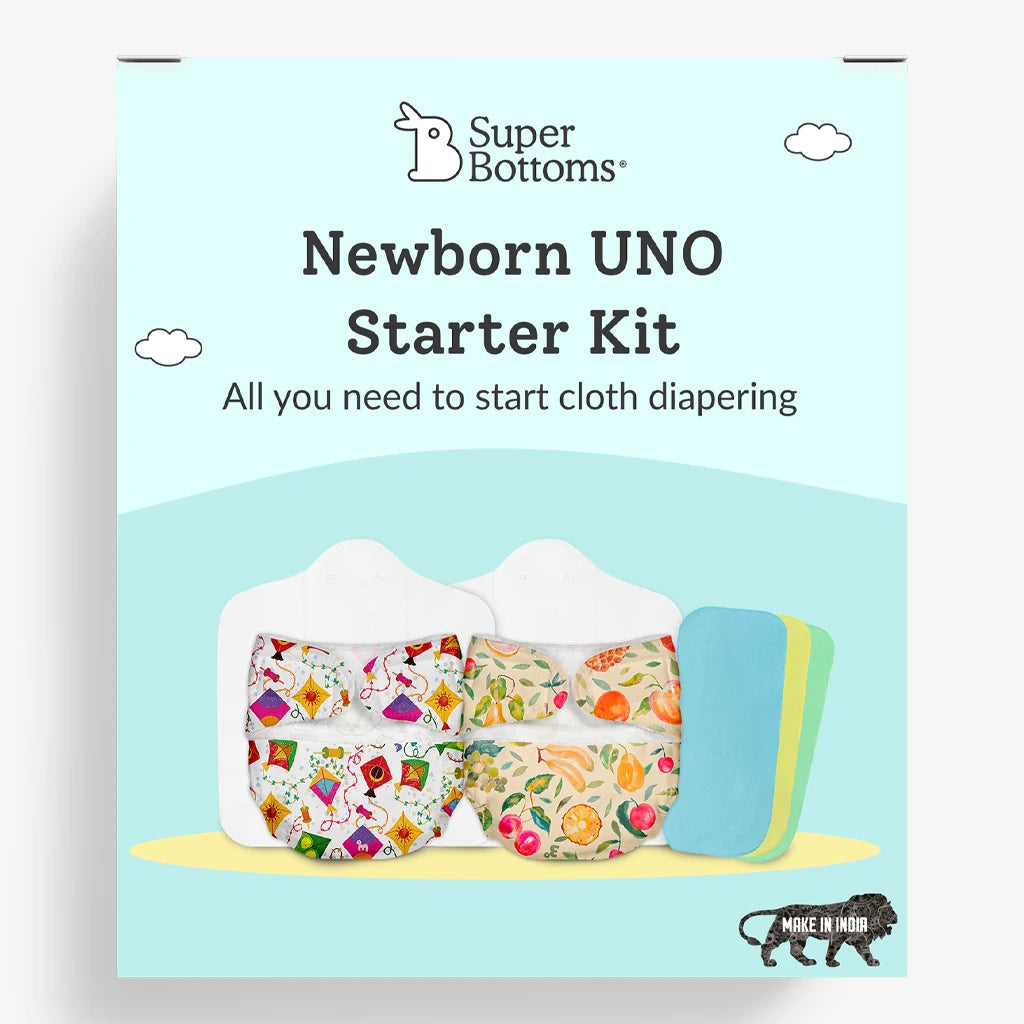
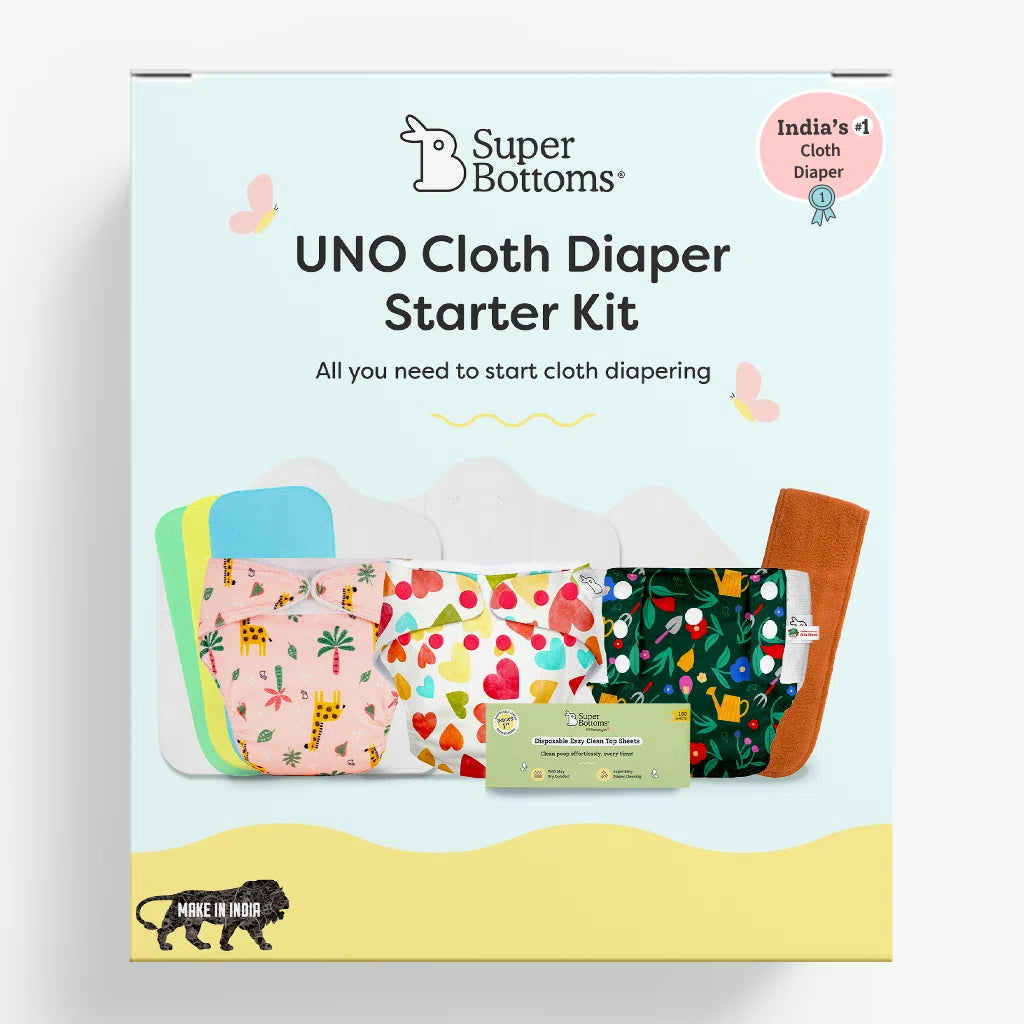
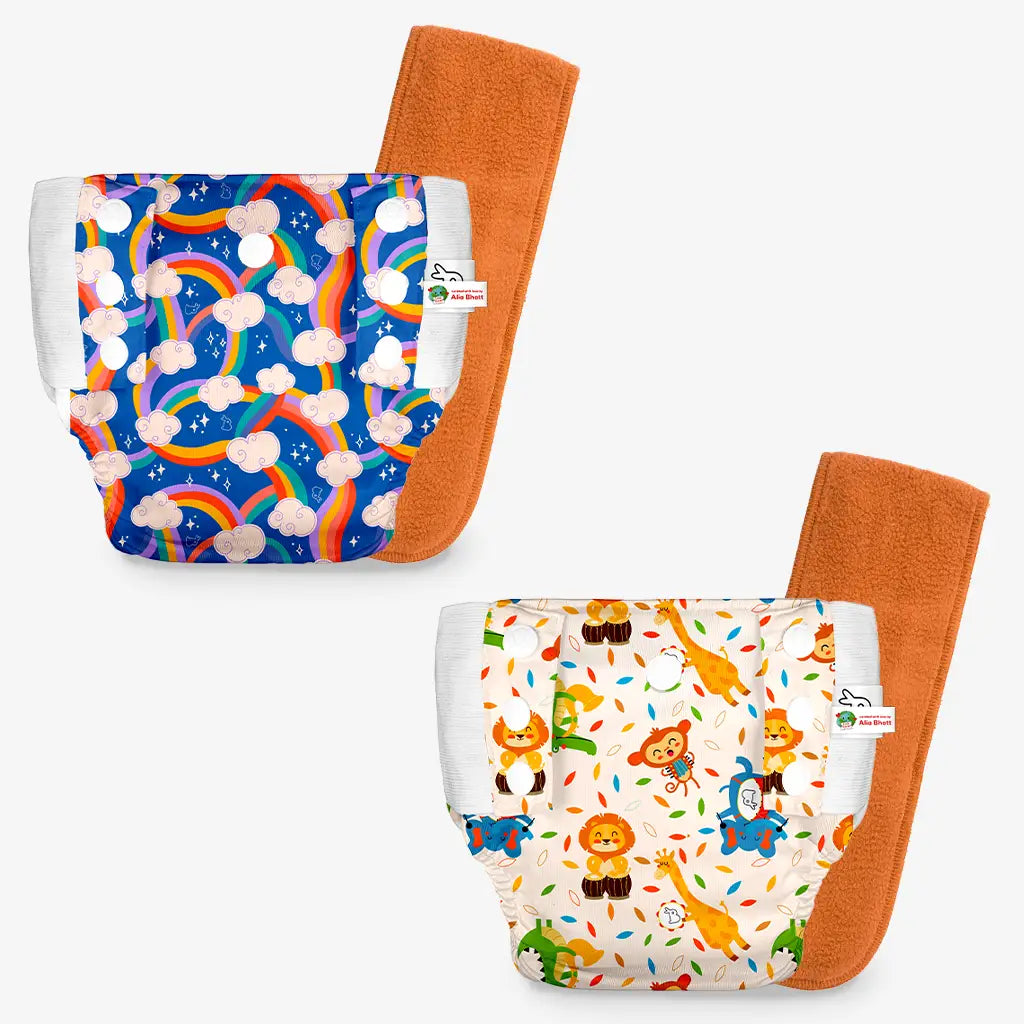
SuperBottoms Pick: UNO Cloth Diaper — reusable diaper designed for comfortable movement and leak protection.
How Are Hip Dysplasia Babies Treated?
If diagnosed early, hip dysplasia baby treatment is highly effective.
Treatment depends on the baby's age and the severity of the condition.
Common treatment options include
1. Pavlik Harness
-
Keeps hips in the ideal position
-
Usually worn for several weeks
2. Bracing
-
Used if the harness does not fully correct alignment
3. Surgery
-
Rare and usually only needed in severe cases
Most babies treated early recover completely and develop normal hip function.
|
Limited Time Offers + Special Gift Sets! Now or never Super SALE is live on the SuperBottoms website! Take advantage of unbeatable value deals on our UNO Cloth Diapers, Baby Essentials, and more. Looking for the perfect present for a newborn or a toddler? Explore our thoughtfully curated Gift Sets & Combos - safe, skin-friendly, and oh-so-cute! A bundle of love for little ones and a delight for parents. HURRY - Deals and Gift Packs are live only till stocks last. Don’t miss the chance to stock up and share the joy! |
Parent Insight
“When our paediatrician screened our daughter early, they noticed mild hip looseness. With monitoring and normal movement, everything corrected naturally within a few months.”
— Parent from the SuperBottoms community
Parents often worry whether diapers could affect their baby’s hip development. The good news is that modern cloth diapers are generally considered hip-healthy, as they allow babies’ legs to stay in a natural spread position.
If you're looking for a diaper that supports comfort, skin safety, and healthy movement, reusable cloth options can be a practical solution.
Find the right fit → Shop SuperBottoms UNO Cloth Diapers.
Key Takeaways
- Cloth diapers do not cause hip dysplasia and may support healthy hip positioning.
- The biggest risk factors are genetics, breech birth, and restricted leg movement, not diaper type.
- Early detection and treatment make infant hip dysplasia highly manageable.
FAQs
1. Can cloth diapers cause hip dysplasia?
No. Most paediatric experts say cloth diapers do not cause hip dysplasia and may even support natural hip positioning.
2. What are early hip dysplasia symptoms in babies?
Common hip dysplasia symptoms include uneven leg folds, limited hip movement, and clicking sounds during movement.
3. Are newborn cloth diapers safe?
Yes. Newborn baby cloth diapers are safe when they fit properly and allow free leg movement.
4. Is double diapering recommended for hip dysplasia?
Double diapering hip dysplasia was historically suggested, but most doctors now prefer medical harnesses when treatment is required.
5. What causes infant hip dysplasia?
Causes include breech birth, genetics, limited space in the womb, and tight swaddling.
6. What is the treatment for hip dysplasia in babies?
Common hip dysplasia baby treatment includes the Pavlik harness, bracing, and rarely surgery.
7. Are reusable diapers better for baby hip positioning?
Reusable diapers often allow more natural leg spacing, which supports healthy hip posture.
8. Where can I buy cloth diapers for babies in India?
Parents can buy cloth diapers for babies from trusted brands online and on parenting marketplaces. Many families explore reusable options designed specifically for newborn comfort and leak protection.
Message from SuperBottoms
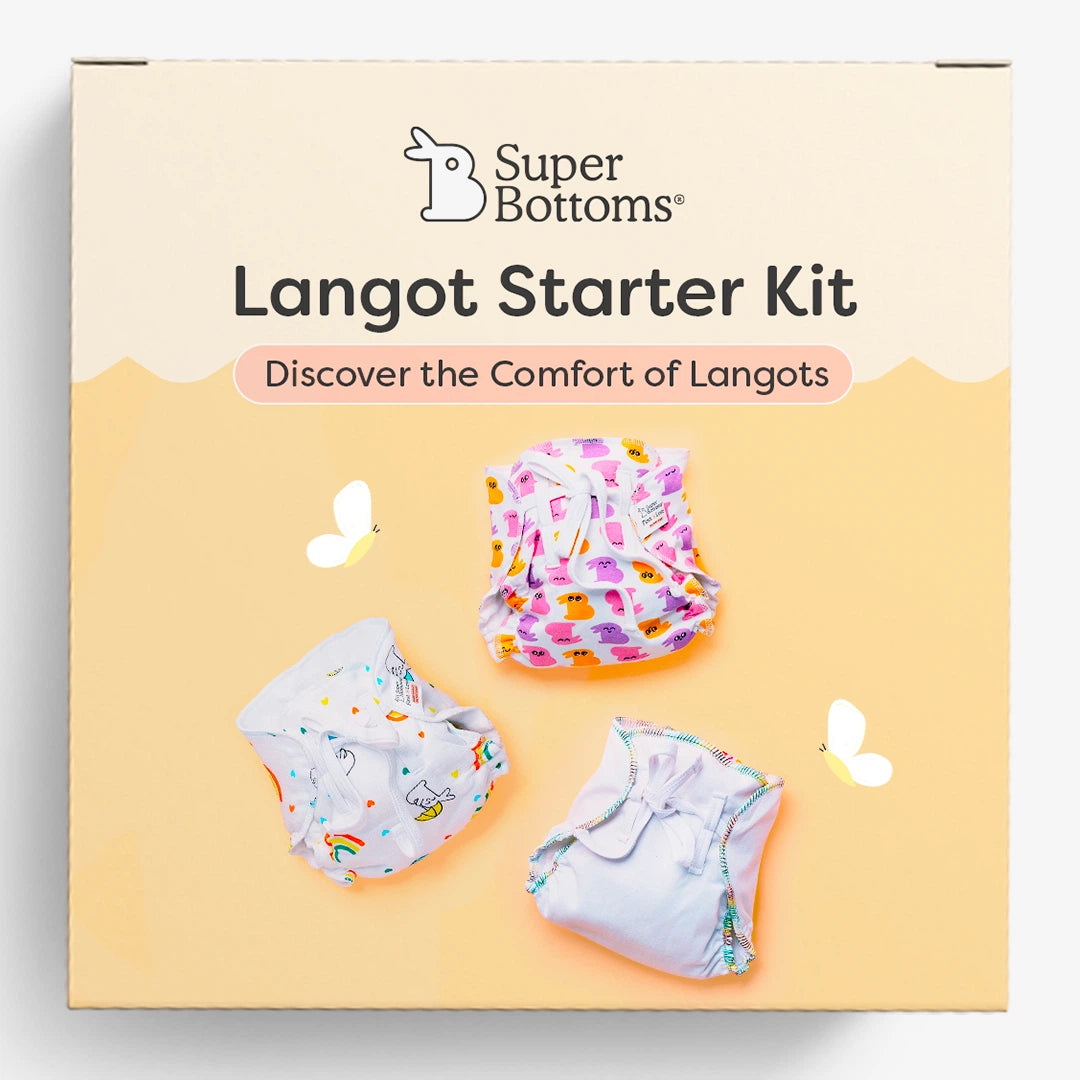
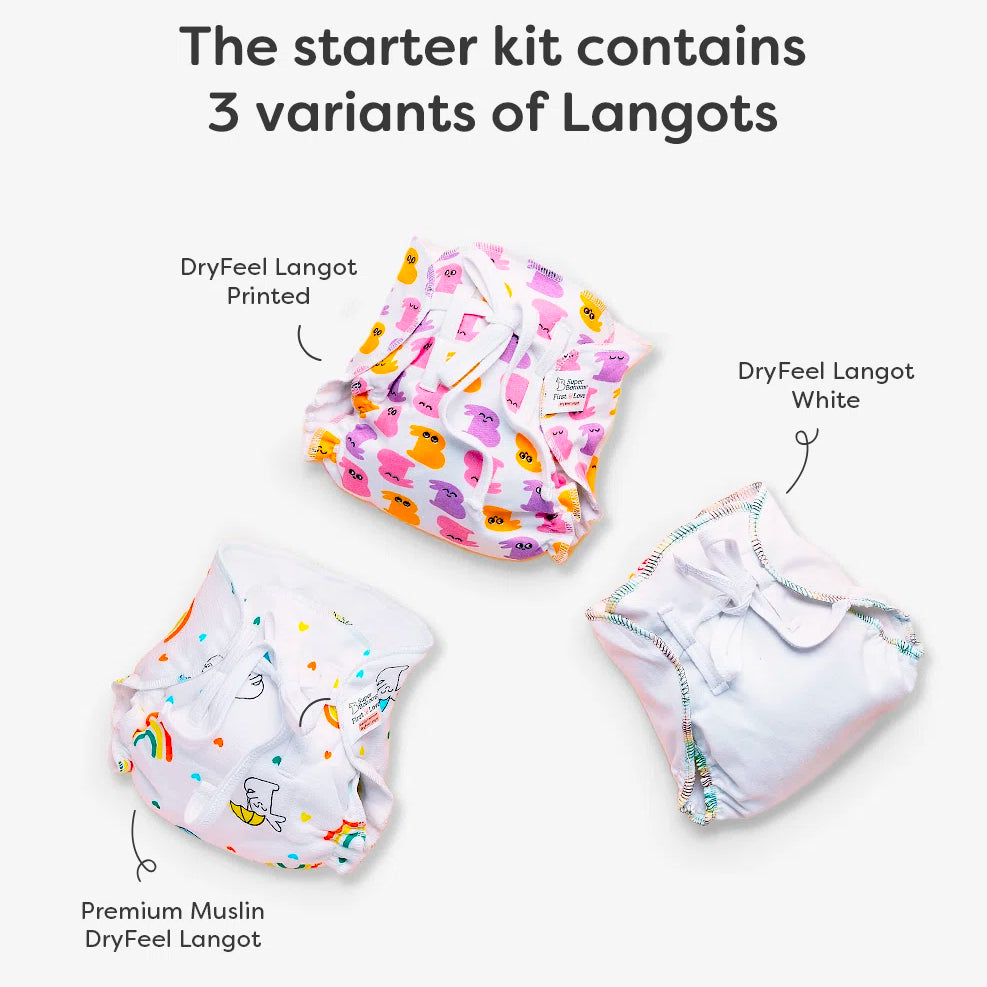
Hi there, new parents! SuperBottoms brings you doctor-recommended cloth diapers - the best rash-free diapering solution for your baby’s sensitive and delicate skin. Unlike disposable diapers loaded with chemicals, our newborn cloth diapers, when used and washed properly, can help eliminate the risk of diaper rashes. SuperBottoms offers a wide range of safe, skin-friendly essentials for the whole family - including Reusable Cloth Diapers, Diaper Pants, DryFeel langots for diaper-free time, Padded Underwear for potty training, SuperSoft Underwear for everyday comfort, Joggers for playful days, and Period Underwear for women. Not just for everyday use, SuperBottoms products also make the best gifting choice for babies - thoughtful, eco-friendly, practical, and loved by parents. Now available on Amazon, Myntra, Flipkart, FirstCry, Zepto, Swiggy and Blinkit.