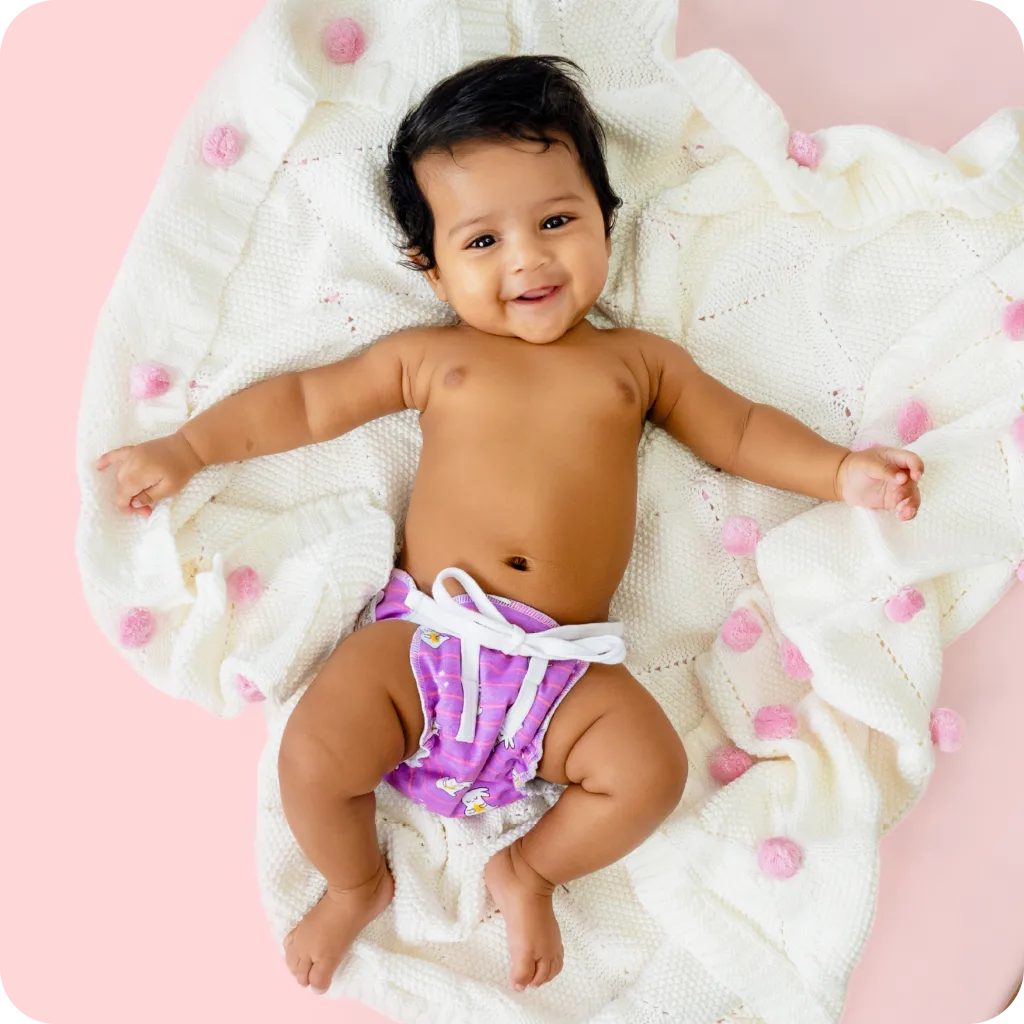






Proper cloth diaper care helps maintain absorbency, prevent odours, and extend the lifespan of reusable diapers. Parents who follow a simple washing, drying, and storage routine can keep cloth diapers hygienic, comfortable, and effective for years. The key is consistency: the right care routine protects both the fabric and your baby's skin while maximising value from every diaper.
- Why Does Cloth Diaper Care Matter?
- How Often Should Cloth Diapers Be Washed?
- What Is the Best Way to Wash Cloth Diapers?
- Which Mistakes Can Shorten the Life of Cloth Diapers?
- How Should Cloth Diapers Be Dried and Stored?
- Is It Worth Switching to Reusable Cloth Diapers?
- What Should I Look for When Choosing a Cloth Diaper?
- Cloth Diaper Comparison Table
- Key Takeaways
- FAQs
- Message from SuperBottoms
Why Does Cloth Diaper Care Matter?
Proper care is the difference between cloth diapers that last a few months and those that last through multiple children.
Newborn Cloth diapers are designed to be washed and reused hundreds of times. However, detergent buildup, improper drying, harsh chemicals, and incorrect storage can reduce absorbency, damage waterproof layers, and cause persistent odours.
When cared for correctly, reusable cloth diapers can remain soft, leak-resistant, and skin-friendly for years.
Expert Answer
Well-maintained cloth diapers can often be used for multiple years and multiple children. Their lifespan depends largely on washing practices, drying methods, and how frequently they are rotated.
How Often Should Cloth Diapers Be Washed?
The short answer: every 2–3 days.
Waiting too long can lead to ammonia buildup, unpleasant smells, and fabric deterioration. Most cloth diaper users find that washing every two or three days strikes the right balance between hygiene and convenience. Proper diaper hygiene is important because even small amounts of stool can contain millions of germs.
Recommended Washing Frequency
| Type of Use | Wash Frequency |
|---|---|
| Newborn stage | Every 1–2 days |
| Regular use | Every 2–3 days |
| Occasional use | Before diapers sit longer than 3 days |
What Parents Should Know
A common misconception is that cloth diapers require daily laundry. In reality, a well-planned stash usually allows parents to wash every few days while maintaining hygiene and convenience.
What Is the Best Way to Wash Cloth Diapers?
The best wash routine combines a pre-rinse cycle followed by a thorough main wash.
Step 1: Remove Solid Waste
For babies eating solids, dispose of stool in the toilet before washing. Store soiled diapers in a dry diaper pail or wet bag until wash day.
Step 2: Run a Pre-Wash Cycle
Use a short rinse or pre-wash cycle with cold or warm water to remove surface soil.
Step 3: Run a Main Wash
Wash using:
- A baby-safe detergent
- Warm or hot water (as recommended by the manufacturer)
- A full wash cycle
Step 4: Extra Rinse (Optional)
If you notice detergent residue or have hard water, an extra rinse may help.
Step 5: Dry Properly
Air drying is often the gentlest option and helps preserve elastic and waterproof layers. Occasional machine drying may be acceptable if permitted by the manufacturer.
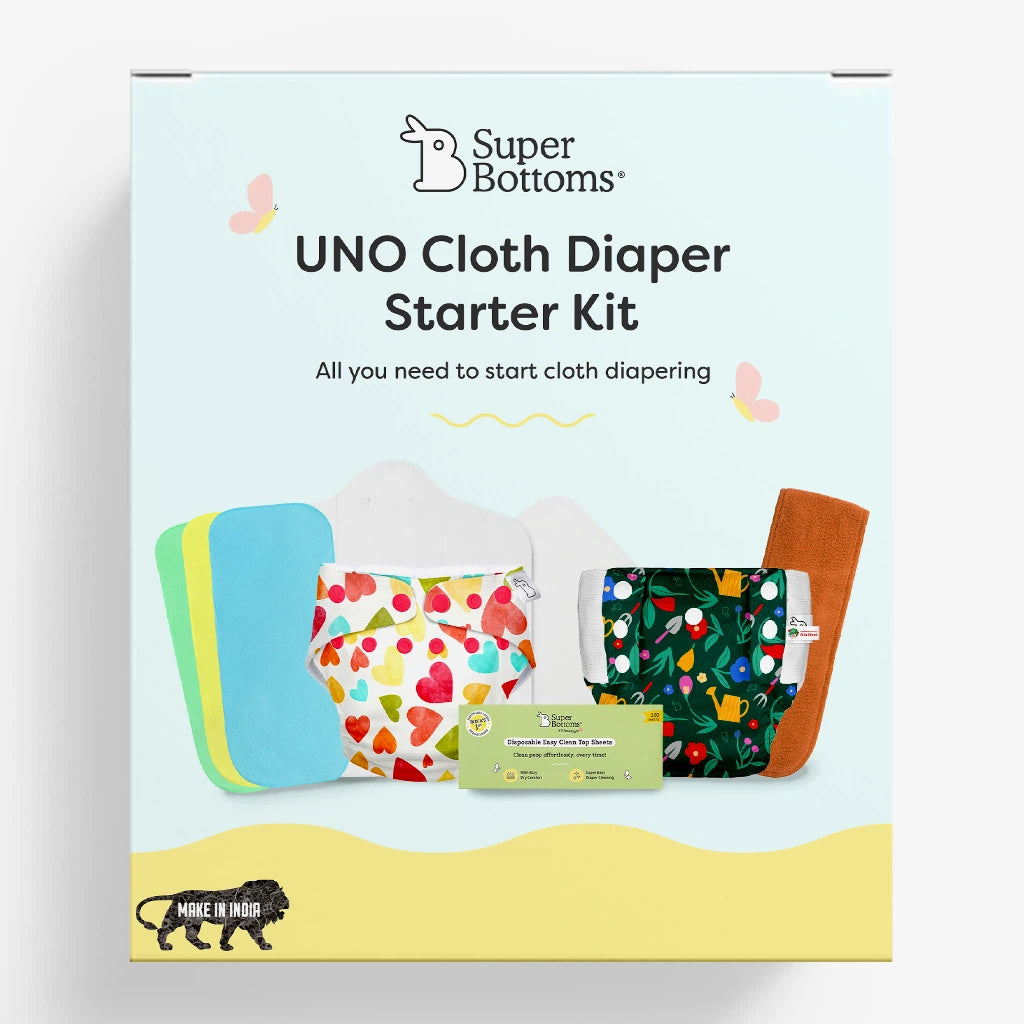
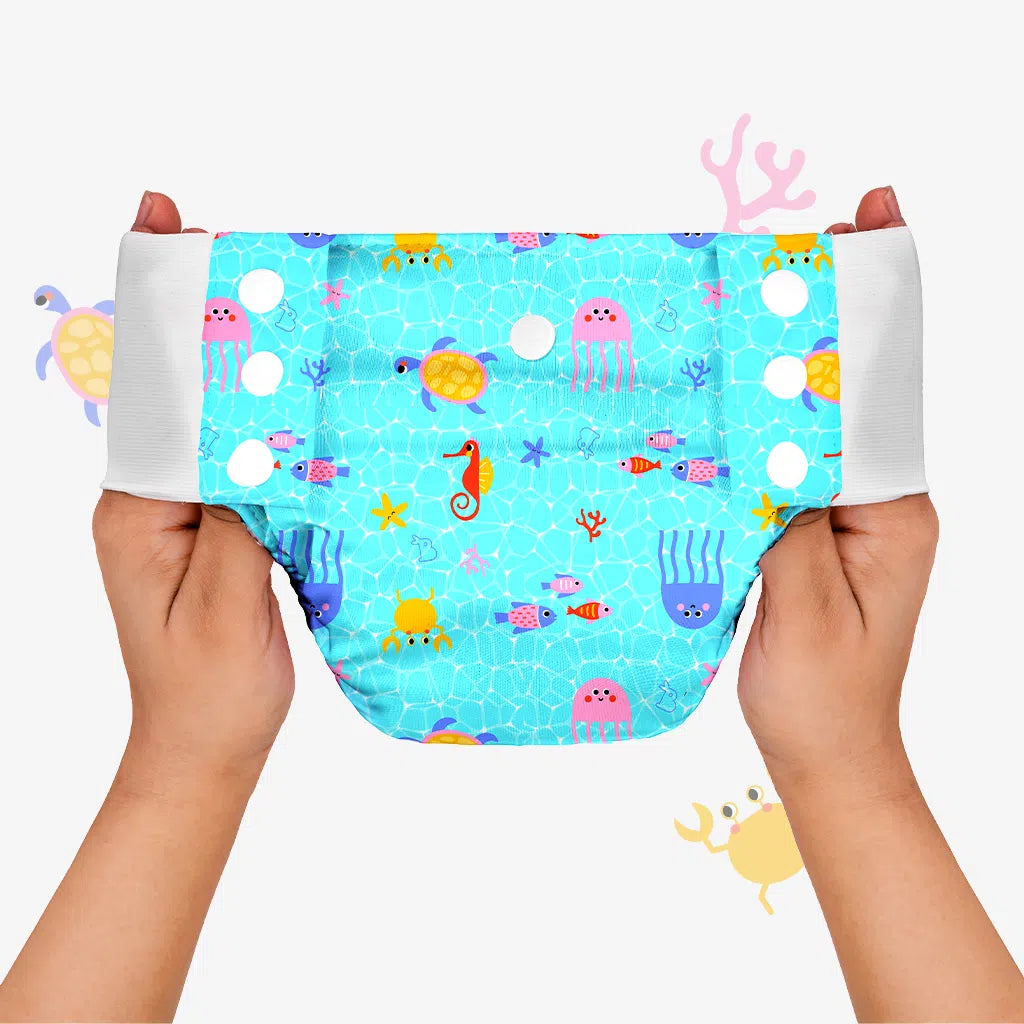
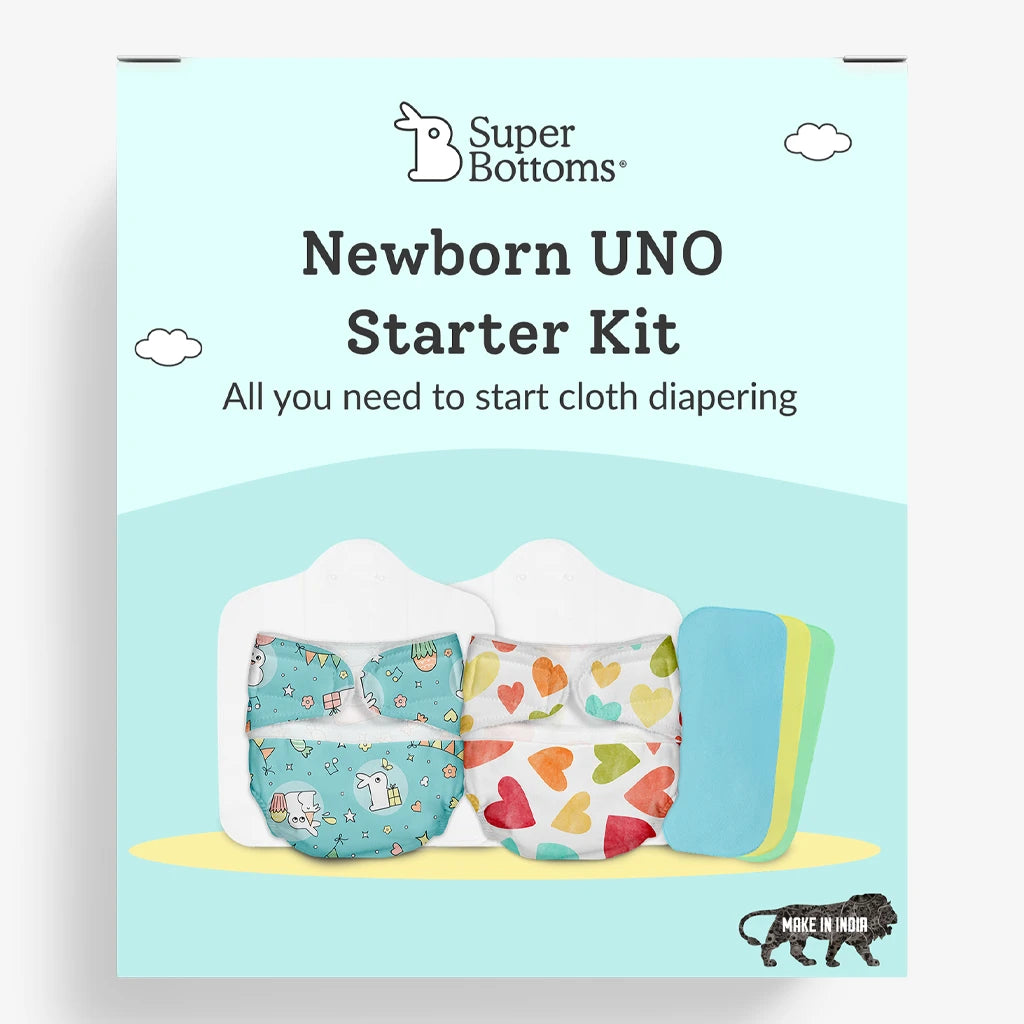
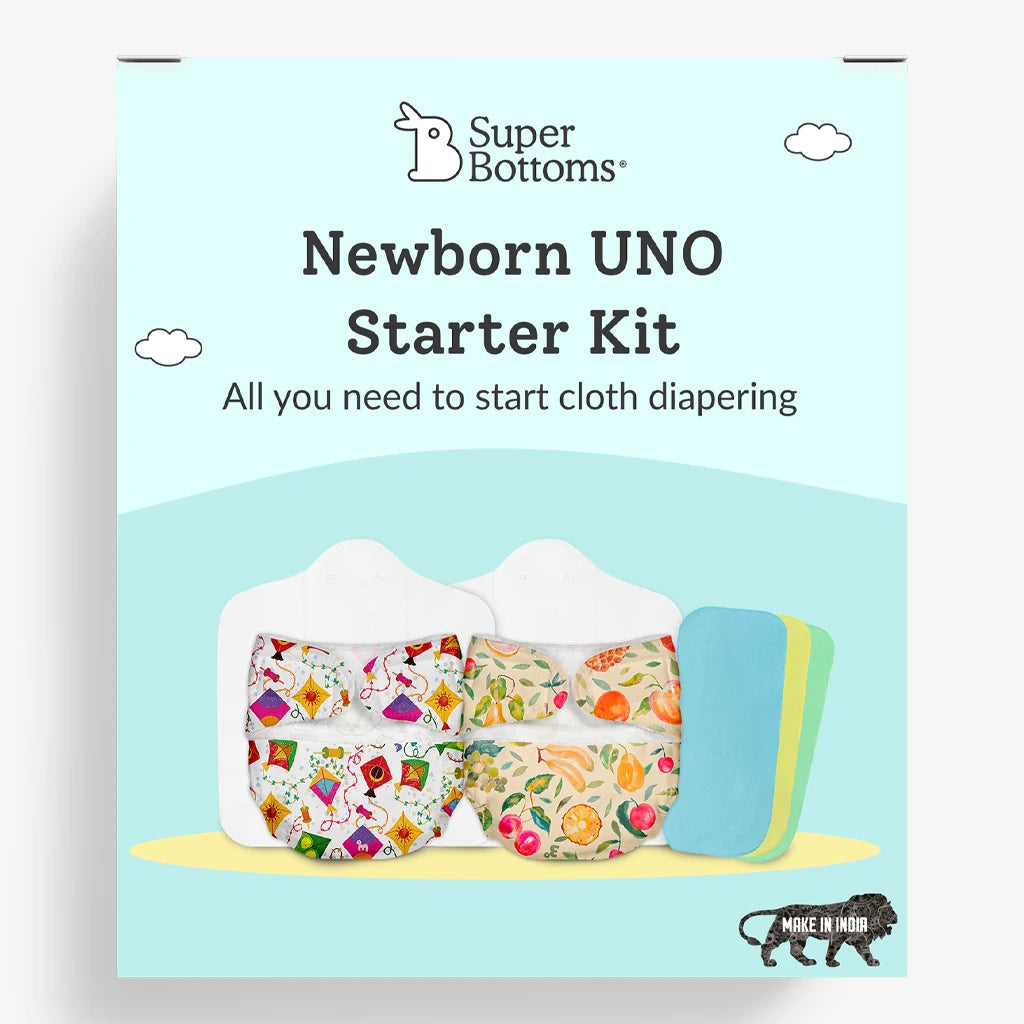
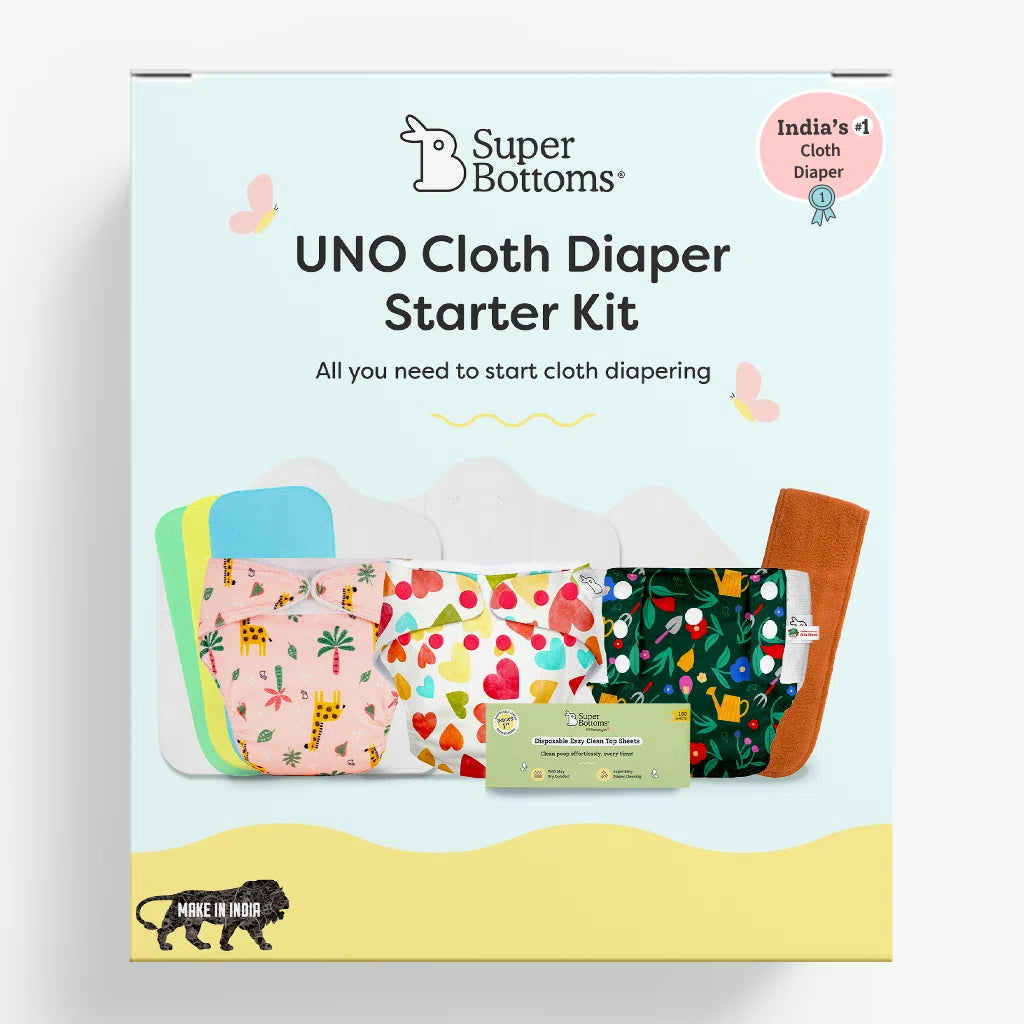
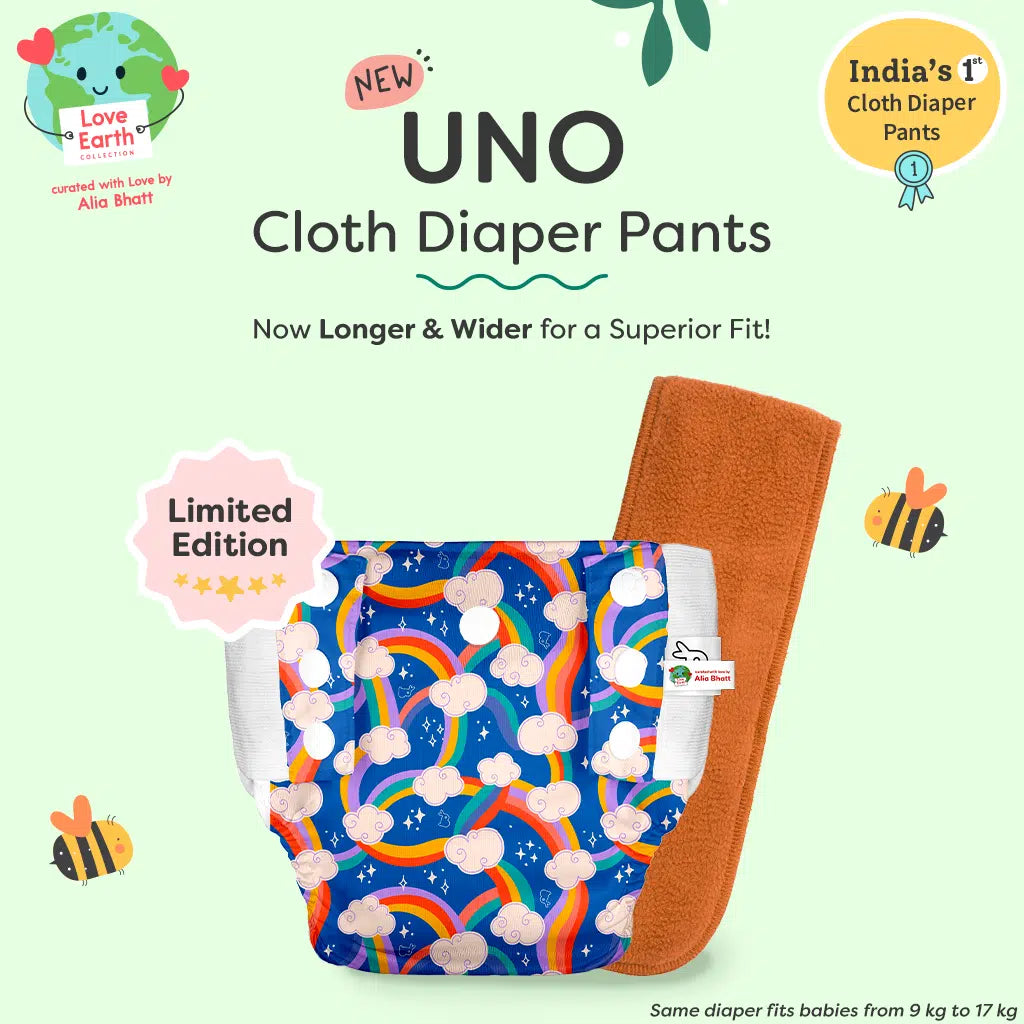
💡 SuperBottoms Pick: SuperBottoms UNO Cloth Diaper
Designed for repeated washing while maintaining comfort, absorbency, and leak protection.
Explore the range → SuperBottoms UNO Luxe Diapers

Which Mistakes Can Shorten the Life of Cloth Diapers?
Several common habits can reduce the lifespan of cloth diapers.
Using Fabric Softeners
Fabric softeners leave a coating that can reduce absorbency over time.
Using Excessive Bleach
Occasional sanitisation may be necessary, but frequent bleach use can weaken fabrics and elastics.
Washing Too Infrequently
Allowing dirty diapers to sit for extended periods increases the risk of stains and odour buildup.
Using Very Harsh Detergents
Strong detergents may damage waterproof layers and sensitive fabrics.
Overheating During Drying
Excessive heat can degrade elastics and waterproof materials, leading to leaks.
Expert Answer
The goal is clean, not over-cleaned. A balanced wash routine removes waste and bacteria without exposing diaper materials to unnecessary wear.
How Should Cloth Diapers Be Dried and Stored?
Drying and storage play a major role in diaper longevity.
Best Drying Practices
- Line dry whenever possible
- Dry inserts completely before storage
- Avoid prolonged direct heat exposure
- Follow manufacturer recommendations
Best Storage Practices
- Store in a cool, dry place
- Ensure diapers are fully dry before storing
- Avoid sealed containers that trap moisture
Real Parent Insight
"We started cloth diapering with our first baby and expected to replace them after a year. By following a simple wash-and-air-dry routine, many of our diapers were still in great condition when our second child arrived." — Priya, mother of two from Bengaluru.
Is It Worth Switching to Reusable Cloth Diapers?
For many families, yes.
Reusable diapers require an initial investment and a laundry routine, but they can offer long-term savings and reduced waste compared with disposable alternatives.
Comparison of Common Options
| Criteria | Disposable Diapers | Generic Cloth Diapers | SuperBottoms UNO |
|---|---|---|---|
| Reusable | No | Yes | Yes |
| Long-term value | Moderate | High | High |
| Adjustable sizing | Limited | Varies | Yes |
| Skin-friendly fabrics | Varies | Varies | Yes |
| Leak protection | Good | Varies | Strong |
| Laundry required | No | Yes | Yes |
| Multi-year use potential | No | Yes | Yes |
What Parents Should Know
The best diaper is the one that fits your baby's needs, your budget, and your lifestyle. Families looking for long-term value often prefer cloth diapers because they can be reused hundreds of times when properly maintained.
What Should I Look for When Choosing a Cloth Diaper?
Before selecting any cloth diaper, evaluate these factors:
Absorbency
Can it handle naps, outings, or overnight use?
Skin Safety
Look for soft, baby-friendly fabrics that minimise irritation.
Ease of Washing
Complicated wash routines often lead to inconsistent use.
Fit and Adjustability
A flexible fit can help prevent leaks and extend usability.
Long-Term Value
Consider how long the diaper can be used and whether it grows with your baby.
What to Look For
A quality cloth diaper should balance absorbency, comfort, durability, and ease of care. The most cost-effective option is not necessarily the cheapest upfront, it is the one that performs consistently over time.
After evaluating these criteria, parents can check product details → and compare reusable diaper options that match their baby's age and routine.
Cloth diapers can last for years when washed, dried, and stored correctly. Simple habits such as washing every few days, avoiding fabric softeners, using appropriate detergents, and air drying when possible can significantly extend their lifespan.
If your goal is to reduce waste while getting long-term value from reusable diapers, choosing a well-designed cloth diaper and following a consistent care routine can make all the difference.
Find the right fit → Shop SuperBottoms UNO
Key Takeaways
- Wash cloth diapers every 2–3 days to prevent odours and fabric damage.
- Avoid fabric softeners, excessive bleach, and overheating during drying.
- Proper care helps reusable cloth diapers remain effective for multiple years.
FAQs
1. How long do cloth diapers typically last?
High-quality cloth diapers can last several years and may even be used for multiple children when maintained properly.
2. Can cloth diapers lose absorbency over time?
Yes. Detergent buildup, fabric softeners, and improper washing can reduce absorbency.
3. Should cloth diapers be washed separately?
Most parents prefer washing cloth diapers separately to ensure thorough cleaning and rinsing.
4. Is air drying better than machine drying?
Air drying is generally gentler on elastics and waterproof layers, helping extend diaper life.
5. How do I remove odours from cloth diapers?
Review your wash routine, ensure adequate detergent use, avoid excessive storage time, and consider an additional rinse cycle if needed.
6. Are reusable cloth nappies safe for sensitive skin?
Many parents choose cloth diapers because soft fabric layers may be gentler on sensitive skin than some disposable options.
7. What is the best cloth diaper for newborns and growing babies?
Parents often look for adjustable cloth diapers that accommodate different growth stages and offer customizable absorbency.
8. Is SuperBottoms worth the price?
Families seeking reusable, long-term diapering solutions often find value in products that combine adjustable sizing, leak protection, and durability, reducing the need for frequent replacements.
Hi there, new parents! SuperBottoms brings you doctor-recommended cloth diapers — the best rash-free diapering solution for your baby's sensitive and delicate skin. Unlike disposable diapers loaded with chemicals, our newborn cloth diapers, when used and washed properly, can help eliminate the risk of diaper rashes. SuperBottoms offers a wide range of safe, skin-friendly essentials for the whole family — including Reusable Cloth Diapers, Diaper Pants, DryFeel langots for diaper-free time, Padded Underwear for potty training, SuperSoft Underwear for everyday comfort, Joggers for playful days, and Period Underwear for women. Not just for everyday use, SuperBottoms products also make the best gifting choice for babies — thoughtful, eco-friendly, practical, and loved by parents. Now available on Amazon, Myntra, Flipkart, FirstCry, Zepto, Swiggy and Blinkit.