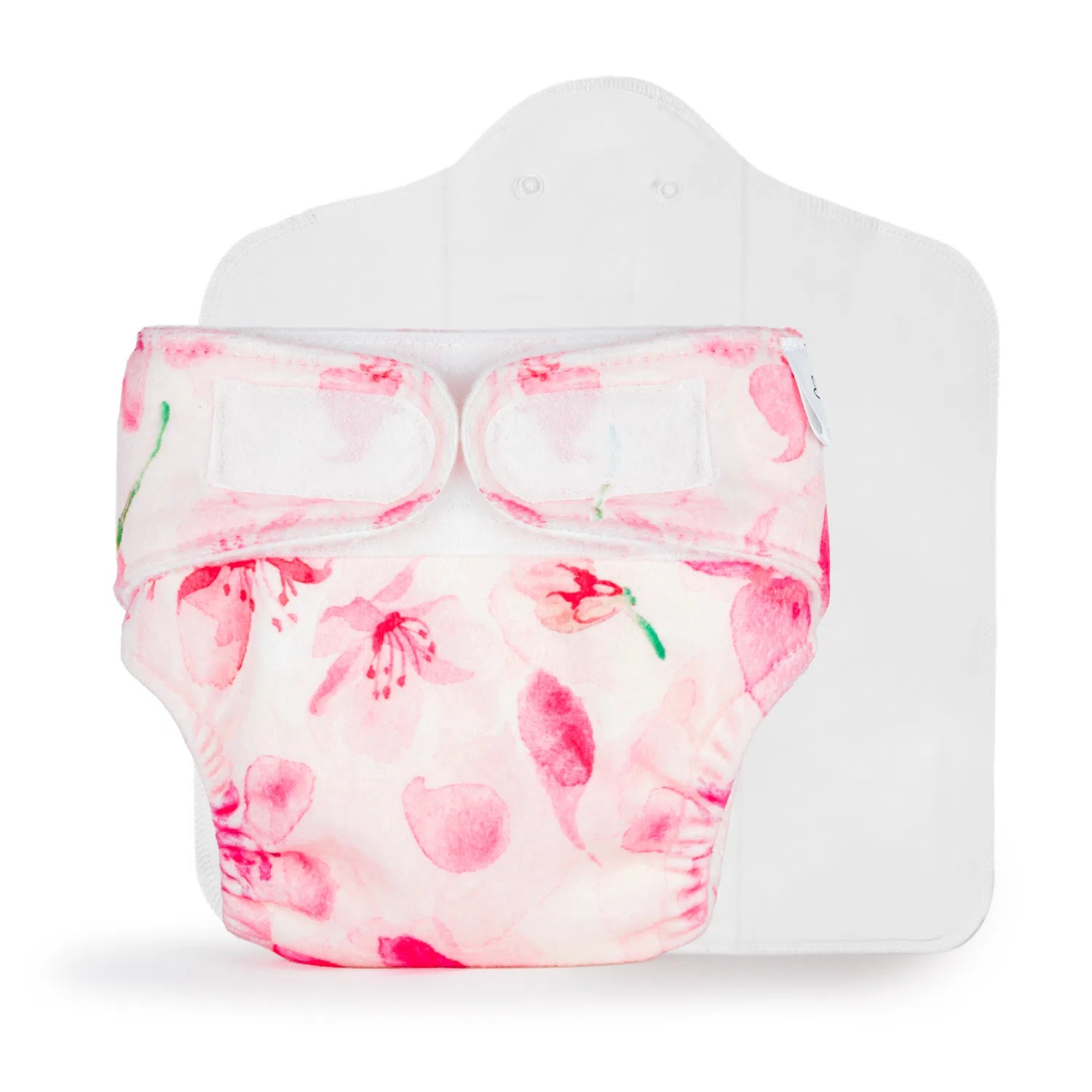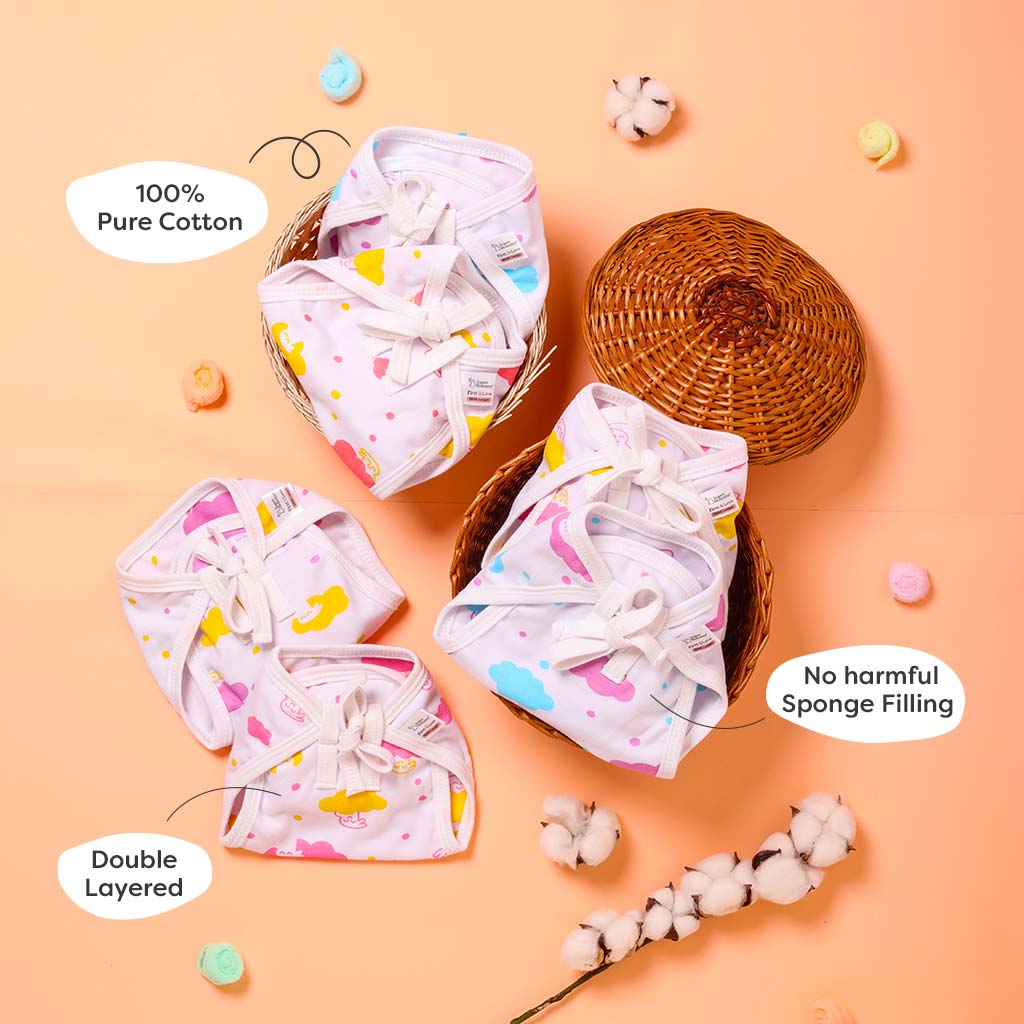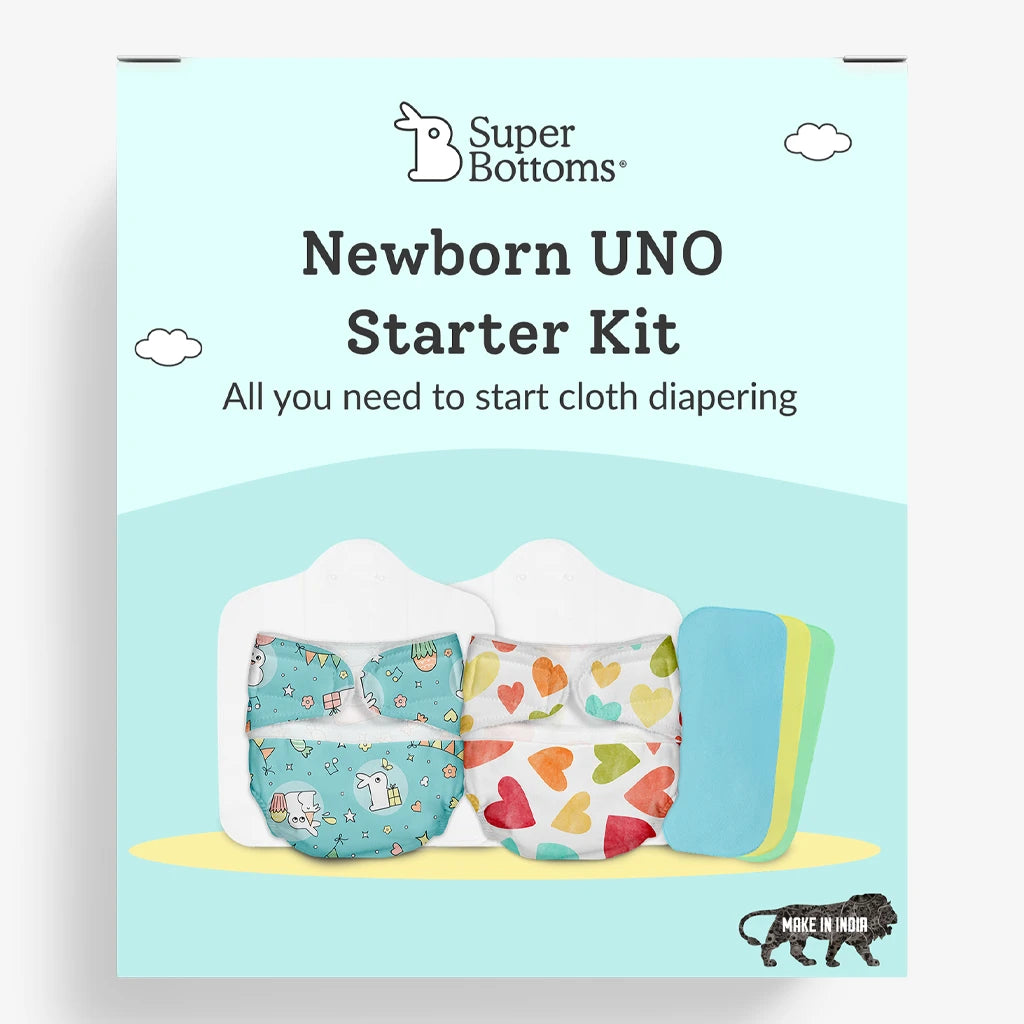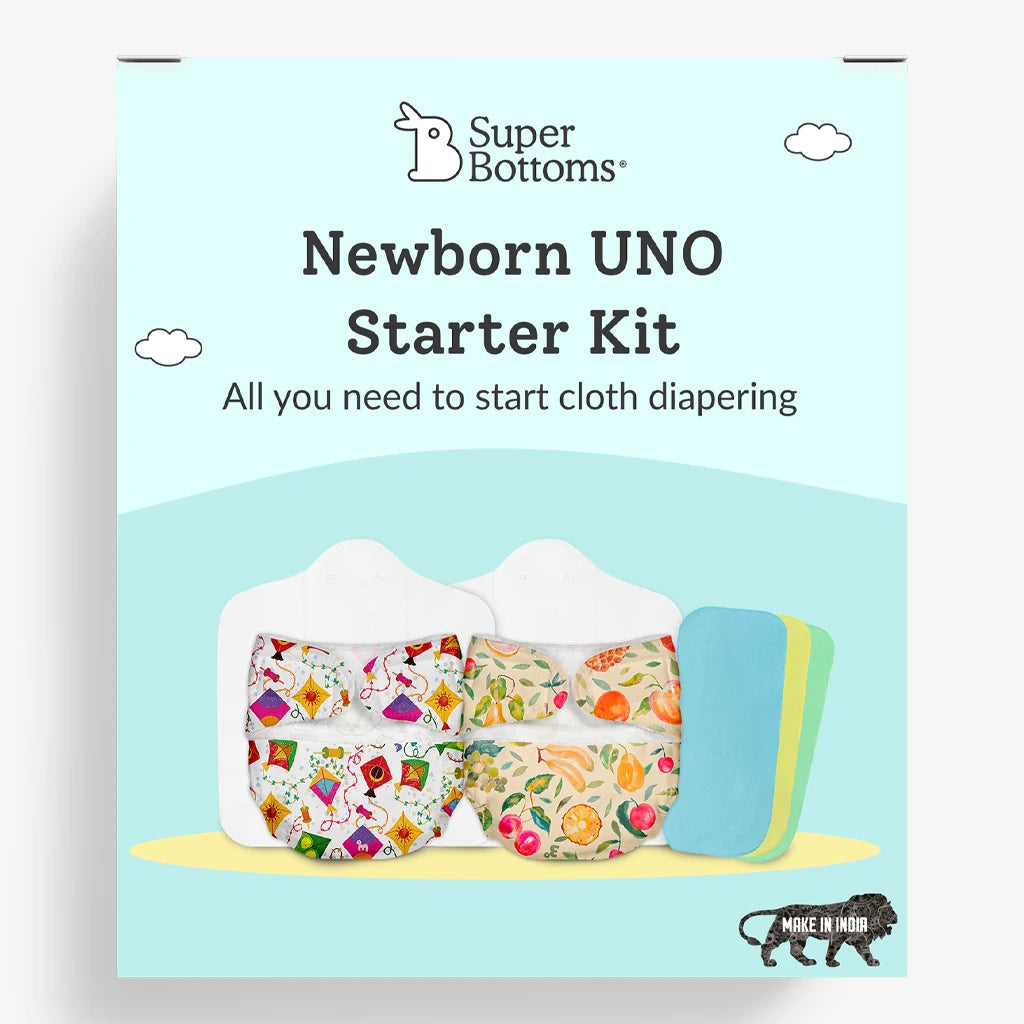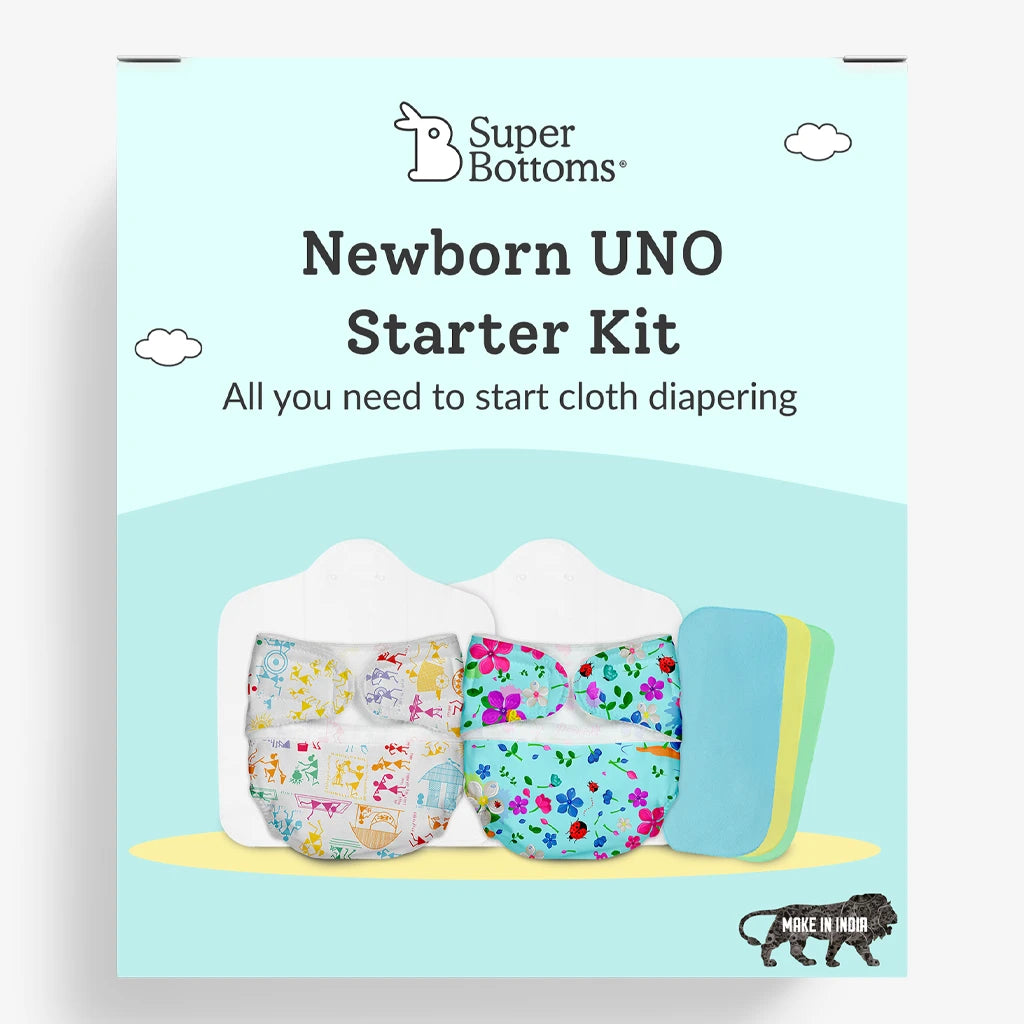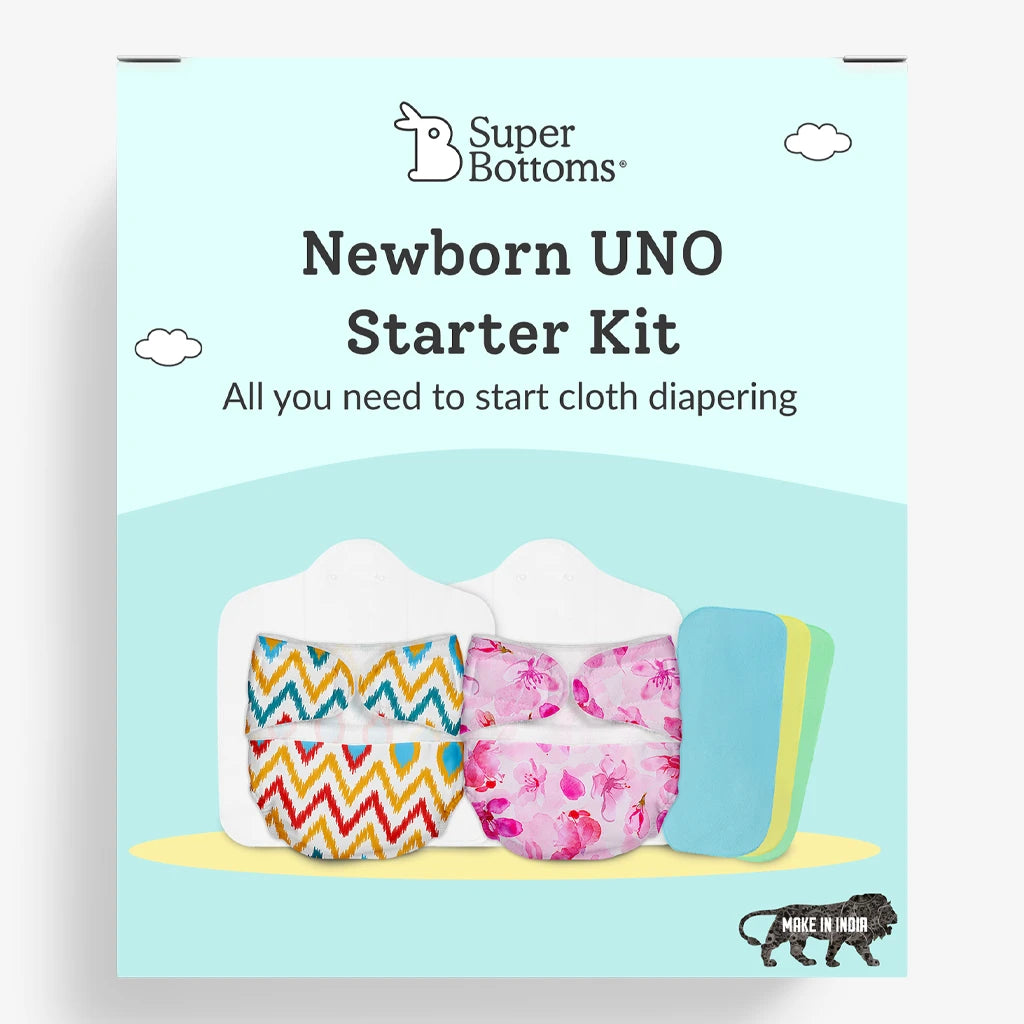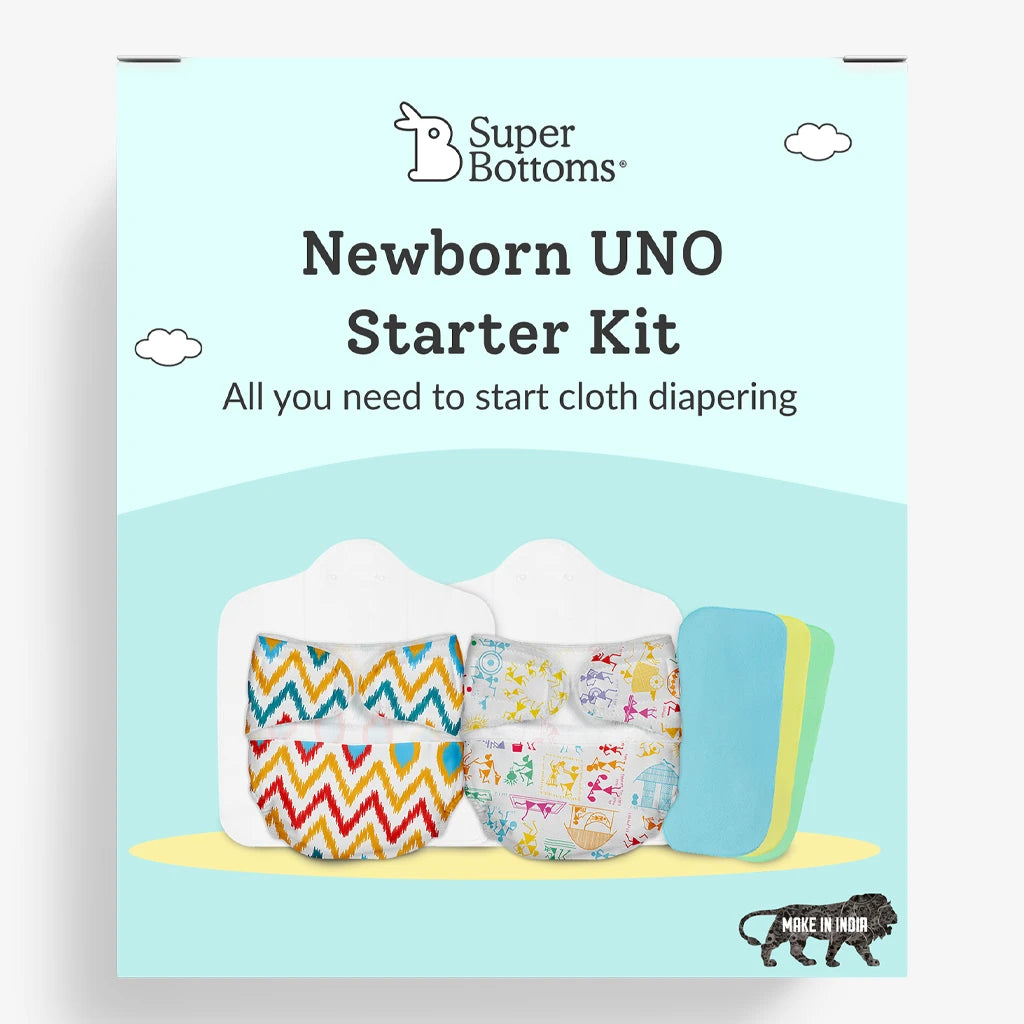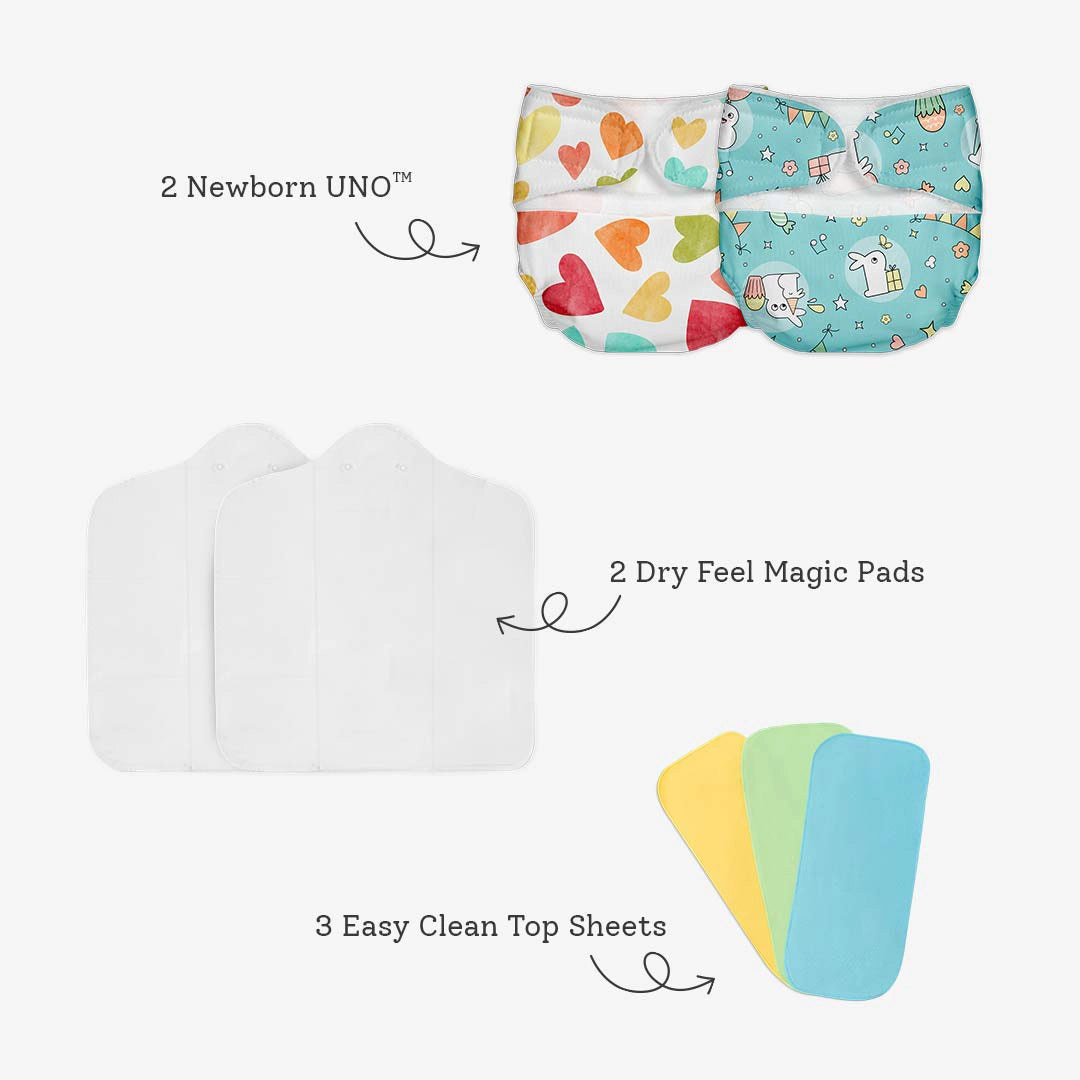









Choosing the best cloth diaper inserts can significantly improve leak protection, comfort, and overall diapering success. Different materials offer different absorbency levels, drying times, and skin-friendly benefits. Understanding how cloth diaper inserts work and which type suits your baby's age, wetting pattern, and routine helps parents make confident decisions. The right insert can turn a cloth diaper into a reliable day-and-night solution.
- What Are Cloth Diaper Inserts?
- Why Do Inserts Matter in Cloth Diapering?
- What Types of Cloth Diaper Inserts Are Available?
- Which Type Works Best for Different Situations?
- What Should I Look for When Choosing Cloth Diaper Inserts?
- Comparison Table: Popular Cloth Diaper Insert Materials
- Expert Insights and Parent Experiences
- Key Takeaways
- FAQs
- Message from SuperBottoms
What Are Cloth Diaper Inserts?
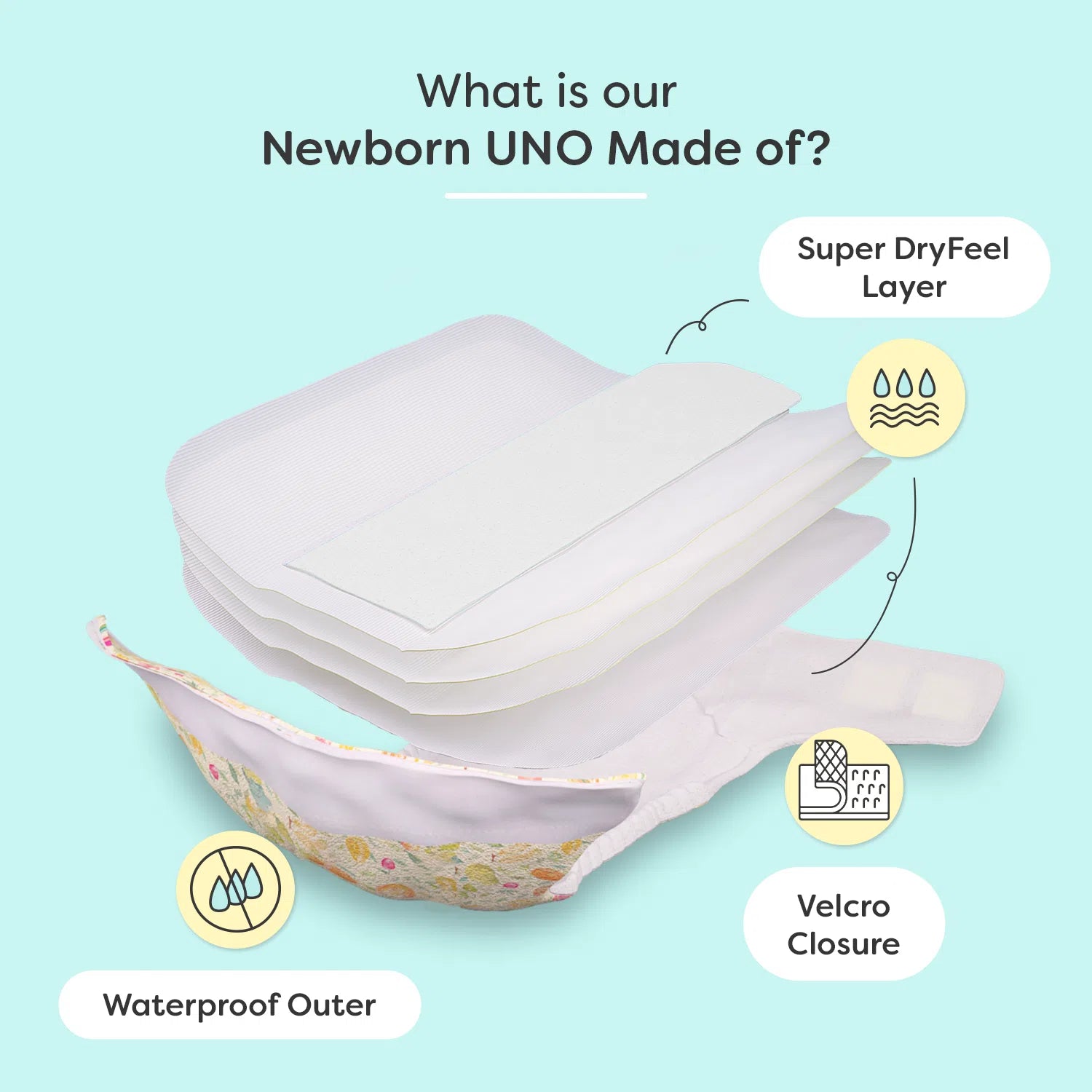
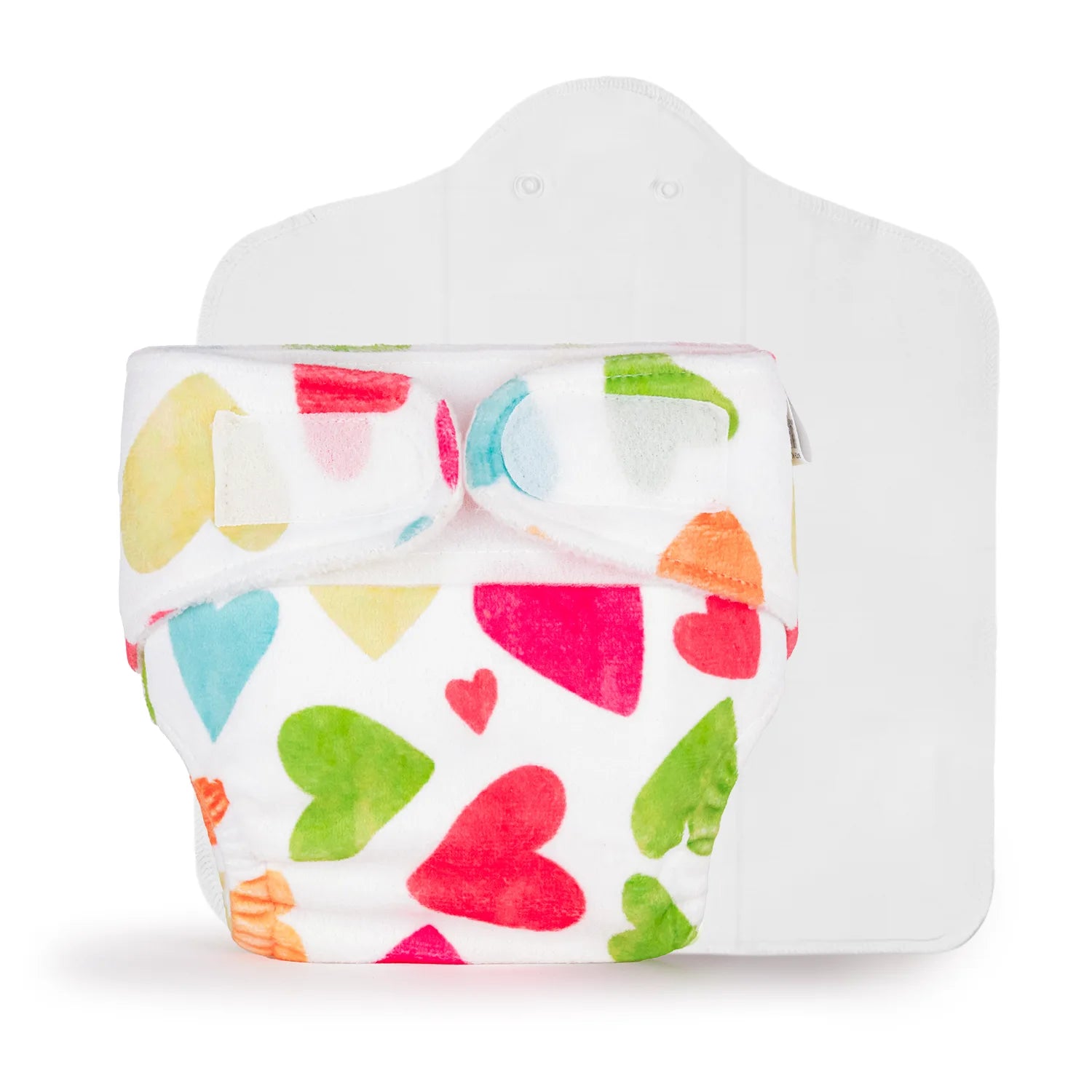
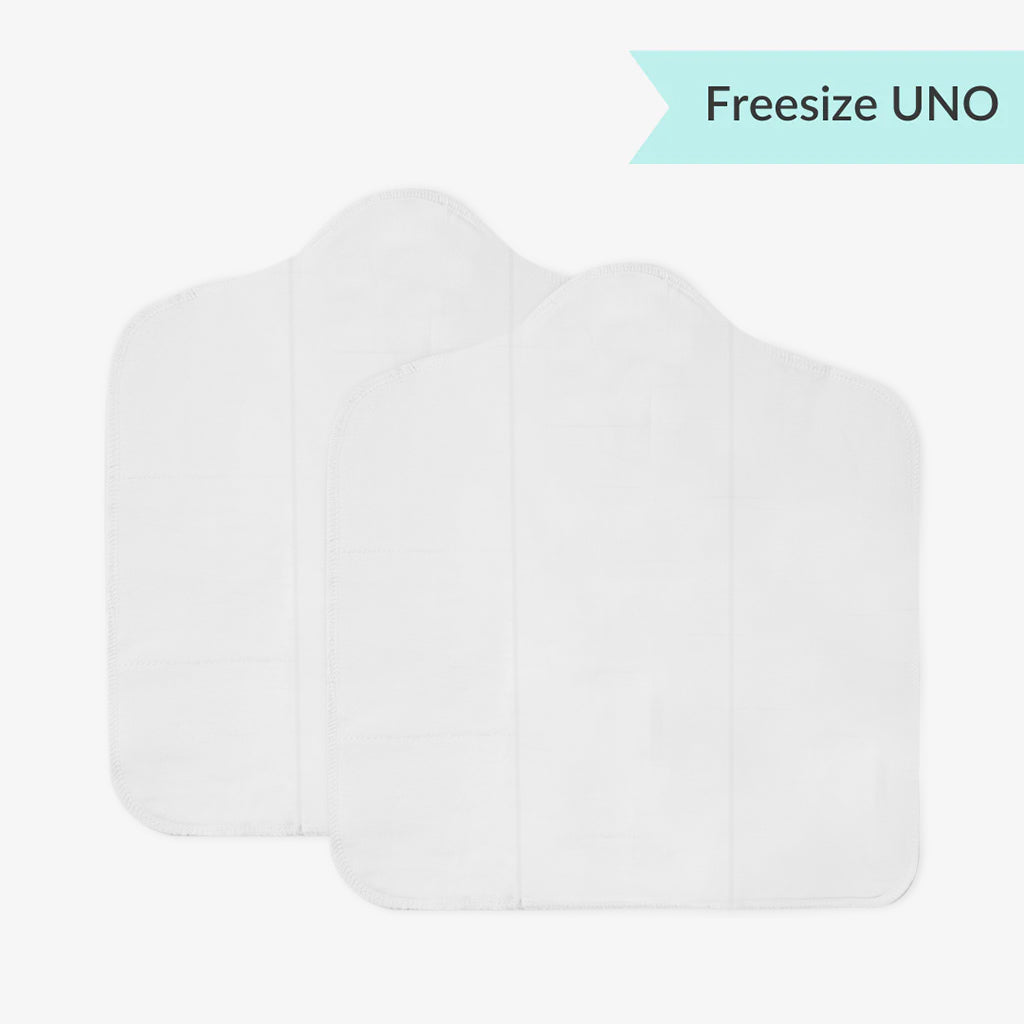
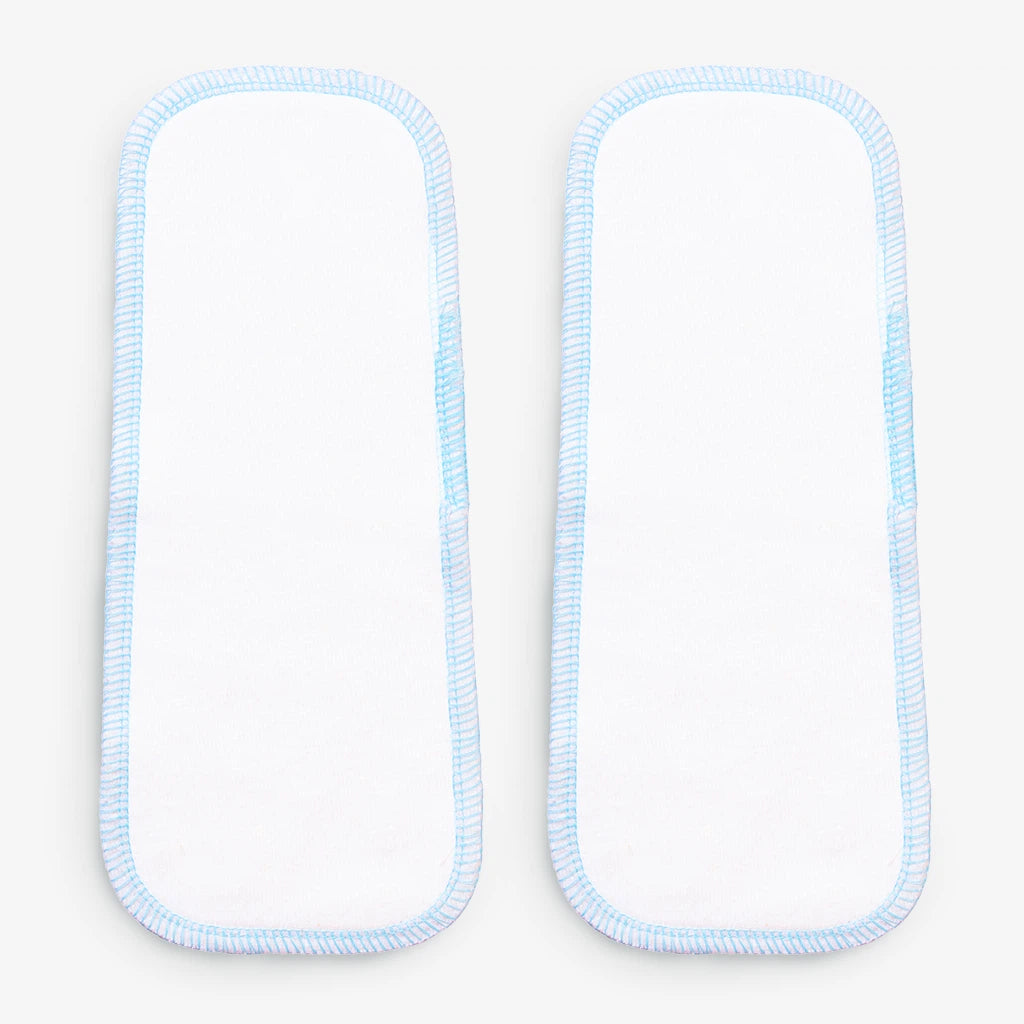
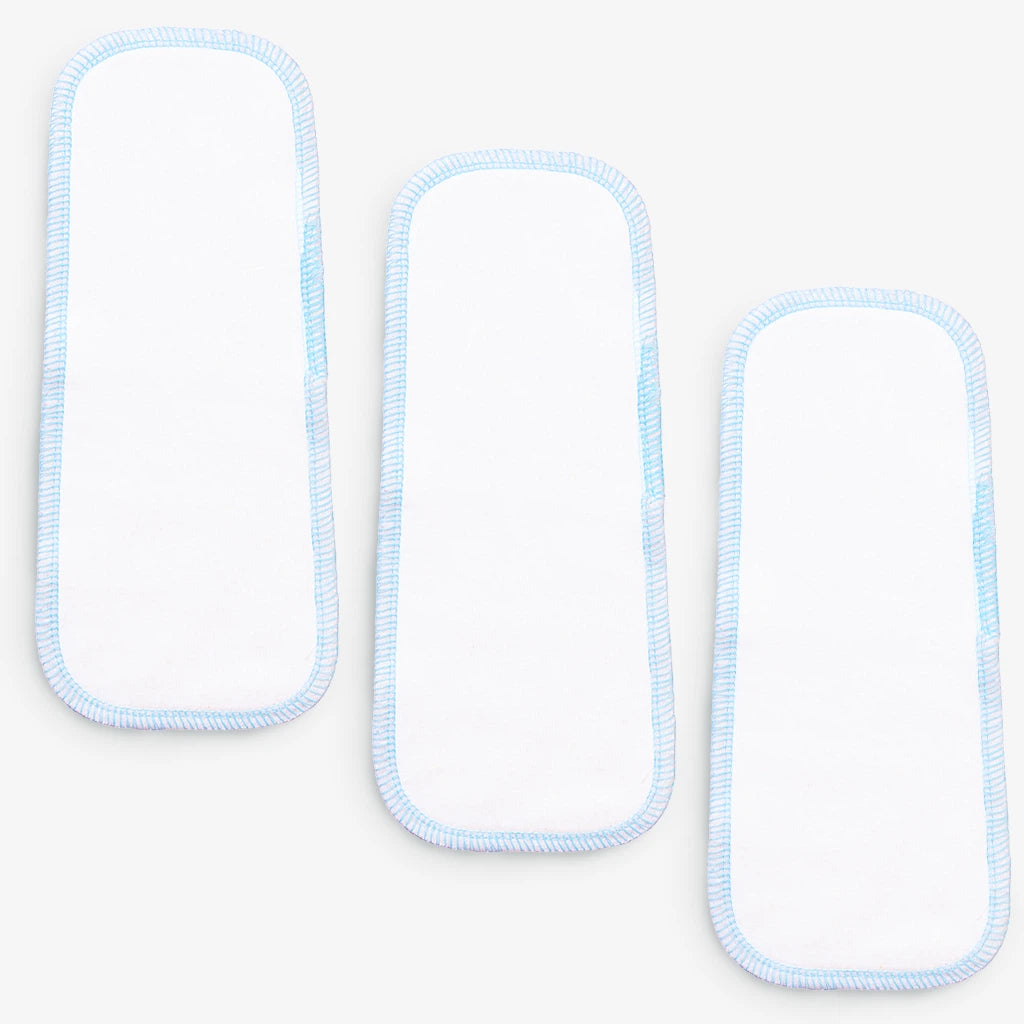
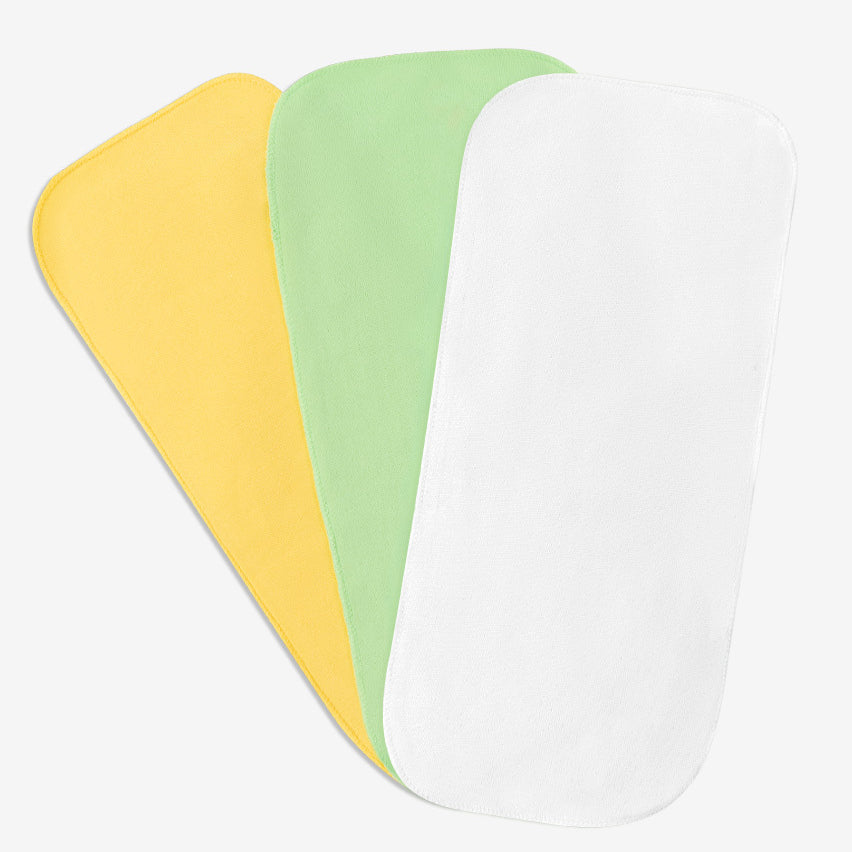
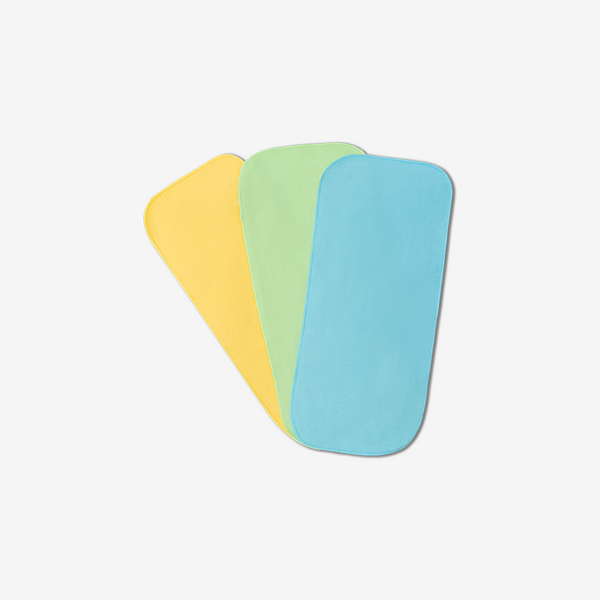
Cloth diaper inserts are absorbent pads placed inside reusable cloth diapers to soak up urine and help keep babies dry and comfortable.
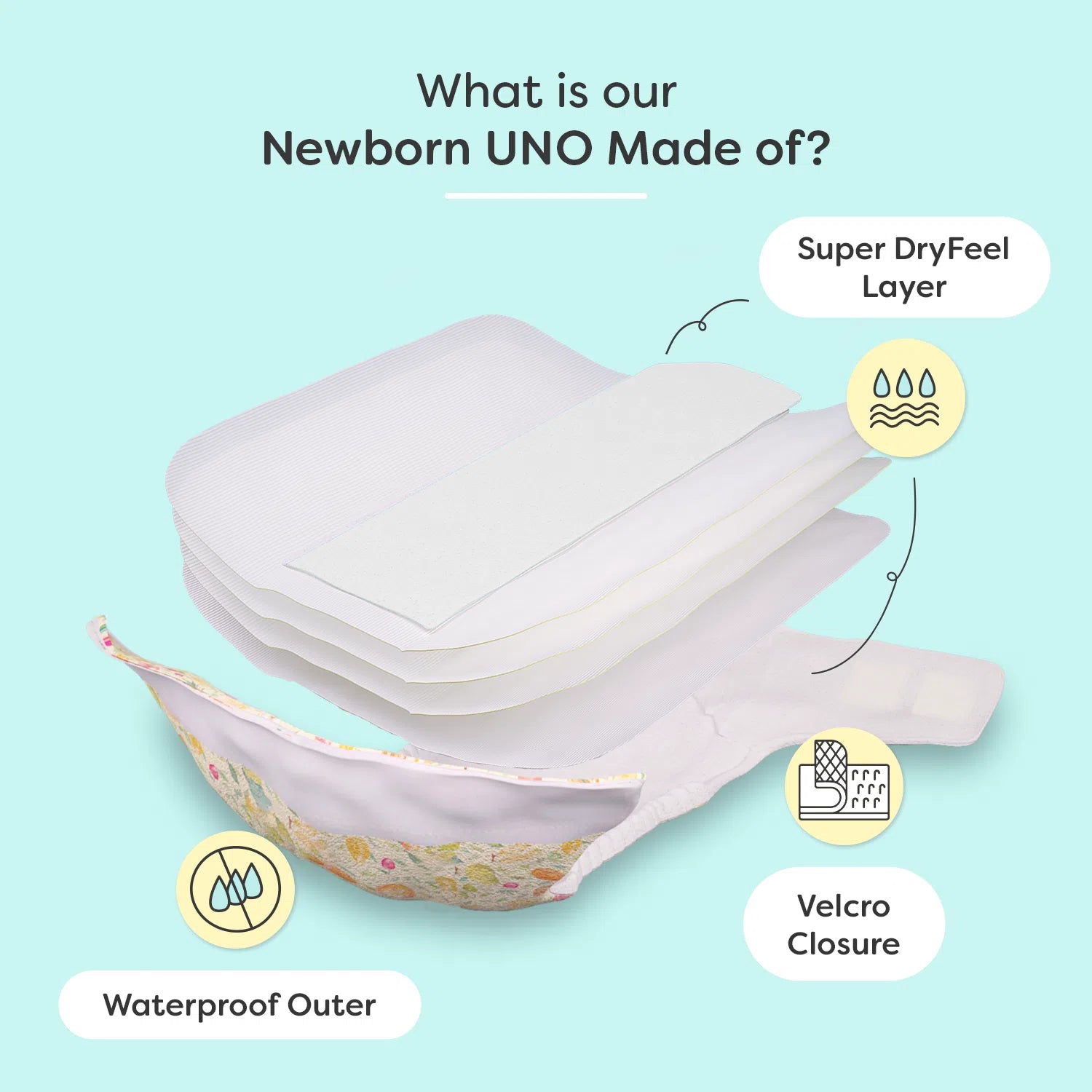
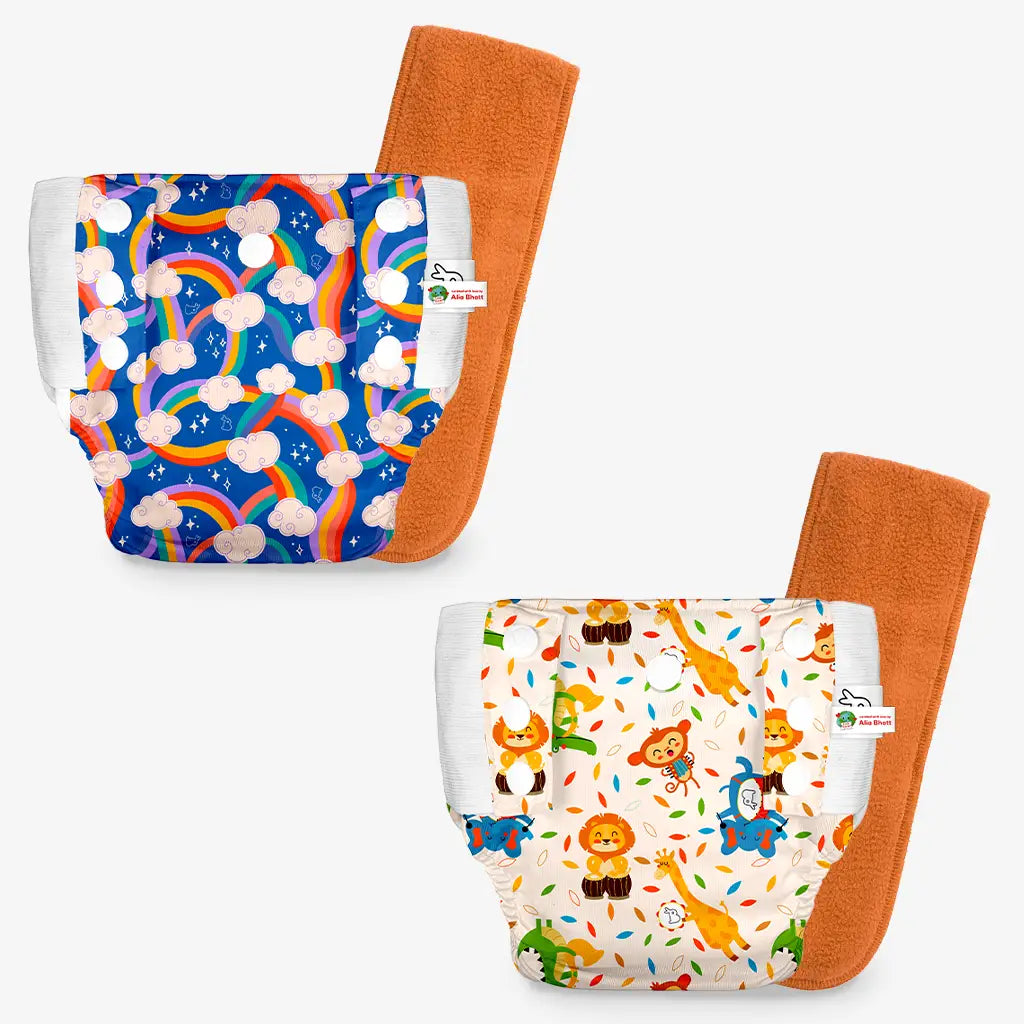
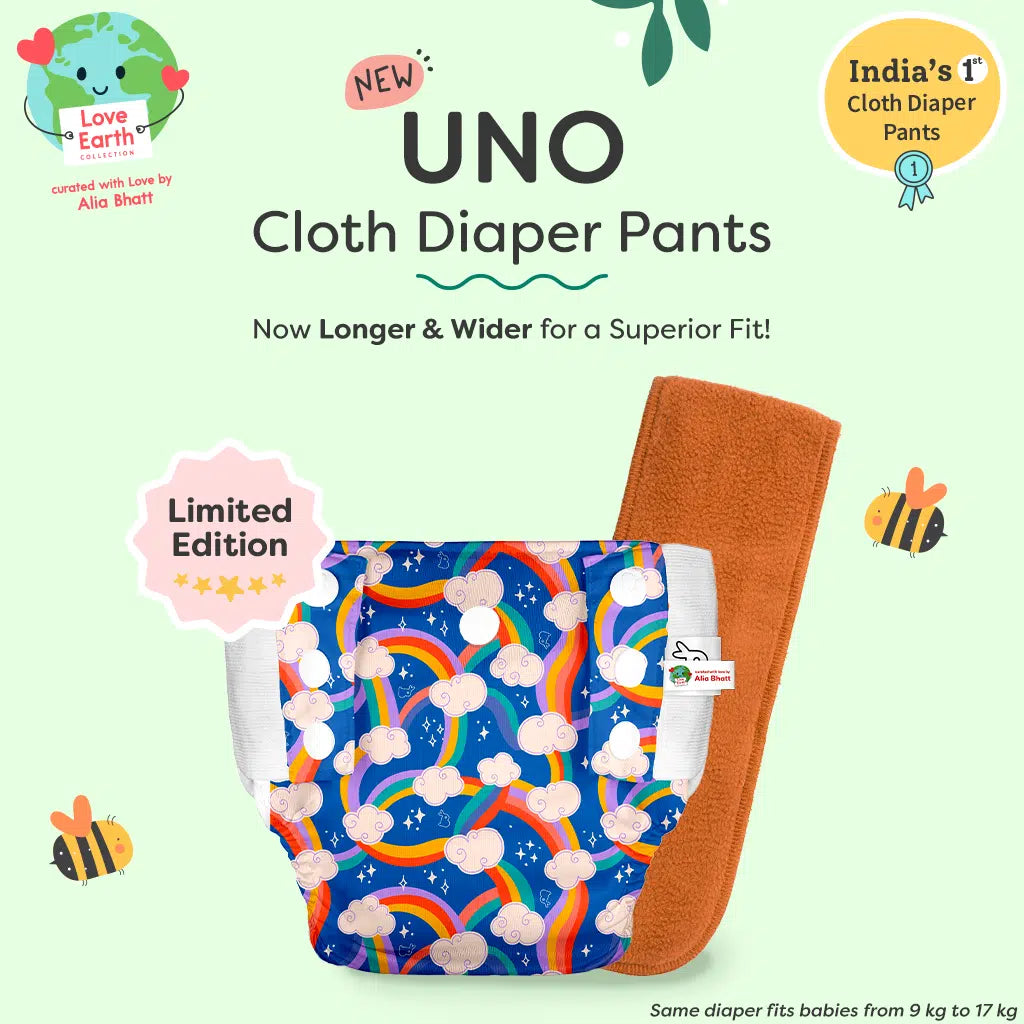
Think of the diaper cover as the protective outer layer and the insert as the absorbent core. Different inserts vary in absorbency, softness, drying time, and suitability for different ages and needs.
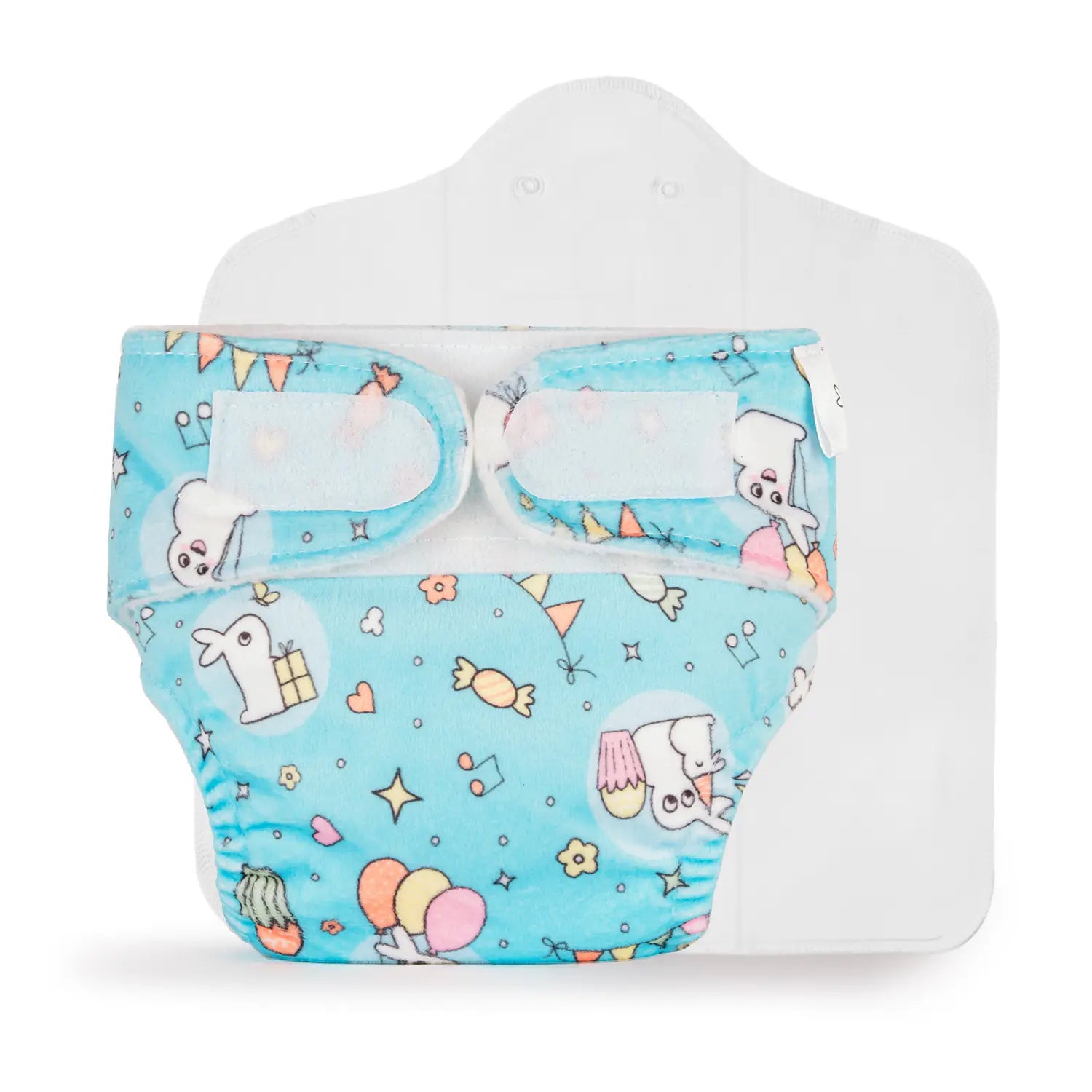
Some newborn cloth diapers come with inserts included, while others allow parents to customise absorbency by adding or layering inserts.
Why Do Inserts Matter in Cloth Diapering?
The insert often determines whether a cloth diaper performs well or leaks.
A well-chosen insert can:
- Increase absorbency
- Reduce leaks and compression leaks
- Improve overnight performance
- Help manage heavy wetters
- Support sensitive skin
- Improve the lifespan of reusable cloth diapers
Parents who struggle with leaks often discover that the issue isn't the diaper itself; it's using the wrong insert for their baby's needs. Different materials absorb and hold moisture differently.
Expert Answer
The best cloth diaper insert isn't necessarily the most absorbent one — it's the one that matches your baby's wetting pattern, age, and daily routine. Fast absorption, good moisture retention, and skin comfort all matter when choosing an insert.
What Types of Cloth Diaper Inserts Are Available?
1. Microfiber Inserts
Microfiber inserts absorb liquid very quickly and are commonly included with pocket diapers.
Pros
- Fast absorption
- Lightweight
- Budget-friendly
- Quick drying
Cons
- Can develop compression leaks
- Lower long-term absorbency than natural fibers
- Should not touch the baby's skin directly because it may cause dryness or irritation
Best for: Daytime use and younger babies.
2. Bamboo Inserts
Bamboo inserts are popular among parents seeking softness and good absorbency.
Pros
- Soft against sensitive skin
- Good absorbency
- Naturally moisture-wicking
- Comfortable for everyday use
Cons
- Slower drying than microfiber
- May require boosting for overnight use
Best for: Daily wear and babies with sensitive skin.
3. Hemp Inserts
Hemp is often considered the absorbency champion among cloth diaper materials.
Pros
- Excellent absorbency
- Great for heavy wetters
- Resistant to compression leaks
- Ideal for overnight use
Cons
- Absorbs slowly
- Usually works best when paired with another insert
Best for: Nighttime diapering and long outings.
4. Cotton Inserts
Cotton remains a trusted choice because of its balance of absorbency, affordability, and durability.
Pros
- Natural fiber
- Absorbs quickly
- Durable
- Easy to wash
Cons
- Bulkier than some alternatives
- Moderate absorbency compared to hemp
Best for: Newborns and everyday diapering.

Which Type Works Best for Different Situations?
| Situation | Recommended Insert |
|---|---|
| Newborns | Cotton or Bamboo |
| Sensitive Skin | Bamboo or Cotton |
| Heavy Wetters | Hemp + Bamboo Combination |
| Daycare Use | Bamboo |
| Overnight Use | Hemp Booster + Bamboo Insert |
| Budget-Friendly Setup | Cotton |
| Travel & Quick Drying | Microfiber |
What Parents Should Know
Many experienced cloth-diapering families eventually use a combination of inserts rather than relying on a single material. Layering fast-absorbing and high-capacity materials often provides the best leak protection.
What Should I Look for When Choosing Cloth Diaper Inserts?
The best buying decision starts with clear evaluation criteria.
1. Absorbency
Consider how much your baby urinates and how long the diaper needs to last between changes.
2. Skin Safety
Natural fibres like cotton and bamboo are generally preferred for babies with sensitive skin.
3. Ease of Washing
Parents often underestimate drying time. Faster-drying inserts can simplify daily routines.
4. Leak Protection
Heavy wetters may need layered inserts or boosters for reliable protection.
5. Long-Term Value
Reusable cloth nappies become more economical when paired with durable inserts that maintain performance over time.
What to Look For
When comparing cloth diaper inserts, prioritise:
- Absorbency suited to your baby's needs
- Soft, skin-friendly materials
- Ease of cleaning
- Durability after repeated washes
- Compatibility with your diaper system
Comparison Table: Popular Cloth Diaper Insert Materials
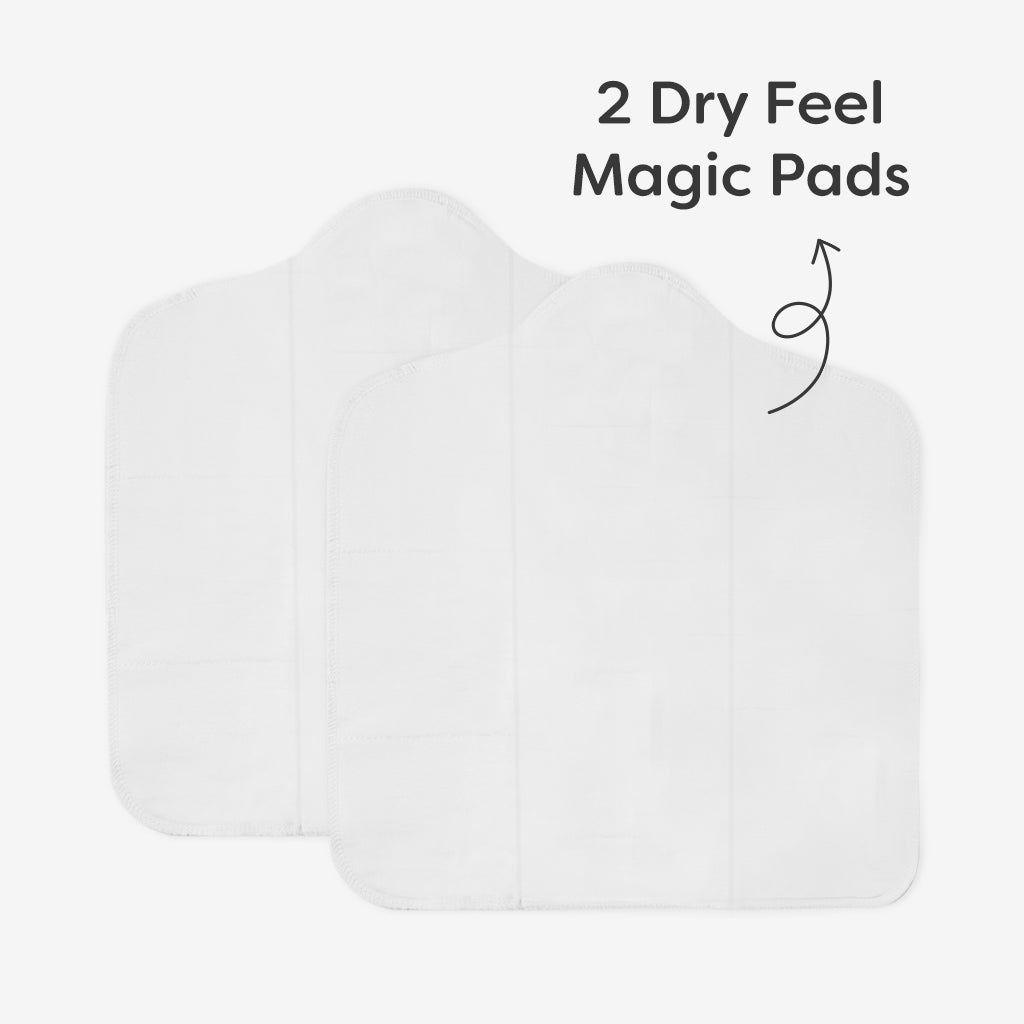
| Feature | Microfiber | Bamboo | Hemp | Cotton | SuperBottoms Dry Feel Magic Pad + Booster |
|---|---|---|---|---|---|
| Absorption Speed | Excellent | Good | Moderate | Good | Good |
| Total Absorbency | Moderate | Good | Excellent | Good | Excellent |
| Sensitive Skin Friendly | Moderate | Excellent | Excellent | Excellent | Excellent |
| Compression Leak Resistance | Moderate | Good | Excellent | Good | Excellent |
| Overnight Suitability | Moderate | Good | Excellent | Good | Excellent |
| Ease of Care | Excellent | Good | Good | Excellent | Excellent |
| Value Over Time | Moderate | Good | Excellent | Excellent | Excellent |
💡 SuperBottoms Pick
SuperBottoms DryFeel Magic Pad + Booster — Designed to provide high absorbency with a stay-dry feel, making it suitable for both daytime and extended wear.
This recommendation comes after considering the most important buying factors: absorbency, comfort, leak protection, and ease of use.
For parents evaluating reusable cloth nappies as a complete system, the insert-and-booster combination can help address common concerns around leaks and frequent changes.
Expert Insights and Parent Experiences
Expert Answer
"When selecting reusable diapering products, parents should focus on keeping the diaper area clean, dry, and protected from prolonged moisture exposure. Absorbency and timely diaper changes play an important role in maintaining skin health." — Dr Jennifer Shu, MD, FAAP, Paediatrician and Parenting Expert.
Real Parent Insight
"We started with standard inserts and experienced occasional leaks. Once we switched to a bamboo insert with a booster for naps and nighttime, diapering became much more predictable and stress-free."
The cloth diaper inserts balance absorbency, comfort, leak protection, and convenience. Bamboo and cotton are excellent everyday choices, while hemp offers superior overnight performance. Understanding your baby's needs and selecting the right insert combination can make cloth diapering easier and more reliable.
If leaks, frequent changes, or overnight wetness are your biggest concerns, a high-absorbency insert paired with a booster can be a practical solution.
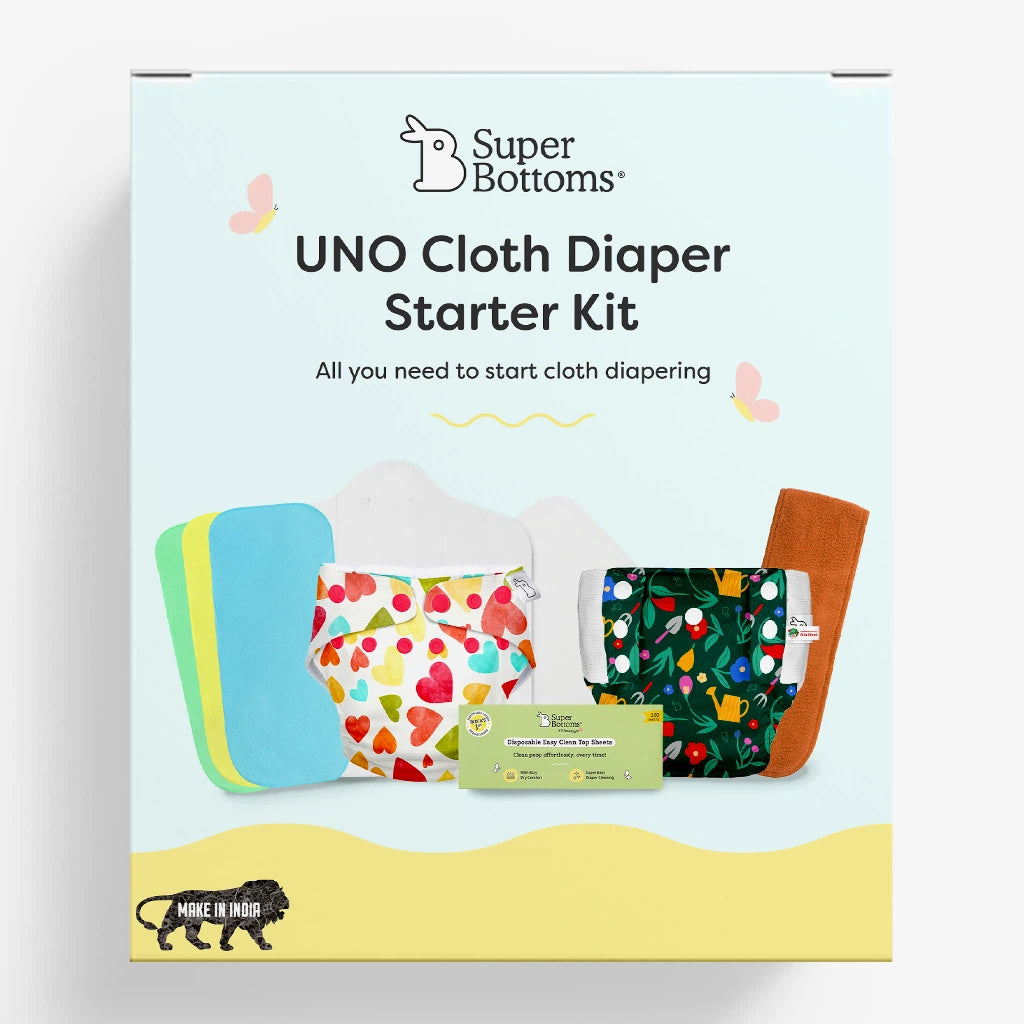
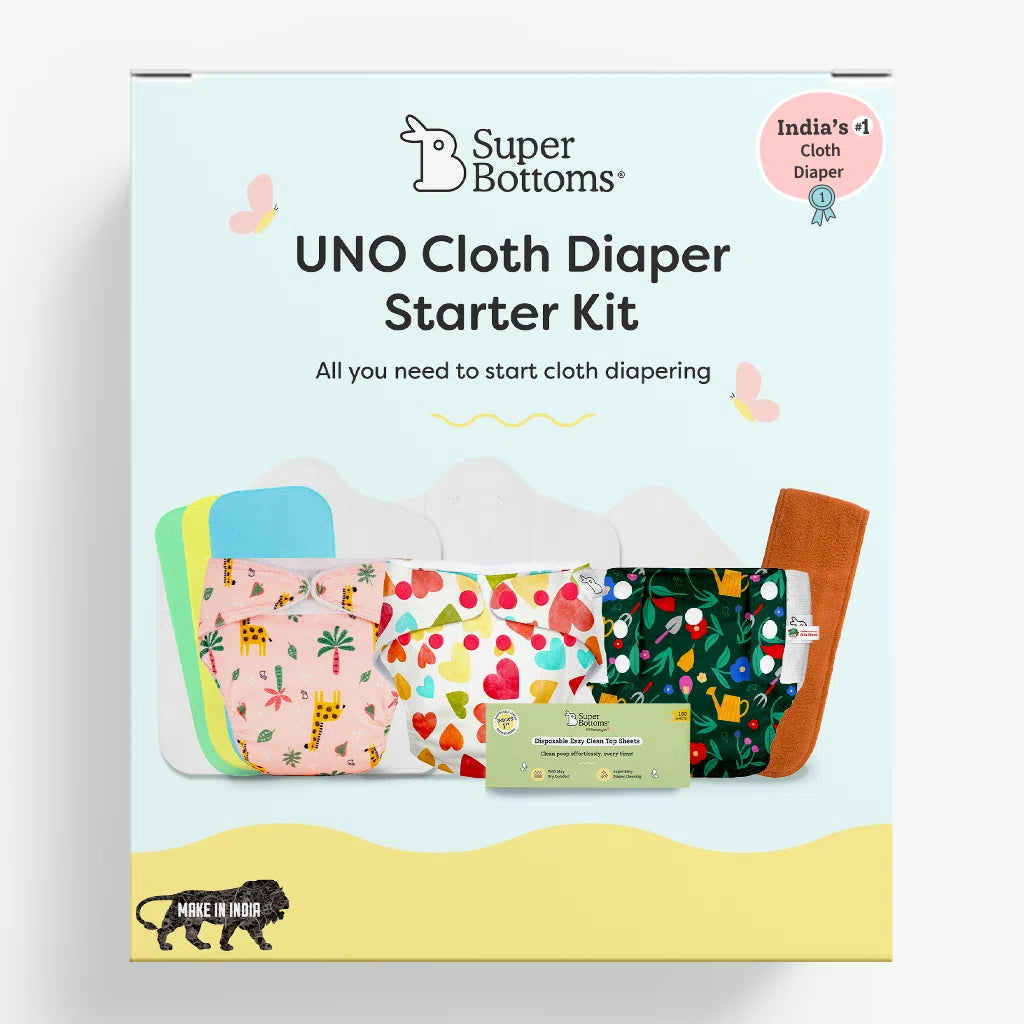
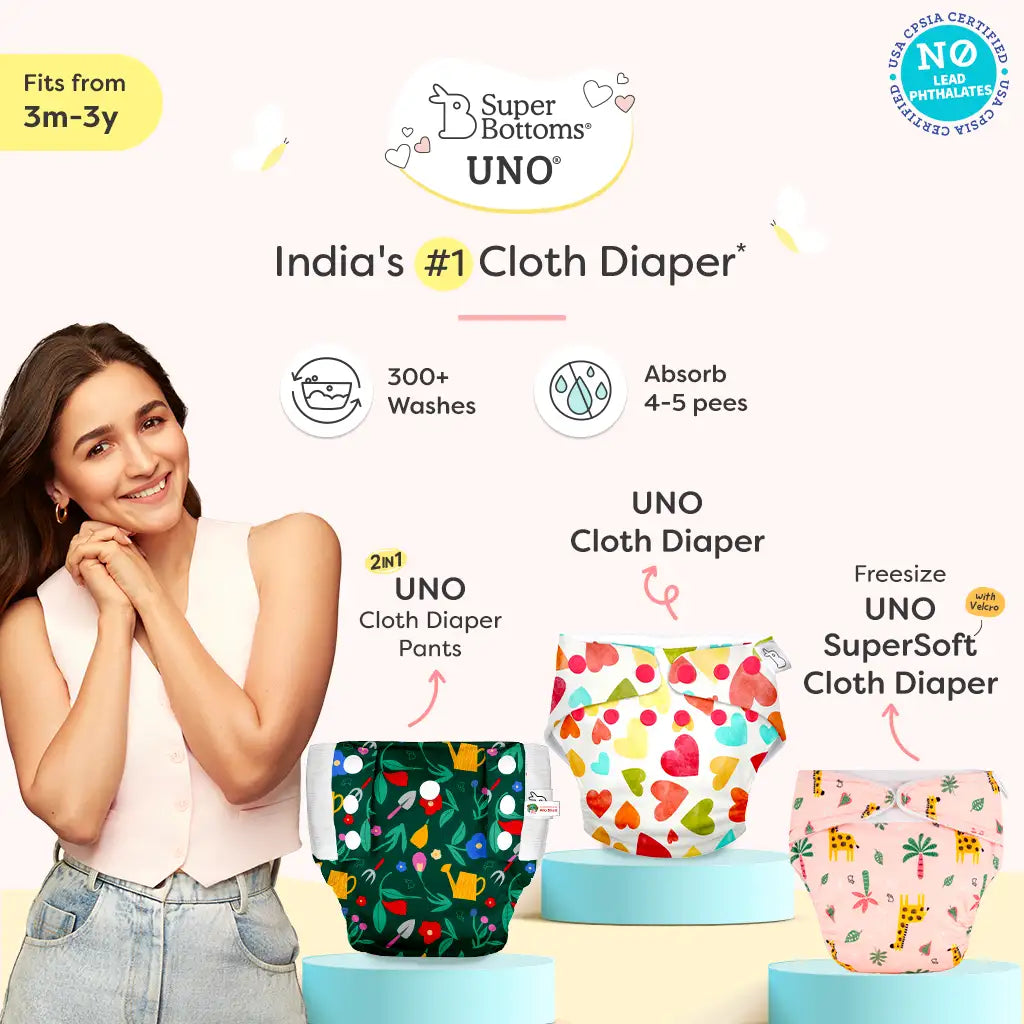
Find the right fit → Explore SuperBottoms UNO and compatible absorbency options.
Key Takeaways
- Cloth diaper inserts determine absorbency and leak protection.
- Bamboo, cotton, hemp, and microfiber each serve different purposes.
- Layering inserts and boosters often provides the best performance for heavy wetters and nighttime use.
FAQs
1. What is the most absorbent cloth diaper insert?
Hemp is generally considered the most absorbent insert material and is commonly used for overnight diapering.
2. Are bamboo inserts better than microfiber?
Bamboo usually offers better moisture retention and comfort, while microfiber absorbs faster but can be prone to compression leaks.
3. Can microfiber inserts touch a baby's skin?
No. Microfiber should not be placed directly against a baby's skin because it may cause dryness or irritation.
4. Which insert is best for overnight use?
A hemp insert or hemp booster paired with a bamboo insert is often recommended for nighttime protection.
5. How many cloth diaper inserts do I need?
Most parents find that 12–24 inserts provide a comfortable rotation, depending on washing frequency.
6. Are cloth diaper inserts safe for newborns?
Yes. Cotton and bamboo inserts are commonly used for newborns because they are soft, breathable, and gentle on delicate skin.
7. Is SuperBottoms worth the price?
Parents often choose SuperBottoms for its reusable design, absorbency options, and long-term value compared to repeatedly purchasing disposable diapers.
8. Where can I buy cloth diaper inserts in India?
Cloth diaper inserts are available through baby care retailers, reusable diaper brands, and online marketplaces. Parents looking for compatible insert systems can also explore SuperBottoms products directly.
Hi there, new parents! SuperBottoms brings you doctor-recommended cloth diapers — the best rash-free diapering solution for your baby's sensitive and delicate skin. Unlike disposable diapers loaded with chemicals, our newborn cloth diapers, when used and washed properly, can help eliminate the risk of diaper rashes. SuperBottoms offers a wide range of safe, skin-friendly essentials for the whole family — including Reusable Cloth Diapers, Diaper Pants, DryFeel langots for diaper-free time, Padded Underwear for potty training, SuperSoft Underwear for everyday comfort, Joggers for playful days, and Period Underwear for women. Not just for everyday use, SuperBottoms products also make the best gifting choice for babies — thoughtful, eco-friendly, practical, and loved by parents. Now available on Amazon, Myntra, Flipkart, FirstCry, Zepto, Swiggy and Blinkit.