




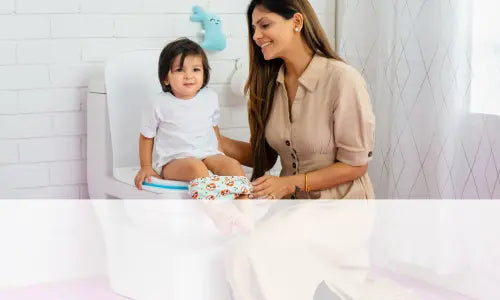
In this article, we will understand
- Spot potty training readiness signs
- Choose comfortable training pants
- Support toddler toilet independence
- Manage daytime potty accidents
- Compare diapers and underwear
Potty training can feel like a tug-of-war between giving your toddler freedom and cleaning up accidents. The right potty training pants can support the transition, but they do not replace readiness, routine or patience.
What are the right products for potty training?
For daytime training, look for products that support learning without becoming another diaper:
- Easy pull-up and pull-down design
- Soft, breathable fabric
- Light accident protection
- Comfortable fit
- Washable, reusable construction
Expert Answer
Toilet training is a developmental process. The American Academy of Paediatrics advises following the child's cues, using positive language and avoiding punishment or power struggles. Readiness involves recognising body signals, understanding them and communicating the need for help. (HealthyChildren.org)
When should you introduce training pants?
There is no single “right” age. Many children become ready during the toddler years, but readiness matters more than age. The CDC notes that most children are not ready to toilet train until around 2–3 years.
Look for several potty training readiness signs together:
- Stays dry for longer stretches
- Notices or communicates wetness
- Follows simple instructions
- Shows interest in the toilet
- Can walk and sit independently
- Helps pull clothing up or down
Starting before readiness can create frustration. If your child resists strongly, pause and try again later.

Which potty training products work best?
Different products suit different stages:
|
Option |
Best for |
Benefit |
Limitation |
|---|---|---|---|
|
Diaper |
Early stage/heavy wetting |
High protection |
Less like underwear |
|
Training pants |
Daytime training |
Small-accident protection |
Not for overnight/heavy wetting |
|
Regular underwear |
Later stage |
Maximum independence |
Little protection |
What Parents Should Know
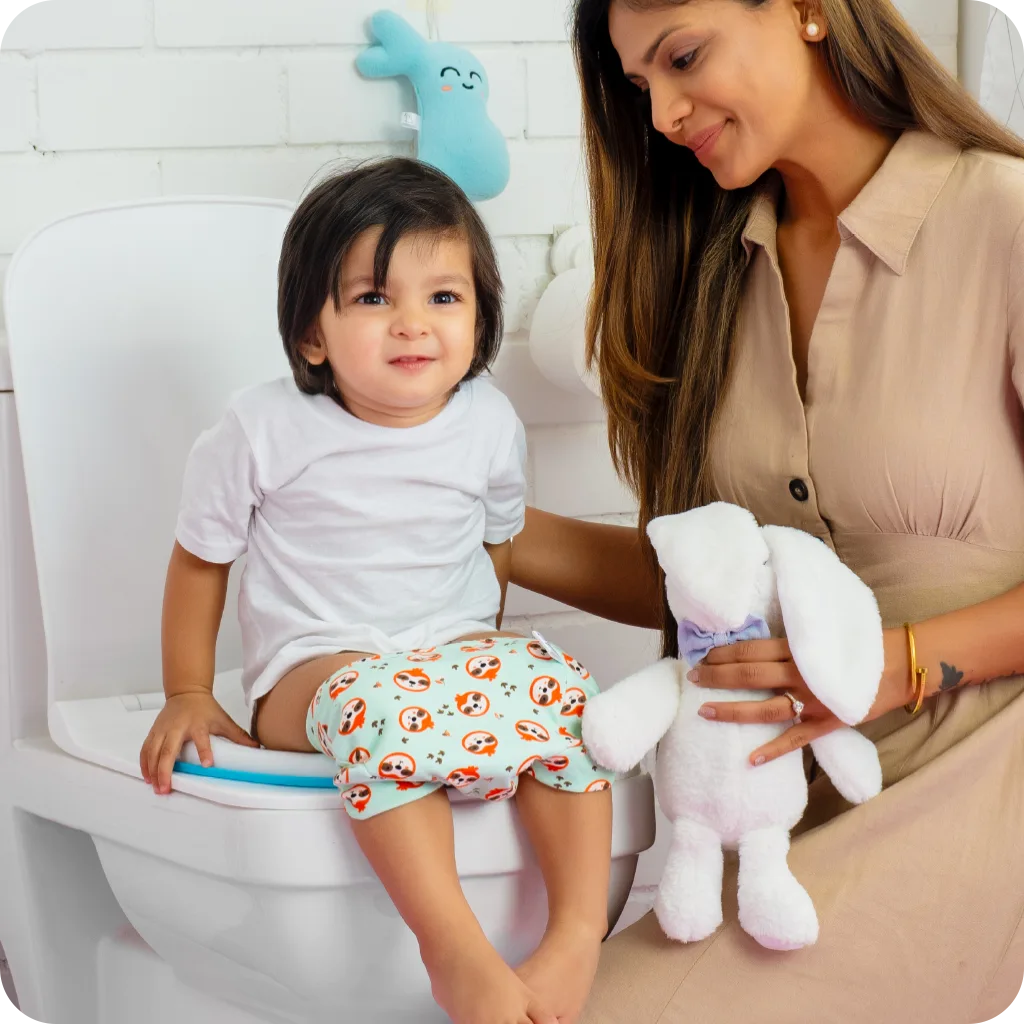
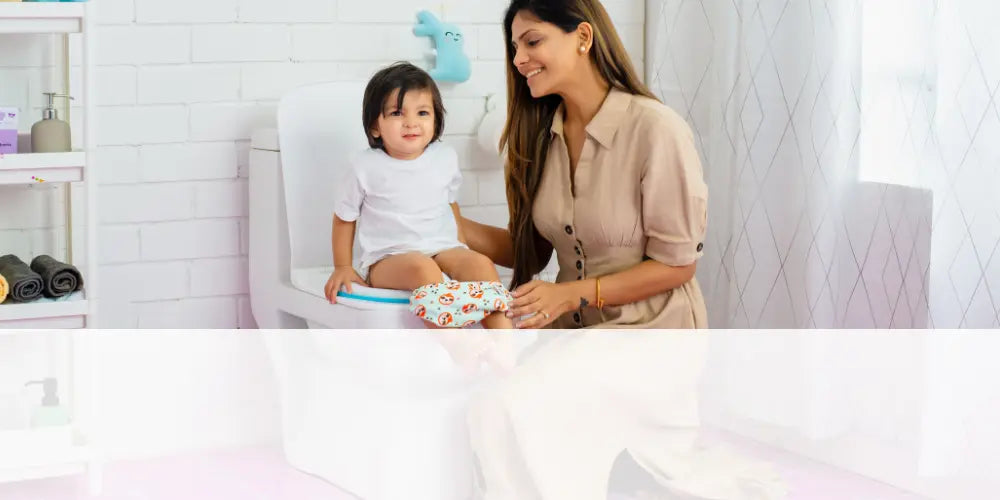
Training pants do not teach a child to use the toilet by themselves. They make learning manageable while the child practises noticing body cues, reaching the potty and handling clothing independently.
What should parents look for when buying?
Prioritise function over maximum absorbency. A training pant should provide enough protection for a small daytime accident while behaving more like underwear than a diaper.
Check:
- Fit: Snug but not restrictive; sizing affects comfort and leak control.
- Material: Soft, breathable fabric is preferable close to the skin.
- Independence: Pull-up styles let toddlers practise dressing themselves.
- Protection: Choose light accident protection, not overnight performance.
- Care: Reusable products should fit your normal washing routine.
What to Look For
For Indian families, also consider heat, humidity, frequent washing and how many changes your child may need. Choose something comfortable for daytime use and economical over repeated washes.
Where does Padded Underwear fit?
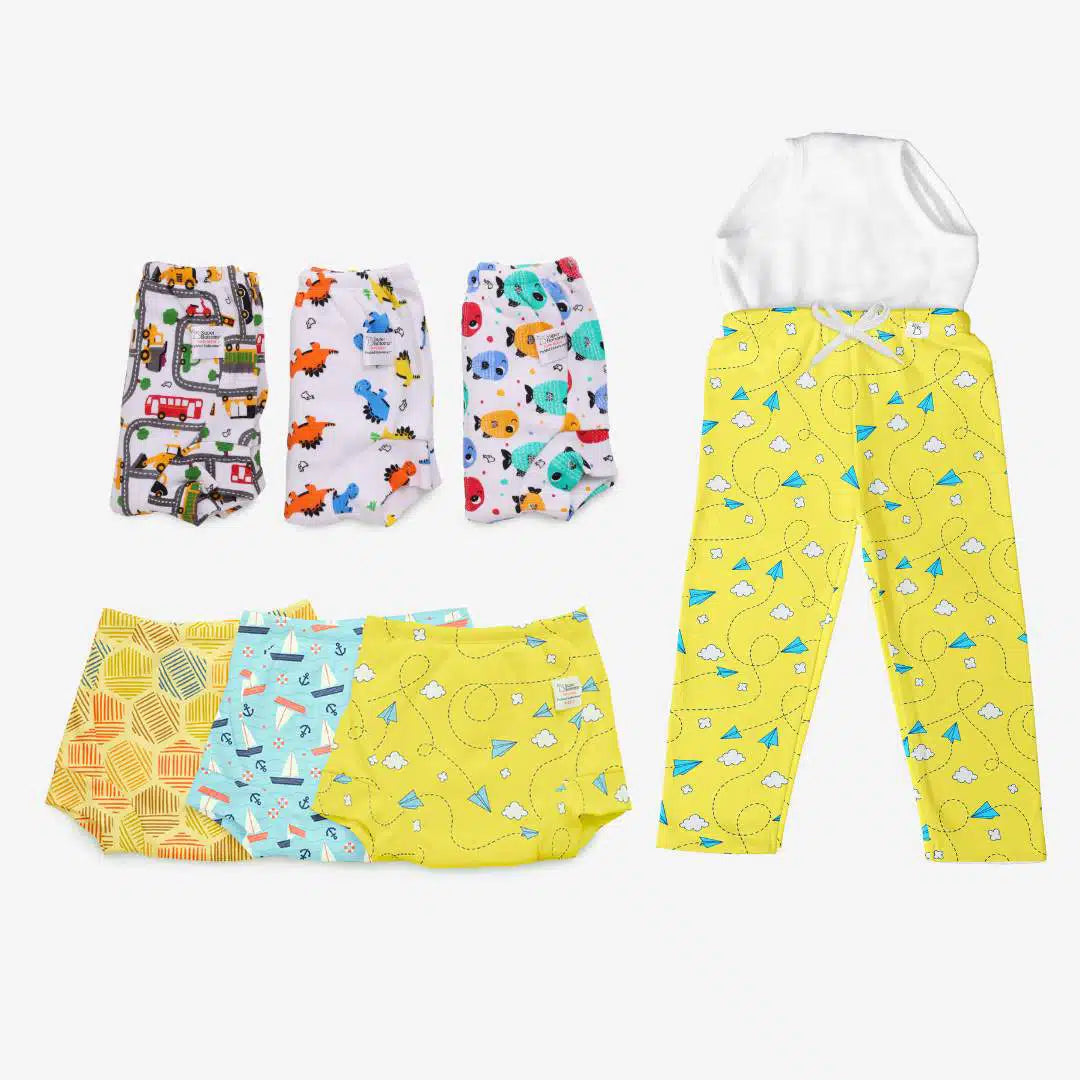
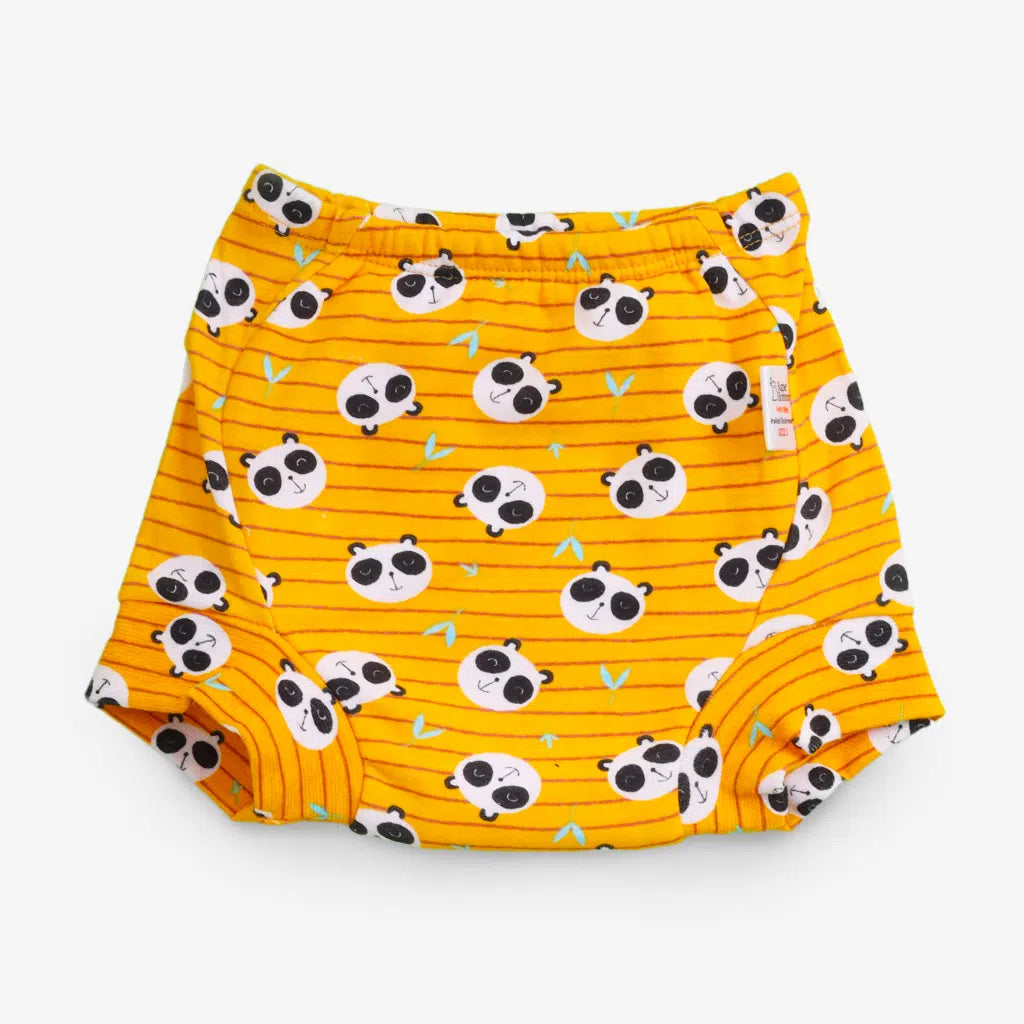
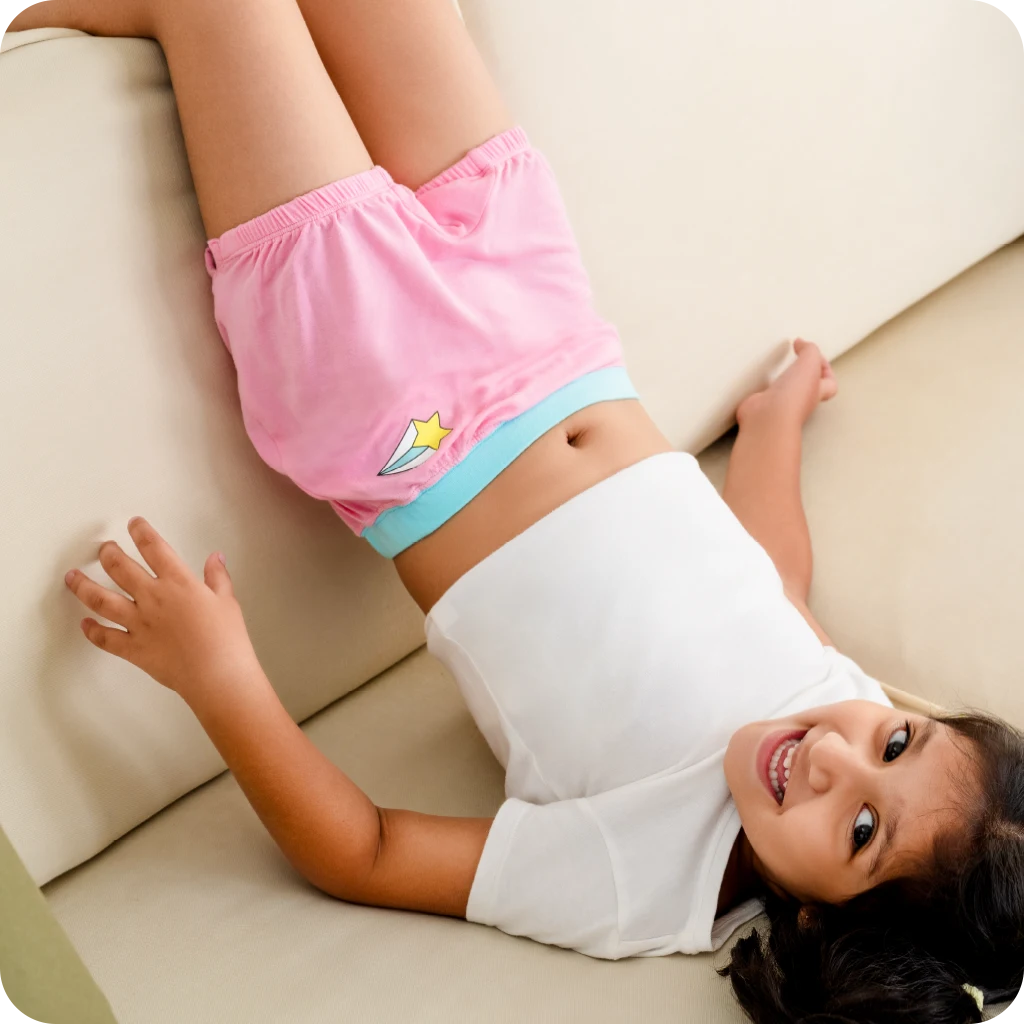
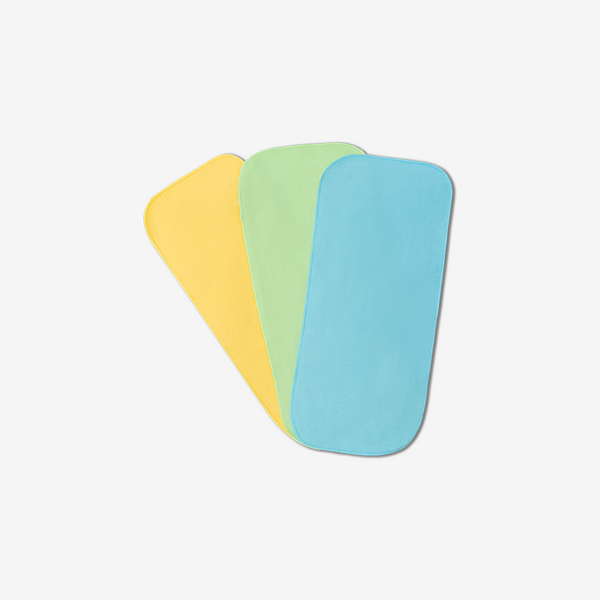
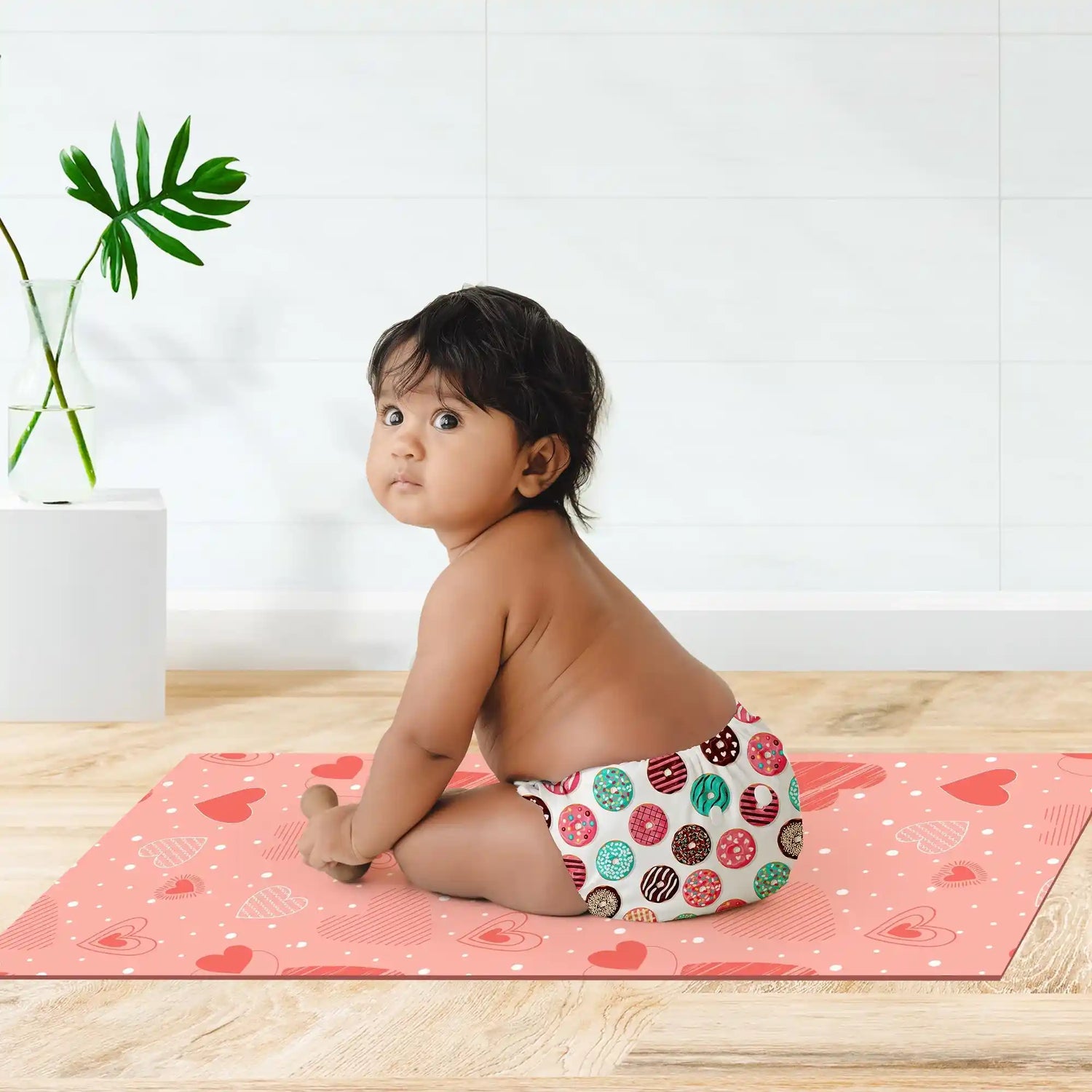
SuperBottoms Padded Underwear is designed for daytime potty training and diaper-free time. It has three layers of cotton padding, a SuperDryFeel lining, a semi-waterproof outer layer and a pull-up design. It is available for children from 9 months to 4 years and is designed to hold up to one pee.
It is not a replacement for an overnight or high-absorbency diaper; change it after an accident.
SuperBottoms Pick
Padded Underwear can be considered when a child is ready for daytime toilet practice but still needs help containing small accidents.
Explore SuperBottoms Padded Underwear

How can you make potty training less stressful?
Keep routines predictable and responses steady.
- Introduce the potty without pressure.
- Use the same words for pee, poop and potty.
- Offer regular opportunities around familiar routines.
- Let your toddler practise pulling clothing down and up.
- Praise effort and communication, not just successful trips.
- Treat accidents as information, not misbehaviour.
- Keep handwashing part of every toilet routine.
What Parents Should Know
Accidents are normal during toilet learning. The AAP recommends positive reinforcement and discourages punishment, shame and power struggles.
Parent Checklist
☐ Check readiness signs before starting
☐ Keep the potty easy to access
☐ Choose easy-to-remove clothing
☐ Keep spare clothes nearby
☐ Use training pants for daytime practice
☐ Change after an accident
☐ Keep language calm and positive
What is the practical solution?
Problem: Your toddler is ready to practise but still has daytime accidents.
Solution: Combine a child-led potty routine with underwear-style training pants that offer light accident protection.
Why it helps: Your child practises independence while parents manage accidents more easily.
The right potty training products should support learning, not rush it. Start with readiness, choose comfortable training pants, and expect accidents as part of the process. For daytime practice, Padded Underwear can provide a practical middle step between diapers and underwear.
Key Takeaways
- Follow readiness, not a deadline.
- Choose comfort, fit and light protection.
- Keep accidents calm and pressure-free.
FAQs
What is the best product for potty training?
There is no single best product for every child. Choose based on readiness, daytime use, comfort, fit, independence and accident protection.
Are potty training pants better than diapers?
They serve different purposes. Training pants support learning and small daytime accidents, while diapers suit higher protection needs.
Can Padded Underwear be used overnight?
No. It is intended for daytime potty training and diaper-free time and is designed to hold up to one pee, not heavy overnight wetting.
How many training pants should I buy?
Start with enough for likely daily changes plus a few spares. A larger rotation helps if accidents are frequent or laundry is not daily.