






This article will cover the following:
- Plan newborn travel around routines
- Pack feeding and diapering essentials
- Prioritise safe transport and hygiene
- Prepare for delays and accidents
These newborn travel tips, updated for 2026, focus on what actually makes travelling with a baby easier. Whether you are visiting family or taking a short trip, planning feeding, diaper changes, transport and unexpected delays can make the journey calmer.
Travelling with a newborn is less about packing everything and more about keeping essentials easy to reach.
How should you plan newborn travel?
Newborns feed frequently, need regular diaper changes and may become unsettled by heat, crowds or schedule changes. Build the trip around your baby's needs rather than a rigid itinerary.
What parents should know
If your baby is premature, unwell or has a medical condition, ask your paediatrician whether travel is appropriate and what precautions are needed.
What should you pack for a newborn?
A newborn travel bag should hold diapers, wipes, changing supplies, spare clothing, feeding supplies, medicines and a few comfort items. Keep these essentials together and accessible rather than buried in a suitcase. Add extras based on journey length and likely delays.
Keep a small day bag separate from the main luggage. Pack:
- Baby Diapers, plus extras for delays
- Baby wipes, changing mat and disposal bags
- Two or three spare outfits
- Breastfeeding or formula-feeding supplies
- Burp cloths or muslins
- Prescribed medicines and a thermometer
- Hand sanitiser for adults
- A familiar comfort item
- A waterproof wet/dry bag
For longer trips, plan laundry and drying instead of carrying excessive clothing.
What is the safest way to travel with a newborn?
For car journeys, use a properly installed rear-facing infant car seat. Never travel with a newborn in an adult's arms. On longer drives, plan regular stops to feed, change and take the baby out of the seat.
Expert guidance
Paediatrician Dina DiMaggio, MD, FAAP, advises checking car-seat installation and harness fit, having an adult beside the baby where possible, and taking breaks on longer journeys. (HealthyChildren.org)
For flights, check airline rules before booking, including infant fares, bassinets and child restraints. Feeding or nursing during descent can help with pressure-related ear discomfort.
How can you manage feeding and diaper changes?
Feed your baby according to their usual cues rather than forcing a travel schedule. For expressed milk or formula, plan safe storage and preparation.
Keep one complete diaper-change kit at the top of your bag so it is ready at an airport, train station, roadside stop or hotel.
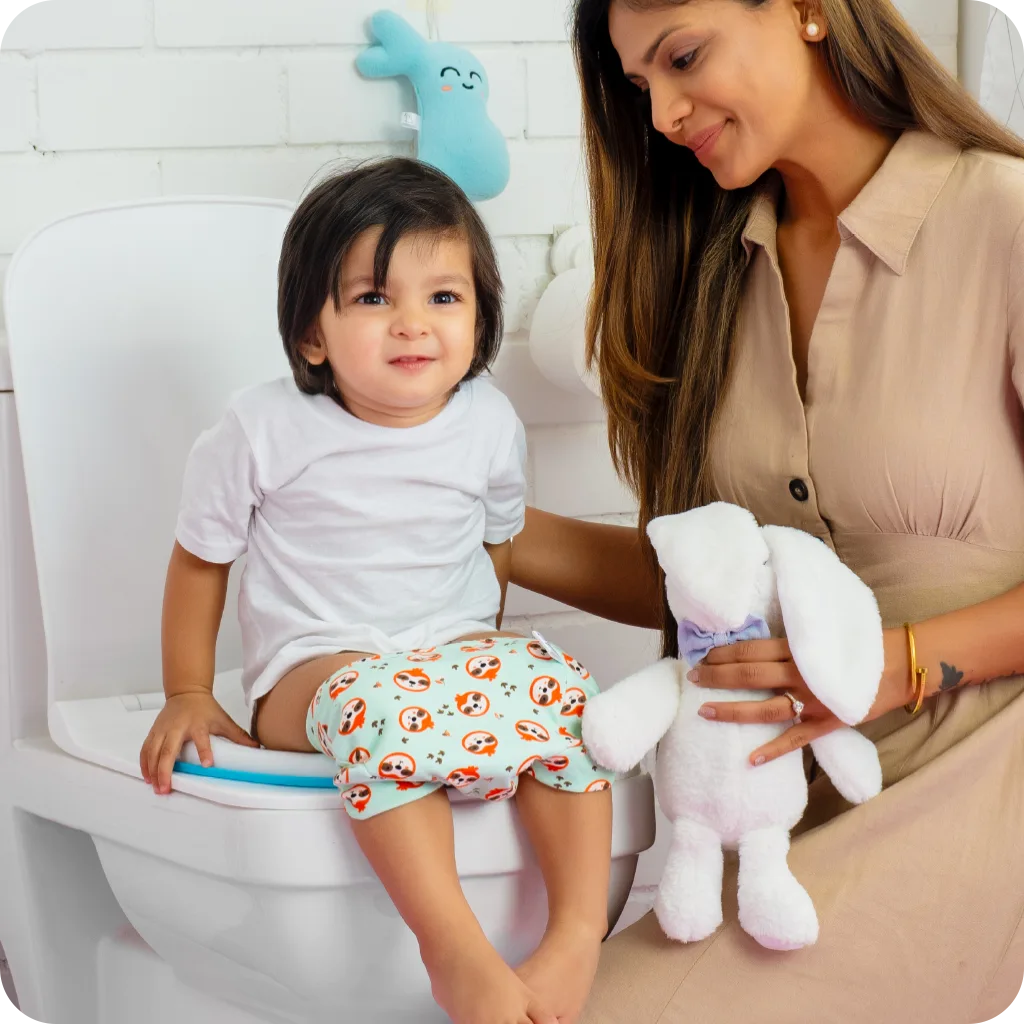
If an older baby or toddler is travelling with you, Padded Underwear can help during the transition away from diapers. It is not a newborn product; SuperBottoms Padded Underwear is for ages 9 months to 4 years and holds up to one small pee.

Which travel essentials actually matter?
|
Essential |
Best use |
Packing tip |
|---|---|---|
|
Diapers |
Regular changes |
Pack extras |
|
Wipes + mat |
Quick clean-ups |
Keep together |
|
Spare clothes |
Spills or leaks |
Pack 2–3 sets |
|
Feeding supplies |
Feeding on the go |
Keep accessible |
|
Car seat |
Safe road travel |
Fit before departure |
|
Wet/dry bag |
Soiled items |
Keep waterproof |
What to look for
Choose travel products based on comfort, fit and ease of cleaning. For reusable diapering, carry enough clean pieces and plan washing and drying.
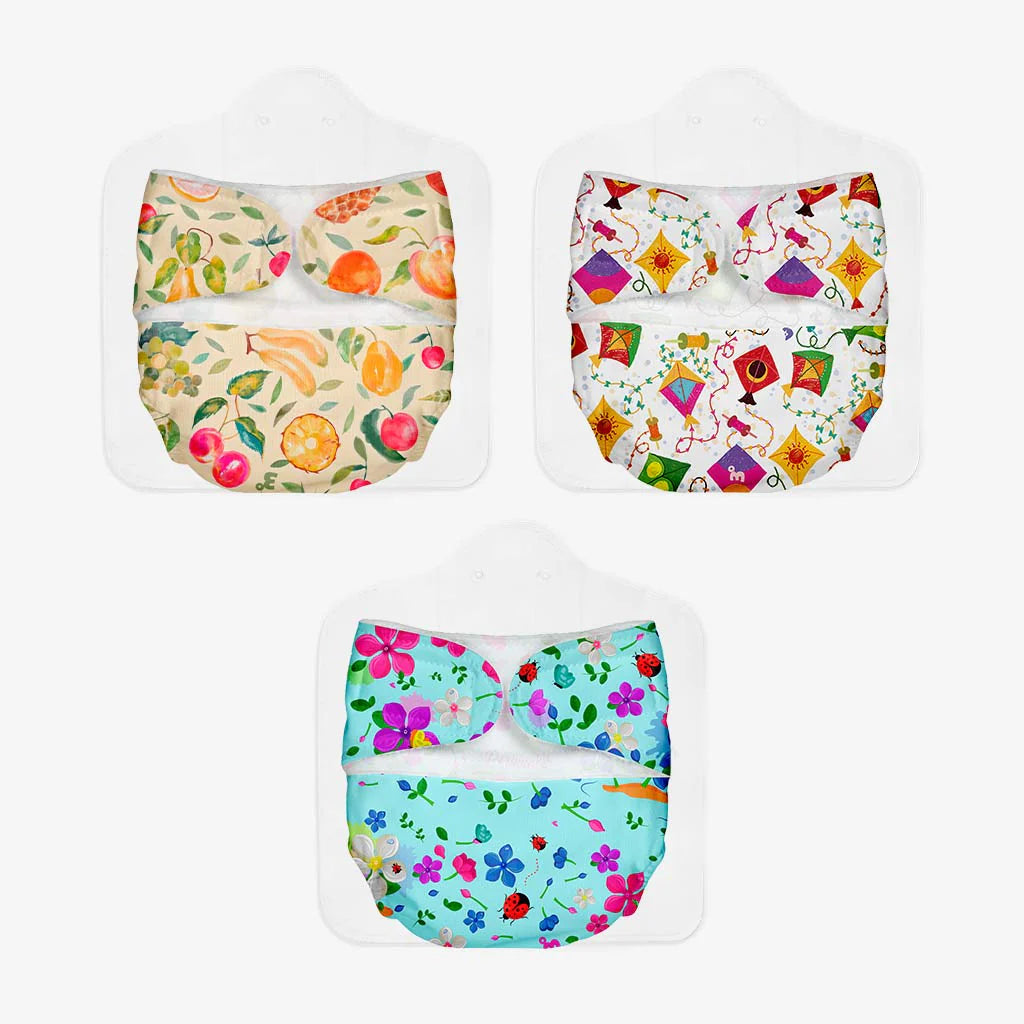
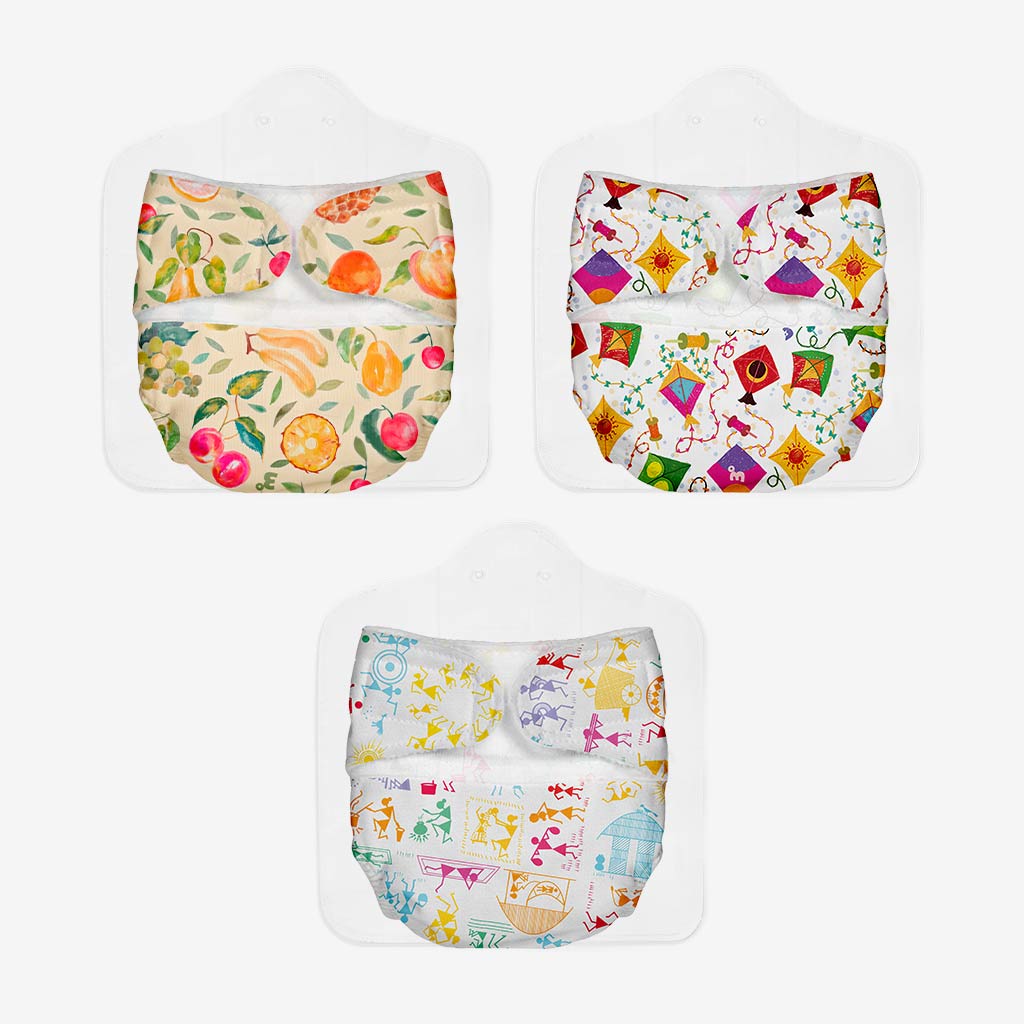
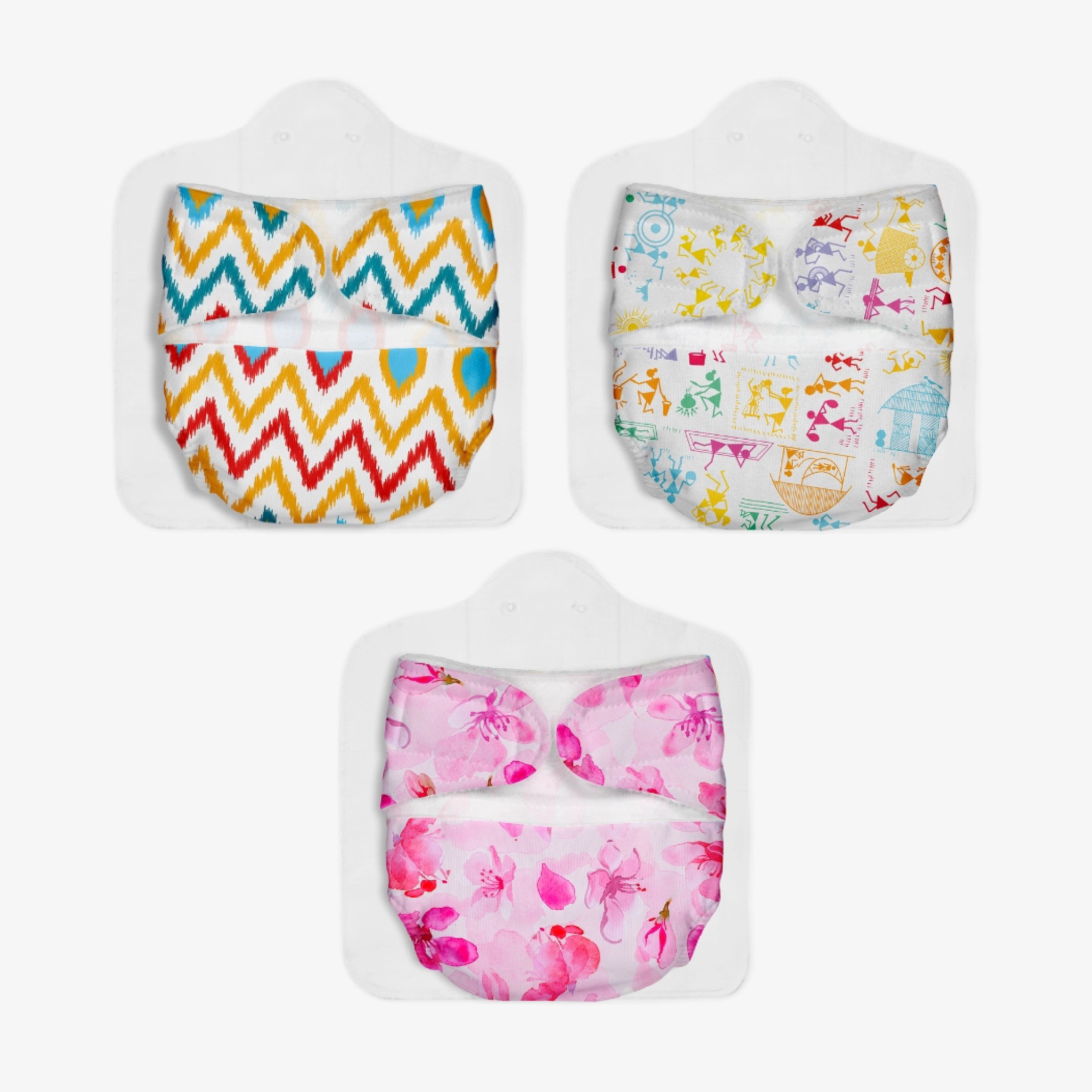
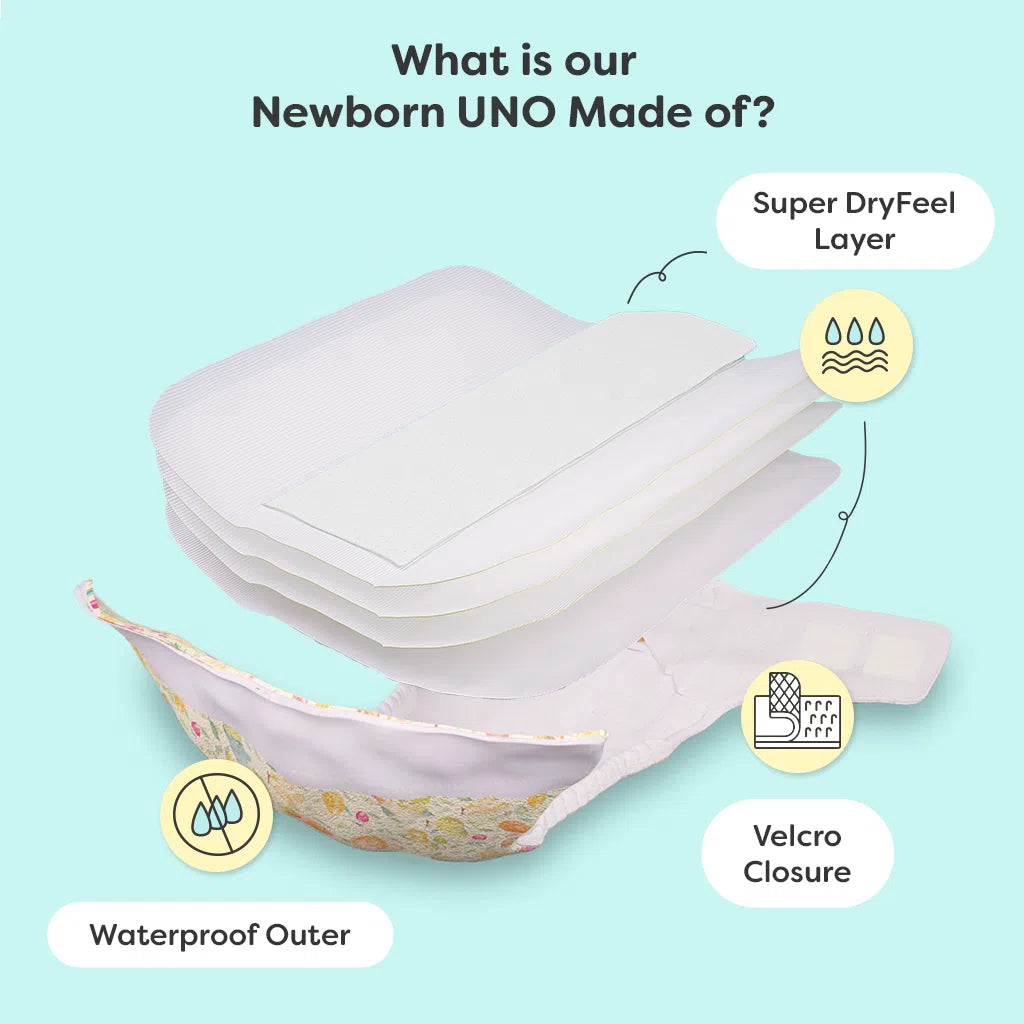
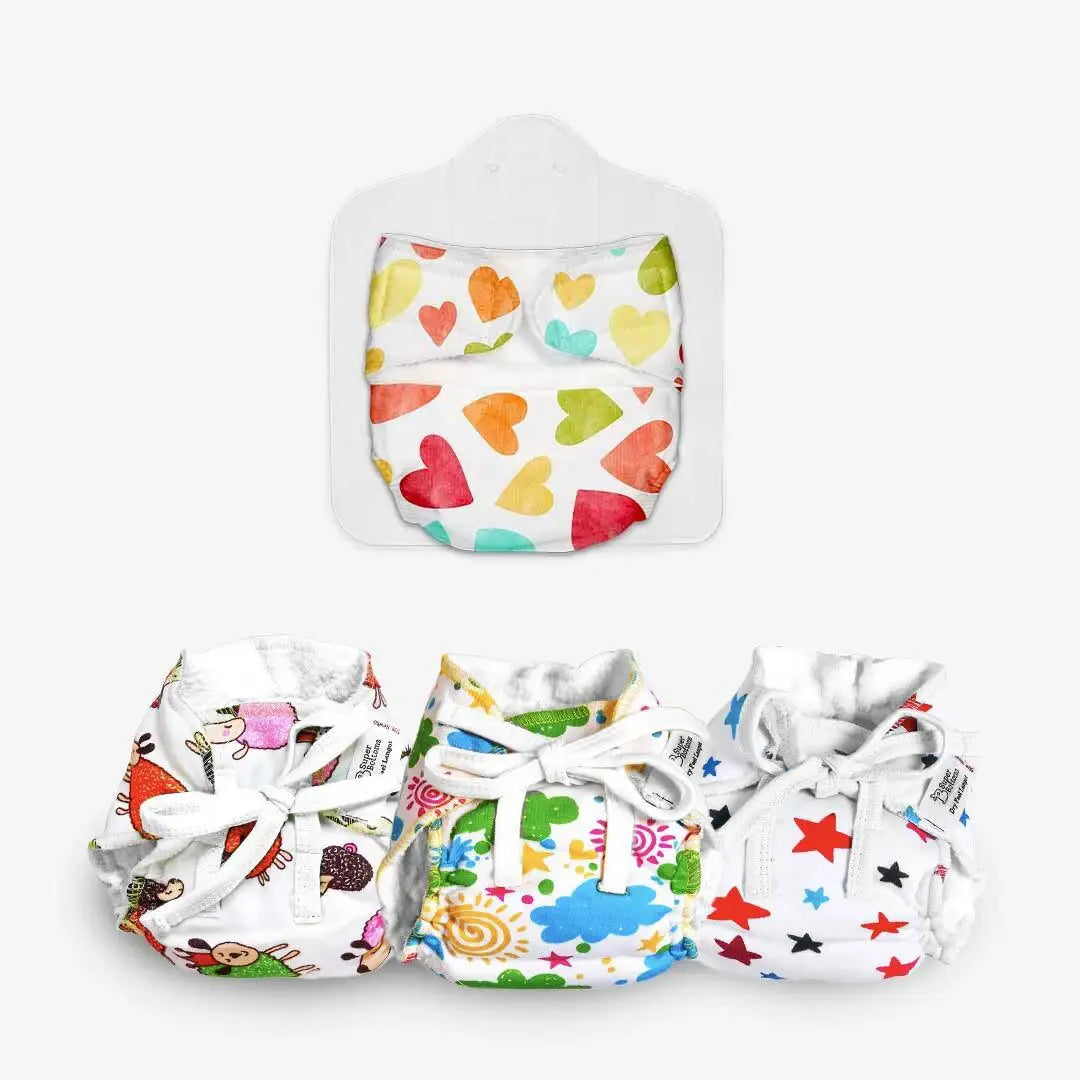
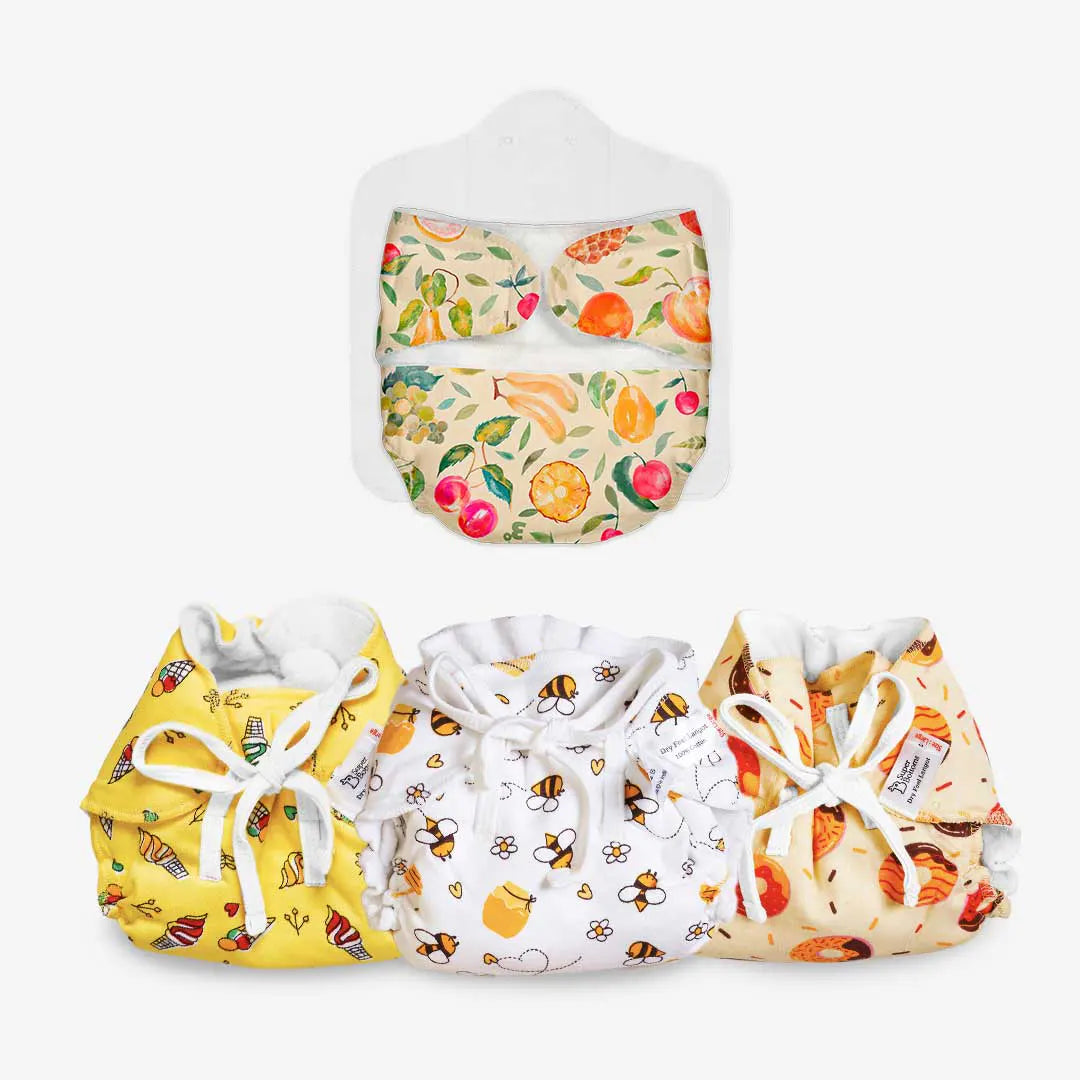
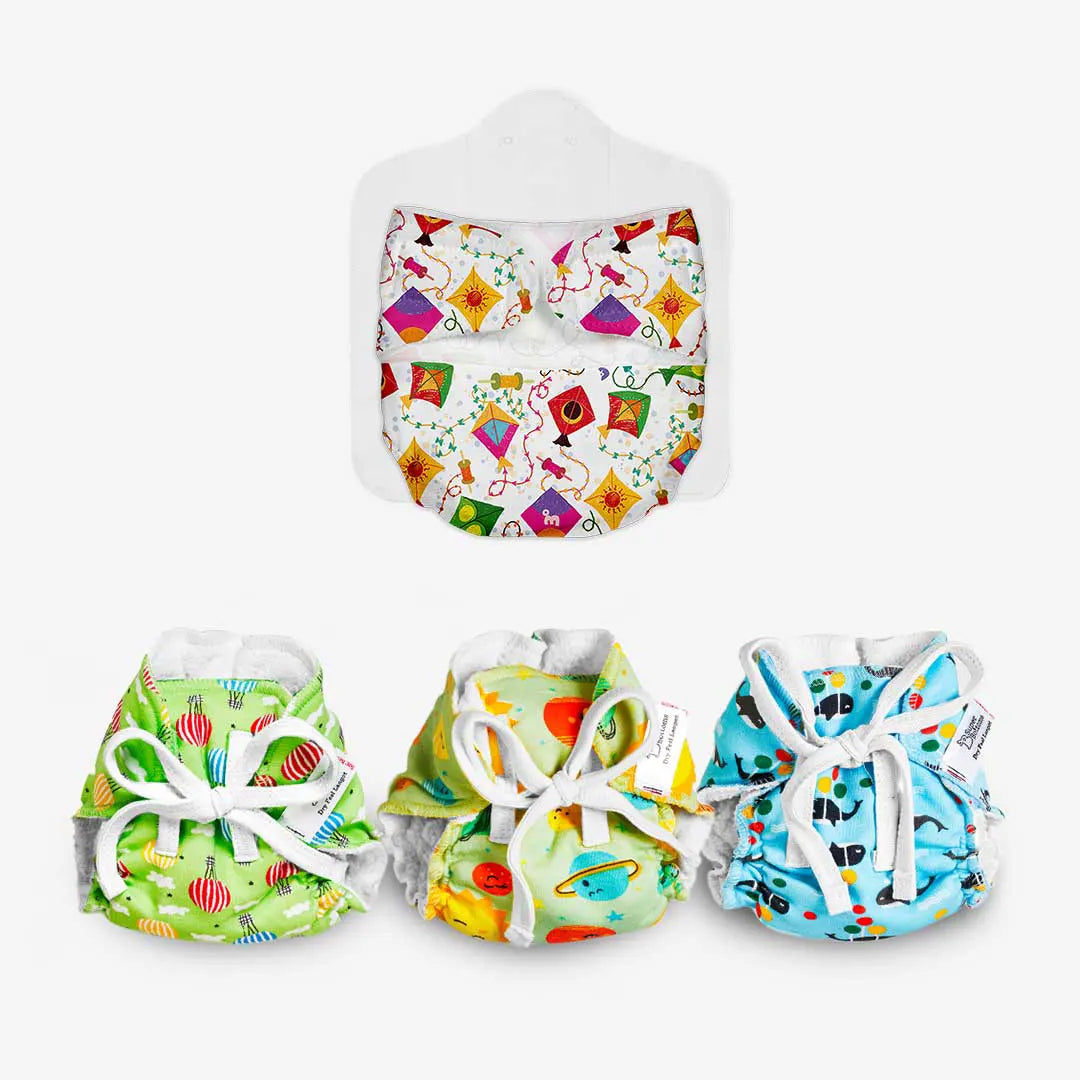
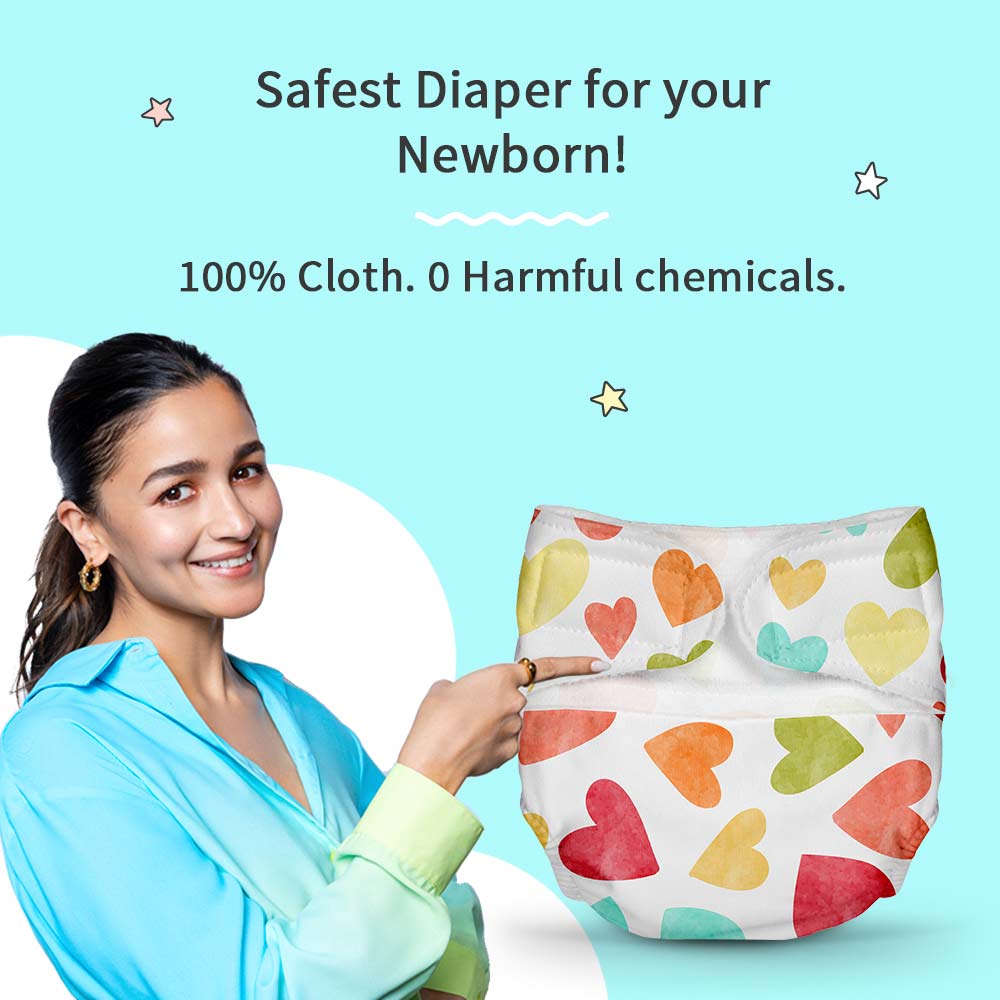
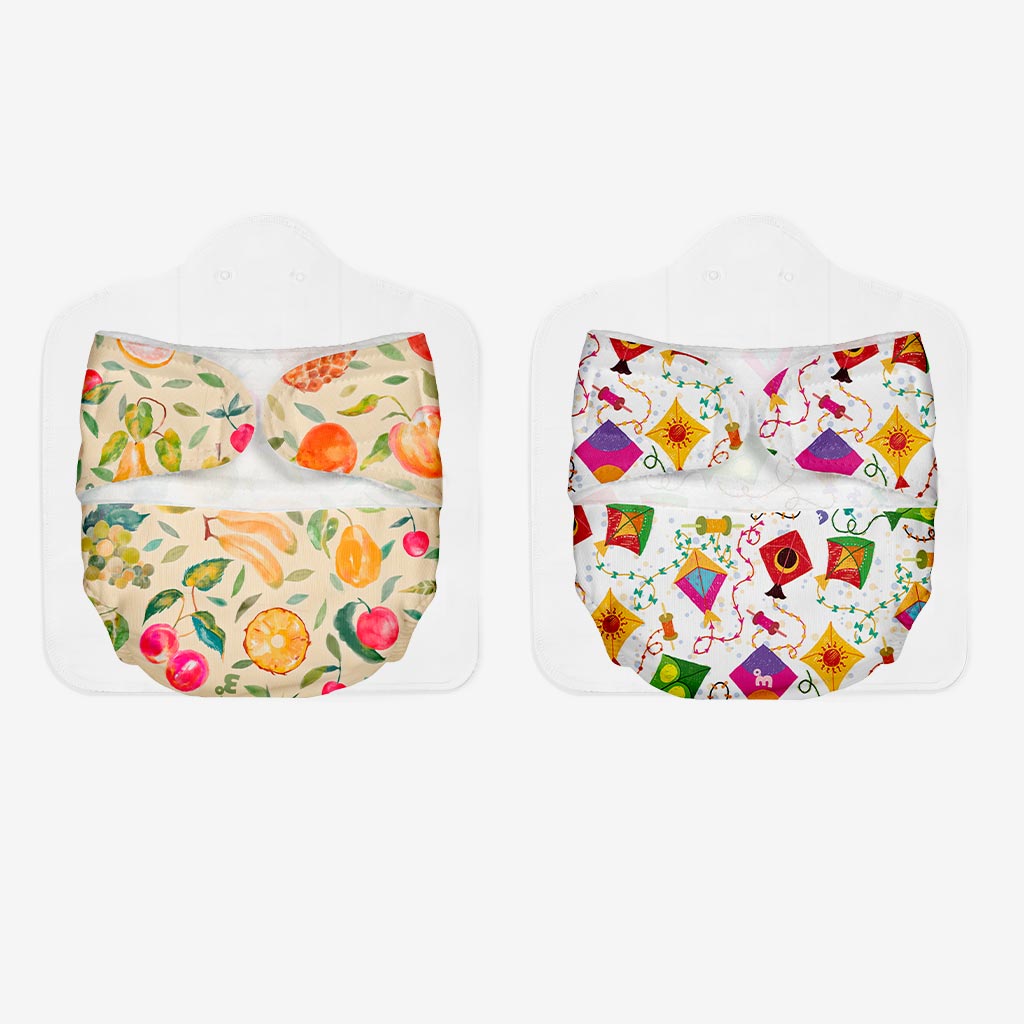
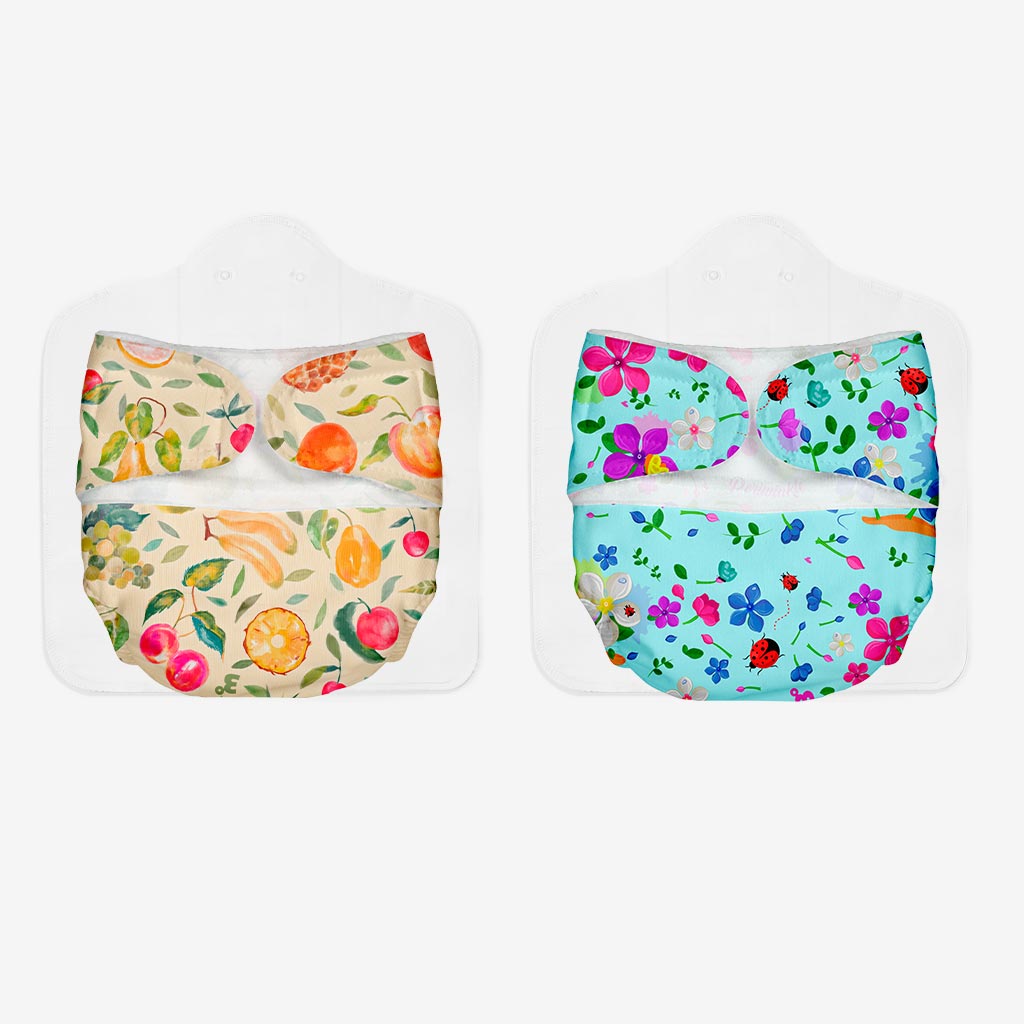
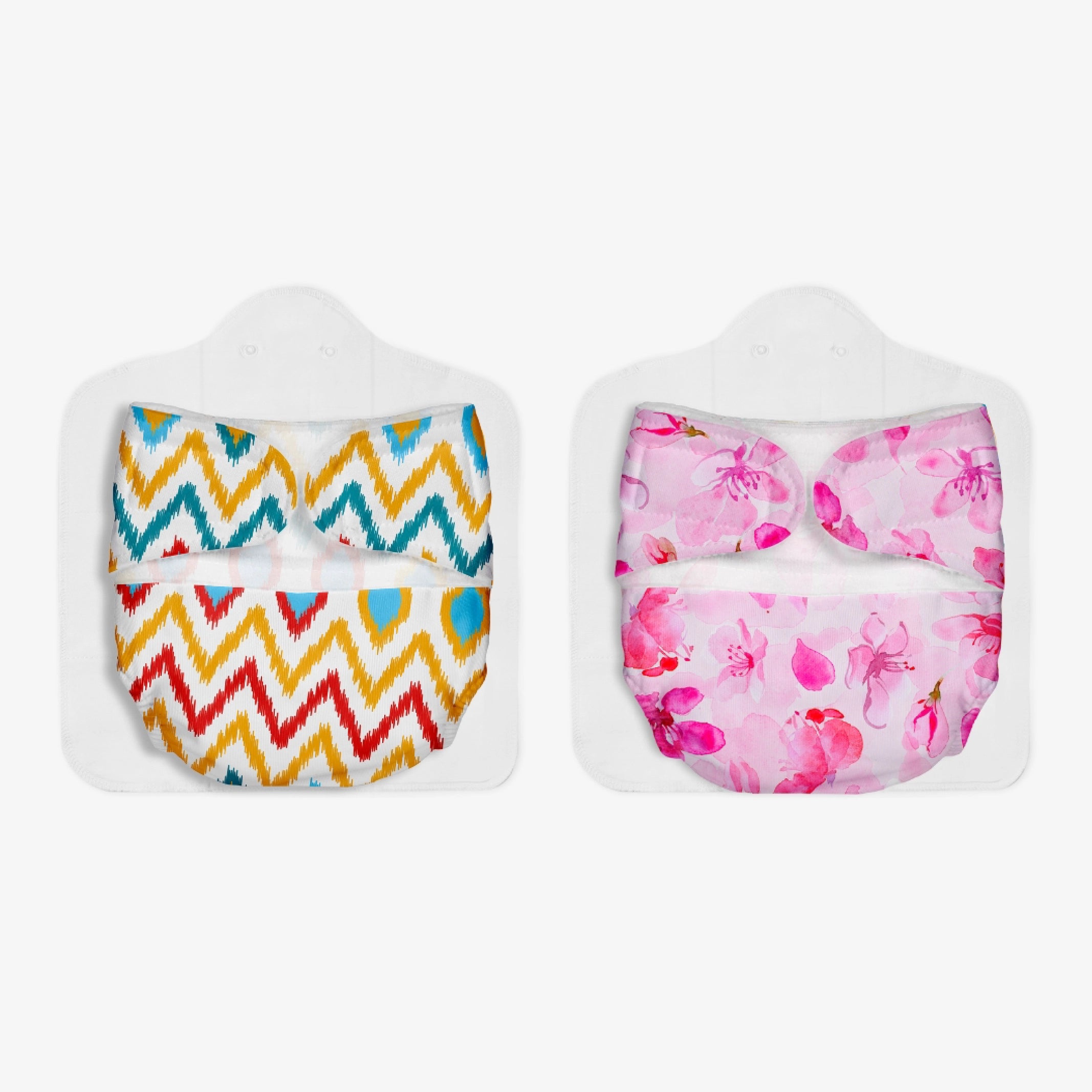
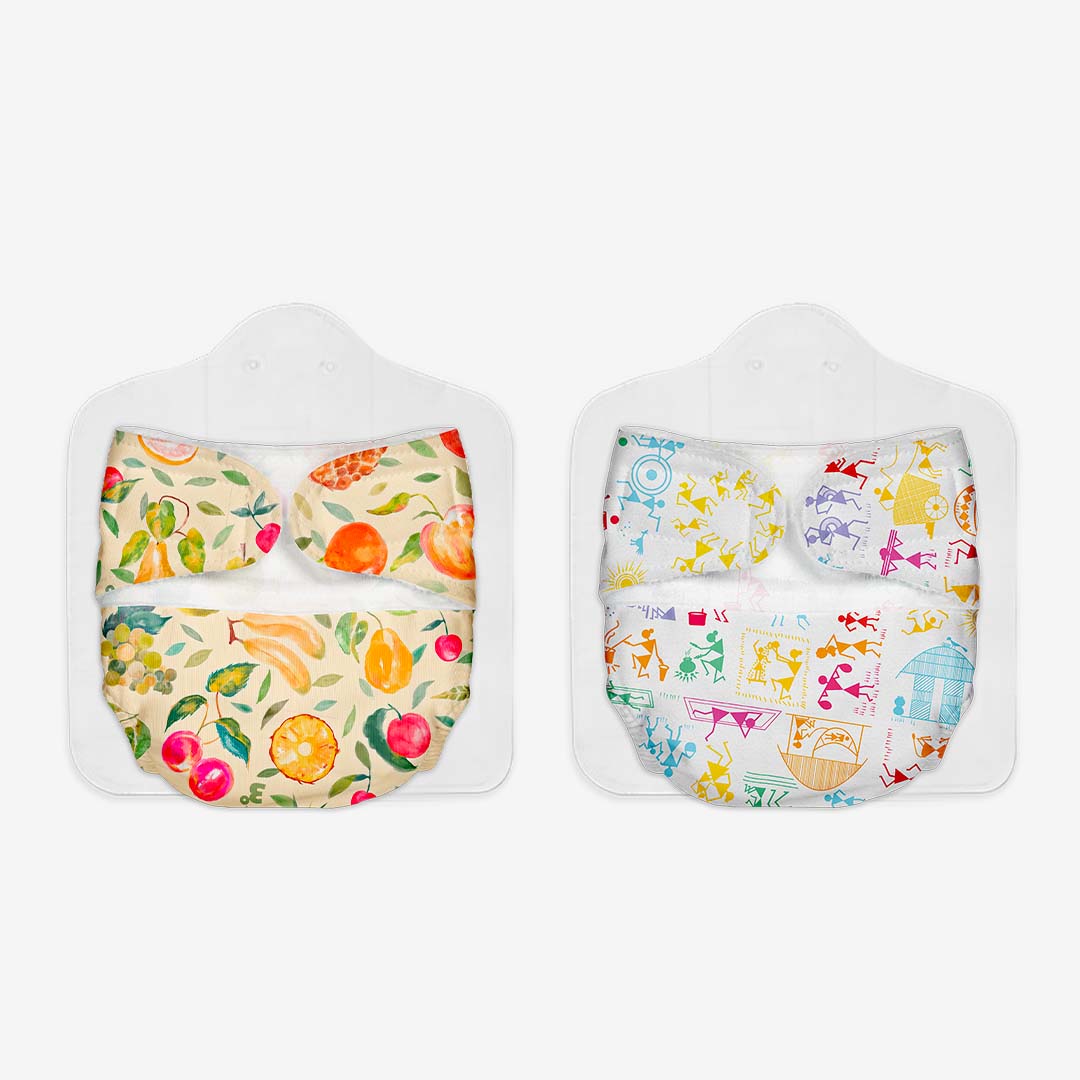
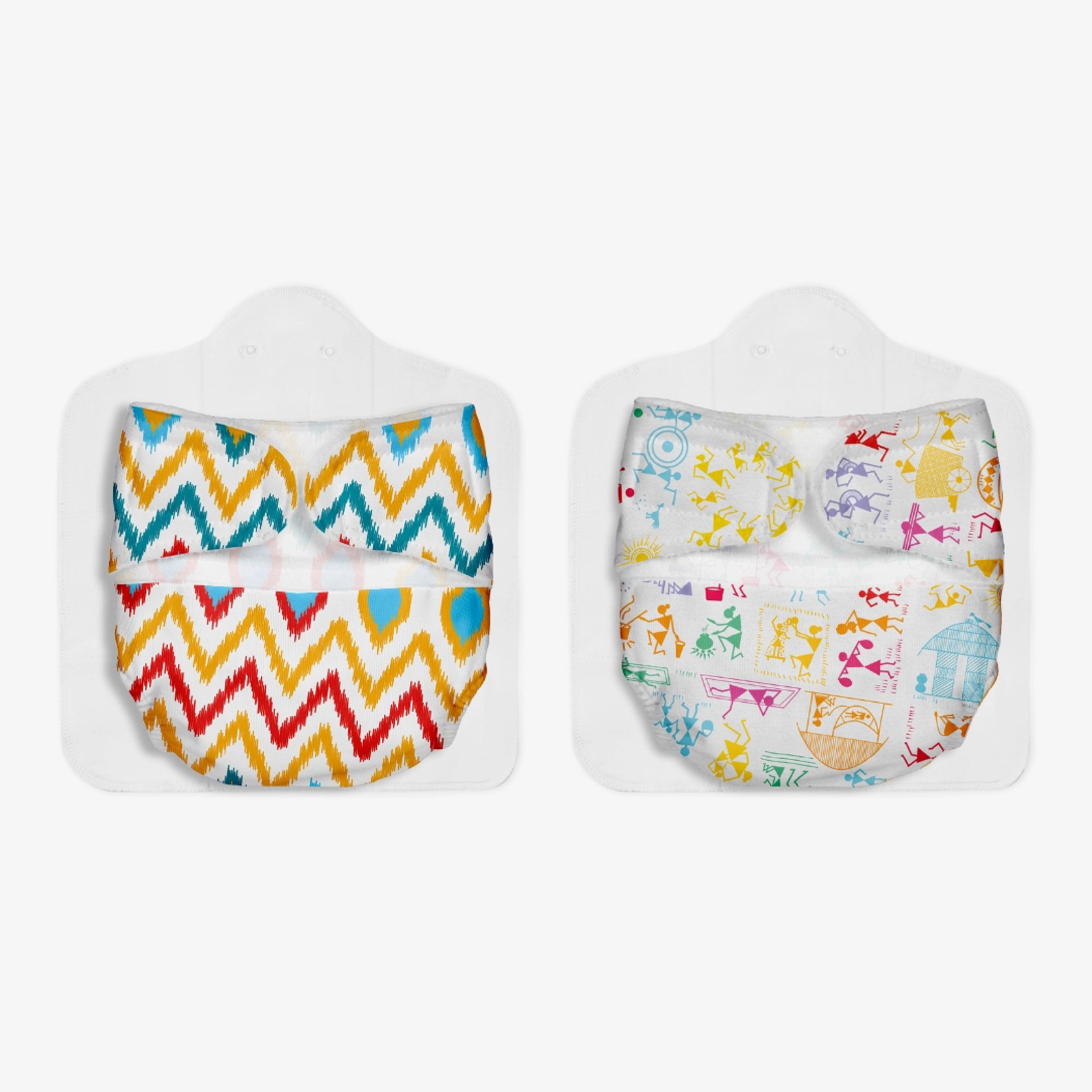
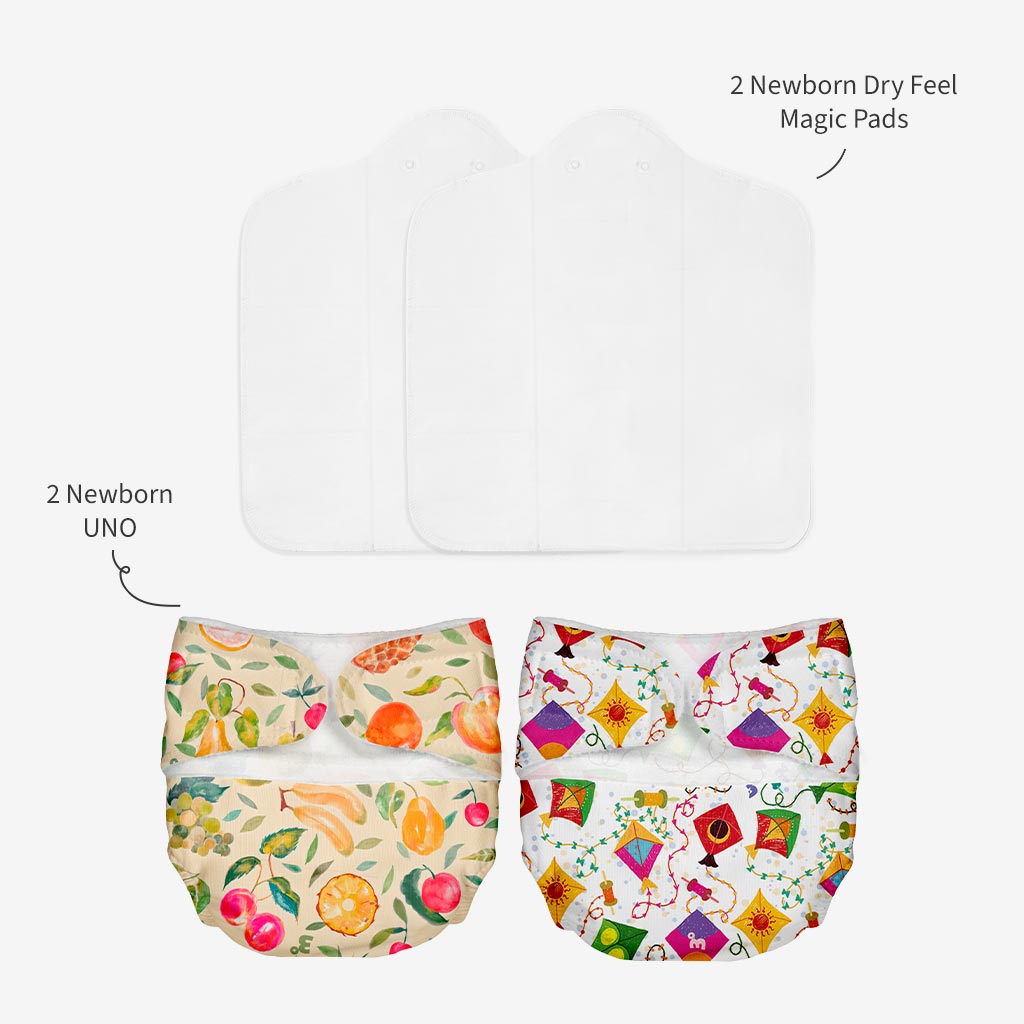
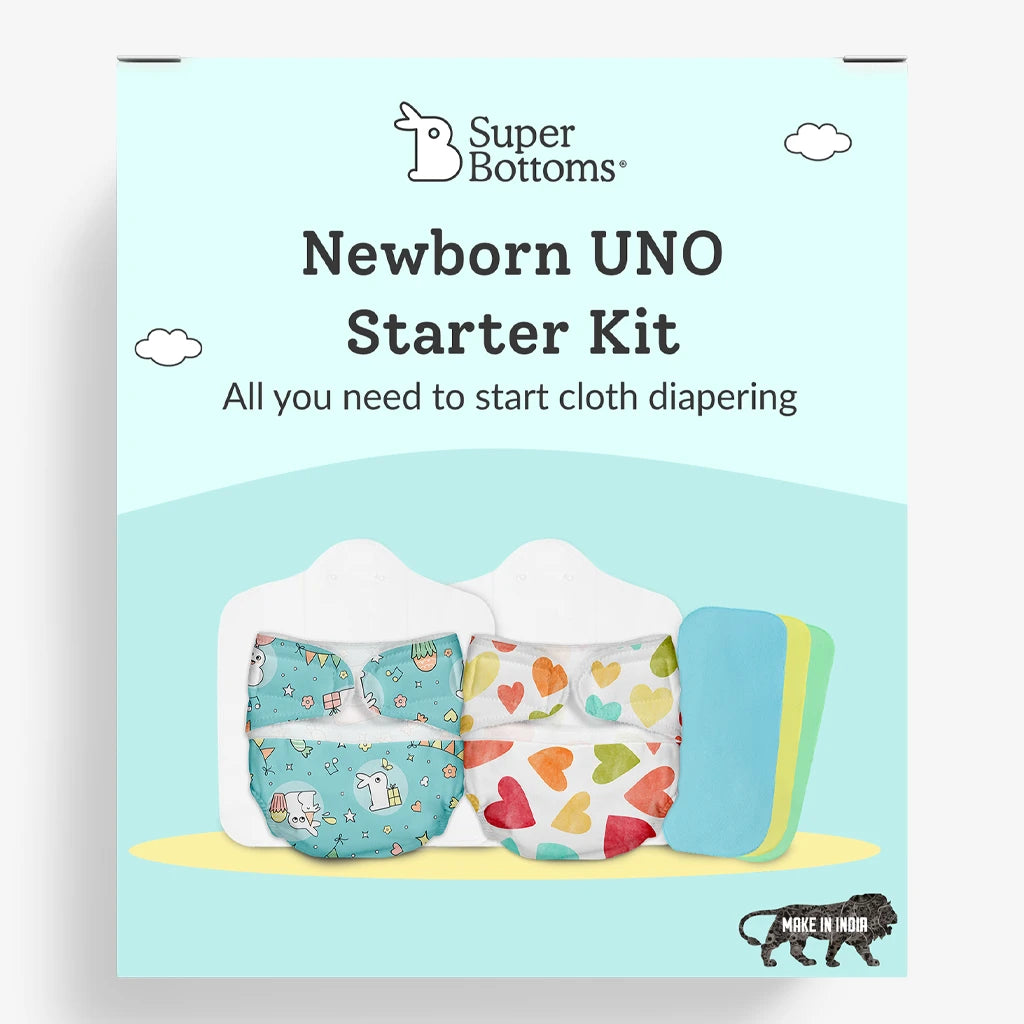
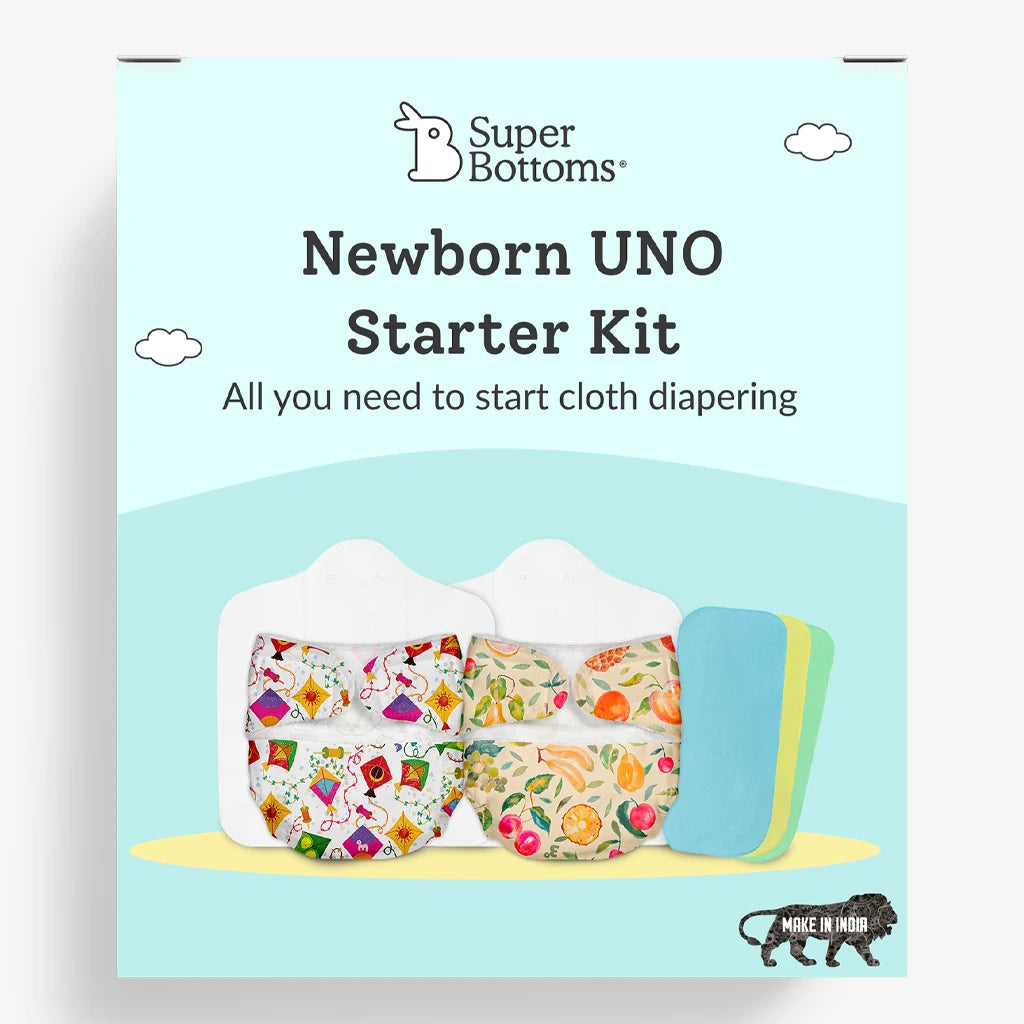
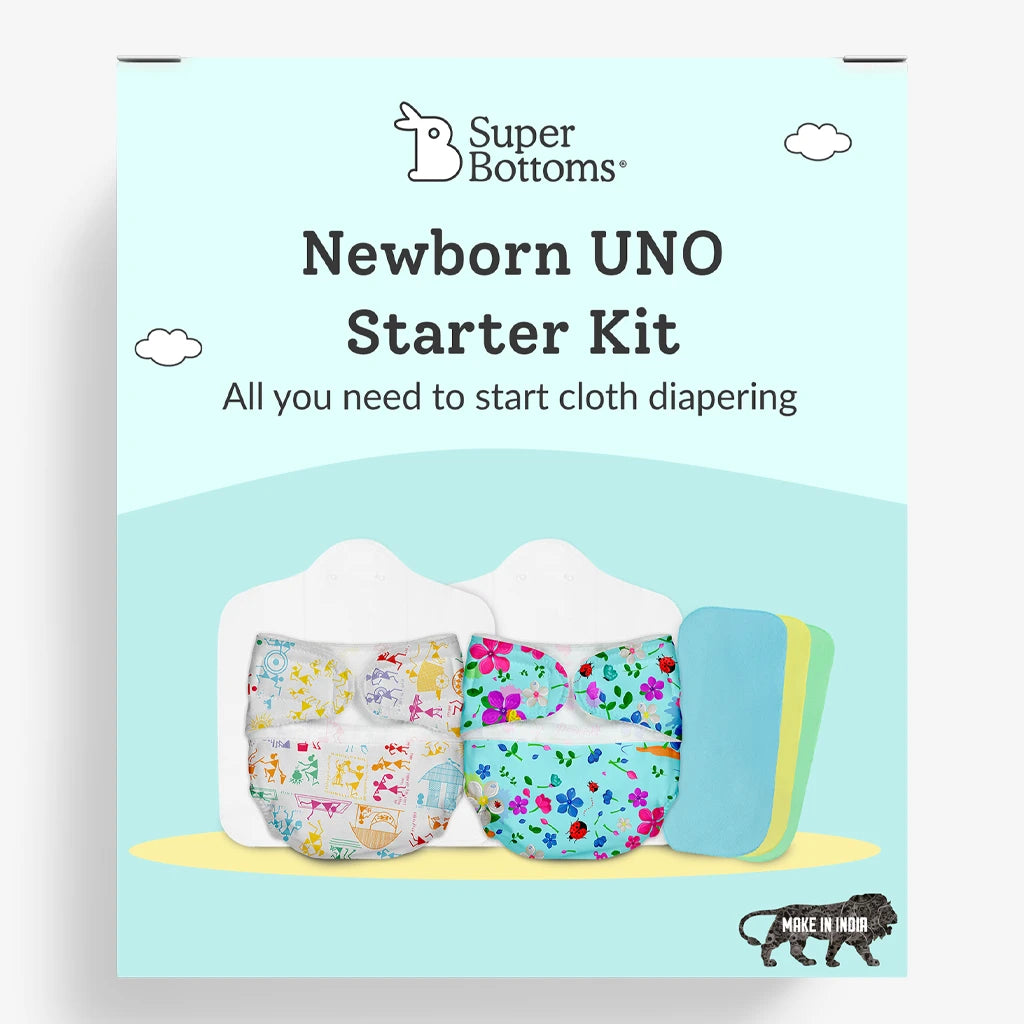
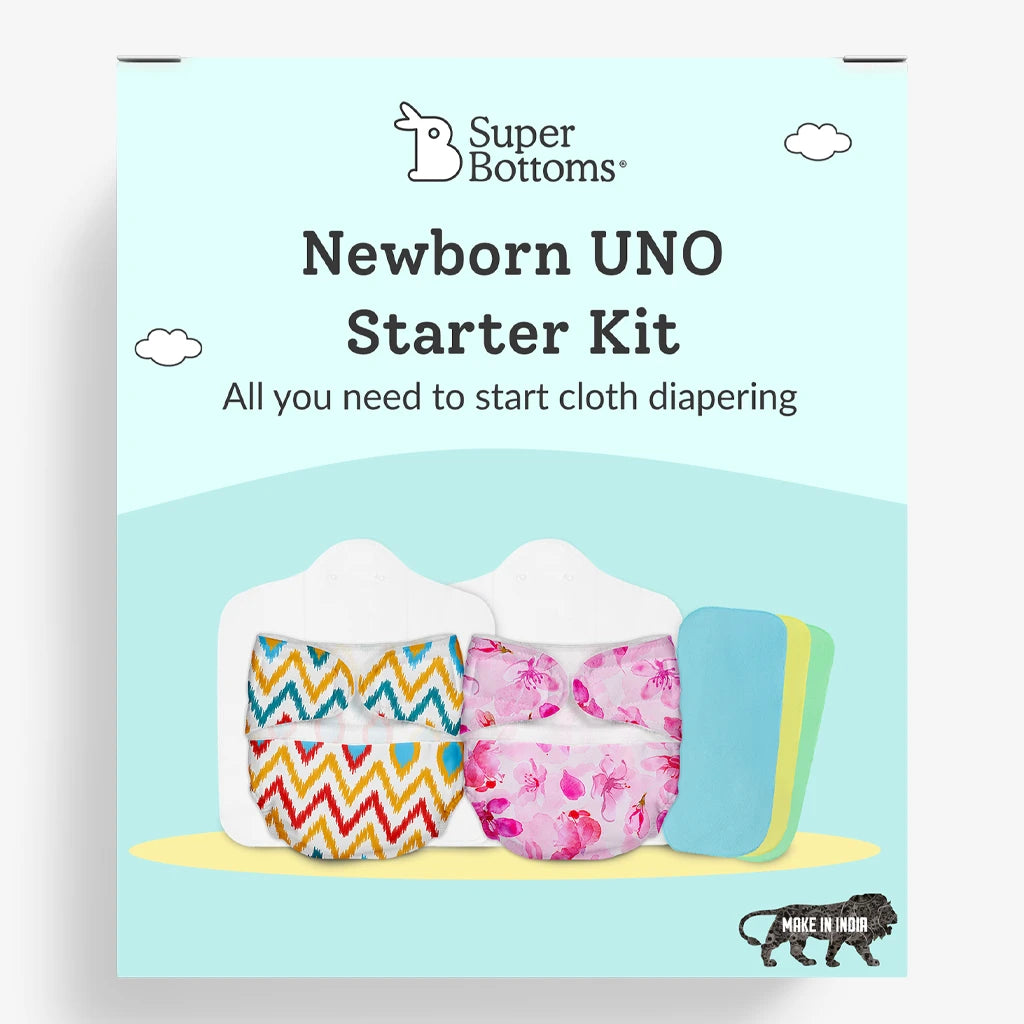
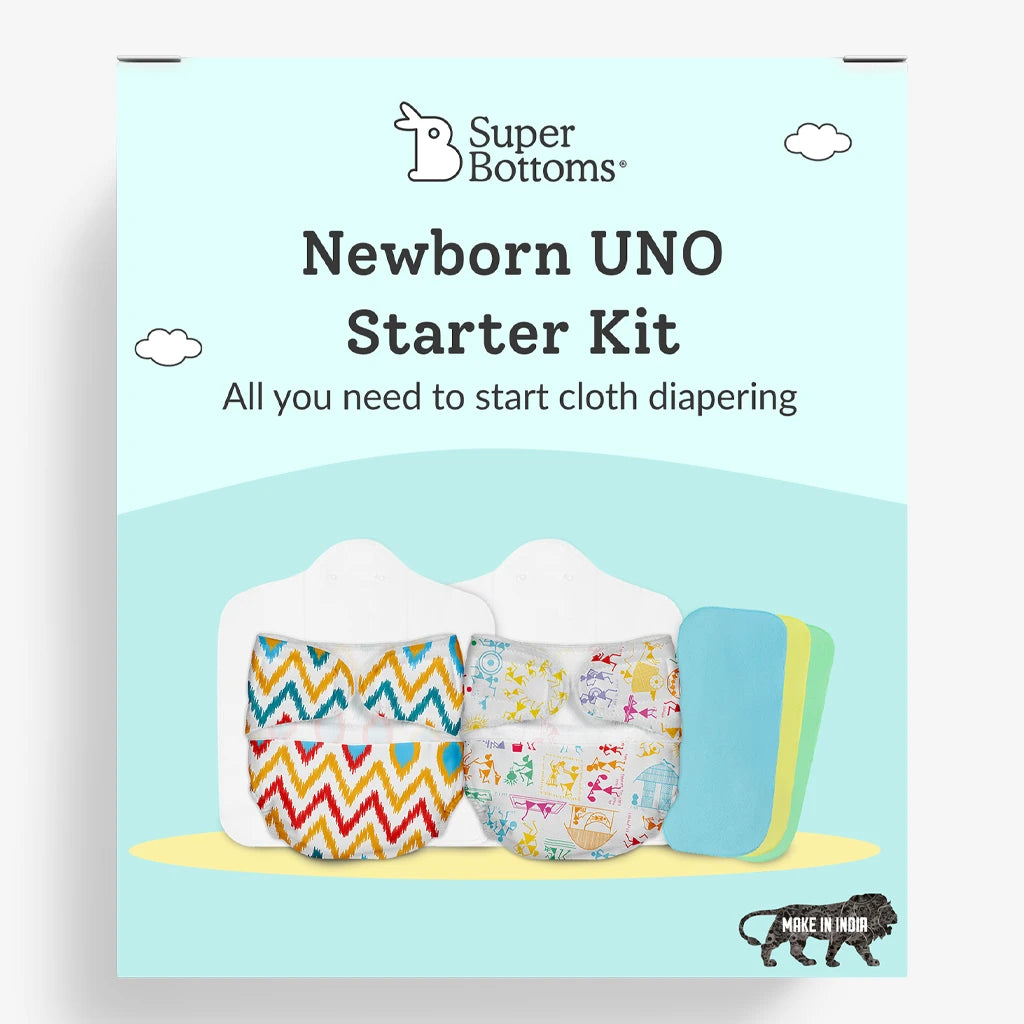
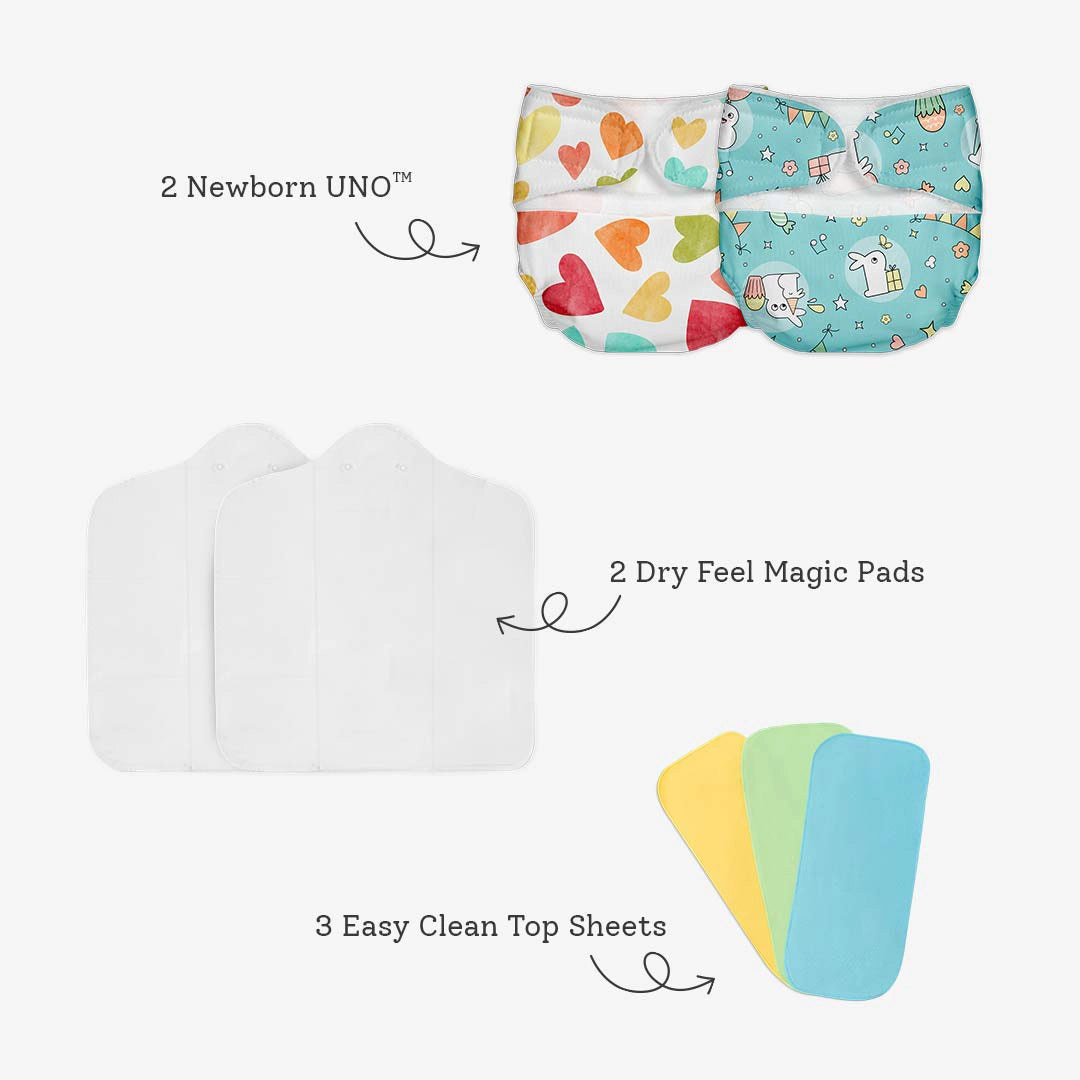
For parents using reusable diapers, a newborn-specific option such as SuperBottoms Newborn UNO is designed for babies from 0–3 months and combines a washable outer with a DryFeel Magic Pad and Velcro fastening.
What should you do before leaving?
Parent Checklist
☐ Check your baby's health and travel suitability
☐ Confirm transport and accommodation
☐ Install and test the car seat
☐ Pack a reachable diaper-and-feeding bag
☐ Carry medicines and health records
☐ Check airline or train policies
☐ Plan feeding, changing and rest stops
☐ Pack spare clothes
☐ Keep a delay backup plan
For India travel, consider weather, clean-water access, baby supplies and distance from medical care.
Is it safe to travel with a newborn?
For many healthy babies, travel can be possible with appropriate preparation, but timing and individual health matter. Air travel is generally safe for most infants, while babies with certain heart or lung conditions may need medical advice before flying.
What parents should know
You do not need a perfect trip. A flexible plan and accessible essentials bag matter more than carrying every possible item.
What is the practical solution?
Problem: Travel becomes stressful when essentials are buried, routines are ignored or safety is overlooked.
Solution: Pack a compact, accessible baby bag; plan around feeding and changing; use appropriate safety restraints; and build in breaks.
Why it helps: You spend less time searching for supplies and more time responding calmly.
For a child already potty training, training pants may help with small daytime accidents. SuperBottoms Potty Training Pants is a pull-up/pull-down option for ages 9 months to 4 years; it is not for overnight or heavy wetting.
Good newborn travel planning is about readiness, not overpacking. Prioritise safe transport, feeding, diaper changes, spare clothes and flexibility. For older children who are potty training, Padded Underwear can be a separate travel consideration.

Key Takeaways
- Pack essentials where you can reach them.
- Prioritise safe transport and regular breaks.
- Plan for delays, spills and changes.
FAQs
What are the most important newborn travel essentials?
Diapers, wipes, changing supplies, spare clothes, feeding supplies, medicines and a safe transport restraint are the basics.
Can I travel with a newborn by car?
Yes, when the baby is secured in an appropriate rear-facing infant car seat and the journey includes suitable breaks.
What should I pack for diaper changes while travelling?
Carry diapers, wipes, a changing mat, disposal bags, spare clothes and a waterproof wet/dry bag.
Can Padded Underwear be used for newborn travel?
No. Padded Underwear is designed for older babies and toddlers, particularly during potty training, rather than newborn diapering.