









Newborn poop can surprise first-time parents in more ways than one. From black and sticky stools in the first few days to mustard-yellow poop later on, a baby's poop changes often during the early months. Understanding normal newborn poop colors, texture, and frequency can help parents feel more confident while also recognising signs that may need medical attention.
This guide explains what's normal, what's not, and when it may be time to check with your paediatrician.
- What is the normal color of baby poop?
- Why does newborn poop change color?
- What does the newborn poop chart look like by age?
- How often should newborns poop?
- What does foamy poop mean?
- Which poop colors may need medical attention?
- Which diapering essentials work best for frequent newborn changes?
- Is It Worth Tracking Baby Poop Patterns?
- Key Takeaways
- FAQs
- Message from SuperBottoms
What Is the Normal Color of Baby Poop?
The normal color of baby poop changes as your baby grows, feeds, and develops. In the early weeks, it's completely normal to notice different shades and textures.
Most healthy babies transition through several poop colors during the newborn stage, especially in the first month.
Common newborn poop colors include:
- Black
- Dark green
- Mustard yellow
- Brown
- Greenish-yellow
The color often depends on:
- Baby's age
- Breastfeeding or formula feeding
- Digestion changes
- Iron intake
Why Does Newborn Poop Change Color?
A newborn's digestive system is still developing, so stool appearance naturally changes during the first few weeks.
Feeding patterns, milk intake, hydration, and gut adaptation all influence poop color and consistency.
Meconium: The First Poop
In the first 1–3 days, babies pass a thick, black or dark green sticky stool called meconium.
This is completely normal.
Transitional Poop
After meconium, poop often becomes:
- Greenish
- Brownish
- Lighter in texture
This transition usually happens within the first week.
Yellow Baby Poop
Breastfed babies commonly develop mustard-yellow stools with a soft, seedy texture.
This is considered healthy and normal.
Expert Answer
What Does the Newborn Poop Chart Look Like by Age?
A simple baby poop chart by age can help parents understand what's typical during different stages.
| Baby Age | Common Poop Color | Texture |
|---|---|---|
| 0–3 days | Black or dark green | Sticky, tar-like |
| 4–7 days | Greenish-brown | Softer |
| 1–6 weeks | Yellow or mustard | Seedy, loose |
| Formula-fed babies | Yellow-brown or tan | Thicker |
| Older babies | Brown, green, yellow | More formed |
This gradual change is part of healthy digestive development.
What Parents Should Know
How Often Should Newborns Poop?
Newborn poo frequency can vary significantly, especially between breastfed and formula-fed babies.
Some newborns poop after every feed, while others may skip a day occasionally.
General Newborn Poop Frequency
| Feeding Type | Common Frequency |
|---|---|
| Breastfed newborns | Several times daily |
| Formula-fed newborns | 1–4 times daily |
| Older breastfed babies | May poop less often |
Frequency matters less than:
- Baby's comfort
- Feeding patterns
- Weight gain
- Stool consistency

What Does Foamy Poop Mean?
Parents sometimes notice bubbly or frothy stools and wonder what it means.
If you're asking what does foamy poop mean, occasional foamy stool may happen due to:
- Fast feeding
- Mild digestive adjustment
- Temporary milk imbalance
However, persistent foamy poop combined with:
- Poor weight gain
- Excessive fussiness
- Blood in stool
- Severe diarrhea
should be discussed with a pediatrician.
What to Look For
Which Poop Colors May Need Medical Attention?
Some poop colors are considered warning signs and should not be ignored.
Contact Your Pediatrician If You Notice:
| Poop Color | Possible Concern |
|---|---|
| White or pale grey | Liver or bile issues |
| Red or bloody | Bleeding or irritation |
| Persistent black (after meconium stage) | Possible bleeding |
| Very watery diarrhea | Infection or dehydration |
Most green or yellow variations are normal.
Which Diapering Essentials Work Best for Frequent Newborn Changes?
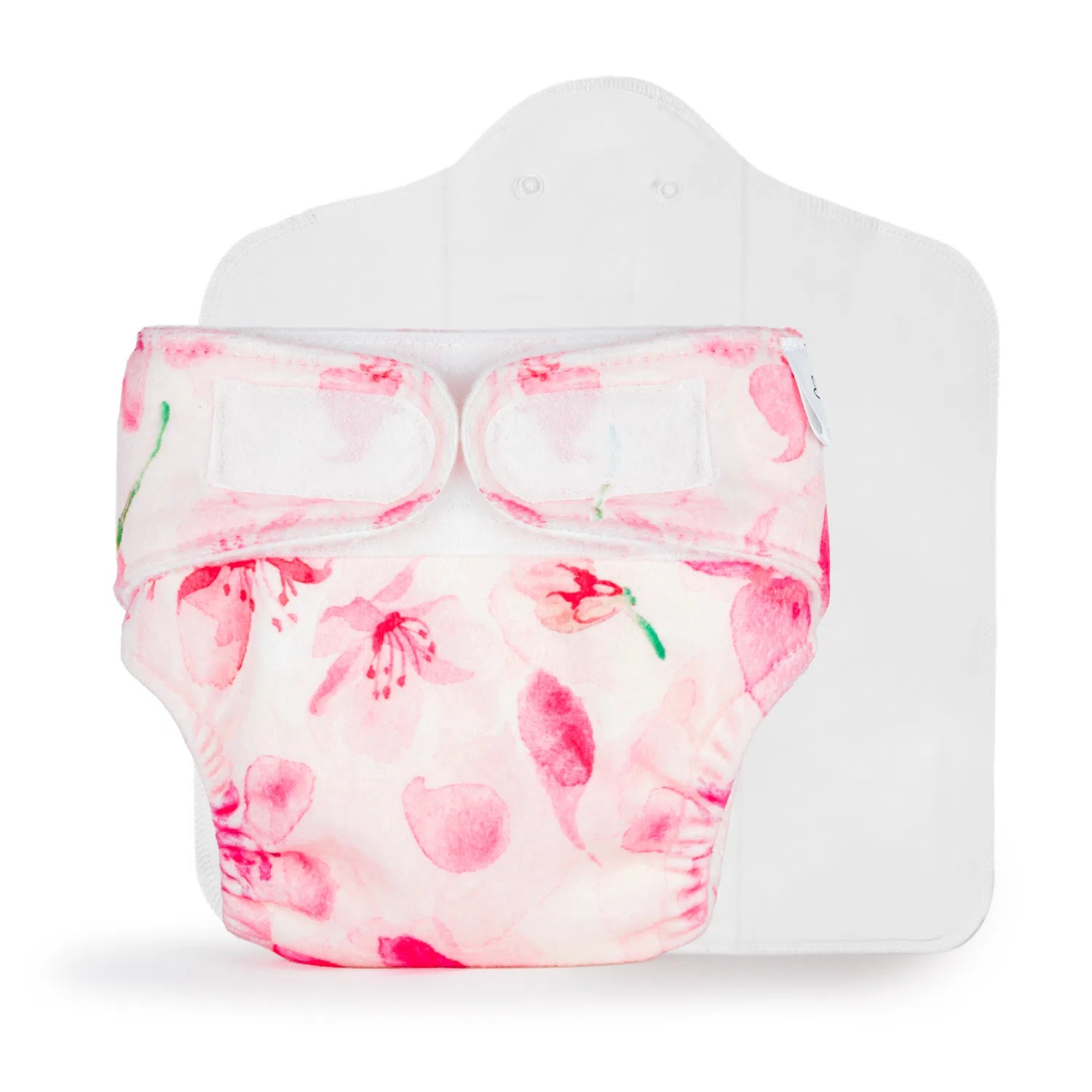
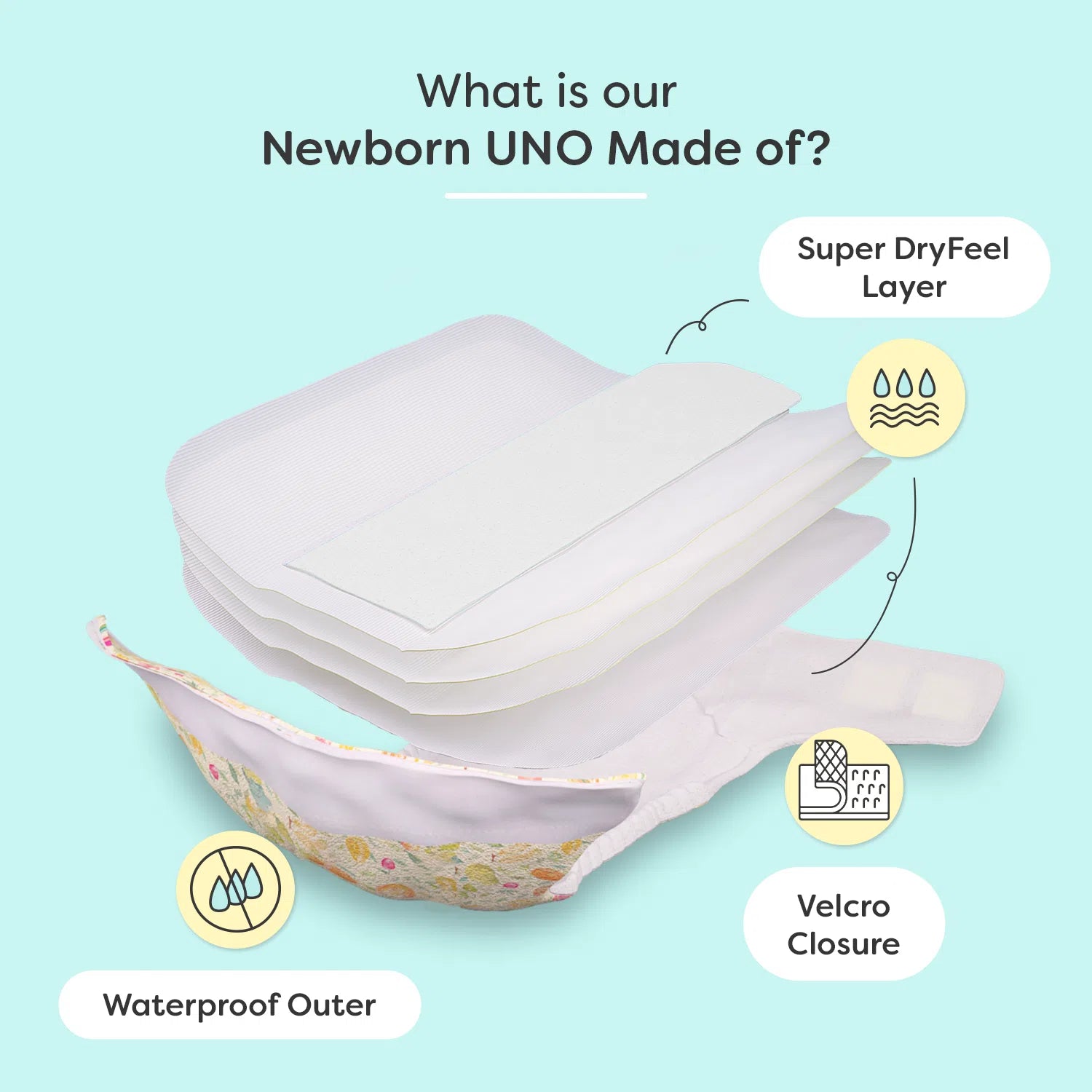
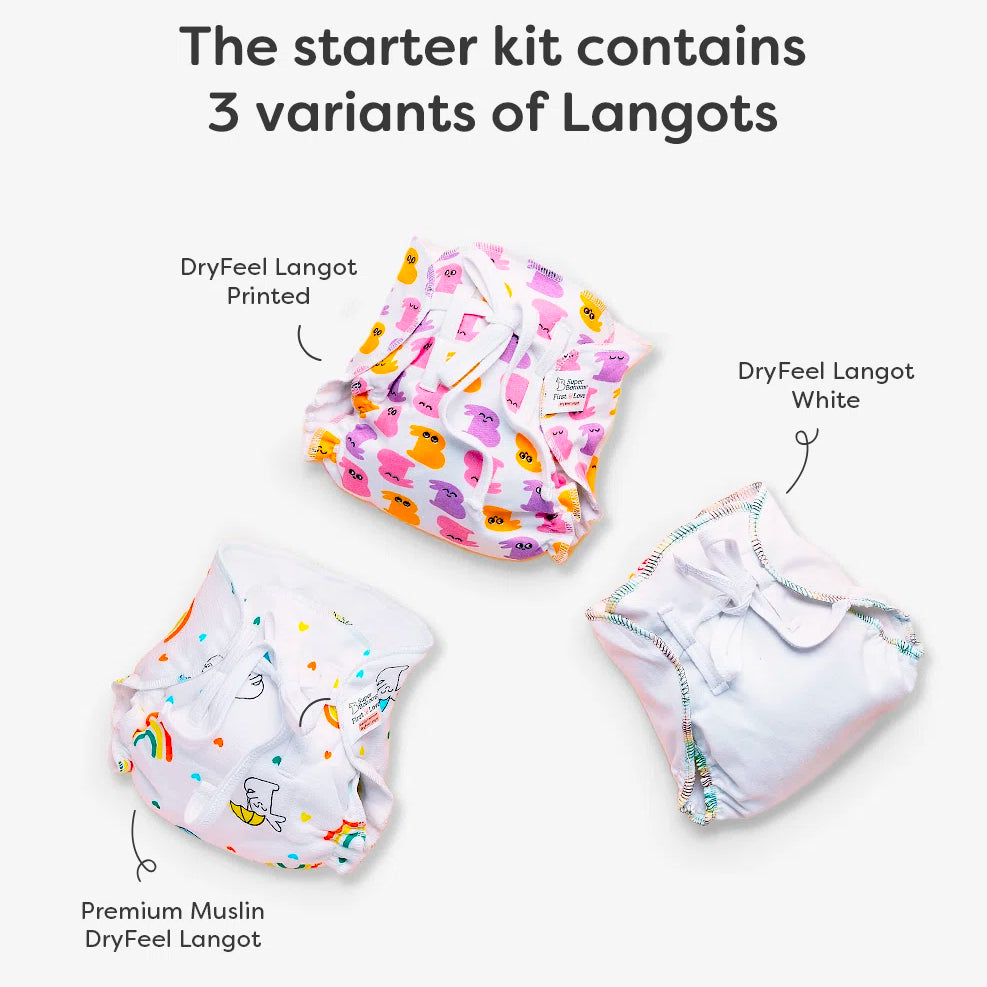
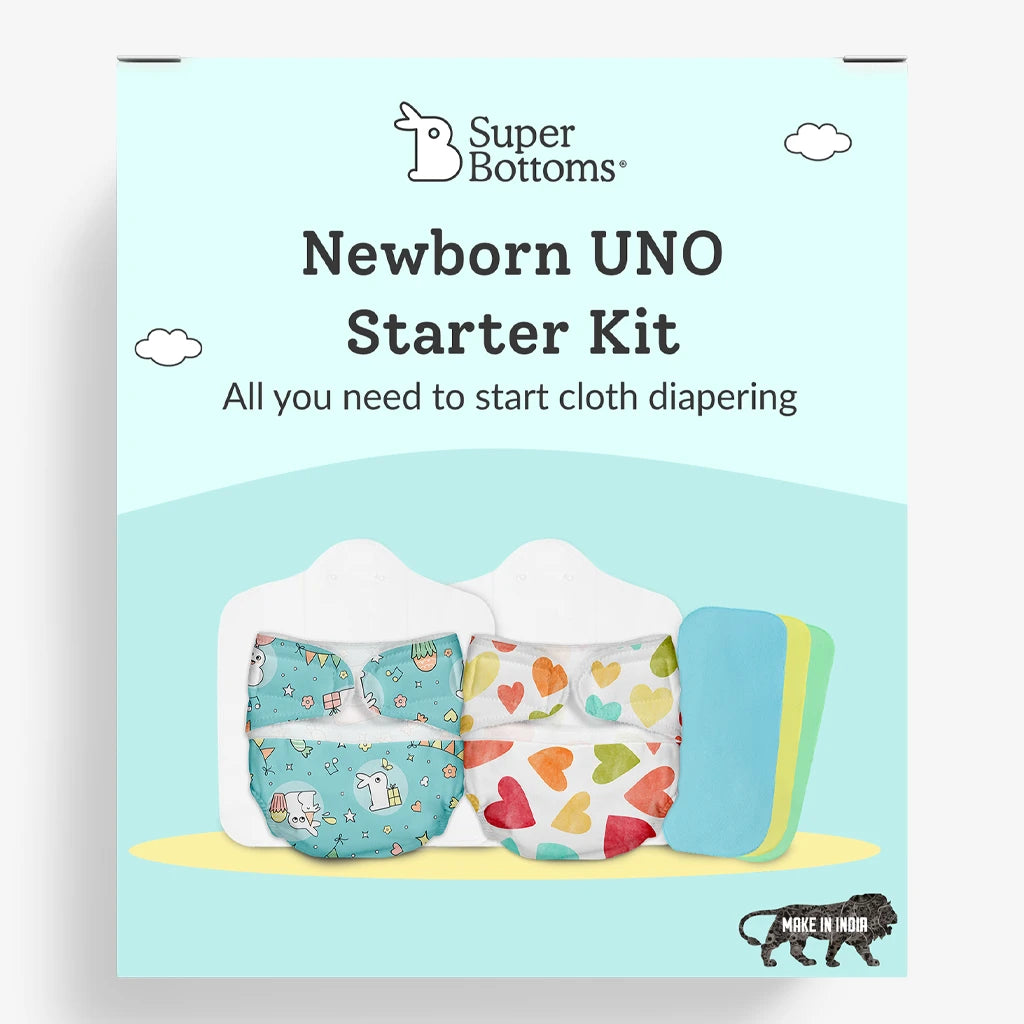
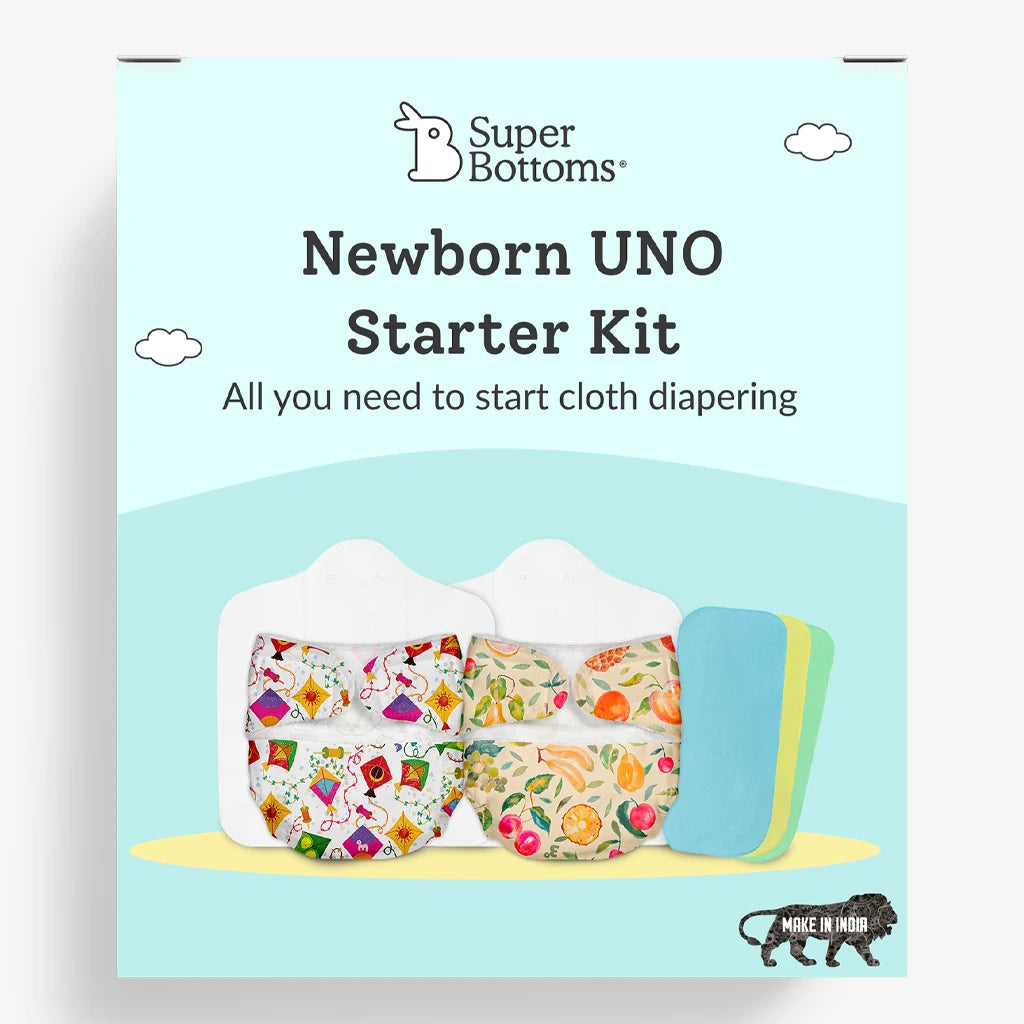
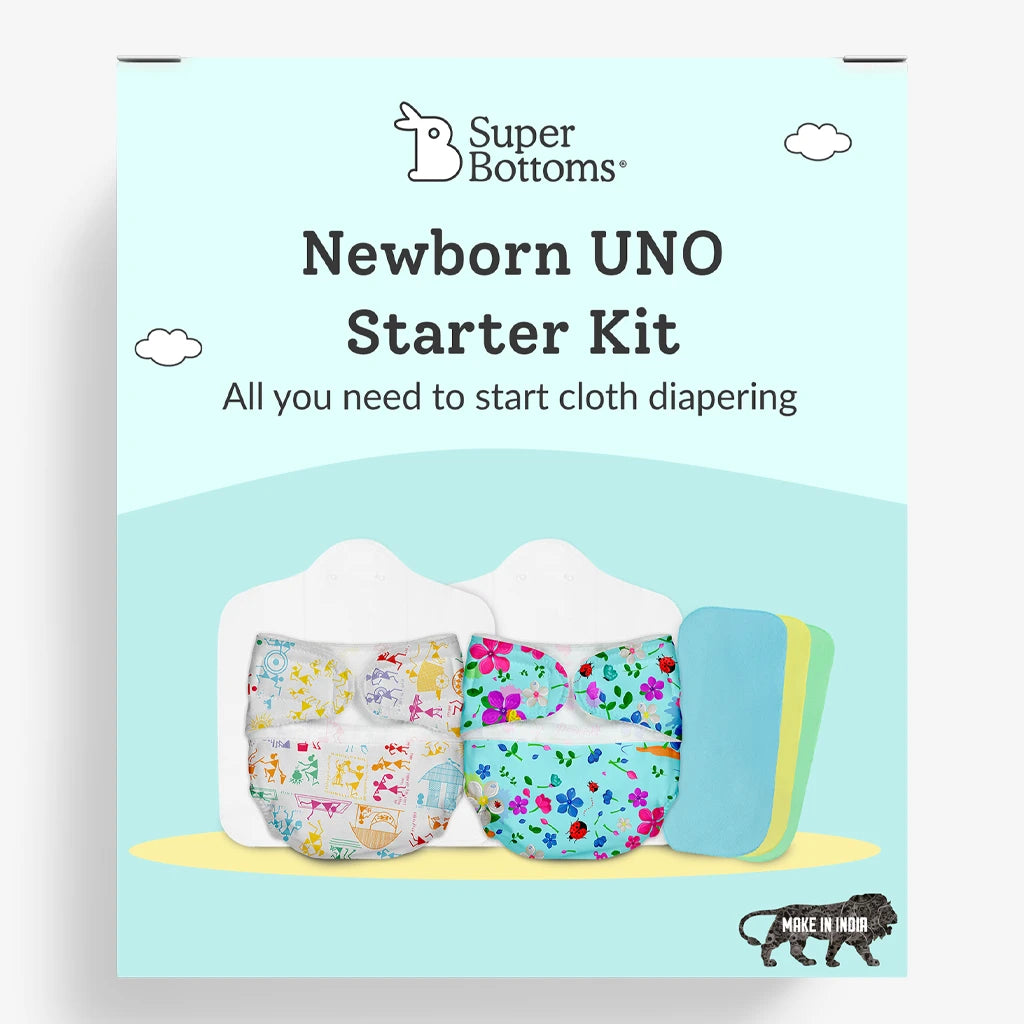
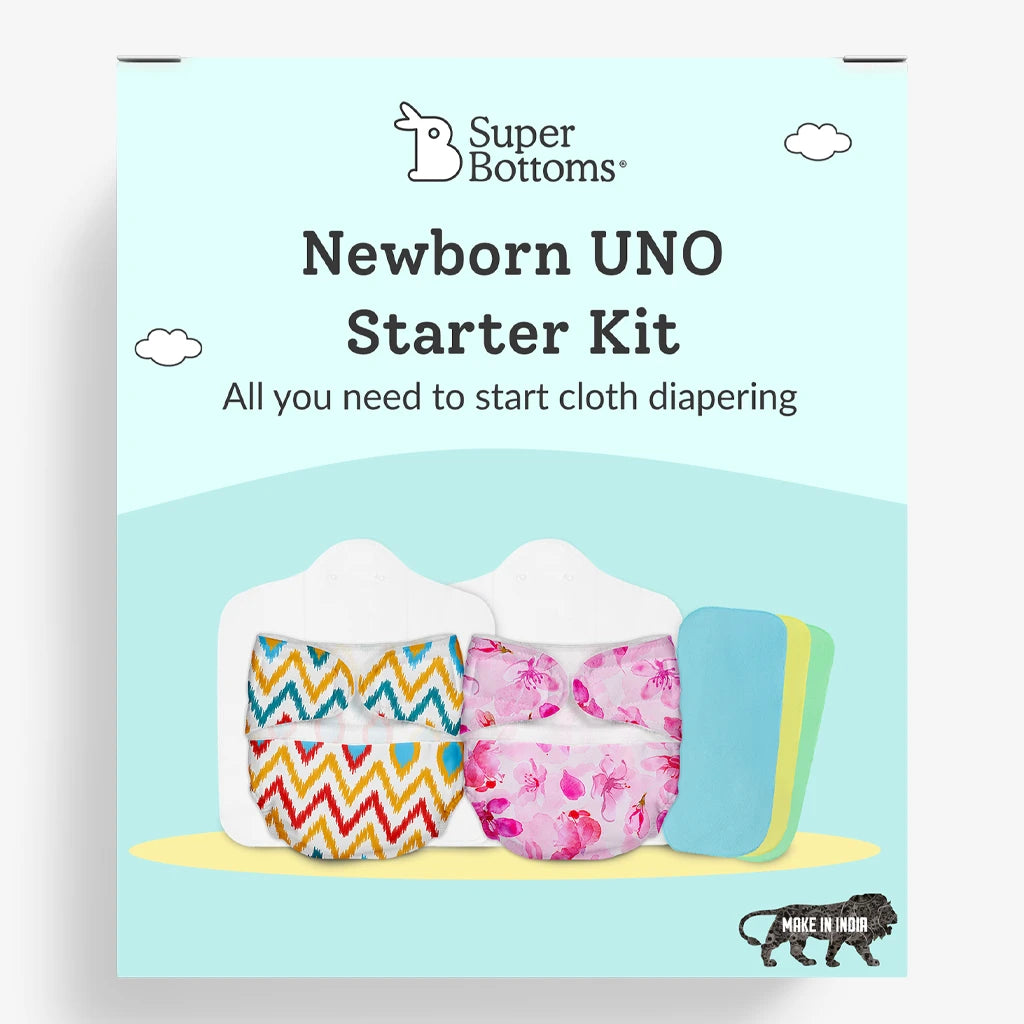
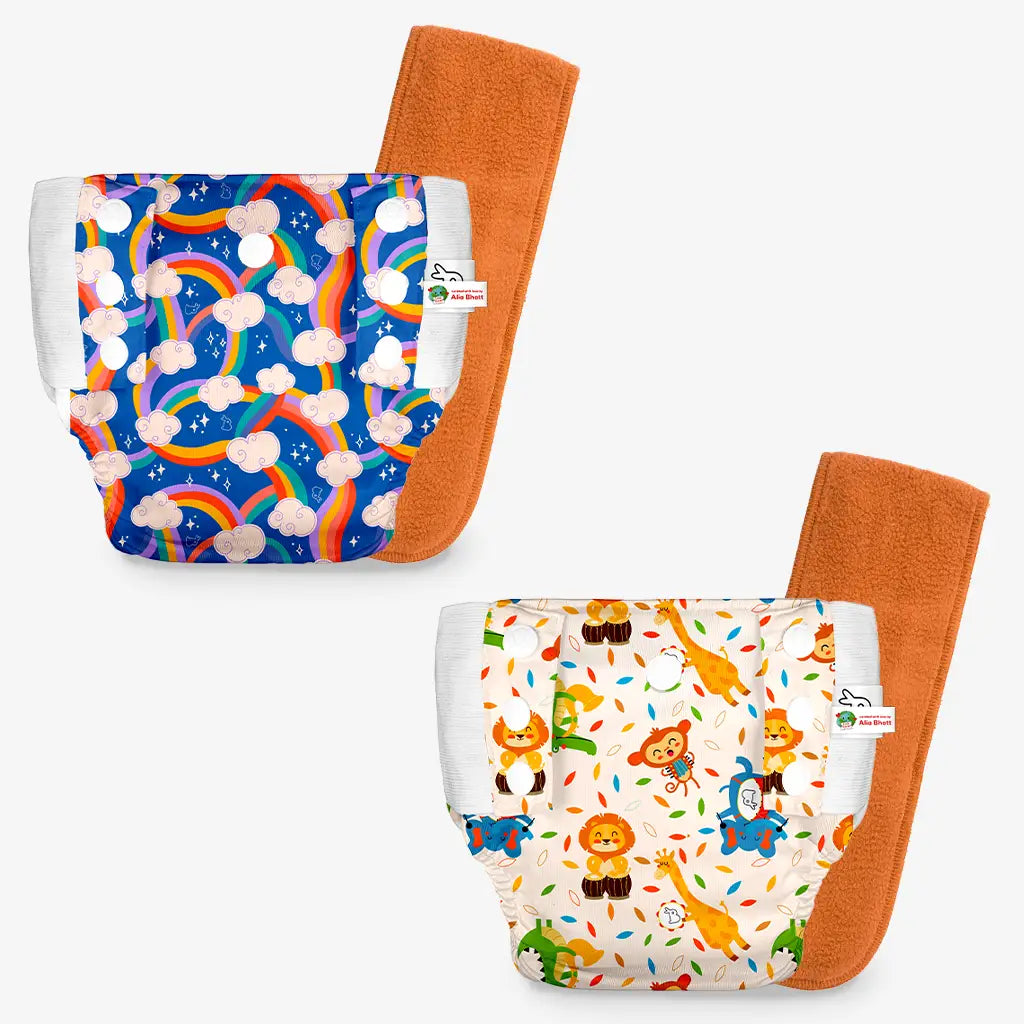
Newborns need frequent diaper changes, especially during the first few months. Choosing soft, breathable diapering essentials can help make these repeated changes more comfortable for babies and easier for parents.
Practical features to prioritise:
- Soft fabric contact
- Easy changing access
- Breathable materials
- Gentle fit
- Leak protection
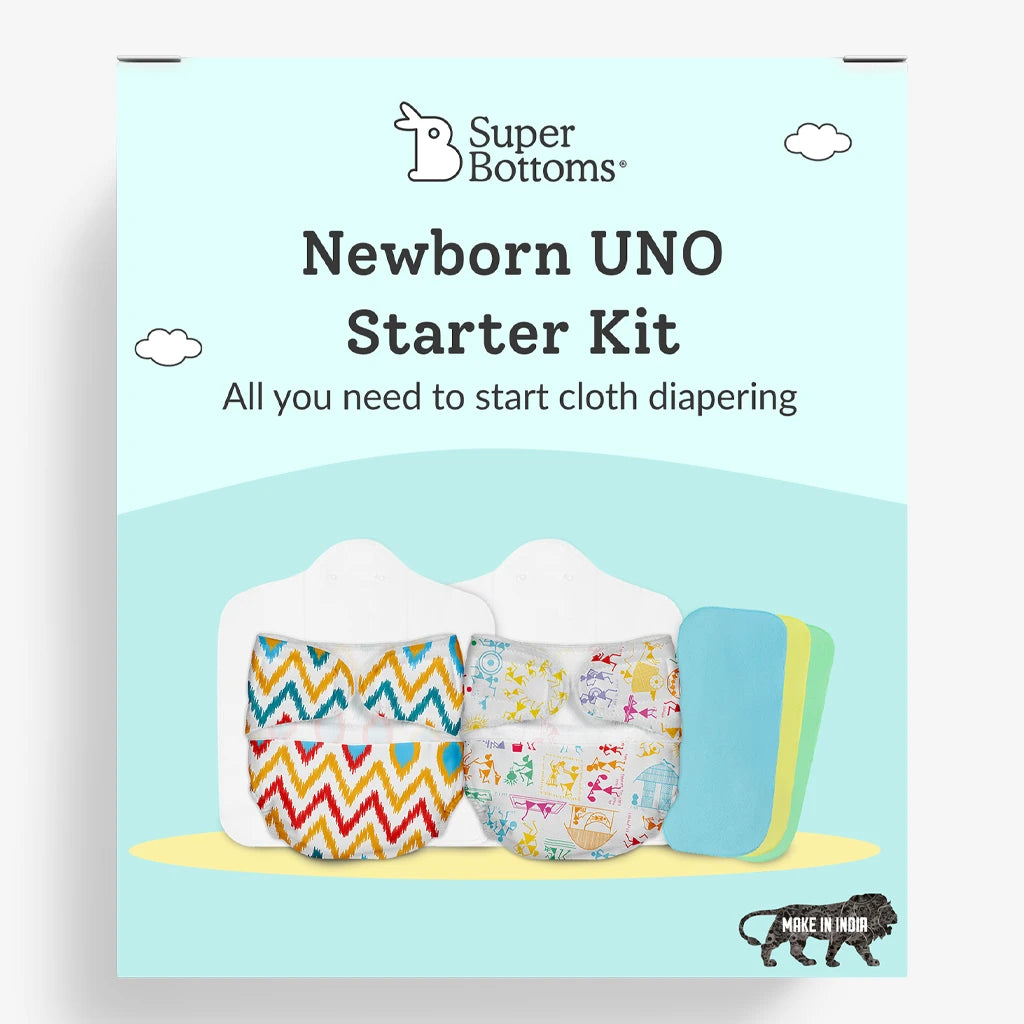
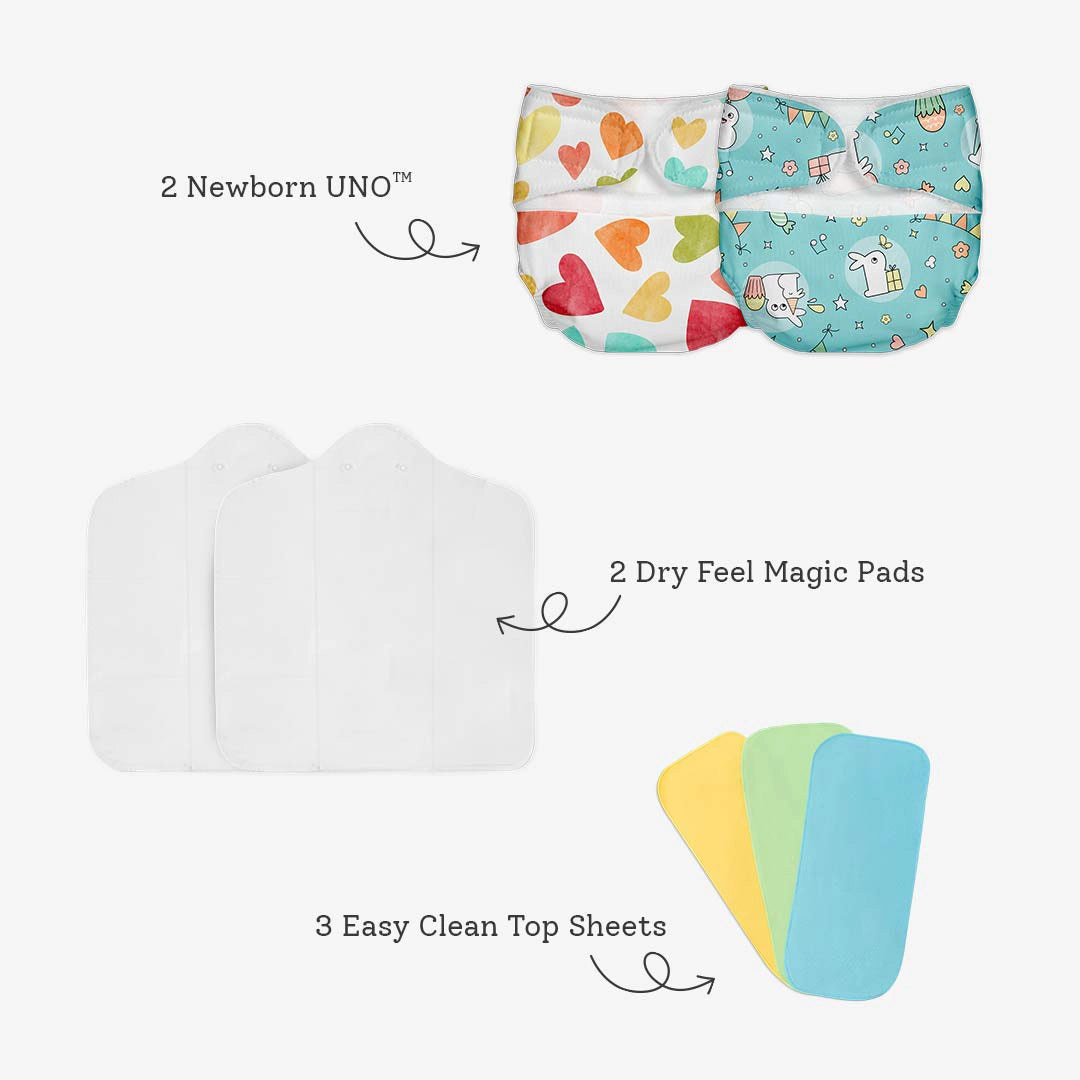
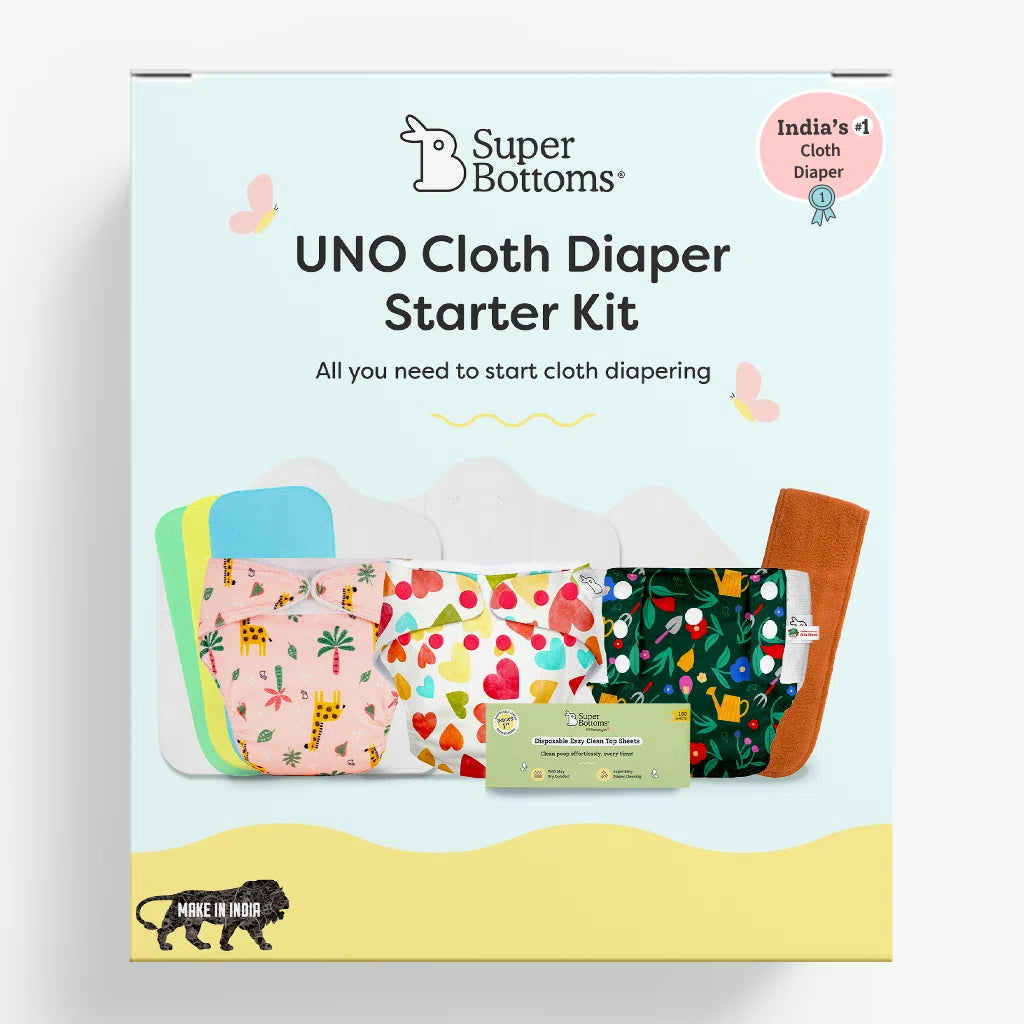
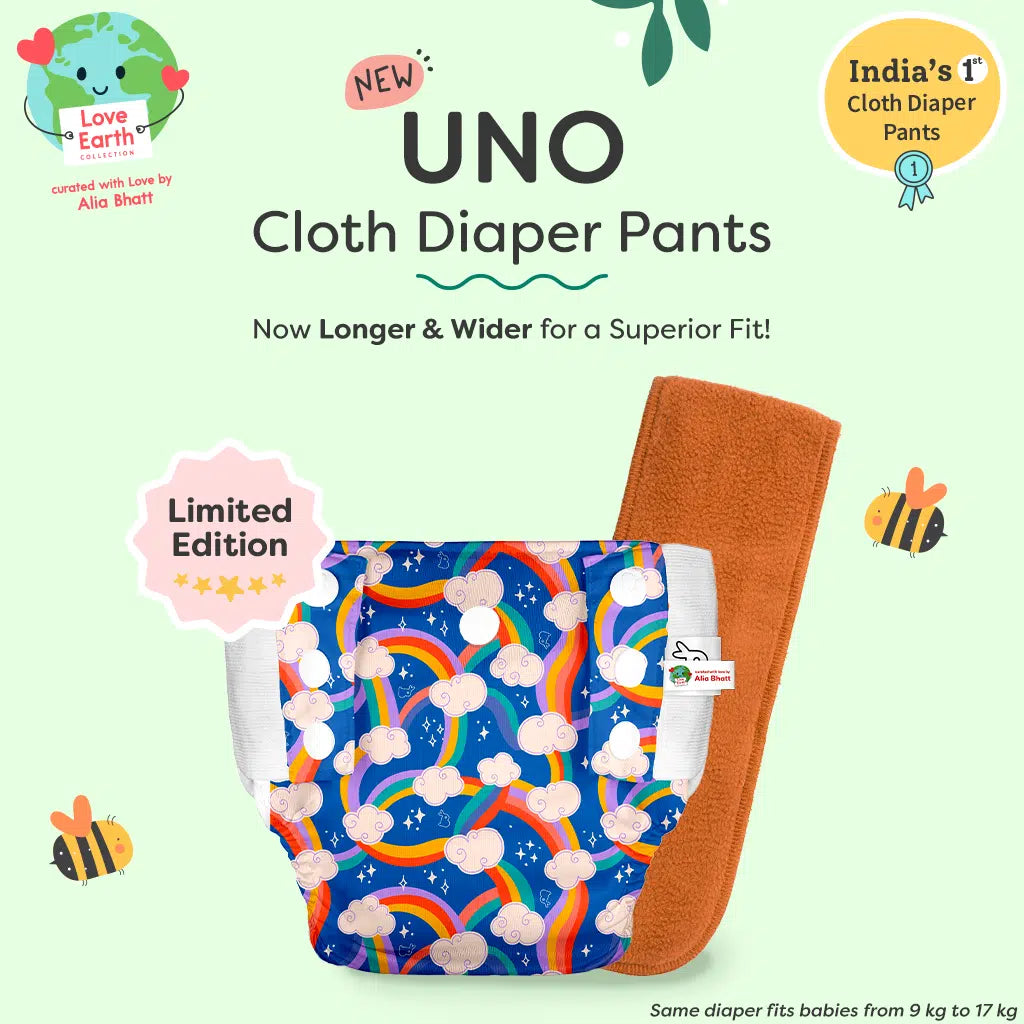
SuperBottoms Pick: SuperBottoms Newborn Essentials
Check product details → SuperBottoms cloth diaper vs langot guide
Is It Worth Tracking Baby Poop Patterns?
Yes—especially during the newborn stage.
Tracking poop patterns can help parents notice:
- Feeding adequacy
- Digestive changes
- Hydration concerns
- Possible illness signs
You don't need to monitor obsessively, but understanding what's normal can reduce anxiety and help identify concerns earlier.
Parent Insight
Newborn poop changes frequently in the first few weeks, and most color variations are completely normal. Understanding common poop colors, textures, and frequency can help parents feel more confident during diaper changes and early newborn care.
The most important things to watch are your baby's overall comfort, feeding, hydration, and growth—not just one unusual diaper.
For families managing frequent newborn diaper changes, soft and breathable diapering essentials like SuperBottoms Newborn Essentials can help support everyday comfort.
Find the right fit → Explore SuperBottoms newborn essentials
|
Limited Time Offers + Special Gift Sets! Now or never Super SALE is live on the SuperBottoms website! Take advantage of unbeatable value deals on our UNO Cloth Diapers, Baby Essentials, and more. Looking for the perfect present for a newborn or a toddler? Explore our thoughtfully curated Gift Sets & Combos - safe, skin-friendly, and oh-so-cute! A bundle of love for little ones and a delight for parents. HURRY - Deals and Gift Packs are live only till stocks last. Don't miss the chance to stock up and share the joy! |
Key Takeaways
- Newborn poop color and texture change frequently during the first few weeks.
- Yellow, green, and brown poop are usually normal.
- White, pale grey, bloody, or persistent black stools should be medically evaluated.
- Newborn poop frequency varies widely between babies.
FAQs
What is the normal color of baby poop?
The normal color of baby poop can range from black and green in the early days to mustard yellow, brown, or greenish-yellow later.
What does the newborn poop chart look like?
A typical newborn poop chart changes by age, feeding type, and digestive development.
How often should newborns poop?
Some newborns poop several times a day, while others may poop less frequently. Both can be normal.
What does foamy poop mean in babies?
Occasional foamy poop may happen due to feeding or digestion changes, but persistent symptoms should be medically reviewed.
Is yellow poop in toddlers normal?
Yes, occasional yellow poop in toddler stages can happen due to diet or digestion changes, especially if the child otherwise feels well.
Which poop colors are dangerous for babies?
White, pale grey, bloody, or persistent black stools should be checked by a pediatrician.
Is SuperBottoms suitable for newborn diaper changes?
SuperBottoms newborn essentials are designed to support soft, breathable comfort during frequent diaper changes.
Where can I buy newborn essentials in India?
Parents can explore newborn diapering and care essentials directly through SuperBottoms online.
Hi there, new parents! SuperBottoms brings you doctor-recommended cloth diapers - the best rash-free diapering solution for your baby's sensitive and delicate skin. Unlike disposable diapers loaded with chemicals, our newborn cloth diapers, when used and washed properly, can help eliminate the risk of diaper rashes. SuperBottoms offers a wide range of safe, skin-friendly essentials for the whole family - including Reusable Cloth Diapers, Diaper Pants, DryFeel langots for diaper-free time, Padded Underwear for potty training, SuperSoft Underwear for everyday comfort, Joggers for playful days, and Period Underwear for women. Not just for everyday use, SuperBottoms products also make the best gifting choice for babies - thoughtful, eco-friendly, practical, and loved by parents. Now available on Amazon, Myntra, Flipkart, FirstCry, Zepto, Swiggy and Blinkit.