





This article talks about:
- Newborn baby essentials simplify daily care
- Five essentials support newborn comfort
- Practical choices reduce unnecessary spending
- New parents need thoughtful preparation
- A baby essentials kit grows gradually
Preparing for a newborn can feel overwhelming. Between hospital bag lists, family advice and online shopping, it is easy to buy more than your baby needs. The best approach is to start with five everyday essentials. This newborn baby essentials checklist covers what to buy, what to consider and how to prepare without overspending.
What are the 5 must-have newborn essentials?
The five essential categories for newborn care are clothing, diapering, feeding, sleep and hygiene. Together, they cover the basics needed during the first weeks at home.
Parents do not need to buy everything before birth. Start with practical items that suit the baby's age, the family's routine and the season.
1. Soft, comfortable baby clothes
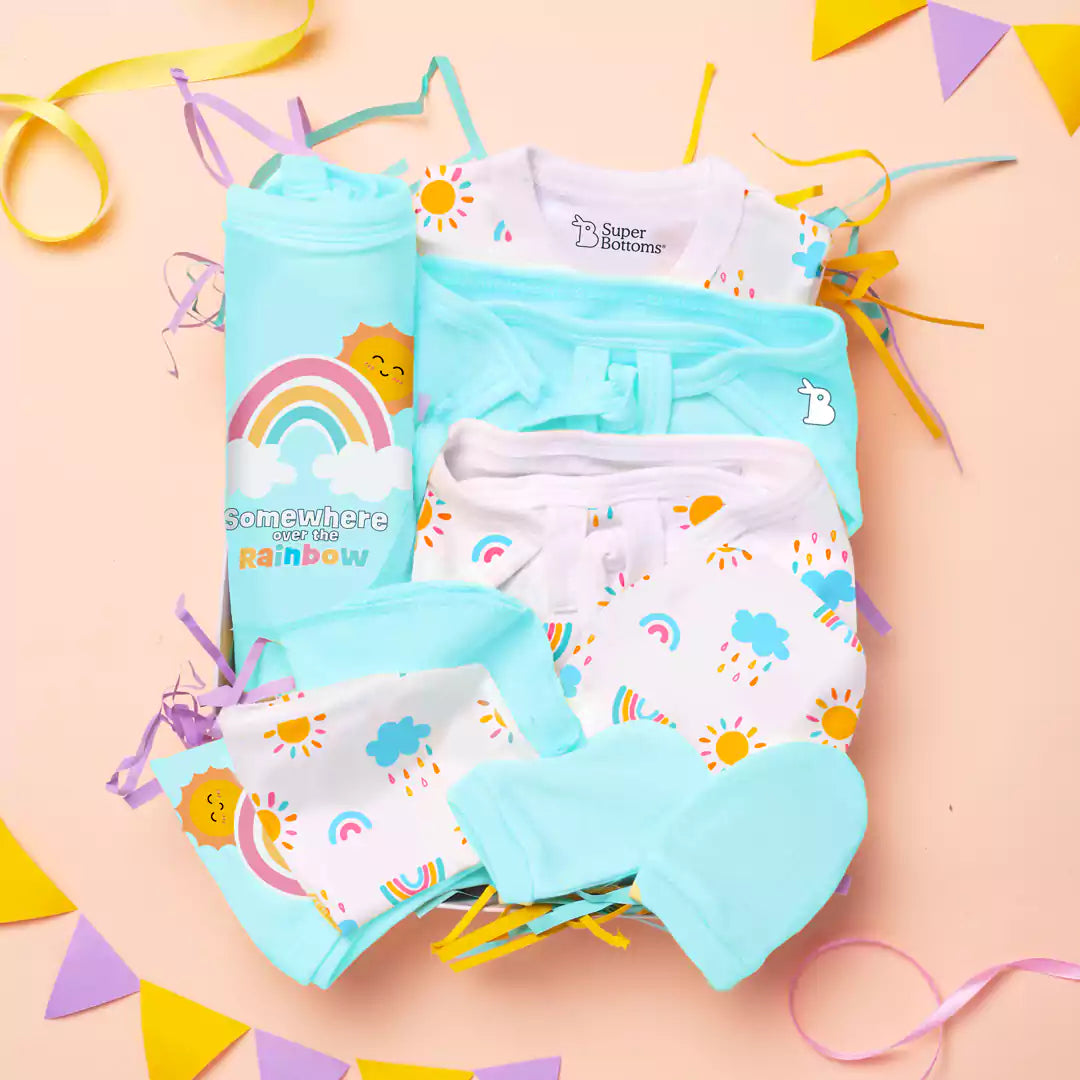
Newborns need soft, breathable clothing that is easy to put on and change. Choose practical basics rather than a large wardrobe.
What to include
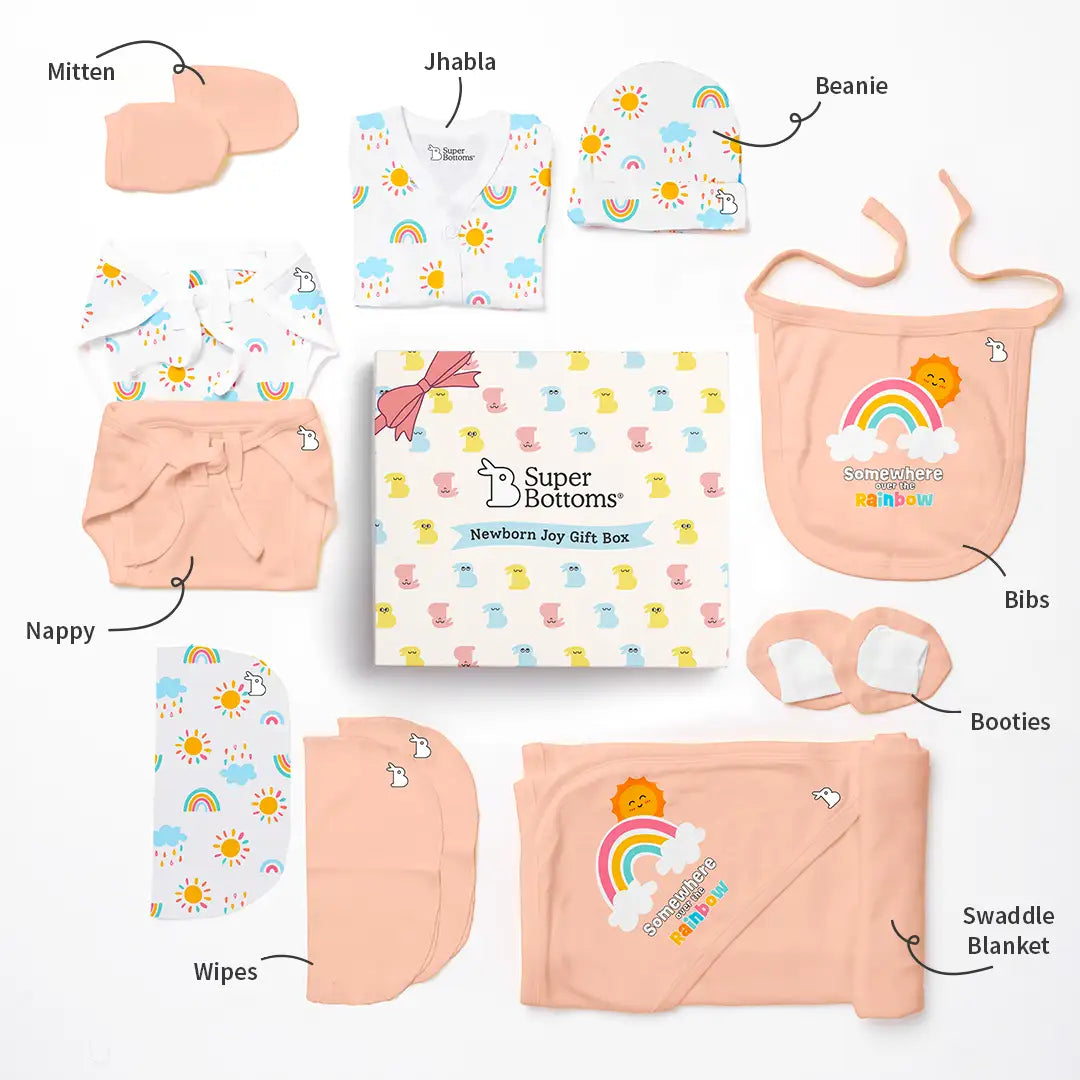
- 5–6 cotton tops or bodysuits
- 3–4 bottoms or sleepsuits
- 2–3 muslin or cotton wraps
- A few pairs of socks
- Caps or mittens, when appropriate
Front-open clothes are useful during frequent changes. In India's warmer months, lightweight cotton can help keep babies comfortable. Colder weather may require suitable additional layers.
What parents should know
Newborns outgrow clothes quickly. Buy a few sizes thoughtfully, wash new clothes before use and avoid overdressing your baby.
2. Newborn diapers and changing supplies
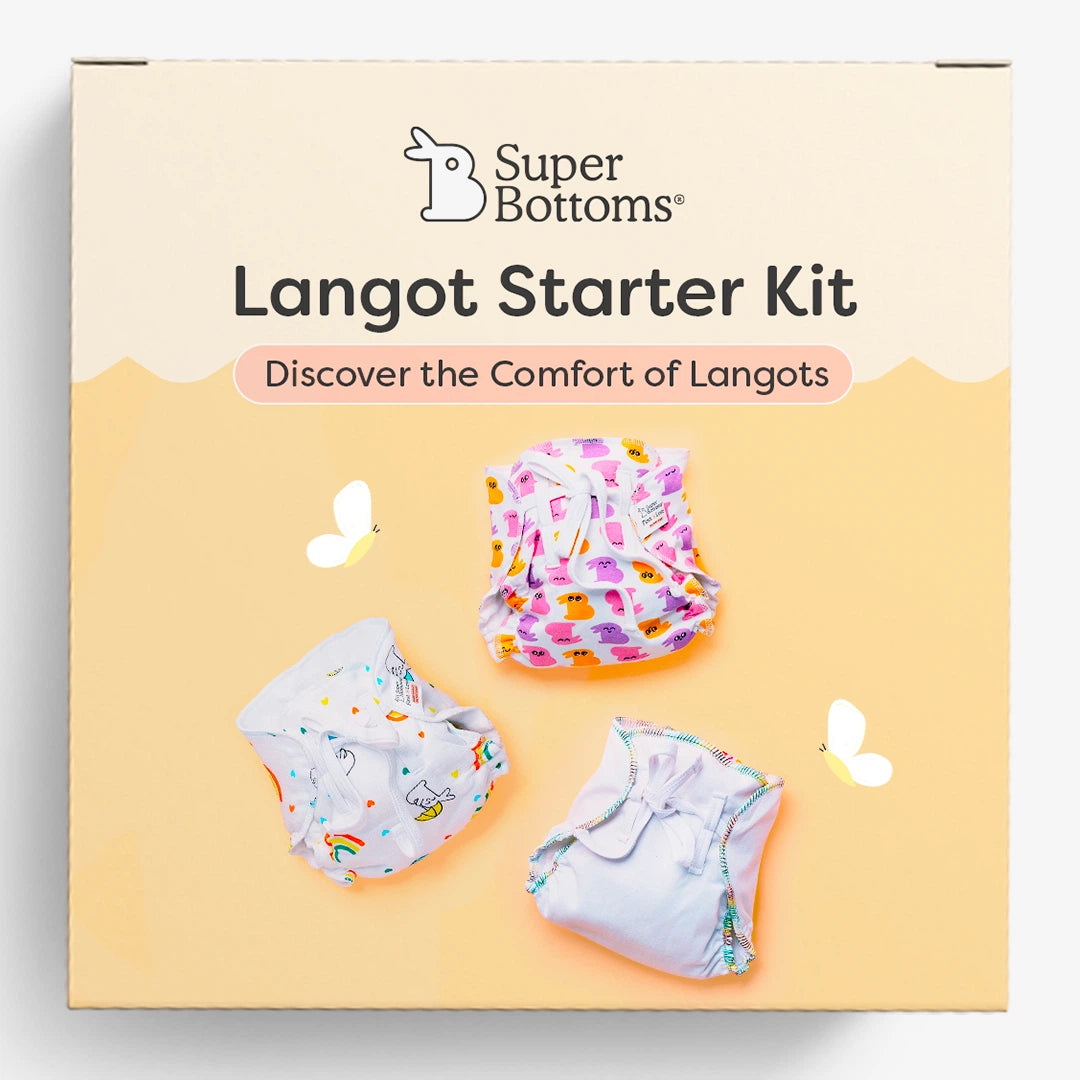
Diapering is one of the most frequent newborn-care tasks. Keeping diapers and changing supplies together makes everyday changes easier.
Your newborn diapering essentials list
- Newborn diapers in a suitable size
- Soft wipes or clean cotton cloths
- A changing mat
- A few spare outfits
- A suitable diaper disposal arrangement

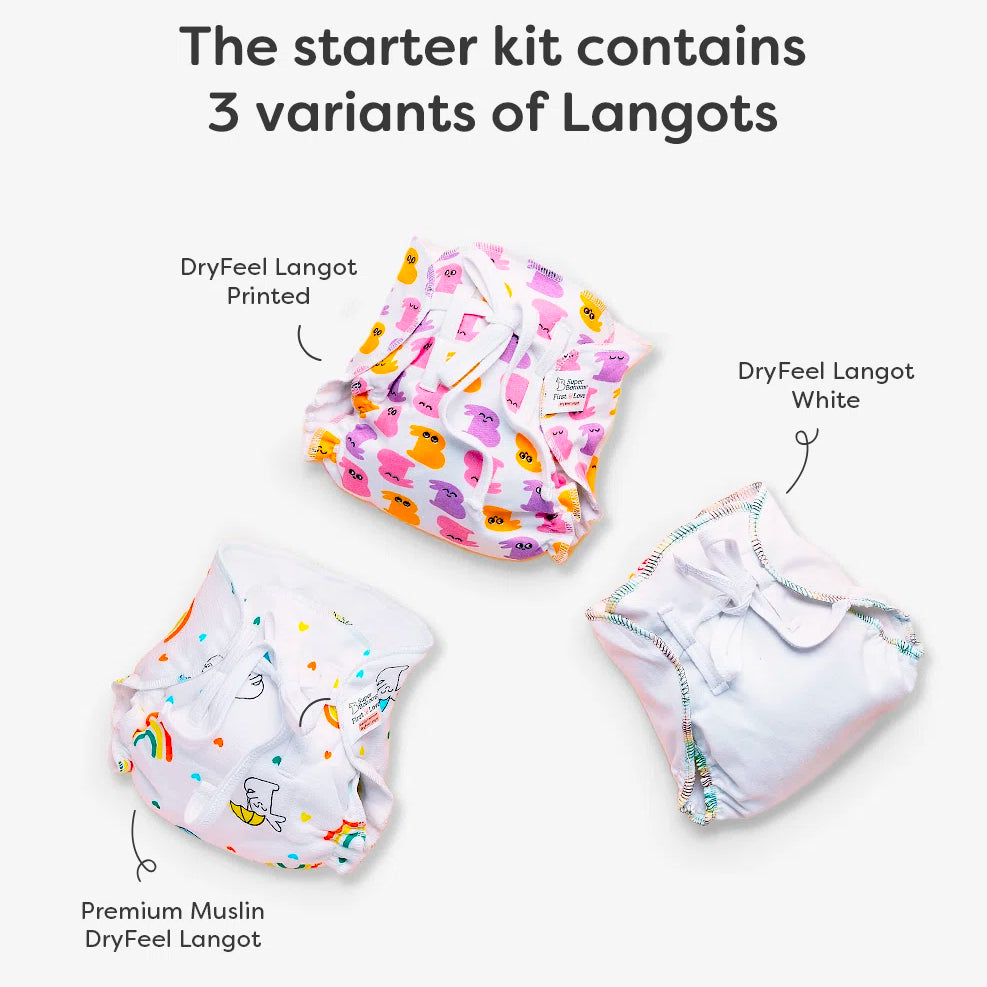
Which diaper option is better for a newborn?
|
Option |
Best for |
What to consider |
|---|---|---|
|
Disposable newborn diapers |
Convenient changes |
Size, fit and regular changes |
|
Reusable cloth diapers |
Washable diapering |
Fit, absorbency and washing |
|
Newborn cloth nappies |
Traditional nappy styles |
Comfort and frequent changes |
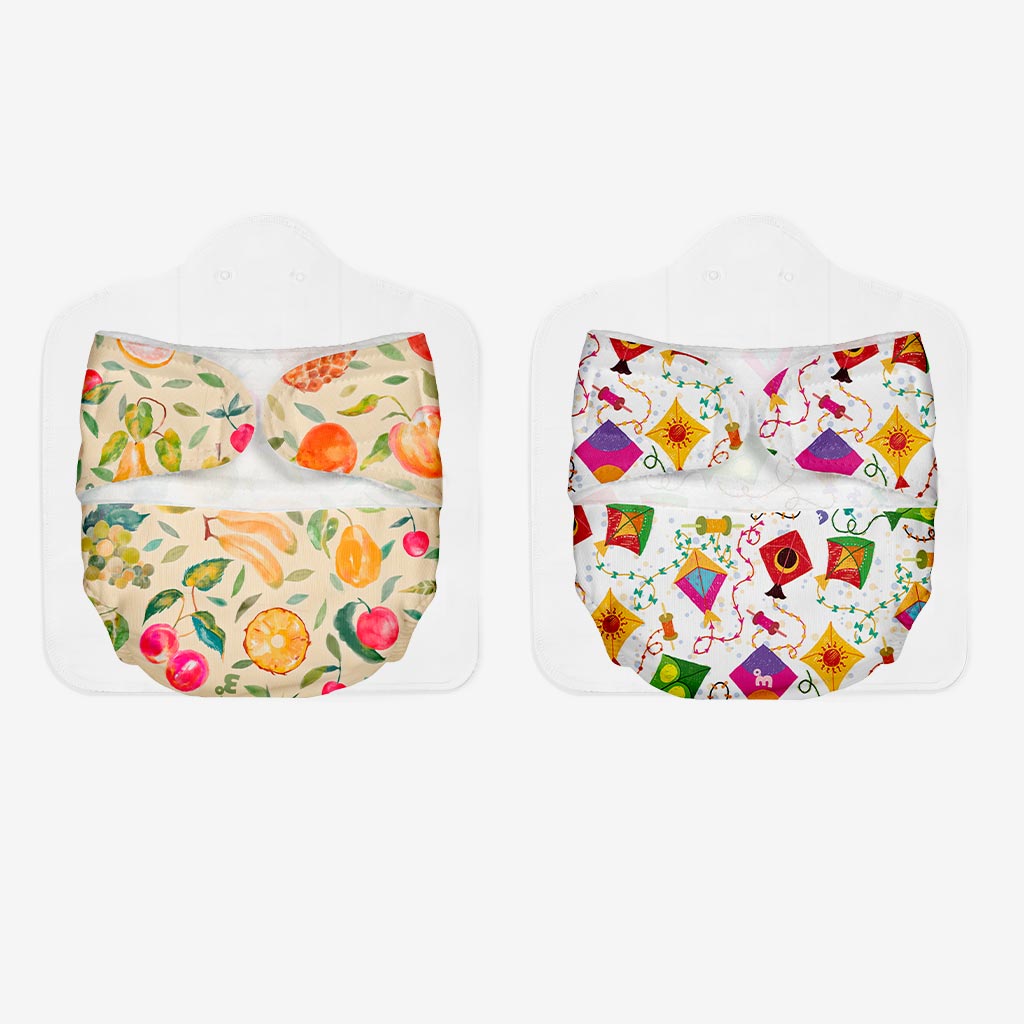
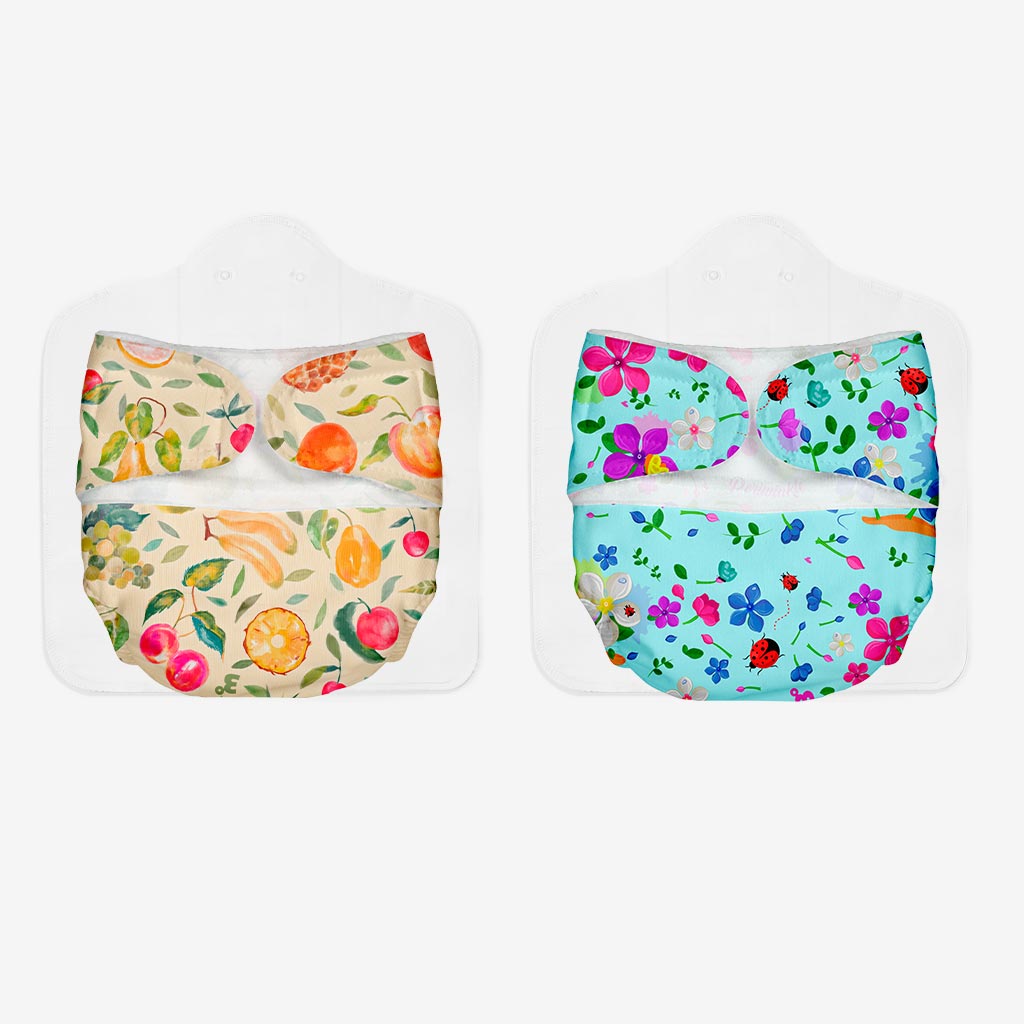
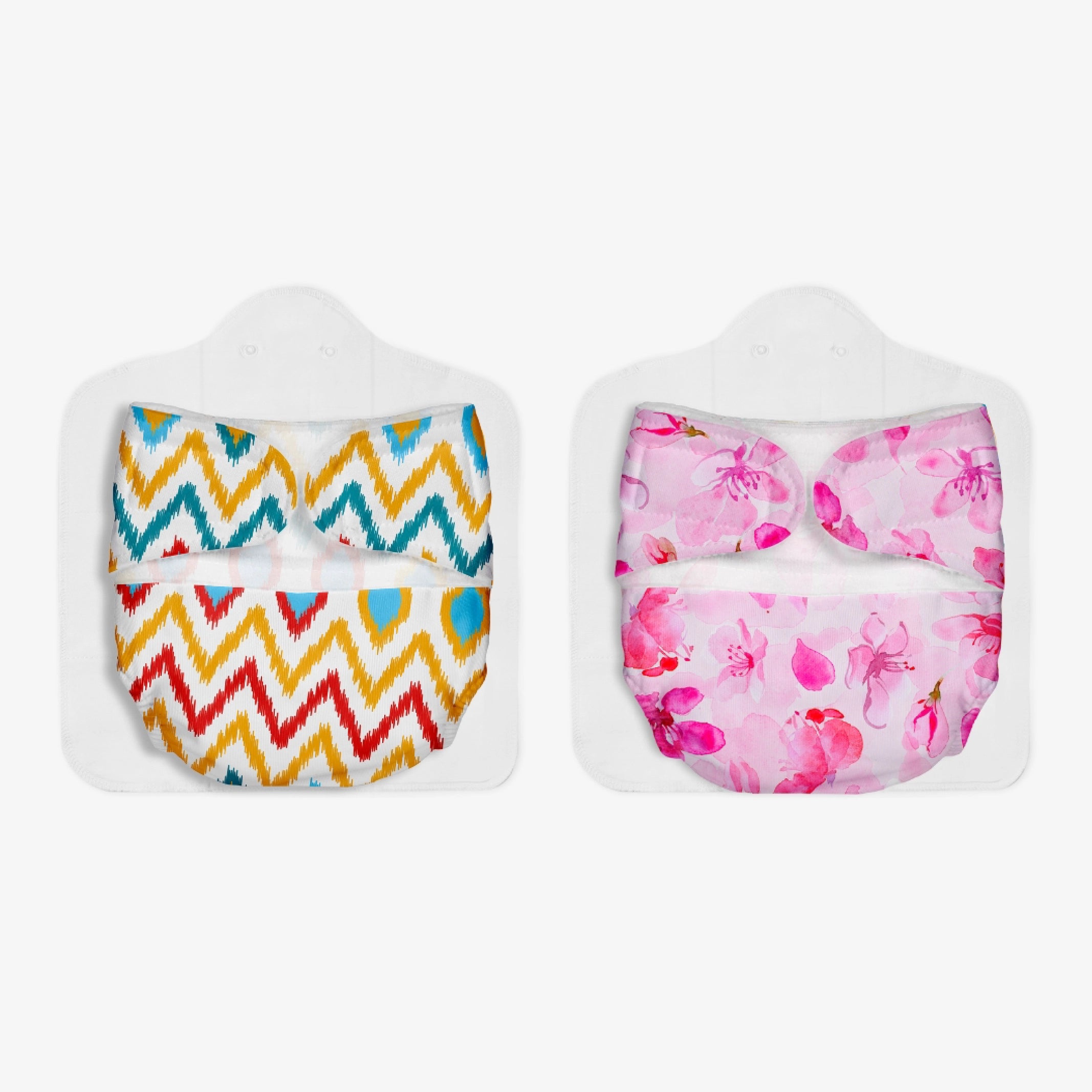
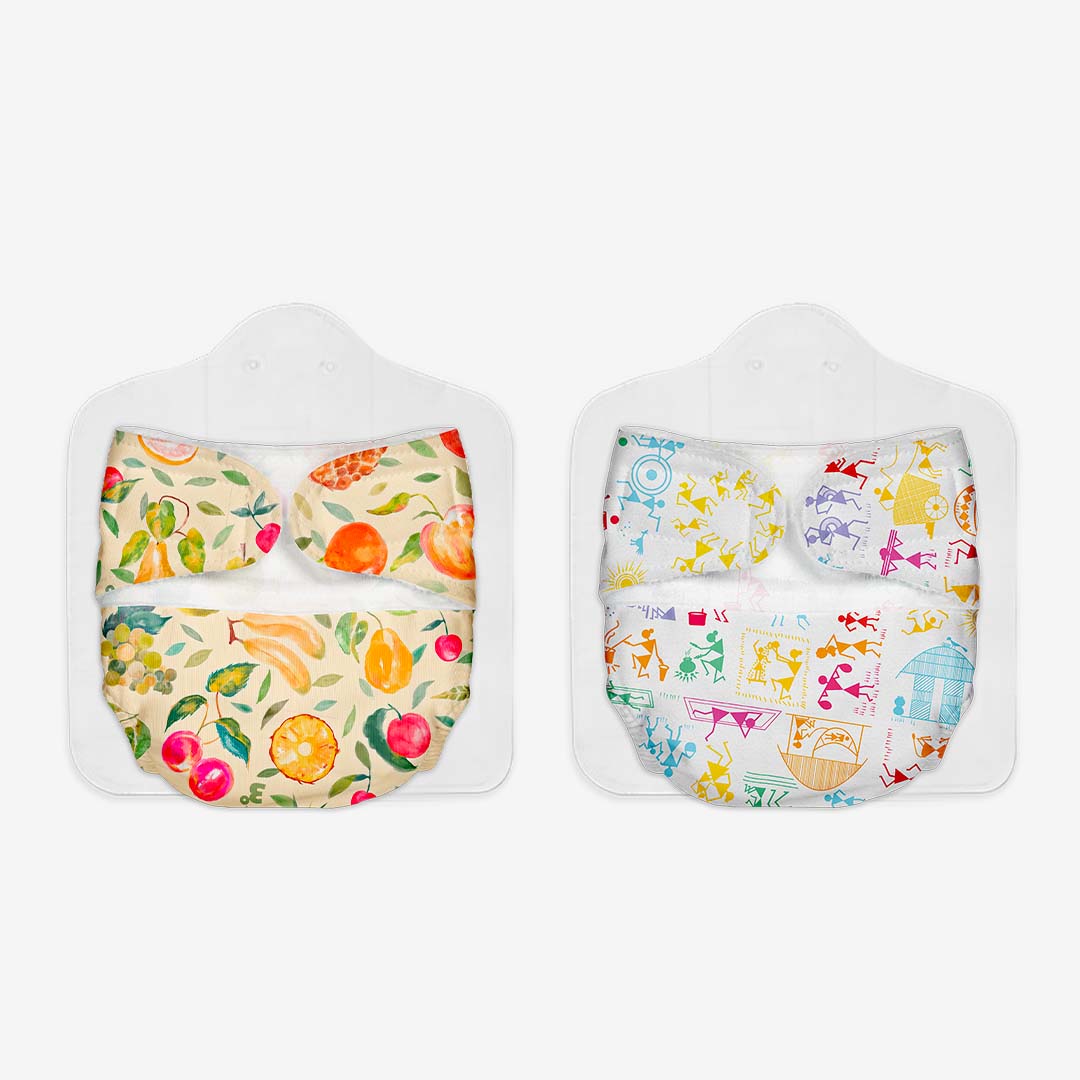
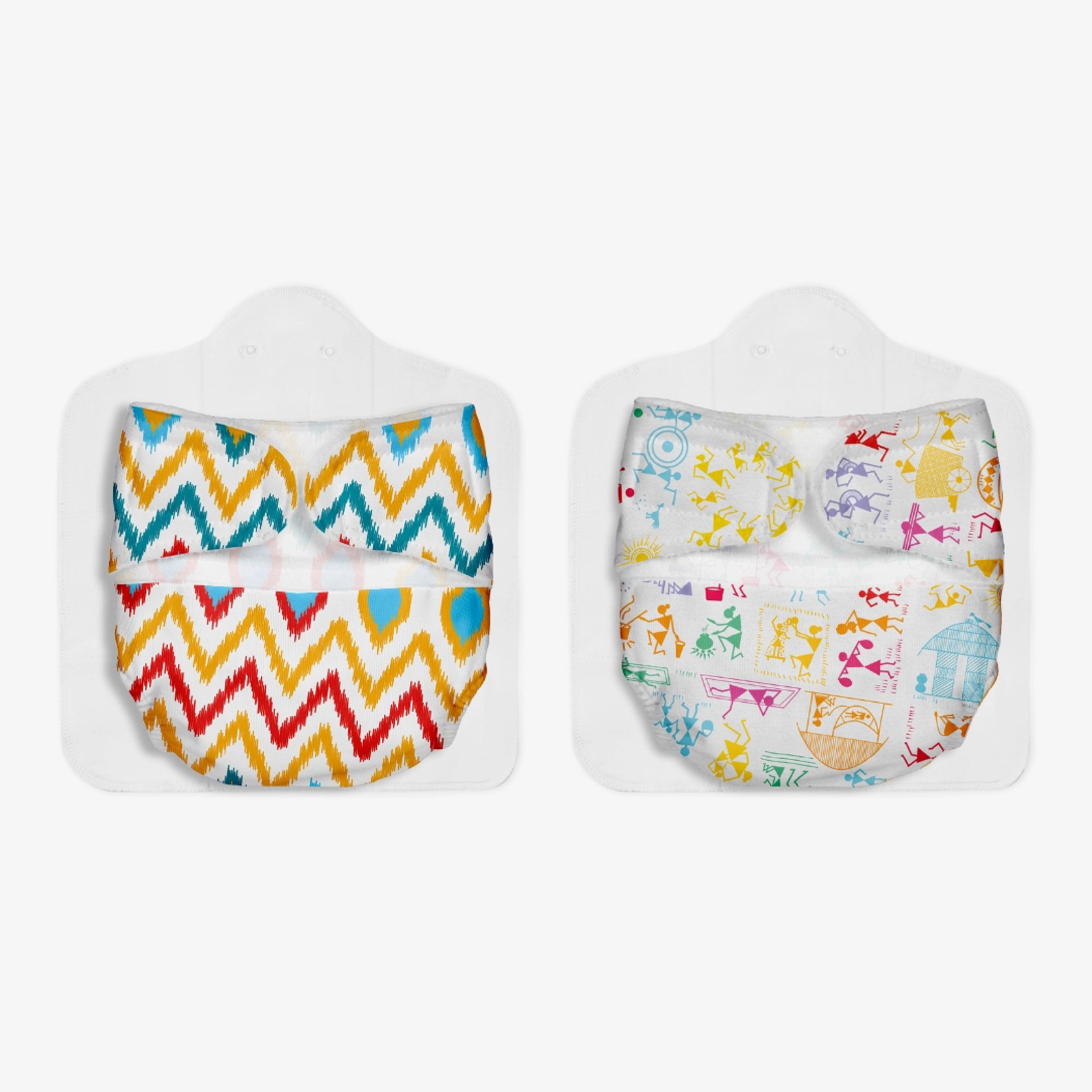
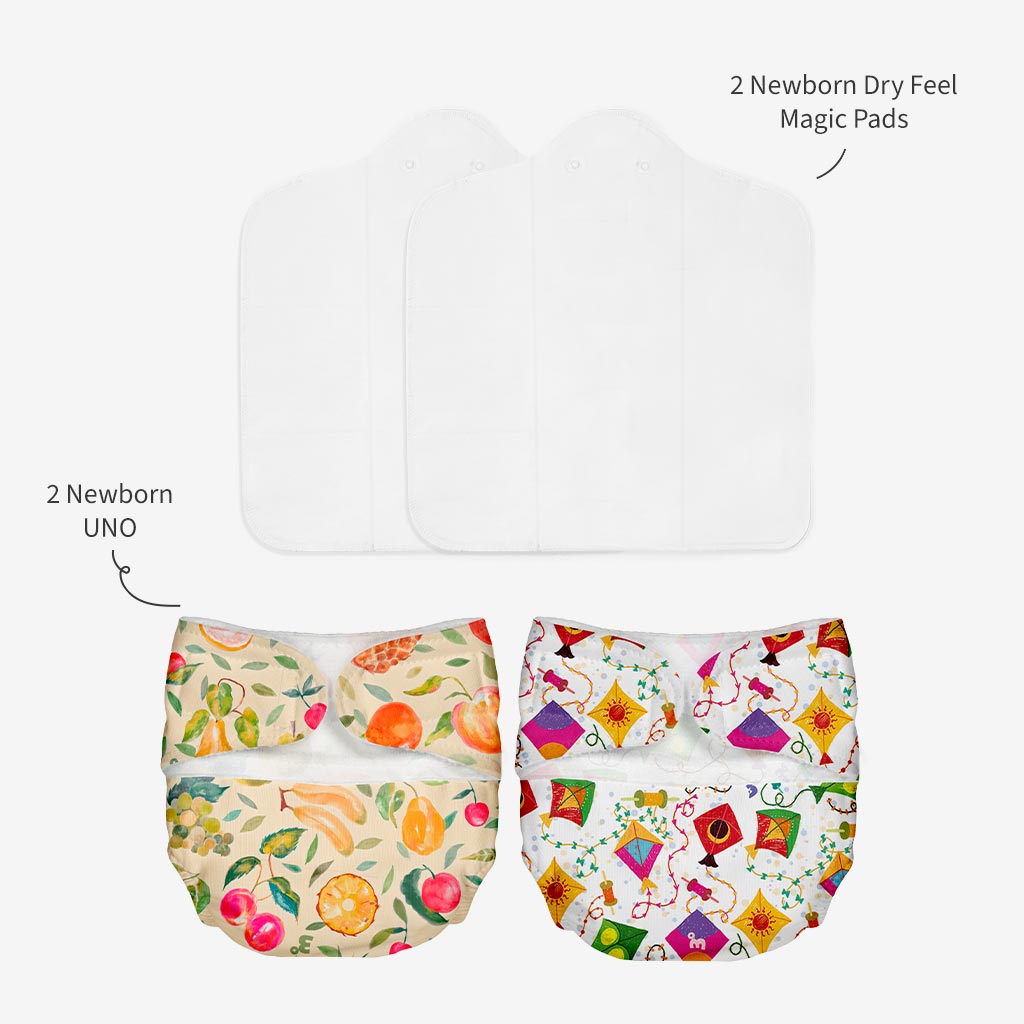
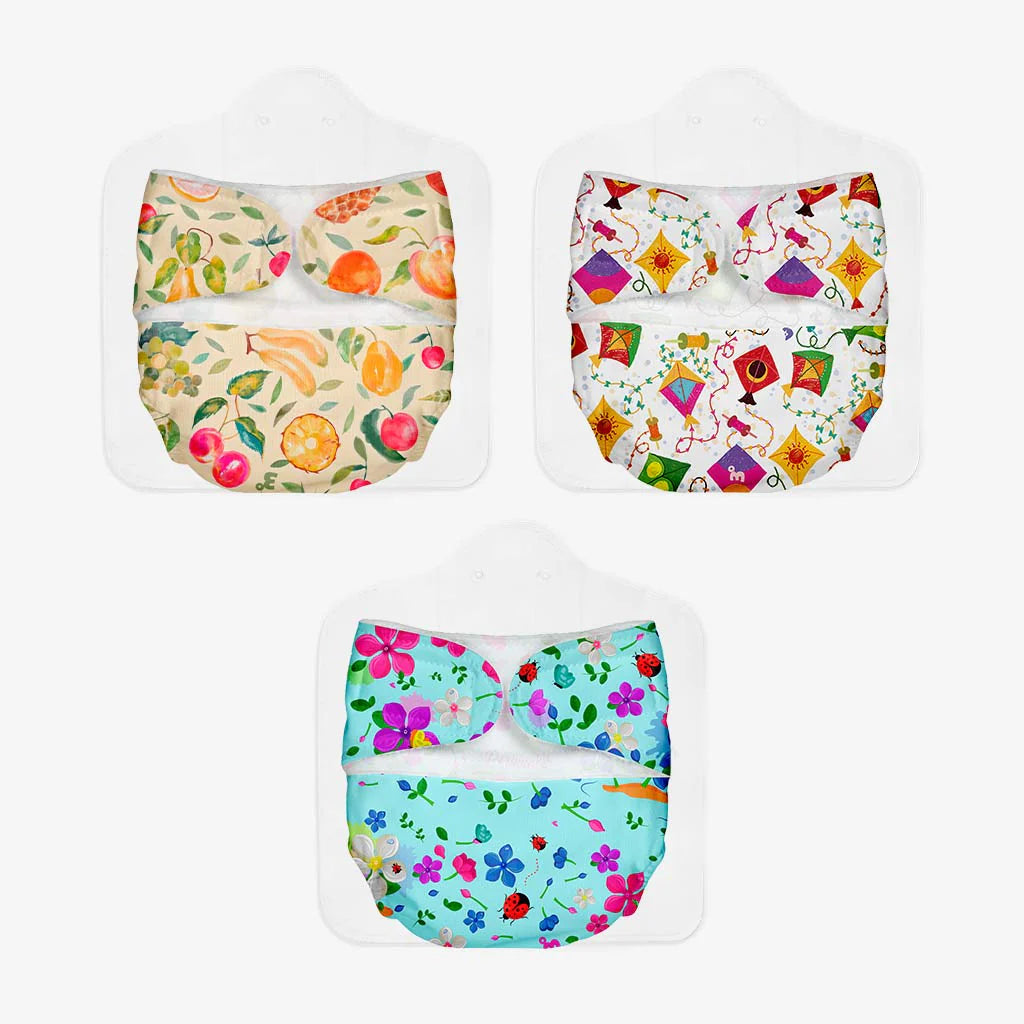
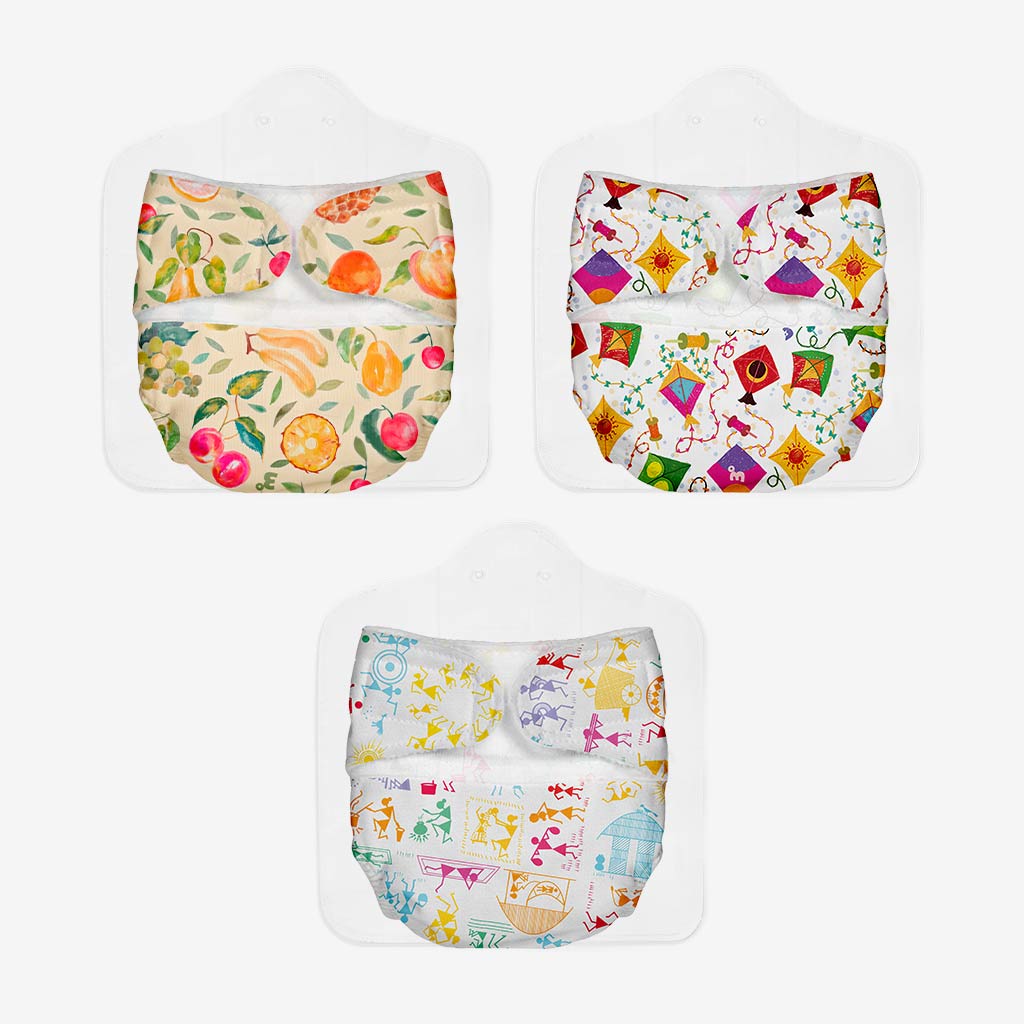
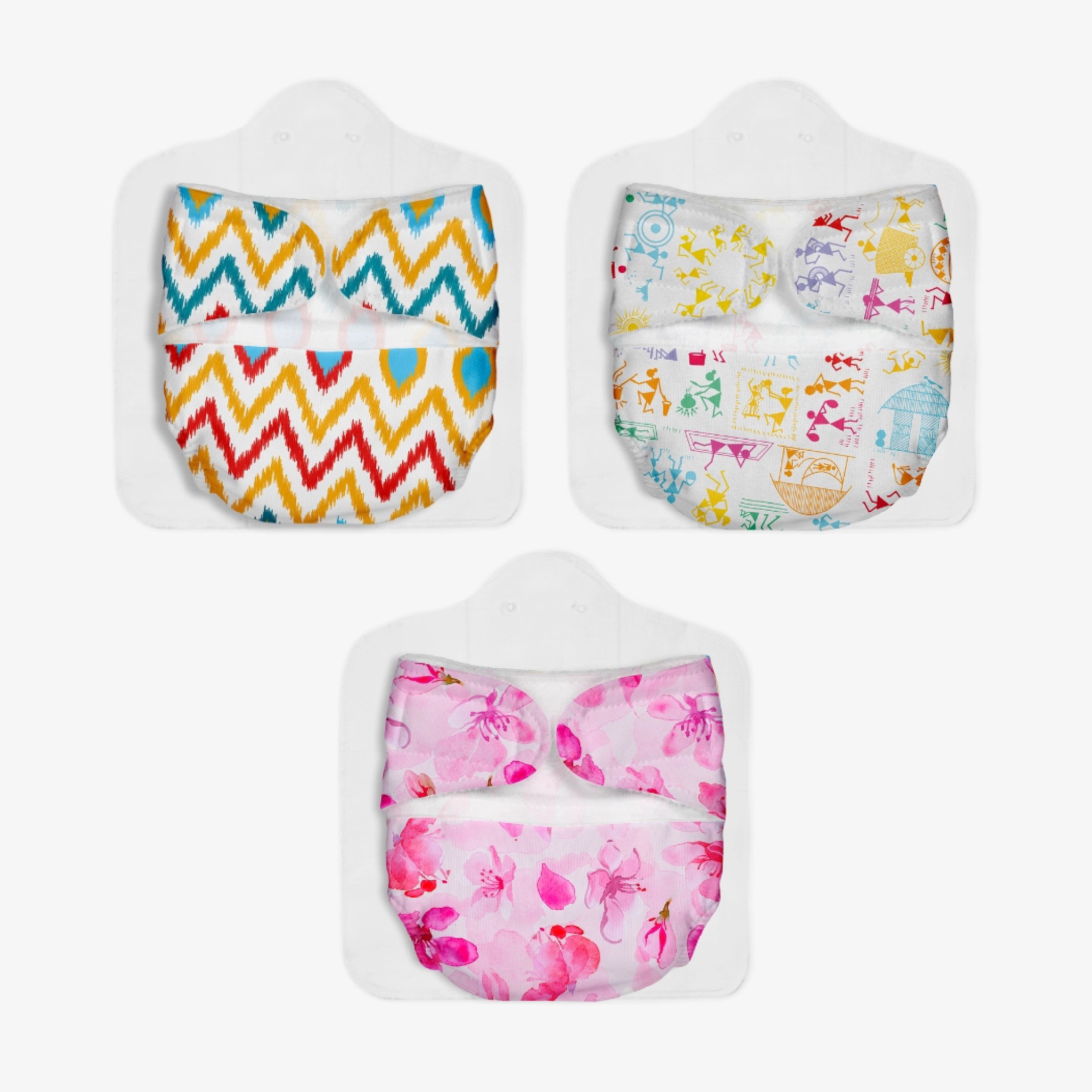
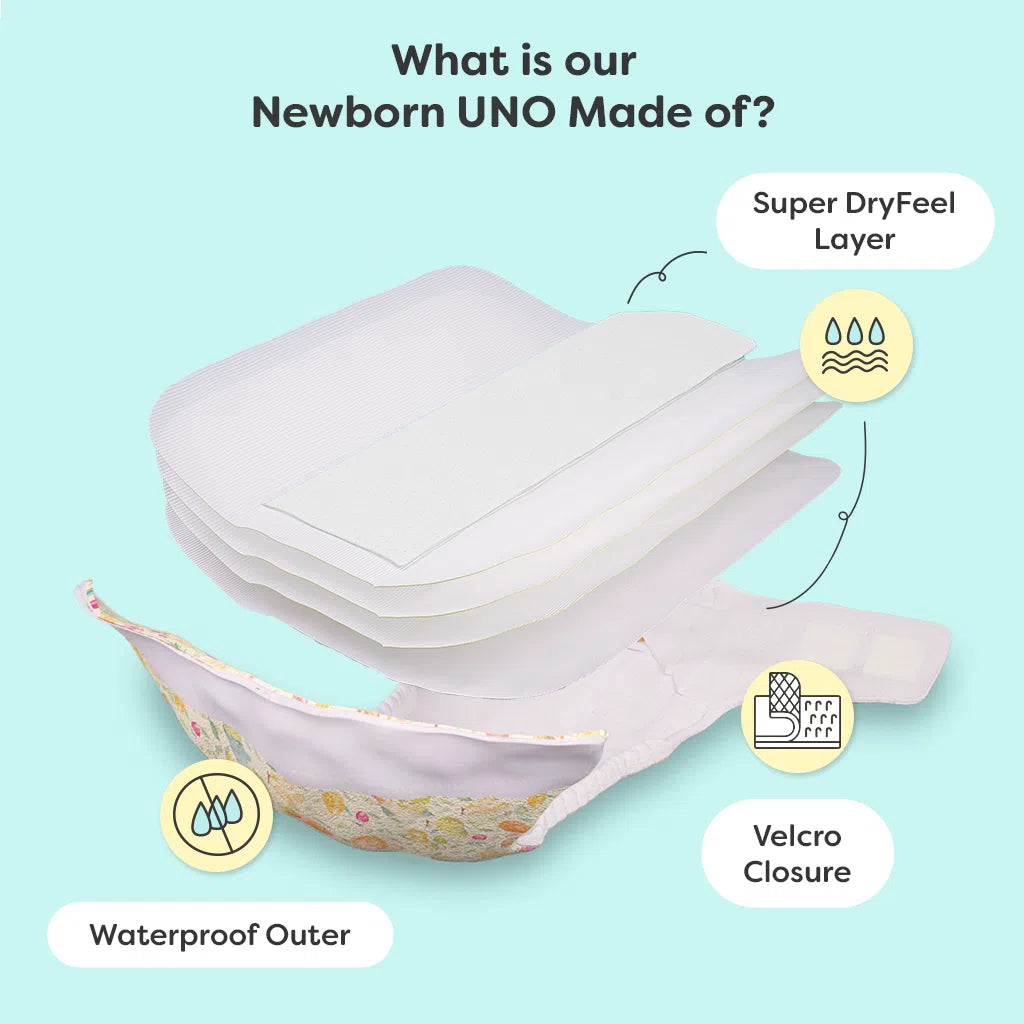
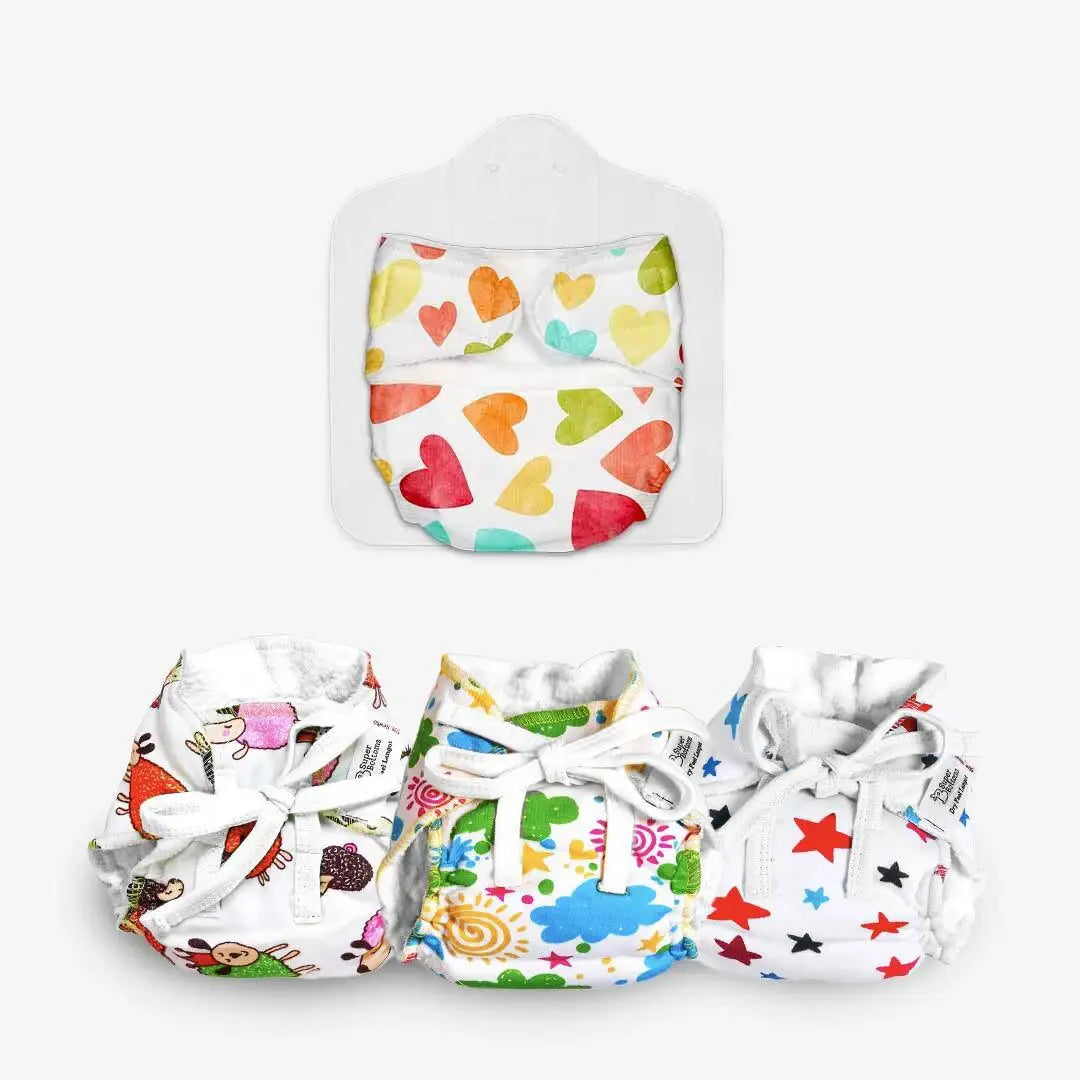
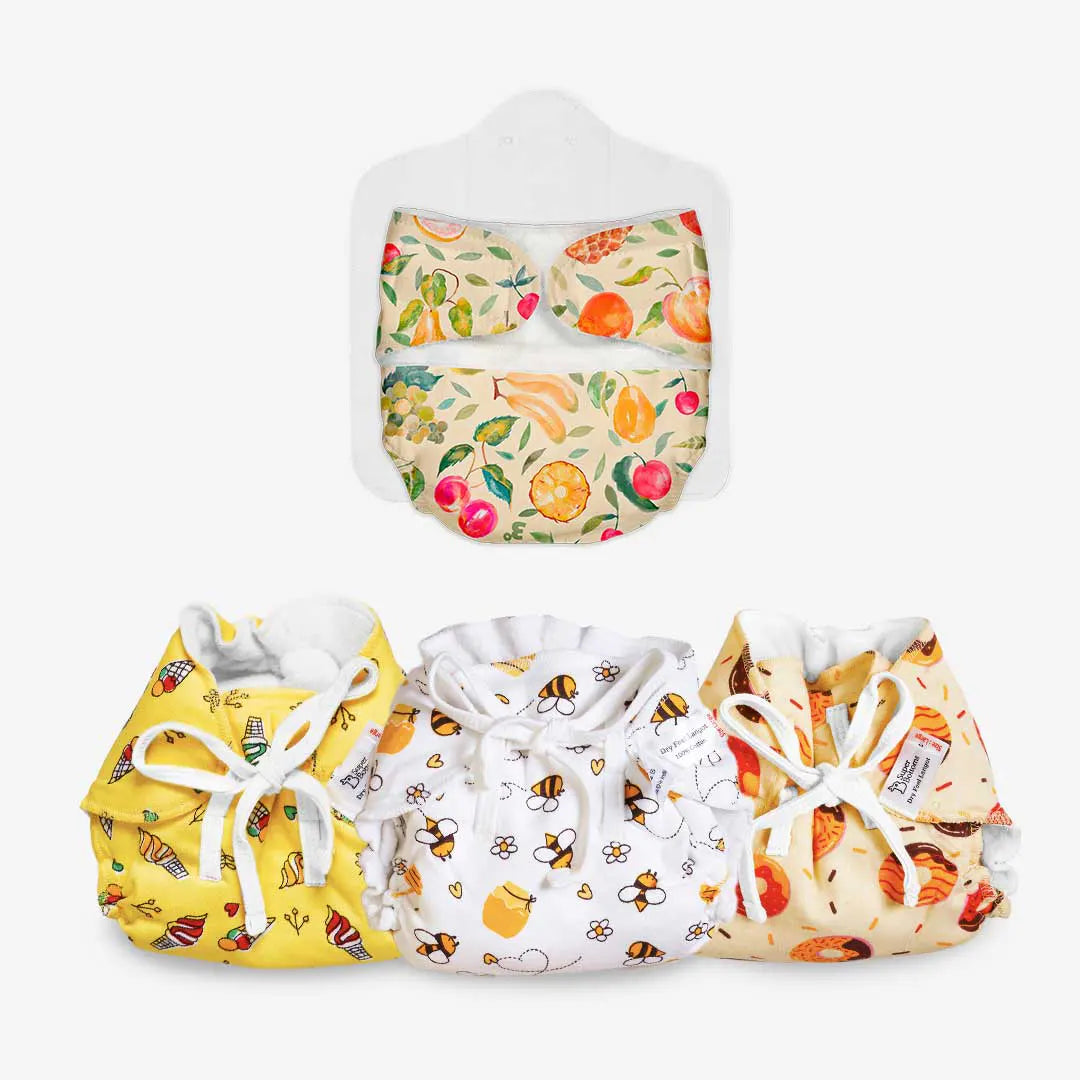
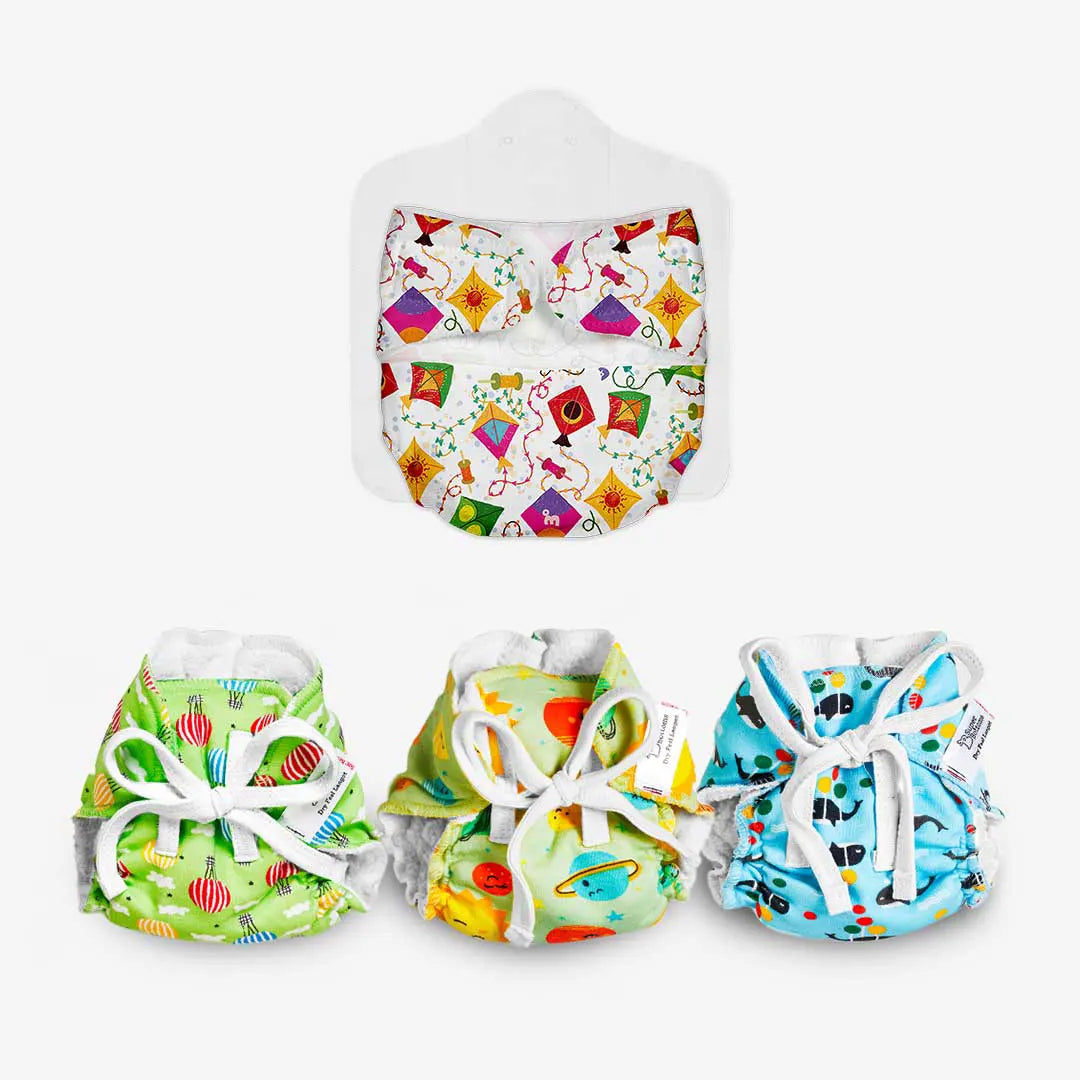
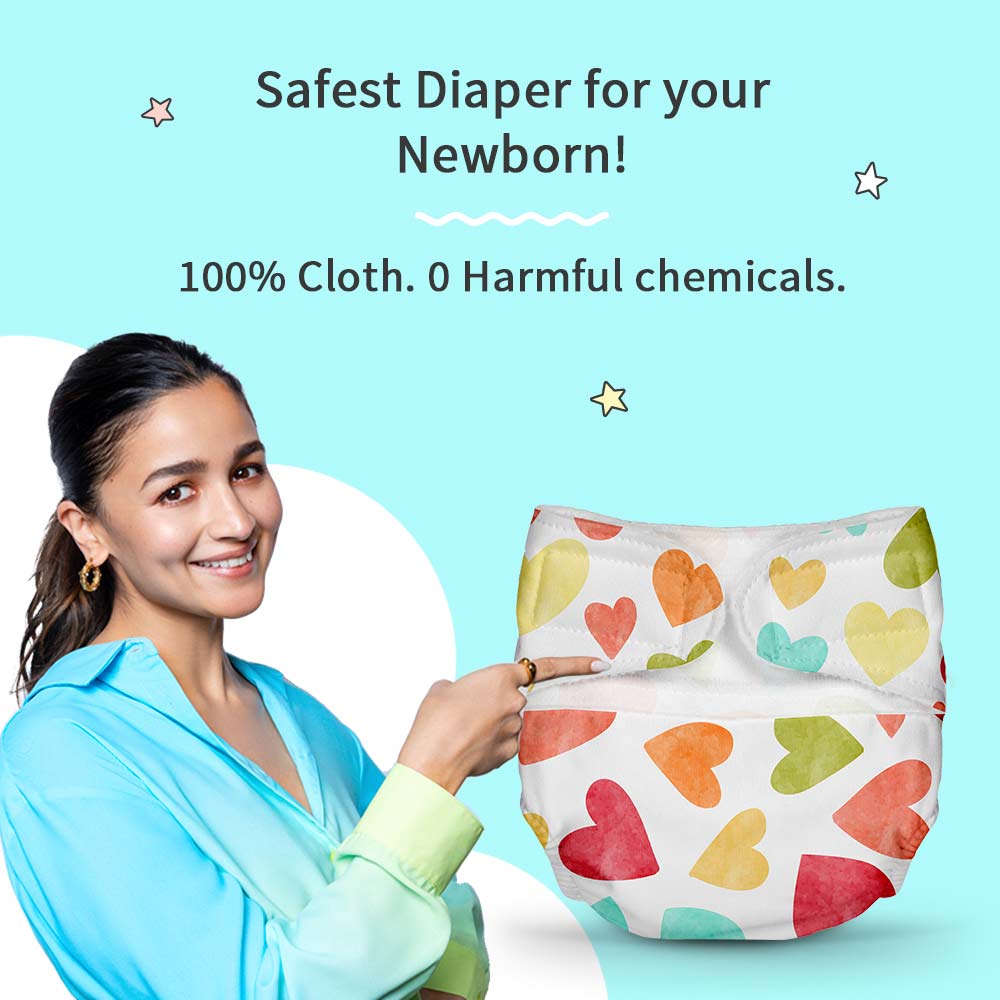
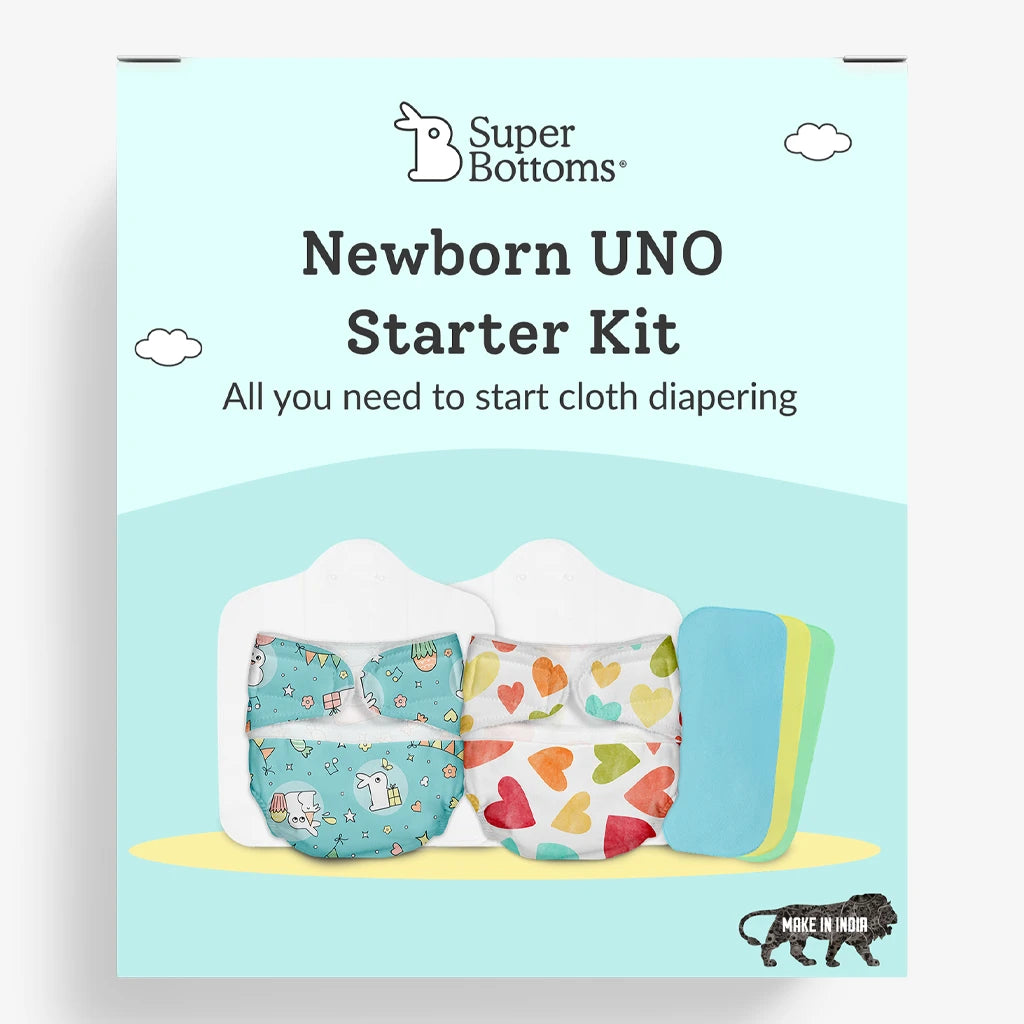
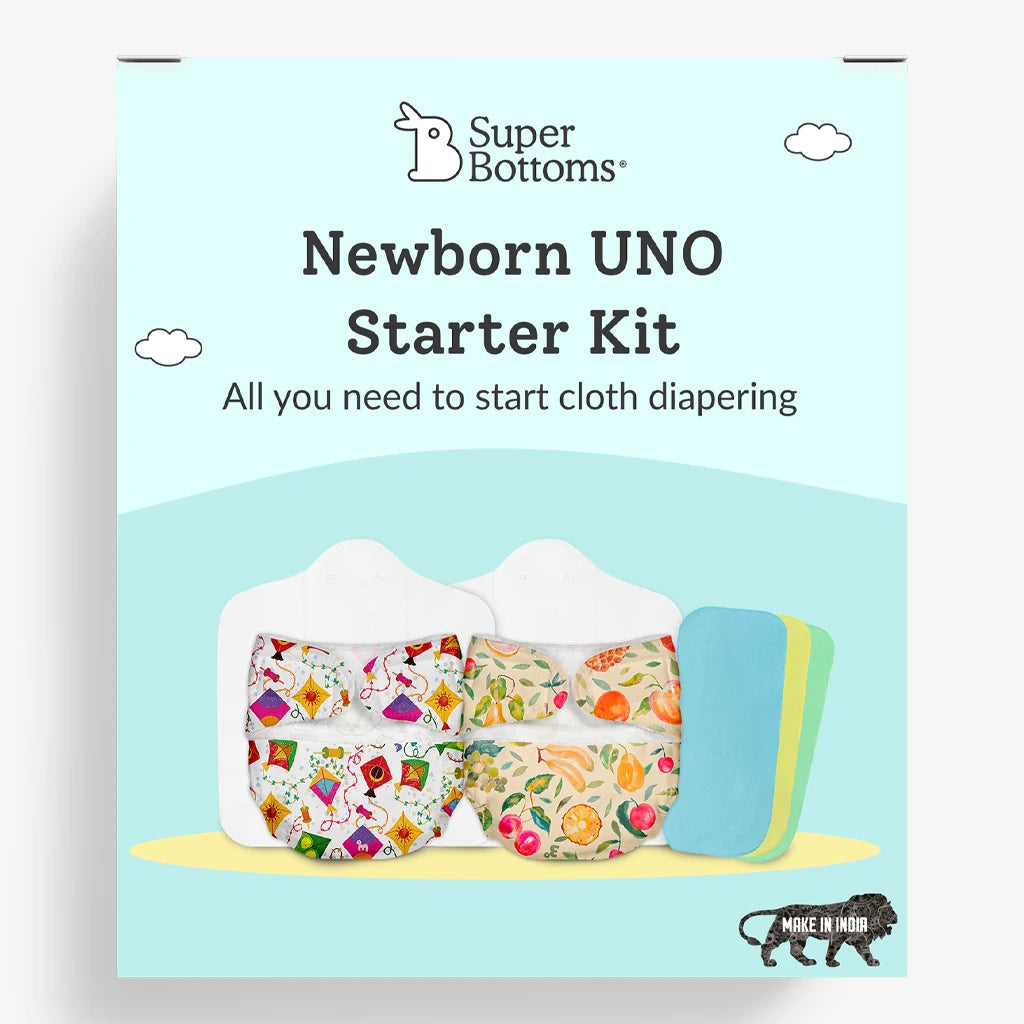
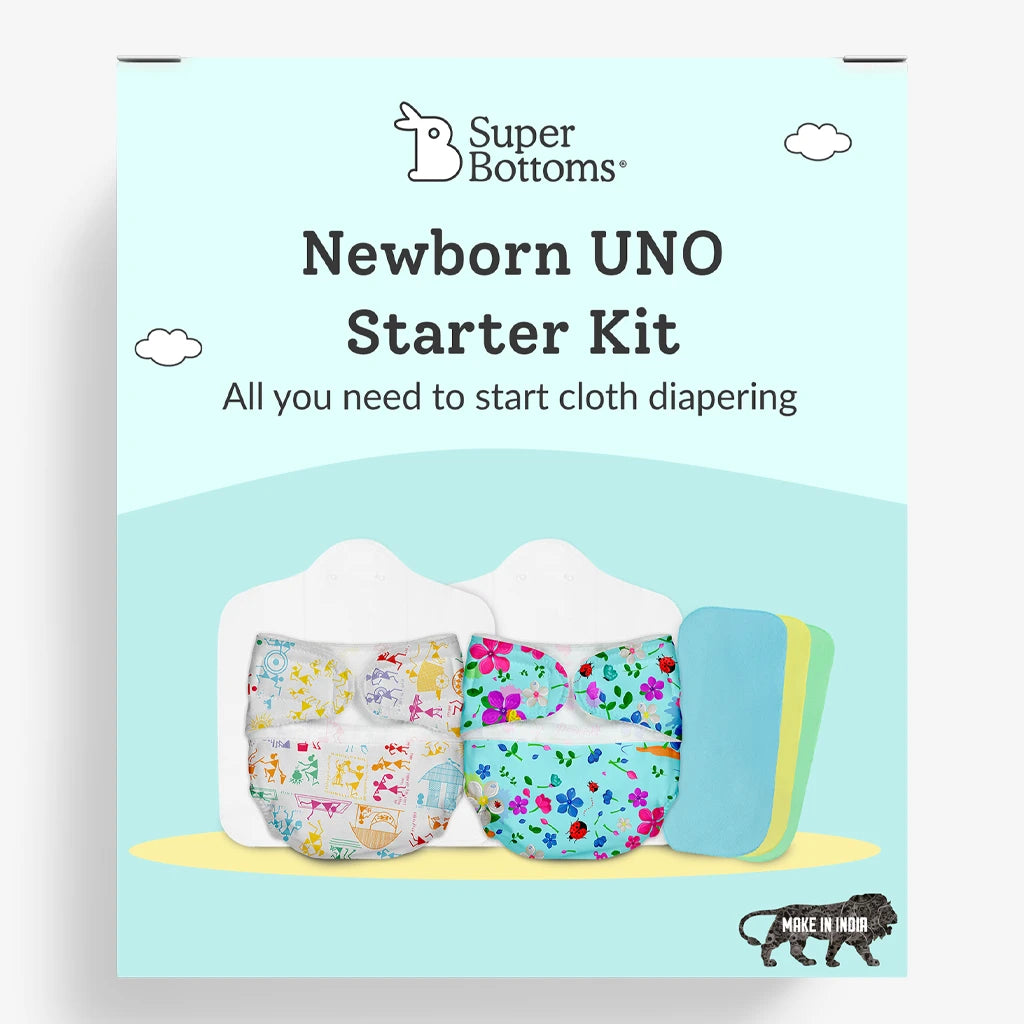
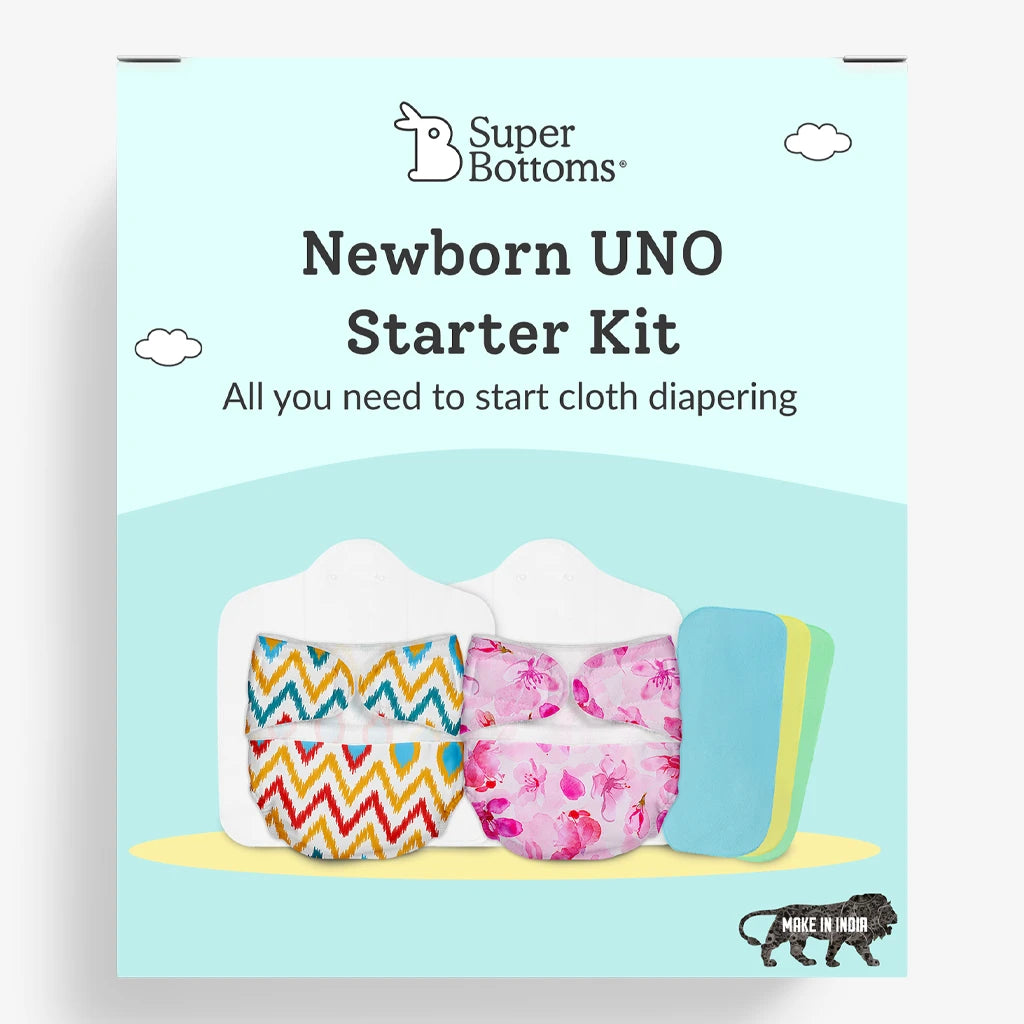
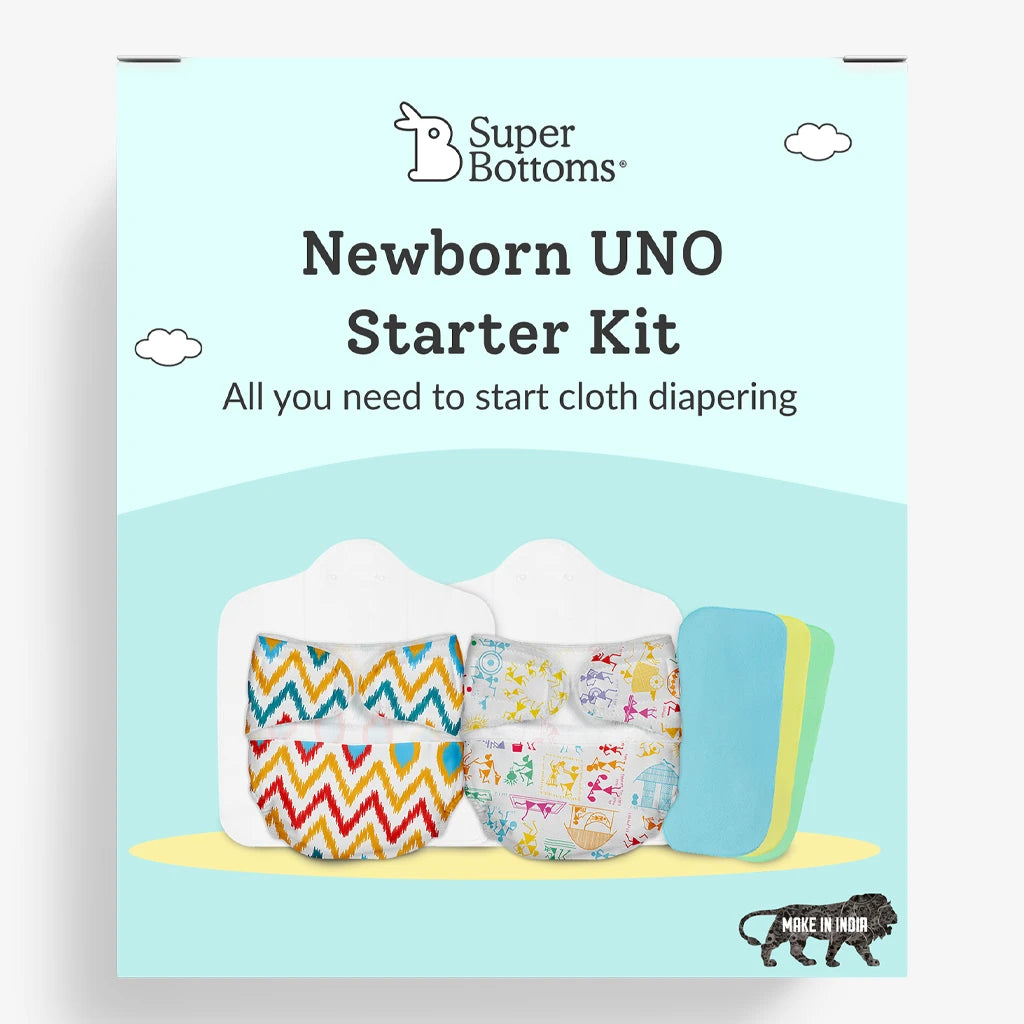
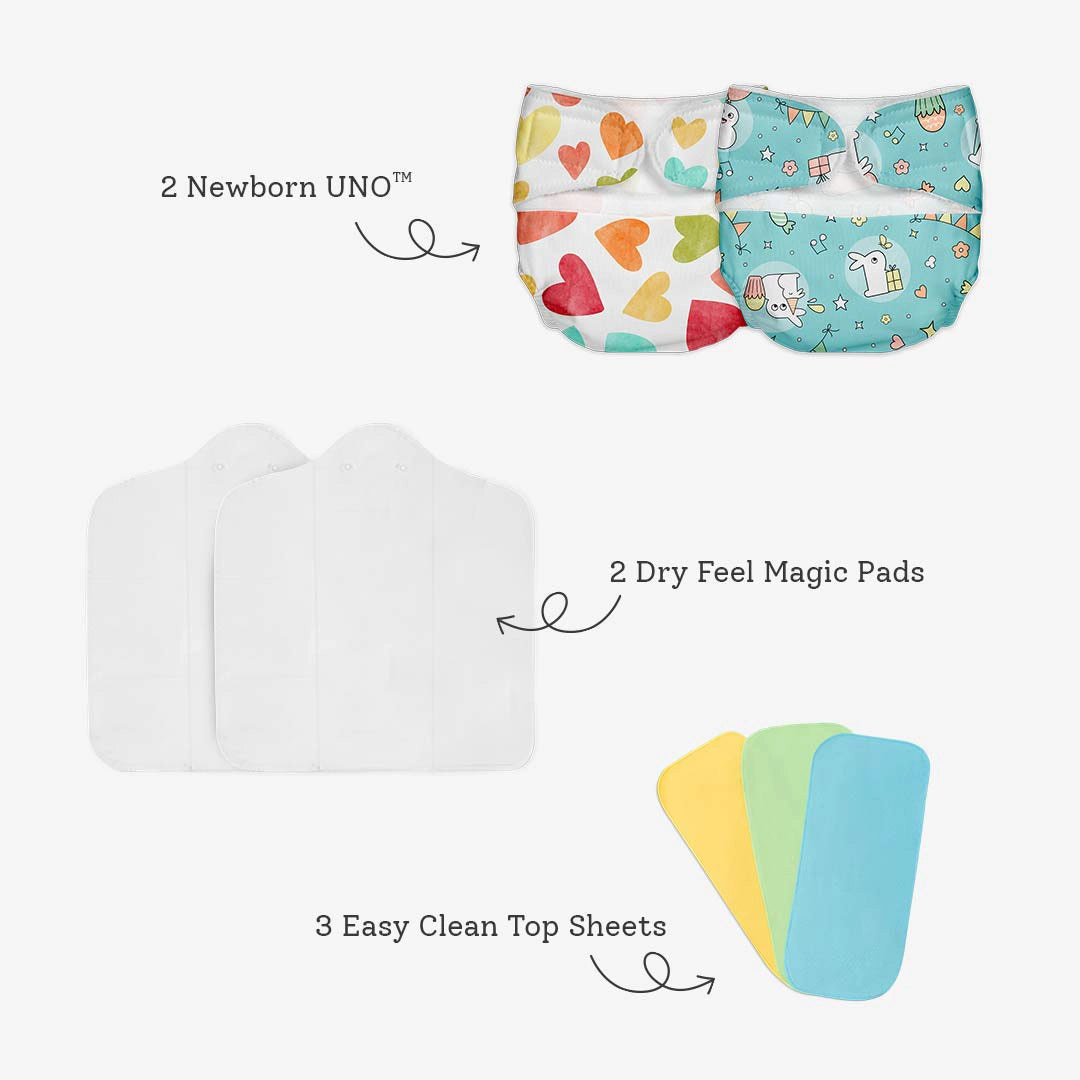
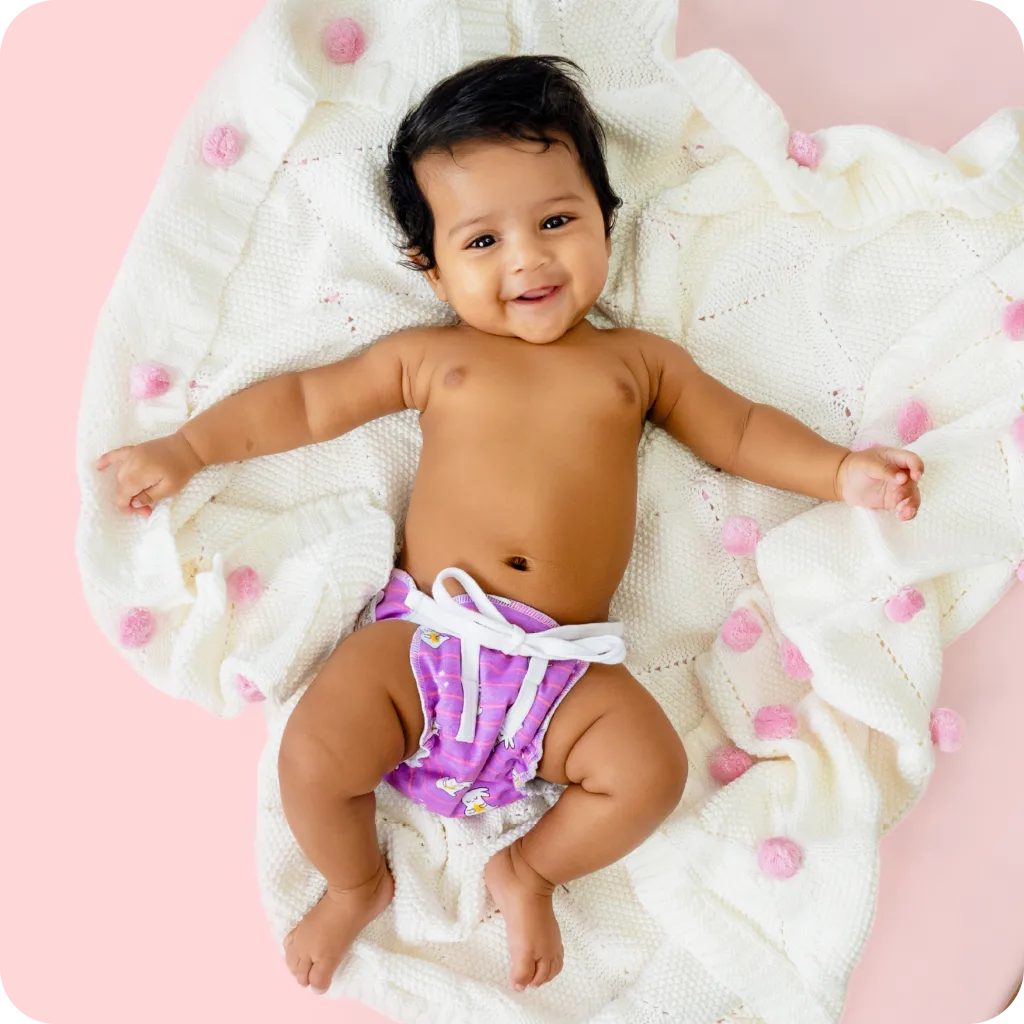
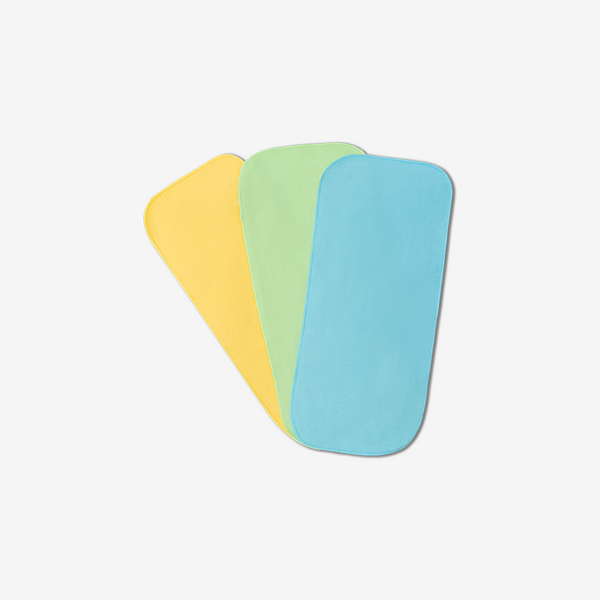
💡 SuperBottoms PickNewborn UNO Luxe - For families exploring reusable newborn diapering, Newborn UNO Luxe is designed for babies aged 0–3 months and weighing 2.5–7 kg. It includes one diaper and one DryFeel Magic Pad, with a Velcro closure. It is a reusable option for families interested in cloth diapering. Parents should follow the product's care instructions and change the diaper when wet or soiled. |
3. Feeding and burping essentials
Feeding supplies depend on whether the baby is breastfed, formula-fed or combination-fed. Start with the basics and add accessories only when needed.
Useful items include:
- Muslin cloths for burping
- Comfortable nursing clothes
- Feeding bottles, if required
- Bottle-cleaning supplies, if using bottles
- A comfortable feeding space
What should new parents know about newborn feeding?
WHO and UNICEF recommend initiating breastfeeding within the first hour after birth and exclusive breastfeeding for the first six months, when possible and appropriate. Mothers should receive support with feeding and common difficulties.
For babies who are not feeding well, seem unusually sleepy or have concerns around weight gain, seek medical advice promptly.
Reference: WHO breastfeeding recommendations.
4. Safe sleep and everyday comfort
A newborn spends much of the day sleeping. A safe, comfortable sleep space is more important than expensive nursery accessories.
Must-have sleep essentials:
- A firm, flat sleep surface
- A fitted sheet
- Weather-appropriate clothing
- Suitable lightweight bedding, as needed
What makes a newborn sleep space safer?
Place babies on their backs for sleep, on a firm, flat surface. Keep pillows, loose blankets and soft objects out of the sleep area.
In India, traditional cradles and jhulas are common in many homes. Parents should ensure any sleep arrangement is appropriate for safe infant sleep and follow healthcare guidance.
What parents should know
Comfort does not require a large nursery setup. A suitable sleep surface, appropriate clothing and a calm routine are practical starting points.
5. Bathing, hygiene and newborn care supplies
Newborn skin needs gentle care. A small collection of everyday hygiene products is enough to begin with.
Keep these ready:
- Soft cotton towels
- Clean washcloths
- Gentle baby wash, if needed
- A baby nail file
- Clean clothes and diapers
- A digital thermometer
What should parents look for in newborn care products?
Choose products based on:
- Softness and comfort
- Age suitability
- Appropriate, breathable materials
- Ease of cleaning
- Practical everyday use
For umbilical cord care, WHO recommends hygienic care and keeping the cord area clean. Follow your healthcare provider's instructions and avoid applying unnecessary substances.
Hospital bag essentials: What should be packed?
A hospital bag is an important part of the first-time parent checklist. Pack according to your hospital's instructions.
For the baby
- 2–3 soft outfits
- Newborn diapers
- A muslin cloth
- A soft towel
- A going-home outfit
For the mother
- Medical reports and hospital documents
- Comfortable clothes
- Toiletries
- Maternity pads
- Phone charger
- Prescribed medicines
Check what the hospital provides before buying duplicates.

What should parents look for when buying newborn essentials online?
Shopping for newborn baby essentials online can save time, but product selection matters more than quantity.
Before purchasing, check:
|
Factor |
What to check |
|---|---|
|
Age and size |
Suitable for your baby's stage |
|
Material |
Comfortable and appropriate for newborn skin |
|
Usage |
Daytime, overnight or occasional use |
|
Care |
Washing and cleaning requirements |
|
Value |
How often the product will be used |
What Is the Practical Solution?
Problem: New parents often feel they must buy everything before the baby arrives.
Solution: Begin with five essential categories—clothing, diapering, feeding, sleep and hygiene.
Why it helps: A smaller kit keeps everyday care manageable and reduces unnecessary spending.
Newborn baby essentials checklist
- Comfortable, weather-appropriate clothes
- Newborn diapers and changing supplies
- Feeding and burping essentials
- Safe sleep space
- Basic bathing and hygiene supplies
- Hospital bag packed
- Products checked for age suitability
- Washing and care routine planned
A newborn baby essentials list should make life easier, not create more pressure. Start with what your baby needs every day, keep a few useful extras ready and add products as your routine develops.
Key takeaways
- Start with five essentials: clothing, diapering, feeding, sleep and hygiene.
- Choose products for comfort, fit, age suitability and everyday practicality.
- Build your baby essentials kit gradually instead of buying everything at once.
FAQs
What are the five most important newborn baby essentials?
The five core categories are comfortable clothes, newborn diapers, feeding supplies, a safe sleep space and basic hygiene products.
How many newborn diapers should I buy?
Start with a small supply rather than stockpiling one size. Your baby's size and changing needs may change quickly.
Are reusable cloth diapers suitable for newborns?
Yes, reusable newborn diapers can be an option for families who prefer washable diapering. Check the product's age and weight range, fit, absorbency and washing requirements.
What should I buy first when preparing for a baby?
Prioritise clothes, diapers, feeding essentials, a safe sleep space and basic hygiene supplies. Add other products as your baby's needs become clearer.