









Toddler tantrums are a normal part of early childhood development, often triggered by frustration, tiredness, hunger, or difficulty expressing emotions. Parents searching for how to handle toddler tantrums often need clear, practical strategies rather than generic advice. Understanding why tantrums happen—and responding calmly and consistently—can make dealing with toddler tantrums easier while helping children develop emotional regulation skills.
When Do Babies Start Throwing Tantrums?
Most baby tantrums begin between 12 and 18 months, while toddler tantrums often peak between ages 2 and 3.
This happens because toddlers experience big emotions but have limited language skills to explain what they want. The "terrible twos" are not bad behaviour—they are a developmental phase where children test boundaries, independence, and emotional control.
Common tantrum triggers:
- Hunger
- Fatigue
- Overstimulation
- Frustration
- Difficulty communicating
- Sudden routine changes
- Desire for independence
In Indian households, crowded gatherings, travel, or disrupted nap schedules can sometimes make tantrums more frequent.
Why Do Toddler Tantrums Happen?
Tantrums are often a child's way of communicating overwhelming emotions.
A toddler is not usually trying to manipulate a parent—they are struggling with emotional regulation.
Common causes include:
- Wanting something they cannot have
- Feeling misunderstood
- Sensory overload
- Physical discomfort
- Transitions between activities
- Separation anxiety
- Sleep disruption
Expert Answer
"Tantrums are a normal part of emotional development. The goal is not to eliminate every tantrum, but to help children gradually learn emotional regulation." - Dr. Shefali Mehta, Developmental Pediatrician
How to Handle Toddler Tantrums Calmly
The most effective response is calm consistency.
If you're wondering how to deal with toddler tantrums, these practical strategies help:
1. Stay Calm Yourself
Children often mirror adult emotional energy.
Taking a steady tone instead of reacting with shouting helps de-escalate the moment faster.
2. Acknowledge Their Feelings
Instead of dismissing emotions, name them:
Examples:
- "You're upset because you wanted that toy."
- "I know you're frustrated."
This helps toddlers feel understood.
3. Keep Instructions Simple
During meltdowns, toddlers process less language.
Use short phrases:
- "I'm here."
- "Let's sit together."
- "Safe hands."
4. Avoid Negotiating Mid-Tantrum
This is one of the most important strategies for dealing with terrible twos tantrums.
Once emotions peak, reasoning rarely works.
Wait until calm returns.
What Parents Should Know
Not every tantrum needs fixing immediately. Sometimes the most helpful response is calm presence, safety, and emotional reassurance.
What Should I Look for When Choosing Calm-Down Tools?
Parents should prioritise safety, familiarity, portability, and sensory comfort.
Helpful tools may include:
| Tool | How It Helps |
|---|---|
| Favourite comfort cloth | Emotional security |
| Water bottle | Physical reset |
| Snack | Hunger-trigger prevention |
| Quiet corner | Sensory decompression |
| Familiar underwear/clothing | Comfort and routine |
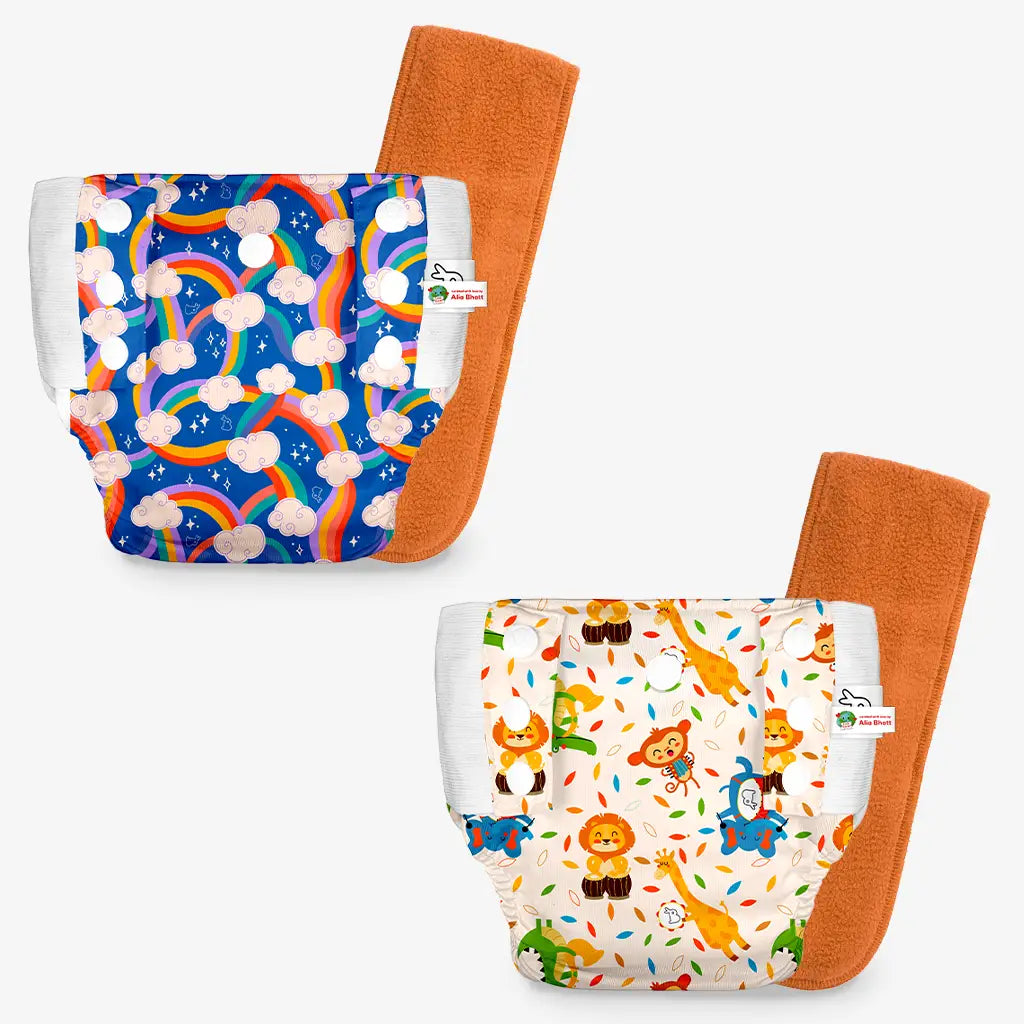
If transitions or potty learning trigger meltdowns, comfortable daily essentials can help reduce friction.
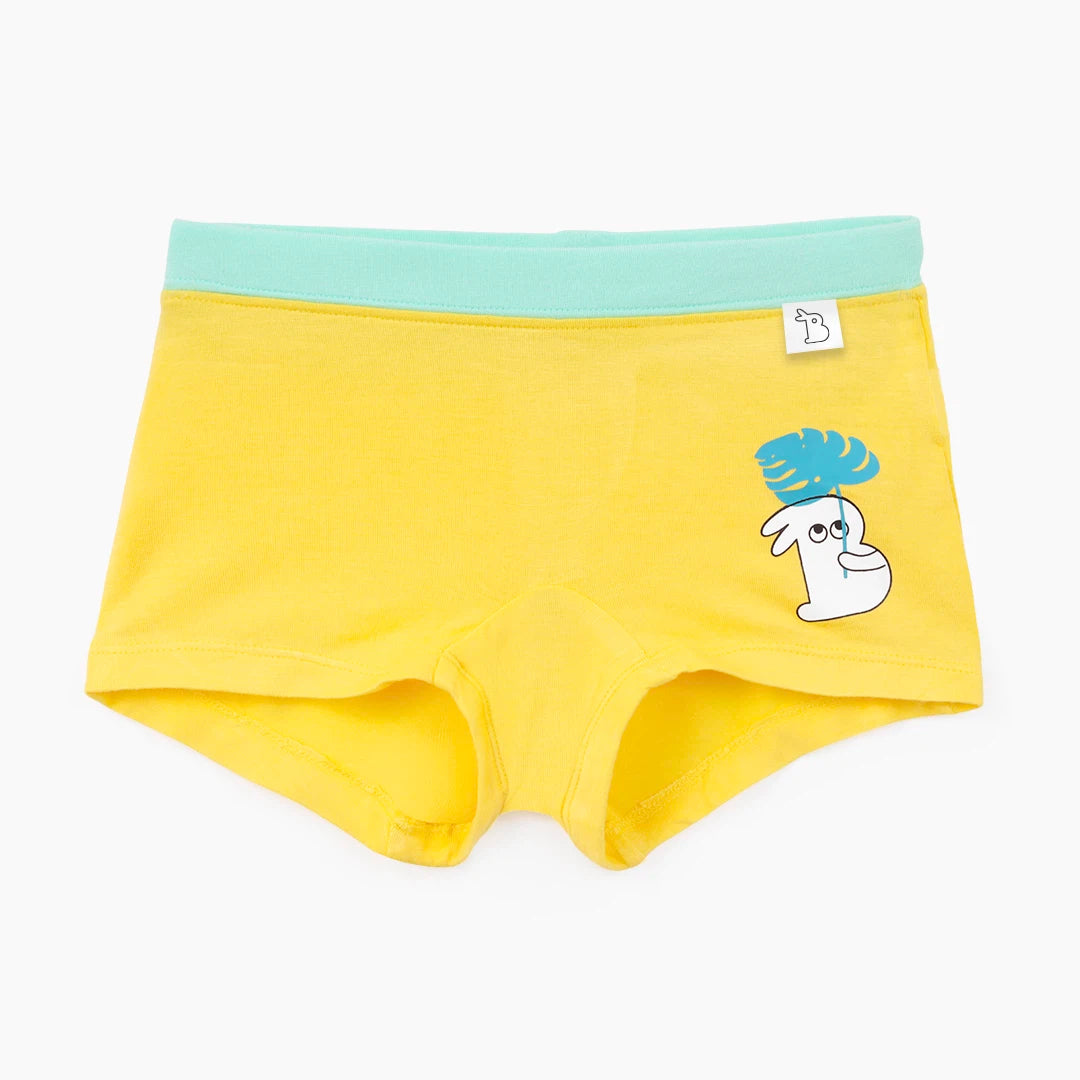
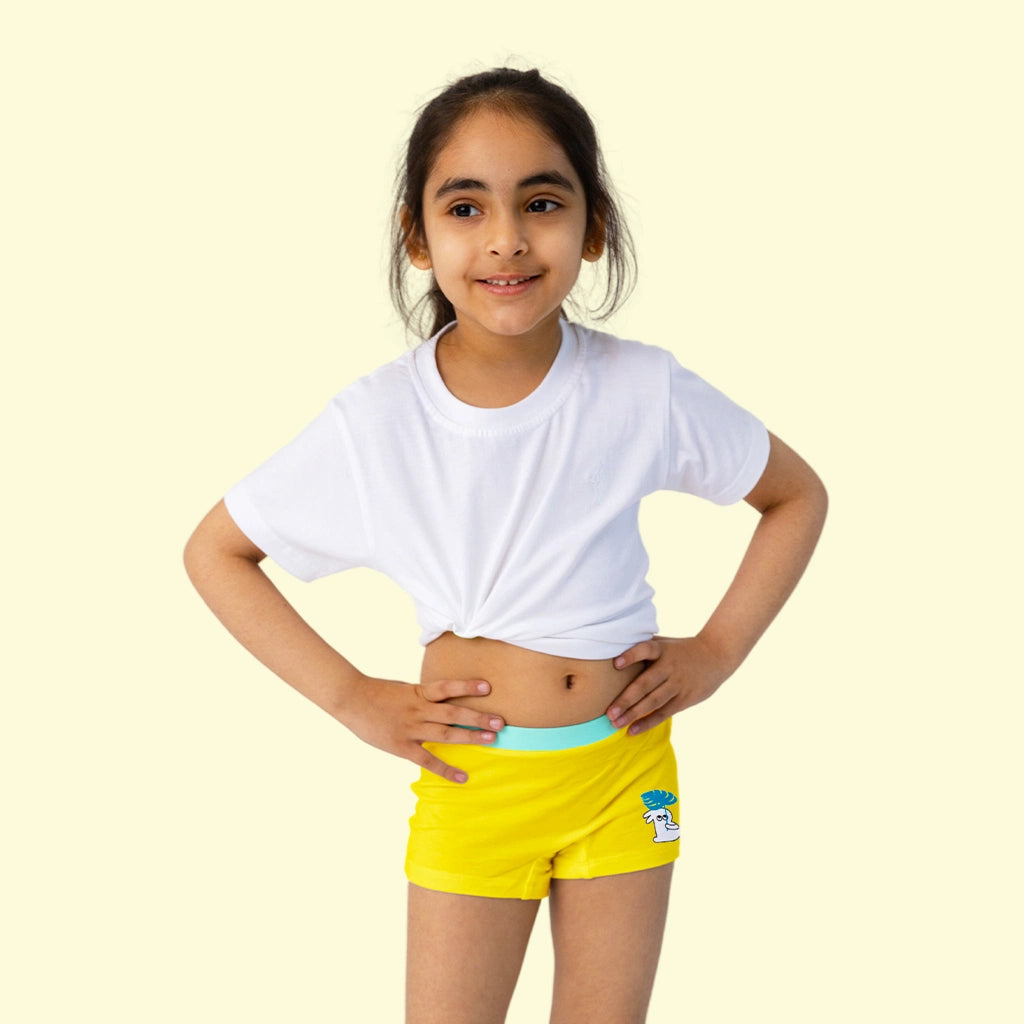
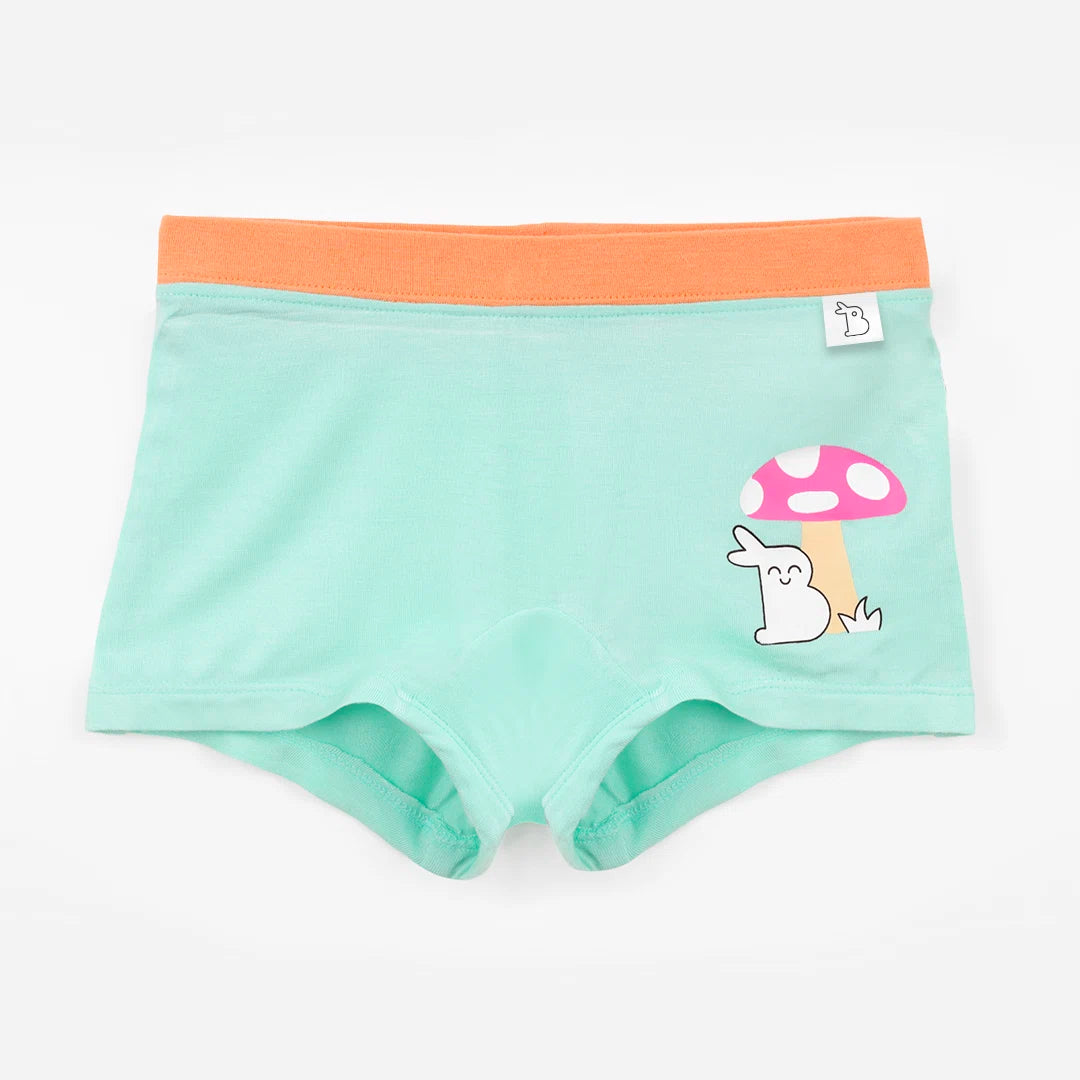
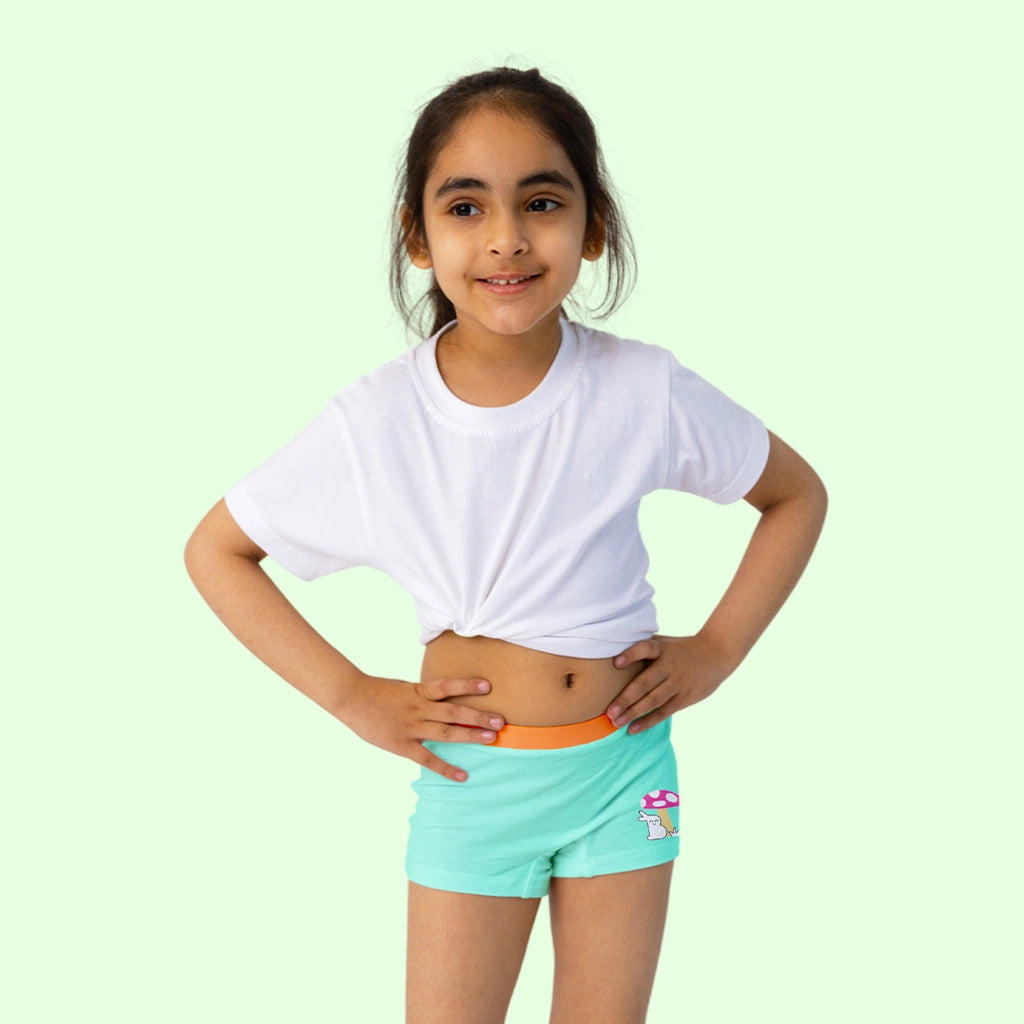
SuperBottoms Pick: Padded Underwear
Designed for comfort during potty training and independence-building.
Explore the range → Padded Underwear

Which Type Works Best for Preventing Toddler Tantrums?
Prevention strategies often work better than reaction strategies.
Helpful routines:
- Predictable schedules
- Timely snacks
- Enough sleep
- Transition warnings
- Limited choices ("red cup or blue cup?")
- Emotional naming
Parents seeking help with toddler tantrums often find prevention more effective than correction.
Parent Insight
"My son's biggest tantrums happened during rushed outings or potty transitions. Creating predictable routines and giving him small choices reduced meltdowns significantly." - Neha Sharma, mother of a 3-year-old
What to Do When Toddler Is Having a Tantrum in Public?
Focus on safety first, not social pressure.
If you're wondering what to do when a toddler is having a tantrum in public:
- Move to a quieter area if possible
- Stay calm
- Keep language minimal
- Avoid bribing
- Ensure physical safety
- Wait for emotional recovery
Most observers understand.
How to Deal With 3 Year Old Tantrums
Three-year-olds often test independence more strongly than younger toddlers.
For how to deal with 3 year old tantrums:
- Set clear boundaries
- Offer simple choices
- Follow routines consistently
- Praise calm behaviour
- Avoid giving in after screaming
Consistency matters more than perfection.
Is It Worth Changing Your Daily Routine to Reduce Tantrums?
Yes—small routine changes can meaningfully reduce emotional overload.
Helpful adjustments:
- Earlier meals
- Better nap timing
- Less overstimulation
- Easier clothing changes
- Independence-friendly routines
Comfort and predictability support emotional regulation.
When Do Toddler Tantrums Stop?
Most tantrums reduce significantly by age 4 as communication and emotional regulation improve.
However, frequency varies widely.
Seek professional guidance if tantrums:
- Become extremely aggressive
- Last unusually long
- Interfere with daily functioning
- Continue intensely beyond expected developmental stages
Expert Answer
If tantrums are frequent but age-appropriate, consistency and emotional coaching are usually the best long-term strategies. Sudden severe behaviour changes should be discussed with a pediatrician.
Toddler tantrums can feel exhausting, but they are often a normal developmental stage—not a sign of bad parenting.
The goal is not to stop every meltdown instantly, but to help your child gradually learn emotional regulation through calm, consistent support.
For families navigating potty training or independence struggles, comfortable child-friendly essentials like SuperBottoms Padded Underwear may help make daily transitions smoother.
Find the right fit → Explore SuperBottoms Potty Training Underwear
|
Limited Time Offers + Special Gift Sets! Now or never Super SALE is live on the SuperBottoms website! Take advantage of unbeatable value deals on our UNO Cloth Diapers, Baby Essentials, and more. Looking for the perfect present for a newborn or a toddler? Explore our thoughtfully curated Gift Sets & Combos - safe, skin-friendly, and oh-so-cute! A bundle of love for little ones and a delight for parents. HURRY - Deals and Gift Packs are live only till stocks last. Don't miss the chance to stock up and share the joy! |
Key Takeaways
- Toddler tantrums are a normal developmental response to overwhelming emotions.
- Calm consistency works better than punishment or negotiation.
- Predictable routines and comfort-focused transitions can reduce tantrum frequency.
FAQs
When do babies start throwing tantrums?
Many baby tantrums begin between 12–18 months, becoming more frequent in toddlerhood.
How to handle toddler tantrums without yelling?
Stay calm, acknowledge feelings, keep language simple, and focus on safety until emotions settle.
How to deal with toddler tantrums in public?
Move to a quieter area, avoid negotiating, stay calm, and prioritise safety.
How to deal with terrible twos tantrums?
Use routines, limited choices, emotional validation, and consistent boundaries.
Toddler tantrums—what to do first?
First, ensure safety. Then stay calm and avoid escalating the situation.
When do toddler tantrums stop?
Most improve significantly by age 4, though emotional development varies.
Is SuperBottoms helpful during potty training transitions?
Yes, comfortable child-friendly underwear can support independence and reduce discomfort during transitions.
Where can I buy toddler essentials in India?
Parents can explore child-friendly daily essentials directly through SuperBottoms.
Hi there, new parents! SuperBottoms brings you doctor-recommended cloth diapers - the best rash-free diapering solution for your baby's sensitive and delicate skin. Unlike disposable diapers loaded with chemicals, our newborn cloth diapers, when used and washed properly, can help eliminate the risk of diaper rashes. SuperBottoms offers a wide range of safe, skin-friendly essentials for the whole family - including Reusable Cloth Diapers, Diaper Pants, DryFeel langots for diaper-free time, Padded Underwear for potty training, SuperSoft Underwear for everyday comfort, Joggers for playful days, and Period Underwear for women. Not just for everyday use, SuperBottoms products also make the best gifting choice for babies - thoughtful, eco-friendly, practical, and loved by parents. Now available on Amazon, Myntra, Flipkart, FirstCry, Zepto, Swiggy and Blinkit.