





Bathing a newborn can feel overwhelming for first-time parents because babies are delicate, slippery, and sensitive to temperature changes. Understanding how to bathe a newborn baby safely helps parents build confidence while keeping the baby clean and comfortable. From preparing bath essentials to following the right newborn baby bath procedure, a calm step-by-step approach can make bath time safer and more enjoyable for both babies and caregivers.
- When Can You Give a Newborn Their First Bath?
- What Should You Prepare Before Bath Time?
- How to Bath Newborn Baby Step by Step
- How Often Should a Newborn Be Bathed?
- What Are Important Newborn Bath Tips for Parents?
- Which Type Works Best for Newborn Bath Time Essentials?
- How to Keep Babies Comfortable After Bathing?
- Comparison Table: Disposable vs Reusable Baby Care Essentials
- Key Takeaways
- FAQs
- Message from SuperBottoms
When Can You Give a Newborn Their First Bath?
Most pediatric experts recommend waiting at least 24 hours after birth before the first full bath. Until the umbilical cord stump falls off, sponge baths are generally safer than tub baths.
Many parents worry about handling such a tiny baby during the first bath at home. The good news is that newborns do not need daily baths. Gentle cleaning and proper skin care are usually enough during the first few weeks.
Expert Answer
Newborn skin loses moisture quickly. Pediatricians recommend short baths using lukewarm water and mild products to avoid dryness and irritation.
"A newborn's skin barrier is still developing, so gentle bathing practices and breathable fabrics are important for skin comfort." - Dr Anjali Verma, MD, Paediatrics
What Should You Prepare Before Bath Time?
Preparing everything in advance makes the newborn baby bath process smoother and safer. Babies should never be left unattended, even for a few seconds.
Keep these essentials ready:
- Soft towel with hood
- Cotton washcloth
- Mild baby cleanser
- Fresh clothes
- Clean diaper or reusable cloth nappy
- Lukewarm water
- Soft mat or changing surface
The ideal room temperature should feel warm and comfortable, especially during winter or monsoon months in India.
What Parents Should Know
Babies can lose body heat quickly after bathing. Drying them immediately and dressing them in soft, breathable clothing helps maintain comfort and reduces fussiness.
How to Bath Newborn Baby Step by Step
Understanding the correct baby bath steps can make parents feel more confident and reduce stress during bath time.
Step 1: Wash Your Hands
Always begin with clean hands before touching your baby during bathing or diaper changes.
Step 2: Check Water Temperature
The water should feel lukewarm, not hot. Experts recommend testing it with your wrist or elbow.
Step 3: Support the Baby Properly
When learning how to bathe a newborn, always support the baby's head and neck securely using one arm.
Step 4: Clean Gently
Use a soft washcloth to clean:
- Face first
- Neck folds
- Arms and hands
- Diaper area last
Avoid scrubbing delicate skin.
Step 5: Wash Hair Carefully
Parents often ask how to shower a newborn safely without water entering the eyes. Tilt the baby's head slightly backward and pour small amounts of water gently.
Step 6: Dry Immediately
Pat the skin dry instead of rubbing. Pay attention to folds around the neck, thighs, and underarms.
Step 7: Dress the Baby Comfortably
After the bath, use breathable clothing and soft diapering options to keep the baby dry and comfortable.
What to Look For
When choosing diapering products after bath time, parents often prioritize:
- Skin-safe materials
- Gentle elastics
- Breathability
- Ease of changing
- Leak protection
Reusable cloth diapers with soft inner layers can feel gentler on sensitive newborn skin.

How Often Should a Newborn Be Bathed?
Newborns do not require daily baths. In most cases, 2–3 baths per week are enough during the first few months.
Overbathing may:
- Dry the skin
- Cause irritation
- Disrupt natural oils
Daily cleaning of the diaper area, neck folds, and hands is usually sufficient between baths.
Expert Answer
Bath frequency depends on climate, sweating, spit-ups, and diapering habits. Babies in humid regions may need gentle wipe-downs more often than full baths.
What Are Important Newborn Bath Tips for Parents?
Many first-time parents search for practical newborn bath tips that make the process safer and easier.
Helpful tips include:
- Keep bath time short (5–10 minutes)
- Never leave the baby unattended
- Avoid heavily scented products
- Use soft towels and clothing
- Feed the baby after bath time if needed for comfort
One common mistake during the newborn baby bath procedure is using too many skincare products. Simplicity usually works best for newborn skin.
Parent Insight
"We were nervous during our baby's first bath at home, but preparing everything beforehand made a huge difference. Soft towels and comfortable reusable nappies helped keep our baby calm after bath time." - Riya, mother of a 2-month-old
Which Type Works Best for Newborn Bath Time Essentials?
Parents often compare disposable and reusable baby care products when preparing for newborn hygiene routines.
The right choice depends on:
- Skin sensitivity
- Budget
- Ease of washing
- Comfort
- Absorbency needs
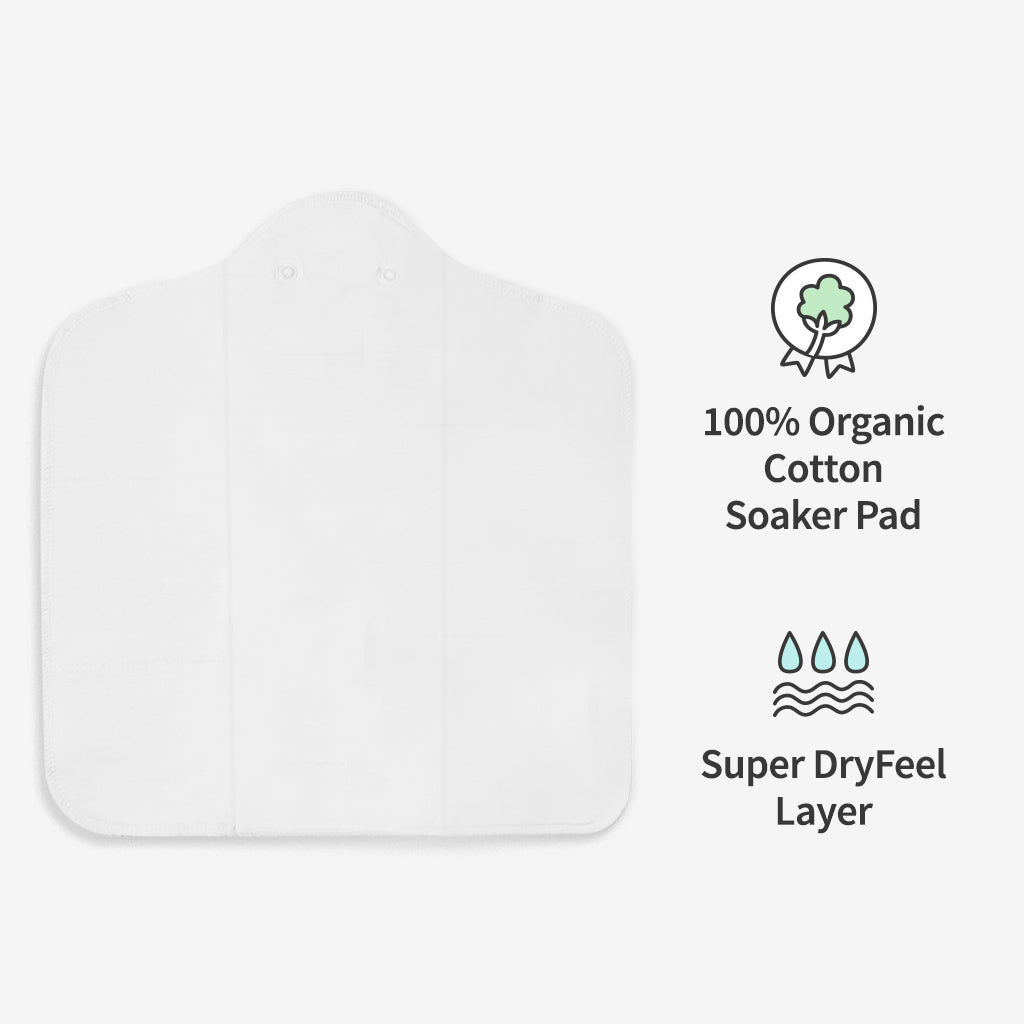
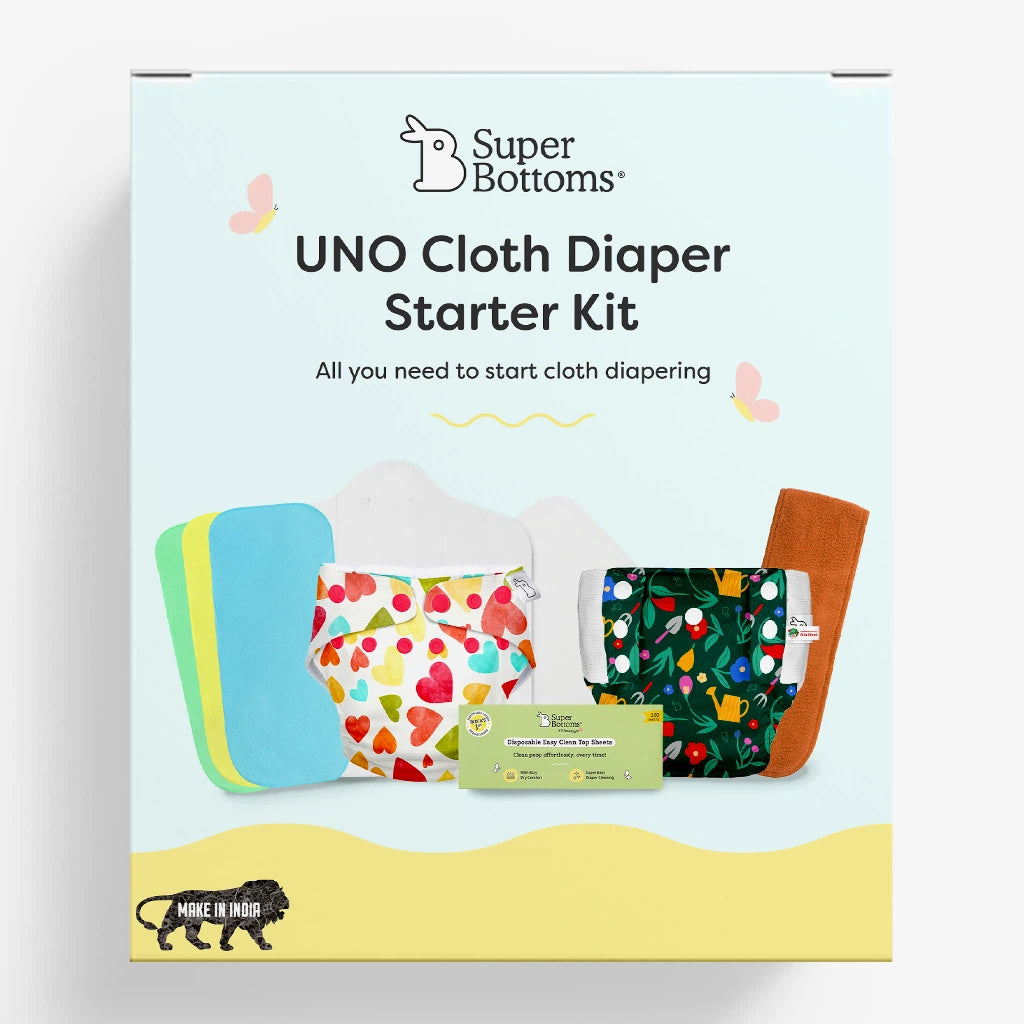
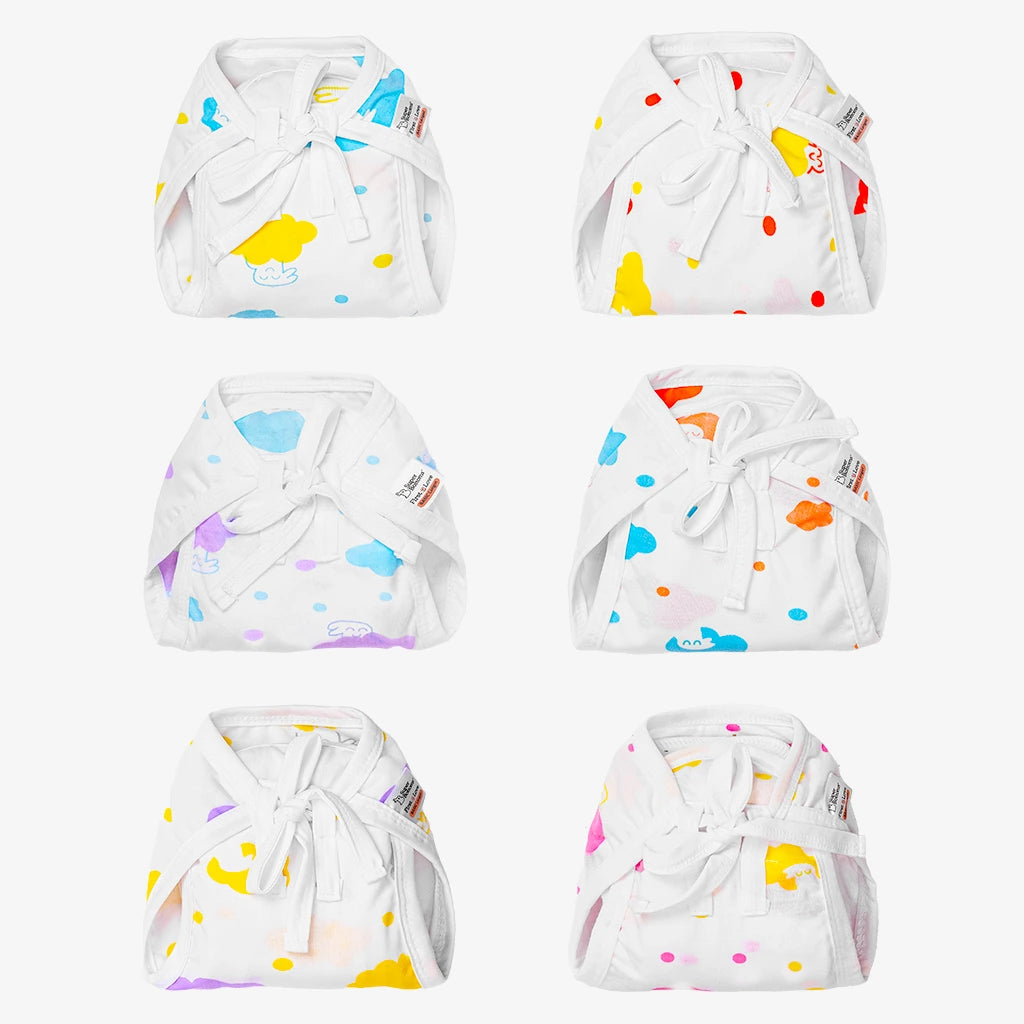
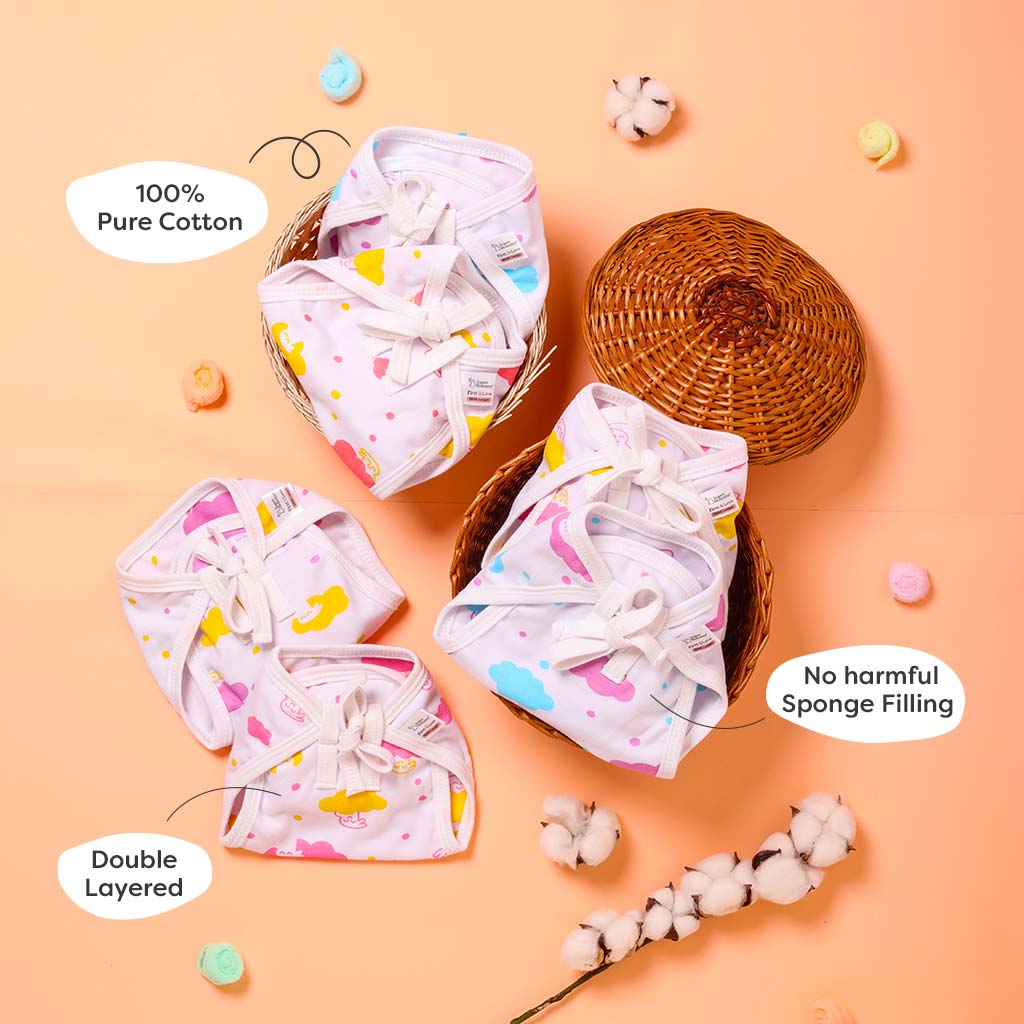
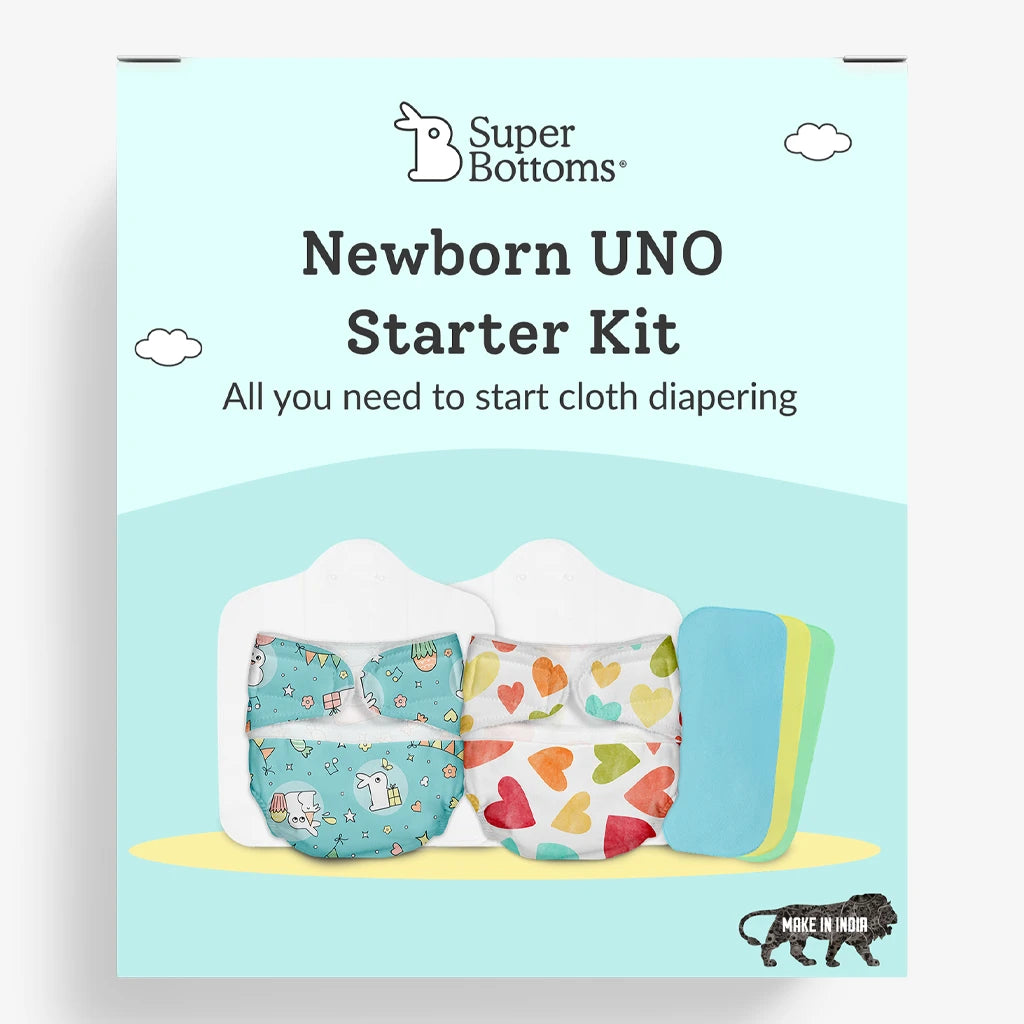
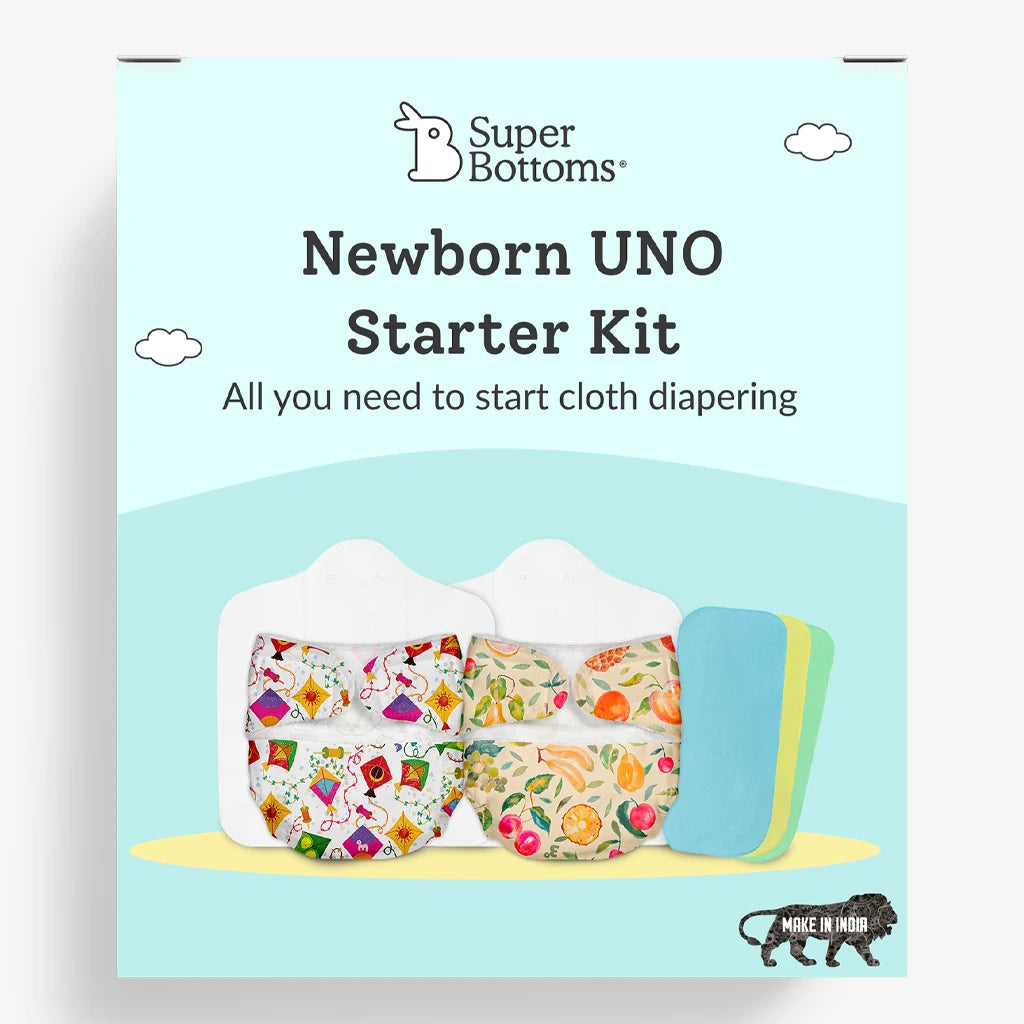
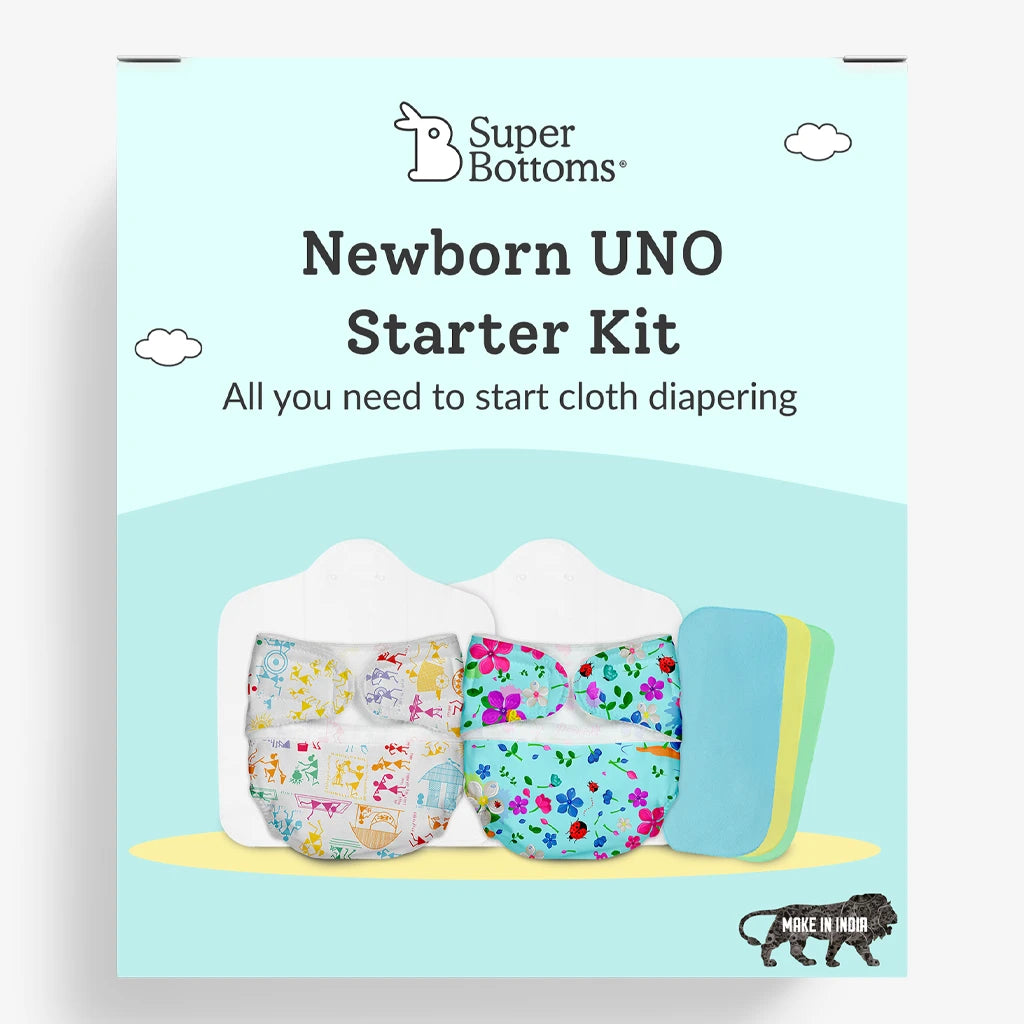
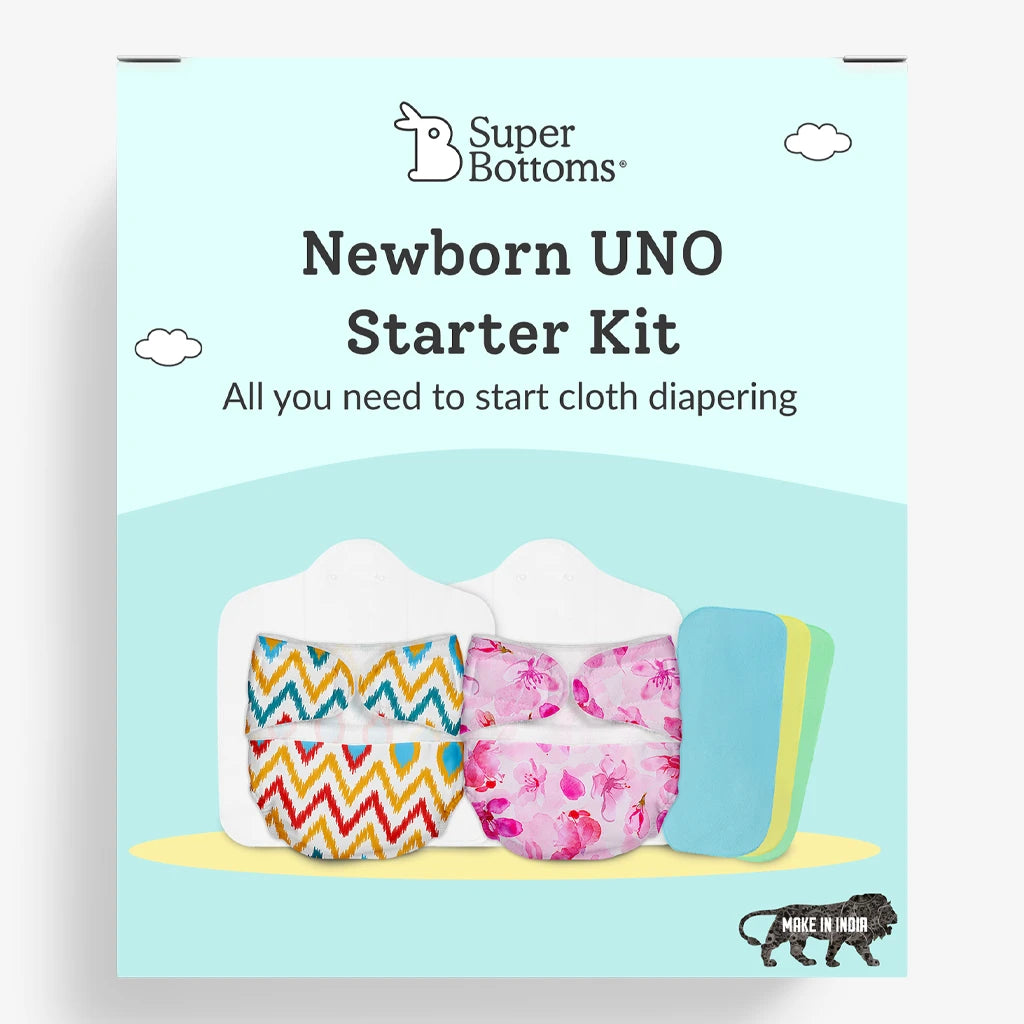
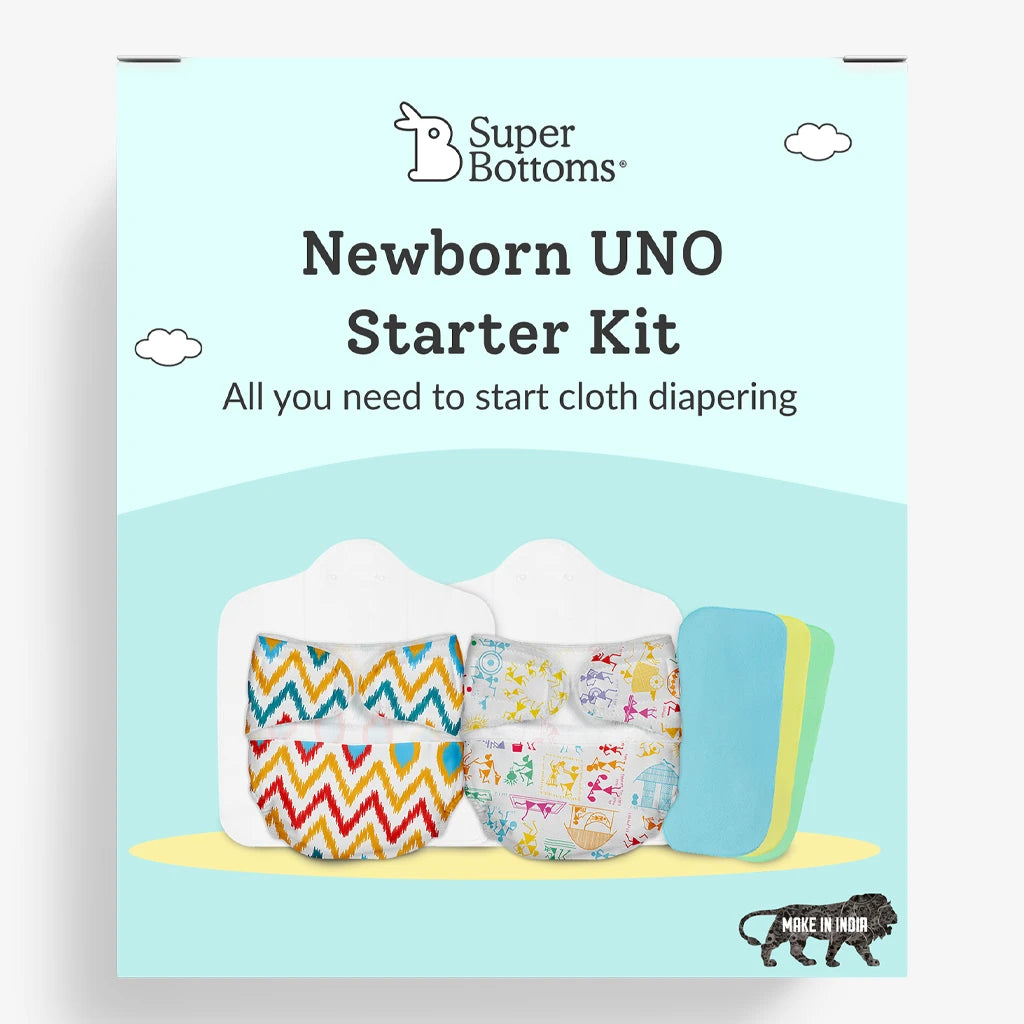
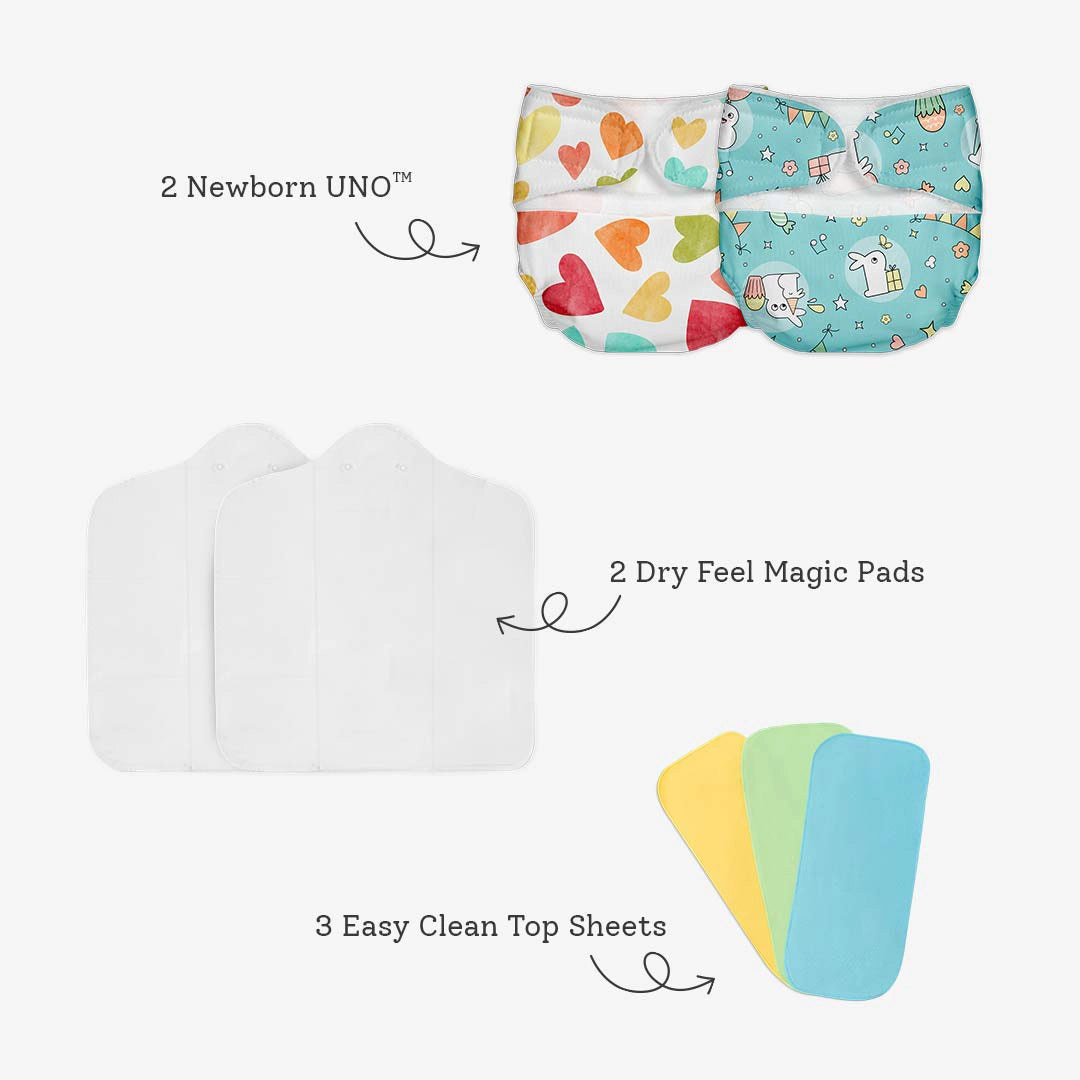
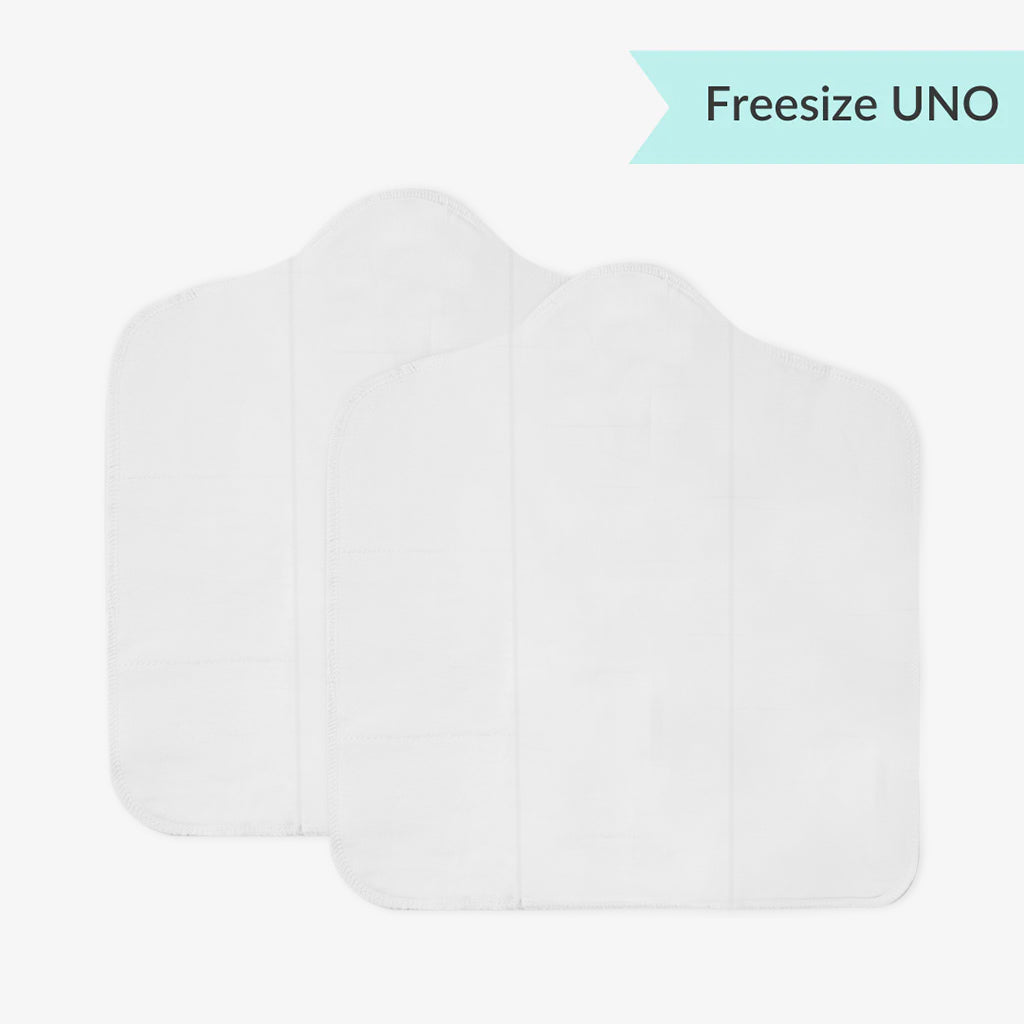
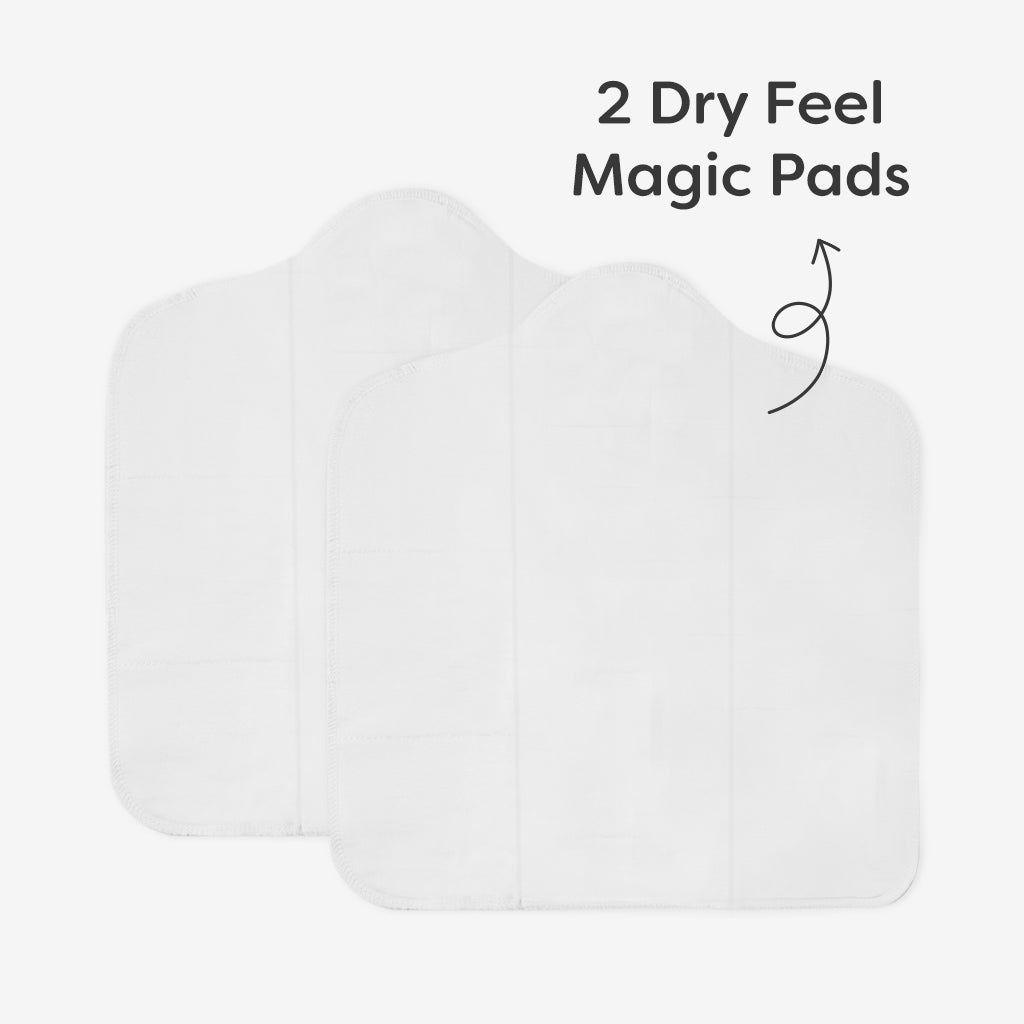
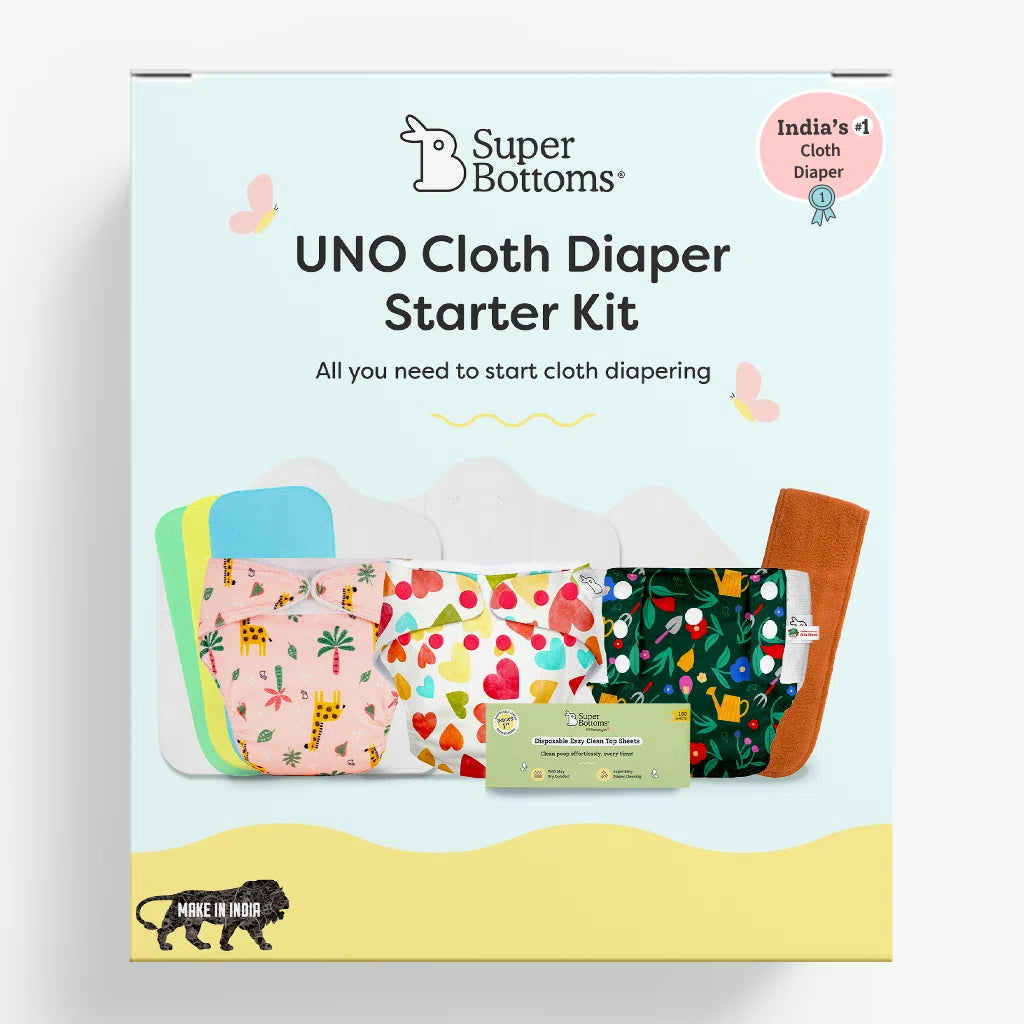
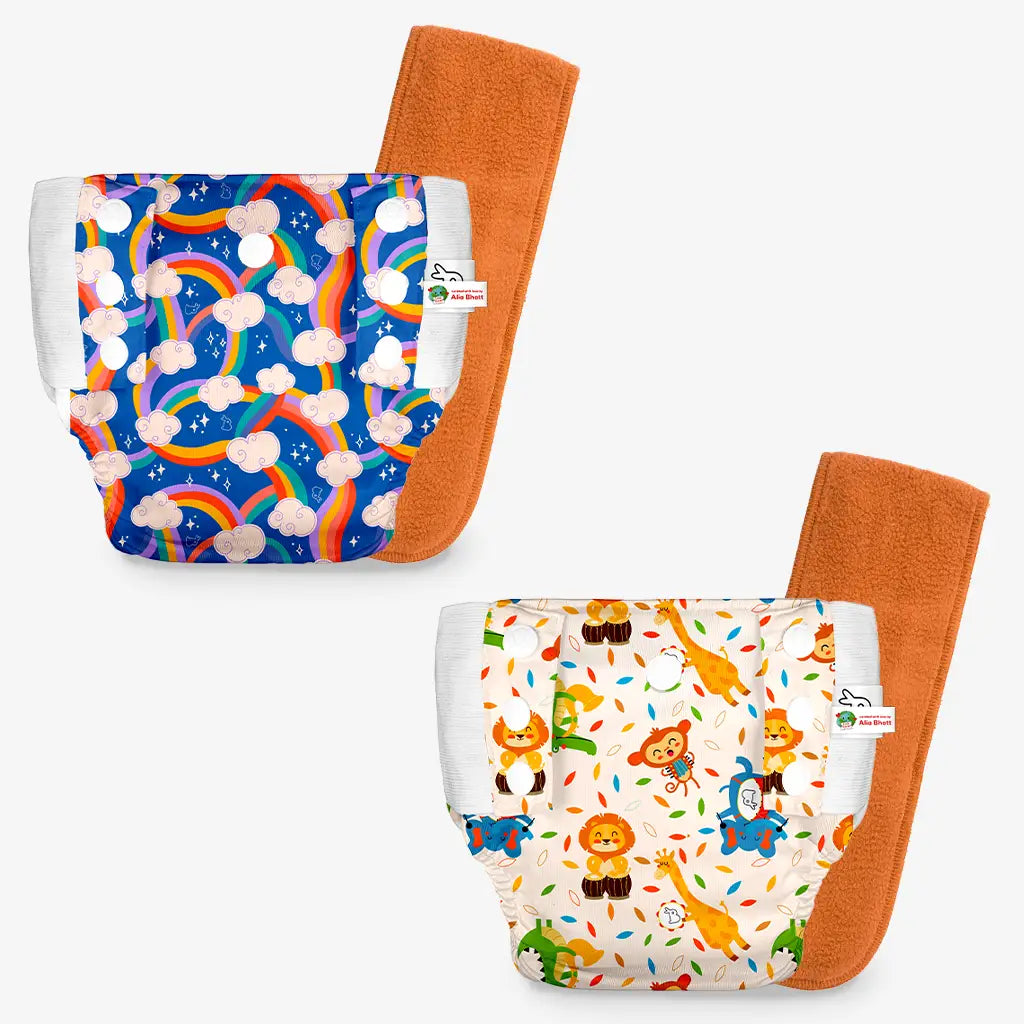
SuperBottoms Pick: UNO Cloth Diapers
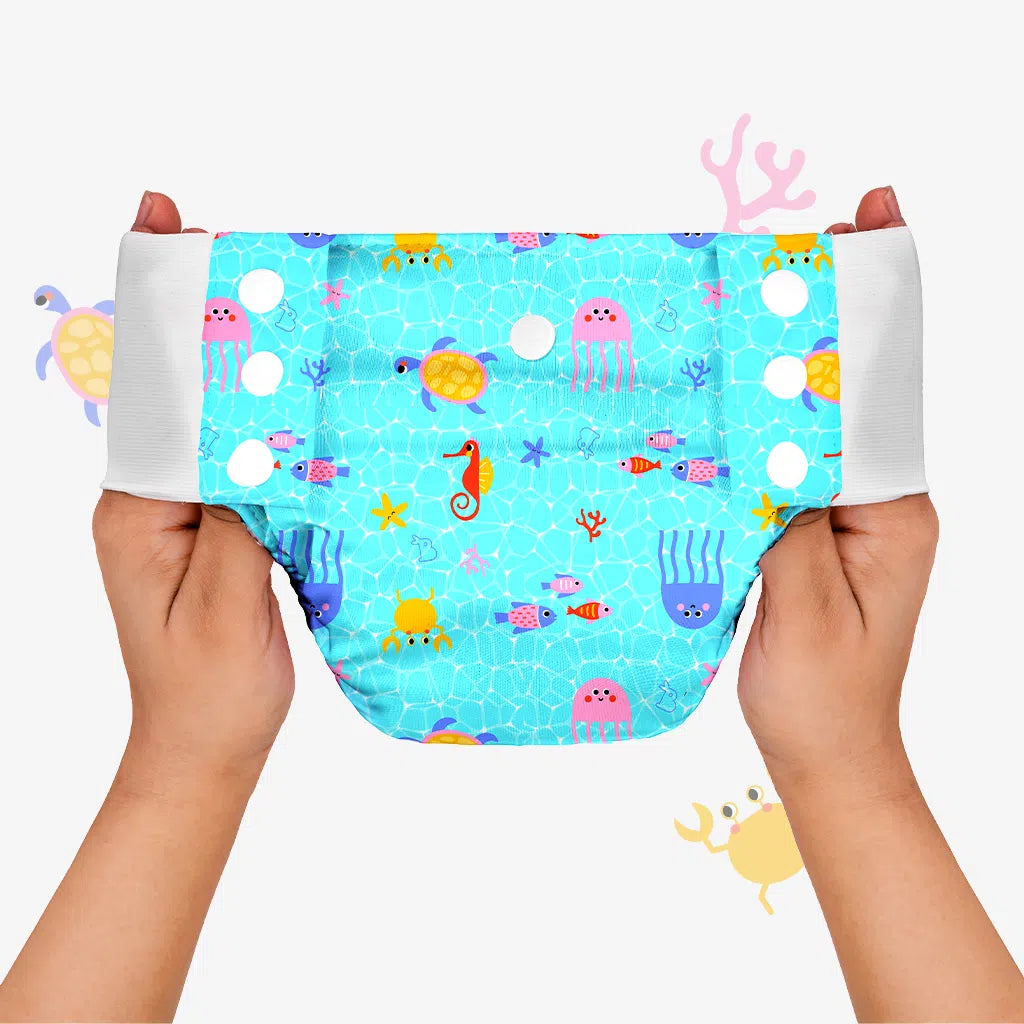
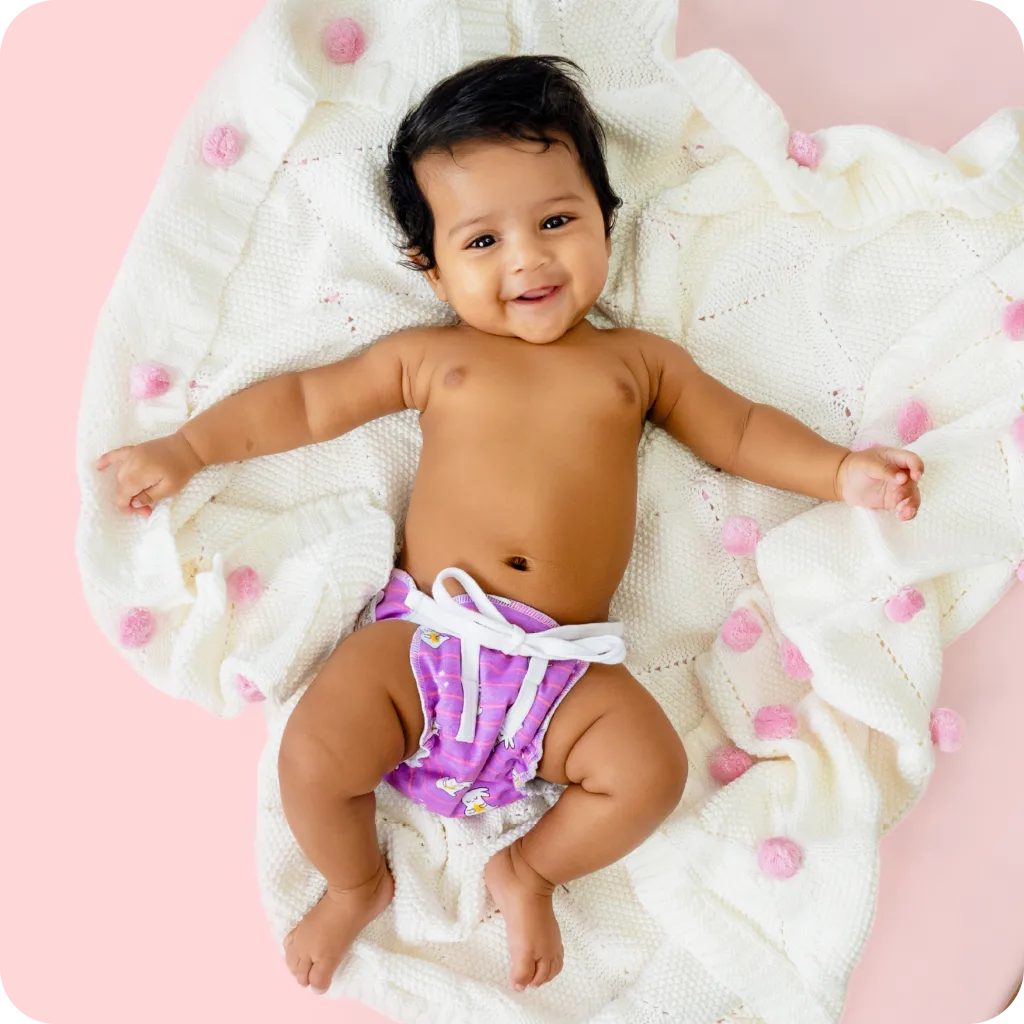
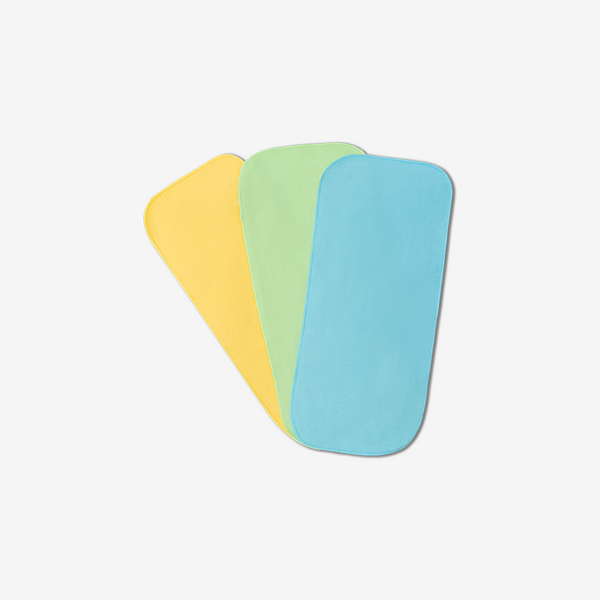
SuperBottoms UNO Cloth Diapers — Designed with soft, breathable fabric and reusable absorbent layers for everyday newborn comfort.
How to Keep Babies Comfortable After Bathing?
Post-bath care is just as important as the bath itself. Babies often feel sleepy, hungry, or sensitive to temperature changes after bathing.
To keep babies comfortable:
- Moisturize if recommended by your pediatrician
- Use breathable cotton clothing
- Change into a dry diaper promptly
- Avoid overdressing
Soft reusable cloth nappies may help reduce friction and irritation, especially in warm Indian weather.
Comparison Table: Disposable vs Reusable Baby Care Essentials
| Feature | Disposable Diapers | Reusable Cloth Nappies | SuperBottoms UNO |
|---|---|---|---|
| Skin Breathability | Moderate | Good | High |
| Reusability | No | Yes | Yes |
| Gentle on Sensitive Skin | Varies | Usually cotton-based | Soft fabric design |
| Long-Term Value | Recurring cost | Cost-effective | Reusable over time |
| Suitable for Daily Use | Yes | Yes | Yes |
| Eco-Friendly | Limited | Better | Reusable option |
Is It Worth Switching to Reusable Cloth Nappies for Newborns?
Many parents consider reusable diapering because newborn skin is highly sensitive during the first few months.
Reusable options may offer:
- Better breathability
- Softer fabric feel
- Reduced exposure to prolonged dampness
- Long-term cost savings
The best option depends on your baby's comfort, your washing routine, and daily lifestyle needs.
Learning how to give bath to newborn baby safely becomes easier with preparation, gentle handling, and simple routines. Bath time is not just about hygiene — it is also a bonding moment that helps babies feel secure and comforted.
Choosing soft, skin-friendly essentials after bathing can also support your baby's comfort throughout the day. Breathable reusable diapering options may help keep delicate newborn skin dry and comfortable.
|
Limited Time Offers + Special Gift Sets! Now or never Super SALE is live on the SuperBottoms website! Take advantage of unbeatable value deals on our UNO Cloth Diapers, Baby Essentials, and more. Looking for the perfect present for a newborn or a toddler? Explore our thoughtfully curated Gift Sets & Combos - safe, skin-friendly, and oh-so-cute! A bundle of love for little ones and a delight for parents. HURRY - Deals and Gift Packs are live only till stocks last. Don’t miss the chance to stock up and share the joy! |
Key Takeaways
- Newborns usually need only 2–3 baths per week.
- Short baths, lukewarm water, and gentle handling are safest for babies.
- Breathable fabrics and soft diapering products can improve post-bath comfort.
FAQs
1. How to bathe a newborn safely for the first time?
Support the baby's head and neck securely, use lukewarm water, and keep bath time short and gentle.
2. What is the correct newborn baby bath procedure?
Prepare all essentials first, clean the face before the body, wash gently, and dry the baby immediately after the bath.
3. How often should newborns be bathed?
Most newborns only need 2–3 baths weekly unless advised otherwise by a pediatrician.
4. Can I shower my newborn baby?
Direct showers are usually not recommended for newborns. Sponge baths or shallow tub baths are safer during the early weeks.
5. What are the best newborn bath tips for winter?
Keep the room warm, use lukewarm water, and dress the baby quickly after the bath.
6. Which products are safe for newborn baby bath routines?
Use mild, fragrance-free baby cleansers and soft, breathable fabrics designed for sensitive skin.
7. Is reusable diapering suitable for newborns?
Many parents prefer reusable cloth nappies because they are soft, breathable, and reusable for daily use.
8. Where can I buy reusable newborn diapering products in India?
Parents can explore reusable newborn diapering and baby care essentials through trusted Indian baby care brands like SuperBottoms.
References
Hi there, new parents! SuperBottoms brings you doctor-recommended cloth diapers - the best rash-free diapering solution for your baby's sensitive and delicate skin. Unlike disposable diapers loaded with chemicals, our newborn cloth diapers, when used and washed properly, can help eliminate the risk of diaper rashes. SuperBottoms offers a wide range of safe, skin-friendly essentials for the whole family - including Reusable Cloth Diapers, Diaper Pants, DryFeel langots for diaper-free time, Padded Underwear for potty training, SuperSoft Underwear for everyday comfort, Joggers for playful days, and Period Underwear for women. Not just for everyday use, SuperBottoms products also make the best gifting choice for babies - thoughtful, eco-friendly, practical, and loved by parents. Now available on Amazon, Myntra, Flipkart, FirstCry, Zepto, Swiggy and Blinkit.