






Dengue in babies and children can cause high fever, weakness, rashes, and dehydration, especially during monsoon and mosquito-prone seasons. Early recognition of dengue symptoms in kids and proper medical care can reduce complications. Parents can support recovery through hydration, rest, breathable clothing, and skin-friendly hygiene practices while following a doctor's advice for treatment and monitoring.
- What Is Dengue Fever in Kids?
- What Are the Early Signs of Dengue in Babies?
- How Does Dengue Spread Among Children?
- What Are the Common Dengue Symptoms in Kids?
- When Should Parents Seek Immediate Medical Help?
- What Does Dengue Treatment for Child at Home Include?
- What Should I Look for When Choosing Baby Essentials During Dengue Recovery?
- Comparison Table: Disposable vs Reusable Baby Care Options
- How Can Parents Prevent Dengue in Babies and Children?
- Key Takeaways
- FAQs
- Message from SuperBottoms
What Is Dengue Fever in Kids?
Dengue fever in kids is a mosquito-borne viral infection caused by the dengue virus. It spreads through the bite of infected Aedes mosquitoes, which commonly breed in stagnant water around homes.
Children, especially babies and toddlers, may struggle to express discomfort clearly. This makes early observation of fever, reduced activity, poor feeding, and skin changes extremely important.
Dengue in babies can sometimes resemble common viral fever initially. However, persistent high fever, unusual sleepiness, vomiting, or dehydration signs require immediate medical evaluation.
What Are the Early Signs of Dengue in Babies?
The earliest signs of dengue fever in babies may appear suddenly and worsen within a few days. Parents often notice fever first, followed by irritability and feeding difficulties.
Common early signs of dengue in kids include:
- Sudden high fever
- Excessive crying or fussiness
- Poor feeding
- Sleepiness or weakness
- Vomiting
- Mild skin rash
- Redness around the eyes
- Reduced urination
In infants, symptoms may appear less specific compared to older children. Some babies may simply seem unusually tired or clingy.
Not every fever during the monsoon season is dengue. However, if fever is accompanied by low energy, rashes, or dehydration, parents should consult a paediatrician instead of self-medicating.
How Does Dengue Spread Among Children?
Dengue does not spread directly from one child to another. The virus spreads through mosquito bites, mainly during daytime hours.
Mosquito breeding commonly increases in:
- Water coolers
- Open buckets
- Plant trays
- Construction areas
- Uncovered water tanks
Urban Indian households often experience increased mosquito exposure during humid and rainy months, making prevention especially important for babies and young children.
What Are the Common Dengue Symptoms in Kids?
Dengue symptoms in child cases can vary from mild to severe. Symptoms usually begin 4–10 days after a mosquito bite.
Common dengue symptoms in kids include:
- High fever
- Headache
- Body pain
- Muscle and joint pain
- Nausea or vomiting
- Fatigue
- Loss of appetite
- Dengue rashes in kids
- Mild bleeding from gums or nose
What Do Dengue Rashes in Kids Look Like?
Dengue rashes in kids may appear as:
- Small red spots
- Patchy redness
- Itchy skin areas
- Flat or raised rashes
These rashes often appear after fever begins to settle.
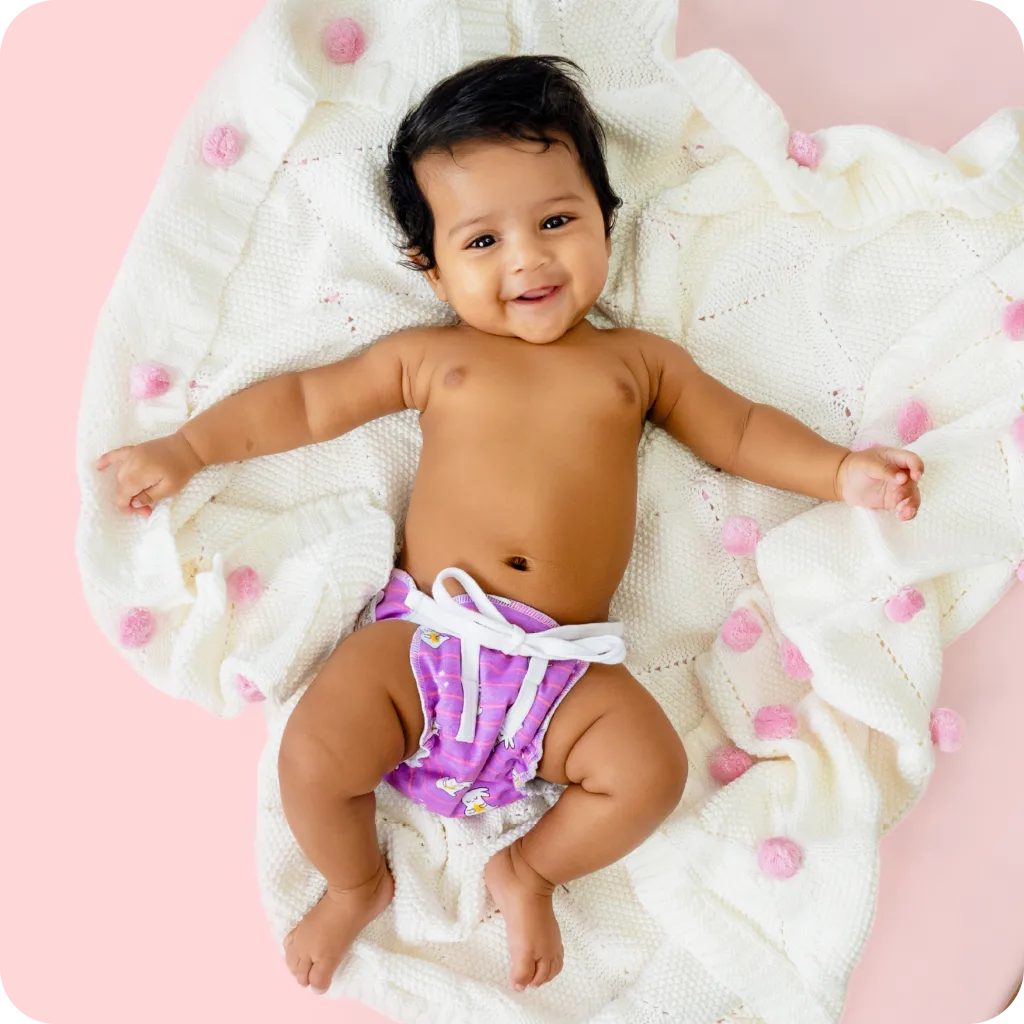
A parent from Pune shared, "During my daughter's dengue recovery, lightweight reusable cloth diapers felt gentler on her sensitive skin than plastic-heavy alternatives."

When Should Parents Seek Immediate Medical Help?
Some cases of dengue fever in kids can become severe and require urgent care. Parents should never ignore warning signs.
Seek immediate medical attention if your child experiences:
- Severe stomach pain
- Continuous vomiting
- Breathing difficulty
- Bleeding gums
- Blood in stool or vomit
- Extreme weakness
- Cold hands and feet
- Refusal to drink fluids
- Reduced urination
Babies can become dehydrated quickly, so monitoring fluids is critical.
What Does Dengue Treatment for Child at Home Include?
Most mild dengue cases recover with supportive care under medical supervision. There is no specific antiviral cure for dengue fever treatment for kids, but home management plays an important role.
Dengue treatment for a child at home may include:
- Plenty of fluids
- Oral rehydration solutions
- Coconut water (if recommended)
- Rest
- Light nutritious meals
- Fever monitoring
- Doctor-prescribed medicines only
Parents should avoid giving medicines without pediatric guidance, especially painkillers that may increase bleeding risk.
What Should I Look for When Choosing Baby Essentials During Dengue Recovery?
Children recovering from fever often experience sweating, skin sensitivity, and discomfort. Parents should prioritise comfort-focused essentials.
What to Look For
When choosing baby care products during illness, consider:
-
Breathable materials
-
Skin-safe fabrics
-
Frequent-change convenience
-
Leak protection
-
Reduced heat buildup
-
Gentle elastic support
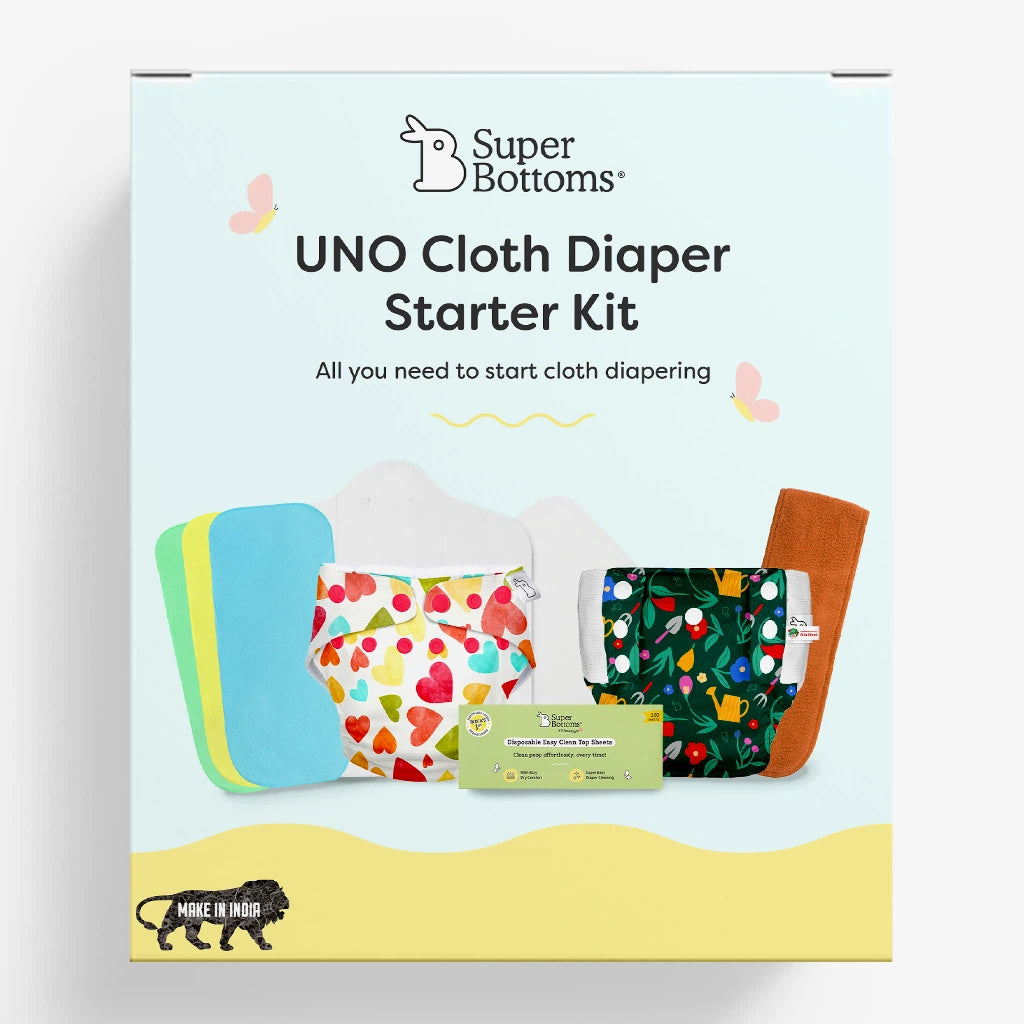
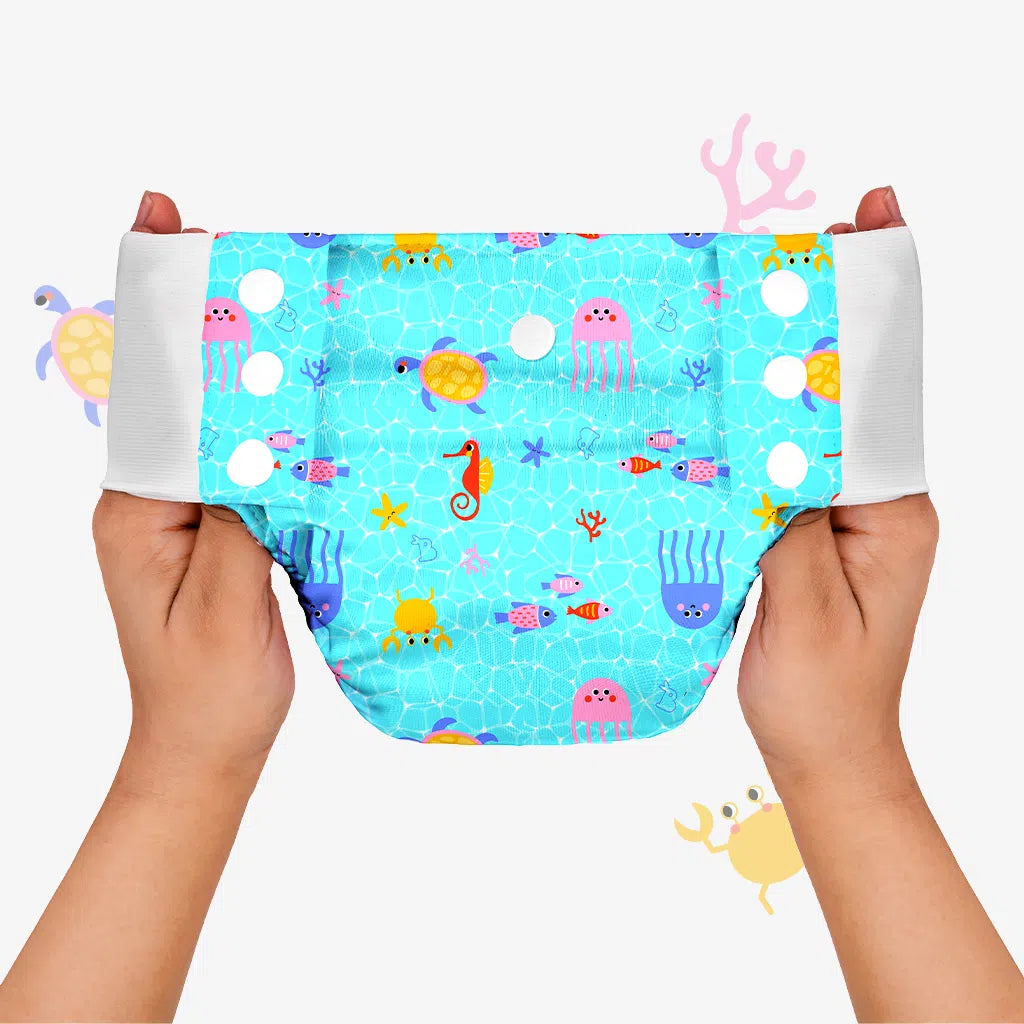
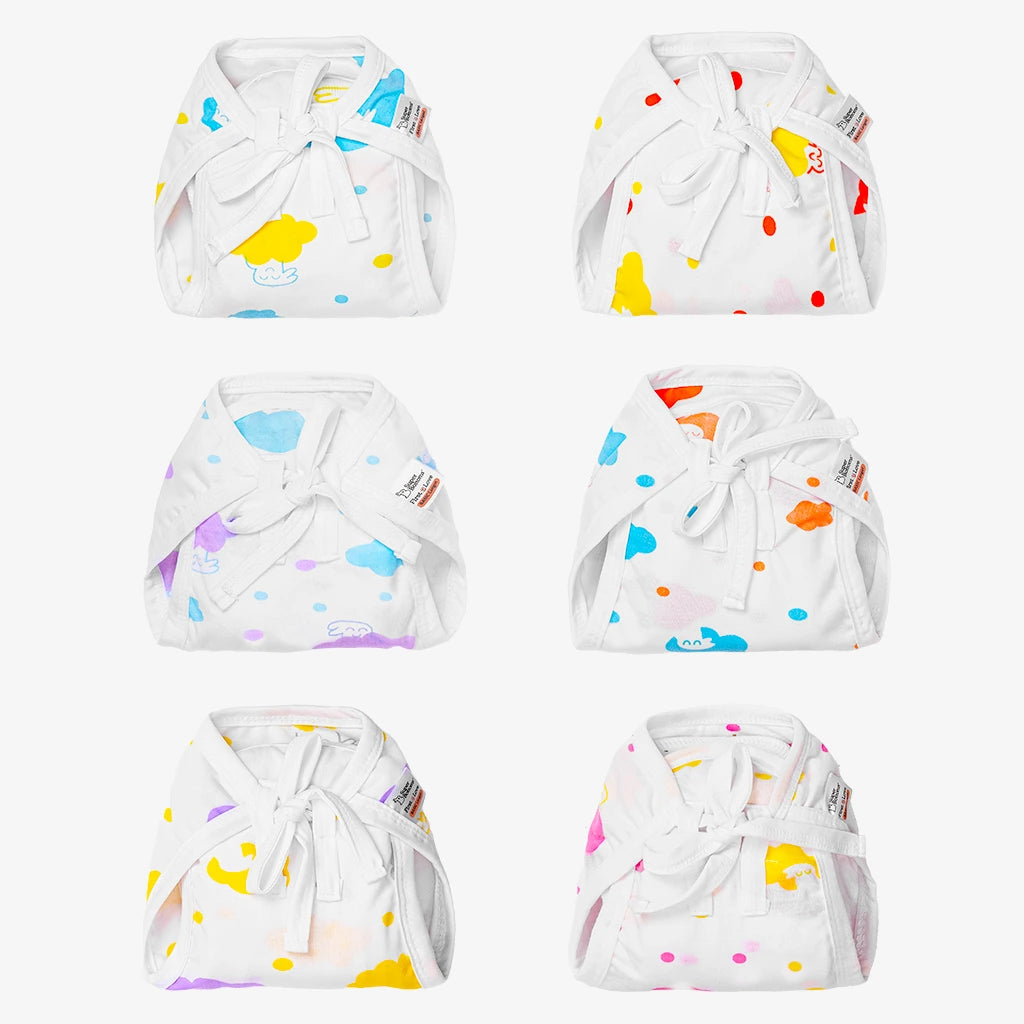
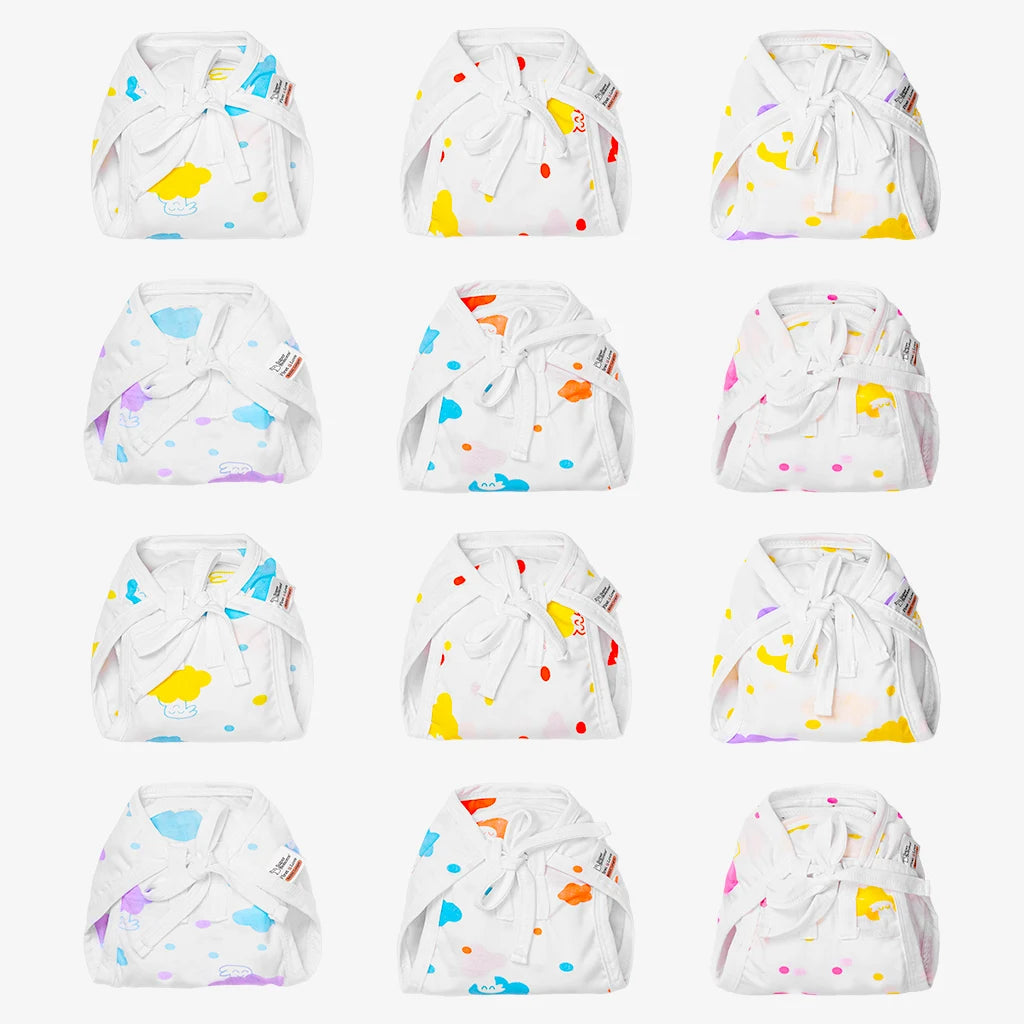
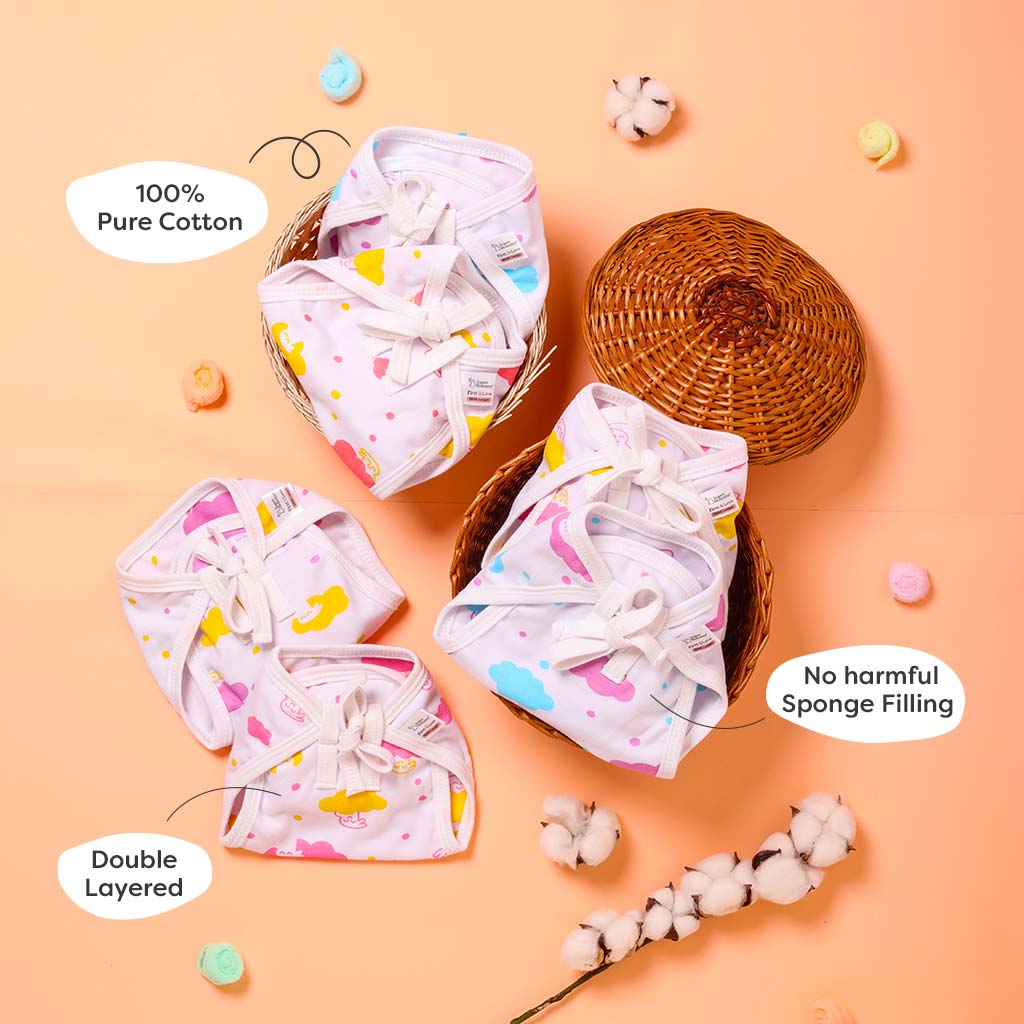
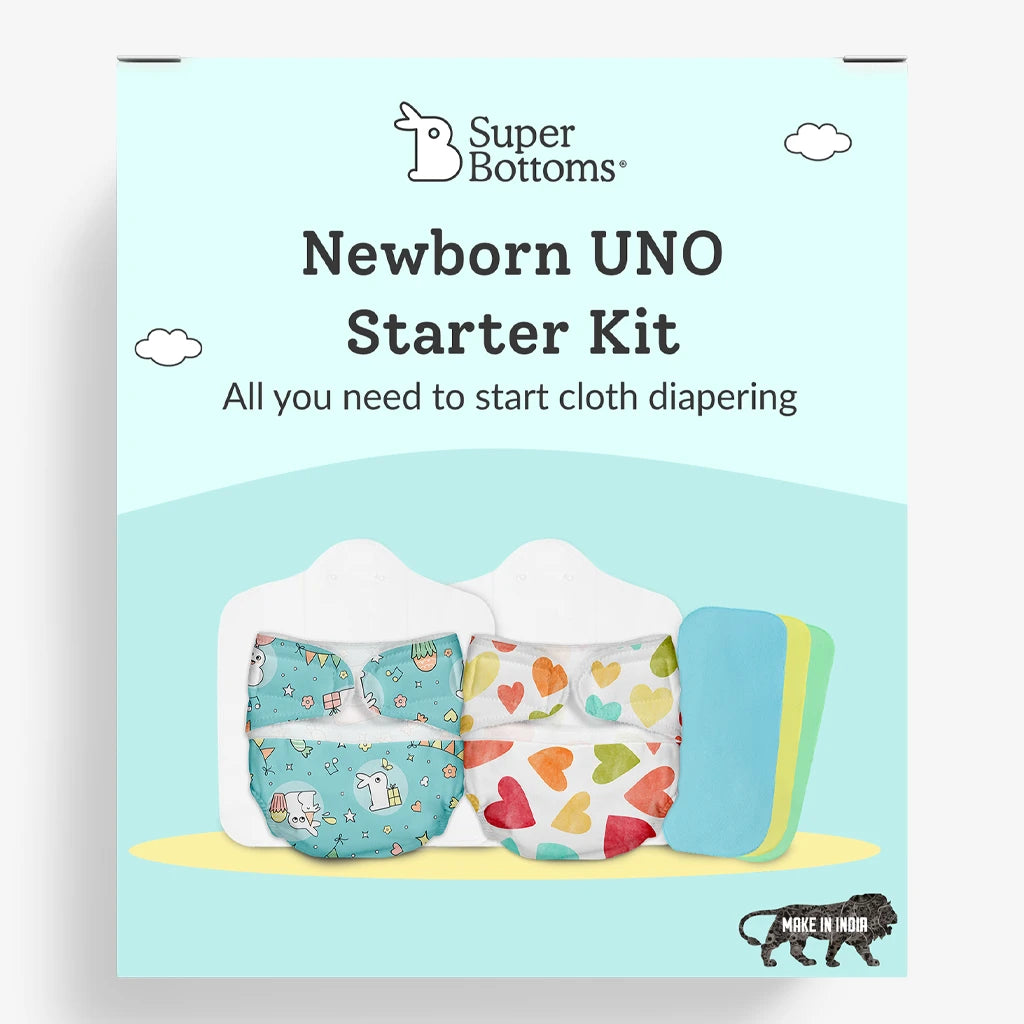
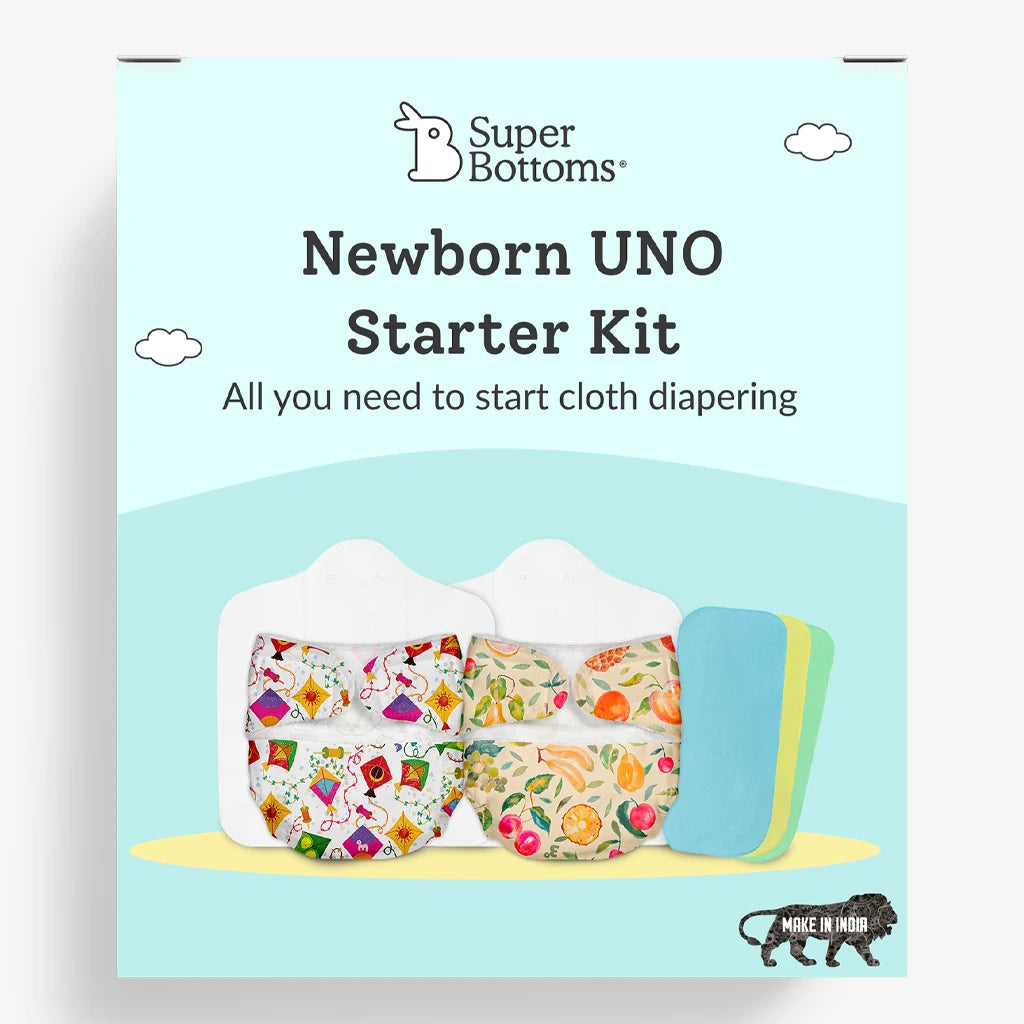
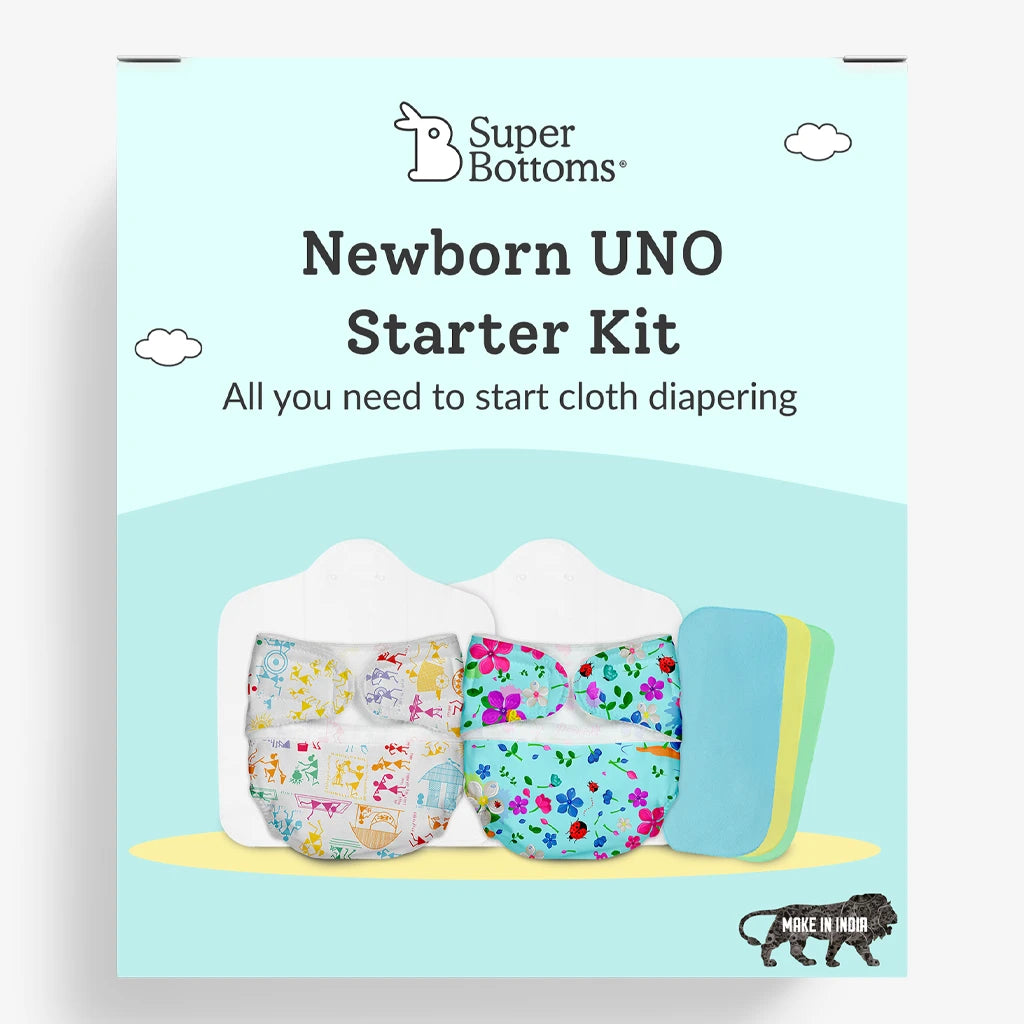
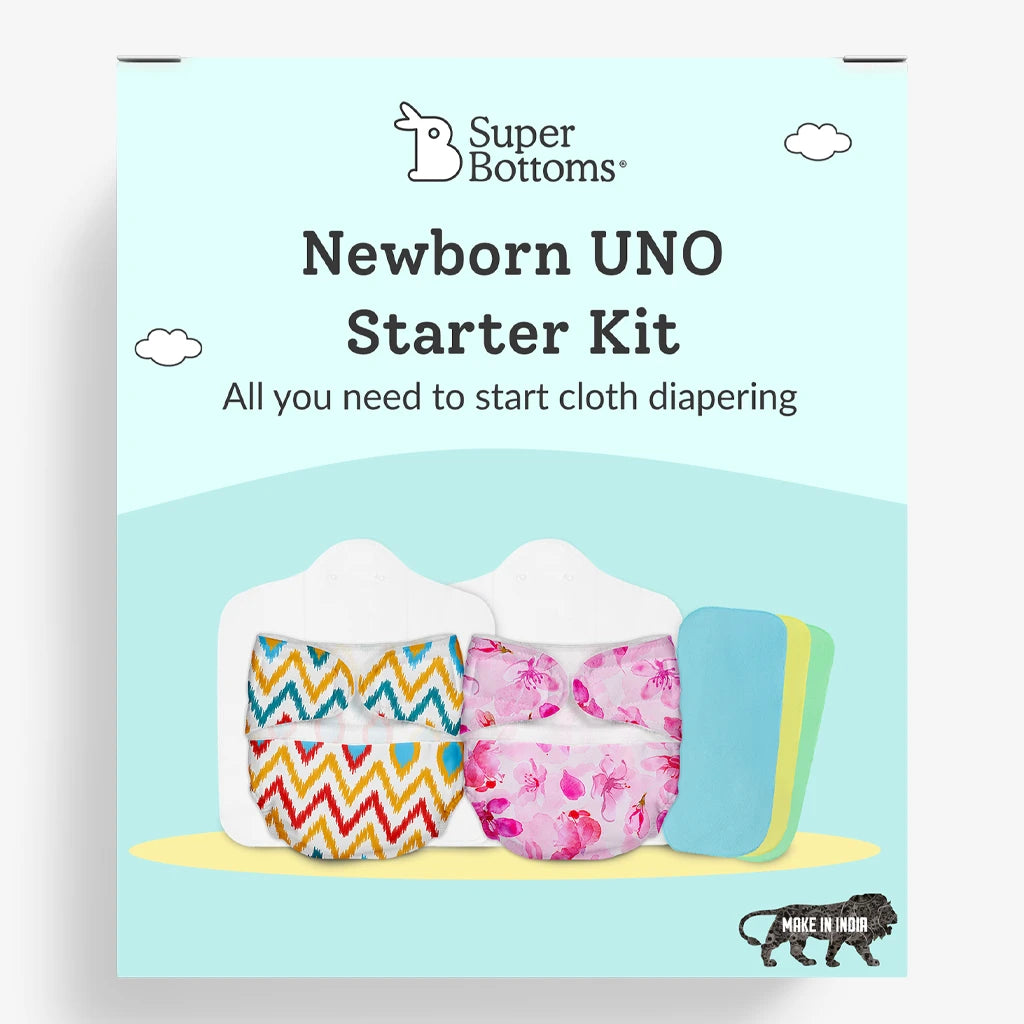
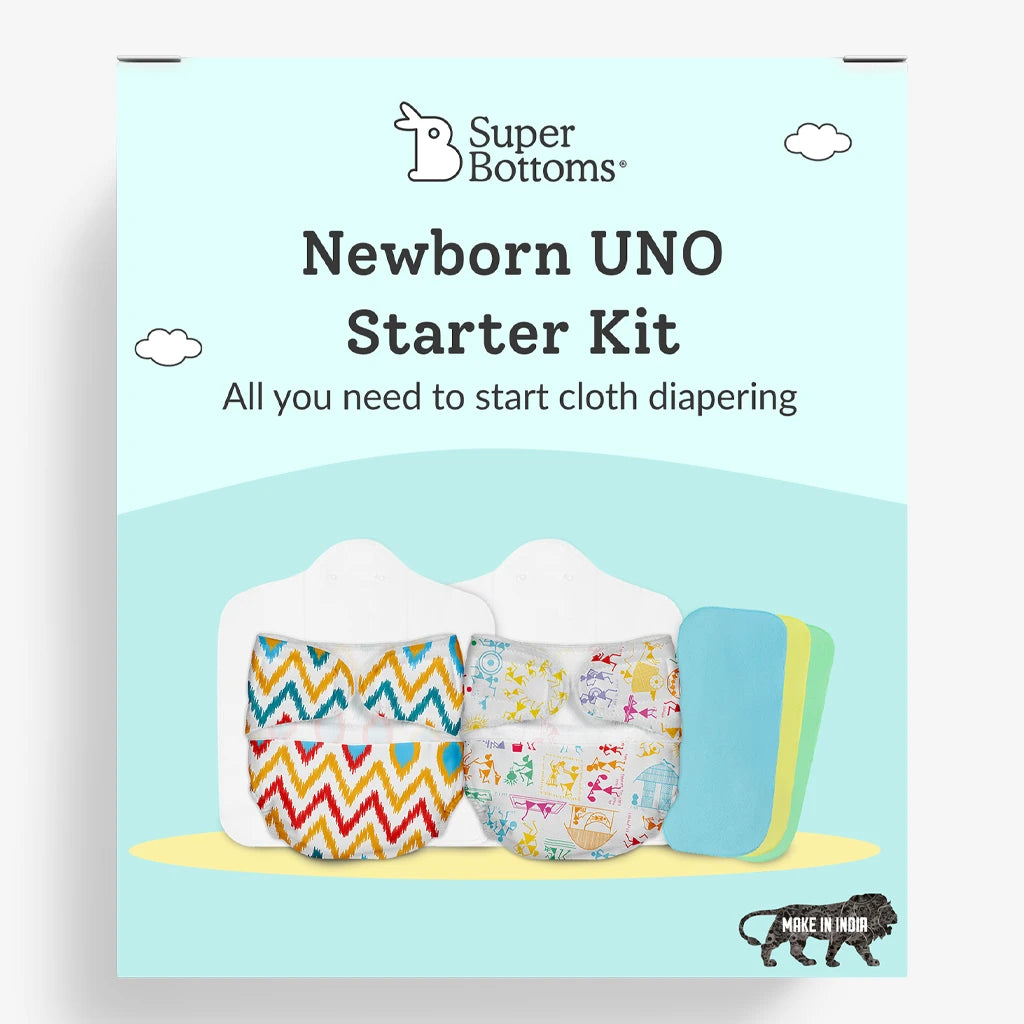
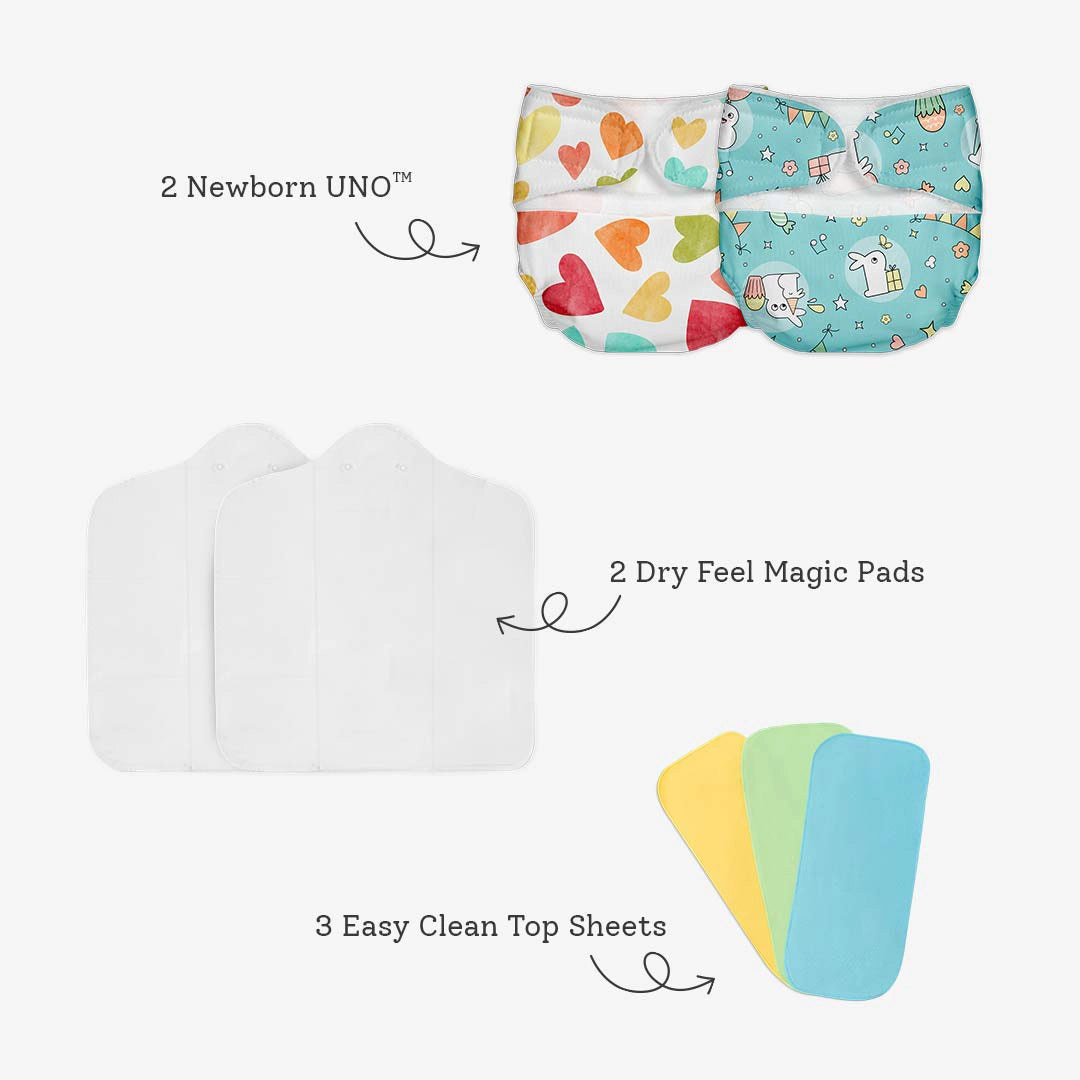
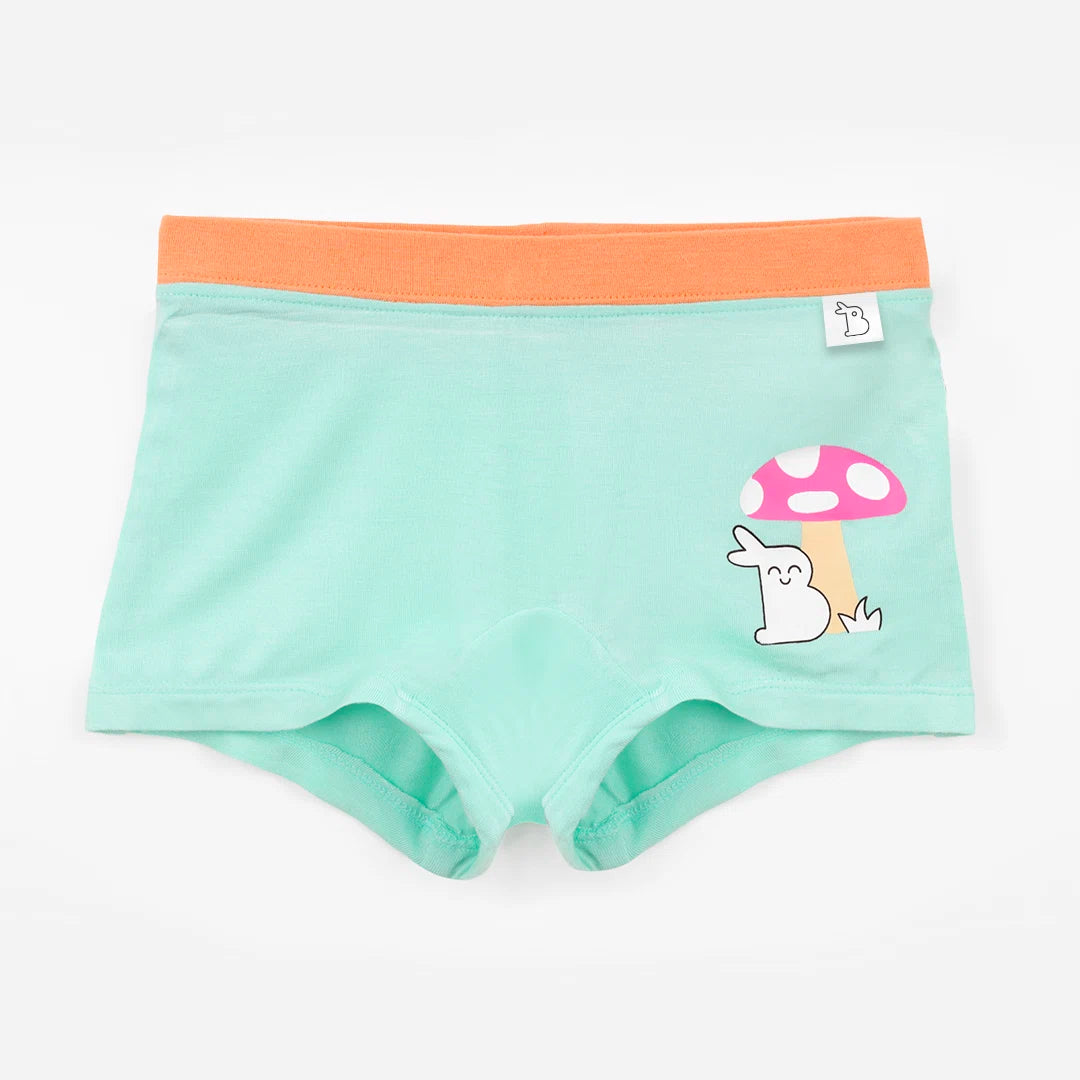
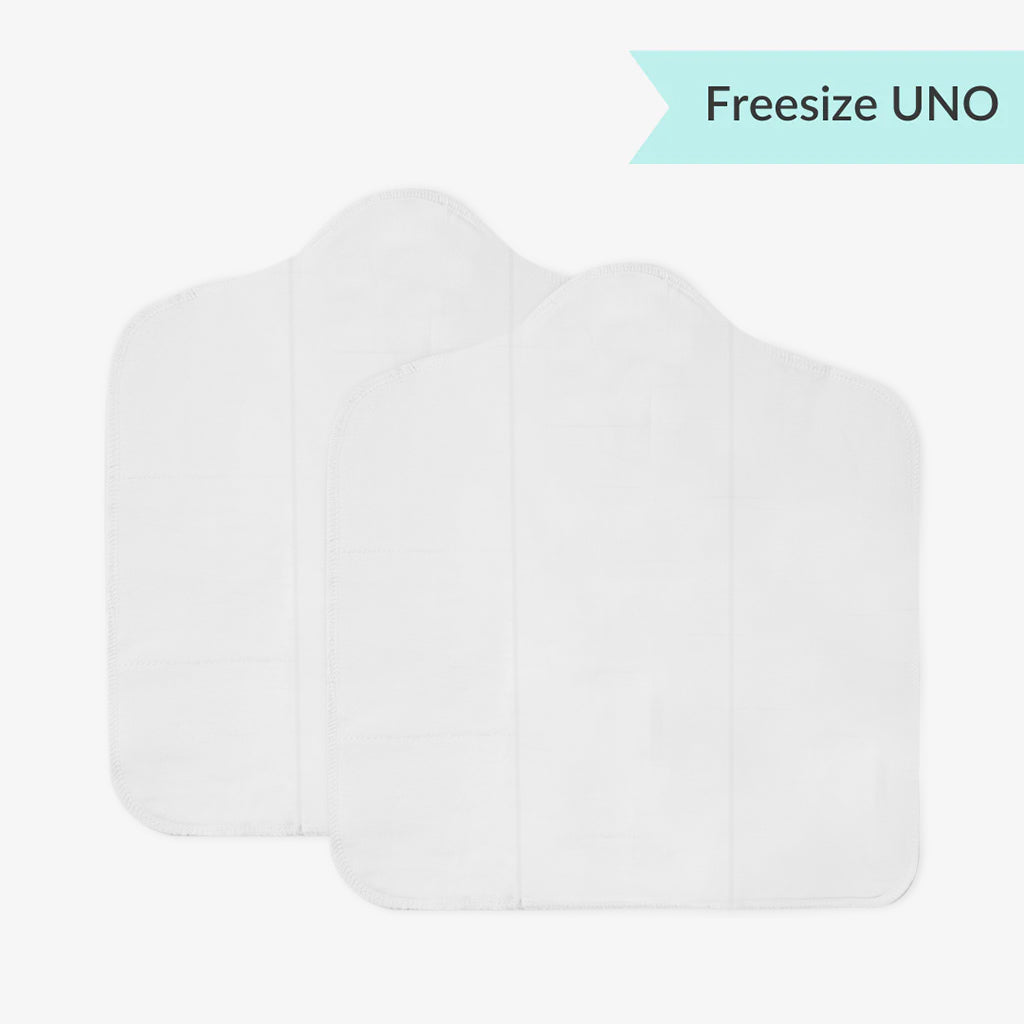
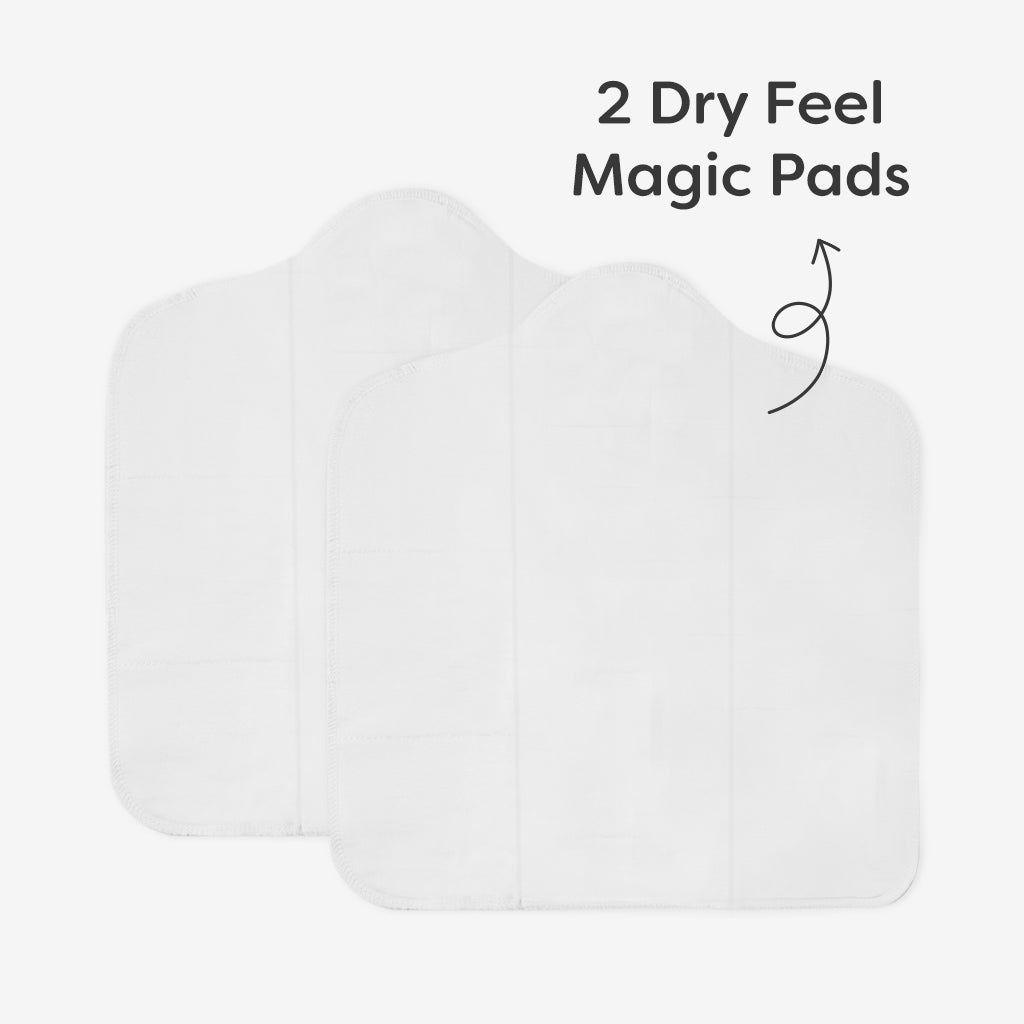
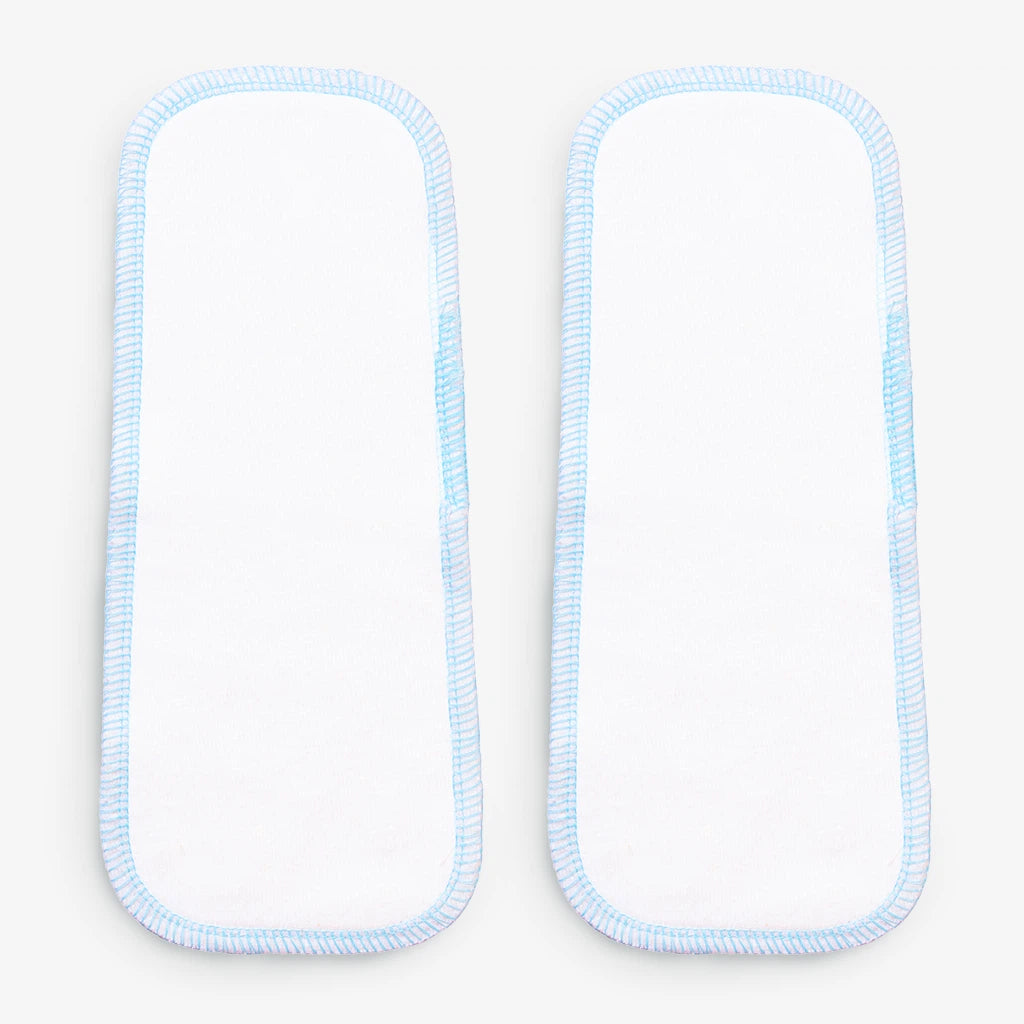
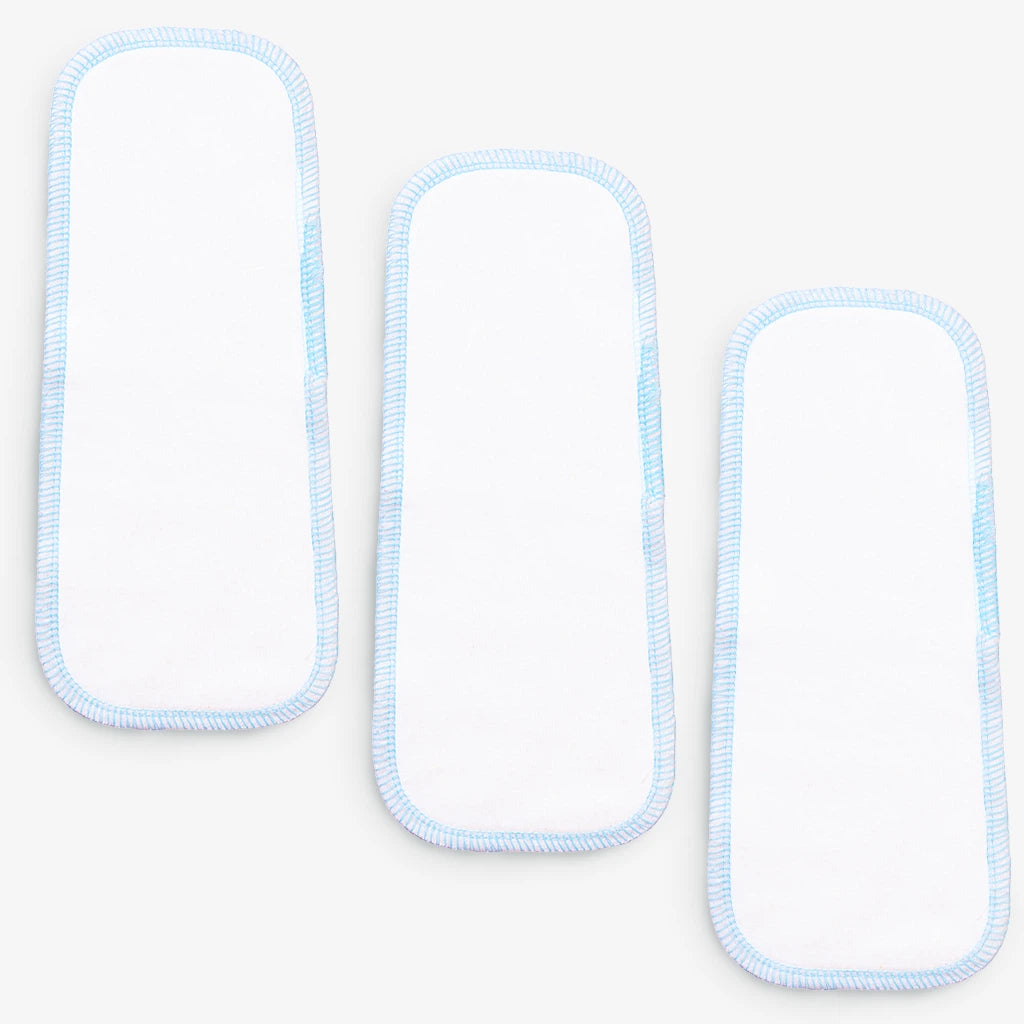
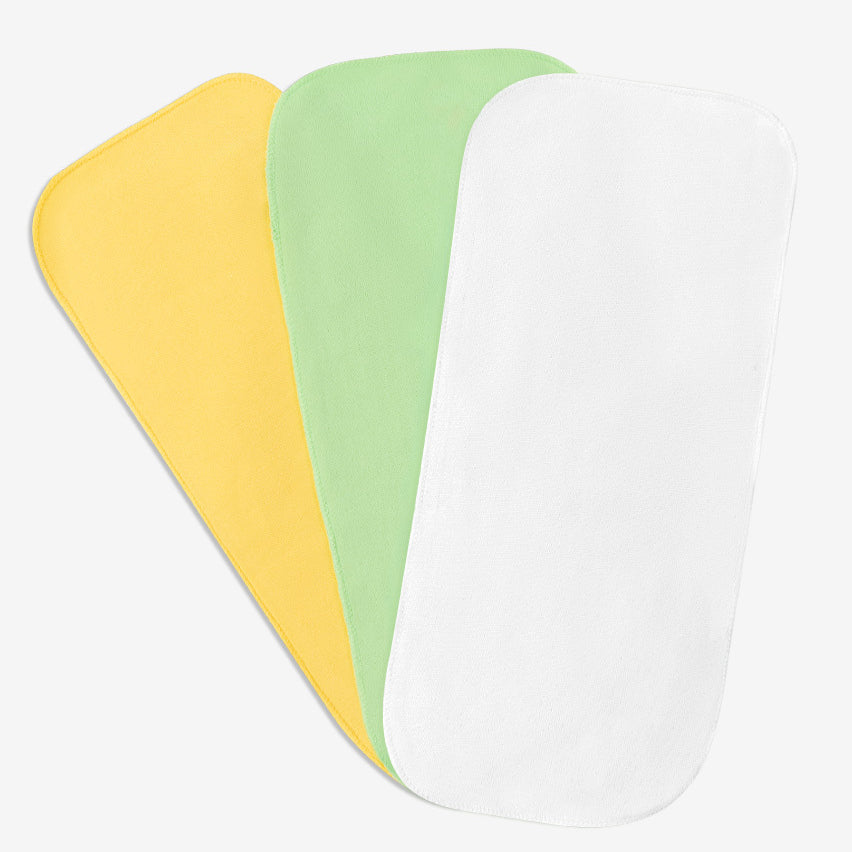
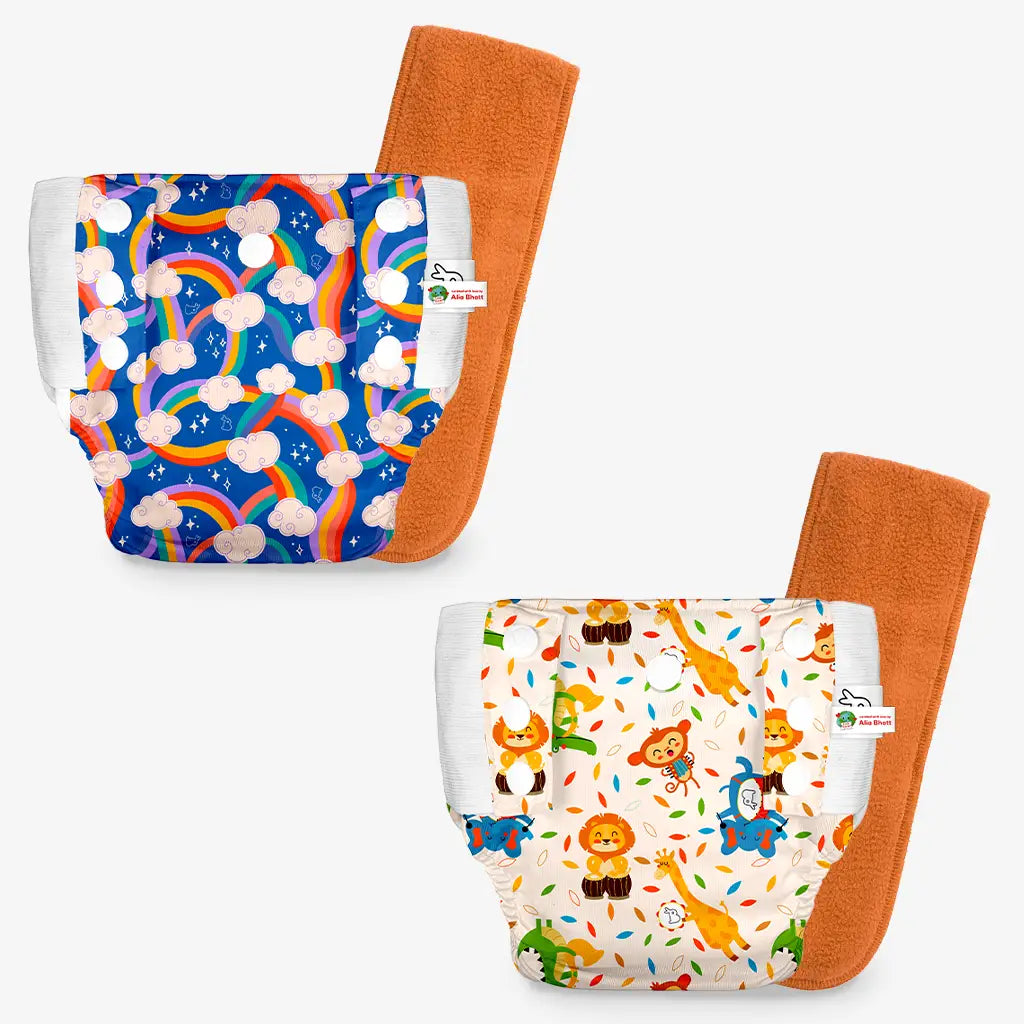
Reusable cloth nappies with a leak-proof inner layer may help reduce prolonged dampness while remaining softer on sensitive skin.
Comparison Table: Disposable vs Reusable Baby Care Options
| Feature | Disposable Diapers | Reusable Cloth Nappies | SuperBottoms UNO |
|---|---|---|---|
| Breathability | Moderate | High | High |
| Reusability | No | Yes | Yes |
| Skin-Friendly Fabric | Varies | Usually softer | Soft cotton-rich layers |
| Leak Protection | Good | Depends on quality | Multi-layer absorbency |
| Long-Term Value | Lower | Better over time | Better over time |
| Eco-Friendly | Limited | Better | Better |
| Suitable for Sensitive Skin | Sometimes | Often preferred | Designed for gentle comfort |
Parents should always choose based on their child's comfort, skin sensitivity, and changing needs during illness recovery.
How Can Parents Prevent Dengue in Babies and Children?
Prevention remains the best defence against dengue fever in babies and older children.
Simple dengue prevention tips:
- Remove stagnant water weekly
- Use mosquito nets
- Dress babies in full sleeves
- Use pediatric-safe mosquito protection
- Keep rooms well ventilated
- Clean coolers and containers regularly
- Avoid outdoor exposure during peak mosquito hours
Dengue in babies and children requires careful monitoring, early medical guidance, and supportive recovery care. Recognising dengue symptoms in kids early can help parents prevent complications and improve comfort during recovery.
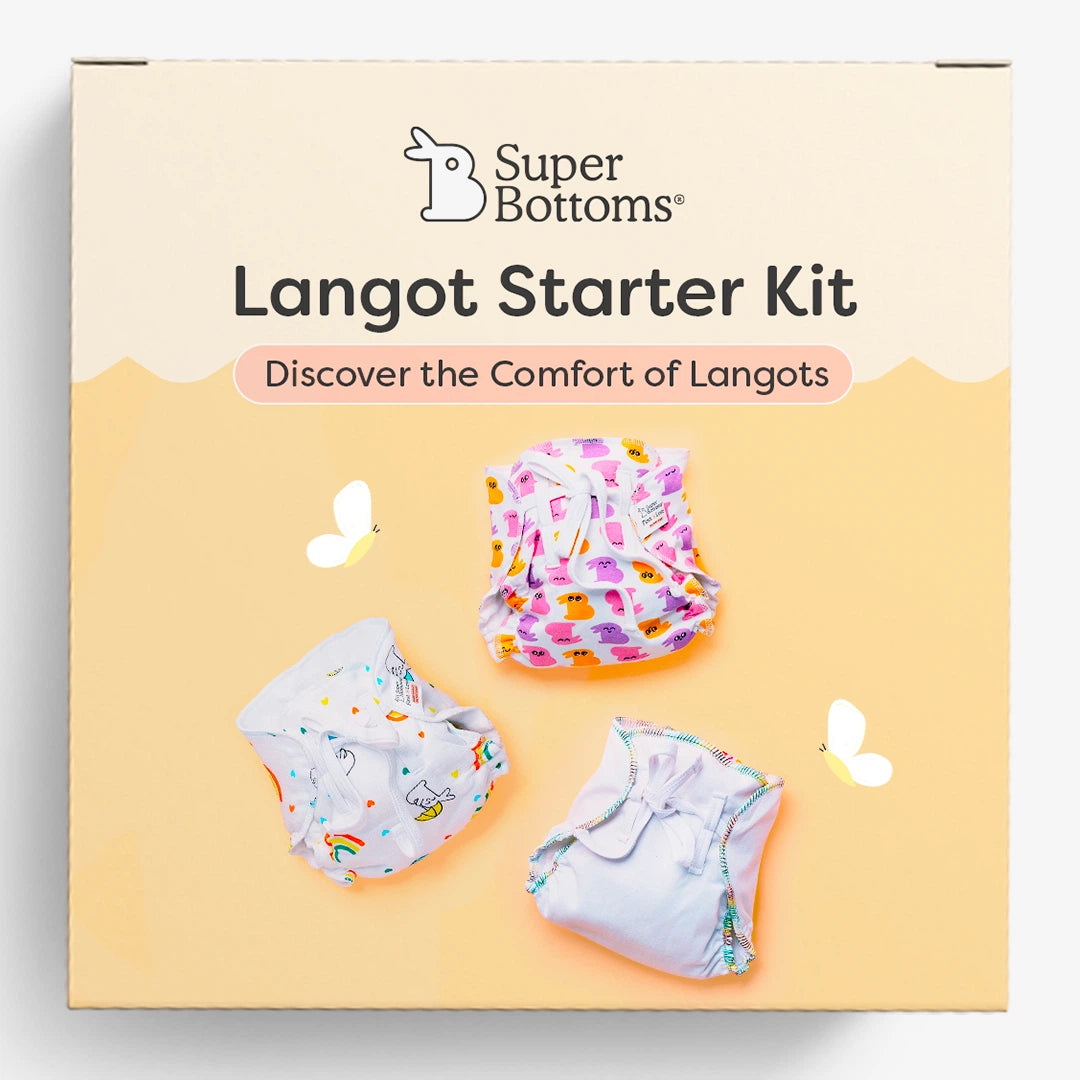
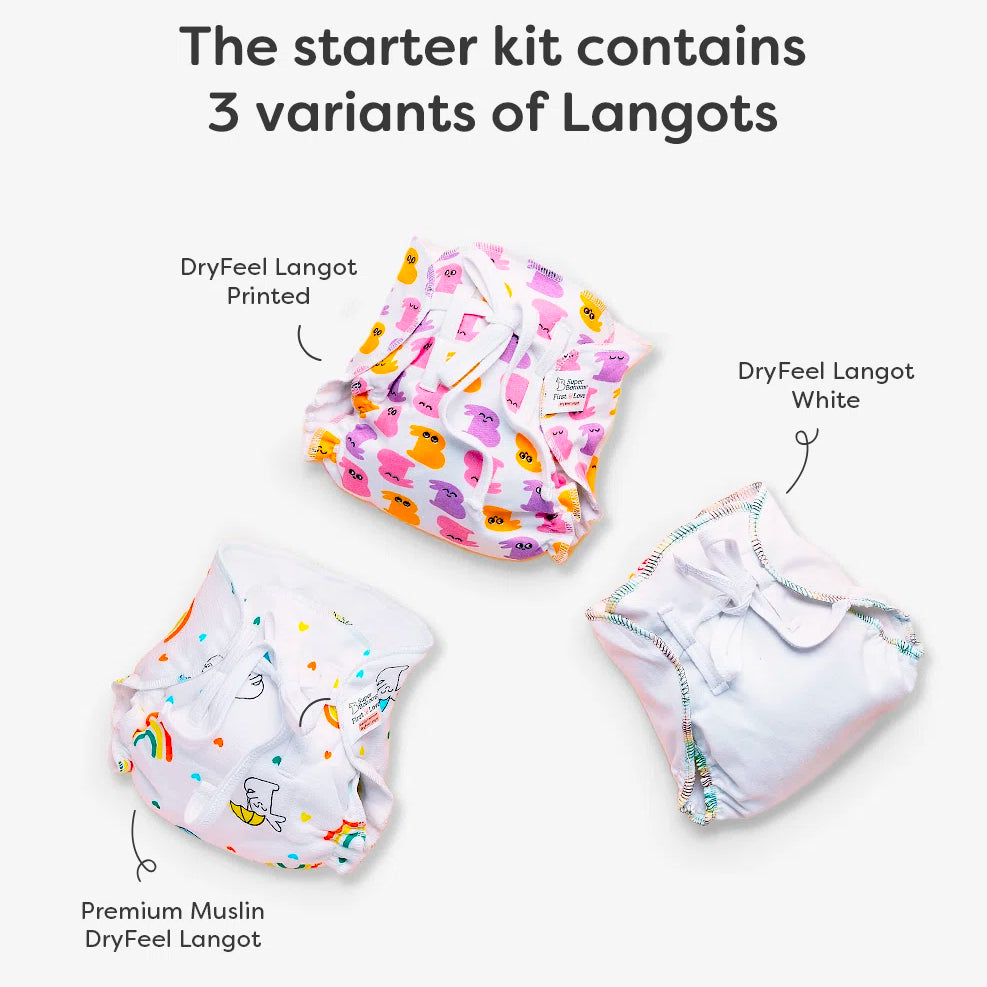
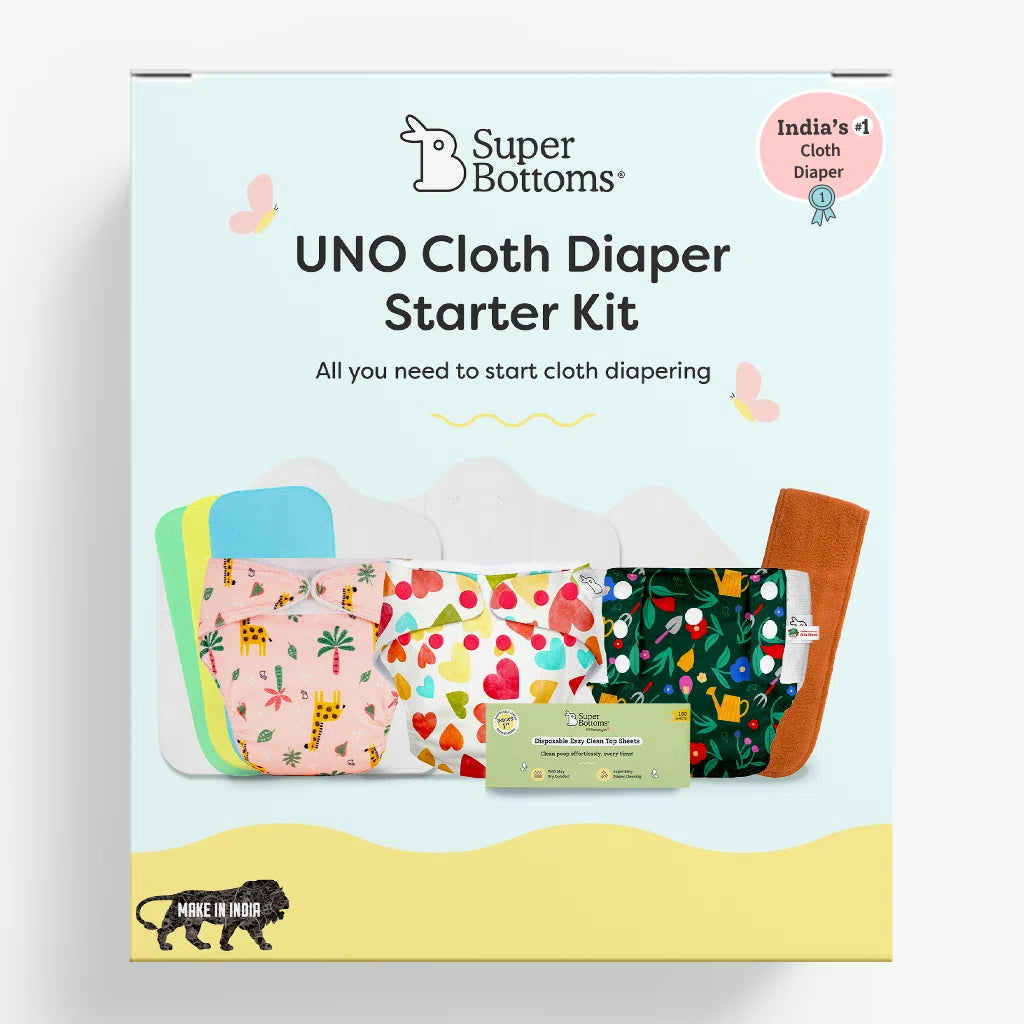
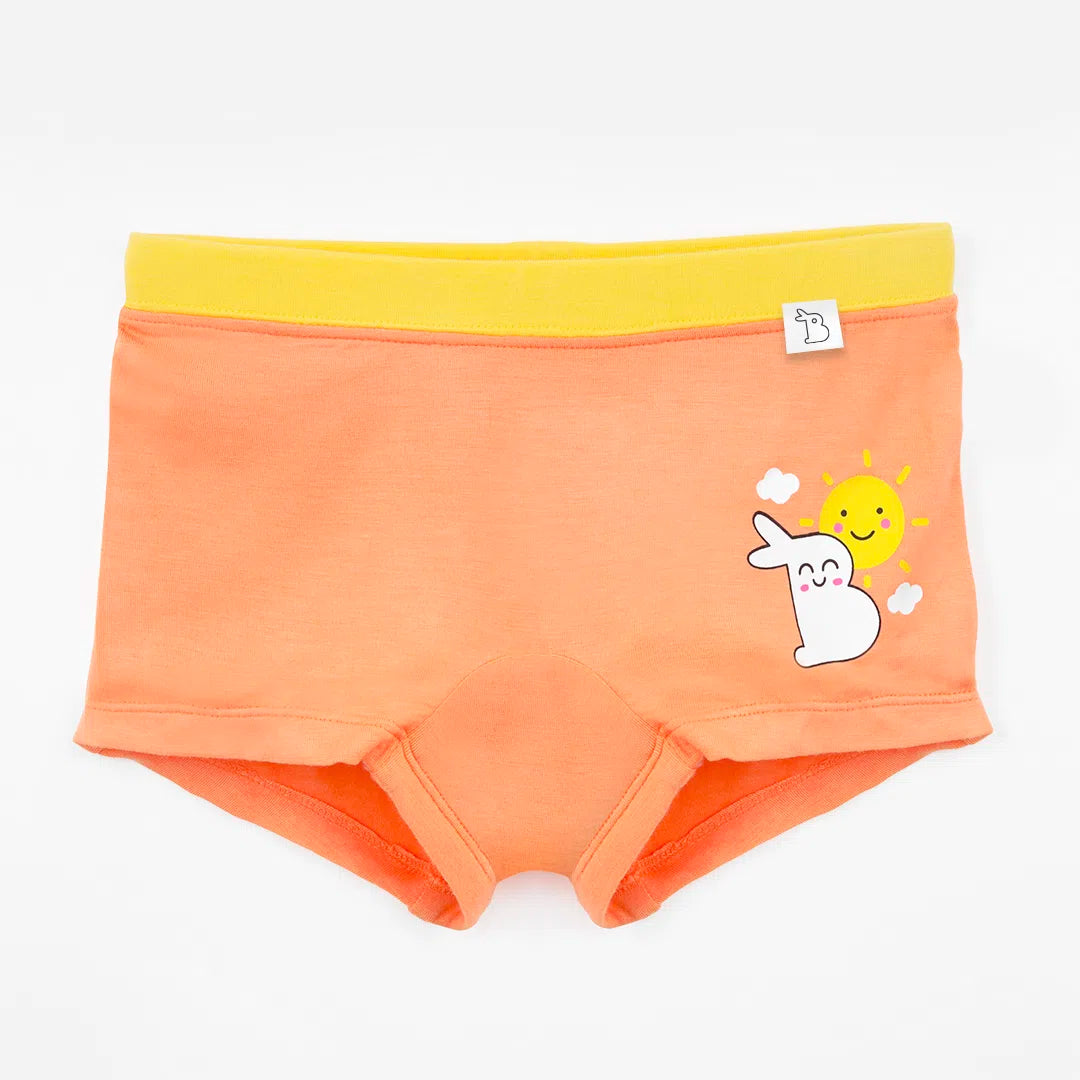
For babies experiencing skin sensitivity or discomfort during illness recovery, soft reusable diapering options can help maintain comfort while supporting frequent changes and breathability.
Find the right fit → Shop SuperBottoms UNO Collection
|
Limited Time Offers + Special Gift Sets! Now or never Super SALE is live on the SuperBottoms website! Take advantage of unbeatable value deals on our UNO Cloth Diapers, Baby Essentials, and more. Looking for the perfect present for a newborn or a toddler? Explore our thoughtfully curated Gift Sets & Combos - safe, skin-friendly, and oh-so-cute! A bundle of love for little ones and a delight for parents. HURRY - Deals and Gift Packs are live only till stocks last. Don’t miss the chance to stock up and share the joy! |
Key Takeaways
- Dengue fever in kids often begins with sudden fever, weakness, and skin rashes.
- Hydration and timely medical care are essential for safe recovery.
- Breathable, skin-friendly baby essentials may help improve comfort during recovery.
FAQs
1. What are the first dengue symptoms in kids?
Early dengue symptoms in kids usually include high fever, tiredness, poor appetite, vomiting, and body pain.
2. Can babies get dengue fever?
Yes, dengue fever in babies is possible if they are bitten by infected mosquitoes.
3. How long does dengue fever in kids last?
Most mild cases improve within 7–10 days with proper medical care and hydration.
4. Are dengue rashes in kids dangerous?
Rashes are common in dengue and are not always dangerous, but severe bruising or bleeding should be checked immediately.
5. What foods help children recover from dengue?
Hydrating fluids, fruits, soups, and soft nutritious meals are commonly recommended during recovery.
6. What is the best dengue treatment for child at home?
Supportive care like hydration, rest, fever monitoring, and pediatric supervision are the main parts of dengue treatment for child at home.
7. Are reusable cloth nappies good during fever recovery?
Many parents prefer breathable reusable cloth nappies because they may feel gentler on sensitive skin and allow frequent comfortable changes.
8. Where can I buy reusable baby diapers in India?
Parents can explore reusable diapering options online through trusted baby-care brands like SuperBottoms.
References
Hi there, new parents! SuperBottoms brings you doctor-recommended cloth diapers - the best rash-free diapering solution for your baby's sensitive and delicate skin. Unlike disposable diapers loaded with chemicals, our newborn cloth diapers, when used and washed properly, can help eliminate the risk of diaper rashes. SuperBottoms offers a wide range of safe, skin-friendly essentials for the whole family - including Reusable Cloth Diapers, Diaper Pants, DryFeel langots for diaper-free time, Padded Underwear for potty training, SuperSoft Underwear for everyday comfort, Joggers for playful days, and Period Underwear for women. Not just for everyday use, SuperBottoms products also make the best gifting choice for babies - thoughtful, eco-friendly, practical, and loved by parents. Now available on Amazon, Myntra, Flipkart, FirstCry, Zepto, Swiggy and Blinkit.